


Shopping for a new western saddle pad can feel overwhelming. Wool felt, neoprene, contoured, square—the options seem endless, and they all claim to be the best. So, how do you choose the right one for your horse, your saddle, and the type of riding you do? It’s simpler than it looks once you understand the fundamentals. This guide is your cheat sheet. We’ll break down the different types of pads, explain what features truly matter, and show you how to get a perfect fit. You'll leave feeling confident in your choice for your equine partner.
Key Takeaways
- Prioritize a contoured fit: A great pad should fit your saddle first, leaving a one to two inch border around the entire skirt. Always choose a contoured shape that follows your horse's topline to prevent pressure on the withers and spine, ensuring the pad works with your saddle, not against it.
- Choose materials for your discipline: The right material directly impacts your horse's comfort during specific activities. Opt for breathable wool felt for long hours on the trail, or look for specialized performance pads with superior moisture control for high-intensity sports like barrel racing.
- Shop smart and care for your gear: Avoid common mistakes by checking sizing before you buy and reading reviews for real-world feedback on durability. Once you have your pad, follow the care instructions and store it properly to protect your investment and your horse's comfort.
What Is a Western Saddle Pad?
Think of a western saddle pad as the essential layer of protection and comfort between your horse and your saddle. It’s much more than just a colorful accessory; it’s a critical piece of equipment that plays a huge role in your horse’s well-being and your performance as a rider. A good pad helps your saddle fit correctly, keeps your horse comfortable during long rides, and can even improve your overall riding experience. It works by absorbing shock, distributing the rider's and saddle's weight evenly, and preventing painful pressure points that can lead to soreness.
Beyond protecting your horse, a quality pad also protects your saddle. It wicks away sweat and keeps dirt from damaging the leather, extending the life of your valuable tack. Whether you’re hitting the trails, working on the ranch, or competing in the arena, the right saddle pad is non-negotiable. It’s one of the most important investments you can make for your horse’s comfort and long-term soundness. Choosing the right one ensures every ride is a good one for both of you, creating a partnership built on trust and comfort from the ground up.
Western vs. English Pads: What's the Difference?
While both western and English pads serve the same basic purpose, they are designed for very different jobs. Western saddle pads are built to go under heavy, bulky western saddles that distribute weight over a large area. Because of this, they are typically larger, thicker, and more robust. They are designed to provide significant cushioning and support for long hours in the saddle, whether you're on a trail ride or working cattle. In contrast, English pads are much thinner and smaller, shaped to fit the minimalist design of a lightweight English saddle. Their main goal is to provide a bit of cushioning while allowing the rider to have close contact with the horse’s back.
Why Your Horse Needs the Right Saddle Pad
Choosing the right pad is one of the most important things you can do for your horse’s health. A well-fitting pad helps prevent a sore back by distributing pressure evenly and keeping the saddle from shifting or rubbing. This is crucial for preventing long-term back problems and ensuring your horse stays happy and willing to work. High-quality materials, like pure wool, are also key because they are breathable and wick moisture away from the skin. This is especially important for hardworking horses, as it helps keep them cool and prevents skin irritation. A great pad absorbs shock, cushions impact, and ultimately makes the ride more comfortable for your equine partner.
A Guide to Western Saddle Pad Types
Walking into the world of western saddle pads can feel a little overwhelming at first. There are so many materials, shapes, and styles to choose from. But don't worry, it's simpler than it looks. The key is to understand the main types and what they're designed to do. Getting familiar with the basics will help you narrow down the options and find the perfect match for your horse, your saddle, and the type of riding you love to do. Let's look at some of the most common types you'll find.
The Sheer Variety of Saddle Pads
When you start looking at western saddle pads, the options can feel endless. You'll see pads made from wool felt, fleece, neoprene, and even high-tech foam blends, each with its own strengths. Breathable wool felt is a classic choice for long trail rides because it wicks away moisture and provides natural shock absorption. In contrast, some performance pads use specialized inserts for high-impact sports like barrel racing. The shape is just as important—a pad with a contoured topline is crucial for preventing pressure on the withers and spine. Thickness also matters; a standard three-quarter-inch pad is great for a well-fitting saddle, while a thicker one might help a saddle that's a bit too wide. Understanding these factors helps you choose the best option for your horse's comfort and your riding needs.
Wool Felt: The Tried-and-True Classic
Wool felt is a classic for a reason. These pads are fantastic at wicking away sweat, which helps keep your horse’s back cool and dry during a ride. Because wool is a natural fiber, it breathes well and conforms to your horse’s shape over time, creating a comfortable, custom-like fit. This material is also great for distributing pressure evenly and absorbing shock, protecting your horse's back from the impact of your ride. If you’re looking for a reliable, all-around option that prioritizes your horse's comfort, exploring different saddle pads made from high-quality wool felt is an excellent place to start. They are a durable and supportive choice for many riders.
Understanding Wool Quality
But not all wool pads are created equal, and the quality can make a huge difference for your horse. The best pads are made from high-density, 100% virgin wool. This type of wool has superior moisture-wicking capabilities, drawing sweat away from the skin to keep your horse cooler and prevent irritation on long rides. It also offers better compression resistance, so it won't pack down over time and will continue to provide excellent shock absorption and even pressure distribution. While a premium wool pad might have a higher price tag, think of it as an investment in your horse's comfort and soundness. It’s a foundational piece of your horse tack that pays off with every ride.
Contoured Pads: Designed for Your Horse's Back
Have you ever noticed how some pads have a distinct curve along the top? Those are contoured pads, and they are designed to follow the natural shape of your horse’s back. This anatomical design is a game-changer for fit. It helps the pad sit securely in place, reducing the chance of it slipping or bunching up, especially around the withers. A good contoured pad provides wither relief and allows for better airflow along the spine. By managing sweat and preventing uncomfortable pressure points, these pads help keep your horse cool, dry, and happy on the trail or in the arena.
Performance Pads: Built for Action
When your riding demands a little more, a performance pad might be the answer. This category often includes pads made with a combination of advanced materials and technologies specifically for high-energy disciplines. Think of them as the athletic gear in the saddle pad world. Many are engineered with special cores for superior shock absorption or have built-in features to maximize airflow and moisture control. This is crucial for keeping your horse comfortable and able to perform at their best during long rides or intense competitions. If you're into barrel racing, roping, or long-distance trail riding, a performance pad can make a significant difference in your horse's endurance.
Neoprene Pads: Durable and Easy to Clean
If you need a pad that can handle tough conditions and is easy to clean, look no further than neoprene. These pads are known for being incredibly durable and long-lasting. The synthetic rubber material is resistant to water, sweat, and grime, so you can often just hose it off after a ride. While some older styles had a reputation for trapping heat, many modern neoprene pads incorporate textured surfaces or ventilation holes to improve airflow. Their non-slip nature also helps keep your saddle from shifting. For riders who need a low-maintenance, hardworking pad that can withstand rigorous, everyday use, neoprene is a very practical choice.
Therapeutic and Specialty Pads
Sometimes, a standard pad isn’t quite enough. Whether you’re dealing with minor saddle fit issues, a horse with a sensitive back, or the demands of a high-impact sport, therapeutic and specialty pads offer targeted solutions. These pads use advanced materials and innovative designs to provide extra support where it’s needed most. They can be a fantastic tool for improving your horse's comfort and performance, but it's important to understand what they do and choose the right one for your specific situation. Let's look at a few common types.
Pads with Gel or Foam Inserts
If you participate in high-impact disciplines like barrel racing, reining, or roping, you know how much stress is placed on your horse's back. Pads with gel or foam inserts are engineered to combat this. These inserts are strategically placed to absorb shock and dissipate pressure away from critical areas. Think of it as giving your horse a high-tech cushion that softens the impact of quick stops, tight turns, and powerful movements. This technology is a game-changer for performance horses, helping to prevent soreness and protect their backs over the long term. Many riders find these pads provide peace of mind, knowing their equine athlete has an extra layer of protection.
Shim Pads for a Custom Fit
A shim pad is a problem-solver’s best friend for addressing minor saddle fit imperfections. These pads feature pockets that allow you to insert small foam or felt pieces, called shims, to build up specific areas. This is incredibly useful for horses that are slightly asymmetrical, have high withers, or are developing new muscle and changing shape. For example, you can add shims to one side to balance a saddle on a horse with uneven shoulders. While they are not a substitute for a properly fitting saddle, they are an excellent tool for fine-tuning the fit and ensuring even pressure distribution, making the saddle more comfortable for your horse.
Pads for Specific Health Needs
For horses with a history of back soreness or other sensitivities, a therapeutic pad can make a world of difference. Often recommended by veterinarians and equine chiropractors, these pads are designed with your horse’s health as the top priority. Many feature advanced, shock-absorbing membranes that protect both the horse's and the rider's back from concussion. They work by distributing weight more effectively and reducing pressure points that can cause pain and resistance. Investing in one of these specialized saddle pads can be a key part of a management plan to keep your horse comfortable, sound, and happy in their work.
Other Common Materials
While wool felt and neoprene are workhorses in the saddle pad world, they aren't the only options available. Other materials offer unique benefits, from luxurious softness to vibrant style. Understanding these alternatives can help you choose a pad for a specific purpose or add a finishing touch to your riding setup. Let's explore a couple of other materials you'll frequently encounter when shopping for your horse.
Sheepskin and Fleece
Nothing says comfort quite like the soft touch of sheepskin or fleece. Real sheepskin is a premium material prized for its incredible softness, moisture-wicking abilities, and therapeutic properties that help distribute pressure and prevent sores. It’s a luxurious choice that offers exceptional comfort for sensitive horses. Synthetic fleece provides a similar plush feel at a more budget-friendly price point and is typically very easy to wash and care for. Both materials are excellent for providing additional cushioning and are often used as a soft lining on other types of pads or as full pads themselves, especially in the show ring where comfort and appearance are key.
Cotton and Acrylic Blends
Often found in the form of colorful saddle blankets, cotton and acrylic blends are a popular way to add personal style to your tack. These materials offer a good balance of durability and comfort, holding up well to regular use while providing a basic layer of padding. While a woven blanket alone may not offer the same shock absorption or moisture-wicking properties as a high-performance pad, they are perfect for layering. Many riders place a decorative cotton or acrylic blanket over a more functional wool felt or contoured pad to get the best of both worlds: top-tier protection for the horse and a vibrant, eye-catching look for the rider.
Show, Endurance, and Pony Pads
Beyond materials, saddle pads are often designed with a specific job in mind. The pad you need for a three-day endurance ride is very different from the one you’d use for a ranch pleasure class. Manufacturers create specialized pads tailored to the unique demands of various disciplines, ensuring both horse and rider have the right equipment to perform their best. For example, a barrel racing pad is often shorter and more contoured to allow for maximum freedom of movement during tight, high-speed turns. In contrast, a roping pad will be thicker and more robust, built with dense materials to absorb the intense shock and pressure that comes from dallying a rope. Understanding these distinctions is key to selecting gear that truly supports your riding goals.
For the show ring, pads are often designed with aesthetics as a primary focus. They might be cut to fit perfectly under a show saddle with no visible margin, or they may feature elegant leather trim. Endurance riders, on the other hand, prioritize function over form. Their pads are lightweight, exceptionally breathable, and designed to manage heat and sweat over many miles. And let's not forget our smaller equine partners. Pony pads are specifically sized and shaped to fit the shorter backs of ponies and small horses, ensuring they get the same level of comfort and proper fit as their larger counterparts. No matter your discipline, you can find a wide variety of saddle pads designed to meet your specific needs.
Shop This Post

Featured in this article
Classic Equine Sensorflex Wool Saddle Pad - 1" Heavy Wool Felt Center, Wool Fleece Bottom, 100% Wool Top
$139.99
Shop Now →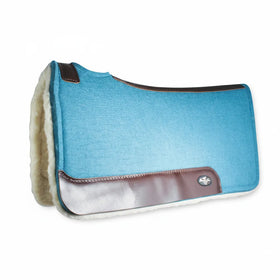
Matching Your Pad to Your Riding Style
The type of riding you do has a huge impact on the kind of saddle pad your horse needs. A pad that’s perfect for a slow, meandering trail ride won’t offer the right support for the explosive movements of barrel racing. Thinking about your discipline first is the best way to narrow down your options and find a pad that truly helps your horse perform at their best. Each activity places different demands on your horse’s back, and the right pad provides the specific support, shock absorption, and fit required for that job.
For example, high-impact sports require more shock absorption to protect the spine and muscles, while long-distance riding calls for superior breathability and pressure distribution to prevent soreness. The shape of the pad is also critical. Some disciplines demand a closer feel for subtle cues, while others need a pad cut to allow for maximum shoulder or hip movement. It's not just about protecting your horse; it's about enabling them to do their job comfortably and effectively. Choosing the right pad is a key part of responsible horsemanship and can significantly improve your rides. As you explore the different types, you’ll see how our collection of saddle pads includes designs tailored for every kind of rider. Let’s look at a few common Western disciplines and what to look for in a pad for each one.
Best Pads for Trail and Ranch Riding
When you’re out on the trail or working on the ranch, you’re often in the saddle for hours. Comfort for your horse is the top priority. For this kind of riding, you need a pad that excels at distributing pressure evenly to prevent sore spots over long periods. As the experts at Weaver Equine note, "Saddle pads are super important for both your horse and your saddle. They help the saddle fit right, keep your horse comfortable, and improve how well you ride." Look for pads made from breathable materials like wool felt that offer great cushioning. A good trail pad will stay securely in place without shifting, ensuring your horse remains comfortable from the first mile to the last.
Pads for Speed: Barrel Racing and Roping
Barrel racing and roping are high-intensity, high-speed sports that demand a lot from your horse. These activities generate a lot of heat and sweat, so managing moisture is key. A pad designed for performance can make a real difference. Many pads are specifically built "to help with airflow and moisture control, which is important for your horse's performance." A lightweight, breathable pad that wicks sweat away will keep your horse cooler and more comfortable, helping them maintain their stamina. These pads are also often shaped to provide a close contact feel, allowing you to give precise cues during a fast run without sacrificing protection.
Key Features of Barrel Racing Pads
Barrel racing is all about agility and speed, so your pad needs to support that. Look for a pad that is lightweight and has a contoured, cut-back design. This shape gives your horse’s shoulders and hips the freedom they need for explosive take-offs and tight turns around the barrels. A non-slip bottom is also a great feature to keep your saddle securely in place during those fast-paced maneuvers. Since barrel horses work hard and sweat a lot, a pad with superior moisture-wicking properties is essential. It helps keep your horse cool and comfortable, which is vital for their performance. Many performance-focused saddle pads are engineered specifically with these features to manage heat and provide the right amount of shock absorption without adding extra bulk.
Key Features of Roping Pads
Roping puts unique and intense pressure on a horse’s back. When a steer hits the end of the rope, the force travels through the saddle and down to the horse. A roping pad’s main job is to absorb that powerful jerk. Because of this, roping pads are typically thicker, denser, and more robust than pads for other disciplines. They are built for maximum shock absorption and durability to protect the horse’s withers and back from the sudden, heavy impact. A good roping pad won't compress or shift under pressure, ensuring the saddle stays stable and the force is distributed as evenly as possible. When you shop for a pad for your roping horse, prioritize a dense core and sturdy construction to give them the protection they need to do their job safely and comfortably.
Pads for Agility: Cutting and Reining
In disciplines like cutting and reining, your horse needs complete freedom of movement to perform the intricate and athletic maneuvers required. A bulky or ill-fitting pad can restrict the shoulders and hips, getting in the way of those quick stops and sharp turns. The fit and shape of the pad are everything. As Weaver Equine points out, "Pads come in many thicknesses and shapes to help your saddle fit perfectly. Some have a special contoured spine for better comfort." A contoured pad that follows the natural curve of your horse’s back is an excellent choice. It provides a secure, slip-free fit that allows your horse to move with the agility and grace these disciplines demand.
Customizing Your Saddle Pad
Customizing your saddle pad goes far beyond picking a fun color or pattern. It’s about creating the perfect combination of fit, material, and design to meet the specific needs of your horse and your riding style. A well-fitting pad is essential for preventing a sore back, as it distributes pressure evenly and stops the saddle from rubbing. This is why a contoured shape that provides wither relief is so important—it works with your horse's anatomy, not against it. The right material also plays a huge role in your horse's comfort, especially for different activities. Breathable wool felt is ideal for long trail rides, while performance pads offer superior moisture control for high-intensity sports. Finding the right combination in our collection of saddle pads ensures your horse is comfortable, protected, and ready for any adventure.
What to Look for in a Western Saddle Pad
Shopping for a new saddle pad can feel a little overwhelming with all the options out there. But once you know what to look for, it gets a lot easier. It’s all about finding the right combination of features that work for your horse, your saddle, and your riding style. Let's walk through the key things to consider, from the material it's made of to how well it absorbs shock, so you can make a choice you and your horse will both love.
Choosing the Best Material
The material of your saddle pad is one of the most important factors. Wool, especially 100% wool felt, is a top choice for good reason. It’s incredibly breathable, wicks away sweat to keep your horse’s back cool and dry, and provides excellent shock absorption. You’ll also find pads made from wool blends, fleece, and synthetic felt, which can be great, budget-friendly alternatives. Some pads even incorporate gel inserts for targeted pressure relief. When choosing, think about your climate and the intensity of your rides. For long trail rides in the heat, the breathability of a quality wool pad is hard to beat.
Specialty Surfaces like "GettaGrip"
Some pads take anti-slip technology a step further with specialty surfaces like the "GettaGrip" material found on some Weaver pads. This is often a tacky, neoprene-like foam that provides an extra layer of security to keep your saddle exactly where it needs to be. What’s great about these designs is that they often don’t sacrifice comfort for grip. Many feature perforations that also provide ventilation, helping to manage heat and sweat during a ride. This added stability is a huge advantage in disciplines with quick movements, but it’s also great for trail riders who want peace of mind that their saddle isn't shifting. A pad that stays put is key to preventing rubs and sore spots, ensuring a comfortable ride for your horse.
How Much Thickness and Cushion Do You Need?
Saddle pads come in various thicknesses, most commonly 3/4 inch and 1 inch. The right thickness depends almost entirely on how well your saddle fits your horse. A well-fitting saddle generally needs a thinner pad (around 3/4 inch) to provide cushion without altering the fit. If your saddle is a little wide or has minor pressure points, a thicker 1-inch pad can help fill in gaps and distribute pressure more evenly. The goal is to provide comfort and support without creating a pad so thick that it destabilizes the saddle or blocks communication between your seat and your horse’s back.
The Dangers of a Too-Thick Pad
It might seem logical to grab the plushest, thickest pad on the shelf, thinking you’re giving your horse extra comfort. However, using a pad that’s too thick can actually cause more problems than it solves. When a pad is too bulky, it can interfere with how your saddle is supposed to fit. For a saddle that already fits well, a thick pad can make it too tight, creating new pressure points. For a slightly wide saddle, it can act like an unstable layer, causing the saddle to roll from side to side. This not only throws off your balance but can lead to significant soreness and back pain for your horse over time.
Beyond the physical fit, an overly thick pad can create a disconnect between you and your horse. It essentially muffles the subtle leg and seat cues you use to communicate, making it harder for your horse to understand what you’re asking. The key is to remember that a pad is meant to complement your saddle, not correct a poor fit. Your goal is to find the right balance of cushion and support that protects your horse’s back without interfering with saddle stability or your connection. Exploring the different thicknesses available in our collection of saddle pads can help you find that perfect match for your setup.
Getting the Shape and Fit Just Right
Beyond thickness, the pad's overall shape is critical for a good fit. A pad should follow the contours of your horse’s back to prevent rubbing and pressure points. Many modern pads are "contoured," meaning they have a curve that mirrors the horse's topline and a cutout over the withers. This design provides essential wither clearance and helps the pad stay securely in place without shifting or bunching. A square or straight-backed pad can put uncomfortable pressure on the withers, so a contoured shape is almost always a better choice for your horse’s comfort during rides.
Round vs. Square Skirt Pads
The shape of your saddle's skirt—the large leather flaps on the sides—is the main factor in deciding between a round or square pad. A round skirt pad is designed to fit under saddles with a rounded skirt, which are often lighter and a great choice for horses with shorter backs. The curved design prevents the pad from interfering with the horse's hips, allowing for better freedom of movement. On the other hand, square skirt pads are more traditional and are often seen in the show ring. They are designed to fit under classic square-skirted saddles. Ultimately, the rule is simple: your pad should match the shape of your saddle, providing a clean border of about one to two inches all the way around. This ensures the saddle pad provides the right coverage and protection.
When to Choose a Straight Pad
While contoured pads are usually the best choice for providing wither relief, there are times when a straight, non-contoured pad is appropriate. This is most common in traditional western showing, where square-skirted saddles are the standard. A straight pad is designed to fit neatly under these specific saddles, maintaining a classic and polished look. If your saddle fits your horse exceptionally well and doesn't require the extra wither clearance from a contoured design, a high-quality straight pad can work just fine. The key is that the pad must not create pressure on the spine. For most riders and horses, a contoured shape offers more built-in comfort and a more forgiving fit, but in certain traditional disciplines, a straight pad is chosen to complement the specific saddle style.
Understanding Saddle Pad Sizing
Getting the right size is just as important as getting the right shape. A saddle pad should be large enough to protect your horse’s back from the entire saddle, including the skirts. A good rule of thumb is to have at least one to two inches of pad visible around the entire perimeter of your saddle. However, you want to avoid a pad that is excessively large, as it can create unnecessary weight and heat. Before you buy, measure your saddle’s length and width, then look for a pad that offers that ideal one-to-two-inch border.
The Importance of a Contoured Spine
A contoured spine is a feature that deserves its own mention because it makes a huge difference in your horse's comfort. This is the dip or curve built into the center of the pad that runs along the horse's backbone. This design lifts the pad off the spine, preventing pressure and friction in this sensitive area. It allows for better airflow and ensures the pad sits naturally with the horse's anatomy instead of pressing down on it. When you’re looking at different pads, always check for a defined, contoured spine. It’s a clear sign of a well-designed, horse-friendly product.
Shoulder Relief and Cutback Designs
A horse’s shoulder needs to move freely for a natural, efficient stride. A bulky or ill-fitting pad can get in the way, causing pinching, rubbing, and restricted movement, which is why shoulder relief and cutback designs are so important. These features are specifically engineered to free up the shoulder area, often appearing as a cutout or a more flexible section at the front of the pad. This thoughtful design ensures the pad doesn't interfere with your horse's natural motion, which is crucial for everything from a relaxed trail ride to the powerful movements needed in performance events. It's a small detail that makes a big difference in comfort and willingness, and it's a key feature in many of the best saddle pads available.
Why Breathability Matters
A horse can sweat a lot under the saddle, especially during hard work or in warm weather. A breathable pad is essential for managing that moisture. Materials like natural wool are fantastic because they pull sweat away from the skin and allow it to evaporate, keeping your horse cooler and more comfortable. Good airflow helps prevent the buildup of heat and reduces the risk of skin irritations or sores. A dry back is a comfortable back, which allows your horse to perform their best without the distraction of overheating or discomfort from a soggy pad.
How Shock Absorption Protects Your Horse
Every step your horse takes creates impact that travels through their back. A good saddle pad acts as a buffer, absorbing much of that shock to protect your horse’s muscles and spine. High-density materials like wool felt are excellent at this, compressing to absorb impact and then rebounding to provide consistent support. This feature is crucial for every discipline, from leisurely trail rides to high-impact sports like roping or barrel racing. Investing in a pad with great shock absorption helps support your horse’s long-term soundness and comfort. You can explore a wide variety of saddle pads with these features to find the perfect match.
How to Get the Perfect Saddle Pad Fit
A great ride starts with a comfortable horse, and the right saddle pad fit is non-negotiable. Think of it as the critical layer of communication between your saddle and your horse's back. A pad that fits well distributes pressure evenly, absorbs shock, and prevents soreness, allowing your horse to move freely and perform its best. But getting that perfect fit can feel tricky, especially when you're shopping online. Let's break down exactly what to look for, from taking measurements to spotting the signs of a great (or not-so-great) fit.
How to Measure Your Horse for a Saddle Pad
First things first, you're actually measuring for your saddle, not just your horse. The pad needs to support the saddle completely. Grab a tape measure and find the length of your saddle from the front of the pommel to the back of the skirt. Then, measure the drop, which is the length from the center of the saddle down to the bottom edge of the skirt. A well-fitting pad should extend about one to two inches beyond the saddle on all sides. This ensures the saddle skirt never touches your horse's back directly. Remember, thicker isn't always better; a pad that's too thick can make the saddle unstable.
Is Your Saddle Pad a Poor Fit? Watch for These Signs
A poorly fitting pad can cause discomfort and create painful pressure points on your horse's back. After a ride, check your horse’s back for telltale signs. Are there dry spots on an otherwise sweaty back? That's a big red flag for a pressure point where the pad is too tight. Other signs include ruffled hair, rubs, or sores. Watch your horse's behavior too. If they pin their ears, swish their tail excessively, or seem reluctant when you're saddling up, their gear might be the culprit. The pad itself might also slip, bunch, or wrinkle under the saddle during your ride, which is another clear indicator that the fit is off.
What a Perfectly Fitted Saddle Pad Looks Like
When a saddle pad fits just right, your horse will thank you for it. A great fit means the pad lies smoothly against your horse’s back with no bunching, and it provides a consistent one-to-two-inch border around your saddle. After a ride, you should see a nice, even sweat pattern, which shows that pressure was distributed correctly. High-quality materials also play a huge role. For example, pure wool is fantastic because it breathes and wicks moisture away, keeping a hard-working horse comfortable. Many of the best saddle pads also feature a contoured spine to follow your horse's natural shape, preventing pressure on the withers and spine.
Using Rider Reviews to Find Your Perfect Pad
Reading through customer reviews is one of the smartest things you can do before buying a saddle pad online. It’s like getting advice from hundreds of fellow riders who have already put the product to the test. But to get the most out of them, you need to know what to look for. Pay attention to patterns in what people say, both good and bad, to get a clear picture of how a pad performs in the real world.
What to Look for in Positive Reviews
When you’re scanning positive reviews, look for specifics. Vague comments like “great pad” are nice, but the real gems are in the details. Many riders share how a particular pad helped solve saddle fit problems, which is a huge relief for both horse and rider. Keep an eye out for comments about improved comfort, noting that a horse seems happier or is moving more freely. These are signs that the pad is doing its job well. Praise about durability, how well it holds up after months of use, or how easy it is to clean also points to a high-quality product that’s worth the investment.
Red Flags: Common Complaints in Reviews
Just as important as the praise are the complaints. A single bad review might just be a one-off issue, but if you see the same complaint over and over, it’s a red flag. For example, some pads use materials like EVA foam or fleece liners for comfort, but you might find reviews mentioning these materials trap too much heat or compress too quickly. Pay attention to comments about pads slipping, causing dry spots, or showing premature wear and tear. These recurring issues can signal a potential design flaw or a mismatch for certain types of riding or horse conformations.
How to Read Between the Lines of Reviews
After weighing the pros and cons, think about the company selling the pad. Reviews can also give you clues about the retailer’s reliability. Does the company offer dependable shipping and have a customer service team you can actually talk to? A great product is only half the equation; you also want a smooth buying experience. When you’re ready to start looking, it helps to browse a curated collection of saddle pads from a retailer that stands behind their products. This way, you know you’re starting with options that are already trusted by experienced riders.
What Defines a Top-Quality Saddle Pad?
When you're browsing online, it's easy for all the saddle pads to start looking the same. But a top-quality pad is more than just a pretty pattern. It’s a crucial piece of equipment defined by its construction, its thoughtful design, and the company that stands behind it. These three elements work together to ensure your horse is comfortable, your saddle fits properly, and your investment lasts for years of rides. Knowing what to look for will help you see past the marketing and choose a pad that truly performs.
It Starts with Premium Materials
This is where quality begins. The best pads are crafted from materials that prioritize your horse's comfort and the pad's longevity. One hundred percent wool felt is a gold standard for a reason. It’s incredibly durable, breathable, and excels at wicking away sweat to keep your horse’s back cooler and drier. You’ll also find excellent options made from high-grade materials like Merino wool and specialized felt blends. While these premium materials often come with a higher price tag, their ability to absorb shock, resist compression, and protect your horse’s back makes them a worthwhile investment. When you explore quality saddle pads, you'll notice these superior materials are a common thread.
Designed with Riders (and Horses) in Mind
A great saddle pad isn't just a cushion; it's an interface between your horse, your saddle, and you. The best pads feature a rider-informed design that solves real-world problems. This means it’s built to improve saddle fit, not hinder it. Look for features like a contoured spine that follows your horse’s natural shape, providing wither relief and preventing pressure points. A well-designed pad distributes the rider's weight and the saddle's pressure evenly across the horse's back, which is essential for preventing soreness and fatigue on long rides. This thoughtful engineering is what separates a basic pad from a piece of high-performance equipment.
Look for a Solid Guarantee
A company that creates a superior product isn't afraid to stand behind it. A trustworthy guarantee is a clear sign that a brand has confidence in its materials and craftsmanship. When a manufacturer offers a solid warranty or satisfaction guarantee, it tells you they’ve done their homework and expect their pad to hold up to the demands of regular riding. Here at Hooves and Paws, we share that philosophy. We believe in the products we carry, which is why we offer our own 365-day satisfaction guarantee. It’s our promise to you that we only stock gear we’d be proud to use on our own horses. This commitment to quality gives you peace of mind with every purchase.
How to Care for Your Western Saddle Pad
You’ve found the perfect saddle pad—now what? Taking care of it is just as important as the initial purchase. Proper care not only extends the life of your pad, saving you money in the long run, but it also ensures your horse stays comfortable and their back stays protected. A dirty, stiff, or misshapen pad can cause sores and discomfort, undoing all the good your high-quality pad was meant to do. Think of it as protecting your investment and your partner.
Luckily, caring for most Western saddle pads is straightforward. It really just comes down to two key things: consistent cleaning and smart storage. By building a few simple habits into your post-ride routine, you can keep your pad in top shape for years of happy trails. A clean pad is more breathable and effective at wicking away sweat, which is crucial for preventing skin issues. Plus, regular cleaning gives you a chance to inspect the pad for any signs of wear or damage, so you can catch small problems before they become big ones. Let's walk through exactly how to do it, based on the material of your pad and the best ways to store it when you're not in the saddle.
Easy Cleaning Tips for Any Pad Material
Keeping your pad clean is the first line of defense against bacteria and discomfort. The right method depends on the material. For felt pads, a daily shake and brush-off will remove most dirt. For a deeper clean, use a damp cloth and let it air dry completely; just be sure to skip harsh detergents that can harm the natural fibers. Neoprene pads are the easiest to maintain. A quick rinse with a hose after your ride usually does the trick. If you have stubborn grime, a little mild soap works well, but rinse it thoroughly to avoid leaving any residue that could irritate your horse’s skin. Fleece pads can often go right in the washing machine on a gentle cycle with cold water, but always air dry them to preserve their fluffy texture and shape.
How to Store Your Pad for a Longer Lifespan
How you store your saddle pad is just as crucial as how you clean it. Tossing it in a corner can cause it to lose its shape and even grow mold. Instead, hang your pad on a saddle rack or a dedicated hanger after every ride. This helps it maintain its contoured shape and allows air to circulate, drying it out completely. Always store your pads in a cool, dry area away from direct sunlight, which can degrade the materials over time. If your pad is damp, make sure it’s fully dry before putting it away to prevent mildew. Regular inspection of your gear is also a great habit. A quick look-over for thinning spots or tears lets you know when it’s time to repair or replace it.
Avoid These Common Mistakes When Buying a Saddle Pad
Shopping for western saddle pads online is incredibly convenient, but it also comes with a few potential pitfalls. It’s easy to get swept up by a cool pattern or a low price tag and overlook the details that truly matter for your horse’s comfort and the pad’s longevity. I’ve seen it happen time and again, but the good news is that these common mistakes are easy to avoid once you know what they are. Think of this as your cheat sheet for smart online shopping. By sidestepping these few common errors, you can ensure the pad you choose is a great investment that keeps your horse happy and comfortable on every ride.
Mistake #1: Forgetting to Double-Check Size and Fit
This is hands-down the most common mistake. You find a pad with a beautiful design, add it to your cart, and forget to confirm if it will actually fit your saddle and your horse. An ill-fitting pad can cause pressure points, soreness, and even long-term back problems for your horse. It can also cause your saddle to shift or sit improperly. Before you buy, measure your saddle’s skirt length and ensure the pad provides at least one to two inches of border all the way around. A well-fitting pad supports your horse’s back and your seat without being so thick that it alters saddle fit.
Mistake #2: Prioritizing Price Over Quality
While everyone loves a good deal, choosing a saddle pad based on price alone is a recipe for disappointment. A cheap pad might save you money upfront, but it’s unlikely to provide the comfort, protection, and durability your horse needs. Quality pads are made with superior materials designed to absorb shock, wick away moisture, and withstand years of use. Think of it as an investment in your horse’s well-being and your own peace of mind. A well-made pad protects your horse’s back and holds up over time, ultimately saving you money and hassle in the long run.
Mistake #3: Not Understanding the Price Range
It’s easy to get sticker shock when you start looking at saddle pads. One might be $50, while another that looks similar is over $400. This huge price difference can be confusing, but it’s not arbitrary. The price of a saddle pad is a direct reflection of the materials used, the technology built into it, and the level of craftsmanship. A less expensive pad might be fine for very light, infrequent rides, but a premium pad is built with superior materials that offer better shock absorption, moisture-wicking, and durability. Understanding what you’re paying for helps you find the best value for your budget and make a choice that truly supports your horse’s comfort.
What to Expect at Different Price Points
So, what does that price range actually look like in practice? On the lower end, you’ll find basic pads, often made from synthetic felt or simple woven materials. These can work for short, easy rides, but they may not offer the best breathability or shock absorption. As you move up in price, you start seeing higher-quality materials like wool blends and better construction. In the premium range, you’re investing in top-tier pads, typically made from 100% wool felt, that feature advanced designs like contoured spines, wear leathers, and sometimes even therapeutic gel inserts. These high-end saddle pads are designed for serious performance and long-lasting comfort for your horse.
Finding Deals on "Previously Loved" Pads
If a brand-new premium pad isn't in the budget right now, don't worry. You can still get top-tier quality by looking for "previously loved" or gently used pads. Many riders upgrade their gear, which means you can often find high-end pads at a significant discount at local tack consignment shops or online equestrian forums. This is a fantastic way to get a durable, well-made pad that might have otherwise been out of reach. Just be sure to inspect any used pad carefully. Check for compressed spots (especially under the saddle bars), tears, or hardened areas from caked-on sweat and dirt, as these can create pressure points and defeat the purpose of a quality pad.
Mistake #3: Overlooking the Care Instructions
You’ve invested in a fantastic, high-quality saddle pad, so make sure you protect that investment with proper care. Different materials require different cleaning methods. For example, a wool felt pad needs to be brushed and air-dried, while other materials might be machine washable. Ignoring the manufacturer’s care instructions can cause a pad to break down, lose its shape, or become stiff and uncomfortable for your horse. Taking a few minutes to read and follow the cleaning guide is a simple step that will dramatically extend the life and performance of your pad, ensuring it stays in top condition for years to come.
Mistake #4: Not Checking the Return Policy
Even when you do all your research, sometimes a saddle pad just isn’t the right fit once you see it in person. Before you click “buy,” always take a moment to check the retailer’s return policy. A flexible, customer-friendly policy is your safety net, giving you the confidence to purchase knowing you can make a return or exchange if needed. Here at Hooves and Paws, we stand behind our products with a 365-day satisfaction guarantee because we want you to be completely happy with your purchase. A good return policy shows that a company is confident in its products and values its customers.
Mistake #6: Forgetting to Factor in Shipping
It’s easy to get caught up in the excitement of finding the perfect saddle pad online, but one detail that can turn a great deal sour is shipping. Many riders focus on the item price, only to be surprised by hefty shipping fees at checkout. These unexpected costs can quickly inflate your total, while long processing times can leave you waiting weeks for a pad you needed for this weekend’s ride. This is why it’s so important to check a retailer’s shipping policy before you fall in love with a product. We believe getting your gear should be simple and stress-free, which is why we are proud to offer free, same-day shipping on our orders. When you shop with a company that prioritizes a great customer experience, you can be confident that the price you see is the price you pay, and your new gear will arrive when you need it.
Ready to Find Your Perfect Western Saddle Pad?
Now that you know what to look for, you're ready to find the perfect western saddle pad for you and your horse. It all comes down to choosing high-quality materials and a design that truly fits your horse's back, ensuring comfort and performance on every ride. Remember, a great pad isn't just an accessory; it's essential equipment that protects your horse and supports your saddle.
When you're browsing, keep an eye out for pads made from materials like 100% pure wool, which offers excellent durability and breathability. Many riders also find that contoured pads make a world of difference, as they are shaped to follow the natural curve of a horse's spine and prevent uncomfortable pressure points. Whether you're trail riding, ranching, or competing, the right pad provides the shock absorption and stability needed for a great experience.
Ultimately, the best choice is an investment in your horse's well-being. By prioritizing a proper fit and premium materials, you're setting your four-legged partner up for success. If you're ready to explore your options, we've curated a collection of top-quality saddle pads from brands we know and trust. With our 365-day satisfaction guarantee, you can shop with confidence, knowing you're getting a great product for your partner.
Related Articles
- 7 Best Saddle Pads for Comfort & Performance
- Expert Guide to Western Saddle Parts for Riders
- Top 7 Saddle Pad Picks for Comfort and Performance
- Best Saddle Pads 2025: Top Picks for Comfort & Performance
- Weaver Leather Wool Blend Saddle Pad 31x32 - Western Fit
Frequently Asked Questions
How do I know what thickness my saddle pad should be? The right thickness really depends on how well your saddle fits your horse. If your saddle is a great fit, a thinner pad, around 3/4 of an inch, is usually perfect for providing cushion without making the saddle unstable. If your saddle is a little too wide, a thicker 1-inch pad can help take up some of that extra space and improve the fit. The goal is to create a stable, comfortable setup, not to use the pad as a fix for a very poorly fitting saddle.
My saddle seems to fit my horse well. Do I still need a pad? Yes, you absolutely do. A saddle pad does so much more than just fill space. It acts as a crucial shock absorber, protecting your horse’s back muscles from the impact of your ride. It also wicks sweat away to keep your horse cool and prevent skin irritation, and it protects the leather of your saddle from dirt and moisture. Think of it as an essential layer of protection for both your horse and your gear.
How often should I actually clean my saddle pad? This depends on how much you ride and how much your horse sweats. At a minimum, you should brush off loose hair and dirt after every ride and let the pad air dry completely. For a deeper clean, you'll want to wash it whenever it gets stiff with dried sweat and grime, as this can cause rubbing and sores. For a heavily used pad, this might be every few weeks, while a lightly used one might only need it once a season.
Can I use the same pad for trail riding and barrel racing? While you might be able to get by with it for casual riding, it’s not ideal. The demands of these two disciplines are very different. A trail pad is built for hours of comfort and pressure distribution, while a performance pad for barrel racing is often lighter and shaped to allow for maximum speed and agility. Using a pad designed for the specific job gives your horse the best possible support and comfort, which helps them perform their best.
What's the most important sign that my saddle pad doesn't fit correctly? The clearest red flag is an uneven sweat pattern on your horse's back after a ride. When you remove the pad, you should see a fairly uniform layer of sweat. If you find dry spots surrounded by wet areas, it means there was too much pressure in that spot, which can lead to soreness and even muscle damage. It's a sure sign that something about your saddle or pad fit needs to be adjusted.


