


Walking into a tack shop can feel overwhelming. You see walls lined with splint boots, bell boots, open fronts, and skid boots, all in different materials and colors. While you know they all have a purpose, it’s hard to tell what’s what. This confusion is completely normal. Each boot is designed for a specific job, whether it’s protecting your horse during a workout, on the trail, or in the trailer. Our goal is to cut through the noise and make this decision simple. This guide will walk you through how to choose the right horse boots by breaking down the options, so you can make a confident and informed choice for your horse.
Key Takeaways
- Match the boot to your discipline: The protection a jumper needs is different from what a trail horse requires. Using the right boot for the job, such as open fronts for jumping or splint boots for flatwork, provides targeted safety where it's needed most.
- A perfect fit is essential for safety: An ill-fitting boot can slip, rub, or even cause injury. To get it right, measure your horse's cannon bone and consult the brand's specific size chart before you buy, as sizes can vary widely.
- Evaluate material and construction: Beyond the type of boot, look for durable, breathable materials that prevent heat buildup and are easy to clean. A quality boot protects your horse without restricting their natural movement.
Why Horse Boots Are More Than Just an Accessory
As a horse owner, you know that your horse’s legs are the foundation of their strength, grace, and athleticism. But for all their power, these structures are surprisingly delicate. Tendons, ligaments, and cannon bones are vulnerable to all sorts of bumps, scrapes, and impacts. That’s where horse boots come in. They aren’t just a colorful accessory to match your saddle pad; they are a critical piece of safety equipment designed to protect your horse from injury.
Think of them as shin guards for a soccer player or a helmet for a cyclist. The right pair of boots can prevent a minor misstep from turning into a major vet bill and a long recovery. Whether you’re schooling in the arena, hitting the trails, or traveling in a trailer, boots provide an essential layer of defense against interference (when a hoof strikes the opposite leg), overreaching, and collisions with obstacles like jump rails or trail debris. Investing in proper horse boots and leg protection is an investment in your horse’s long-term health and your own peace of mind. It’s about being proactive and giving your partner the support they need to perform their best, safely.
How Boots Protect Your Horse's Legs
At its core, a horse boot acts as a shield for the most vulnerable parts of the lower leg. During exercise, a horse's hooves move at high speeds, and it’s common for them to accidentally strike themselves. This is known as interference, and it can cause everything from minor scrapes to serious tendon injuries. Boots absorb the force of these impacts. They also guard against external threats, like hitting a jump standard, brushing against a tree on the trail, or getting bumped during transport. By covering the cannon bones, tendons, and soft tissues of the fetlock and pastern, boots provide a crucial buffer that keeps your horse’s legs safe during work, turnout, or travel.
The Benefits for Both You and Your Horse
The most obvious benefit of using horse boots is injury prevention, which saves your horse from pain and saves you from worry and expensive vet bills. Beyond that, boots can offer support to the tendons and ligaments, especially during strenuous activities like jumping or reining. For horses recovering from an injury, specialized boots can aid in the healing process. They can even provide a simple solution for keeping biting flies off your horse’s legs in the summer. However, it’s also important to remember that not every horse needs boots all the time. Good hoof care and correct conformation play a huge role in soundness. The goal is to use boots thoughtfully, based on your horse’s specific needs, rather than just for looks.
What Are the Different Types of Horse Boots?
Walking into a tack shop can feel a bit like walking into a hardware store for the first time. You see walls of gear, and while you know it all has a purpose, it’s hard to tell what’s what. The world of horse boots is no different. With so many styles, shapes, and materials, choosing the right pair can feel overwhelming. But don’t worry, it’s simpler than it looks. Each boot is designed for a specific job, whether it’s protecting your horse during a workout, on the trail, or in the trailer. Think of it as picking the right tool for the task at hand. Understanding the main types of protective horse boots and leg protection will help you make a confident choice that keeps your horse safe, sound, and comfortable.
Bell Boots
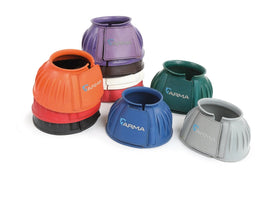
Also known as overreach boots, bell boots are designed to protect the soft, sensitive heel and coronary band area. They get their name from their bell-like shape, which fits around the pastern and covers the entire hoof. Their main job is to prevent a horse from “overreaching,” which is when a hind hoof steps on the back of a front heel, potentially causing injury or pulling off a shoe. They’re great for turnout, lunging, and riding, especially for horses with a long stride or those working in muddy conditions. Bell boots come in easy-to-use Velcro styles or more secure pull-on versions for horses that live in them 24/7.
Brushing and Splint Boots
Brushing boots, often called splint boots, are one of the most common types of protective legwear. Their purpose is to shield the lower leg, particularly the cannon and splint bones, from strikes from the opposite hoof. This "brushing" or interference can happen during any activity, from simple turnout to intense athletic work like jumping or reining. These boots are workhorses in the tack room, offering everyday protection with a durable outer shell and a soft, padded lining. They are easy to put on, easy to clean, and provide excellent peace of mind that your horse’s legs are guarded against accidental knocks and scrapes.
Tendon and Open Front Boots
If you’ve ever watched show jumping, you’ve seen tendon boots. These are specifically designed to protect the delicate tendons running down the back of the horse’s front legs from being hit by the hind hooves when going over a fence. The key feature is their open-front design. This is intentional, as it allows the horse to feel a light tap if they get too close to a rail, encouraging them to be more careful and pick their legs up cleanly. While they offer serious impact protection for the tendons, they leave the front of the cannon bone exposed, making them a specialized choice primarily for jumpers.
Fetlock Boots
Fetlock boots are the perfect partner to open front boots. While tendon boots protect the front legs, fetlock boots (sometimes called ankle boots) are designed for the hind legs. They are smaller and fit around the fetlock joint to protect it from strikes from the opposite hind hoof as the horse pushes off the ground or travels. This is especially common in jumping and other fast-paced disciplines where a horse’s movement is powerful and athletic. Using them in combination with tendon boots provides a complete system of protection that guards the most vulnerable areas without interfering with the horse’s natural movement.
Skid Boots
Skid boots are a must-have for reining horses and others involved in disciplines that require hard, sliding stops. When a horse performs a sliding stop, their hind legs come far underneath them, and the back of their fetlocks and pasterns slide along the ground. Skid boots are designed with a reinforced, cup-like shape at the bottom to absorb the friction and impact of this movement, preventing painful burns and scrapes on the back of the fetlock joint. They are a highly specialized piece of equipment built to handle the unique demands of Western performance sports and are essential for keeping these incredible athletes sound.
Shipping Boots
Traveling can be stressful for a horse, and a stumble or slip in the trailer can easily lead to injury. Shipping boots offer bumper-to-bumper protection for your horse’s legs during transport. These boots are tall and heavily padded, covering the leg from the knee or hock all the way down past the coronary band. They are designed to absorb impacts from all angles, protecting against scrapes, cuts, and more serious leg injuries. While some people prefer to use standing wraps for travel, shipping boots are a quick, easy, and highly effective option for ensuring your horse arrives at their destination safe and sound.
Hock and Knee Boots
Just as their names suggest, hock boots and knee boots are designed to protect these specific, complex joints. They can be used to prevent injury during travel or for horses that tend to get cast or knock themselves in their stall. Beyond simple protection, many hock and knee boots are also used for therapeutic purposes. They are often designed to hold ice packs to reduce swelling after a tough workout or can be used to apply compression or ceramic therapy to help soothe sore joints. These boots are a great tool for both preventative care and managing existing conditions in these high-motion areas.
Therapeutic and Rehabilitation Boots
When your horse needs a little extra support, therapeutic boots can make a world of difference. These boots are designed not just for protection but to actively aid in healing and recovery. They use various technologies to help reduce inflammation, ease soreness, and improve circulation. You can find ice boots for cooling down legs after exercise, magnetic boots that may help with pain management, and ceramic-infused boots that reflect the horse’s own body heat to warm muscles and increase blood flow. These are invaluable tools for managing injuries and supporting your horse’s overall health and first aid needs.
Shop This Post

Does Your Horse Really Need Boots?
Deciding whether your horse needs boots can feel like a puzzle. While some horses go their whole lives without them, others rely on them for daily protection and support. The truth is, there’s no single answer that fits every horse. The right choice depends entirely on your horse’s unique situation, including their job, their body, and where you ride.
Think of it this way: you wouldn't wear flip-flops to go hiking, and you wouldn't wear snow boots to the beach. The same logic applies to your horse. Different activities and conditions call for different gear. By looking at a few key factors, you can make a confident decision about whether horse boots and leg protection are a necessary part of your horse’s wardrobe. Let’s walk through what you need to consider.
Consider Your Horse's Discipline and Activity
The type of work your horse does is one of the biggest factors in deciding if they need boots. High-impact disciplines like jumping, reining, or barrel racing put significant strain on a horse's lower legs. Boots can help protect a horse's lower legs and hooves from interference strikes or impact with obstacles. For example, a jumper might need open-front boots to protect their tendons from being hit by their back hooves over a fence. In contrast, a horse used for light trail riding or flatwork in a soft arena might not require the same level of protection.
Assess Your Horse's Conformation and Gait
Every horse is built differently, and their conformation (how their body is put together) can influence their need for boots. Some horses have a narrow build or a way of moving that causes them to "interfere," meaning they might accidentally strike one leg with the opposite hoof. This is common in young, unbalanced horses or those with certain gaits. While good hoof care is always the first line of defense, boots can provide an essential layer of protection for horses prone to clipping themselves, preventing scrapes, bruises, and more serious injuries.
Factor in Your Riding Environment
Where you ride matters just as much as what you're doing. A horse working exclusively in a groomed arena with soft footing faces fewer external risks than one out on the trail. If you frequently ride on rough ground, through brush, or over rocky terrain, boots are a smart idea. They act as a shield against sharp rocks, sticks, and other hazards that could cause cuts, punctures, or bruises. Even turnout can be risky if the pasture is uneven or has hidden dangers, making turnout boots a worthwhile investment for some horses.
Address Recovery and Therapeutic Needs
Boots aren't just for preventing injuries during exercise; they are also vital tools for healing and recovery. If your horse is coming back from a leg injury, your vet may recommend specific boots to support healing tendons or ligaments. Therapy boots that use cooling, heating, or compression can also help manage swelling and improve circulation after a tough workout. These boots are designed to aid the body's natural healing process, making them an important part of any well-stocked equine first-aid kit and post-work routine.
How to Ensure a Perfect Fit
Finding the right horse boot is only half the battle; getting the fit right is just as crucial for your horse’s safety and comfort. An ill-fitting boot can do more harm than good, causing everything from rubs and sores to serious tendon damage. It can also slip or fill with debris, creating a dangerous situation during a ride or turnout. Think of it like your own riding boots, a poor fit is distracting at best and painful at worst. Taking a few extra minutes to measure and check the fit will give you peace of mind and keep your horse happy, sound, and protected. Let’s walk through how to get that perfect, secure fit every time.
How to Measure Your Horse's Legs
Generic sizes like "cob" or "full" are a good starting point, but they aren't a guarantee. The best way to ensure a proper fit is to measure your horse’s legs. Grab a soft fabric measuring tape and measure two key areas: the circumference of the cannon bone at its widest point and the length of the leg from just below the knee to the top of the fetlock joint. Write these numbers down. Every boot manufacturer provides a size chart for their specific products. Always compare your horse's measurements to the brand's chart before you buy, as this is the most reliable way to choose the correct size.
What a Good Fit Looks Like
Once you have the boots, it’s time for a test fit. The boot should be snug against the leg with no gaps, wrinkles, or sagging areas. It shouldn't be able to twist or spin around the leg. A good rule of thumb is that you should be able to slide one finger comfortably between the boot and your horse's leg. The straps should close securely in the middle of the fastening material, not at the very end. If the straps are pulled as tight as they can go or are barely catching, the boot is likely the wrong size. A proper fit ensures the boot stays in place and does its job without restricting movement.
Red Flags of a Poor Fit
It’s usually pretty obvious when a boot doesn’t fit. If a boot is too small, it can create pressure points, restrict blood flow, and potentially damage delicate tendons and ligaments. You might see rubbing or hair loss after just one use. On the other hand, a boot that’s too large is also a problem. It can slip down the leg, get tangled in your horse’s other feet, or allow dirt, sand, and pebbles to get trapped inside. This debris can cause painful irritation and sores. If you notice any of these issues, it’s a clear sign to stop using the boots and re-evaluate the size and style.
Why Sizing Varies Between Brands
If you’ve ever bought jeans from two different stores, you know that a size 8 isn’t always a size 8. The same is true for horse boots. There is no universal sizing standard in the equestrian world, so a "medium" from one brand can be very different from another's. This is why relying on your horse's actual measurements is so important. Don't assume that because your horse wears a "large" in one style, they will be a "large" in all horse boots. Always, always check the manufacturer’s specific size guide for the product you’re interested in. It’s the single best way to avoid the hassle of returns and ensure your horse gets the protection they need.
What to Look For in a Horse Boot
Once you’ve narrowed down the type of boot you need, it’s time to look at the details that separate a good boot from a great one. Think of it like buying a pair of running shoes for yourself; the style matters, but the material, fit, and construction are what truly determine comfort and performance. The best horse boots and leg protection will offer a solid combination of support, durability, and comfort for your horse. Paying attention to these key features ensures you’re getting a boot that not only does its job but also keeps your horse happy and moving freely. Let’s walk through the most important factors to consider so you can feel confident in your choice.
Material and Breathability
A horse's legs can get surprisingly warm during a workout, and trapping that heat and sweat can lead to skin irritation. That’s why choosing a boot made from breathable materials is so important. Look for options that allow air to circulate, which helps keep the leg cool and dry. Materials like perforated neoprene or modern technical fabrics are excellent for this. While traditional leather is durable, it may not offer the same level of airflow as newer materials. A breathable boot ensures your horse stays comfortable, whether you’re schooling in the arena or out on the trail, and helps maintain healthy skin underneath.
Closure Systems (Velcro vs. Elastic)
How a boot fastens can make a big difference in its daily use. The two most common systems are Velcro and elastic with stud closures. Velcro is highly adjustable, making it easy to get a snug, custom fit on different horses. However, it’s notorious for collecting dirt, hair, and arena footing, which can make it less sticky over time. On the other hand, elastic closures are often simpler to fasten, especially with cold or gloved hands, and they wipe clean easily. The trade-off is that they offer less size flexibility. Consider your daily routine and environment when deciding which system works best for you.
Padding and Impact Protection
One of the main reasons we use boots is to shield our horses' delicate lower legs from strikes and impacts. The right amount of padding is essential for absorbing shock and preventing injury. When you’re shopping, look for boots designed with materials specifically made for impact protection. The padding should be substantial enough to protect the tendons and ligaments from accidental knocks, whether from another hoof or an obstacle, but not so bulky that it restricts movement. The level of protection you need will vary with your discipline, but every good boot should offer a reliable layer of defense.
Durability and Ease of Cleaning
Horse boots take a lot of abuse, from mud and water to scrapes and scuffs. A durable boot is a smart investment that will hold up to daily use and last for seasons to come. Check for sturdy stitching and robust outer shells that can withstand the rigors of your riding environment. Durability also ties into how easy the boots are to clean. Materials that rinse off and dry quickly will make your life much easier and help the boots last longer. A quick cleaning after each ride prevents grime from breaking down the materials and keeps your gear looking its best.
Weight and Freedom of Movement
The ideal horse boot offers protection without getting in the way. A heavy or poorly designed boot can interfere with your horse's natural movement, potentially causing fatigue or even altering their stride. Look for lightweight options that are anatomically shaped to conform to the leg. The boot should feel like a second skin, allowing your horse to bend, flex, and move with complete freedom. Ultimately, the goal is to provide support and protection so your horse can perform at their best, and that starts with a boot that doesn’t weigh them down or restrict their natural athleticism.
How to Match Boots to Your Discipline
The boots your horse wears for a quiet hack are very different from what they’d need in a show jumping arena. Choosing the right boot for your discipline isn’t just about following trends; it’s about providing targeted support and protection where your horse needs it most. Whether you’re schooling in the ring, hitting the trails, or heading to a show, the right gear can make all the difference in keeping your horse safe, sound, and comfortable. Different activities place unique stresses on a horse's legs, so matching the boot to the job is one of the smartest things you can do for your partner.
Jumping and Eventing
For jumpers and eventers, the name of the game is protecting the tendons from strikes from the hind hooves while clearing fences. This is why open front boots are the standard. They feature a hard shell on the back of the leg to shield the sensitive tendons, but they’re open in the front. This design is intentional; it allows your horse to feel the rail if they get a little too close, which is a great training tool to encourage a cleaner, tighter jump. Paired with fetlock boots for the hind legs, this combination offers excellent protection without restricting movement over obstacles.
Dressage and Arena Work
During dressage schooling or flatwork, the primary concern is preventing interference, where one hoof strikes the opposite leg. This is often called "brushing." Brushing boots, also known as splint boots, are perfect for this job. They provide soft, flexible padding on the inside of the cannon bone to absorb impact without limiting the elegant and precise movements required in dressage. While you won’t see them in the competition ring, they are an essential piece of horse boots and leg protection for daily training to keep your horse’s legs free from nicks and scrapes.
Trail Riding and Turnout
When you’re out on the trail or your horse is enjoying some pasture time, you need durable, all-around protection. The terrain can be unpredictable, with rocks, sticks, and uneven ground posing a risk. A sturdy set of all-purpose splint boots can guard against scrapes and impacts. Many riders also use bell boots, which fit over the hoof to prevent overreaching injuries where the hind foot clips the front heel. For turnout, a breathable and well-fitting boot is key to ensure your horse stays comfortable and safe while moving freely in the field.
Travel and Transport
Traveling in a trailer is one of the riskiest times for leg injuries. Even the most seasoned traveler can slip or lose balance. Shipping boots offer the most comprehensive protection for these situations. These tall boots run from just below the knee or hock all the way down past the coronet band, shielding the entire lower leg from scrapes, kicks, or impact. They are specifically designed to provide maximum coverage while still allowing for some flexibility. Investing in a quality set of shipping boots gives you peace of mind knowing your horse is protected on the road.
Avoid These Common Horse Boot Mistakes
Choosing the right horse boots can feel like a big decision, and it is! These essential pieces of gear play a huge role in your horse's comfort and safety. While it’s easy to get caught up in colors and styles, focusing on function first will help you sidestep some common pitfalls. Getting it right means protecting your horse’s delicate legs, but getting it wrong can unfortunately cause more harm than good. Let’s walk through a few key mistakes to avoid so you can feel confident in your choice.
Using the Wrong Boot for the Job
It’s tempting to think one pair of boots can do it all, but that’s rarely the case. Each type of boot is designed with a specific purpose in mind. Using a heavy-duty cross-country boot for a quiet dressage session can be restrictive, while a simple brushing boot won’t offer enough protection for jumping. Before you buy, think about what you’re trying to achieve. As the experts at Schneider Saddlery advise, you should pick boots based on the part of the leg that needs protection and the type of riding you do. By matching the boot to the discipline, you ensure your horse gets the right support without compromising movement or safety.
Neglecting Proper Fit and Sizing
This is arguably the most critical part of selecting horse boots and leg protection. A boot that’s too loose can slip down, fail to provide protection, and allow dirt or pebbles to get trapped inside, causing painful rubs and sores. On the other hand, a boot that’s too tight can restrict blood flow and put dangerous pressure on tendons and ligaments. As one guide from Farmhouse Tack puts it, "Proper fit is very important." Always measure your horse’s legs before buying and remember that sizing can vary between brands. A well-fitted boot should be snug enough to stay in place but allow you to slide one finger comfortably between the boot and your horse’s leg.
Forgetting About Material Quality
When you’re on a budget, a less expensive boot can seem like a great deal. However, material quality directly impacts performance, comfort, and durability. Cheaper materials often lack breathability, trapping heat and moisture against your horse’s skin, which can lead to irritation or fungal infections. They may also break down faster or fail to provide adequate impact protection. Look for boots made from high-quality, breathable materials that are designed to absorb shock without being overly heavy. Your horse’s boots should protect them without hindering their natural way of going.
Skipping Regular Cleaning
After a long ride, it’s easy to pull off your horse’s boots and toss them in the tack trunk. But letting sweat, dirt, and arena footing build up is a recipe for skin problems. This grime can rub and chafe your horse’s skin, and the damp environment becomes a perfect breeding ground for bacteria and fungus. Get into the habit of wiping your boots down after every use and allowing them to dry completely before putting them away. A quick brush-off and a clean with a damp cloth can make all the difference in preventing skin funk and extending the life of your horse grooming and coat care gear.
Find Your Horse's Perfect Fit at Hooves and Paws
Finding the right boots for your horse can feel like a big task, but getting the fit right is one of the most important things you can do for their comfort and safety. A proper fit is non-negotiable. As the experts at Farmhouse Tack explain, boots that are too big can let dirt in, while boots that are too small can injure tendons. It's all about finding that sweet spot where the boot is secure and supportive.
So, how do you do it? Start by measuring your horse's legs. While it's tempting to just grab a "full" or "cob" size, every horse is different. It's always best to check the boot maker's size guide to match your horse's measurements to their specific recommendations. When you're browsing our collection of horse boots and leg protection, you'll find size charts on the product pages to help you make the right choice.
Think about your riding style, too. As Schneider Saddlery points out, you should pick boots based on what part of the leg needs protection and the type of riding you do. A boot for trail riding will have different features than one for jumping. Once you have the boots on, they should fit snugly with no gaps, wrinkles, or twisting. A secure fit means the boot is doing its job effectively without causing discomfort. At Hooves and Paws, we handpick every product to ensure you have access to quality options that will keep your horse protected and comfortable, no matter the discipline.
Related Articles
Frequently Asked Questions
Can my horse wear boots 24/7? It's generally not a good idea to leave boots on your horse around the clock. Even the most breathable boots can trap some heat and moisture, which can lead to skin irritation or infections if left on for extended periods. It's best to use boots for specific activities like riding, lunging, or shipping. If your horse needs protection during turnout, use boots designed for that purpose and be sure to remove them daily to check the legs and let the skin breathe.
What's the best way to clean my horse boots? Keeping your boots clean is key to preventing skin issues and making them last longer. For most synthetic boots, you can simply knock off any loose mud and then wipe them down with a damp cloth or hose them off. A little mild soap can help with stubborn grime. The most important step is to let them dry completely before you use them again or put them away. For leather boots, you'll want to use a specific leather cleaner and conditioner to keep them in good shape.
Is it okay to use front boots on hind legs? This is a common question, but it's best to use boots specifically designed for the front or hind legs. Front and hind legs have different anatomy and move differently, so boots are shaped to fit accordingly. For example, open front boots are made for the front legs to protect tendons from hind hoof strikes during jumping. Using them on the back wouldn't offer the right protection. Always use front boots on the front and hind boots on the back to ensure a proper fit and the correct protection.
How do I know when it's time to replace my horse's boots? You should inspect your boots regularly for signs of wear and tear. Look for cracked or thinning outer shells, torn stitching, or padding that has become compressed and hard. The most important thing to check is the closure system. If the Velcro is no longer sticky or the elastic is stretched out, the boot won't stay securely in place and can become a safety hazard. A worn-out boot can't do its job properly, so it's always better to replace it before it fails completely.
My horse interferes but I don't do any high-impact sports. Do they still need boots? Yes, it's a great idea to use boots even for light work if your horse is prone to interfering. Constant minor knocks and scrapes can still lead to soreness, splints, or scarring over time. A simple pair of brushing or splint boots can provide excellent everyday protection during flatwork or trail rides. Using a basic, lightweight pair of horse boots and leg protection is a simple, proactive step you can take to keep your horse's legs clean and sound, no matter your discipline.


