


When you first see one, you might do a double-take. It has the wide brim and classic shape of a cowboy hat, but it’s being worn in the show ring or on the trail as protective headwear. This innovative piece of gear is the cowboy hat helmet for kids, and it’s one of the smartest solutions for young Western riders. It’s built with a tough, impact-absorbing shell and a protective foam liner, just like traditional helmets, but it’s all cleverly concealed beneath an authentic-looking felt or straw exterior. This design finally solves the style-versus-safety dilemma, providing a certified option that meets rigorous safety standards without sacrificing the look your child loves. It’s a must-have for any young rider’s collection of riding helmets.
Key Takeaways
- Look for the Sticker, Love the Style: A cowboy hat helmet is a safe choice only if it is ASTM/SEI certified. This sticker is your guarantee that the helmet, regardless of its western style, has passed the same crucial safety tests as traditional riding helmets.
- Fit Determines Function: A helmet's ability to protect your child depends entirely on a proper fit. Always measure before you buy and perform a quick fit check to ensure the helmet is snug, level, and securely fastened before every single ride.
- Helmets Have an Expiration Date: For maximum safety, you must replace any helmet after a single hard impact, even from a drop. Plan to get a new one approximately five years from its manufacturing date, as the protective materials break down over time.
What Is a Kids' Cowboy Hat Helmet?
Getting kids to wear their safety gear isn't always easy, especially when they have a certain look in mind for the show ring or the trail. That's where the kids' cowboy hat helmet comes in. It’s the perfect solution for young riders who love the classic Western style but need certified head protection. Think of it as the best of both worlds: the iconic shape of a cowboy hat built around a modern, impact-resistant riding helmet. These aren't just novelty hats with a chin strap; they are serious pieces of safety equipment designed to meet rigorous standards, giving you peace of mind while your child is in the saddle.
Brands like Resistol have perfected helmets that look and feel like authentic felt or straw cowboy hats but hide a protective shell and foam liner underneath. This innovative design means you no longer have to choose between style and safety, which is a huge win for parents and kids alike. It encourages young equestrians to keep their helmets on, making safety a non-negotiable part of their gear without a fight. It’s a smart addition to any young rider's collection of riding helmets, ensuring they are protected whether they're competing in a rodeo or just enjoying a ride at home.
Cowboy Hat Helmets vs. Traditional Riding Helmets
So, why choose a cowboy hat helmet over a traditional one? For many families involved in rodeo, Western pleasure, or trail riding, the classic cowboy hat is part of the culture and the look. Traditional velvet-covered helmets, while perfectly safe, don't always match that specific aesthetic. Cowboy hat helmets bridge that gap beautifully. They provide a stylish alternative that fits seamlessly into the Western riding world, which can make kids much more excited to wear their protective gear. While a traditional helmet offers the same level of protection, a cowboy hat helmet allows your child to express their personal style without compromising on the safety features you insist on.
Breaking Down the Protective Features
Beneath the felt or straw exterior of a quality cowboy hat helmet lies a sophisticated safety system. It starts with a rigid ABS shell, which is engineered to disperse the force of an impact and prevent sharp objects from getting through. Inside that shell is a layer of impact-absorbing EPS foam, the same material found in top-tier traditional helmets. This foam is designed to crush upon impact, effectively absorbing and managing the energy to protect your child's head. Many of these helmets also meet ASTM safety standards, which is the certification you should always look for. You even get the fun bonus of a shapeable brim to get that perfect, authentic cowboy look.
Decoding Helmet Safety Standards
When you're shopping for a helmet, you'll see a lot of acronyms and labels inside. It can feel a bit like alphabet soup, but these letters are your best guide to finding a truly safe helmet. Understanding what they mean is the first step to protecting your young rider. Let's break down the two most important certifications and compare how these fun cowboy hat styles stack up against traditional helmets.
Understanding ASTM and SEI Certifications
Think of safety certifications as a helmet's report card. The most important one to look for is ASTM/SEI. The American Society for Testing and Materials (ASTM) is the organization that creates the performance standards for equestrian helmets. This means any helmet with their stamp of approval has passed a tough series of tests for things like impact absorption and durability.
Then you have the Safety Equipment Institute (SEI), which acts as a third-party inspector. They verify that the helmet manufacturer is consistently meeting those ASTM standards. Seeing both logos inside a helmet gives you that extra peace of mind. When you're browsing for new riding helmets, always flip them over and look for that all-important ASTM/SEI certification sticker.
Are They as Safe as Regular Riding Helmets?
This is the big question for many parents. You want your child to love their helmet, but safety is non-negotiable. The good news is that a cowboy hat helmet can be just as safe as a traditional one, if it is ASTM/SEI certified. The certification is the great equalizer. It means that regardless of shape, the helmet has met the minimum safety requirements for equestrian activities.
That said, traditional riding helmets are designed with a singular focus: protecting the head. Their streamlined shape is engineered to absorb and distribute the force of an impact effectively. While a certified cowboy hat helmet is a safe choice, it's always smart to prioritize the fit and certification above the style. A fun helmet that gets worn is always better than a "safer" one that stays in the tack room.
How to Choose the Right Cowboy Hat Helmet
Choosing the right helmet for your child is one of the most important decisions you’ll make as a barn parent. You want them to be safe, but you also know that if they don’t like how it looks or feels, getting them to wear it can be a battle. Cowboy hat helmets offer a great compromise, blending certified protection with a style your young rider will love. When you’re ready to shop, focus on four key areas: fit, comfort, materials, and style. Getting these right ensures your child has a helmet they’ll happily wear every time they swing into the saddle.
Finding the Perfect Fit
A helmet only works if it fits correctly. A loose helmet can shift or fall off during a ride, while one that’s too tight will be uncomfortable and distracting. To find the right size, use a soft measuring tape to measure the circumference of your child's head, positioning the tape about an inch above their eyebrows and around the widest part of their head. Compare this measurement to the manufacturer's sizing chart. The helmet should feel snug all around without any uncomfortable pressure points. Many modern riding helmets include adjustable dials or removable liners, which are fantastic for achieving a custom fit and accommodating your child's growth.
Comfort Is Key: Weight and Ventilation
If a helmet is heavy or hot, your child will be counting the minutes until they can take it off. Comfort is a huge factor in consistent wear. Look for a lightweight model with plenty of ventilation. Vents allow air to circulate, which is essential for keeping your young rider cool and comfortable, especially during warm weather or long lessons. Some cowboy hat helmets are designed with more breathability than others, so check the product details for features like mesh-covered vents or moisture-wicking liners. A comfortable kid is a happy and focused rider.
Materials and Durability
A good helmet is an investment in your child’s safety, so durability matters. The outer shell is typically made from tough, impact-resistant materials like high-density plastics or composites. Inside, you’ll find a shock-absorbing liner, usually made of expanded polystyrene (EPS) foam. While some budget-friendly options use synthetic materials that are easy to clean, higher-end models may feature more robust construction. Consider your child’s riding frequency and intensity. A helmet for a child who rides daily needs to withstand more wear and tear than one for a kid who only has occasional lessons.
Style and Color Options
This is where your child gets to have some fun. Cowboy hat helmets come in a variety of colors and finishes, from classic black and brown to more vibrant shades. Some even have decorative hat bands or unique textures. Letting your child have a say in choosing the style can make a world of difference. When they feel like their helmet reflects their personality, they’ll see it as a cool part of their riding gear, not just a piece of safety equipment. A helmet they love is a helmet they’ll wear without a fuss, giving you peace of mind.
Shop This Post

Featured in this article
Troxel Dakota Western Riding Helmet - Matte Duratec, ASTM/SEI Certified, SureFit Pro - Multiple Sizes
$104.99
Shop Now →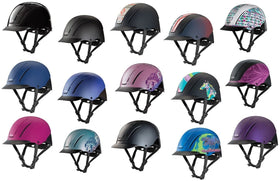
Popular Cowboy Hat Helmets for Young Riders
Getting your child to wear a helmet can sometimes feel like a chore, but it doesn't have to be. The key is finding one they actually love, and that’s where cowboy hat helmets come in. These innovative helmets offer the best of both worlds: the classic, rugged look of a western hat combined with the certified protection of a modern equestrian helmet. For kids who dream of being a rodeo star or just love the cowboy aesthetic, these helmets are a game-changer. They eliminate the argument over wearing protective gear because they’re something your child will be genuinely excited to put on.
Several trusted brands have perfected this design, creating helmets that are not only stylish but also meet stringent ASTM/SEI safety standards. This means you can have peace of mind knowing your young rider is protected, whether they're in a lesson, at a show, or just enjoying a trail ride. These helmets are built with kids in mind, focusing on a comfortable, secure fit that won't slip or feel bulky. Let's look at some of the most popular options that will have your little equestrian ready to ride safely and in style.
1. Resistol RideSafe
The Resistol RideSafe is a game-changer for young riders who want an authentic cowboy look. This helmet is cleverly designed to look just like a traditional felt or straw cowboy hat, but with all the modern safety features hidden inside. Made by a legendary hat company, the RideSafe helmet is ASTM/SEI certified, so you can be confident your child is protected. It’s the perfect compromise, offering a style your kid will be proud to wear while meeting the safety standards required for lessons, shows, and everyday riding. It’s a fantastic way to encourage helmet use without any arguments.
2. Troxel
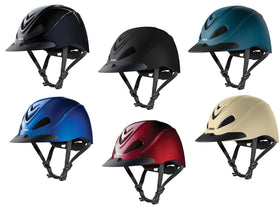
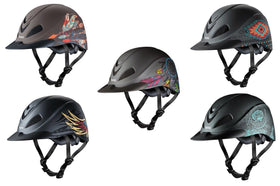
Troxel is a household name in equestrian safety, and for good reason. While they are famous for their traditional schooling helmets, they also offer western-style options that are a huge hit with kids. Many of their helmets feature fun graphics, matte finishes, and low-profile designs that feel modern and cool. Troxel prioritizes a secure and comfortable fit, often including features like the DialFit system that makes adjustments quick and easy for growing kids. You can explore a variety of riding helmets to find the perfect combination of Troxel's trusted safety and a style your child will love.
3. Twister
Twister is another brand that successfully merges western fashion with essential riding safety. Known for their quality western wear, Twister offers cowboy hat helmets that let kids embrace the rodeo look without compromising on protection. These helmets are built to be durable and comfortable for long hours in the saddle. Like other top brands, they are designed to meet rigorous safety standards, giving parents confidence in their child's gear. A Twister helmet is a great choice for young riders who are serious about their style and want to look just like their favorite professional cowboys and cowgirls.
4. M&F Western
M&F Western is a trusted name for all kinds of western accessories, and their line of riding helmets is no exception. They offer cowboy hat helmets that are both stylish and functional, designed specifically for the young equestrian. These helmets provide a secure fit and are made from quality materials to hold up to the demands of riding and barn life. Choosing a helmet from M&F Western means you're getting a product from a company that understands the western lifestyle. It’s a reliable option that ensures your child is protected while they live out their cowboy or cowgirl dreams.
A Look at Pricing
Let’s talk about the price tag, because we all know it’s a big part of the decision when outfitting our kids. When you’re shopping for a kids' cowboy hat helmet, you’ll notice prices can range quite a bit. You can find great, safe options starting around $60, while more advanced models can go upwards of $200 or more. So, what’s behind the price difference? It usually comes down to a few key things: the brand’s reputation, the materials used, and any extra comfort or safety features included in the design. For instance, a helmet with a premium, hand-tooled leather finish will naturally cost more than one with a simple matte plastic shell.
Advanced features also play a big role in pricing. Helmets with extensive ventilation systems to keep your young rider cool on hot days, moisture-wicking liners for comfort, or dial-fit adjustment systems for a perfect fit often come with a higher price. The same goes for helmets incorporating cutting-edge safety technology like a MIPS (Multi-directional Impact Protection System) liner, which is designed to reduce rotational forces on the brain during an impact. It’s important to remember that all certified riding helmets, regardless of their price, meet the same essential safety standard. The extra cost often pays for these added comforts and advanced technologies. At Hooves and Paws, we believe in offering honest prices on products we trust, so you can find a helmet that protects your child’s head and fits your family’s budget.
Finding a Great Helmet on Your Budget
You absolutely don’t need to spend a fortune to get a safe and stylish helmet for your child. The key is to focus on what matters most: a proper, snug fit and that all-important ASTM/SEI certification sticker inside. Many trusted brands offer fantastic entry-level models that provide excellent protection without all the bells and whistles of their pricier counterparts. These helmets are perfect for lessons, trail rides, and everyday fun at the barn. By prioritizing safety and fit over fancy finishes or extra vents, you can make a smart, affordable investment in your child's well-being while they enjoy their time in the saddle.
4 Myths About Cowboy Hat Helmets, Busted
Cowboy hat helmets have become a fantastic option for riders who want to combine western style with modern safety. They look great and, more importantly, they encourage more people to protect their heads. But with any newer piece of gear, some confusion and a few myths can pop up. It’s easy to get mixed messages about their safety, fit, and durability.
Let's clear the air on a few things. When it comes to your child's safety, you deserve straightforward, honest answers. We're going to walk through four of the most common myths about cowboy hat helmets. Understanding the truth behind these misconceptions will help you make a confident and informed choice for your young rider, ensuring they are both safe and stylish in the saddle.
Myth: "They're just as safe as any other helmet."
This one is partially true, but the details matter. A certified cowboy hat helmet is designed to meet the same rigorous ASTM/SEI safety standards as traditional riding helmets. So yes, they offer excellent, certified protection. However, it's important to remember the disclaimer from manufacturers like Resistol: "no helmet can protect against every possible injury." This isn't unique to cowboy hat helmets; it applies to all protective headwear. The key is to view safety as a partnership. The helmet does its job by absorbing impact, and the rider does theirs by riding responsibly and understanding that no gear makes them invincible.
Myth: "One size fits all."
This could not be further from the truth, and it's a dangerous assumption to make. A helmet's ability to protect your child is directly tied to how well it fits. A helmet that is too loose can shift during a fall or even fly off completely, offering little to no protection when it's needed most. That’s why reputable cowboy hat helmets come in specific sizes and often include adjustment systems, like a comfort dial, to achieve a perfectly snug fit. The helmet should be snug all around, without being uncomfortable, and the chin strap must always be securely buckled.
Myth: "Style is more important than safety."
Why not have both? This myth suggests you have to choose between style and safety, but the beauty of the cowboy hat helmet is that it offers both. For many young riders, especially those in rodeo or western disciplines, the "cool factor" is a huge deal. They want to look the part. A cowboy hat helmet provides a look they love, which makes them far more likely to actually wear their helmet without a fuss. In that sense, the style itself becomes a safety feature because it promotes consistent use. It’s the perfect compromise that keeps both parents and kids happy.
Myth: "They last forever."
A helmet is one of the few pieces of gear with a firm expiration date. There are two hard-and-fast rules for helmet replacement. First, if a helmet takes any kind of hard impact, it must be replaced immediately, even if there's no visible damage. The protective foam inside is designed to crush and absorb a single impact, and once it has done its job, it won't protect your child effectively again. Second, all helmets should be replaced over time due to material degradation. The internal components break down from exposure to sweat, heat, and time. A good guideline is the 5 Year Rule, which suggests replacing a helmet about five years after its manufacturing date.
Ensuring the Perfect (and Safest) Fit
A helmet only works if it fits correctly. A helmet that’s too loose can shift or fall off during a ride, and one that’s too tight will be uncomfortable and distracting. Taking a few minutes to measure properly and check the fit is the most important step you can take to keep your young rider safe. It ensures their helmet can do its job when it matters most. This process gives you peace of mind, knowing your child has the right protection for every adventure in the saddle.
How to Measure Your Child's Head
Getting the right size starts with a simple measurement. Grab a soft measuring tape and wrap it around the widest part of your child's head, about an inch above their eyebrows and ears. The tape should be snug, but not tight. Once you have that number, you can compare it to the manufacturer's sizing chart for the specific helmet you're considering. A well-fitted helmet should feel snug all around without any uncomfortable pinching or pressure points. Some models even include adjustable inner bands, which are great for fine-tuning the fit and giving you a little extra room as your child grows. You can explore different styles and sizes in our collection of riding helmets.
Checklist for a Correct Fit
Once the helmet arrives, do a quick fit check before the tags come off. A correctly fitted helmet should sit level on your child’s head and not rock back and forth. The front edge should be about two finger-widths above the eyebrows. Next, check the chin strap. You should only be able to fit one or two fingers between the strap and your child’s chin. It needs to be snug enough to keep the helmet secure if they take a tumble. For active kids, an adjustable strap is a must. Also, consider features like a wide brim for sun protection and breathable linings to keep them cool and comfortable on long rides.
Knowing When to Replace or Size Up
Helmets don't last forever, and knowing when to get a new one is critical for safety. First, every helmet must be replaced after any impact, even if it's just dropped on a hard surface. Damage to the protective foam isn't always visible. Second, materials degrade over time. A good guideline is the 5-year rule, which suggests replacing a helmet five years after its manufacturing date (you can find this on a sticker inside). You should also get a new one if you notice the chin strap is frayed or the inner padding feels compressed and worn down. Regularly checking the helmet's condition is just as important as checking the fit.
Caring for Your Child's Helmet
A cowboy hat helmet is a serious piece of safety equipment, and just like any other essential gear, it needs proper care to do its job effectively. Taking a few minutes to clean, store, and inspect your child's helmet not only extends its life but also ensures it provides the protection they need, ride after ride. Think of it as part of your overall horse care routine, as important as checking your tack or grooming your horse. When you teach your young rider these simple habits, you're giving them valuable lessons in responsibility and safety that will serve them well for years to come. A well-cared-for helmet is a reliable one, giving you both the confidence to enjoy every moment in and out of the saddle. It's an investment in their safety, and protecting that investment is simple. This section will walk you through the essential steps for helmet care, from daily cleaning to knowing when it's time for a replacement. These practices are straightforward and will quickly become a natural part of your equestrian routine, ensuring peace of mind every time your child mounts up.
Simple Cleaning and Storage Tips
Keeping your child's helmet in top shape is easier than you think. After a ride, use a soft brush to gently wipe away any dust or arena dirt. If the helmet gets damp from sweat or a light rain, pat it with a dry towel and let it air-dry completely. It's important to keep it away from direct heat or sunlight, which can damage the materials over time. Storing it correctly is just as important. Avoid tossing it in a tack trunk or leaving it in a hot car where it can get damaged. The best place for a helmet is on a proper stand, a wide hook, or even back in its original box. This helps it keep its shape and protects the delicate safety components inside.
Your Pre-Ride Safety Checklist
Before your child hops in the saddle, run through a quick safety check. It only takes a minute and is the best way to ensure the helmet is ready to perform. First, give the helmet a once-over, looking for any visible cracks, dents, or signs of wear on the outer shell and inner lining. Next, have your child put it on and check the fit. It should be snug but not tight, and you should buckle the chin strap securely every single time. A properly fastened harness is crucial for keeping the helmet in place during a fall. Making this simple check a non-negotiable part of your pre-ride routine builds great safety habits from the start.
When Is It Time for a New Helmet?
All helmets have a limited lifespan, and knowing when to retire one is critical for your child's safety. First, follow the five-year rule: you should replace a helmet about five years after its manufacturing date, which you can find on a sticker inside. Over time, the materials used for protection can degrade, even if the helmet just sits on a shelf. The most important rule, however, is to replace a helmet after any impact. This includes being dropped on a hard surface like concrete. The protective foam is designed to crush and absorb a single impact, and the damage may not be visible. If you're ever in doubt, it's always safest to invest in a new one from our collection of riding helmets.
Related Articles
Frequently Asked Questions
Are these cowboy hat helmets truly as safe as a regular riding helmet? This is the most important question, and the answer is yes, as long as you check for one thing: the ASTM/SEI certification sticker inside. This certification means the helmet, regardless of its shape, has passed the same strict safety tests as any traditional helmet. The key is that the fun cowboy hat style is built around a protective shell and foam liner that does the real work of absorbing impact.
My child is really picky. Will they actually want to wear this? I completely understand this struggle. The great thing about cowboy hat helmets is that they were designed to solve this exact problem. For kids who love the western look, these helmets feel less like a piece of safety gear and more like a cool part of their riding outfit. When a child feels good about how they look, they are much more likely to wear their helmet without any fuss, which makes your job a lot easier.
How do I make sure I'm buying the right size helmet for my child? A correct fit is everything for safety, so it's smart to focus on this. You'll want to use a soft tape measure to find the circumference of your child's head, measuring about an inch above their eyebrows. Compare that number to the manufacturer's sizing chart. When the helmet is on, it should feel snug all around, sit level, and not rock back and forth. Many modern helmets also have adjustable dials to help you get the fit just right.
When is it time to buy a new helmet? There are two firm rules for helmet replacement. First, you must replace the helmet after any impact, even if it's just dropped on a hard floor, because the internal protective foam can be compromised without any visible damage. Second, all helmets have an expiration date. You should plan to replace your child's helmet about five years from its manufacturing date, which you can find on an internal sticker. You can find a great replacement in our collection of riding helmets.
Do I have to spend a lot of money to get a safe helmet? Not at all. While some high-end models have extra features that increase the price, every helmet with an ASTM/SEI certification meets the same essential safety standards. You can find many affordable, certified helmets that offer excellent protection. The most important factors are the safety certification and the fit, not the price tag.


