


That dreaded “clink” of a hind shoe striking a front hoof. We’ve all been there. This common issue, called overreaching, can cause everything from a pulled shoe to a nasty wound on your horse’s sensitive heel bulbs. The fix seems simple: get some boots. But what’s the real difference between bell boots and overreach boots? Choosing the right pair of your horse's boots is key to preventing injury. This guide clears up the confusion, helping you pick the perfect protection for your horse, from turnout to the show ring.
Key Takeaways
- Choose the right tool for the job: Bell boots are your go-to for everyday protection against scrapes and pulled shoes during turnout, while overreach boots offer specialized, shock-absorbing security for high-impact work like jumping.
- A proper fit is non-negotiable: The back of the boot should just touch the ground to cover the heel, but you must be able to slide one finger under the pastern strap to prevent painful rubbing and ensure comfort.
- Make daily checks a habit: Never leave boots on around the clock; removing them daily allows your horse's skin to breathe, prevents sores, and gives you a moment to clean the gear and inspect it for damage.
Bell Boots vs. Overreach Boots: Let's Break It Down
If you've spent any time shopping for horse leg protection, you've likely come across the terms "bell boots" and "overreach boots." They often seem interchangeable, and it’s easy to get them mixed up. So, what’s the real story? While both are designed to protect your horse’s front hooves, they serve slightly different purposes and are built for different situations. The core problem they both address is "overreaching"—that moment when a horse’s hind hoof clips the heel area of the front hoof on the same side. This can happen during turnout, training, or competition.
An overreach can cause anything from a minor scrape to a serious puncture wound on the sensitive heel bulbs. It’s also a notorious way for a horse to grab and pull off a front shoe, leading to a lost shoe, a potentially damaged hoof wall, and an unexpected visit from your farrier. Both bell boots and overreach boots act as a protective barrier for this vulnerable area. Think of them as armor for your horse's heels. The key difference lies in their design, coverage, and the specific activities they are best suited for. Choosing the right one means matching the level of protection to your horse's needs.
Why Bell Boots Are Great for Everyday Use
As their name suggests, bell boots are bell-shaped and offer broad coverage. They fit over the entire hoof, extending from the pastern down to the ground and covering the delicate coronary band and heel bulbs. This comprehensive design makes them the perfect choice for general, all-purpose protection. Think of them as your go-to for daily wear, whether your horse is out in the pasture or you're heading out for a light ride. They are fantastic for preventing those accidental nicks and scrapes that can happen during turnout and are especially useful for horses prone to pulling their front shoes. While they guard against overreaching, their main job is to provide reliable, everyday defense for the whole hoof area.
When to Choose Overreach Boots for High-Impact Work
Overreach boots are the specialists of hoof protection. While similar to bell boots, they are specifically engineered for high-impact work where the risk of a serious overreach injury is much higher. Their design is more focused, often featuring a reinforced "strike plate" right at the heel to absorb the force of a direct hit. They typically cover less of the hoof than a traditional bell boot, concentrating their protection on the heel and pastern. This makes them the ideal choice for demanding disciplines like jumping, cross-country, reining, or any fast work. If your horse has a powerful stride and you're asking for speed or athletic movements, an overreach boot provides that targeted, heavy-duty security you need.
So, Are Bell Boots and Overreach Boots Interchangeable?
Let's get straight to it: are bell boots and overreach boots the same thing? The short answer is no, but it's easy to see why they get mixed up. In many tack rooms and online forums, you'll hear the terms used as if they're identical. Both are designed to protect your horse's front hooves from their hind hooves, but they aren't truly interchangeable. While they share a common goal, their specific designs and the level of protection they offer are different. Understanding this distinction is key to providing the best care for your horse, so let's break down what sets them apart.
Why These Horse Boots Often Get Confused
It's no wonder these terms get tangled up. If you look at them side-by-side, bell boots and overreach boots appear to do the same job. Both are worn around a horse's front hooves to shield the delicate heel and pastern area from impact. You'll often hear them called by either name because, fundamentally, they protect against a horse "overreaching" or striking its front heel with a hind hoof. They cover the same vulnerable parts, including the pastern, coronet band, and bulbs of the heel, making them look like two names for the same piece of gear.
The Key Differences in Design and Use
So, what's the real difference? It all comes down to design and intended use. Think of bell boots as general, all-purpose protection for the entire front hoof area. They're great for everyday use, like turnout or light work, to prevent minor scrapes and nicks. Overreach boots, on the other hand, offer more specialized protection. While you could say all overreach boots are a type of bell boot, they are specifically engineered to absorb the shock of a powerful overreach, which can cause serious injury. This makes them a crucial part of your horse boots and leg protection for high-impact activities like jumping or cross-country.
A Guide to Other Common Types of Horse Boots
Now that we've sorted out bell boots and overreach boots, let's look at the other gear you'll find in a well-stocked tack trunk. The world of horse leg protection is surprisingly diverse, and for good reason. Different disciplines and activities put unique stresses on a horse's legs, and the right pair of boots can make all the difference in preventing injury and providing support. From the high-impact demands of jumping to the simple need for protection during turnout or travel, there’s a boot designed for the job. Understanding what each type does will help you build a complete and effective leg protection strategy for your horse, keeping them safe, sound, and comfortable no matter what you're doing together.
Think of it like choosing shoes for yourself; you wouldn't wear hiking boots to a wedding or flip-flops for a run. Similarly, the boots your horse needs for a quiet trail ride are very different from those required for a cross-country course. Each design focuses on protecting specific areas from particular types of impact. As you explore the options, consider your horse's conformation, their job, and any past issues they've had. Making an informed choice means you're not just buying gear; you're investing in your horse's long-term wellness and soundness. A great place to start is by exploring a quality collection of horse boots and leg protection to see the variety available.
Tendon and Fetlock Boots for Jumping
If you and your horse spend time in the jumper ring, tendon and fetlock boots are essential. When a horse goes over a fence, their front legs are vulnerable to being struck by their hind hooves. Tendon boots are designed specifically for this, featuring a hard, protective shell on the back to shield the delicate tendons from impact. They are typically open in the front, which allows the horse to feel a pole if they rub it, encouraging them to jump more cleanly. Fetlock boots are their counterparts for the hind legs, protecting the inner fetlock joint from brushing against the opposite leg during movement.
Brushing Boots for General Riding
For everyday flatwork, schooling, or trail riding, brushing boots are one of the most popular and versatile options. They get their name from the action they prevent: "brushing," which is when a horse's hoof or shoe strikes the inside of the opposite leg. This can cause everything from minor scrapes to more significant splint injuries. Brushing boots wrap securely around the lower leg, providing a padded shield over the cannon bone and fetlock joint. They offer excellent all-around protection from general knocks and bumps, making them a practical choice for daily use and a staple in most riders' collections of horse boots.
Polo Wraps for Light Support and Protection
Polo wraps are long, soft fleece bandages that are wrapped around the horse's lower leg. They offer mild support and are primarily used to protect against minor scrapes, bruises, and dirt during light work or lunging. While they don't provide the same level of impact protection as a hard-shell boot, many riders like them for their conforming fit. It's crucial to learn how to apply them correctly; wrapping too tightly can restrict blood flow and damage tendons, while wrapping too loosely can create a serious safety hazard if the wrap comes undone during a ride.
Travel Boots for Safe Transport
Trailering can be tough on a horse's legs. Even the best drivers have to deal with sudden stops and turns, and horses must constantly shift their balance, increasing the risk of stepping on themselves or knocking against the trailer walls. Travel boots are designed to minimize this risk. They are heavily padded and offer extensive coverage, often extending from above the knee or hock all the way down to the coronary band. Think of them as cushioned armor for the road, providing peace of mind that your horse will arrive at your destination with their legs just as protected as when you left.
All-Purpose and Specialty Boots
The options we've covered are the most common, but they are by no means the only ones available. The equestrian world is full of specialized gear designed for specific needs. You'll find skid boots with reinforced patches for reining horses, sports medicine boots that offer 360-degree support, and even therapeutic boots that use ice or magnets to aid in recovery. The best boot is always the one that correctly matches your horse's activity and physical needs. Taking the time to understand the different types of horse boots and leg protection ensures you can confidently choose the right equipment to keep your partner happy and healthy.
Shop This Post

Featured in this article
Shires Arma Overreach Bell Boots - 6mm Rubber Shock Absorbing Double Touch-Close - Multiple Sizes
$19.99
Shop Now →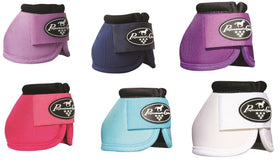
A Look at Boot Design, Coverage, and Materials
While they might look similar from a distance, bell boots and overreach boots are built differently because they do different jobs. The main distinctions come down to their shape, the materials they’re made from, and how those materials perform under pressure. Understanding these differences is the key to choosing the right protection for your horse and your riding discipline. Let's break down what sets them apart.
How Shape and Fit Determine Protection
Bell boots get their name from their classic bell shape. They are designed to cover the entire hoof, extending up over the pastern and the sensitive heel bulbs. This provides comprehensive, all-around protection from general scrapes, bruises, and hoof strikes. Think of them as a great everyday shield. Overreach boots, on the other hand, are more specialized. While they look similar, their primary focus is preventing overreach injuries where the back hoof clips the front heel. They offer targeted coverage for the pastern and heel, making them a go-to for high-energy activities. You can explore both designs in our full collection of horse boots and leg protection.
From Rubber to Neoprene: Common Materials Explained
You’ll find bell boots made from a variety of sturdy materials. Durable rubber is the most common choice for its affordability and resilience, making it perfect for daily turnout and light work. You'll also see them made from flexible neoprene (the same stuff used for wetsuits) or even classic leather for a polished, traditional look in the show ring. Overreach boots are typically made from neoprene or rubber, but they often incorporate more technical materials. Because they are designed for impact, the materials are chosen for their ability to absorb shock and withstand force, which leads us to our next point.
Exploring Specialty Materials and Linings
While rubber and neoprene get the job done for most everyday situations, sometimes your horse needs a little something extra. That's where specialty materials and linings come in. These options go beyond basic protection, focusing on added comfort, preventing skin irritation, or even providing therapeutic benefits. If you have a horse with sensitive skin that's prone to rubs, or an athlete who could use some extra support for their hardworking legs, exploring these advanced materials is a great next step. We're talking about plush fleece, genuine sheepskin, and innovative ceramic-infused fabrics that can make a real difference in your horse's comfort and well-being.
Fleece, Sheepskin, and Ceramic Options
Fleece and sheepskin linings are all about comfort. These incredibly soft materials create a plush cushion against your horse’s skin, which is a game-changer for preventing the rubs and chafing that can happen with stiffer boots. They’re an excellent choice for sensitive horses or for boots worn for longer periods. On the more technical side, you have ceramic-infused fabrics. These materials work by capturing your horse’s body heat and reflecting it back as gentle, therapeutic warmth. This process can help improve circulation and ease minor stiffness, making them a fantastic option for performance horses or those needing a little extra TLC. As you explore different horse boots, you'll find these premium linings offer an extra layer of care for your horse's legs.
How Material Choice Impacts Durability and Comfort
The material a boot is made from directly affects how it protects your horse. A standard rubber bell boot is fantastic for preventing everyday scuffs but may not provide enough shock absorption for intense activities like jumping or cross-country. If not fitted perfectly, some materials can also rub. Overreach boots are often engineered for high performance, using advanced materials like Kevlar, carbon fiber, or specialized polymers. Many feature reinforced strike plates right at the heel, providing maximum shock absorption precisely where it’s needed most during high-impact movements. This technical design is why they are favored for disciplines that put a lot of stress on the horse's legs.
Pull-On vs. Velcro: Which Closure Is Right for You?
When you're choosing hoof protection, the closure style is a major factor. The two most common options are pull-on and Velcro, and each comes with its own set of pros and cons. The right choice really comes down to your horse, your routine, and what you find most practical. Think about how often you'll be putting them on, what kind of environment your horse will be in, and whether security or convenience is your top priority. Let's break down what makes each style a great option.
When a Pull-On Boot Is the Best Choice
Pull-on boots are the gold standard for security. Made from a single piece of flexible rubber or a similar stretchy material, they have no straps, buckles, or Velcro to fail. You simply stretch the boot and pull it on over the hoof. Because there are no fasteners, they are incredibly difficult for a horse to accidentally pull off in a muddy pasture or during a spirited ride. This makes them a fantastic choice for turnout or for horses that have a knack for Houdini-like escapes from their gear. The trade-off is that they can require a bit of muscle to get on and off, but for many owners, that peace of mind is well worth the effort.
When to Opt for Easy Velcro and Buckles
If you're looking for something quick and easy, boots with Velcro or buckle closures are your best friend. They are perfect for daily rides, lessons, or warming up at a show when you need to tack up efficiently. Instead of wrestling with a pull-on, you can just wrap the boot around the pastern and secure it in seconds. Many styles of horse boots use this design, often with extra padding for comfort. The main thing to watch for is keeping the Velcro clean; mud, hair, and arena footing can reduce its stickiness over time. For everyday use where convenience is key, you really can't beat a good Velcro closure.
Understanding Hoof Boots for Riding and Therapy
Beyond the world of bell boots and overreach boots lies another category of essential horse boots: hoof boots. These are designed not just to protect a small part of the hoof but to cover it entirely, serving as either a temporary replacement for shoes or as a therapeutic aid. They fall into two main camps: riding boots that offer an alternative to metal shoes, and therapy boots that provide comfort and support during recovery. Understanding which type your horse might need can make a world of difference in their comfort and performance.
Riding Hoof Boots: A Horseshoe Alternative
Riding hoof boots are a fantastic alternative to traditional metal shoes, offering protection and traction without the permanent commitment. These boots are designed to be easy to put on for a ride and take off afterward, allowing your horse’s hooves to remain bare in the pasture. They are incredibly versatile, providing protection on all types of terrain for activities ranging from trail riding and jumping to dressage. This makes them an excellent choice for horses transitioning to being barefoot, as they shield sensitive soles while they toughen up. They give you the flexibility to protect your horse's hooves when you need it and let them be natural when you don't.
Performance and Durability in Demanding Sports
For more demanding disciplines, performance is everything. Just like overreach boots are engineered for high-impact work, performance riding boots are built to withstand the rigors of jumping, cross-country, and other fast-paced sports. They offer durable protection that covers the hoof on all types of challenging paths, allowing horses to perform at their best. The best designs concentrate protection where it's needed most, absorbing shock and preventing injuries without hindering movement. This makes them a reliable choice for competitive riders who need gear that is as athletic as their horse.
Therapeutic Hoof Boots for Comfort and Recovery
Not all hoof boots are for riding. A crucial category is therapeutic boots, which are designed purely for comfort and recovery. Think of them as orthopedic slippers for your horse. Brands like Soft Ride create boots with patented gel inserts that act as orthotics, providing incredible support and cushioning. For a horse suffering from sore feet, laminitis, navicular issues, or a painful abscess, these boots can offer instant relief. They are an essential tool for managing hoof-related pain and supporting your horse through a difficult recovery period, giving them comfort when they need it most.
Why Vets and Farriers Recommend Them
When your horse is in pain, you want a solution you can trust. That's why it's so reassuring that many veterinarians and farriers recommend therapeutic hoof boots as part of a treatment plan. These professionals see firsthand how boots can provide immediate comfort and create a stable environment for a hoof to heal. Their endorsement speaks volumes about the effectiveness of these boots in managing chronic conditions and aiding recovery from acute injuries. Always consult with your vet or farrier, but know that these boots are a trusted tool in the world of equine horse health.
Does Your Horse Actually Need Hoof Protection?
It's a question many horse owners ask: does my horse really need boots? While some horses go their whole lives without an issue, others are more prone to injuries in their lower legs and hooves. One of the most common culprits is overreaching, which happens when a horse’s hind foot clips their front foot while in motion. This can cause anything from a minor scrape to a serious injury. Understanding if your horse is overreaching and when to use protection is key to keeping them sound and happy.
Is Your Horse Overreaching? Here's How to Tell
So, how can you tell if your horse is overreaching? Sometimes, the signs are obvious, but they can also be subtle. You might hear a distinct clicking or forging sound as their hind shoes strike their front ones. Visually, look for scuff marks, cuts, or scrapes on the bulbs of their front heels or the back of the pastern area. In more significant cases, you might find your horse frequently pulls or loosens their front shoes. If your horse seems uncomfortable or even slightly lame after a ride, it’s worth checking their front heels for any signs of contact from their back feet.
When Are Horse Boots an Absolute Must?
A horse's lower legs are surprisingly delicate, full of important tendons and ligaments with very little natural padding. An accidental strike from a hind hoof can do more than just scuff the skin; it can damage the sensitive coronary band, bruise the heel bulbs, or even rip off a shoe. This is why using horse boots and leg protection is so important, especially during activities that increase the risk of overreaching, like jumping, lunging, or even during turnout for clumsy horses. Think of it as inexpensive insurance to prevent a costly or painful injury down the road.
How to Choose the Right Boot for Any Activity
The easiest way to decide between bell boots and overreach boots is to think about what your horse will be doing while wearing them. The level of protection needed for a lazy day in the pasture is very different from what’s required on a cross-country course. Using the wrong boot can mean inadequate protection or unnecessary bulk, so matching the gear to the job is essential. Choosing the right horse boots and leg protection starts with understanding your horse's daily routine and training schedule. Let’s break down which boot is best suited for common equestrian activities.
Choosing Boots for Jumping and Cross-Country
When your horse is working hard, their protection needs to work hard, too. Overreach boots are best for high-impact activities like jumping, cross-country, reining, or fast work where a serious overreach is a risk. During these demanding sports, your horse is pushing off powerfully and using their entire body, which increases the chance of a hind hoof striking a front heel bulb with significant force. The robust, shock-absorbing materials and secure fit of overreach boots are specifically designed to handle these intense moments, providing the critical protection your performance horse needs to stay sound and confident.
Choosing Boots for Trail Riding and Turnout
For more relaxed activities, heavy-duty protection is often overkill. Bell boots are great for everyday turnout, light riding, or preventing a horse from pulling a front shoe. Whether your horse is enjoying some pasture time or you’re heading out for a leisurely trail ride, the main goal is to guard against casual nicks and stop them from accidentally stepping on and pulling off a front shoe. Bell boots offer a lightweight, flexible, and breathable option that’s comfortable enough for hours of wear while still providing a reliable barrier against minor scrapes and interference.
Choosing Boots for Arena Work and Flatwork
Training sessions in the arena call for practical, everyday protection. Bell boots are excellent for preventing pulled shoes and heel injuries during arena work, as they provide general protection against scrapes and minor overreaches. While you’re schooling on the flat, practicing patterns, or working on lateral movements, your horse can sometimes get unbalanced or take an awkward step. Bell boots are the perfect solution for these situations, offering just enough coverage to protect the sensitive heel area and coronary band without the extra weight or restriction of a more heavy-duty boot.
4 Common Horse Boot Myths, Busted
When you're trying to do right by your horse, it's easy to get tangled up in conflicting advice, especially when it comes to gear. Horse boots are a perfect example. With so many styles, materials, and brands on the market, a few myths have started to circulate that can make choosing the right pair feel overwhelming. Getting the facts straight is about more than just buying a product; it's about ensuring your horse's safety, comfort, and soundness for years to come.
Making an informed decision helps you avoid wasting money on the wrong equipment and, more importantly, prevents potential discomfort or even injury for your horse. Think of it as another piece of your horsemanship puzzle. Just as you carefully select their feed and grooming tools, choosing the right horse boots and leg protection requires a clear understanding of what they do and, just as critically, what they don't do. Let's clear the air and tackle four of the most common myths about bell boots and overreach boots so you can feel confident you're giving your horse exactly what they need.
Myth #1: Bell Boots and Overreach Boots Are Interchangeable
This is probably the most common point of confusion, and it’s an easy mistake to make. At a glance, bell boots and overreach boots look very similar. However, they are not the same. While you could say that overreach boots are a specialized type of bell boot, they are engineered for very different jobs. Overreach boots are built for high-impact work like jumping or cross-country. They often have a more contoured shape with extra-reinforced padding at the heel to absorb the powerful force of a hind hoof striking the front. Standard bell boots are designed for more general, everyday protection from lighter nicks and scuffs during turnout or flatwork.
Myth #2: Horse Boots Can Be Worn 24/7
While it might seem convenient to leave boots on around the clock, especially for a horse living outside, this is a definite no. Leaving any boot on continuously traps moisture, dirt, and sweat against the skin. This creates the perfect environment for chafing, sores, and nasty skin infections like pastern dermatitis (mud fever). It’s essential to remove the boots at least once a day to let the skin breathe. Take the time to clean your horse’s pasterns and check for any signs of rubbing or irritation before putting the boots back on. Protection should never come at the expense of healthy skin.
Myth #3: Boots Prevent All Injuries
Horse boots are an incredible tool for risk management, but they aren't magic. Think of them like a riding helmet; they significantly reduce the chance of serious injury, but they can't make your horse invincible. A well-fitted boot does a fantastic job of deflecting the kind of accidental hit from a hind hoof that could pull a shoe or injure the sensitive coronary band. However, a particularly bad overreach or an unlucky step can still cause damage. Using the right boots helps keep your horse safer and sounder, but it’s important to have realistic expectations about what they can and cannot do.
Myth #4: A Higher Price Means Better Protection
It’s tempting to think a higher price tag equals higher quality, but that’s not always the case with horse boots. The "best" boot isn't the most expensive one; it's the one that best suits your horse's needs and your specific discipline. A pricey, fleece-lined overreach boot might be perfect for the show ring but would be a muddy mess in turnout. For daily pasture wear, a simple and durable pair of rubber pull-on bell boots might be the most practical and effective choice. Focus on the function, fit, and material rather than the price. The goal is to match the boot's features to the activity.
How to Get the Perfect Fit for Your Horse's Boots
Finding the right fit for your horse’s boots is just as important as choosing the right type. A boot that’s too loose won’t offer protection and can become a tripping hazard, while one that’s too tight can cause painful rubbing, sores, and even restrict blood flow. Think of it like your own riding boots; you wouldn’t head out for a ride in a pair that pinches or slips. Taking a few extra minutes to measure and check the fit ensures your horse stays comfortable and the boots can do their job effectively. A proper fit prevents discomfort and maximizes the protection your horse receives, whether they're in the pasture or the arena.
Step 1: Get Your Measurements Right
Sizing isn't universal, so grabbing a "medium" and hoping for the best usually doesn't work. Always start by consulting the manufacturer's sizing chart, as measurements can vary significantly between brands. To get an accurate measurement, you’ll typically need the circumference of your horse's pastern and sometimes the hoof itself. Once you have the boots, do a quick standing check. The ideal length is when the back of the bell boot just touches the ground while your horse is standing squarely on a level surface. This ensures it’s long enough to cover the heel bulbs without being so long that your horse constantly steps on and tears it.
Why Measuring After a Fresh Trim Matters
For the most accurate fit, timing is everything. A horse’s hoof changes shape as it grows, so measuring a hoof that’s due for a trim will give you inflated numbers. The best time to measure is right after your farrier has worked their magic. A freshly trimmed hoof is at its most true and compact size, making it much easier to see the actual edges for both length and width. Think of it like this: you wouldn't get fitted for new shoes while wearing three pairs of socks. Measuring an untrimmed hoof will lead to buying a boot that’s too loose, which can slip or cause rubbing. By measuring right after a trim, you ensure the boot will fit securely and comfortably throughout the entire shoeing cycle.
Step 2: Test the Fit and Freedom of Movement
With the boot on, it’s time for a hands-on fit check. The boot should be snug around the pastern but not tight. A good rule of thumb is that you should be able to comfortably slide one finger between the boot and your horse's skin. The boot needs to be long enough to cover the entire heel area to provide adequate protection from overreaching. Watch your horse walk a few steps. The boot should have enough room to move and rotate slightly, but it shouldn't spin freely or wobble excessively. If it’s too restrictive, it can cause friction and sores.
Understanding Sizing Variations Between Boot Types
It’s important to remember that a size "Large" in a bell boot might fit differently than a "Large" in an overreach boot, even if they're from the same brand. This isn't a mistake; it's by design. The main distinctions in the wide world of horse boots and leg protection come down to their shape and intended job. A bell boot is designed for broad, general coverage, so its fit might be more generous. An overreach boot, however, is engineered for targeted, high-impact protection, often featuring a more contoured shape and reinforced materials around the heel. This specialized design means the fit can be more precise and snug. Always refer to the specific manufacturer's sizing chart for the exact style you're buying to ensure you get the protection and comfort your horse deserves.
Don't Forget About Seasonal Fit Changes
A perfect fit today might not be a perfect fit in a few months. Hoof growth, shoeing cycles, and even changes in your horse's condition can alter how a boot fits. Make it a habit to check the fit regularly, especially if your horse wears them for turnout. When you take the boots off, inspect the pastern area for any signs of rubbing, redness, or sores. It’s also a good time to check the boots themselves for wear and tear. Cracks, stretched-out closures, or worn-through spots are all signs that it might be time for a new pair to ensure your horse stays protected.
How to Spot the Red Flags of a Bad Fit
Your horse will often tell you if something is wrong, so it’s important to pay attention. Obvious signs of a poor fit include rubbing, hair loss, redness, or sores around the pastern. If a boot is too long, your horse may trip or repeatedly step on and rip the boot. If it’s too loose, it might spin around the leg or get filled with mud and debris, which can cause skin irritation. Don't ignore these signs. An ill-fitting boot can cause more problems than it solves. If you notice any of these red flags, it’s time to reassess the size and style and find a better option from our collection of horse boots and leg protection.
Making Your Horse Boots Last: Care and Maintenance
Taking good care of your horse’s boots is one of the easiest ways to protect your investment and, more importantly, your horse. A little bit of maintenance goes a long way in extending the life of your gear and preventing discomfort. Think of it as part of your daily grooming routine. Just like you curry and brush your horse’s coat, a quick check and clean of their boots ensures they are comfortable, safe, and ready for whatever activity is next.
Proper care isn’t just about making the boots look good. It’s about function and safety. Dirt and grit trapped under a boot can cause painful rubs and skin irritation, while a worn-out strap could fail at a critical moment. By creating a simple care routine, you can catch small issues before they become big problems. It only takes a few minutes, but it makes a world of difference for your horse’s well-being and gives you peace of mind.
Simple Cleaning Tips for Any Material
Keeping your horse’s boots in top shape is straightforward. First, always apply boots to clean, dry legs to prevent irritation from trapped dirt or moisture. After each ride, give them a quick once-over. For most materials like rubber, neoprene, or synthetic leather, a simple scrub with mild soap and water is all you need. Be sure to rinse them thoroughly and let them air dry completely before their next use to prevent mildew and bacterial growth.
Before you put the boots on, make it a habit to inspect them for wear and tear. Check for any rips, cracks, or thinning material, and pay close attention to the closures. Worn-out Velcro or stretched-out pull-on boots won’t stay in place, defeating their purpose and creating a safety hazard.
When Should You Replace Your Horse's Boots?
Even the most durable boots won’t last forever. It’s crucial to know when to retire an old pair for your horse’s safety. If you notice deep cracks, torn seams, or Velcro that no longer sticks securely, it’s time for a replacement. Using a boot beyond its lifespan can lead to it shifting, falling off, or failing to provide adequate protection.
If your horse wears boots for extended periods, like during turnout, take them off daily to check for any rubs or sores on the skin. Leaving boots on continuously can cause skin irritation or infections. When you notice that a pair is starting to look worn or is causing any discomfort, it’s best to invest in new horse boots and leg protection to keep your horse safe and comfortable.
Shop Horse Boots and Leg Protection
When it comes to protecting your horse's legs, choosing the right boot is one of the most important decisions you can make. With so many options out there, it’s easy to feel a little lost. At Hooves and Paws, we get it, and we’re here to help you find the perfect match for your horse’s needs and activities. We've spent years vetting products, and we only stock the gear we’d trust on our own animals.
For general, everyday protection, Bell Boots are a fantastic choice. They cover the entire front hoof area, including the pastern and heel, which helps prevent minor scrapes and pulled shoes during turnout or light riding. Most are made from durable, easy-to-clean rubber, making them a practical staple for any tack room. On the other hand, if your horse participates in more intense activities like jumping or cross-country, you’ll want to look at Overreach Boots. These are specifically designed to prevent injury from overreaching, which happens when a hind hoof clips the heel of a front foot. They offer more reinforcement and shock absorption to keep your horse safe during high-impact work.
No matter what your daily routine looks like, we have you covered. From all-purpose bell boots for the pasture to high-performance overreach boots for the show ring, you can explore our full selection of horse boots and leg protection to find the right fit. We've handpicked every pair to ensure you get the quality and durability your horse deserves.
Related Articles
- Bell Boots vs Overreach Boots: Which to Choose?
- The Complete Guide to Leg Protection Boots
- A Guide to Horse Leg Protection Boots
- Leg Protection Boots Guide | Hooves & Paws
Frequently Asked Questions
What's the simplest way to remember the difference between bell boots and overreach boots? Think of it this way: bell boots are for general, everyday protection, like preventing scrapes and pulled shoes during turnout. Overreach boots are specialized, heavy-duty protection for high-impact activities like jumping or fast work, where a powerful hoof strike is more likely. While they look similar, overreach boots offer more targeted shock absorption right at the heel.
Can I just use regular bell boots for jumping or cross-country? While it's better than nothing, it's not the best choice. Standard bell boots are not designed to handle the force of a serious overreach that can happen during intense work like jumping. For those activities, you really want the specialized design of an overreach boot, which often has reinforced strike plates to absorb that impact. Using the right gear for the job is the safest bet for your horse's soundness.
My horse lives outside and is a master at tearing off his boots. What's the most secure option? This is a super common problem, especially in muddy fields. Your best bet is a pair of pull-on style boots. Since they are made from a single piece of durable rubber with no Velcro or buckles, they are much harder for a horse to grab and pull off. They take a little more effort to get on, but the security they offer for turnout is definitely worth it.
What are the most important signs that my horse's boots don't fit correctly? The biggest red flags are any signs of rubbing, like hair loss or sores around the pastern. A boot that is too tight can cause this. On the other hand, if the boot spins freely, looks floppy, or your horse is constantly tripping, it's likely too loose or too long. A good fit is snug enough to stay put but still allows you to slide a finger underneath. Finding the right size in our collection of horse boots and leg protection is key to their comfort.
How often do I really need to take the boots off and clean them? You should remove and check them at least once every day. Leaving boots on 24/7 traps moisture and dirt against the skin, which can lead to painful sores or skin infections. Taking them off daily lets you clean the horse's leg, check for any irritation, and give the skin a chance to breathe. A quick rinse of the boots themselves will also keep them in better shape for longer.


