


We know an ounce of prevention is worth a pound of cure. A single vet bill for a hoof injury or an emergency farrier visit for a pulled shoe costs far more than a quality pair of bell boots. Investing in the right protective gear is one of the smartest financial decisions you can make. These simple horse bell boots provide critical protection against self-inflicted overreach injuries, giving you peace of mind in the pasture or the arena. When you're looking for durable horse boots and leg protection, you're not just buying equipment; you're investing in your horse's long-term safety and comfort.
Key Takeaways
- Shield Against Overreach Injuries: Bell boots act as a crucial barrier, protecting your horse’s sensitive heels and coronary band from self-inflicted strikes. Consistent use during turnout or exercise is a simple way to prevent painful cuts and avoid the frustration of lost shoes.
- Match the Boot to the Job: The best bell boot depends on your horse's activity. Look for durable, easy-to-clean materials for turnout, and consider a no-turn style with a secure closure for training and competition to ensure protection stays put during intense work.
- Prioritize Fit and Maintenance for Longevity: A perfect fit is key; the boot should cover the heel without dragging and not cause rubbing. To make your boots last and keep your horse comfortable, clean them regularly and inspect them for wear, replacing them at the first sign of damage.
What Are Horse Bell Boots and Does Your Horse Really Need Them?
If you’ve spent any time around a barn, you’ve likely seen bell boots. They’re the bell-shaped pieces of equipment that fit over a horse's front hooves, and they’re one of the most common forms of protective gear for a good reason. Their main job is to protect your horse from a self-inflicted injury called an "overreach." This happens when a horse’s hind foot clips the heel area of its front foot while moving. It’s a common issue, especially in athletic horses or those with a long stride.
An overreach can cause anything from a minor scrape to a serious wound on the heel bulbs or coronary band, and it can even pull off a front shoe, which is both frustrating and expensive. Some horses are built in a way that makes them more likely to overreach, such as those with short backs and long legs. Others may only do it during intense exercise like jumping or galloping, when they’re tired, or when moving on uneven ground. Bell boots are a simple, non-invasive solution to this problem. Understanding how they work and when to use them is a key part of responsible horse ownership that can help you keep your partner sound, safe, and comfortable for years to come.
Protecting Your Horse from Overreach Injuries
Think of a bell boot as a durable shield for the most vulnerable parts of your horse's hoof and pastern. When a horse overreaches, the hind hoof strikes forward, often landing directly on the delicate heel bulbs or the coronary band, the sensitive area responsible for hoof growth. A bell boot covers this entire area, absorbing the force of the impact. Instead of the hind hoof hitting sensitive tissue or ripping off a shoe, it hits the tough material of the boot. This simple barrier is one of the most effective pieces of horse boots and leg protection for preventing cuts, bruises, and lost shoes caused by overreaching.
When Should Your Horse Wear Bell Boots?
Deciding when to use bell boots really depends on your individual horse and your activities. Many owners use them for any type of riding or training session, especially during lunging, jumping, or fast work where a horse is more likely to interfere with itself. They are also a staple for turnout, particularly for horses that are very active in the pasture or prone to pulling shoes. If you’re heading to a competition or rodeo, bell boots provide excellent protection in the trailer and during your performance. They offer that extra layer of security to keep your horse’s hooves safe, whether they're working hard or just enjoying some time outside.
What Makes a Horse Bell Boot Durable?
When you're investing in a pair of bell boots, you want them to last. There's nothing more frustrating than finding a shredded boot in the pasture after just a week of turnout. True durability comes from more than just a tough-looking exterior. It’s a combination of smart material choices, a secure closure system that won’t quit, and a design that works with your horse's movement, not against it. A boot that fits well and stays in place is less likely to get snagged, torn, or worn out unevenly. Understanding these key features will help you pick a pair that can stand up to daily wear and tear, whether your horse is relaxing in the field or working hard in the arena. Let's look at what separates a long-lasting bell boot from one that falls apart.
Choosing the Right Material: Rubber, Neoprene, or PVC
The material of a bell boot is its first line of defense against nicks and tears. Traditional rubber boots are known for being heavy-duty and affordable, but they can sometimes be stiff. A more modern and popular choice is neoprene, which offers a fantastic balance of flexibility and toughness. Many high-quality boots are made from neoprene because it resists wear while staying comfortable against your horse’s pastern. PVC is another durable, easy-to-clean option you'll see. When you're browsing for durable horse boots and leg protection, pay close attention to the material, as it's the foundation of a long-lasting boot that will keep your horse protected.
Specialty Materials for Maximum Toughness: Ballistic Nylon and SuperFabric®
For horses that are especially tough on their gear, some materials offer a whole new level of durability. Ballistic nylon is a prime example. This high-denier fabric is incredibly strong and resistant to abrasions, making it a top choice for bell boots that need to withstand serious wear and tear. It's the kind of material built to last. Another advanced option you might see is SuperFabric®, which is engineered with layers that provide exceptional resistance to cuts and scrapes. When you see boots made from these specialty materials, you know you're looking at some of the toughest options available, designed to provide the ultimate hoof and leg protection for the most demanding situations.
Finding the Best Closure: Pull-On, Velcro, or Buckle
A bell boot is only as good as its closure. If it comes undone, it can’t do its job and is more likely to get lost or destroyed. Pull-on styles are the simplest and often the most durable since there are no fasteners to break or clog with mud. However, they can be a real workout to get on and off. The most common closure is a strong hook-and-loop fastener (like Velcro). A quality fastener will fit securely on your horse's leg, keeping the boot in place and preventing it from spinning excessively, which reduces wear. Just be sure to keep it clean for the best grip. Buckle closures are less common but offer a very secure fit.
For a Secure Fit: Double Hook and Loop Fasteners
If you've ever lost a bell boot in a muddy pasture, you know how frustrating a weak closure can be. That’s where double hook and loop fasteners make a huge difference. This design features two overlapping layers of strong Velcro-style material, providing a fail-safe system that keeps the boot exactly where it needs to be. Even if one layer gets caked with mud or starts to lose its grip over time, the second layer acts as a reliable backup. This extra security is essential for keeping the boot from spinning, which not only ensures consistent protection but also significantly reduces uneven wear and tear. It's a simple but incredibly effective feature found in the most dependable horse boots and leg protection, giving you confidence that your investment will stay on your horse and not get lost in the field.
No-Turn vs. Standard: Which Style Does Your Horse Need?
You'll generally find two styles of bell boots: standard and no-turn. Standard boots are the traditional, symmetrical bell shape. They are effective, but they tend to spin around the pastern. While this isn't always a problem, it can cause uneven wear over time. No-turn bell boots, on the other hand, are designed with an anatomical shape or an inner bulb that sits in the hollow of the heel. This clever design helps them stay in place better, which keeps the protection exactly where it's needed over the heel bulbs. By minimizing spinning, no-turn styles also reduce the risk of damage from friction and movement, often extending the life of the boot.
How No-Turn Boots Work: The Inner Heel Knob
The secret to a no-turn bell boot is a small but brilliant design feature: the inner heel knob. This soft, raised bulb is positioned on the inside of the boot and is designed to fit perfectly into the hollow at the back of your horse’s pastern, right above the heel. This simple addition acts as a gentle anchor, preventing the boot from spinning as your horse moves. Because the boot stays put, the reinforced outer shell is always positioned over the delicate heel bulbs, providing consistent protection from overreach strikes. This stability not only ensures the boot does its job effectively but also reduces friction and uneven wear, helping your horse boots and leg protection last much longer.
Considering Comfort and Style
While durability is essential for getting your money's worth, a bell boot is useless if it's uncomfortable for your horse. A boot that rubs, pinches, or fits poorly can cause more problems than it solves. Comfort should be right at the top of your list with durability and function. After all, we want our horses to be happy and sound, and that means ensuring their gear fits well and feels good. Once you’ve covered the practicalities, you can have a little fun. Bell boots come in a huge variety of colors and patterns, giving you a great way to show off your horse’s personality and coordinate your look.
Soft Fleece Lining for Sensitive Skin
Just like people, some horses have more sensitive skin than others. For these horses, the constant contact and friction from a standard bell boot can lead to rubbing and sores around the pastern, especially if they wear them for long periods during turnout. If your horse is prone to rubs, look for boots with a soft fleece or neoprene lining at the top. This simple feature provides a plush cushion against the skin, preventing irritation and ensuring your horse stays comfortable. It’s a small detail that makes a huge difference in the overall quality of your horse's protective leg wear and their daily comfort.
A Pop of Personality: Colors and Patterns
Who says safety can't be stylish? While the primary job of a bell boot is protection, there’s no reason you can’t have some fun with them. Bell boots are available in nearly every color of the rainbow, plus fun patterns like glitter, animal prints, and geometric designs. This is a fantastic way to express your personal style, coordinate with your saddle pad and other gear, or simply add a pop of color to your daily rides. Choosing a fun design doesn't mean you have to sacrifice quality; many top brands offer their most durable and protective styles in a wide array of colors, so you can get the best of both worlds. It's an easy way to complete your favorite horse tack set.
Shop This Post

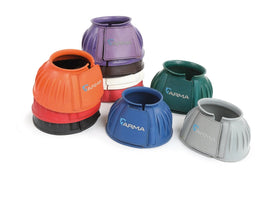
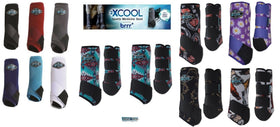
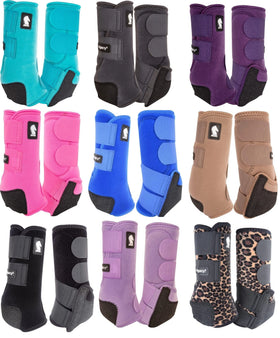
Our Favorite Durable Horse Bell Boots
Finding the right bell boots can feel like a chore, but after years of seeing what works, I've narrowed it down to a few tried-and-true favorites that we stand by. These brands are known for their quality and commitment to keeping our horses safe and comfortable, which is what matters most. A good bell boot isn't just about preventing a lost shoe; it's about protecting the sensitive heel and coronary band from repeated impact that can lead to bruising or cuts. When you invest in a durable pair, you save money and frustration in the long run. Whether you need something tough enough for daily turnout or sleek enough for the show ring, one of these options is sure to be a perfect match for your horse. We carry a wide variety of horse boots and leg protection to cover all your needs, but these three brands consistently deliver on durability and performance. Let's look at what makes each one special.
Classic Equine Bell Boots
Classic Equine is a name you can trust, especially when it comes to protective gear. Their bell boots are engineered to support your horse's natural movement while seriously reducing the risk of injury. They work closely with professional horsemen to develop their products, so you can feel confident whether you're training, competing, or just hauling to the next rodeo. These boots are designed for the ultimate in horse leg protection, giving you peace of mind knowing your horse is covered with top-quality gear that’s built to last through rigorous use. They are a fantastic all-around choice for active horses.
Weaver Equine Bell Boots
If you’re looking for reliable overreach protection that stays put, Weaver Equine is a fantastic choice. Their bell boots are known for their durability and secure fit, which is exactly what you need to guard your horse’s heels and prevent pulled shoes. These boots are workhorses, designed to hold up during both intense competition and simple daily riding. By preventing your horse from accidentally stepping on its front hooves, Weaver Equine bell boots help you avoid frustrating injuries and keep those expensive shoes right where they belong. They offer a straightforward, effective solution that many riders depend on.
Back on Track Performance Bell Boots
For the performance horse that puts in serious work, the Back on Track Performance Bell Boots are a game-changer. They feature a 'no turn' design that’s excellent for exercise, ensuring they stay in the correct position. What really sets them apart is the Welltex material, which may help reduce inflammation and soreness while your horse is moving. The exterior is made of thick rubber, providing robust protection for the hoof. These performance bell boots are a great option if you want to combine protection with therapeutic benefits during your rides.
Choosing Bell Boots Based on Your Horse's Activity
The best bell boot for your horse really depends on what they’re doing. A boot that’s perfect for a quiet day in the pasture might not hold up to the demands of a rigorous training session or a competitive event. Thinking about your horse’s daily activities will help you choose a pair that offers the right combination of protection, durability, and comfort. It’s one of those gear decisions that directly impacts your horse’s well-being and your peace of mind. The needs for a turnout boot are vastly different from those for a high-performance boot used in the show ring. Matching the boot to the job ensures your horse is protected, comfortable, and ready for whatever you have planned, whether it's a lazy afternoon outside or a championship run. Let's break down what to look for based on how your horse will be using them.
For Daily Turnout
When your horse is out in the pasture, they need a bell boot that can handle long hours of wear in various conditions. The main goal here is to protect the soft coronary band and heel bulbs from overreach injuries, which happen when a back hoof steps on a front one. This also helps prevent the dreaded and expensive pulled shoe. For turnout, look for durable, waterproof materials like rubber or PVC that are easy to clean and can withstand mud and moisture. Since your horse will be wearing them for extended periods, a comfortable fit that doesn't rub is essential. The right pair of horse boots and leg protection can give you peace of mind while your horse enjoys their time outside.
For Schooling and Training
Training sessions demand a lot from your horse, and their gear needs to keep up. During training, you need a bell boot that offers serious protection without getting in the way of your horse's movement. Whether you're schooling dressage, running patterns, or working over poles, the boot must stay securely in place through quick stops, turns, and extensions. Many riders prefer no-turn styles for this reason, as they are designed with an anatomical fit or inner bulb to prevent spinning and shifting during athletic maneuvers. These boots are engineered to absorb impact and support your horse's legs, significantly reducing the risk of injury while you work on honing your skills together.
For the Show Ring
In the show ring, reliability is everything. The last thing you want to worry about is a boot failing mid-performance. For competition, you need a bell boot with an exceptionally secure fit and proven durability. These boots must provide dependable overreach protection to guard your horse’s heels and keep their shoes firmly on, even during the most intense moments of a run or a course. A lost boot can be distracting, and a pulled shoe can take you out of the running completely. Choose a pair you can trust to perform under pressure, so you and your horse can focus on giving it your all when it counts the most.
How to Get the Perfect Bell Boot Fit
You’ve picked out a great pair of durable bell boots, but the job isn’t done yet. Getting the right fit is just as important as choosing the right material. A poorly fitting boot won’t just be ineffective; it can cause discomfort or even injury for your horse. A proper fit ensures the boot stays in place to do its job, protecting the sensitive heel and coronary band without rubbing or interfering with your horse's movement. Let's walk through how to make sure your horse's new boots fit perfectly.
Measuring for the Correct Size
To find the perfect size, you'll need to do a little measuring. Grab a soft measuring tape and wrap it around the widest part of your horse's hoof, right above the coronary band. Then, measure the length from the toe to the heel. These two numbers are your guide for choosing the right size from a manufacturer's chart. A boot that’s too tight can restrict blood flow, while one that’s too loose will slip around, chafe, or get pulled off in the pasture. Taking a moment to measure will save you a lot of headaches and ensure your horse stays comfortable in their new leg protection.
Sizing for Larger Breeds: XL, XXL, and Draft Sizes
Finding the right fit for larger breeds like warmbloods or draft horses can be a real challenge, but it’s essential for their comfort and safety. The good news is that many brands offer extended sizes to accommodate bigger hooves. You'll find that some manufacturers produce bell boots in sizes up to XXL, and fellow riders often recommend specific brands like Davis for their generous sizing. For true heavyweights, look specifically for draft sizes. These are designed not just to be bigger, but to fit the unique hoof shape of draft breeds, ensuring the boot covers the heel properly without dragging. No matter your horse's size, always check the manufacturer's sizing chart. A well-fitted boot is the key to effective horse boots and leg protection, preventing overreach injuries and keeping your gentle giant comfortable.
How to Tell if Your Bell Boots Fit Poorly
Once the boots are on, keep a close eye on your horse. A well-fitting bell boot should cover the entire hoof down to the heel but shouldn't drag on the ground. Look for rubbing or chafing around the pastern, which is a clear sign the boot is too tight or moving incorrectly. If the boot spins excessively or is easily pulled off, it's likely too big. Your horse will also give you clues; pay attention to their behavior and comfort. Frequent stomping or other signs of irritation can mean the boots are bothering them. A quick check after turnout or a ride can confirm you've got the fit just right.
Are You Making These Common Bell Boot Mistakes?
You’ve done your research and picked out a great pair of bell boots. That’s a fantastic first step. But to get the most out of them, it’s just as important to use and care for them correctly. A few common slip-ups can make even the best boots less effective or, worse, uncomfortable for your horse. Let’s walk through some of the most frequent mistakes horse owners make so you can be sure you’re giving your horse the best possible protection. By avoiding these simple errors, you’ll ensure your horse stays safe and comfortable, and your gear will last much longer. We'll cover everything from getting the size right to your cleaning routine.
Avoiding Incorrect Sizing
One of the most common mistakes is selecting the wrong size bell boot. A proper fit is essential for the boot to do its job effectively. If a boot is too tight, it can rub, cause sores, and even restrict circulation around the pastern. On the other hand, a boot that’s too loose will likely spin, shift out of place, or get pulled off in a muddy pasture. A loose boot can also fail to protect the heel bulbs and coronary band, which defeats its purpose. A well-fitted bell boot should cover the entire hoof wall down to the heel, and you should be able to comfortably slide one or two fingers between the top of the boot and your horse’s pastern.
Prioritizing Quality Over Price
It can be tempting to grab the cheapest pair of bell boots on the shelf, but this is one area where you often get what you pay for. Lower-priced boots are typically made from less resilient materials that crack, tear, and wear out quickly, especially with daily use. You might find yourself replacing them multiple times a year, which ends up costing you more in the long run. Investing in high-quality horse boots and leg protection made from durable rubber or neoprene ensures your horse has reliable protection. These better-made boots are designed to withstand the rigors of turnout and training, offering you peace of mind and better value over time.
Forgetting to Match the Boot to the Activity
Not all bell boots are created equal, and the right choice depends on your horse's daily activities. A horse that lives outside 24/7 needs a durable, simple boot that can handle mud and constant wear, while a show jumper may need a heavy-duty, no-turn boot for maximum protection during high-impact efforts. Using a lightweight boot for an intense activity might not offer enough protection, while a bulky boot could be overkill for quiet turnout. Thinking about your horse’s specific job, whether it’s trail riding, dressage, or reining, helps you select a boot that provides the right level of protection without hindering movement.
Neglecting Regular Cleaning
It’s easy to overlook cleaning your horse’s bell boots, but this small step is vital for your horse’s skin health. Dirt, mud, sweat, and arena footing can build up inside the boot, creating a gritty, abrasive surface that rubs against the pastern. This irritation can lead to hair loss, sores, and even skin infections like scratches. To prevent this, get into the habit of rinsing your bell boots with water after every ride or once a day for horses on turnout. Make sure they dry completely before you put them back on. This simple routine takes only a minute but goes a long way in keeping your horse comfortable and their skin healthy.
How to Make Your Horse Bell Boots Last Longer
You’ve found the perfect pair of bell boots, and they fit your horse like a glove. That’s great! Now, let's talk about how to keep them in top shape. A little bit of care goes a long way in extending the life of your horse’s gear, which saves you money and ensures your horse stays protected. By following a few simple steps for cleaning, storing, and inspecting your bell boots, you can get the most out of your investment.
The Right Way to Clean and Dry Them
Making cleaning a part of your regular routine is the best way to preserve your bell boots. After each ride or turnout, take a moment to rinse off any mud, sand, and sweat. This buildup can break down the material over time and even irritate your horse's skin. For a deeper clean, use a soft brush and a gentle soap to scrub them down, then rinse thoroughly. The most important part is how you dry them. Always let them air dry completely in a shaded, well-ventilated area. Exposing them to direct sunlight or artificial heat can cause the material to become brittle and crack, so it's best to avoid that practice.
Proper Storage to Prevent Damage
How you store your bell boots between uses matters just as much as how you clean them. Tossing them in a damp pile or leaving them in the back of a hot car can cause them to lose their shape and degrade faster. The best approach is to find a cool, dry spot for them away from direct sunlight. Many riders find that hanging them on a tack hook is an easy way to help them maintain their shape and allow for good air circulation. If you prefer to put them away, a breathable gear bag works well too. This simple habit keeps them ready for your next ride and prevents them from getting warped or damaged.
Knowing When It's Time to Replace Them
Even the most durable bell boots will eventually wear out. For your horse's safety, it's crucial to recognize when they've reached the end of their life. Get into the habit of inspecting them each time you put them on. Look for signs of wear like cracks, tears, or areas where the material is getting thin, especially around the bottom edge. Also, check the closures. If the Velcro is losing its grip or buckles are damaged, the boot won't stay securely in place. Using a worn-out bell boot is a risk not worth taking. When you spot these issues, it’s time to find a replacement from our collection of horse boots and leg protection to ensure your horse stays safe and comfortable.
Related Articles
- A Guide to Horse Leg Protection Boots
- Bell Boots vs Overreach Boots: Which to Choose?
- Shires Arma Overreach Fleece Bell Boots – Ultimate Hoof Protection
- Professional's Choice Horse Equine Overreach Ballistic Spartan II Bell
Frequently Asked Questions
Can my horse wear bell boots 24/7? Many horses wear bell boots for turnout, which can mean they have them on for long stretches. While this is generally safe, it's important to remove them daily to check your horse’s skin for any signs of rubbing or irritation. This also gives you a chance to clean the boots, as trapped dirt and moisture can cause skin problems. A proper fit is absolutely essential for any horse wearing boots for extended periods.
My horse keeps losing his bell boots in the pasture. What should I do? This is a common frustration, and it usually comes down to fit or the closure type. First, double-check the sizing; a boot that is too large will come off easily. If the fit is correct and you're using a hook-and-loop closure, make sure the fastener is kept clean and free of mud and hair, as this helps it stay secure. If you're still having trouble, you might consider trying a traditional pull-on style, which is much harder for a horse to accidentally remove.
How do I know if I have the right size bell boot? A well-fitted bell boot should be snug but not tight. You should be able to slide one or two fingers comfortably between the top of the boot and your horse’s pastern. The bottom of the boot should cover the entire heel bulb and touch the ground when your horse is standing still, but it shouldn't be so long that your horse is constantly stepping on it. If you notice any rubbing, sores, or signs of irritation, the boot is likely too tight or not sitting correctly.
Are "no-turn" bell boots really necessary? They aren't a requirement for every horse, but they are incredibly useful for specific situations. No-turn styles are designed to keep the protective part of the boot directly over the heel bulbs, which is especially helpful during training or competition where your horse is making quick, athletic movements. For a horse that just needs basic protection during quiet turnout, a standard bell boot often works perfectly well.
What's the best way to clean my bell boots to make them last? The key to making your boots last is regular, simple cleaning. After every use, give them a quick rinse with a hose to remove sweat, sand, and mud. For a deeper clean, use a soft brush and some mild soap. The most important step is to let them air dry completely in a shaded spot before using them again. Storing them away from direct sunlight will also prevent the material from becoming brittle and cracking over time.


