


Just like you have different shoes for different activities, your horse needs the right halter for the job. A sturdy nylon halter is great for grooming but dangerous for turnout. A rope halter is perfect for groundwork but isn't designed for all-day wear. Understanding the difference is crucial for your horse's safety and comfort. This guide breaks down the pros and cons of each style, helping you build a collection of durable horse halters so you’re prepared for any situation—from daily chores to trailering and training.
Key Takeaways
- Choose the right material for the job: Match your halter to the activity for maximum safety; use breakaway or leather halters for turnout, sturdy nylon for supervised handling, and rope halters for focused training sessions.
- Prioritize a secure and comfortable fit: A poorly fitted halter is a safety risk, so always check that you can slide two fingers between the halter and your horse's face to prevent dangerous snags or painful rubbing.
- Make safety checks a daily habit: Before each use, inspect your halter for frayed stitching, damaged hardware, or other signs of wear, as knowing when to replace worn equipment is key to preventing accidents.
What Makes a Horse Halter Truly Durable?
A halter is more than just a piece of equipment; it’s a daily tool for safety and communication with your horse. When you’re leading a 1,000-pound animal, the last thing you want is for that connection to snap. A durable halter is a non-negotiable for any horse owner. It’s not about spending a lot of money, but about knowing what to look for. The best halters are built to withstand daily use, emergency situations, and the occasional bit of horseplay, all while keeping your horse comfortable and secure. Let’s break down the four key features that separate a reliable halter from one that will let you down.
It Starts with High-Quality Materials
The foundation of any durable halter is the material it’s made from. Whether you prefer leather, nylon, or rope, the quality of that material is what counts. Low-quality nylon will fray and weaken over time, while premium, tightly woven nylon resists stretching and abrasion. Similarly, cheap leather can dry out, crack, and snap under pressure. Look for supple, well-conditioned leather that feels strong in your hands. The material should not only be tough but also comfortable for your horse to prevent rubbing and sores, especially if they wear a halter for extended periods. Investing in good materials is the first step to getting a piece of horse tack that lasts.
Nylon and Polypropylene Quality Markers
When you're shopping for a nylon halter, the details in the webbing make all the difference. A key indicator of quality is the "ply," which tells you how many layers of material are stitched together. A double or triple-ply halter will be far more durable and better at keeping its shape than a flimsy single-ply version. Also, pay attention to the density of the weave; a tighter weave indicates a higher thread count and greater overall strength. While nylon is known for its toughness, making it great for everyday handling, you might also see polypropylene halters. Polypropylene is generally less expensive and doesn't absorb water, but nylon webbing is typically the stronger choice for heavy-duty use. Investing in well-made horse tack ensures you have reliable equipment when you need it most.
Signs of a Quality Leather Halter
A quality leather halter is an investment that can last for years with proper care. The first test is simple: how does it feel in your hands? It should be supple and well-conditioned, not stiff, dry, or brittle. High-end options are often crafted from English bridle leather, which is renowned for its strength and smooth finish. Pay close attention to the construction details. Look for triple-stitched seams, especially at stress points around the hardware, as this reinforcement prevents the halter from coming apart under pressure. Padded nosebands and crownpieces are another sign of a well-made halter, adding significant comfort for your horse. While these features might mean a higher price tag, they are hallmarks of durable leather halters built for safety and longevity.
Strong Hardware Is Non-Negotiable
Hardware, the metal buckles, rings, and snaps, are the most common points of failure on a halter. When you’re shopping, pay close attention to these components. Opt for solid brass or stainless steel hardware, as they are resistant to rust and corrosion and are far less likely to bend or break under strain compared to plated metals. Check how the hardware is attached. Is it simply stitched on, or is it reinforced with extra layers of material or secure rivets? Solid construction means the halter is built to handle the rigors of daily wear, from tying in the barn to leading out to pasture, ensuring it remains a reliable tool for years.
Look for Reinforced Stitching
Stitching is what holds your entire halter together, so it needs to be exceptionally strong. A single line of weak thread is a recipe for disaster. Look for halters with double or even triple-stitched seams, especially at stress points. These are the areas where straps connect to hardware or other pieces of the halter. A common technique used in high-quality halters is box stitching, which creates a square or rectangular pattern for maximum reinforcement. This detail is critical for safety. A halter with weak stitching can break unexpectedly, creating a dangerous situation for both you and your horse.
Ensure a Secure, Adjustable Fit
A halter’s durability also depends on its fit. A poorly fitting halter not only poses a safety risk but also experiences uneven wear and tear, causing it to break down faster. A proper fit starts with adjustability. Look for a halter with an adjustable crownpiece to get the length just right. The noseband should sit comfortably on the horse's face, about halfway between the eyes and nostrils, without being tight. You should be able to fit two fingers underneath it. A secure, adjustable fit ensures pressure is distributed evenly, making the halter more comfortable for your horse and extending the life of your equipment.
Leather vs. Nylon vs. Rope: Which Halter Is Best?
Choosing the right halter is a key part of horse ownership, and the material you pick directly affects your horse's safety, comfort, and your ability to handle them effectively. While it might seem like a simple piece of equipment, the difference between leather, nylon, and rope can be significant. There isn't one single "best" halter that fits every horse and every situation. In fact, most experienced horse owners have a few different types of halters in their tack room for different jobs. A halter used for turnout has very different safety requirements than one used for training or a show. Understanding the unique properties of each material will help you make an informed decision, ensuring you have the right tool for the task at hand. Let's break down the pros and cons of the most common options so you can find the perfect fit for your horse's needs.
The Classic Choice: Leather Halters
Leather is the classic, go-to choice for safety. A quality leather halter is designed to break under extreme pressure, which is a crucial feature if your horse gets caught on a fence or another object. This makes them the safest option for turnout or trailering. Beyond safety, leather halters offer a timeless, professional look that’s perfect for shows. While they need some care to stay in good condition, a well-maintained leather halter from our horse tack collection can last for years, becoming a reliable piece of equipment. They are a great investment in your horse's well-being and your peace of mind.
The Everyday Workhorse: Nylon Halters
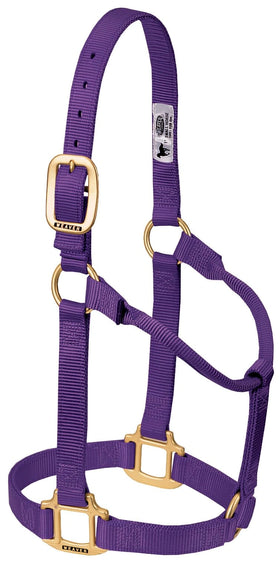
Nylon halters are known for being affordable, strong, and available in a rainbow of colors. They hold up well against the elements and require very little maintenance. However, their incredible strength is also their biggest flaw. A standard nylon halter will not break in an emergency, which can lead to severe injury if a horse gets tangled. For this reason, a solid nylon halter should never be left on an unsupervised horse. They are best used for activities like grooming or leading, where you are right there to manage any issues. If you love the easy care of nylon, look for one with a leather breakaway crown for safer use.
The Training Staple: Rope Halters
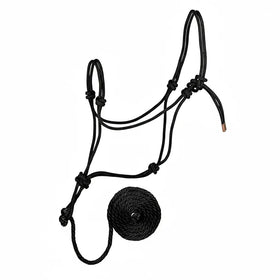
Rope halters are a specialized tool primarily used for groundwork and training. Made from a single piece of rope, their thinner design allows for more precise communication and control by applying pressure to specific points on the horse's head. This makes them highly effective for in-hand training sessions. However, they are not meant for everyday, all-day wear. Like nylon, they are extremely strong and will not break, posing a safety risk for turnout. You also need to know how to tie the specific knot correctly for them to be safe and effective. Think of a rope halter as essential training equipment, not a daily accessory.
Safety Considerations for Rope Halters
The strength that makes a rope halter an effective training tool is also what makes it a significant safety hazard if used incorrectly. Never, under any circumstances, should you turn your horse out in a rope halter. Unlike a leather halter designed to break under duress, a rope halter will not give way if your horse gets caught on a fence, a branch, or even its own leg. This can lead to catastrophic injuries. Additionally, the specific knot used to secure a rope halter must be tied correctly every single time. An improper knot can either slip loose, defeating the purpose, or worse, tighten like a noose, creating a terrifying and dangerous situation for your horse. Always remember that a rope halter is for supervised, in-hand work only.
For Extra Comfort: Padded Halters
Padding is an excellent feature that adds a layer of comfort to any type of halter. You can find both leather and nylon halters with soft fleece or neoprene padding on the noseband and crownpiece. This is a game-changer for horses with sensitive skin, as it helps prevent rubbing and sores. Padded halters are also ideal for situations where a horse will wear one for a long time, such as during trailering. A padded nylon halter with a breakaway crown is a fantastic all-around option, giving you the easy maintenance of nylon, the safety of a breakaway feature, and the comfort your horse deserves.
Shop This Post

Featured in this article
Weaver Leather Adjustable Nylon Halter - Triple-Ply Brass Hardware
$26.59
Shop Now →
Are Breakaway Halters the Safest Choice for Turnout?
When it comes to your horse's safety, you can never be too careful, especially during turnout. The biggest fear for any horse owner is finding their horse injured in the pasture. A standard halter, while useful for handling, can become a serious hazard if it gets snagged on a fence post, a tree branch, or even another horse's gear. This is where breakaway halters come in. They are specifically designed with a failure point that releases under pressure, freeing the horse before a minor snag turns into a major panic or a catastrophic injury.
While some owners prefer turning horses out "naked" (with no halter), this isn't always practical for horses that are hard to catch. A breakaway halter offers a safer compromise. It allows you to leave a halter on for convenience without the high risks of a traditional nylon or rope halter. Think of it as a simple, affordable insurance policy for your horse's well-being. Choosing the right one involves understanding how they function, when to use them, and what features define a reliable design. Let's look at what makes these halters a must-have for pasture time.
How Do Breakaway Halters Actually Work?
The magic of a breakaway halter is in its designated weak link. Most are made from durable nylon, but they feature a special component designed to break under significant force. This is often a thin leather strap on the crownpiece, the part that goes over the horse's poll. If your horse pulls back sharply or gets caught, this leather piece will snap, releasing the halter and freeing the horse. Some designs use a special plastic buckle or a replaceable "fuse" that serves the same purpose. The rest of the halter remains intact, and you can often just replace the broken piece, making it a practical and reusable safety tool.
When to Use a Breakaway Halter
A breakaway halter is the safest choice anytime your horse is unsupervised. The most common scenario is turnout, whether your horse is in a pasture for a few hours or living outside full-time. Horses are curious and can easily get themselves into tricky situations, and a breakaway halter provides peace of mind. They are also a smart option for trailering, especially on long trips, or for horses that need to be stalled with a halter on. Essentially, if you aren't actively holding the lead rope, a breakaway halter is the responsible choice to prevent accidents when you're not right there to intervene.
What to Look for in a Quality Breakaway Halter
When selecting a breakaway halter, look for a design that balances safety with durability. Many popular styles feature a sturdy nylon body with a replaceable leather crownpiece. This gives you the strength of nylon for everyday handling but the safety of leather at the critical point. All-leather horse tack is also naturally "breakaway," as the leather itself will break under extreme stress. Check that the breakaway point isn't too weak; it should withstand a horse pulling back lightly or rubbing on a post, but snap in a true emergency. High-quality hardware and stitching on the rest of the halter are also key to ensuring it lasts.
Look for Replaceable Parts
A great breakaway halter is one you can use again and again. That's why looking for a model with replaceable parts is so smart. The most common design combines a durable nylon body with a replaceable leather crownpiece. This setup offers the best of both worlds: the strength and easy care of nylon for the main halter structure, and the essential safety of a leather breakaway point. When the leather piece does its job and snaps in an emergency, you don't have to buy a whole new halter. You can simply purchase a new leather crown and attach it, making your halter ready for the pasture again. This feature makes it a cost-effective and practical piece of horse tack for any owner.
Consider Reflective Strips for Visibility
If you've ever tried to find a dark horse in a big pasture after sunset, you know the struggle is real. An excellent feature to look for on a turnout halter is reflective stripping. Some halters come with reflective thread woven into the nylon or have reflective patches sewn onto the noseband and cheekpieces. This simple addition can be a huge time-saver. A quick sweep of the pasture with a flashlight will make your horse light up, making them easy to spot in the dark or during twilight hours. It’s a small detail that makes a big difference in convenience and peace of mind, ensuring you can quickly check on or bring in your horse without a lengthy search.
How to Choose the Right Halter for the Job
Just like you have different shoes for running, hiking, and going out, your horse needs different halters for different jobs. Using the right halter for the situation isn't just about convenience; it's a crucial part of keeping your horse safe, comfortable, and responsive. A halter that’s perfect for a quiet grooming session might be unsafe for turnout, while a training halter could be too harsh for all-day wear. Let’s walk through which halter to grab for common scenarios so you can feel confident you’re making the best choice for your partner.
Your Go-To for Everyday Handling
For daily tasks like leading your horse to and from the pasture, grooming, or tacking up, you need something reliable and comfortable. A padded nylon halter is a fantastic choice because it's strong, easy to clean, and gentle on your horse's face. The padding over the noseband and crownpiece prevents rubbing, making it a great all-around option for routine handling. Plus, they come in a huge variety of colors, so you can always find one that matches the rest of your horse tack. This is the workhorse of halters that you'll likely reach for most often.
Best Halters for Turnout and Pasture
This is where safety becomes the number one priority. Ideally, horses should be turned out without a halter to prevent them from getting caught on a fence, tree branch, or another object. However, if you have a horse that’s difficult to catch or need to leave a halter on for any reason, you must use a breakaway style. These halters are designed with a leather crownpiece or a special quick-release tab that will snap under pressure, freeing the horse. Experts agree that if you must leave a halter on during turnout, you should always use a breakaway halter to prevent a dangerous situation from turning into a tragic one.
Halters Designed for Training and Groundwork
When you're actively working with your horse on the ground, clear communication is key. This is where rope halters shine. Because they are made from a thin, stiff rope with strategically placed knots, they apply more specific pressure than a flat web or leather halter. This allows you to use subtle cues to guide your horse, making them an excellent tool for teaching responsiveness and respect. Just remember, rope halters are for in-hand training sessions only. Their design makes them unsafe for turnout or for tying a horse that might pull back.
Safe Halter Options for Trailering
Comfort and safety are the main goals when trailering your horse. A padded halter is simply more comfortable for long trips, helping prevent rubs and sores while your horse is tied. Many equestrians prefer using a leather halter or a nylon halter with a leather breakaway crownpiece for travel. This provides an extra layer of safety, as the leather is designed to break if the horse panics and gets into a situation where it feels trapped. A sturdy, well-fitting halter ensures your horse arrives at your destination comfortable and secure.
Picking a Halter for Show Day
When it’s time to step into the show ring, presentation matters. A clean, well-fitted leather halter offers a classic, professional look that’s appropriate for most disciplines, from halter classes to showmanship. Not only do they look sharp, but they are also a safe and durable choice. Leather is strong but has a natural breaking point that can help prevent serious injury if your horse panics. For a polished appearance, choose a quality leather halter from our horse tack collection that fits your horse perfectly and complements their features.
Halters for Young, Growing Horses
Young horses, especially foals, seem to grow overnight. One day their halter fits perfectly, and the next it’s starting to look snug. This rapid growth makes choosing the right halter critical. For foals and weanlings, you need a halter with maximum adjustability. Look for designs with multiple buckles on the crownpiece and an adjustable noseband. This allows you to make small changes as your horse grows, ensuring the halter always fits comfortably and safely without becoming too tight. A well-fitting halter prevents rubbing and ensures you have proper control, which is especially important as you begin handling and training your young horse with the right horse tack.
Versatile Halter-Bridle Combinations
For trail riders and endurance enthusiasts, convenience is everything. A halter-bridle combination is a brilliant piece of gear designed for long days in the saddle. This versatile two-in-one design functions as a regular bridle while you're riding, but with a few quick snaps, the bit and cheekpieces detach, leaving a comfortable halter on your horse. This means you can easily let your horse graze or drink during a break on the trail without having to completely un-tack and re-tack them. It’s a simple solution that makes trail riding more enjoyable and efficient, giving you more time to enjoy the scenery with your horse.
How Should a Horse Halter Fit?
Finding a durable halter is only half the battle; ensuring it fits correctly is just as important for your horse’s safety and comfort. A poorly fitted halter can cause rubbing, create dangerous situations, or simply fail when you need it most. A proper fit means the halter is snug enough to be effective but loose enough to be comfortable. Let's walk through how to get that perfect fit.
How to Measure Your Horse for a Halter
To get the most accurate fit, you'll need to measure your horse with a soft fabric tape measure. First, measure the length of your horse's head from the poll (the area right behind the ears) to the noseband area. Next, wrap the tape around your horse’s nose, about two finger-widths below the cheekbones. This measurement is for the noseband. Finally, measure from the cheek ring on one side, over the poll, to the cheek ring on the other side. These three measurements will give you a great starting point for finding a halter that fits like a glove.
Is Your Horse's Halter a Poor Fit? Here's How to Tell
You can often spot a poor fit just by looking. If a halter is too tight, it will dig into your horse's skin, potentially causing sores, hair loss, or even restricting their ability to chew or yawn comfortably. The noseband shouldn't be so high that it's near their eyes, nor so low that it could impede their breathing. On the other hand, a halter that's too loose is a major safety hazard. It can easily get snagged on a fence post or water bucket, or your horse could slip out of it. A good rule of thumb is that you should be able to fit two or three fingers between the halter and your horse’s face at any point.
Halter Sizing Tips for Different Breeds
Halters come in standard sizes that often correspond with general breed types. For example, a "Cob" size is typically designed for smaller horses like Arabians or Morgans, while the standard "Horse" or "Average" size fits many breeds like Quarter Horses and Thoroughbreds. Larger breeds, such as Warmbloods or Drafts, will likely need an "Oversize" or "Draft" size. While these labels are a helpful guide, remember that every horse is an individual. It's always best to rely on your horse's specific measurements rather than just their breed when selecting from the various halter sizes available.
Specialty Sizing for Foals and Young Horses
Fitting a halter on a foal or a young, growing horse presents a unique challenge. They grow so fast! Foal halters are the smallest size available, often measuring just six to seven inches across the nose, but your little one will outgrow it in a blink. That's why adjustability is the most important feature to look for. A halter with an adjustable crownpiece and even an adjustable noseband will allow you to get a perfect, safe fit as your horse grows. A poorly fitted halter is especially dangerous for a young horse; it can cause painful rubbing, get caught on objects, or fail at a critical moment. Investing in a quality, adjustable piece of horse tack from the start ensures their early handling experiences are safe and positive.
Why a Proper Fit Is a Safety Essential
A well-fitted halter is your primary line of communication and control on the ground, making it a critical piece of safety equipment. A halter that is too loose can allow a horse to pull away or get loose, putting both of you in a dangerous situation. If it's too tight, it can cause pain and panic. A strong, properly adjusted halter from our horse tack collection ensures you can lead and handle your horse confidently. When a halter fits correctly, it applies pressure evenly and communicates your cues clearly without causing harm, which is essential for building trust and keeping every interaction safe and positive.
Making Your Halter Last: Care and Maintenance
A quality halter is an investment in your horse's safety and your peace of mind. With the right care, you can extend its life and ensure it remains a reliable piece of equipment for years to come. Just like any other essential piece of horse tack, a halter requires regular attention to stay in top condition. Creating a simple maintenance routine only takes a few minutes but can make a huge difference in performance and longevity. It’s not just about looking good; it’s about catching small issues before they become big safety problems. By regularly cleaning, inspecting, and storing your halter properly, you protect both your horse and your wallet.
How to Care for Leather Halters
Leather halters are known for their classic look and durability, but they need consistent care to stay supple and strong. Dirt, sweat, and moisture can break down the leather fibers over time, leading to stiffness and cracking. To prevent this, get into the habit of wiping your halter down with a damp cloth after each use to remove surface grime. For a deeper clean, use a quality leather cleaner. The most important step is conditioning. Applying a good leather conditioner helps restore essential oils, keeping the material flexible and resistant to drying out.
How to Maintain Nylon and Rope Halters
One of the biggest perks of nylon and rope halters is how easy they are to maintain. Unlike leather, these materials can handle a good wash without any special products. For routine cleaning, you can simply scrub them with a stiff brush to remove mud and hair. When they need a more thorough cleaning, wash them by hand in a bucket of water with some mild soap. A good scrub will restore their color and help maintain their strength. Just be sure to rinse all the soap out completely and let the halter air dry fully before using it again.
The Importance of Regular Safety Checks
Regular inspections are critical for your horse’s safety. Before you put a halter on, take a moment to look it over. Check all the hardware, including buckles, rings, and snaps, to ensure nothing is bent, rusted, or broken. Run your hands along the material, feeling for any rough spots, fraying, or weak points, especially around the holes for the buckle. Most importantly, check the fit every time. A halter that’s too loose can easily get snagged or slip off, while one that’s too tight can cause painful rubbing and sores.
When Should You Replace Your Horse's Halter?
Even the most well-made halter won't last forever. Recognizing when it's time for a new one is key to preventing accidents. Pay close attention to signs of significant wear and tear. For nylon halters, this often looks like fraying edges or thinning material, especially at stress points. For leather, look for deep cracks that go beyond the surface, or leather that has become overly stiff and brittle despite conditioning. If you notice any tears or stretched stitching, it’s time to retire that halter. Don't risk it; a broken halter can have serious consequences.
Helpful Halter Accessories and Repair Parts
When you find a halter with significant damage, it's always best to replace it. But for minor wear and tear, having the right accessories and repair parts on hand can save you time and money. Instead of tossing a halter with a broken snap, you can often just replace the hardware. For breakaway halters, keeping a spare leather crownpiece means you're always prepared for that inevitable pasture snag. You can also greatly improve your horse's comfort by adding soft fleece or sheepskin covers to the noseband and poll, which are excellent for preventing rubs on sensitive skin. These simple halter accessories allow you to maintain and customize your horse tack, ensuring it remains safe and comfortable for years to come.
Common Halter Mistakes to Avoid
Choosing the right halter is a big step, but using it correctly is just as important for your horse’s safety and comfort. Even experienced horse owners can fall into a few common habits that might compromise a halter's effectiveness or put their horse at risk. Let’s walk through some of the most frequent mistakes and how you can easily sidestep them to keep your horse safe and happy.
Mistake #1: Using the Wrong Material
It’s easy to think that stronger is always better, but that’s not the case with halters. Nylon halters are incredibly durable, but their strength can be a liability. If a horse wearing a nylon halter gets caught on a fence or a branch, the halter is unlikely to break, which can lead to serious injury. For turnout, a leather halter is often a safer choice. Leather is designed to break under extreme pressure, acting as a safety release. When you browse for horse tack, think about how you'll use the halter. A sturdy nylon one might be great for leading and grooming, but a leather or breakaway halter is essential for unsupervised time.
Mistake #2: Ignoring Key Safety Features
Beyond the base material, specific safety features can make all the difference, especially for turnout. A breakaway halter is a fantastic option, as it’s designed with a replaceable leather crown piece or a quick-release fuse that will snap if your horse panics and pulls back while tied or gets snagged in the pasture. This simple feature can prevent severe neck and poll injuries. On the other hand, you also want to avoid halters with weak, flimsy hardware that could fail during normal handling. A broken snap or ring can be just as dangerous as a halter that won't break at all, so always inspect the hardware for solid construction.
The "Unbreakable" Halter Debate
The idea of an "unbreakable" halter sounds great in theory—who wouldn't want equipment that lasts forever? This term is often used to market heavy-duty nylon halters, and while they are incredibly strong, that strength is precisely what makes them dangerous for unsupervised use. If your horse gets snagged on a fence post or a bucket handle, a nylon halter won't give way, leading to panic and potentially severe injury. This is why a halter that can break under extreme force is actually the safer choice. A quality leather halter or a breakaway style is designed to be a point of failure in an emergency, freeing your horse before a bad situation gets worse. When choosing your horse tack, remember that true durability includes safety, and sometimes the safest feature is the one that allows the equipment to break.
Mistake #3: Getting the Fit Wrong
A halter’s fit is crucial for both safety and communication. If a halter is too loose, it can easily slip off or get caught on objects. Your horse might also learn to ignore your cues because the pressure isn't applied correctly. If it’s too tight, it can cause painful rubbing, sores, and even nerve damage over time. A good rule of thumb is that you should be able to fit two to three fingers comfortably under the noseband and cheekpieces. The noseband should rest about halfway between your horse’s eyes and nostrils, never so low that it could restrict breathing.
Mistake #4: Skipping Regular Maintenance
Just like any other piece of tack, your halter needs regular care to stay safe and functional. For leather halters, this means routine cleaning and conditioning to prevent the leather from drying out, cracking, and becoming weak. With nylon or rope halters, you should regularly check for any fraying, sun damage, or worn spots that could compromise their strength. It’s also a good practice to never leave a standard nylon halter on a horse unattended in a stall or pasture, especially overnight. A quick safety check before each use takes only a moment and can prevent an accident down the road.
How Much Does a Durable Horse Halter Cost?
Halter prices can vary quite a bit, depending on the material, brand, and specific features you’re looking for. You don’t have to spend a fortune to find a reliable halter, but it helps to understand what you’re getting for your money. Think of a good halter as an investment in your horse's safety and comfort. Whether you need a simple tool for daily chores or a beautiful piece for the show ring, there’s a wide range of horse tack available to fit your needs and budget. Let's break down what you can expect to find at different price points so you can make the best choice for you and your horse.
Budget-Friendly Halters ($20–$60)
In this price range, you'll primarily find nylon halters. They are a popular choice because they are affordable, strong, and come in a huge variety of colors. These halters are great for supervised situations like leading or grooming. However, their strength can also be a drawback. As Chewy's guide to horse halters explains, most nylon halters are not designed to break under pressure. This can create a serious safety risk if your horse gets caught, which is why many experienced owners avoid using a standard nylon halter for turnout.
Mid-Range Halters ($60–$150)
This is often the sweet spot for finding a versatile, high-quality halter that balances great features with a reasonable cost. In this category, you’ll find higher-end nylon halters with padding and upgraded hardware. You'll also see combination halters that pair a durable nylon body with a leather breakaway crown for added safety during turnout. This price range also includes some excellent entry-level leather halters, making it a great place to find reliable options from trusted brands for everyday wear and training.
Premium Halters ($150+)
When you move into the premium category, you are typically looking at high-quality leather halters. While the initial cost is higher, you are paying for superior safety, longevity, and craftsmanship. Unlike nylon, leather halters are much safer because they are designed to snap under extreme force, which can prevent a serious injury if your horse gets stuck. These halters are often beautifully made with fine stitching and solid brass hardware, making them a favorite for shows. With proper care, a premium leather halter is a long-term investment that offers peace of mind and a timeless, classic look.
Why a Higher Price Often Means Better Quality
It can be tempting to grab the cheapest halter on the rack, but when it comes to horse tack, a higher price tag often signals better quality and safety. You're not just paying for a brand name; you're paying for superior materials and smarter construction. For example, a premium halter might use double or triple-ply nylon with a higher thread count, which keeps its shape and resists fraying. The hardware is another key difference you'll notice. More expensive halters often feature solid brass or nickel-plated parts that won't rust or snap, unlike cheaper plated metals. You're also investing in better craftsmanship, like reinforced triple stitching, and crucial safety features. As experts explain, a quality leather halter is designed to break under extreme pressure, a feature that could save your horse from serious injury. These details are what make a higher-priced halter a worthwhile investment in your horse's long-term safety.
How to Find the Perfect Halter for Your Horse
Choosing the right halter can feel like a big decision, but it doesn't have to be complicated. With so many options available, the best approach is to focus on what matters most: your horse's comfort and safety. By thinking through a few key factors, you can confidently pick a halter that is durable, fits correctly, and is perfectly suited for its job. Think of it as finding the right work boots for your equine partner; the right gear makes all the difference in their daily comfort and your peace of mind. Let's walk through the final steps to find the perfect one.
Factor in Your Horse's Size and Build
A proper fit is the foundation of a good halter. A halter that’s too tight can rub, chafe, and cause sores, while one that’s too loose can easily snag or slip off, creating a serious safety hazard. Before you buy, take a moment to measure your horse’s head with a soft tape measure. You’ll want to measure around their nose (about two fingers below the cheekbone) and from one side of their poll to the other. Most halters come in standard sizes like Cob, Horse, or Draft, but checking your measurements against the manufacturer's sizing chart is the best way to ensure a great fit.
Match the Halter Material to Its Purpose
The best material for your halter really depends on its primary purpose. For daily use around the barn and for turnout, a sturdy, low-maintenance nylon halter is often the most practical choice. They are easy to clean and come in a huge variety of colors. If you’re heading to a show or clinic, a classic leather halter provides a timeless, professional look, though it does require regular cleaning and conditioning. For groundwork and training, many people prefer rope halters because they offer more precise communication. You can explore a wide variety of these options in our horse tack collection to find the right style for your needs.
Always Prioritize Safety Features
Above all, a halter is a piece of safety equipment. For any time your horse will be left unsupervised, like during turnout, a breakaway halter is an excellent choice. These are designed with a leather crownpiece or a replaceable fuse that will break under extreme pressure, which can prevent a serious or even fatal injury if your horse gets caught on something. Beyond that, always inspect the hardware. Look for solid brass or stainless steel rings and buckles that won't rust or snap under pressure. A well-made halter should hold strong during handling but have a safety release for emergencies.
Related Articles
- 7 Best Horse Halters for Comfort & Durability
- The Ultimate Rope Halter Guide for 2026
- Essential Guide to Rope Halter Use and Selection 2025
Frequently Asked Questions
Do I really need more than one halter for my horse? It’s a great idea to have at least two different types of halters. Think of it like having different shoes for different activities. You need a safe, breakaway-style halter for turnout and a sturdy, comfortable one for daily handling like grooming and leading. If you do groundwork, a rope halter is a valuable training tool, but it isn't safe for tying or turnout. Having the right halter for the job keeps your horse safe and makes your life easier.
What's the best halter for a horse with sensitive skin? For a horse with sensitive skin, comfort is everything. Look for a halter with built-in padding on the noseband and crownpiece. Soft fleece or neoprene linings are excellent for preventing rubbing and sores. You can find padded options in both leather and nylon styles in our horse tack collection. Just remember to keep the padding clean, as built-up dirt and sweat can cause irritation.
Why is a standard nylon halter considered unsafe for turnout? The biggest issue with a standard nylon halter is its incredible strength. While that strength is great for leading, it becomes a major hazard in the pasture. If your horse gets the halter caught on a fence post, tree branch, or water bucket, a nylon halter will not break. This can cause the horse to panic, leading to severe or even fatal injuries. For any unsupervised time, a halter with a breakaway feature is the only safe choice.
How can I tell when it's time to replace my halter? You should retire a halter at the first sign of significant weakness. For leather halters, look for deep cracks that go beyond the surface or material that feels brittle and dry even after conditioning. For nylon halters, check for fraying edges, thinning material, or areas that look faded and worn from the sun. Any broken hardware, torn stitching, or stretched-out buckle holes are also clear signs that it's time for a replacement.
Is a leather halter always the safest option? Leather is a very safe choice because it has a natural breaking point, which is a crucial feature in an emergency. However, the key safety element is the "breakaway" function itself, not just the material. A well-made nylon halter that includes a thin leather crownpiece or a special breakaway fuse offers a similar level of safety. This gives you the easy maintenance of nylon with the peace of mind that the halter will release under extreme pressure.


