

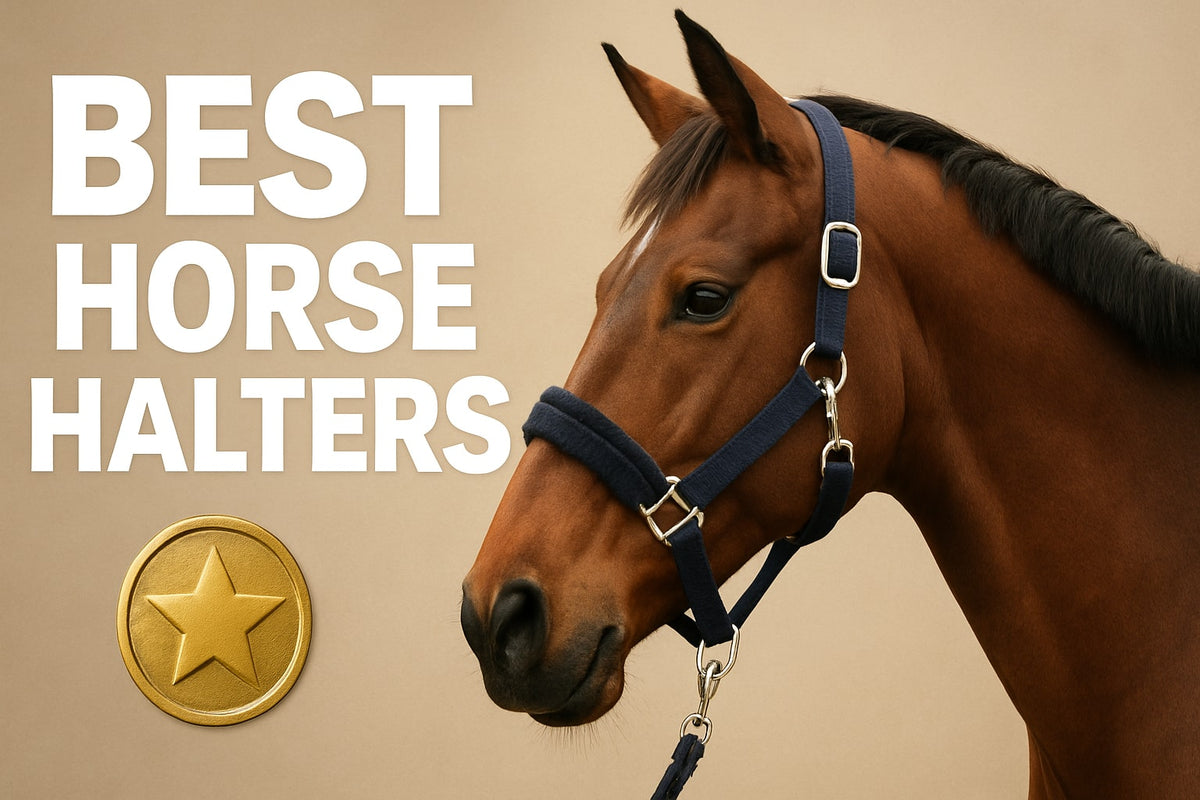
The best horse halter is one that fits well and suits the job: a breakaway or leather-crown halter for turnout, a sturdy nylon halter for everyday handling, a rope halter for supervised groundwork, and padding for sensitive horses. Whatever you choose, check the fit with the two-finger rule and inspect the hardware and stitching regularly.
A halter that rubs, frays or breaks isn't just an annoyance; it's a risk to your horse's comfort and safety. As equestrians, we want more than basic gear. We want halters that keep our horses comfortable, secure and looking sharp. But with so many options, finding the best horse halter can feel overwhelming. This guide makes it simple. We'll walk you through what truly matters in a quality halter, from materials to a correct fit and turnout safety, and share seven picks, with the halters we actually carry named in each.
Why a Good Halter is More Than Just a Pretty Face
Choosing the right horse halter is about more than appearance. Comfort, safety and durability all affect your horse's well-being and how easy daily handling is for you. Understanding why these features matter helps you make informed, practical decisions.
How a Comfortable Halter Keeps Your Horse Happy
A properly fitted halter helps protect your horse from rubs and sores, especially over sensitive areas like the nose and poll. A halter that's too tight, too loose or rough on the skin can create pressure points, and a horse that's uncomfortable may be harder to handle, tossing its head or resisting when you lead or tie it.
Comfort matters during transport and daily routines, too. Padded halters, with fleece or leather padding on the noseband and crown, are a popular choice for horses with sensitive skin or a tendency to rub. Comfort isn't a substitute for good fit, though; even a padded halter will rub if it's the wrong size.
By prioritizing comfort and fit, you help your horse stay at ease, making every interaction safer and more enjoyable for both horse and handler.
Why Halter Style is About More Than Looks
Style still has its place. Many riders enjoy choosing colors that suit their horse, or matching a halter to the rest of their tack for a polished, coordinated look in the barn and at shows. In a busy barn, a distinct color or a nameplate can also help everyone grab the right halter for the right horse.
The key is to choose style alongside function, not instead of it. A halter that looks great but doesn't suit the job, or isn't safe for turnout, isn't the right halter.
Finding the Sweet Spot: Safety, Style, and Strength
When selecting a horse halter, it's worth balancing durability, safety and style. Solid hardware, such as brass or stainless steel, holds up to daily use, while a breakaway crown or leather headpiece is the feature to look for when a halter will be worn during turnout.
Each material has its own strengths. Nylon halters are known for resilience and easy maintenance, leather offers a classic look and softens with use, and rope halters are lightweight and simple, with no buckles or snaps.
| Material | Pros | Cons |
|---|---|---|
| Nylon | Durable, colorful | Can cause rubs if unpadded |
| Leather | Classic, comfortable | Needs regular care |
| Rope | Adjustable, lightweight | Less padding |
By weighing these factors, you can find a halter that keeps your horse safe while still looking good in the barn or at a show.
Halter Safety: What Every Horse Owner Needs to Know
While a halter is a basic tool for handling your horse, it can also pose a real safety risk if it isn't chosen and used correctly. The main concern is entanglement. A horse can catch its halter on a fence post, a tree branch, a bucket handle, or even its own hoof while scratching an itch. When this happens, a horse's natural instinct is to pull back hard. A standard nylon or rope halter is very strong and won't give way easily, which can lead to panic and serious injury. Understanding these risks is the first step toward a safer setup, whether your horse is in the pasture, in a stall or tied up.
The Risks of Turnout Halters
Leaving a halter on during turnout is convenient, but it brings a constant risk of your horse getting snagged. A simple moment of bad luck can turn into an emergency, with injuries to the head, neck, face and legs as the horse struggles. For this reason, many experienced owners and barn managers don't leave halters on unattended horses at all, or only allow halters designed with a safety release. The material and design of the halter make a big difference in how dangerous a snag can become.
Why Nylon and Rope Halters Can Be Risky
Nylon and rope halters are popular for their strength, durability and affordability. Those qualities are excellent for leading and in-hand work, but they become a liability when a horse is left unsupervised. These materials are tough and aren't designed to break under pressure, so if a horse wearing a standard nylon or rope halter gets caught, the halter may hold while the horse panics. Unless a halter is specifically designed with a safety feature, keep it for times when you are directly handling your horse.
Safer Choices for Turnout: Breakaway and Leather-Crown Halters
When it comes to turnout, safety comes first. Leather is generally expected to give way sooner than nylon under extreme force, which is why many owners choose an all-leather halter or a nylon halter with a leather crown for turnout. A breakaway halter takes that idea further, using a leather crown or another release point meant to give way so a caught horse can pull free. No halter is guaranteed to break in every situation, so supervision, safe fencing and removing hazards still matter. If you do leave a halter on, make it one built for the job.
We carry a few options built around this idea. The Weaver Leather Breakaway Nylon Halter pairs 1-inch nylon with a burgundy latigo leather breakaway crown, and Weaver sells a replacement crown separately. The Shires ARMA FieldSafe halter, which Shires calls the ARMA Premium Adjustable FieldSafe Headcollar, is built with a leather headpiece for field turnout and adjusts at the head and nose.
How Breakaway Halters Work
The idea behind a breakaway halter is simple. The halter has one point designed to fail first under a heavy load. Most commonly, this is a leather crown or a thin leather tab on the crownpiece, sometimes called a breakaway fuse, that connects the buckle to the rest of the halter. Some designs use a special plastic clip or hook-and-loop closure instead. When a caught horse pulls back hard, that point is meant to give way first and release the horse. The rest of the halter usually stays intact, so on many designs you only need to replace the crown or tab. Check the release point regularly, because a worn or cracked crown may fail in everyday handling, and a heavily reinforced one may not release when it should.
What Makes a Great Horse Halter?
Selecting the right horse halter means paying close attention to materials, fit, safety and the job you need it to do. Modern halters offer plenty of choice, from classic leather to padded nylon and rope.
Choosing Your Material: Leather, Nylon, or Rope?
The material plays a key role in how a halter performs and how long it lasts. Nylon offers excellent durability and stands up to weather, making it a practical choice for daily handling. Leather has a timeless look and softens with use, which makes it a favorite for shows and travel. Rope halters are lightweight and simple, and they're favored for groundwork and training sessions. Combination designs, such as nylon with a leather crown or padding, mix the strengths of more than one material.
| Material | Durability | Maintenance | Style Factor |
|---|---|---|---|
| Nylon | High | Easy | Bold colors |
| Leather | Medium-High | Regular care | Classic |
| Rope | Medium | Minimal | Casual/Functional |
| Combination | High | Varies | Varies |
Choosing the right material helps your halter suit both your climate and the way you use it.
Leather Halters
Leather halters are a timeless choice, known for their classic look. Because leather is a natural material, it's generally expected to give way sooner than nylon under extreme pressure, which is one reason many owners prefer a well-maintained leather halter, or a leather crown, for turnout. Over time, leather softens and shapes to your horse's head, which can make it more comfortable. Leather does need regular cleaning and conditioning to stay supple and strong; dry, cracked leather can fail when you don't expect it. With that care, a good leather halter is a staple in any tack room.
Nylon Halters
Nylon halters are the workhorses of the equestrian world. They're strong, affordable and come in a wide range of colors, making them a popular choice for everyday use. Their biggest advantage is how easy they are to clean; a scrub with mild soap and water is usually all it takes. Their strength can also be a drawback. Unlike leather, nylon won't break easily, which is a safety risk if a horse gets snagged. For that reason, use a nylon halter with a leather breakaway crown for turnout, and keep a standard nylon halter for grooming, leading and supervised tying.
Rope Halters
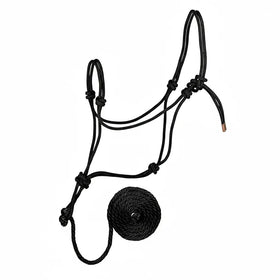
Often seen in natural horsemanship circles, rope halters are popular tools for training and groundwork. Typically tied from a single length of rope, their knots and thin rope concentrate pressure, which allows for clear communication with a horse that understands them. They're lightweight and adjustable, but they offer no padding and can be harsh in rough hands. Because the rope is thin and won't break, many trainers don't tie horses in rope halters or leave them on for turnout. Use them for what they do best: supervised, in-hand work. For more on choosing and using one, see our guide to rope halters.
Biothane and Coated Webbing Halters
For a low-maintenance alternative, some halters are made from Biothane or similar coated webbing. These materials have a leather-like finish and are sold as water-resistant and easy to wipe clean, which makes them practical for trailering, bathing days or wet climates. Like nylon, coated webbing is strong, so check whether a particular halter has a breakaway feature before using it for turnout. Follow the maker's care directions to keep the hardware and stitching in good shape.
Why the Right Fit is Everything
Proper fit is essential for both safety and comfort. Adjustable features, such as a buckle or adjustment on the noseband, crown and throat, let you tailor the fit to different head shapes and sizes. That's especially important for young, growing horses and for breeds with unusual head shapes.
A well-fitted halter sits flat behind the ears, with enough room for about two fingers under the noseband. An ill-fitting halter can rub, or slip off when you least expect it. Use the maker's sizing chart to pick the right size for your horse, whether it's a pony, cob, average horse or draft. Weaver Leather, for example, sizes its Original Adjustable halter by body weight, from Yearling to Large Horse.
Check and adjust the fit regularly, especially if your horse is gaining or losing weight or growing a thick winter coat.
The Details That Count: Padding, Hardware, and Safety
Padding is worth considering for sensitive-skinned horses. Fleece or leather padding on the nose and crown helps spread pressure and reduce rubbing. Quality hardware, such as solid brass or stainless steel, resists rust and holds up to daily use.
Safety features like breakaway crowns and leather headpieces are the ones to look for when a halter will be worn during turnout. When you compare halters, look at the stitching, the hardware and the snaps as well as the material.
Routine inspection of these features helps your halter last longer and stay safe.
Understanding Halter Hardware
The snaps, rings and buckles on a halter are more than shiny accents; they're the parts that hold everything together. High-quality materials like solid brass or stainless steel are a good bet because they resist rust. Cheaper plated metals can look good at first but may corrode over time. Strong, reliable hardware keeps the halter dependable for leading and tying, day in and day out.
Hardware matters for safety, too. A throat snap makes a halter quick to put on and take off, and on a breakaway halter the release point needs to be in good condition to work as designed. Inspect your halter's hardware regularly for cracks, sharp edges, rust or a sticking snap, and replace anything that looks worn.
Adding a Personal Touch
Personalized halters, with embroidery, nameplates or a signature color, offer practical as well as aesthetic benefits. They help identify each horse and prevent mix-ups in busy barns, and many owners like matching a halter to their other tack for a coordinated look.
If you personalize a halter, keep the safety basics in mind. A nameplate or embroidery doesn't change how strong the halter is, so a personalized turnout halter still needs a breakaway feature.
Choose options that combine style with practicality for the best results.
Shop This Post

Featured in this article
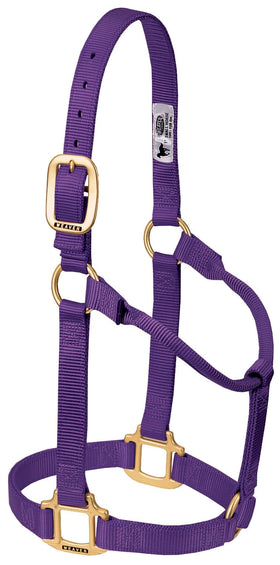
Weaver Leather Adjustable Nylon Halter - Triple-Ply Brass Hardware
$26.59
Shop Now →
Our 7 Picks for the Best Horse Halters
The seven picks below cover the main jobs a halter has to do: everyday handling, showing and travel, groundwork, sensitive skin, budget-friendly everyday wear, cribbing management and training. Some of the brands in our original list are ones we don't carry, so for each of those we say so plainly and point you to a similar halter we do stock. Product details come from the maker's own description. Browse our full Halters collection for more sizes and colors.
| Pick | Material | Padding | Best For |
|---|---|---|---|
| Weaver Leather Original Adjustable | Nylon | No | Everyday handling |
| Padded leather halter | Leather | Yes | Shows, travel, sensitive horses |
| Rope halter with lead | Rope | No | Groundwork |
| Fleece-padded halter | Nylon and fleece | Yes | Sensitive skin |
| Budget nylon halter | Nylon | No | Everyday and youth |
| Weaver Leather Miracle Collar | Harness leather | No | Cribbing horses (a collar, not a halter) |
| Professional's Choice Rope Halter | Rope | No | Training and clinics |
Weaver Leather Original Adjustable Halter
The Weaver Leather Original Adjustable Halter is a staple for everyday use. Weaver makes it from premium 1-inch nylon with a triple-ply cheek design for added strength, box stitching at the stress points, heat-sealed oblong buckle holes and heavy-duty brass hardware. It's adjustable, with a chin adjustment and a throat snap, and comes in a wide range of colors.

Weaver sizes it by body weight, from Yearling to Large Horse, which makes it simple to order. It's easy to clean and practical for busy routines.
Because it's a standard nylon halter without a breakaway feature, use it for handling, grooming and supervised tying rather than unsupervised turnout. Horses with sensitive skin might do better in a padded option.
Gatsby Padded Leather Halter
A padded leather halter is the classic choice when comfort and a polished look are your top priorities, such as on show days or long trailer rides. We don't carry Gatsby halters. If you want this style, the Shires Velociti Lusso Padded Leather Halter with Breakaway is the closest match we stock.

Shires makes the Lusso from waxed, aniline-dyed European leather with soft cushioned leather padding and a wide, cushioned headpiece. It fastens with a double-ended headpiece and at the nose, has a clip throatlash, and includes a breakaway attachment for safety. Sizes are Pony, Cob and Full.
Like any leather halter, it needs regular cleaning and conditioning to stay supple, and the breakaway attachment should be checked often so it's ready to do its job.
Tough-1 Poly Rope Halter with Lead
A rope halter with a matching lead is a versatile, affordable option for groundwork, training and clinics. Rope halters have no buckles or snaps, and they're tied to adjust to the horse's head. We don't carry the Tough-1 rope halter, but we stock several rope halters with leads, including the Professional's Choice options covered below.

Lightweight and simple to use, a rope halter with a lead is a practical addition for new horse owners or trainers who do a lot of in-hand work.
The lack of padding means it isn't the best choice for long wear or for horses with sensitive skin, and like all rope halters, it shouldn't be used for turnout or left on an unattended horse.
WeatherBeeta Padded Halter
Sensitive horses often do well in a nylon halter lined with soft fleece, which helps reduce rubbing over the nose and poll. We don't carry WeatherBeeta halters. For this style, we stock the Shires Arma Fleece Padded Headcollar and Lead Rope Set, a fleece-padded halter with a matching lead.

Fleece-padded halters suit daily use, travel and horses prone to skin irritation, and an adjustable noseband and crown help you get a precise fit.
The trade-off is that fleece padding collects dirt and hair, so it needs more frequent cleaning than plain nylon. Still, the soft feel makes it a favorite for comfort-focused owners.
Shires Topaz Nylon Halter
A simple nylon halter is the budget-friendly answer for everyday handling, young horses or barns that need several halters. We don't currently stock the Shires Topaz halter. From the same maker, the Shires ARMA Adjustable Nylon Halter is an everyday nylon halter we do carry.

An adjustable headpiece lets you customize the fit, and multiple colors and sizes suit different breeds and ages, so every horse in the barn can have its own.
While not as luxurious as leather, a plain nylon halter offers excellent value and practicality. It's easy to clean and holds up well to daily handling; just keep it for supervised use rather than turnout.
Weaver Leather Miracle Collar
The Weaver Leather Miracle Collar is often grouped with halters, but it's actually a cribbing collar. Weaver makes it from harness leather with non-rust stainless steel hardware and says it applies pressure only when the horse attempts to crib, so the horse can eat, drink and graze while wearing it. It is covered by two U.S. patents. We carry the Weaver Leather Miracle Collar in Large, for warmbloods and drafts.

Cribbing is a behavior with many possible causes, so talk with your vet about your horse's management and diet before relying on a collar. Follow Weaver's fitting directions, and check the collar regularly for rubbing.
A cribbing collar is a specialized tool rather than an everyday halter, so you'll still need a regular halter for leading and handling.
Professional's Choice Rope Halter
Professional's Choice makes several rope halters that come with a matching lead. The Professional's Choice Nylon Rope Halter with 10' Lead is one we stock, and it's a practical set for groundwork, clinics and travel.

A rope halter adjusts by its knots rather than buckles, so it can be tied to fit a range of head sizes, and it's easy to pack.
Minimal padding means rope halters aren't ideal for horses with sensitive skin or for long wear. Trainers value the clear communication they allow during supervised work, which is why they're a staple in many tack rooms.
How to Pick the Right Halter for Your Horse
Selecting the right halter for your horse is about safety as well as style. With so many choices on the market, it pays to consider your horse's needs, how you'll use the halter and your budget. Let's break down the steps to help you make a confident, informed decision.
First, Consider Your Horse's Unique Needs
Every horse is different, so start with your horse's breed, size and temperament. Larger breeds need a halter sized and built for them, while horses with fine skin or a small, refined head may be more comfortable in a softer, padded design.
Consider any skin sensitivities or behavioral quirks your horse may have. Horses with delicate skin often do better with padded or fleece-lined options. If your horse is particularly strong, pick sturdy materials and secure hardware.
- Draft breeds: draft sizes, stronger materials and wider straps.
- Ponies or minis: precise sizing and gentle padding.
- Sensitive types: fleece-lined or padded leather halters.
Ask your veterinarian or trainer if your horse has special needs. The right halter makes daily handling safer and more comfortable.
Matching the Halter to Your Horse's Personality
A halter can be more than just a piece of equipment; it can reflect your horse's character. Is your horse bold and spirited? A vibrant color or a unique pattern might suit them. For the calm and steady companion, a classic leather or an earth-toned nylon halter can fit their gentle nature. This small touch of customization is a nice way to celebrate their individuality.
Your choice also reflects your personal style. Many riders enjoy creating a cohesive look by matching their horse's halter to the rest of their tack. Beyond looks, match the halter's features to the horse. A horse that wears a halter during turnout needs a breakaway feature, while a more sensitive horse will appreciate padding. This approach means you choose gear that is both expressive and suited to your horse's needs.
What Will You Be Using It For?
Think about how you'll use your halter. For any halter worn during turnout, breakaway safety comes first. Show and travel halters focus on fit, comfort and a polished look, while training halters need to be adjustable and give clear communication.
Review your riding and handling routines. If you travel to competitions, a padded leather halter may be best. For groundwork, a rope halter is a popular choice. And if you care about a coordinated look, consider how your halter matches the rest of your tack.
- Turnout: breakaway safety, easy cleaning.
- Shows and travel: comfortable padding, precise fit.
- Training: adjustability, lightweight design.
Matching the right halter to your activities helps ensure both safety and a cohesive look.
Why You Might Need More Than One Halter
Just as you wouldn't wear the same pair of shoes for running a marathon and attending a wedding, your horse benefits from the right halter for the right job. Having a small collection of halters isn't an indulgence; it's a practical part of responsible horse ownership. For turnout, a halter with a breakaway feature helps reduce the risk of accidents when your horse is unsupervised. During groundwork, a rope halter can offer more precise communication. For travel or shows, a padded leather halter provides comfort for the long haul and a polished look in the ring. A few halters, each matched to its job, means you always have the right tool on hand.
Getting the Best Quality for Your Budget
Quality matters, but so does your budget. When shopping for a halter, decide where to invest. Leather and heavier, multi-ply nylon tend to last longer and can feel more comfortable.
Affordable options can be ideal for growing horses or as backups. Consider the long-term value of a durable halter compared with replacing a cheaper one more often.
| Material | Initial Cost | Longevity | Maintenance |
|---|---|---|---|
| Nylon | Low-Medium | High | Easy |
| Leather | Medium-High | High with care | Moderate |
| Rope | Low | Medium | Easy |
Choose the halter that offers the best value for the way you'll use it.
How to Get the Fit Just Right
A well-fitted halter is essential for your horse's safety and comfort. To find the right size, measure your horse's head or compare with a halter that already fits, then check the maker's sizing chart.
Follow these steps for a good fit:
- Place the halter gently over the horse's nose and bring the crown behind the ears.
- Adjust the noseband so it sits about two fingers below the cheekbone.
- Check that you can fit about two fingers under the noseband and straps without pinching.
Signs of a good fit include secure placement without rubbing or shifting. If the halter is too loose, your horse may slip out of it or catch a hoof in it. If it's too tight, it can cause sores or discomfort. Taking time to adjust your halter keeps your horse both safe and comfortable.
Keeping Your Halter in Top Shape
Proper care and maintenance help a halter last longer and keep it safe and comfortable for your horse. A little routine attention helps prevent accidents and keeps your investment looking its best.
The Right Way to Clean and Store Your Halter
Regular cleaning helps every halter last. Nylon halters can be soaked in mild soapy water, scrubbed gently and rinsed thoroughly. Leather halters need a wipe with a damp cloth, then a leather conditioner to keep them supple. Rope halters can be hand-washed in cool water and hung to dry. Always follow the maker's care directions where they're given.
Store clean halters in a dry, well-ventilated area. Hanging each one on its own hook prevents tangling and helps it keep its shape. Avoid damp spots, where mildew can develop, especially on leather.
A simple routine: clean after heavy use, let it air dry completely, and inspect it before you put it away. That way your halter is ready every time you need it.
What to Look For: Spotting Wear and Tear
Regular inspections are vital for safe halters. Focus on high-stress areas like hardware, stitching and padding. Check for frayed edges, loose threads, cracked leather or rusted buckles. Damaged areas can compromise both safety and comfort.
Make a habit of looking over each halter regularly, especially after turnout or training, and every time on a breakaway crown. Catching wear early can prevent accidents and costly replacements.
Some barns keep a simple checklist on the tack room wall. A quick, regular look keeps halters secure and reliable.
Simple Tricks to Make Your Halter Last Longer
Help your halters last by rotating them and keeping a backup for muddy or wet days. Conditioning leather halters regularly keeps them flexible and reduces cracking. For nylon or rope, regular cleaning and storing them out of direct sunlight helps prevent fading and weakening.
Protect hardware by wiping down metal parts and checking for corrosion. Store halters away from direct heat, which can dry out leather.
These small efforts save money and reduce the risk of a halter failing when you need it most.
Is It Time for a New Halter?
Knowing when to retire a halter is an important part of safety. Warning signs include frayed material, cracked leather, broken or sticking hardware, or a halter that no longer adjusts to fit. Even minor damage can get worse quickly and lead to escapes or injuries.
Don't risk using a damaged halter. Replace it, or replace the worn part such as a breakaway crown, as soon as you notice significant wear or if adjustments no longer hold.
Regular checks mean your horse always wears a secure, comfortable halter. Now that you know what to look for in materials, fit and safety features, you're ready to choose the right halters for your horse from our Halters collection.
Key Takeaways
- Make Turnout Safer with the Right Halter: If your horse wears a halter in the pasture, choose a breakaway or leather-crown design meant to give way if your horse is caught, and keep standard nylon and rope halters for supervised handling.
- Select the Best Material for the Task at Hand: Think of halters like tools in a toolbox. Use durable nylon for daily handling, padded leather for shows and travel, and rope halters for focused groundwork.
- Prioritize a Proper Fit and Regular Inspections: A halter that fits poorly can cause rubs and sores, so use the two-finger rule to check the fit. Routinely inspect hardware, stitching and breakaway crowns for wear.
Frequently Asked Questions
What's the safest type of halter to leave on my horse in the pasture?
Many owners prefer not to leave a halter on during turnout at all. If you do, choose a breakaway halter or a halter with a leather crown, which is designed to give way under heavy pressure so a caught horse can pull free. Standard nylon and rope halters are very strong and may not break, which can turn a simple snag into a dangerous situation.
Do I really need more than one halter for my horse?
While you could get by with one, it's more practical and safer to have a few for different jobs. A breakaway halter suits turnout, a rope halter can give clearer communication during groundwork, and a padded leather halter is great for travel, shows or photos.
How can I be sure a halter fits my horse correctly?
Use the two-finger test. You should be able to slide about two fingers under the noseband and straps, and the noseband should sit about two fingers below the cheekbone, with the crown flat behind the ears. If it's too loose, it could slip off or get caught; if it's too tight, it can cause rubs and pressure sores. Check the maker's sizing chart before you buy.
My horse gets rubs easily from the halter. What should I look for?
For a horse with sensitive skin, look for padding, such as soft fleece or leather, over the nose and poll where pressure is greatest. A well-cared-for leather halter, which softens with use, is another good option. Check the fit, too, since a halter that's too loose can slide and rub as much as one that's too tight. If rubs keep appearing, ask your vet to take a look.


