


Does it ever feel like you and your horse are speaking different languages during groundwork? A standard flat halter can often muddle your cues, but the simple design of a rope halter is built for clear communication. This guide is here to help you choose and use this essential tool effectively. We'll cover everything from finding the perfect fit for your horse’s comfort to using it for better connection and safety. You'll get expert-backed advice and practical tips to feel confident in your choice.
What is a Rope Halter and Why Use One?
A rope halter is a fundamental piece of tack that has earned ongoing trust from horse owners and trainers. Its design, materials, and construction set it apart from traditional nylon or leather halters, offering unique advantages for safety, communication, and daily handling. Understanding the structure, benefits, and uses of a rope halter is essential for anyone working with horses in 2025.
How a Rope Halter is Designed to Work
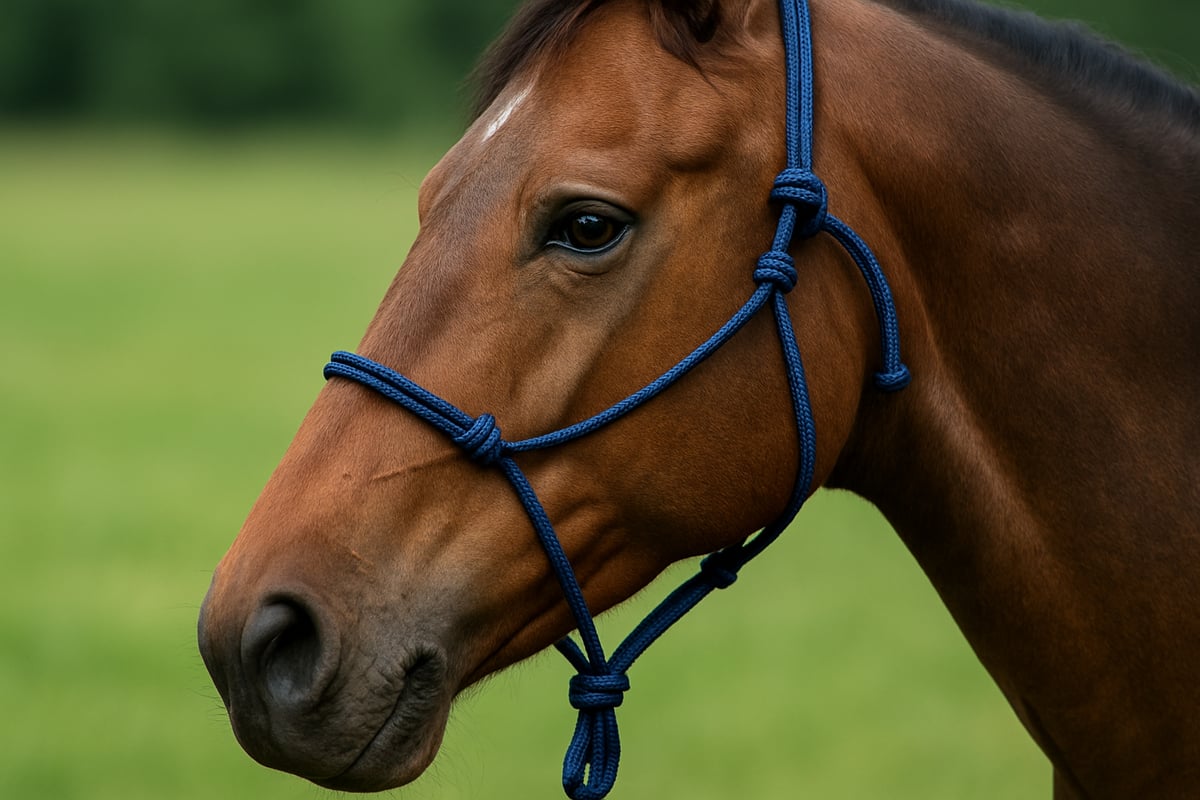
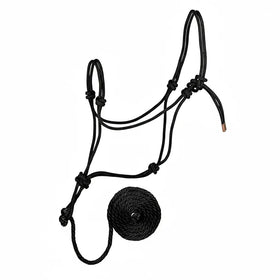
A rope halter is a specialized headgear made from a single length of rope, typically crafted from durable synthetic fibers like polypropylene, polyester, or marine-grade rope. Unlike flat nylon or leather halters, the rope halter features strategically placed knots that create focused pressure points on the horse’s face. This design provides clear, direct communication between handler and horse.
The rope used is usually between 6mm and 8mm thick, balancing strength with comfort. Knot placement is critical, as it allows for precise cues during groundwork or leading exercises. The lightweight and flexible nature of a rope halter ensures minimal bulk and does not interfere with the horse’s movement.
Below is a table summarizing common rope halter materials:
| Material | Durability | Weather Resistance | Typical Use |
|---|---|---|---|
| Polypropylene | High | Excellent | Everyday, training |
| Polyester | Very High | Outstanding | Professional use |
| Marine-grade | Superior | Exceptional | Extreme conditions |
Selecting the right halter is crucial for safety and communication. For more on this, see Choosing the Right Halter.
The "Heavy Bucket" Analogy: Why Thin Rope Works
Have you ever tried to carry a heavy bucket with a thin wire handle? You likely wanted to set it down almost immediately. This simple concept is the secret behind a rope halter’s effectiveness. The thinner rope provides a clearer, more direct signal to your horse compared to a wide, flat halter that distributes pressure broadly. This focused pressure gets your horse's attention without needing to be harsh. As renowned trainer Stacy Westfall explains, the design gives a "clearer signal" when you apply pressure, which helps your horse tune in to your cues more attentively.
It’s not just the thin rope that makes a difference; it’s also the strategically placed knots. These knots create specific pressure points that gently guide the horse, making your requests easy to understand. This isn't about causing discomfort; it's about precise communication that a horse can easily interpret. This focused guidance encourages the horse to respond more willingly, which is a huge advantage in any training scenario. Ultimately, this method helps build a stronger partnership based on clear communication, and finding the right horse tack is the first step in fostering that connection.
The Main Benefits for You and Your Horse
The rope halter offers several distinct advantages over other halter types:
- Enhanced communication: The knots apply gentle, targeted pressure, making cues more effective during training or handling.
- Versatility: Suitable for groundwork, lunging, leading, and tying, the rope halter adapts to a wide range of activities.
- Durability: Synthetic ropes resist weather, UV rays, and abrasion, ensuring a longer lifespan than many leather or nylon halters.
- Cost-effectiveness: Rope halters are often more affordable and easier to repair than other styles.
- Popularity among professionals: Many trainers and natural horsemanship practitioners favor the rope halter for its responsiveness and lightweight feel.
This combination of benefits explains why the rope halter continues to be a popular choice for both new and experienced horse owners.
A Safer Alternative to a Chain Lead
When you need more control than a standard flat halter provides, many people turn to a chain lead. However, a rope halter offers a safer and more communicative alternative. Instead of applying harsh, continuous pressure, a rope halter uses its thinner diameter and strategically placed knots to send clear, direct signals to your horse. This design allows for more finesse, helping you communicate precisely what you’re asking for. Your horse learns to listen and respond to subtle cues, which is far more effective than simply reacting to discomfort. This improved dialogue is the foundation of a trusting and respectful partnership.
This focus on clear communication makes the rope halter an exceptional training tool. It teaches your horse to yield to pressure willingly, which is a much safer outcome than a horse that braces against or fears a chain. Because it fosters responsiveness instead of resistance, it’s a better choice for groundwork and handling. Finding the right horse tack is about building that connection, and a rope halter is designed for that purpose. Just remember, due to their strength and design, you should never leave a rope halter on a horse when it's turned out in a pasture or enclosure.
When is a Rope Halter the Right Choice?
In 2025, the rope halter remains indispensable for various equine activities. It is widely used for groundwork, lunging, and leading horses of all ages and temperaments. Trainers often rely on the rope halter for working with young, green, or hard-to-handle horses, as the precise pressure points help reinforce training cues.
Additional common uses include tying horses for grooming, preparing for shows, and trailering. The rope halter’s adaptability makes it valuable during travel and event preparation. Industry surveys in 2024 indicate that over 60% of professional trainers now recommend a rope halter as the primary tool for initial groundwork.
With its proven track record in communication and safety, the rope halter is set to remain a staple in modern horse management for years to come.
How to Choose the Perfect Rope Halter
Selecting the ideal rope halter in 2025 requires careful consideration of fit, materials, construction, and value. With innovations and new trends emerging, making an informed choice can greatly impact your horse’s comfort and your training results.
Finding the Right Size and Fit
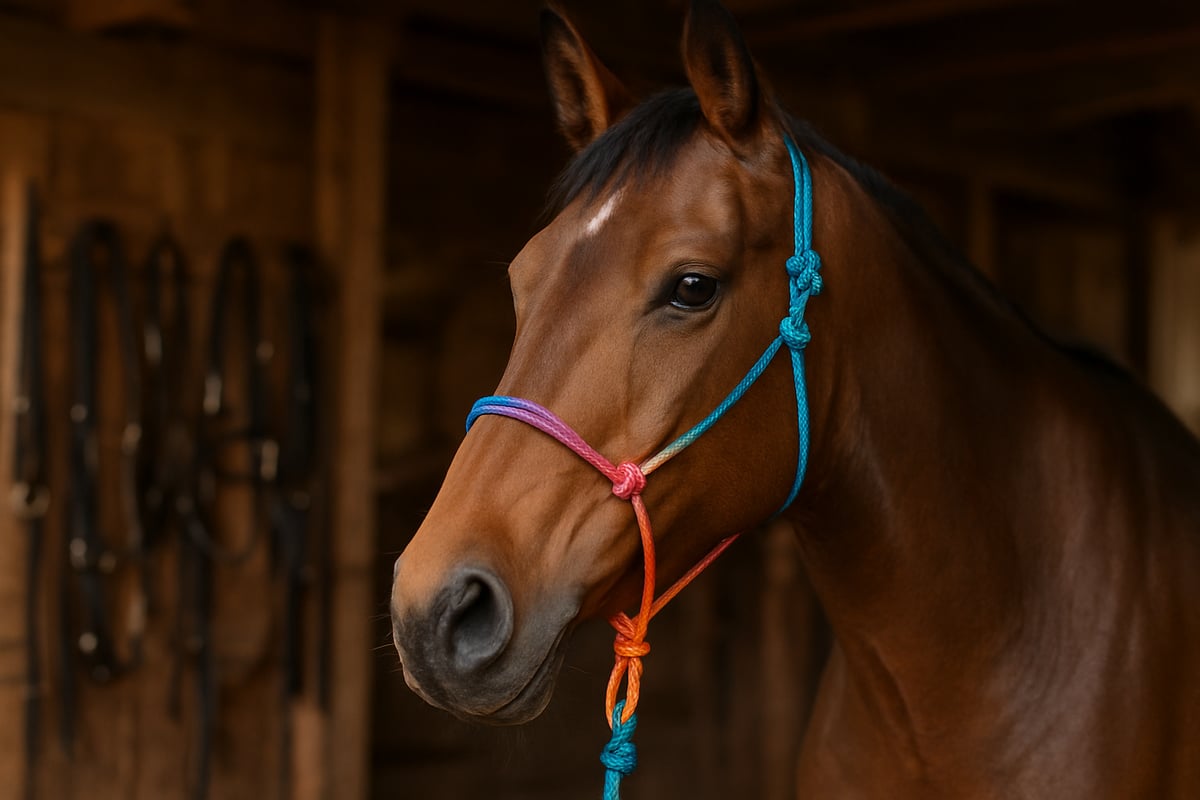
Proper sizing is the foundation of rope halter safety and effectiveness. A rope halter that fits well ensures even pressure distribution, prevents rubbing, and maintains control. Halters come in sizes for foals, ponies, average horses, and drafts, but breed differences matter. For example, Arabians often need smaller nosebands, while drafts require longer crownpieces.
Look for adjustable features or custom-fit options, especially if your horse is between sizes. Many brands offer sizing charts to guide your selection. A poorly fitted rope halter can slip, chafe, or create pressure points, leading to discomfort or behavioral issues. Always check the noseband sits two fingers below the cheekbone and that the throatlatch is snug but not tight.
Adjusting for Different Head Shapes
One of the best features of a rope halter is its adaptability. Since every horse's head is shaped differently, from a delicate Arabian face to a sturdy Quarter Horse jaw, a one-size-fits-all approach rarely works. The beauty of a rope halter is that its simple, knotted design allows for minor adjustments to create a more customized fit for your horse. Unlike stiff leather or web halters, the flexible rope conforms better to the unique contours of your horse’s head. While the main knots are fixed, the way you tie the halter can influence how it sits, ensuring the noseband and poll strap are positioned correctly for clear communication without causing discomfort.
The Consequences of a Poor Fit
A poorly fitted rope halter can do more than just look sloppy—it can be uncomfortable and even unsafe. If a halter is too loose, it can easily slip, potentially moving into your horse’s eye or getting caught on an object. If it’s too tight, it can chafe, rub, and create painful pressure points, leading to sore spots or even behavioral issues like head tossing. Selecting the right halter is crucial for safety and communication, as a proper fit ensures your cues are clear and gentle. Making sure you have the right horse tack is the first step toward building a safe and trusting partnership with your horse.
What to Look for in Rope and Construction
The rope material you choose affects both the durability and communication of your rope halter. Common materials include polyester, polypropylene, and cotton. Polyester is prized for its strength, UV resistance, and low stretch. Polypropylene is lightweight and cost-effective, while cotton offers a softer feel but can wear faster.
Rope thickness plays a role in control and comfort. Thinner ropes (6mm) provide clearer signals but may feel sharper, while thicker ropes (8mm) distribute pressure more gently. Construction quality also matters: hand-tied halters often feature tighter, more consistent knots and last longer than machine-made ones. Examine the rope for colorfastness and abrasion resistance to ensure longevity.
| Material | Durability | Comfort | Weather Resistance |
|---|---|---|---|
| Polyester | High | Medium | Excellent |
| Polypropylene | Medium | Medium | Good |
| Cotton | Low | High | Fair |
Understanding Rope Materials and Thickness
The material and thickness of your rope halter directly influence its performance, durability, and how your horse responds to it. Polyester is a fantastic all-around choice, prized for its strength, low stretch, and resistance to UV rays and moisture, ensuring your cues stay clear and the halter lasts for years. Polypropylene is another popular option; it's lightweight and budget-friendly, making it great for everyday use. While soft cotton rope might seem appealing for comfort, it tends to stretch when wet and can degrade more quickly. The rope's thickness also plays a key role. A thinner 6mm rope offers more precise communication through focused pressure, while a thicker 8mm rope distributes that pressure more broadly for a gentler feel, which can be a better fit for more sensitive horses.
Helpful Design Features to Look For
Beyond the rope itself, the halter's construction is what truly sets a quality piece apart. Always look for halters with hand-tied knots, as they are typically tighter, more uniform, and far more secure than machine-made alternatives. This careful craftsmanship ensures the halter maintains its intended shape and that the pressure points function correctly and safely. A well-designed halter will also have a long enough tail on the tie end to allow for a proper, secure knot without fumbling. When you're browsing for new equipment, paying attention to these small but significant details will help you select a reliable piece of horse tack that is built for safety and longevity, giving you peace of mind during every training session.
Does Knot Placement and Design Matter?
Knot placement is a defining feature of the rope halter, directly influencing communication with your horse. Strategic knots apply gentle pressure to specific points, promoting responsiveness. The basic design features knots on the noseband and under the jaw, but variations exist.
Popular styles for 2025 include double nosebands for extra control, fiador knots for stability, and integrated lead options for convenience. Safety knots and quick-release knots are increasingly common, allowing for fast removal in emergencies. Always inspect the knot quality, as loose or misaligned knots can reduce the rope halter’s effectiveness and pose safety risks.
2-Knot vs. 4-Knot: What's the Difference?
When you're looking at rope halters, you'll mainly see two styles: the 2-knot and the 4-knot. The key difference is the number of knots across the noseband, which changes how your cues are felt. The 2-knot halter is the most common design and is known for being a gentler choice. Its two knots give clear but mild signals, making it an excellent option for everyday handling, long trail rides, or for horses that are particularly sensitive. If you're just starting with rope halters or have a horse that responds well to light pressure, this is the perfect all-around tool.
In contrast, the 4-knot halter adds two extra knots to the noseband for more specific pressure points. This design allows for more precise communication, which is why many trainers prefer it for advanced groundwork or for horses that tend to ignore lighter cues. The signals from a 4-knot are more pronounced, so it’s crucial that the handler has a soft, responsive touch to prevent discomfort. Ultimately, your choice depends on your horse's personality and your training objectives. While a 2-knot is a great default, the 4-knot is a specialized piece of horse tack for when you need more refined dialogue with your horse.
Choosing Colors and Styles
Rope halters in 2025 offer more color and style choices than ever. Vibrant neons, earthy tones, and patterned ropes are trending, allowing owners to express personality while maintaining function. Customization is on the rise, with options for engraved nameplates, decorative knots, and matching lead ropes.
Many riders coordinate their rope halter with saddle pads or other tack for a cohesive look. Brands are embracing eco-friendly dyes and recycled fibers, appealing to sustainability-minded equestrians. Whether you prefer classic black or bold designs, there is a rope halter to match every taste and occasion.
Using Color for Easy Barn Management
Beyond personal style, the wide array of halter colors available today serves a brilliant practical purpose: simplifying barn management. Assigning a specific color to each horse is a simple yet effective way to keep everything organized. Imagine grabbing the correct halter, lead rope, and even feed bucket at a glance, without having to double-check a nameplate. This system is a lifesaver in barns with multiple horses, as it helps prevent mix-ups and ensures every horse gets the right equipment and care. You can extend this color-coding to other pieces of horse tack, like leg wraps, blankets, and grooming kits, which streamlines your daily chores and creates a tidy, professional look in your tack room.
What's a Fair Price for a Good Halter?
Rope halter prices vary widely based on material, craftsmanship, and brand reputation. Budget halters start around $15 to $25, offering basic features and synthetic materials. Mid-range options, costing $30 to $50, often provide better knot work, thicker rope, and more color choices. Premium halters, priced above $50, deliver hand-tied construction, superior materials, and custom features.
When assessing value, consider longevity, comfort, and safety. Investing in a high-quality rope halter saves money over time by reducing replacements and repairs. For those exploring different types and price points, browsing the Halters Collection for Horses can help compare options and find the best fit for your needs. Always balance cost with durability and your horse’s unique requirements.
How Rope Halter Prices Compare to Other Types
When you're looking at your budget, rope halters often come out on top as one of the most cost-effective choices. Compared to standard nylon halters, they fall into a similar price range but offer far more precision for training. While a basic nylon halter is great for turning your horse out in the pasture, a rope halter provides clearer communication for groundwork. On the other end of the spectrum are leather halters, which are usually the most expensive option. They have a classic look but require regular maintenance and can be less durable in harsh weather. The real value of a rope halter lies in its blend of affordability and longevity. Made from weather-resistant synthetic materials, a quality rope halter can easily outlast other types, making it a smart long-term investment in your horse tack collection.
Shop This Post

Featured in this article
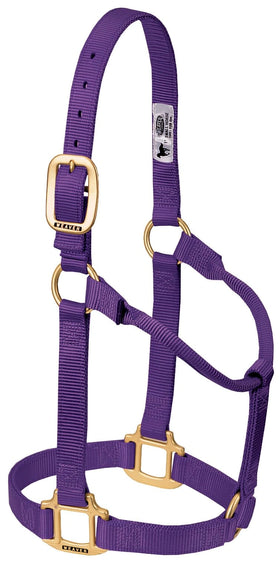
Weaver Leather Adjustable Nylon Halter - Triple-Ply Brass Hardware
$26.59
Shop Now →
Using a Rope Halter Safely and Effectively
Using a rope halter correctly is essential for your horse’s comfort and safety. Proper fit, effective handling, and mindful training ensure you get the best results. This section provides a step-by-step guide, practical handling tips, groundwork applications, and crucial safety advice for every horse owner.
How to Fit a Rope Halter Step-by-Step
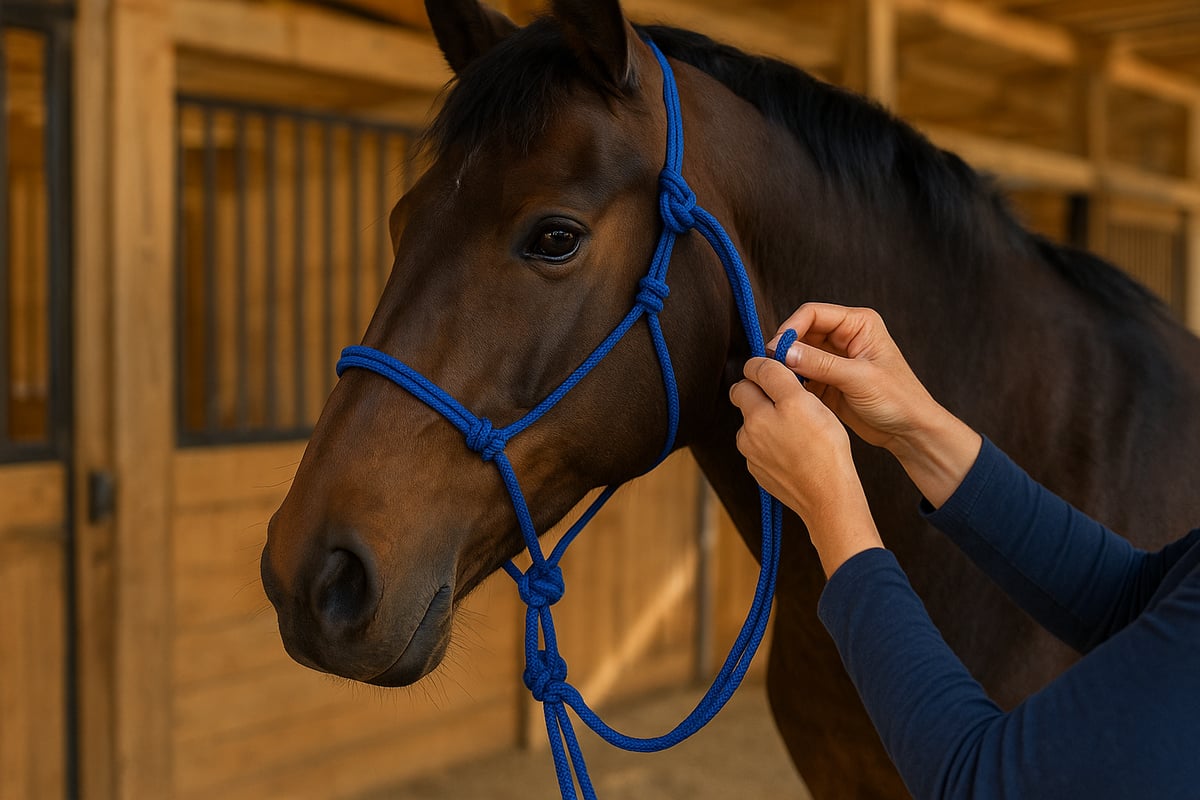
A well-fitted rope halter is the foundation of effective communication and safety. Begin by untying any knots and draping the rope halter over your horse’s nose, ensuring the noseband sits two finger widths below the cheekbone.
Next, pull the crown piece behind the ears and thread it through the loop on the left side. Secure the knot so it points away from the horse’s eye and lies flat against the jaw. Double-check that the noseband is snug but not tight, and the throatlatch allows at least two fingers’ clearance.
Check that the side knots align with the corners of the horse’s mouth and the halter sits evenly. Common fitting mistakes include placing the noseband too low, leaving the halter too loose, or misaligning the side knots. For a detailed visual reference, review this How to Use a Rope Halter: Tie, Fit & Training Guide.
If the rope halter does not fit properly, it can cause chafing or slip, reducing its effectiveness. Always inspect the fit before every use to ensure your horse’s comfort and safety.
How to Tie the Safety Knot (and Why It Matters)
Tying a rope halter seems simple, but the specific knot you use is a critical safety feature. An incorrectly tied knot can tighten if your horse pulls back, making it nearly impossible to release in an emergency. This creates a dangerous situation for both you and your horse. The wrong knot can also dig into the sensitive area behind your horse’s ear, causing discomfort and irritation. Learning to tie the correct safety knot is a fundamental skill that ensures the halter remains a tool for communication, not a hazard. It’s a quick, easy habit that provides peace of mind every time you handle your horse.
Step-by-Step Guide to Tying the Knot
Mastering the safety knot only takes a moment. Once you have the halter positioned on your horse's head, follow these simple steps to secure it correctly. This method ensures the knot is secure during normal handling but can be released quickly if needed. All the best horse tack is only effective when used properly, and this knot is key to making your rope halter work as designed.
- Through the Loop: Take the long end of the rope (the crown piece) and push it through the halter's loop from top to bottom.
- Go Underneath: Bring the tail of the rope under the loop, pointing it toward your horse’s rear.
- Tuck it Through: Now, bring the tail forward and tuck it through the new opening you just created.
- Check Your Work: Pull it snug. The tail of the rope should point backward, away from your horse's eye. This is the hallmark of a correctly tied safety knot.
The Common Mistake That Can Be Dangerous
The most frequent and dangerous mistake is tying the knot above the halter's loop instead of through it. Many people do this instinctively, creating a simple overhand knot that rests on top of the loop. While it might seem secure, this knot is a major safety risk. If the horse panics and pulls back, the tension will cinch this knot down so tightly that you won't be able to untie it. You’d likely have to cut the halter off, which is difficult and dangerous in a high-stress situation. Always take the extra second to tie the proper safety knot to ensure you can free your horse instantly if you ever need to.
Tips for Leading and Handling Your Horse
Once the rope halter is fitted, use the lead rope to communicate with your horse. Hold the lead rope 6–12 inches below the halter for optimal control, allowing slack for natural movement.
Apply gentle, consistent pressure to guide your horse forward, stop, or turn. Immediately release pressure as soon as the horse responds, reinforcing positive behavior. Avoid jerking or pulling, as this can cause confusion or discomfort.
When leading in different environments like barns, paddocks, or trailers, remain alert and maintain a safe distance from your horse’s feet. Always lead from the horse’s left side and never wrap the lead rope around your hand. Practicing these techniques with a rope halter builds trust and responsiveness in your horse.
How to Use Your Halter for Groundwork
A rope halter excels in groundwork and training due to its precise pressure points. Start with basic exercises such as yielding to pressure, backing up, and disengaging the hindquarters. These actions teach your horse to respect boundaries and follow cues.
For advanced training, use the rope halter for desensitization, obstacle navigation, or liberty work. Its lightweight, flexible design helps you refine communication without relying on force. Consistent groundwork using a rope halter enhances your horse’s manners and prepares them for riding or showing.
Incorporate short sessions and reward calm, attentive responses. Over time, your horse will associate the rope halter with clear, fair communication.
Essential Safety Do's and Don'ts
Safety is paramount when using a rope halter. Never tie a horse with a rope halter and leave it unattended, as the lack of breakaway features increases the risk of injury. Avoid leaving the rope halter on your horse in the pasture or stall, where it could catch on objects.
Monitor for signs of discomfort such as rubbing, hair loss, or resistance. Address any pressure points or misfit immediately. According to an industry report in 2024, 35% of equine halter accidents stem from improper fit or use.
Always store your rope halter out of direct sunlight and inspect it regularly for wear. By following these best practices, you can ensure your horse’s safety and maximize the benefits of your rope halter.
The Importance of a Breakaway Tie
When you tie your horse, safety should always come first. A rope halter is incredibly strong by design, which is great for communication but creates a significant risk if your horse panics and pulls back. Unlike some nylon halters that might break under extreme pressure, a rope halter won't give way, potentially causing severe injury. This is why using a breakaway tie is non-negotiable. You can create a simple breakaway point by tying your horse to a loop of baling twine or using a specially designed breakaway tie ring. This small addition ensures that if your horse spooks, the twine or ring will break before your horse or your horse tack does, preventing a dangerous situation and giving you peace of mind.
How to Care for Your Rope Halter
A rope halter is a dependable tool, but it requires regular care to ensure safety and longevity. Proper maintenance not only preserves the appearance and function of your rope halter but also helps protect your horse from discomfort or injury. Let's break down the best practices for cleaning, inspecting, and storing your rope halter to keep it in top condition.
The Best Way to Wash Your Halter
Regular cleaning is essential for any rope halter, as dirt and sweat can accumulate quickly. For daily use, hand washing with mild soap and lukewarm water is recommended. Simply soak the rope halter, gently scrub with a soft brush, and rinse thoroughly. If machine washing, place the rope halter in a mesh laundry bag to prevent tangling and damage. Avoid using harsh detergents or bleach, as these can weaken the fibers.
Allow the rope halter to air dry flat, away from direct sunlight to prevent fading. For stubborn stains or odors, use a vinegar solution or specialized equine cleaner. Washing frequency depends on usage: clean weekly for daily use, or after each training session if your horse sweats heavily. Keeping your rope halter clean extends its life and protects your horse’s sensitive skin.
How to Check for Wear and Tear
Frequent inspection is crucial for rope halter safety. Begin by checking all knots, as they are the main pressure points. Look for signs of fraying, thinning, or unraveling in the rope, especially around the noseband and crown areas. Pay attention to any hardware if present, such as rings or clips, ensuring they are rust-free and secure.
If you notice UV damage, such as fading, stiffness, or brittleness, the rope halter may be weakened. Chemical exposure, from fly sprays or cleaning agents, can also degrade fibers over time. If wear is minor, consider retying knots or trimming frayed edges. However, if the rope halter shows significant damage, replacement is the safest option to avoid accidents during use.
Tips for Storage and Long-Term Use
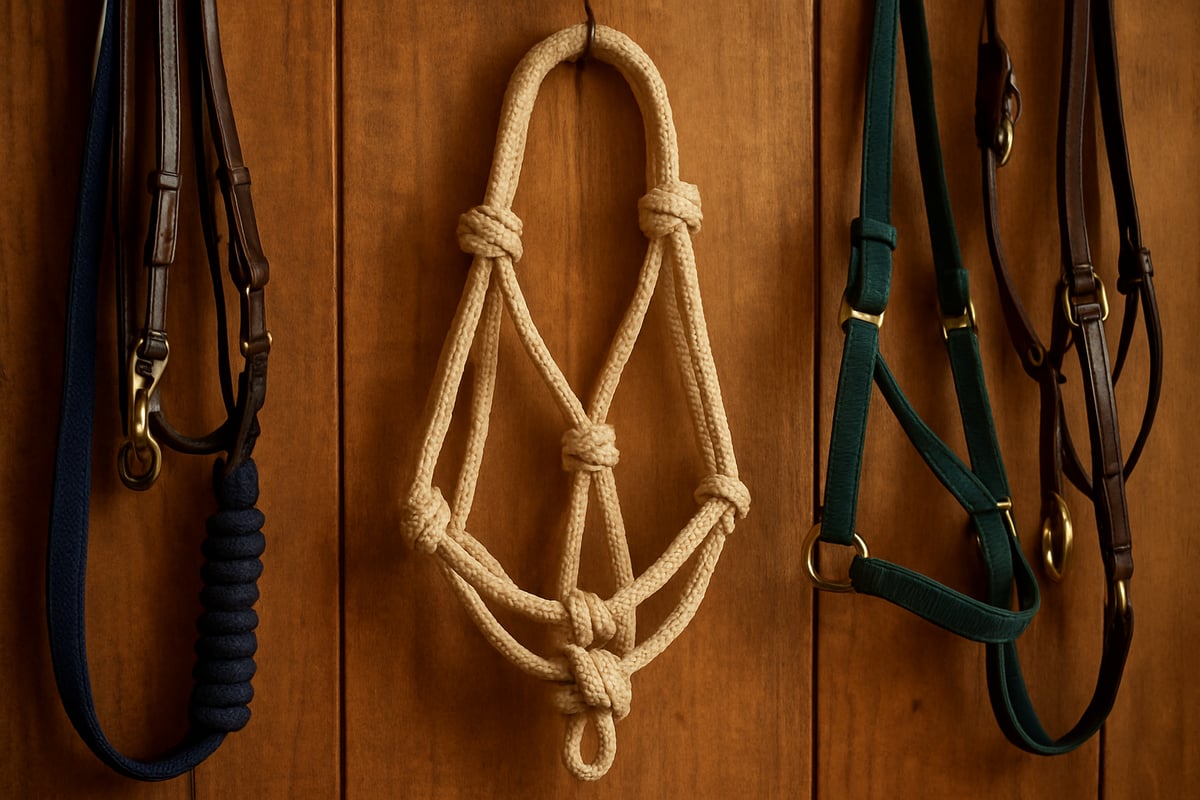
Proper storage prevents mold, mildew, and unnecessary wear on your rope halter. Hang the rope halter in a well-ventilated tack room, away from direct sunlight and moisture. Avoid leaving it in a horse trailer or barn aisle, where temperature swings can accelerate deterioration. For color preservation, keep your rope halter out of prolonged UV exposure.
To maintain rope integrity, ensure the halter is dry before storing. Coil the lead neatly, and avoid placing heavy objects on top. With regular care, a quality rope halter can last several years. For more tips on caring for all types of horse tack, visit the Horse Tack Essentials Guide. Thoughtful maintenance supports both safety and investment, making your rope halter a reliable tool year after year.
Rope Halters vs. Other Halters: Which is Best?
Choosing the right halter is crucial for your horse’s safety and training success. Let’s explore how the rope halter stacks up against nylon and leather options, and when each type is best suited for different situations.
Rope Halters vs. Nylon Halters
The rope halter is favored for its precise pressure points, which enhance communication during groundwork and training. Unlike nylon halters, which distribute pressure more evenly and are often bulkier, a rope halter’s knots allow for subtle cues that help shape a horse’s response.
Nylon halters excel in daily handling and turnout, offering breakaway options for added safety. However, they can be less effective for training, as their wider, flatter bands diffuse pressure, making signals less clear.
A rope halter is also easier to clean and repair, and its lightweight design reduces bulk on the horse’s head. For more detailed guidance on proper adjustment and safety, see this expert resource: Rope Halter Safety and Adjustment with Julie Goodnight.
Rope Halters vs. Leather Halters
Leather halters are known for their strength, traditional look, and breakaway features. These make them ideal for trailering, shows, or situations where safety is paramount. However, leather requires regular conditioning and can be costly to replace if damaged.
A rope halter, in contrast, offers superior control during training, thanks to its targeted pressure points. While it lacks the automatic breakaway function of leather, its simplicity and adjustability make it a favorite for groundwork.
When considering maintenance, a rope halter is less labor-intensive and resists weathering better than leather. For handlers prioritizing durability and effective communication, the rope halter stands out.
Rope Halters vs. Breakaway Halters
When you're choosing between a rope halter and a breakaway halter, the decision really boils down to one key factor: communication versus safety. A rope halter is designed for clear communication. Its strategically placed knots create precise pressure points, allowing you to send subtle cues that help shape your horse’s response during groundwork. This makes it an incredibly effective tool for teaching and reinforcing commands. However, this same sturdy design, which has no breaking point, makes it unsafe for any unsupervised situation where a horse could get caught.
A breakaway halter, on the other hand, is built entirely with safety in mind. It features a leather crown piece or a special tab designed to snap under extreme pressure, which can prevent serious injury if your horse gets caught on a fence or feeder. This makes it the safest option for turnout situations. The trade-off is that the wider bands of a breakaway halter make signals less clear during training. The best choice depends on the situation: use a rope halter for focused groundwork and always switch to a breakaway halter for turnout.
When to Choose Each Type
Selecting the right tool depends on your goals. Use a rope halter for groundwork, lunging, and training young or sensitive horses, where communication and control are key. Trainers often recommend a rope halter for these tasks because of its responsiveness.
Nylon halters are best for daily handling, turnout, or situations where a breakaway option is needed for safety. Leather halters shine in formal settings, such as shows, or for safe trailering.
Some owners rotate between halter types based on activity. For example, groundwork with a rope halter, turnout with a nylon halter, and transport with leather. This approach ensures both safety and effective training.
What's New in the World of Rope Halters?
The rope halter landscape is evolving rapidly in 2025, with an increased focus on technology, sustainability, and personalization. These innovations are reshaping how horse owners and trainers select, use, and value their halters.
A Look at New Materials and Technology
Recent years have seen a surge in advanced materials for rope halter construction. Manufacturers are now using eco-friendly fibers, such as recycled polyester, to reduce environmental impact. Some brands offer antimicrobial coatings, helping prevent odor and bacterial buildup, which is crucial for horses with sensitive skin.
Technological improvements extend to UV-resistant and abrasion-resistant ropes, ensuring durability even with daily outdoor use. While smart rope halters with integrated sensors are emerging, most innovations focus on safety and comfort. Improved knotting methods, such as double nosebands and safety knots, provide enhanced adjustability and security.
For those interested in crafting their own, many resources detail how to select the right rope and tie strong, effective knots for a reliable rope halter. This do-it-yourself approach allows for even greater material control and customization.
Exploring Specialty and Innovative Halters
Beyond the traditional design, you'll find a growing number of specialty rope halters created to meet specific needs. For handlers wanting extra peace of mind, some innovative halters now incorporate enhanced safety features, such as quick-release knots that offer a faster way to free a horse in an emergency. You might also see designs with double nosebands, which provide a bit more control and clearer communication for horses still learning groundwork cues. On the comfort side, some ropes feature antimicrobial coatings to keep them fresh and hygienic—a great benefit for horses with sensitive skin. And of course, personalization is a huge trend, with options for custom colors and engraved nameplates that let you add a personal touch to your essential horse tack.
How to Personalize Your Rope Halter
In 2025, horse owners are seeking rope halter options that reflect both function and style. Custom color choices and intricate patterns are more accessible, with brands offering a wide array of hues to match individual preferences or stable themes.
Personalized touches, like engraved nameplates and decorative knots, are increasingly popular. Some suppliers allow riders to upload their own designs for unique, bespoke rope halter creations. These options not only improve visibility in busy barns but also add a layer of security by reducing mix-ups.
Matching rope halters with other tack, such as lead ropes or saddle pads, has become a growing trend. Riders appreciate the ability to coordinate gear while maintaining the practical benefits that have made rope halters a staple in modern horsemanship.
What Does the Future Hold for Halters?
The rope halter market continues to expand, with sales rising by 15% from 2023 to 2025. This growth reflects a shift in trainer and rider preferences, as more equestrians recognize the versatility and control offered by rope halters.
Industry surveys indicate that rope halters are now the preferred choice for groundwork and training. Trainers cite their lightweight design, durability, and enhanced communication as key advantages. The market is also seeing a rise in demand for sustainable and innovative products, pushing manufacturers to explore new materials and construction methods.
Looking ahead, the rope halter segment is set for continued innovation. As technology and rider expectations evolve, future rope halter designs will likely offer even greater safety, comfort, and customization options for every horse and handler.
Frequently Asked Questions About Rope Halters
Selecting and using a rope halter often raises important questions for horse owners. Understanding these common concerns helps ensure your horse’s safety, comfort, and positive training outcomes. Below, we answer the most frequently asked questions about rope halters, backed by expert insights and real user experiences.
Answering Your Top Questions
Can a rope halter hurt my horse?
A properly fitted rope halter is designed to apply gentle, targeted pressure for clear communication, not pain. Discomfort usually results from poor fit, rough rope, or incorrect use. Always check for signs of rubbing or hair loss, and adjust the halter as needed. Choose a smooth, quality rope to minimize risk.
Are rope halters safe for turnout or pasture use?
Experts generally advise against leaving a rope halter on an unattended horse. Rope halters lack breakaway features, so they can pose safety risks if caught on objects. For detailed safety recommendations, consult Safety While in the Pasture. Switch to a breakaway or leather halter for turnout.
How do I know if my rope halter fits correctly?
Fit is critical. The noseband should sit 1–2 inches below the cheekbone, snug but not tight. Side knots must align with the corners of the jaw, and the throatlatch should allow a few fingers between rope and skin. Poor fit can cause chafing, pressure sores, or slipping, so always double-check before use.
What’s the best way to introduce a horse to a rope halter?
Start by letting your horse sniff and inspect the rope halter. Gently place it on, rewarding calm behavior. Begin with short groundwork sessions, using clear cues and releasing pressure promptly. Patience and positive reinforcement help your horse adjust quickly.
Can I use a rope halter for trailering or showing?
A rope halter is excellent for loading and groundwork before trailering, but check event rules before using in shows. For actual travel, some prefer nylon or leather halters with breakaway features for added safety. Always match your halter choice to the situation and your horse’s needs.
How often should I replace my rope halter?
Inspect your rope halter regularly for fraying, stiffness, faded color, or damaged knots. High quality halters can last several years with proper care, but replace immediately if you see significant wear or compromised structure. Clean and store the halter to maximize its lifespan.
If you have more questions, the Frequently Asked Questions page offers additional helpful guidance for rope halter users.
Now that you know how to choose a safe, effective rope halter and what sets them apart in 2025, you’re ready to take the next step for your horse’s comfort and training success. At Hooves and Paws, you’ll find a carefully curated selection of rope halters in the latest styles and materials, backed by decades of expertise in equestrian products. Enjoy free US shipping and flexible payment options, making it easy to equip your horse with quality gear you can trust. If you’re ready to put these insights into action, explore our top picks and Buy Now.
Key Takeaways
- Refine Your Cues for Better Training: A rope halter’s design uses focused pressure points, unlike the broad pressure of a flat halter. This allows you to give clearer, more subtle signals, helping your horse understand your requests more easily during groundwork.
- Prioritize Safety with the Right Fit and Knot: A proper fit—with the noseband two fingers below the cheekbone—prevents rubbing and slipping. More importantly, always use the correct safety knot, as an improperly tied one can tighten dangerously if your horse pulls back.
- Reserve Rope Halters for Active Sessions: This is a tool for training and handling, not for turnout. Because it's designed not to break, you should always switch to a breakaway halter in the pasture or stall to prevent serious injury if your horse gets caught.


