


Our responsibility as riders is to put our horse's comfort and safety first. This commitment is reflected directly in the gear we choose. The equestrian world is always introducing new innovations, making it easier than ever to protect our partners and ourselves. Staying current isn't about chasing trends; it's about making smart choices. A dedicated equestrian equipment rider knows that the right gear is fundamental to a great ride. This guide covers the essential updates that truly matter for both new and experienced riders, ensuring every ride is a safe one.
Innovative materials and smart designs are changing how riders and horses perform. These advancements enhance safety, comfort, and efficiency in every ride.
Using the right equestrian equipment improves performance, keeps you and your horse safe, and adds a touch of style to your experience. Why settle for outdated gear when smarter, safer options are available?
This guide will give you a complete overview of the must-have equestrian equipment for 2025. You will discover new trends, the latest safety standards, and practical tips to help you make the best choices.
In the sections ahead, we will cover rider apparel, horse tack, essential safety gear, grooming tools, stable and travel equipment, plus the newest technology shaping equestrian equipment for the future.
First Things First: Understanding Equestrian Basics
Before you dive into the exciting world of saddles, bridles, and boots, it’s important to ground yourself in the fundamentals. Understanding your own skill level and what it means to be an equestrian is the first step toward building a safe and rewarding partnership with your horse. This self-awareness isn't just about labels; it's about making informed decisions that affect everything from the trails you ride to the equipment you purchase. Choosing gear that matches your ability ensures you and your horse are comfortable, confident, and ready for the journey ahead, whether you're just starting out or have been riding for years.
What Does It Mean to Be an Equestrian?
Being an equestrian goes far beyond simply knowing how to ride a horse. According to Vocabulary.com, an equestrian is someone who is an expert rider, deeply involved in the horse world. It’s a term that signifies a commitment to the sport and a deep connection with the animal. It’s about understanding horse behavior, prioritizing their welfare, and continuously honing your skills. You don't have to be a professional to be an equestrian; it's a mindset focused on partnership, respect, and a lifelong passion for horses. This dedication is what transforms riding from a hobby into a central part of your life.
What's Your Riding Ability?
Honestly assessing your riding ability is crucial for your safety and your horse's comfort. It also helps you select the right gear and choose riding experiences that you'll both enjoy. As the experts at Globetrotting point out, riding activities are often categorized by skill level. Knowing where you fit helps ensure you’re not under-equipped for a challenge or over-horsed for your current skills. Most riders fall into one of four categories, from those just starting to learn the ropes to those who are confident on any horse over any terrain. Let's find out where you land.
Beginner Rider
If you're a beginner, you're likely comfortable on a quiet horse at a walk and are getting the hang of a rising trot. You might be just starting to learn how to canter in a controlled environment like an arena. At this stage, your focus is on building balance, confidence, and clear communication with your horse. Your equipment should prioritize safety and support, like a comfortable saddle with a secure seat and appropriate safety stirrups, to help you feel secure as you develop your skills and find your rhythm in the saddle.
Intermediate Rider
As an intermediate rider, you have a solid, independent seat and can confidently control a responsive horse at all paces—walk, trot, and canter—outside of an arena. You can handle varied terrain on a trail ride and are developing a more nuanced connection with your horse. You're no longer just a passenger; you're an active partner in the ride. Your gear choices might start to become more specialized, focusing on equipment that suits your preferred riding discipline while still offering comfort for longer rides.
Strong Intermediate Rider
You've reached the strong intermediate level when you can comfortably spend long hours in the saddle, sometimes up to six hours a day. You have an excellent sense of balance and can canter for long stretches without needing to hold onto the saddle for support. You're adept at handling a forward-moving horse and can navigate different situations with confidence. At this point, you likely need durable, high-quality horse tack that can withstand more rigorous use while keeping both you and your horse comfortable on demanding rides.
Advanced Rider
Advanced riders are highly skilled, fit, and ride frequently. You are confident and secure on a spirited or fast horse, even over challenging or unpredictable terrain. Your connection with the horse is so refined that your aids are nearly invisible. You have a deep understanding of horsemanship and can often help school green horses or tackle complex disciplines. Your equipment is typically specialized and high-performance, chosen to provide the precise communication and support needed for your specific equestrian sport, from jumping to dressage.
Horse Welfare: The Foundation of a Great Partnership
At the heart of every great equestrian is a deep commitment to their horse's well-being. This partnership is built on trust and care, and that means always putting your horse's health and comfort first. Every decision you make, from the feed you provide to the saddle you choose, has a direct impact on your horse's physical and mental state. A happy, comfortable horse is more than just a goal; it's the key to a safe, willing, and enthusiastic partner who enjoys your time together as much as you do. This focus on welfare is the true mark of excellent horsemanship.
The 20% Rule: A Guideline for Rider Weight
A common question among riders is how much weight a horse can comfortably carry. A helpful guideline to start with is the "20% rule." According to research from the University of Minnesota Extension, a healthy, light riding horse can generally carry about 20% of its ideal body weight. This calculation should include not just the rider, but also the weight of the saddle, saddle pad, and any other gear. While this is a great starting point for ensuring your horse isn't overburdened, it's important to remember that it's just one piece of a much larger puzzle.
Beyond the 20% Rule: Other Factors to Consider
While the 20% rule is a useful benchmark, true horsemanship involves looking at the complete picture. A horse's ability to carry a rider comfortably depends on a variety of interconnected factors, and simply relying on a single calculation doesn't do justice to the individual animal. The horse's fitness level, physical build, the type of activity you're doing, and the fit of your equipment all play critical roles. Considering these elements ensures you're making the most responsible and compassionate choice for your equine partner, promoting soundness and longevity for years to come.
Horse Conformation and Fitness
Just like people, horses have different body types and fitness levels that affect their strength. A horse's conformation, or its physical structure, is a major factor in its carrying capacity. Horses with broader backs and thicker cannon bones are often better equipped to carry more weight with less strain. Furthermore, a horse that is in a consistent work program will have the muscle tone and cardiovascular health to handle its job more easily than a horse that is out of shape. A fit equine athlete is always better prepared for physical demands.
Type of Work and Terrain
The kind of riding you do significantly impacts how much weight is appropriate for your horse. A slow, one-hour trail ride on flat ground is far less demanding than a day of herding cattle, navigating steep hills, or training over jumps. As the University of Minnesota Extension notes, "Harder activities require a much fitter horse and rider." The more intense the work, the greater the physical stress on the horse's back, joints, and muscles. Always match the intensity of your ride to your horse's fitness level to prevent soreness and injury.
The Importance of Proper Hoof Care
A horse's ability to perform well and carry weight comfortably starts from the ground up with strong, healthy hooves. However, how that weight is distributed across their back is just as critical for their long-term soundness. This is where saddle fit becomes non-negotiable. A poorly fitting saddle creates pressure points, causing pain, soreness, and even behavioral issues. A well-fitted saddle, on the other hand, "must fit your horse well to help spread the rider's weight evenly." This even distribution is key to protecting your horse's back and ensuring they can move freely and comfortably under you.
What Should an Equestrian Rider Wear?
The world of equestrian equipment is transforming, and rider apparel is no exception. Advances in materials and design ensure comfort, safety, and style for every equestrian discipline. Whether you are a competitor or a casual rider, choosing the right gear can significantly impact your performance and enjoyment.
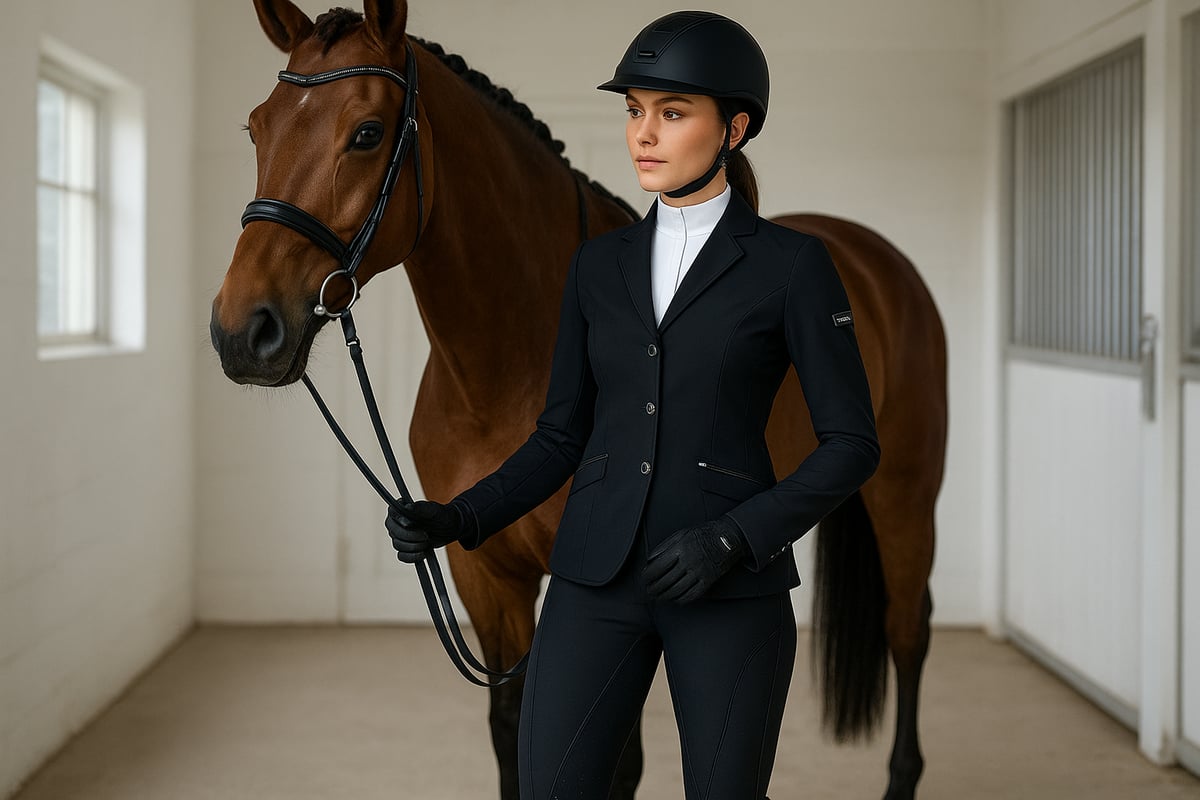
Breeches vs. Tights: Which Is Right for You?
Riding breeches and tights have seen remarkable changes due to innovative fabric technology. Modern textiles now offer exceptional breathability, flexibility, and moisture-wicking properties, keeping riders comfortable during long hours in the saddle.
There are distinct differences between breeches, tights, and jodhpurs. Breeches are tailored with reinforced knee patches or full-seat grips, ideal for both English and jumping disciplines. Tights, such as the Equestrian Stockholm Movement Black Edition, provide a seamless fit with maximum stretch, making them popular for training and casual rides. Jodhpurs, often used for young riders, extend to the ankle and are paired with paddock boots.
Recent data reveals a surge in demand for full-grip and moisture-wicking options, reflecting riders’ priorities for comfort and security. Selecting the right style of equestrian equipment depends on your discipline and body type, ensuring both functionality and confidence in the arena.
Layering Up: Jackets, Vests, and Show Coats
Modern riding jackets and vests have adopted lightweight, weather-resistant materials that adapt to changing climates. Show jackets, such as the Classic Show Jacket Black, feature tailored silhouettes, breathable linings, and subtle stretch for unrestricted movement.
Layering remains essential for temperature regulation, especially in unpredictable weather. Riders now opt for technical vests and base layers that trap warmth without adding bulk. When choosing equestrian equipment for competition, focus on elegance and compliance with the latest show ring standards, while training apparel allows for more relaxed, functional designs.
Style is not sacrificed for performance. Today’s show apparel combines tradition with innovation, offering riders a polished look that matches their discipline and personal taste.
Trusted Apparel Brands like Ariat and TuffRider
When you’re investing in equestrian apparel, you want gear that works as hard as you do. Choosing a trusted brand makes all the difference in comfort and longevity. Ariat International is a leader in the industry, known for its high-performance riding boots and clothing built to handle the demands of equestrian life. They integrate advanced technology into their designs, focusing on creating durable, functional pieces that support riders in and out of the saddle. Their commitment to quality means you can count on their gear to perform, whether you're schooling at home or competing in the ring.
Similarly, TuffRider has earned its reputation as a trusted name in equestrian apparel by offering a fantastic range of quality breeches, shirts, and boots at an accessible price point. They prove that you don’t have to sacrifice quality for affordability. Both brands are at the forefront of equestrian innovation, consistently delivering apparel that meets the functional needs of modern riders. Here at Hooves and Paws, we believe in providing gear that stands up to daily use, which is why we carefully select apparel and tack from brands that share our commitment to quality and performance for you and your horse.
The Finishing Touches: Gloves, Socks, and More
Accessories can make or break the riding experience. Technical riding gloves deliver enhanced grip and protect hands from friction, ensuring precise rein control. Many models include touchscreen-compatible fingertips, allowing riders to use phones without removing gloves.
Riding socks are another vital piece of equestrian equipment. They prevent blisters and provide targeted support, especially during long training sessions. Look for moisture-wicking fabrics and seamless construction for maximum comfort.
Other accessories, such as supportive belts, stylish caps, and headbands, blend function with fashion. These small details help riders express their personality while maintaining practicality in the stable and arena.
Step Up Your Safety: Choosing the Right Riding Boots
Riding boots are foundational to any equestrian equipment collection. Paddock boots, tall boots, and field boots each serve unique purposes, with options available in genuine leather or advanced synthetics. Modern boots feature ergonomic soles, reinforced heels, and shock-absorbing materials for all-day comfort.
Advancements in design have made boots more durable and easier to care for. For example, new paddock boots offer improved weather resistance and flexibility, supporting riders through diverse conditions. To explore the latest innovations, including comfort and durability features, read about Modern Riding Boots and Comfort.
Proper maintenance, such as regular cleaning and conditioning, extends the lifespan of your boots. Investing in high-quality riding boots is a smart move for anyone serious about equestrian equipment in 2025.
Outfitting Your Horse: A Guide to Tack
Selecting quality horse tack is at the heart of every successful riding experience. As equestrian equipment evolves for 2025, both riders and horses benefit from new designs, materials, and features that enhance comfort, fit, and performance. Let’s break down the essentials, from saddles to ear bonnets, to ensure you and your horse are set up for success.
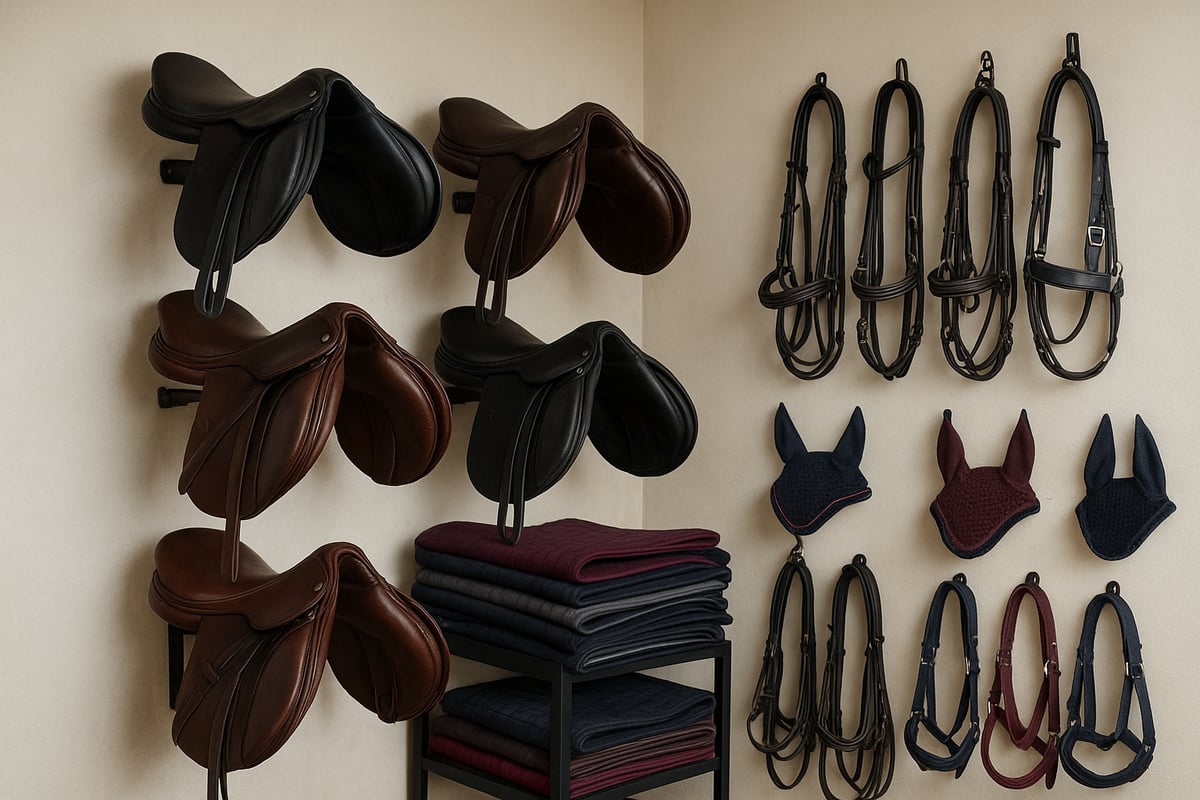
Choosing Gear for Your Riding Discipline
Your riding discipline is the single biggest factor that determines the type of tack you’ll need. It’s not just about tradition or style; the gear used in English, Western, and Endurance riding is specifically designed to support the unique movements and communication required for each activity. Choosing the right equipment ensures you can give your horse clear signals while keeping them comfortable and safe. Think of it as getting the right tools for the job—the proper tack helps you and your horse work together as a seamless team, whether you're navigating a jump course, working cattle, or covering miles of trail.
English Riding
English riding disciplines, like dressage, show jumping, and eventing, emphasize close contact and precise communication between horse and rider. The gear reflects this with a minimalist and functional design. English saddles are lightweight and have a flatter seat, allowing the rider to feel the horse’s movements more directly. The bridles typically use a snaffle bit for direct rein action. The entire setup is crafted to allow for freedom of movement, which is essential for the athletic demands of jumping and the nuanced aids of dressage. Investing in high-quality horse tack ensures a proper fit, which is critical for your horse’s comfort and performance in these demanding sports.
Western Riding
Rooted in the traditions of ranching and cattle work, Western riding gear is built for comfort and durability over long hours in the saddle. The Western saddle is the most recognizable piece of equipment, featuring a deep, secure seat, wide stirrups, and a signature horn used for roping. This design distributes the rider's weight more broadly across the horse's back, making it ideal for long trail rides and demanding work. Western bridles often incorporate a curb bit and are designed for neck reining, allowing the rider to guide the horse with one hand. While the gear is heavier than its English counterpart, its purpose is to provide stability and functionality for both horse and rider.
Endurance Riding
Endurance riding is the ultimate test of stamina, and the gear is all about performance, comfort, and lightweight durability. Tack for this discipline often combines the best features of English and Western styles, resulting in specialized, ergonomic designs. Endurance saddles are exceptionally light and engineered to distribute pressure evenly to prevent soreness over dozens of miles. They are often made from synthetic materials that are easy to clean and hold up against the elements. Comfort for the horse is the top priority, so you’ll also see widespread use of well-padded saddle pads, fleece-lined girths, and breastplates to keep the saddle securely in place without chafing during long, strenuous rides.
Finding the Perfect Saddle for You and Your Horse
The saddle is a cornerstone of equestrian equipment, directly impacting both horse and rider comfort. In 2025, the choice between English and Western saddles remains discipline-driven, but innovations in fit and material set modern models apart. Customization is more accessible, allowing for precise adjustments to match your horse’s shape and your riding style.
| Saddle Type | Disciplines | Key Features |
|---|---|---|
| English | Dressage, Jumping | Lightweight, close contact, customizable panels |
| Western | Trail, Reining | Deep seat, horn, wider panels |
New materials, such as carbon fiber and performance foams, offer lighter weight and improved shock absorption. Ensuring proper saddle fit is essential to prevent pressure points and maximize performance. Features like adjustable gullets and ergonomic panels are now standard in top-tier equestrian equipment.
If you’re considering a new saddle, the Guide to Choosing Horse Saddles provides an in-depth look at finding the perfect match for your needs.
Saddle Pads: Where Function Meets Fashion
Saddle pads have grown beyond basic protection, becoming a vital part of equestrian equipment for both function and style. Their primary role is to absorb shock, wick moisture, and safeguard your horse’s back. In 2025, riders can choose from a variety of pad types:
- Dressage pads
- Jumping pads
- Pony and cob pads
- Mesh pads for breathability
- Glimmer pads for a touch of sparkle
Popular colors like Bordeaux and Crystal White Glimmer offer riders a chance to personalize their look. Demand for full-grip and mesh pads is rising, with breathable materials supporting both comfort and performance.
Matching the correct pad to your saddle and horse’s anatomy helps prevent slippage and pressure points. Whether you prefer a classic look or bold statement, today’s equestrian equipment ensures that function and fashion go hand in hand.
Leading Brands like LeMieux and Weatherbeeta
Certain brands consistently raise the bar for quality and innovation in equestrian equipment. LeMieux is a perfect example, known for its stylish gear that delivers high performance without sacrificing modern design. It’s a go-to for riders who want both function and fashion. Then there's Weatherbeeta, a brand synonymous with durability and protection. They are widely recognized for their top-tier horse blankets, making them a trusted choice for equestrians who put their horse's safety and comfort first. Both brands understand what today's riders need, offering reliable horse tack that keeps up with the demands for superior comfort and performance.
The Lines of Communication: Bridles, Reins, and Bits
Bridles and bits are essential connections between horse and rider, making their selection a critical part of equestrian equipment. Options include snaffle, double, anatomical, and bitless bridles, each providing varying levels of control and comfort.
When choosing a bit, consider your horse’s mouth shape and training needs. Innovations in 2025 focus on anatomical shaping and padding to reduce pressure and enhance communication. Adjustable nosebands and ergonomic headpieces are increasingly popular.
Proper care is vital for longevity. Regular cleaning of leather and synthetic materials not only extends the life of your tack but also maintains safety and performance. Investing in high-quality bridles and reins is a cornerstone of reliable equestrian equipment.
Everyday Essentials: Halters, Leads, and Ear Bonnets
Halters and lead ropes are daily-use items, but modern equestrian equipment offers more choices than ever. Materials range from traditional leather to durable nylon and new eco-friendly options. Padded or anatomical halters improve comfort for sensitive horses.
Ear bonnets have evolved to provide not only insect protection but also noise reduction for easily distracted horses. Coordinating your halter and bonnet with the rest of your tack creates a polished, unified look.
Whether for everyday handling or show, selecting well-designed halters, lead ropes, and bonnets rounds out your collection of equestrian equipment, supporting both style and safety.
Safety First: Your Non-Negotiable Equestrian Gear
Staying safe in the saddle is non-negotiable for every rider in 2025. As equestrian equipment evolves, so do the standards for protective gear, blending advanced technology with comfort and style. Whether schooling at home or competing, investing in the best safety gear is essential for both rider and horse.
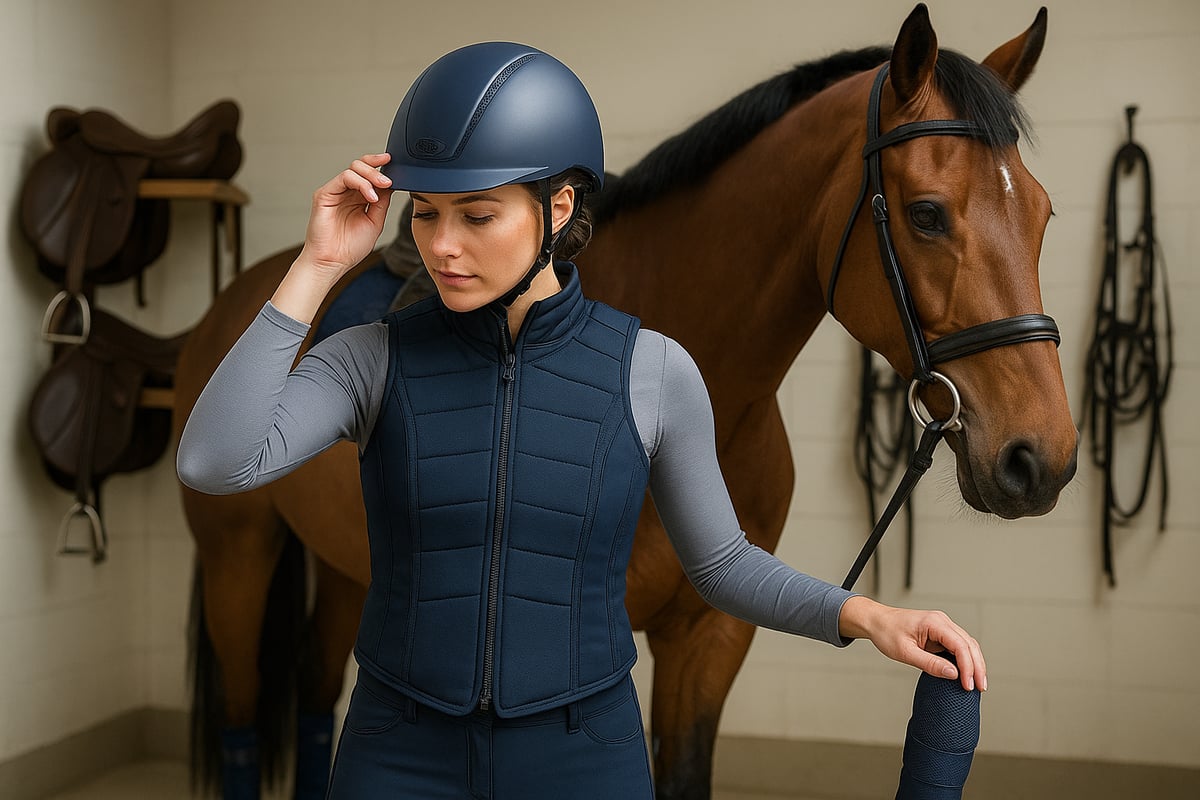
Is Your Helmet Up to Standard? A Guide to Fit and Safety
Modern helmets remain the cornerstone of equestrian equipment for rider safety. In 2025, advancements in impact-absorbing materials and ventilation have improved both protection and comfort. Choosing a helmet certified to current standards is crucial. Here is a quick comparison:
| Certification | Region | Key Features |
|---|---|---|
| ASTM/SEI | US, International | Rigorous impact and retention testing |
| VG1 | Europe | Enhanced side and rear protection |
A well-fitted helmet should sit level and snug, with the harness fastened securely. Regular cleaning and inspection help maintain its protective qualities. For an in-depth look at modern helmet safety and style, see these Equestrian Helmet Safety Tips. As equestrian equipment standards rise, so does the expectation for helmets to blend safety, comfort, and sleek design.
Protecting Your Core: Body Protectors and Air Vests
Body protectors and air vests are vital pieces of equestrian equipment, especially for disciplines like eventing or jumping. Traditional foam-filled vests offer steady, all-around protection, while air vests inflate instantly upon impact for dynamic support.
When selecting a vest, consider the level of protection recommended for your discipline. Look for models with adjustable straps and lightweight, breathable fabrics for comfort during long rides. In 2025, many vests feature ergonomic designs that move with your body, reducing restriction. Riders should always ensure their body protector or air vest is properly fitted and meets current safety certifications. The right equestrian equipment can make a significant difference in both confidence and security.
Guarding Your Horse's Legs: Boots vs. Wraps
Horse leg protection is an increasingly important part of equestrian equipment. Options include brushing boots, tendon boots, bell boots, and polo wraps. Mesh and breathable materials are gaining popularity, as they help dissipate heat and keep the horse’s legs cool.
- Brushing boots: Prevent interference injuries during flatwork.
- Tendon boots: Shield the tendons during jumping.
- Bell boots: Protect the hoof and heel from overreach.
- Polo wraps: Offer light support for schooling.
For training, lightweight mesh brushing boots are preferred, while competitions may require more structured protection. Data shows a growing adoption of mesh designs for their heat management benefits. Matching the right protection to your horse’s needs is a key aspect of responsible equestrian equipment use.
Protective Gear from Professional's Choice and Tough1
When you’re looking for reliable protective gear, brands like Professional's Choice and Tough1 consistently deliver. Professional's Choice is well-known for its focus on equine sports medicine, creating boots that offer excellent support and impact protection without trapping heat. Their designs often incorporate the breathable, advanced materials that have become so important for keeping a horse’s legs cool and comfortable during work. On the other hand, Tough1 is a go-to for durable, practical solutions that stand up to daily use, offering everything from sturdy bell boots to reliable splint boots. Both brands represent a commitment to safety and quality, which is why they are staples in so many tack rooms. Finding the right horse tack means choosing equipment you can trust to perform when it matters most.
Better Grip, Better Ride: Why Gloves Are a Safety Staple
Technical gloves are another essential in equestrian equipment, offering improved grip and hand protection. Enhanced materials help riders maintain control, especially in wet or cold conditions.
Other rider safety accessories include reflective wear for visibility, safety stirrups designed to release the foot in case of a fall, and even body-mounted lights for night riding. Each piece of safety gear contributes to a safer, more enjoyable experience. Prioritizing these accessories ensures riders are prepared for any situation, rounding out a comprehensive approach to equestrian equipment safety.
Keeping Your Horse Healthy and Happy: Grooming Essentials
Caring for your horse goes beyond riding—it requires dedication to daily grooming, proper bathing, attentive hoof care, and effective fly management. In 2025, advancements in equestrian equipment are making these routines more efficient, comfortable, and sustainable for both horse and handler.
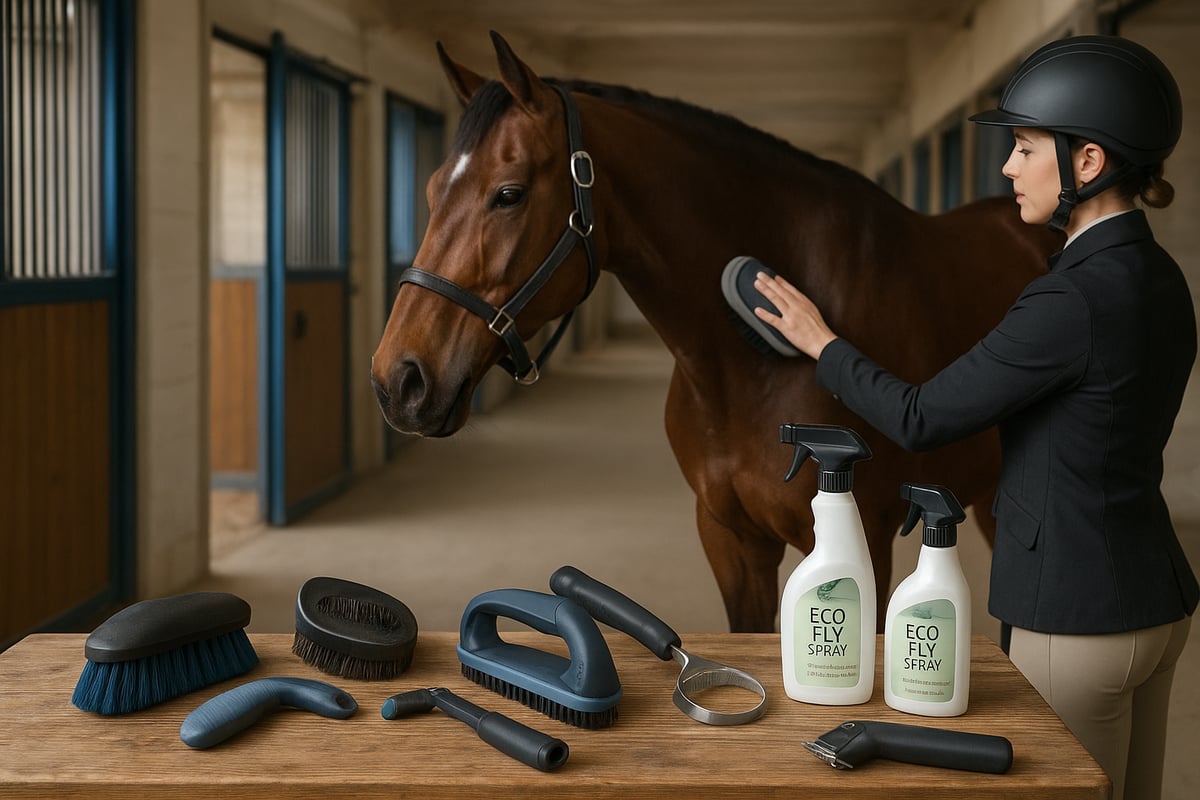
How to Build Your Perfect Grooming Kit
A well-stocked grooming kit is a cornerstone of horse care. In 2025, riders are seeking not only traditional brushes and combs but also ergonomic, durable designs that make daily routines easier. Must-have tools include body brushes, curry combs, mane and tail brushes, and shedding blades. Upgraded kits now feature anti-slip handles and antimicrobial materials for added hygiene.
Regular grooming promotes healthy skin, a shiny coat, and strengthens the bond between horse and rider. Investing in the right equestrian equipment ensures your horse stays comfortable and looking its best. For a detailed breakdown of essential items, explore this Essential Horse Grooming Tools collection, which covers the latest innovations and must-haves for every stable.
The Right Tools for Bathing and Clipping
Cleanliness is crucial for equine health, and modern bathing products cater to varying coat types and sensitivities. Shampoos, conditioners, and detanglers are now formulated with gentle, natural ingredients to maintain coat integrity. Cordless clippers and trimmers, designed for quiet operation and efficiency, make grooming sessions smoother and less stressful for horses.
When using new equestrian equipment, always introduce it gradually to minimize anxiety. Keep bathing sessions brief and use lukewarm water to ensure your horse remains relaxed. Regular use of updated tools not only enhances appearance but also supports overall well-being.
Caring for Your Horse's Foundation: Hooves and Legs
Hoof health is foundational to equine performance. Essential equestrian equipment includes sturdy hoof picks, nourishing conditioners, and protective hoof boots. After riding, cooling wraps and liniments help reduce inflammation and support recovery, especially after intense workouts.
Keeping hooves clean and moisturized prevents cracks and infections. Leg wraps, when used properly, can minimize swelling and provide support during transport or post-exercise. Consistent care with the right products contributes to long-term soundness.
Keeping Pests Away: Fly and Parasite Control
Insects and parasites pose ongoing challenges, but 2025 brings advanced solutions to the equestrian equipment market. Fly masks now offer UV protection and enhanced comfort, while eco-friendly sprays and repellents keep horses safe without harsh chemicals. Look for breathable, contoured mask designs that fit securely without rubbing.
Integrated pest management, using both physical barriers and sustainable sprays, helps reduce fly-borne stress and disease risk. Prioritizing these essentials ensures your horse’s comfort during every season.
Home and Away: Essential Stable and Travel Equipment
Creating a comfortable and efficient environment for both horse and rider begins with choosing the right stable and travel equestrian equipment. From protective blankets to climate control accessories, each piece of gear plays a vital role in horse care and organization.
Dressing Your Horse for the Weather: A Blanket Guide
Selecting the right blankets, sheets, and coolers is essential for maintaining your horse’s comfort throughout changing seasons. Each type serves a specific function:
| Blanket Type | Purpose | Ideal Use |
|---|---|---|
| Turnout Blanket | Outdoor protection | Wet, cold weather |
| Stable Sheet | Indoor warmth | Mild climates |
| Fly Sheet | Insect and UV protection | Summer, turnout |
| Cooler | Post-exercise drying | After workouts |
When evaluating equestrian equipment, consider material weight, breathability, and waterproofing. High-tech fibers are now common, offering insulation without bulk. Look for features like detachable neck covers and adjustable straps for a tailored fit. Choosing the right blanket ensures your horse stays protected in any climate.
Get Organized: Tack Trunks, Racks, and Storage
A well-organized stable streamlines daily routines and extends the life of your equestrian equipment. Tack trunks, saddle racks, and durable storage bins keep gear protected from dust and moisture.
Consider these essentials for stable organization:
- Stackable tack trunks for space-saving storage
- Wall-mounted saddle and bridle racks
- Portable grooming totes for shows and travel
Portable storage options are particularly valuable for competitions, allowing you to transport your equestrian equipment easily. Implementing a clear storage system helps you track inventory and maintain a clutter-free environment.
Tips for Safe and Stress-Free Horse Transport
Safe and stress-free travel begins with proper horse transport equipment. Use travel boots to protect legs, shipping halters for comfort, and portable feeders and waterers for hydration on the road.
Packing an emergency kit is a must. Include first aid supplies, spare halters, and necessary documentation. Adhering to current equipment guidelines, as outlined in the USEF 2025 Rulebook, ensures your equestrian equipment meets safety standards for trailering and competition. Prioritizing your horse’s welfare during transport minimizes risks and enhances performance.
Creating a Comfortable Stall for Your Horse
Modern stable accessories improve horse comfort and support health year-round. Fans and misters help regulate temperature, especially in hot climates. Upgraded bedding, such as dust-free shavings or sustainable alternatives, promotes respiratory health and easy cleaning.
Staying informed about industry developments helps you make smart choices. According to Equestrian Equipment Market Growth, demand for advanced equestrian equipment is rising, with innovations in feeding systems and climate control leading the way. Always ensure clean water sources and consider automatic waterers for convenience and horse health.
What's Next? Tech and Trends in Equestrian Equipment
The pace of innovation in equestrian equipment is reshaping how riders and horses perform, train, and stay safe. In 2025, technology is at the forefront, blending tradition with modern solutions to deliver smarter, safer, and more sustainable experiences for everyone in the equestrian world.
Tracking Performance: Wearable Tech for Horse and Rider
Smart technology is transforming equestrian equipment in 2025. Riders and trainers rely on fitness trackers, heart rate monitors, and GPS devices to collect real-time data on horse performance and health. These wearables help optimize training routines and quickly identify signs of fatigue or stress.
Popular brands now offer wireless sensors that sync with mobile apps, providing instant feedback during rides. You can monitor stride length, rhythm, and even calorie burn, making equestrian equipment more analytical than ever. This data-driven approach is revolutionizing how riders care for their horses and improve their own skills.
Riding Greener: The Rise of Sustainable Equipment
Sustainability is a top priority for equestrian equipment manufacturers this year. Biodegradable grooming tools, recycled-material saddle pads, and eco-friendly fly sprays are now widely available. Demand for green solutions is rising, with riders seeking products that protect both their horses and the environment.
Smart textiles, including moisture-wicking fabrics made from recycled fibers, are gaining traction. To explore more about how sustainability and smart textiles are shaping the future, visit 2025 Equestrian Apparel Trends. Choosing eco-friendly equestrian equipment is becoming a standard rather than an exception.
Making It Your Own: Custom and Personalized Gear
Personal touches are redefining equestrian equipment in 2025. Riders can now order custom colors, embroidery, and monograms for everything from saddle pads to bridles. 3D printing and on-demand manufacturing make it easier to design gear that fits both horse and rider perfectly.
Personalization goes beyond aesthetics. Innovative brands offer adjustable tack and ergonomic designs tailored to individual needs. This trend ensures that equestrian equipment is as unique as the partnership between horse and rider.
A New Way to Shop: Online Stores and Subscription Boxes
The digitalization of the equestrian equipment market has accelerated. Online retailers provide extensive product reviews, comparison tools, and virtual fitting guides to help riders make informed decisions. Subscription boxes are gaining popularity, delivering curated gear and care products to your doorstep each month.
Data shows a significant increase in online sales of equestrian equipment since 2020. Riders appreciate the convenience, variety, and expert support available through online channels, making it easier than ever to keep up with the latest gear.
How Technology Is Making Riding Safer
Safety technology is advancing quickly in equestrian equipment. Helmets and vests now feature impact-absorbing materials, improved ventilation, and integrated sensors for real-time monitoring. For details on helmet safety standards and design, see Equestrian Helmet Safety Standards.
Smart tack, such as bridles with built-in pressure sensors, provides feedback on fit and movement. Looking ahead, augmented reality training aids and AI-driven saddle fitting are set to transform the industry, ensuring that equestrian equipment continues to protect and empower riders and horses alike.
With so many exciting innovations shaping equestrian gear in 2025, finding the right essentials can truly elevate both your riding experience and your horse’s comfort. Whether you’re updating your apparel, exploring new safety equipment, or embracing the latest in stable organization and smart technology, having access to reliable, expertly curated products makes all the difference. At Hooves and Paws, you’ll discover a wide range of quality equestrian essentials, backed by decades of expertise, free US shipping, and flexible payment options. If you’re ready to equip yourself and your horse for the year ahead, Buy Now and start your journey with confidence.
Frequently Asked Questions
I'm just starting out. What are the absolute essentials I need to buy first? Welcome to the horse world! It's easy to get overwhelmed, but you only need a few key items to start safely. Your first and most important purchase should be a properly fitted, certified riding helmet. After that, focus on a pair of riding boots with a proper heel to prevent your foot from slipping through the stirrup. Finally, you'll want comfortable riding pants, like breeches or tights, to avoid chafing. You can build the rest of your gear collection over time, but these three items are the non-negotiables for your safety and comfort.
How do I know when it's time to replace my riding helmet? This is such an important question. The rule of thumb is to replace your helmet immediately after any impact, even if you don't see visible damage. The protective materials inside can be compromised after just one fall. If you haven't had a fall, it's still recommended to replace your helmet every five years. The materials can degrade over time due to exposure to heat, sweat, and sunlight, making them less effective. A new helmet is a small investment in your safety.
The post mentions the 20% rule for rider weight. Is this a strict rule? Think of the 20% rule as a helpful starting point, not a strict law. A horse's ability to comfortably carry a rider depends on so much more than just one number. Factors like the horse's fitness level, its physical build, the intensity of the ride, and especially the fit of your saddle all play a huge role. The most important thing is to pay attention to your horse. A well-fitted saddle on a conditioned horse will make the work much easier for them.
With so many options for leg protection, how do I choose between boots and wraps for my horse? It really comes down to the job you're doing. Boots are generally used for protection against impact, like a horse hitting a jump rail or knocking its own legs together. They are durable, easy to put on, and great for everything from jumping to trail riding. Wraps, like polo wraps, offer light support and protection during schooling sessions on flat ground. They require a bit more skill to apply correctly, as uneven pressure can cause harm. For everyday protection, boots are typically the simpler and safer choice.
There's a lot of new technology in equestrian gear. Do I need all the latest gadgets to be a good rider? Absolutely not. While technology can offer interesting data and insights, it's just a tool. The foundation of good riding will always be a solid partnership with your horse, a focus on their welfare, and well-fitting, safe equipment. The most advanced gear in the world can't replace a good seat or a kind hand. Focus on mastering the fundamentals first, and then you can decide if any of the new tech might be a helpful addition to your training program.
Key Takeaways
- Know Yourself and Your Horse First: Before choosing any gear, honestly assess your riding ability and understand your horse's physical limits. Selecting equipment and activities that match both your skill level and your horse's fitness is the most important step toward a safe and enjoyable partnership.
- Select Gear That Serves Your Discipline: Your equipment should be a tool that supports your specific riding style. Whether you ride English, Western, or Endurance, choose tack and apparel designed for the unique demands of your discipline to improve communication, comfort, and safety.
- Invest in Modern Safety and Function: Never compromise on safety—always use gear like helmets and protective vests that meet current standards. Take advantage of modern advancements in materials and technology to keep both you and your horse comfortable and performing at your best.


