


Whether you’re schooling in the dressage arena, navigating a cross-country course, or enjoying a relaxing trail ride, the boots on your feet play a huge role in your success and enjoyment. Different disciplines place different demands on your equipment, and your footwear is no exception. A hunter/jumper rider needs flexibility in the ankle, while a dressage rider requires a stiffer boot for a still leg. This guide is designed to help you find the perfect match for how you ride. We’ll explore the specific features that benefit each discipline and help you identify the key elements of quality equestrian riding boots for women, ensuring your next pair supports your unique goals in the saddle.
Key Takeaways
- Fit and safety are non-negotiable: Your boot's most important jobs are to keep you secure and comfortable. Always measure your calf and foot to ensure a snug fit, and confirm the boot has a one-inch heel to prevent your foot from sliding through the stirrup.
- Match your boot to your riding style: The right boot enhances your performance in a specific discipline. Field boots offer flexibility for jumping, stiff dressage boots support a quiet leg, and durable, comfortable boots are best for long hours on the trail.
- Protect your investment with proper care: Quality riding boots are built to last, but they need your help. A simple routine of wiping them down after each ride and conditioning the leather regularly will prevent cracking and keep them in top shape for years of use.
Your Guide to Women's Equestrian Riding Boots
Finding the right pair of riding boots is about more than just style—it’s about safety, comfort, and performance in the saddle. Whether you're schooling at home, competing in the show ring, or hitting the trails, the boots you choose can make all the difference. Let's walk through the most common types of women's equestrian boots to help you find your perfect match.
Tall Boots: For the Show Ring and Beyond
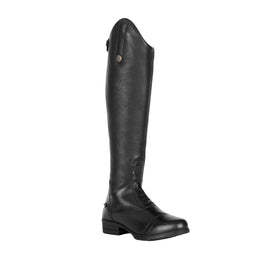
Think of tall boots as the formalwear of the equestrian world. These boots extend up to the knee, creating a long, elegant leg line that’s essential for a polished look in the show ring. They provide excellent stability and help you maintain close contact with your horse's side. While traditionally made of fine leather, many top brands now offer options in synthetic materials that are easier to break in and care for. Brands like Ariat and Tredstep provide a wide range of women's tall riding boots perfect for competition or serious training, making them a key piece of your horse tack.
Paddock Boots: Your Everyday Go-To
Paddock boots are the versatile workhorses of equestrian footwear. These ankle-high boots are perfect for daily chores around the barn, schooling sessions, and casual rides. They’re comfortable enough to wear all day and offer great support whether you’re on the ground or in the saddle. For added grip and protection while riding, most equestrians pair them with half chaps, which mimic the feel and function of a tall boot. Many riders find this combination more comfortable and flexible for everyday use. You can find a variety of women's equestrian footwear, including paddock boots, designed for durability and comfort.
Jodhpur Boots: A Classic English Style
Jodhpur boots are another classic, ankle-high option that shares many similarities with paddock boots. They are a staple in English riding, distinguished by their clean lines and often featuring a front strap and buckle. Jodhpurs are traditionally worn with jodhpur pants, which have cuffs that fit neatly over the outside of the boot. This style is especially popular with young riders just starting their show careers, but it's also a fantastic and comfortable choice for adults in more casual riding disciplines or for everyday wear around the barn. Their timeless design makes them a stylish and practical addition to any rider's wardrobe.
Winter Boots: Ride Comfortably in the Cold
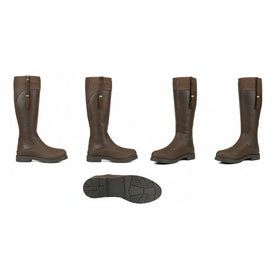
When the temperature drops, a standard pair of leather boots just won't cut it. That’s where insulated winter riding boots come in. Designed specifically for cold-weather riding, these boots feature insulation and often have waterproof materials to keep your feet warm, dry, and comfortable during frigid hacks and barn chores. Brands like Mountain Horse offer a great selection of winter riding boots that provide essential warmth without adding too much bulk, ensuring you can still feel your stirrups and communicate effectively with your horse. Investing in a dedicated pair of winter boots means you never have to let a little cold weather keep you from the barn.
Key Features to Look for in Your Next Pair of Boots
Shopping for new riding boots is exciting, but with so many options, it can also feel a little overwhelming. The secret to finding the perfect pair is to focus on a few core features that truly matter. Think of your boots as a critical piece of equipment, just like your saddle or bridle. They need to be safe, comfortable, and durable enough to handle long days at the barn. By prioritizing the right material, a perfect fit, and essential safety elements, you can confidently choose a pair of boots that will support you in and out of the saddle for years to come.
Finding the Right Material: Leather, Synthetic, or Rubber?
The material of your boot affects its durability, comfort, and care routine. Traditional leather is a classic choice for a reason; it’s incredibly durable, breathable, and molds to your leg over time for a nearly custom fit. While leather requires consistent cleaning and conditioning, its longevity makes it a worthwhile investment. Synthetic materials have come a long way and are a fantastic alternative. They often provide a broken-in feel right out of the box, are easier to clean, and are typically more affordable. Rubber boots are best reserved for barn chores, as their waterproof nature is perfect for mucking stalls but lacks the breathability and tailored fit needed for serious riding.
Why the Right Fit and Size Matter Most
Of all the features to consider, nothing is more important than the right fit. A boot that’s too tight will pinch and cause blisters, while one that’s too loose will rub and won’t provide the stability you need. A proper fit feels snug around your calf and ankle without restricting movement, and your heel shouldn't slip when you walk. Your toes need a bit of wiggle room, too. An ill-fitting boot isn't just a source of discomfort; it can compromise your safety and effectiveness as a rider. Taking the time to get accurate measurements of your foot and calf is the single best step toward finding your perfect pair.
Don't Forget Comfort: Insoles and Arch Support
Long hours at the barn and in the saddle can be tough on your feet. That’s why comfort features like cushioned insoles and proper arch support are so important. Good support helps distribute pressure evenly across your foot, reducing fatigue and preventing the aches and pains that can radiate up into your legs and back. Many modern boots are designed with advanced footbed technology for all-day comfort. If you find a pair that fits well but feels a little flat inside, don’t count them out—you can often add your own supportive inserts to create the perfect feel.
Staying Dry: Waterproofing and Weather Protection
Between early morning dew, horse baths, and unexpected rain showers, your boots are bound to get wet. While most leather offers some water resistance, it isn’t fully waterproof and can be damaged by excessive moisture if not cared for properly. If you frequently ride in wet conditions or spend a lot of time working on the ground, consider boots with a dedicated waterproof membrane. This feature is a game-changer for keeping your feet dry, warm, and comfortable, no matter what the weather throws at you. It also helps extend the life of your boots by protecting them from the elements.
Essential Safety Features: Heels and Soles
When it comes to riding, safety is paramount, and your boots play a huge role. The most critical safety feature is a well-defined heel of about one to one-and-a-half inches. This heel acts as a stopper, preventing your foot from accidentally sliding all the way through the stirrup. The sole is equally important—it should have a texture that provides a good grip without being overly thick or chunky. A deep, heavy tread can get caught in the stirrup, creating a dangerous situation. Checking for these essential safety features should always be your first step before making a purchase.
What Makes a Great Riding Boot Brand?
When you’re searching for the perfect pair of riding boots, the brand name on the box really does matter. The best equestrian brands have built their reputations on a deep understanding of what riders actually need, both in and out of the saddle. They blend timeless style with modern technology, creating boots that are not only beautiful but also built for performance. Brands like Ovation and Mountain Horse have spent years perfecting footwear that is comfortable, stylish, and helps improve your riding.
A great brand doesn’t just make boots; they solve problems for riders. They consider everything from the type of leather to the placement of a zipper to the flexibility of the ankle. They know that a boot needs to support your leg without restricting it, offer a secure grip in the stirrup, and stand up to the daily demands of barn life—from mucking stalls to long training sessions. With over 30 years of experience, we at Hooves and Paws have learned to spot the brands that consistently deliver on their promises. We believe in companies that are as passionate about the equestrian world as we are, and that passion shines through in the quality and thoughtful design of their products.
Our Handpicked Selection at Hooves and Paws
We know you have a lot of choices, which is why we’ve taken the guesswork out of finding the best brands. Our team uses its decades of expertise to handpick every boot we offer. We look for brands that have a proven track record of quality, durability, and rider-focused design. You’ll find trusted names in our collection that are celebrated in show rings and on trails around the world. By curating our horse tack selection, we make sure that any pair you choose from us is one you can count on for comfort and performance, season after season.
Signs of Quality Performance and Style
So, what exactly sets a high-quality boot apart? It starts with the materials. Whether it’s supple, full-grain leather or an innovative synthetic, the material should be durable and designed for the demands of riding. Look for thoughtful design details that enhance your experience, like a flex notch at the ankle that allows for a natural heel-down position. A cushioned footbed is another key feature, as it helps absorb shock and keeps you comfortable during long hours at the barn. These small details are the hallmarks of a boot designed not just to look good, but to perform when it matters most.
The Value of True Craftsmanship
There’s an undeniable value in true craftsmanship. When a boot is made with premium leathers and incorporates advanced features, you can feel the difference the moment you put it on. This level of quality isn’t just about luxury; it’s about creating a boot that provides superior performance and lasting comfort. A well-crafted boot will mold to your leg, support your position, and withstand the rigors of daily use. It’s an investment in your safety, your comfort, and your riding, ensuring you can focus on your connection with your horse instead of your feet.
Finding Affordable Quality for Every Rider
Investing in quality doesn’t always mean you have to spend a fortune. Many of the best brands offer excellent options at accessible price points because they believe every rider deserves a safe and comfortable boot. The key is to choose the right boots for your specific needs and discipline. You can find fantastic, durable boots that look just as good with a pair of jeans as they do in the stirrup. It’s all about identifying the features that matter most to you and finding a pair that delivers without breaking the bank.
Shop This Post

Featured in this article
Shires Moretta Clio Plus Paddock Boots - Black, Child, Lace-Up Equestrian, Gently Used
$29.99
Shop Now →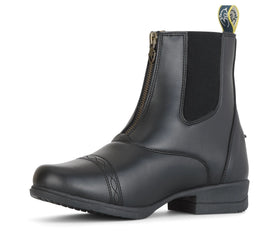
Matching Your Boots to Your Riding Discipline
The right pair of boots isn't just about looking the part—it's about performance, safety, and comfort tailored to how you ride. Just as you'd choose different saddles for different activities, your boots should match the demands of your discipline. Whether you're clearing a course of jumps, executing a precise dressage test, or enjoying a leisurely trail ride, the right footwear provides the specific support and flexibility you need to communicate effectively with your horse and stay secure in the saddle. Let's break down what to look for based on your favorite way to ride.
What Hunter/Jumper Riders Need
In the hunter/jumper world, tradition and function go hand-in-hand. You need a boot that offers a classic, polished look while allowing for the flexibility required to maintain a secure two-point position over fences. This is where field boots shine. Their signature laced ankle provides that extra give, allowing your heel to drop and flex as you move through a course. A quality pair will feature a slim-fitting calf for a close feel against the horse and a sturdy sole for stability in the stirrups. The right horse tack is essential for this discipline, and your boots are the foundation of a confident ride.
The Right Boots for Dressage
Dressage is all about precision and elegance, and your boots should reflect that. Unlike the flexible field boot, a dressage boot is traditionally much stiffer, particularly on the outside of the calf. This rigidity helps create the appearance of a long, still leg, which is key to the discipline's aesthetic. It also provides the support needed to give subtle leg cues to your horse. Most modern dressage boots feature a full-length zipper up the back, making them much easier to put on and take off than older pull-on styles. When you’re looking for your next pair, check out our best selling products to see what other dedicated riders trust.
Gearing Up for Eventing and Cross-Country
Eventing and cross-country riders are the triathletes of the equestrian world, and they need boots that can keep up. Your footwear has to withstand mud, water, and galloping across varied terrain, all while offering serious protection and support. Look for boots made from durable, often reinforced leather or synthetic materials that can take a beating. A grippy, rugged sole is non-negotiable for those moments when you might have to dismount on uneven ground. Many riders in this discipline prefer a boot that combines the sturdiness of a work boot with the refined fit of a traditional riding boot, ensuring they’re prepared for anything the course throws at them.
Choosing Boots for Trail Riding and Everyday Fun
For trail riders and those who enjoy more casual time in the saddle, comfort is the top priority. You’ll likely be riding for longer periods, and you may even hop off to lead your horse or take a break. All-terrain or endurance-style boots are a fantastic choice because they’re designed for both riding and walking. They often feature cushioned insoles, excellent arch support, and a treaded sole that provides stability on the trail. These boots give you the freedom to enjoy every moment with your horse, knowing your feet are comfortable and secure. It’s this love for the everyday ride that inspired our family to start this business, something you can read about on our About Us page.
How Much Should You Plan to Spend on Riding Boots?
Figuring out your budget is one of the first steps in finding the perfect pair of riding boots. The price tag on boots can vary widely, and it usually comes down to the materials, craftsmanship, and features designed for specific riding disciplines. You don’t need to spend a fortune to get a safe and functional pair, but investing a bit more can pay off in comfort and durability down the road. Think of it less as a simple purchase and more as an investment in your safety, comfort, and performance in the saddle. Whether you’re just starting lessons or you’re a seasoned competitor, there’s a great pair of boots that will fit your needs and your wallet. Let’s break down the typical price ranges so you know what to expect and can find the best value for your riding journey.
The Starter Pair: Under $100
If you're new to riding or just need a reliable pair for occasional lessons, you can find excellent options for under $100. Boots in this price range are typically made from durable synthetic materials that have the added bonus of being easy to clean—a quick wipe-down is often all they need. While they may not offer the custom-like fit of more expensive leather boots, they provide the essential safety features you need, like a proper heel to prevent your foot from slipping through the stirrup. Focus on finding a pair that feels comfortable from the start and gives you the right support as you learn the basics of riding.
The All-Arounder: $100-$200
For riders who are in the saddle a few times a week, the $100 to $200 range is the sweet spot. Here, you’ll start to see boots made from genuine leather or a combination of leather and high-quality synthetic fabrics. This step up in materials means better breathability and a boot that will mold to your foot and leg over time for a more personalized fit. These boots are a fantastic middle-ground, offering greater durability and a more polished look suitable for local shows without the premium price tag. They are a solid choice for equestrians who are becoming more serious about their riding and want gear that can keep up with them.
The Investment Piece: $200+
For the dedicated equestrian, investing $200 or more in a pair of boots is often well worth it. These premium boots are crafted from high-quality leathers and are built for performance and longevity. You’ll find advanced features like cushioned insoles, superior ankle support, and elegant detailing that stands out in the show ring. While the initial cost is higher, these boots are designed to last for years with the right leather care and conditioning. This price range is also where you’ll find specialized boots for disciplines like dressage and options for custom or semi-custom fits, ensuring your boots feel like they were made just for you.
How to Get the Perfect Fit (Every Time)
Finding a riding boot that fits like a glove is about more than just comfort—it’s essential for safety and performance in the saddle. A boot that’s too loose can slip, while one that’s too tight can cut off circulation and cause painful blisters. But with so many brands and styles, getting the size right can feel like a guessing game. The good news is, it doesn’t have to be. By taking a few simple measurements and learning how to read a sizing chart, you can find your perfect pair with confidence. Let’s walk through exactly how to do it.
How to Measure Your Feet and Calves
Before you even start browsing, grab a flexible measuring tape. For the most accurate numbers, wear the breeches and socks you normally ride in. While sitting in a chair with your knees bent at a 90-degree angle, measure the circumference of your calf at its widest point. It’s a good idea to measure both legs, as they can sometimes differ slightly. Next, measure the height from the floor to the bend behind your knee. This tells you how tall the boot shaft should be. Finally, trace your foot on a piece of paper and measure the length from your heel to your longest toe to find your foot size. Jot these three measurements down—they’re your key to a great fit.
Making Sense of Sizing Charts
Every boot brand has its own unique sizing chart, so never assume your size in one brand will be the same in another. Think of a sizing chart as your treasure map—you just need to know how to read it. You’ll use the calf width and height measurements you just took to find your match. A new leather boot should feel very snug, almost like a second skin. Don’t worry if it feels a bit tight at first; quality leather will stretch and mold to your leg over time. Your goal is a firm, secure fit that doesn’t pinch or slide down. When you’re browsing different brands of horse tack, always pull up the specific sizing guide for the pair you’re considering.
When to Look for Custom or Wide-Calf Boots
If you’ve measured carefully and find that your numbers don’t align with standard sizing charts, don’t get discouraged. It’s incredibly common, and it’s why many brands now offer a fantastic range of specialized fits, including wide-calf, slim, and short or tall options. If your calf measurement consistently falls into a brand’s wide-calf category, embrace it! These boots are designed with extra room and often include features like stretch panels to provide a comfortable, flattering fit without any struggle. Choosing a boot designed for your specific proportions will give you the support and comfort you need to ride your best, so you never have to settle for a pair that’s “close enough.”
Common Mistakes to Avoid When Buying Riding Boots
Finding the perfect pair of riding boots can feel like a quest, and it’s easy to make a few common missteps along the way. We’ve all been there—dazzled by a stylish design or tempted by a sale price, only to end up with boots that pinch, slip, or just don’t hold up. But avoiding buyer’s remorse is easier than you think. By keeping a few key principles in mind, you can confidently choose a pair that not only looks great but also keeps you safe, comfortable, and secure in the saddle for years to come.
Think of this as your friendly guide to sidestepping the most frequent boot-buying blunders. It’s not just about the initial purchase; it’s about investing in gear that supports your riding and lasts for seasons. A great pair of boots becomes an extension of your leg, helping you communicate clearly with your horse while providing the stability you need. A bad pair, however, can be a constant distraction and even a safety hazard. From prioritizing the right features to understanding your specific needs based on where and how you ride, we’ll walk through what really matters. Getting it right from the start saves you time, money, and the frustration of dealing with uncomfortable gear. Let’s make sure your next pair of boots is your best pair yet.
Don't Choose Style Over Safety
We all want to look sharp at the barn, but when it comes to riding boots, safety and function have to come first. A beautiful boot is useless if it doesn’t protect you. The most critical safety feature is a well-defined heel, typically around one inch high. This small detail is essential for preventing your foot from sliding through the stirrup, which can be incredibly dangerous. Your boots should also offer firm ankle support to provide stability in the saddle. While a sleek design is a great bonus, make sure it’s built on a foundation of quality materials and construction that can handle the demands of riding. True equestrian horse tack is designed with performance and protection as the top priorities.
Never Settle for a Poor Fit
This might be the golden rule of boot shopping: a proper fit is non-negotiable. Ill-fitting boots aren’t just a minor annoyance; they can lead to painful blisters, chafing, and even affect your balance and communication with your horse. If a boot feels too tight in the store, don’t count on it "stretching out" enough to become comfortable. It should feel snug and supportive from the start, without pinching or cramping your toes. On the other hand, boots that are too loose can be just as problematic, causing your foot to slide around and creating instability. Take the time to measure your feet and calves correctly and always prioritize a secure, comfortable fit over anything else.
Consider the Climate You Ride In
The boots that are perfect for a rider in sunny Arizona will be a poor choice for someone facing snowy winters in Vermont. Your local climate should play a major role in your decision. If you frequently ride in cold or wet conditions, look for insulated and waterproof boots to keep your feet warm and dry. For hot and humid environments, breathability is key. Lightweight leather or boots with moisture-wicking synthetic panels will help prevent your feet from overheating. Being comfortable is essential for a good ride, and that starts with choosing gear that’s appropriate for the weather you’ll be riding in.
Make Sure the Heel is Right for Your Discipline
While we’ve already touched on heel safety, it’s also important to know that not all heels are created equal. The standard for riding is a low but distinct heel that provides security without altering your leg position. Avoid boots with flat soles, as they offer no protection against your foot slipping through the stirrup. Likewise, a heel that is too chunky or wide can get caught on the stirrup during a dismount. Whether you’re schooling in the arena or heading out on the trail, the right heel is a fundamental feature of any good riding boot. It’s one of the details that distinguishes proper equestrian footwear from our other best-selling products.
How to Make Your Riding Boots Last for Years
A great pair of riding boots is an investment. To protect that investment and keep your boots looking great for years, a little consistent care goes a long way. It doesn't take much time, but making these simple habits part of your post-ride routine will make all the difference in preventing cracked leather and premature wear. Think of it as a thank you to the gear that supports you in the saddle.
Simple Daily Cleaning and Care
The most important habit is cleaning your boots after every ride. Dust, mud, and sweat can break down leather over time. To keep them in top shape, just wipe them down with a clean, damp cloth or sponge to remove any grime. Pay special attention to the seams and where the boot meets the sole. One important note: avoid using saddle soap for this daily wipe-down. While great for saddles, it can be too harsh for the finish on many riding boots and may strip the leather of its essential oils, causing it to dry out.
Conditioning and Protecting Leather
Once your boots are clean, the next step is keeping the leather soft and protected. Think of it like moisturizer for your skin. Regularly conditioning your boots prevents the leather from drying out and cracking, especially along the ankle and calf. After cleaning, apply a thin layer of a quality boot polish or leather conditioner. You can find excellent leather care products designed for equestrian gear. This restores moisture and adds a protective barrier, keeping your boots looking sharp and ready for your next ride.
Smart Storage Tips
How you store your boots is just as important as how you clean them. Tossing them in a corner can cause the ankles to slump and permanent creases to form, leading to weak spots. The best way to prevent this is to store your boots upright using boot trees. These tools slide inside your boots to help them hold their shape, allowing air to circulate. If you don't have boot trees, rolled-up magazines can work in a pinch! Always keep them in a cool, dry place away from direct sunlight or heat vents, which can cause the leather to fade and become brittle.
Where to Find Your Perfect Pair of Riding Boots
Now that you know what to look for in a great riding boot, the final step is finding where to buy them. The right retailer can make all the difference, turning a potentially stressful shopping trip into an easy and confident purchase. You want a place that not only has a great selection but also understands the needs of riders and stands behind the products they sell. It’s about more than just a transaction; it’s about finding a partner who is as invested in your riding journey as you are. Think of it as having an expert in your corner, guiding you toward the best options for your specific discipline and budget.
When you shop with a retailer that has deep expertise, you get access to a curated collection of boots that have already been vetted for quality, durability, and performance. Instead of sifting through countless options online or in a massive store, you can browse a selection of trusted brands that are known for their craftsmanship. This saves you time and gives you peace of mind, knowing that any choice you make is a good one. A great shop will also provide detailed product descriptions and clear sizing guides to help you make an informed decision from home. Combining a quality selection with excellent customer service and rider-friendly policies is the key to finding your perfect pair without the hassle.
Why Shop for Boots at Hooves and Paws?
We know you have options, which is why we’ve built our business on trust and expertise. With over 30 years of experience, we don’t just sell products—we use them. Our team carefully handpicks every item in our store, including our collection of horse tack and riding boots. We stock brands like Ovation because they align with our values, offering footwear that is comfortable, stylish, and designed to help you ride your best. We only sell boots that we’d be proud to wear in the saddle ourselves. And because we believe in the quality of our selection, every purchase is backed by our 365-day satisfaction guarantee, giving you a full year to make sure you love your new boots.
When to Look for Sales and Promotions
Everyone loves a good deal, and timing your purchase can certainly help you save. A great way to stay in the loop is by signing up for your favorite retailer’s email newsletter or following them on social media. This is usually the first place you’ll hear about upcoming promotions or special offers. Seasonal sales, like those at the end of a show season or around major holidays, are also prime times to find discounted boots. While some retailers offer free shipping only after you hit a certain spending threshold, we believe in straightforward, honest value year-round. That’s why we offer free shipping on all continental U.S. orders with no minimum purchase required, so you never have to wait for a sale to get a great deal.
The Perks of Shopping Online with Us
We’ve designed our online shopping experience to be as simple and supportive as possible. We know that buying boots online can feel like a gamble, which is why we’ve removed the risk. You can shop our curated selection with confidence, knowing that we offer free shipping on every order and same-day shipping for orders placed before 2 PM PST. This means you get your new boots fast, without any surprise fees at checkout. More importantly, our 365-day satisfaction guarantee gives you plenty of time to ensure the fit and feel are just right. As a family-owned business, we’re committed to providing the kind of service we’d want for ourselves, which you can learn more about on our About Us page.
Related Articles
- 9 Best Equestrian Riding Boots: Our 2026 Picks
- The Ultimate Guide to the Best Equestrian Riding Boots
Frequently Asked Questions
Should I get tall boots or the paddock boot and half chap combination? This really comes down to personal preference and how you ride. For daily schooling and barn work, many riders love the comfort and flexibility of paddock boots paired with half chaps. This combination is easy to wear all day and gives you a similar feel to a tall boot in the saddle. Tall boots, on the other hand, offer a more traditional and polished look that's often required for showing. If you compete, you'll likely need a pair of tall boots, but the paddock boot combo is a fantastic and practical choice for everything else.
What's the best way to break in a new pair of stiff leather boots? Breaking in new leather boots definitely takes some patience, but it's worth it for that custom-fit feel. The best method is simply to wear them as much as you can. Start with short periods around the house, wearing the same thick socks you ride in. This allows the leather to gradually soften and mold to your leg and foot. You can also use a leather conditioner or a boot stretch spray to help soften specific tight spots. Just be sure to walk around and flex your ankles to work the product into the leather.
Are synthetic boots a good choice for serious riders, or is leather always better? Modern synthetic boots are a fantastic option for riders at all levels. The technology has improved so much that many high-quality synthetic materials offer excellent durability, support, and a broken-in feel right from the start. They are also typically easier to clean and more affordable. While traditional leather will always be celebrated for its ability to mold perfectly to your leg over time, a well-made synthetic boot can provide incredible performance and is a practical choice for riders who want great function without the intensive care routine of leather.
How do I know when it's time to replace my riding boots? Your boots will tell you when they're done. Look for signs of significant wear that compromise safety or comfort. This includes deep cracks in the leather that can't be repaired with conditioning, a sole that has worn down so much that the heel is no longer distinct, or a broken zipper that prevents a secure fit. If the ankle support feels completely gone and your boot is collapsing, it's no longer providing the stability you need. While a good cobbler can work wonders, some issues mean it's time for a new pair.
What's the main difference between a field boot and a dress boot? The key difference is right at the ankle. Field boots have laces at the ankle, which provides extra flexibility. This design is perfect for hunter/jumper riders who need to shorten their stirrups and flex their heels over fences. Dress boots, which are traditional for dressage, do not have laces. They are designed to be much stiffer to encourage a long, quiet leg position in the saddle, creating a very clean and elegant silhouette.


