


The best equestrian riding boots are the ones built for your discipline that fit snugly at the calf, have a distinct heel and a smooth sole, and suit how often you ride. Paddock boots with half chaps suit everyday riding and lessons, field boots suit jumping, dress boots suit dressage, and western boots suit western riding.
Your connection with your horse is built on trust and clear communication. Your boots? They play a surprisingly large role in that conversation. A proper fit gives you a close feel of your horse’s sides, allowing for subtle, precise cues. When your boots are comfortable and supportive, you can focus on your ride instead of pinching leather or aching feet. This guide will help you find the best equestrian riding boots that feel like a natural extension of your leg, strengthening your connection and your confidence in the saddle.
Key Takeaways
- Your Riding Style Dictates Your Boot Style: The right boot is designed for your specific activity. Choose flexible field boots for jumping, supportive dress boots for dressage, or versatile paddock boots for daily training to get the features you need to perform your best.
- A Perfect Fit Is a Safe Fit: Your boots should feel like a second skin—snug on the calf without pinching. A distinct heel is a non-negotiable safety feature: Ariat notes that a heel helps reduce the chance of your foot slipping through the stirrup, and that competition boots need a heel of at least half an inch.
- Focus on Value, Not Just Price: A great boot exists at every budget. A higher price often means better materials and craftsmanship, but fit and reading rider reviews will help you find a durable, comfortable pair that offers the best long-term value for your needs.
The Best Equestrian Riding Boot Brands to Know
Some boot brands are known for traditional craftsmanship, others for comfort technology, and the best often do a little of both. Here is what some of the most familiar names in English riding boots say about their own boots.
How We Approached This List
Here at Hooves and Paws, we've spent years getting to know what riders truly need. The brands below are some of the most familiar names in English riding boots, and each one is described using what the maker itself says about its boots. We carry Shires Moretta boots in our riding boots collection; the other brands are included so you can compare the wider market, not because we stock them. You can read more about Hooves and Paws and the family business behind it.
Ariat: A Rider's Go-To for a Reason
Ariat has built its reputation by blending traditional equestrian style with athletic footwear technology. A good example is its Heritage Contour II Field Zip Tall Riding Boot. Ariat lists full-grain leather with a leather lining, a full-length elasticized panel on the outside of the leg with an elastic gusset at the inside knee, elasticized laces, a full-length rear YKK zipper, and a removable All Day Cushioning insole. Ariat says the elasticized panels and gussets give riders flexible movement in the saddle. Features like these make its boots a common choice for long days of training or competing.
Parlanti: The Ultimate in Italian Craftsmanship
If you're looking for the high end of craftsmanship, Parlanti is a name that often comes up. The Rome-based maker says it has been making riding boots since 1987 and that its dressage boots are handmade with full grain calfskin leather, with the leg lined in natural calfskin. Its tailored boots are fully customizable in leathers, colors and accessories, and it also offers ready-to-wear collections for dressage and show jumping. A pair of handmade boots like these is an investment, and it is worth having them fitted carefully before you order.
Shires Moretta: Practical Boots for Everyday and Show Riding
Shires' Moretta line covers everything from synthetic paddock boots to leather tall boots, and it is the boot range we stock. The Shires Moretta Gianna Leather Tall Riding Boots pair hard-wearing leather inner calves with softer outer panels that hug the leg, and Shires lists rear YKK zips, WickAway linings, ActiveFlex insoles, shock-absorbing rubber soles and steel shanks, in Extra Slim, Slim and Regular calf widths. The Shires Moretta Ortona Riding Boots are a dressage-cut tall boot in milled cow leather polished to a high shine, with leather-covered UltraFit panels to shape the calf. Whether you're schooling on the flat or heading to a local show, there is a Moretta style for the job.
Dehner: American-Made Custom Boots
For riders who want a boot built to their own measurements, Dehner is a long-standing American option. The company says it has been making boots in the USA for more than 150 years and that its boots are hand-made to fit your unique foot and leg. Alongside custom boots, it also offers stock riding boots and paddock boots. A custom boot takes longer to arrive and costs more, but it can solve fit problems that off-the-rack sizing can't, especially for riders with very narrow, wide or long calves.
Which Type of Riding Boot Do You Need?
The right type of boot comes down to how you spend your time with your horse: training for a show, hitting the trails or working around the barn. Here are the main types.
Tall Boots: Your Go-To for Shows and Trails
Think of tall boots as the classic equestrian staple. These boots rise to just below the knee, offering protection from saddle rubs and providing a stable leg position. A quality pair of long leather riding boots, such as the Shires Moretta Lanciano Leather Tall Riding Boots, is a fantastic investment because they are built to last and look polished in any setting. Shires describes the Lanciano as suiting both training and competition, with a shaped leg and contoured ankle. They provide the necessary support and comfort for most riding styles, whether you're schooling in the arena, competing, or enjoying a leisurely trail ride. Their versatility makes them a go-to for many riders who want one boot that can do it all.
Field Boots: Getting the Flex You Need for Jumping
If you’re a showjumper or eventer, field boots are likely your best friend. What sets them apart? The laces at the ankle. This isn't just for looks; the lacing system provides extra flexibility, making it easier to shorten your stirrups and sink your heels down as you go over a fence. This added give at the ankle allows for better movement in the saddle. Many field boots also add elastic panels; Ariat, for example, says the elasticized panels and gussets on its Heritage Contour II Field Zip give riders flexible movement. They offer a snug, streamlined fit that suits performance riding.
Dress Boots: The Polished Look for Dressage
For the dressage rider, presentation is key, and dress boots deliver that formal, elegant look. Unlike field boots, they have no laces, creating a smooth, uninterrupted line down the leg. They are typically black and feature a higher cut on the outside of the knee, which helps elongate the rider's leg for a more refined appearance. Their stiffer construction provides the ankle support needed for the subtle leg cues essential in dressage. If you're aiming for a polished and traditional look in the show ring, a dress boot with a dressage-cut top, like the Ortona above, is the classic choice.
Paddock Boots: The Everyday Workhorse
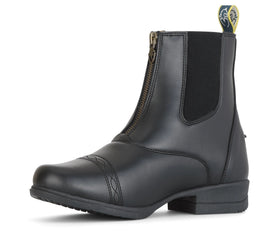
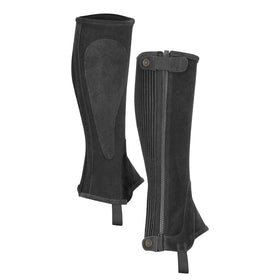
Paddock boots are the workhorses of the equestrian world. These short, ankle-high boots are incredibly versatile and perfect for everyday use. Whether you're doing barn chores, training in the arena, or just walking around the property, they offer comfort and durability. For riding, many people pair them with half chaps—leather or synthetic coverings that go over the calf. Ariat notes that many riders choose short boots with half chaps for comfort, and that where half chaps are allowed in competition, they should match the color of the boot. A synthetic pair like the Shires Moretta Clio Plus Paddock Boots paired with the machine-washable Shires Moretta Amara Half Chaps is a simple everyday setup. This combination gives you the grip and protection of a tall boot with the comfort and convenience of a short one, making it a popular setup for daily schooling.
Western Boots: Style and Function for the Ranch
Western boots are designed for the specific demands of ranch life and Western riding disciplines. They feature a taller, angled heel; Ariat describes it as designed for locking your feet into your stirrups. The tall shaft is there to protect your legs while riding. While they are essential pieces of horse tack, they're also built for long days on your feet. With their distinct style, often featuring decorative stitching, Western boots are as functional for working cattle as they are iconic.
Polo Boots: A Classic, Versatile Style
Polo boots are easily recognized by their classic brown leather and front-zip design, often secured with a buckle at the top. But they're more than just a style statement. Their style comes from the game of polo, and their sturdy front-zip construction makes them a durable option for riders in other disciplines as well. Their timeless look has also made them a popular choice outside the arena, blending traditional equestrian style with everyday fashion for a boot that is both functional and sophisticated.
Winter Riding Boots: Staying Warm in the Saddle
Cold weather shouldn't keep you out of the saddle, and a good pair of winter riding boots makes all the difference. These boots are specifically designed with insulation to keep your feet warm and often feature waterproof materials to keep you dry. Many also have chunkier soles for traction on the ground; just check that the sole still suits your stirrups before you ride in them. The best winter boots provide this warmth without adding too much bulk, so you can still feel your horse's sides and maintain proper contact. They ensure your feet stay comfortable and functional, whether you're schooling in a chilly arena or heading out for a crisp winter trail ride.
Best Boots for Beginners and Growing Kids
For new riders and kids, the most important features in a boot are safety and a proper fit. A perfect fit is a safe fit, and your boots should feel snug on the calf without pinching. A distinct heel matters just as much for kids as for adults, because it helps keep the foot from slipping through the stirrup. Paddock boots are an excellent choice for beginners because they are versatile and affordable. When paired with half chaps, they offer the support of a tall boot, and you can easily replace the chaps as a child grows. Synthetic options are also great as they are durable and easy to clean; Shires makes the Moretta Clio in faux leather that wipes clean with a damp cloth, in a range that runs from kids' to adult sizes.
Barn and Yard Boots for Everyday Chores
Every equestrian knows that time in the saddle is just a fraction of the time spent at the barn. For all the other tasks—mucking out, grooming, and turning out—you need a pair of tough, comfortable barn boots. These boots are built to handle mud, water, and daily wear and tear. Look for features like waterproof construction, grippy soles, and easy-on designs. The Shires Moretta Genoa XGRIP Boots, for example, combine a waterproof buffalo leather outer with a hidden waterproof membrane and Moretta's XGRIP sole, and Shires pitches them for outdoor work. Having a dedicated pair of barn boots not only keeps your feet comfortable and dry but also helps preserve your more expensive riding tack, keeping it clean and ready for your next ride.
Shop This Post

Featured in this article
Shires Moretta Clio Plus Paddock Boots - Black, Zip-Front Equestrian, Gently Used
$29.99
Shop Now →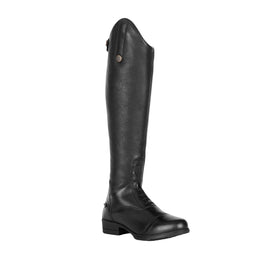
How to Match Your Boots to Your Riding Discipline
Your discipline sets the features you need, from heel height and sole grip to ankle flexibility and leg support. Using the right boot helps you communicate more clearly with your horse and keeps you safer in the saddle. Here is how boot styles line up with the most common kinds of riding, from the show ring to the trail.
Choosing the Right Boots for English Riding
For English riders, the choice generally comes down to two main styles: tall boots and paddock boots. Tall boots are the standard for shows, clinics, and formal lessons. They offer a clean, traditional look while providing excellent leg support and protection. They’re a must-have for competition, but they can be a bit warm and bulky for everyday use.
For daily training, lessons, and barn chores, a great pair of paddock boots is your best friend. These ankle-high boots are comfortable, durable, and easy to work in. When you pair them with half chaps, you get the grip and feel of a tall boot with more flexibility and breathability, making them an incredibly versatile option for any English rider.
If you compete, check your discipline’s rules before you buy. In dressage, for example, the USEF 2026 rulebook (DR120.1.6) lets riders at Fourth Level and below wear tall boots, or paddock or jodhpur boots with half chaps or garters that match the color of the boots and are made of smooth leather or a leather-like material. Above Fourth Level, tall English-style boots, dress or field boots, are required.
What to Look for in a Western Boot
Western riding calls for a boot that’s built for long hours in the saddle and on the ground. The classic cowboy boot is designed with a distinct, higher heel to prevent your foot from slipping through the stirrup—a critical safety feature. The sturdy construction protects your feet and lower legs from brush, critters, and the elements.
Within the world of Western boots, you’ll find different styles suited for specific jobs. For example, Ariat describes roper boots as having a short heel squared in the back and a rounded or square toe, which makes them comfortable for walking longer distances, while traditional cowboy boots with a taller heel are made for riding. Try both styles on to see which suits the way you spend your day.
Need a Do-It-All Boot? Try These for Eventing
If you’re an eventer or a rider who enjoys multiple disciplines like jumping and flatwork, you need a boot that can do it all. Flexibility and support are key. Many jumpers and eventers prefer field boots, which are tall boots with laces at the ankle. This design allows for more give and flexibility through the ankle, which is essential when you’re in a two-point position over fences.
Another extremely popular and practical choice is the paddock boot and half chap combination. This setup gives you the freedom of an ankle boot for flatwork and barn duties, plus the grip and support of a tall boot when you add the chaps for jumping. It’s a functional and cost-effective solution that offers the best of both worlds for riders who need their horse tack to be as adaptable as they are.
Boots for Trail Riding and Hacking
On the trail you spend time both in the saddle and on your feet: opening gates, leading over rough ground or walking beside your horse. You still need a distinct heel and a sole made for the stirrup, but you also want traction and water resistance for mud and wet grass. Hiking boots usually have the grip but a lugged tread that can catch in a stirrup, so look for a riding boot built for mixed ground instead. Shires says the Shires Moretta Pamina Country Boots, for example, have a Moretta AllTerrain riding sole profiled to be safe in the stirrup while giving traction over a variety of terrain, FLEXDRY water-repellent leather backed by an inner waterproof membrane and waterproof zip gussets, and Regular, Wide and Extra Wide calf fits. For a shorter hack or a lesson followed by barn chores, paddock boots with half chaps remain a practical choice.
Key Features for a Safe and Comfortable Ride
The best riding boots combine features that keep you safe in the saddle and comfortable on the ground. Think of yourself as an athlete choosing your most important piece of gear: function comes first. Here are the details to check.
How Do You Get the Perfect Fit?
The perfect fit is the foundation of a great riding boot. Your boots should feel like a second skin—snug against your leg but not so tight that they pinch or cut off circulation. A proper fit gives you a better feel for the horse and allows for precise leg cues. When you go to try on boots, wear the same breeches and socks you’d normally ride in; Ariat recommends clothing similar to what you ride in for the most accurate fit. Ariat also says new tall boots should be difficult to zip the first time and may feel mildly uncomfortable, and that the leather will stretch a bit with use, so a close fit from the start is key to long-term comfort and support.
Why Heel Height Is a Safety Feature
This is a non-negotiable safety feature. Your riding boots must have a distinct heel. Ariat explains that the heel helps reduce the chance of your foot slipping through the stirrup, and that competition boots need a distinguishable heel of no less than half an inch. A proper heel gives you a secure base and helps you maintain the correct foot position while riding. It’s a small detail that makes a huge difference in keeping you safe and secure in the saddle.
Leather vs. Synthetic: Which Is Better for You?
The material of your boot affects its durability, breathability, and break-in time. Traditional leather is a popular choice for its longevity and classic look; it molds to your leg for a custom-like fit. Stiffer leather is often preferred for competitions, while softer leathers are great for everyday riding. On the other hand, synthetic materials have come a long way. They often require little to no break-in period, are easier to clean, and can be more budget-friendly. Your choice really comes down to your priorities, budget, and how often you plan to be in the saddle. Our guide to leather riding boots compares genuine leather and synthetic boots in more detail, including black and brown leather.
What to Look for in a Boot's Sole
A good sole matters both in and out of the saddle. For riding, smoother is safer: Ariat notes that most competitions require a smooth sole so a rider's foot can slip out of the stirrup in a fall. A heavily lugged hiking-style tread can catch in a stirrup, so save chunky treads for barn and yard boots. Grip still matters on the ground, especially on wet or uneven surfaces, which is why many riders keep a separate pair of barn boots for chores and a pair of riding boots for the saddle.
Can You Ride in Everyday, Hiking or Fashion Boots?
It’s tempting to ride in boots you already own, but everyday footwear is rarely built for the stirrup. Riding boots combine two features most other boots lack: a distinct heel that helps stop your foot from sliding through the stirrup, and a smooth sole that lets your foot slip free in a fall. Hiking and work boots often have deep, lugged treads that can catch, sneakers have little or no heel, and fashion riding boots copy the look of a tall boot without always having the heel or sole of one. If you’re just starting out, a pair of paddock boots is an affordable way to get both features, and you can add half chaps for lessons.
The Little Details: Why Elastic and Insoles Matter
Modern riding boots often include features designed for all-day comfort. Look for boots with elastic panels, which usually run alongside the zipper. These panels allow for flexibility and movement, making the boots easier to put on and take off while ensuring a sleek fit around the ankle. Many boots also come with advanced insoles that provide cushioning and support, reducing fatigue in your feet and joints. These thoughtful details can make a significant difference, especially during long hours of training or showing.
Additional Features to Consider
Once you’ve settled fit, material and boot type, smaller details like the toe shape and spur rests can still make a difference to your comfort, the boot’s function and its look in the show ring.
Toe Shapes and Decorative Caps
Toe shape and toe caps are largely about style. You’ll find options from a classic rounded toe to a squared-off shape, and some riders find one shape fits their foot better. Toe caps, a stitched line of leather across the toe, are a traditional detail, especially on field boots, and help you present a polished picture in the show ring.
Spur Rests
A spur rest is a small but incredibly useful feature for riders who use spurs. It’s a small, built-in ledge on the back of the boot's heel designed to hold your spur securely in place. This simple addition prevents the spur from slipping down your heel as you ride, ensuring it stays in the correct position for clear and consistent communication with your horse. While not every boot has them, spur rests are a thoughtful detail that many riders look for; Shires lists non-slip spur rests on its Moretta Clio and Rosetta paddock boots, for example. It’s a functional feature that allows you to focus on your ride without having to worry about adjusting your equipment.
How Much Should You Spend on Riding Boots?
Riding boot prices vary widely. As they rise, you are usually paying for better leather, finer craftsmanship and a more refined fit, which can mean better support and a longer life. The most expensive boot isn’t always the right one, though: your ideal pair depends on your discipline, how often you ride and how the boot fits. You can compare styles in our riding boots collection.
What to Expect from Entry-Level Boots
If you’re new to riding or buying for a child who’s still growing, this is the place to start. You’ll mainly find synthetic paddock boots: durable, easy to wipe clean and quick to break in. They may not breathe or last like genuine leather, but they give you the essential safety features for lessons and casual riding.
Paddock Boots and Affordable Synthetics
In this budget-friendly category, paddock boots are the real standouts. The Shires Moretta Clio, for example, uses quick-clean faux leather with WickAway linings, ActiveFlex insoles and shock-absorbing rubber soles. These ankle-high boots are incredibly practical, designed to handle everything from mucking stalls to schooling sessions in the arena. Most are made from durable synthetic materials that are a dream for new riders—they wipe clean easily and don’t require a tough break-in period. When paired with a set of half chaps, they offer the grip and protection of a tall boot, making them a smart and versatile piece of equestrian gear for daily training. This combination gives you excellent functionality and comfort without the higher price tag of a full leather boot.
The Sweet Spot: Mid-Range Leather Boots
For the dedicated rider who spends several days a week at the barn, the mid-range category offers an excellent balance of quality and value. At this level, you’ll start to see boots made from genuine leather, which offers superior breathability, durability, and a fit that molds to your leg over time. These boots often include more advanced features, such as cushioned insoles, moisture-wicking liners, and more sophisticated construction for a polished look. This is the sweet spot for many amateur riders who want a reliable, comfortable, and long-lasting boot for both training and local shows. Tall boots such as the Moretta Lanciano, Gianna and Ortona, in field and dress styles for the show ring, sit in this middle tier.
Quality Leather and Durable Options
This is where you’ll find that genuine leather becomes the standard, and for good reason. Shires' Shires Moretta Rosetta Paddock Boots, for example, are full-grain leather with zip fronts, YKK zips and UltraFit ankle inserts. It’s a significant step up in terms of both durability and comfort. Unlike synthetic options, leather breathes and will gradually mold to the unique shape of your leg, creating a fit that feels custom-made. This investment pays off in longevity, as well-cared-for leather boots can last for years, making them one of the most reliable and essential pieces of your horse tack. You're not just paying for the material but for the improved craftsmanship that ensures your boots can handle the demands of regular riding.
When to Invest in Premium or Custom Boots
When you’re ready to invest in top-tier quality, the premium market offers boots crafted for serious competitors and discerning riders. These boots are typically made from high-end materials like full-grain calfskin leather, offering a buttery-soft feel and an elegant, streamlined appearance. You can expect exceptional craftsmanship, advanced comfort technology, and sometimes even the option for a custom fit. While the price is higher, these boots are built to last for years with proper care. Just remember that even at a premium price, fit is paramount. Always try boots on to ensure they’re comfortable and supportive right from the start. Many premium makers also offer semi-custom or full-custom fits; Parlanti and Dehner, for example, describe handmade and made-to-measure boots on their own sites.
What Reviews Can Tell You About Your Next Boots
Product descriptions don’t always give you the full picture. Reviews from riders who have put a boot to the test in the barn, on the trail and in the show ring fill in the gaps: how the boots hold up after a year of daily rides, whether the zipper is a pain, and how long the break-in really takes. Here is what to look for when you read them.
How Long Do They Really Last?
One of the biggest questions is whether a pricier pair of boots is a true investment or just a brand name. The consensus? A good pair of boots should last for many years, but quality is key. In reviews, look for comments about the longevity of the stitching, the durability of the sole, and the sturdiness of the zipper. When you see riders mentioning they’ve had their boots for five-plus years with regular use, that’s a great sign. On the flip side, if you notice a pattern of complaints about issues like heel slippage or uncomfortable insoles after just a few months, consider it a red flag. Investing in quality boots from the start often saves you money and frustration down the road. It's time to replace a pair when the leather is torn, especially on the inner calf, when the heel has worn down so far that it is no longer distinct, or when a broken zipper can't be repaired.
Durability Factors: Zippers, Laces, and Leather Type
Pay close attention to comments about zippers, laces and leather. Zippers are a common point of failure, so repeated complaints about breakages are a reason to be cautious, while laces, like those on field boots, are easier to replace than a zipper. Rider feedback will tell you whether a boot’s leather and hardware stand up to daily use better than any price tag can.
Red Flags: Common Complaints to Watch For
Even the most beautiful boot is useless if it leaves you with blisters. Fit is personal, but reviews can offer invaluable clues. Pay close attention when riders with a similar build to yours—whether you have wide calves, narrow ankles, or high arches—share their experiences. Many reviews will tell you if a brand tends to run large, small, or true to size. Common complaints often revolve around the ankle area being too baggy or the calf being too restrictive. Since there are so many styles of riding boots designed for different needs, and makers such as Shires and Ariat offer several calf widths and heights, reviews can help you match the right boot structure to your leg shape and riding discipline for a more comfortable fit right out of the box.
The Truth About the Break-In Period
Let’s be honest: breaking in new leather boots is rarely fun. But how much discomfort is normal? Reviews will give you a realistic timeline. Some boots feel great after a few rides, while others might take a month of dedication. Many experienced riders suggest having two pairs of boots: a tough, broken-in pair for daily schooling (your "workhorse" boots) and a more polished pair reserved for shows. This strategy saves your show boots from unnecessary wear and tear. When scanning reviews, look for tips from other riders on how they survived the break-in period. You’ll often find great advice, like wearing them around the house or using leather softeners to speed up the process. Our guide on how to break in leather riding boots walks through the process step by step.
How to Make Your Riding Boots Last for Years
How you care for your boots directly affects how long they last. Long-time owners often share in reviews which cleaners and conditioners work on a particular leather, and the riders whose boots last for years tend to have the same habits: regular cleaning, boot trees and dry storage. Here is what the makers recommend.
Proper Cleaning and Conditioning
Think of cleaning your boots as a cool-down routine. Ariat recommends wiping them down with a damp cloth or sponge after each ride to remove surface dirt, using a dedicated leather cleaner rather than household cleaners, and deep cleaning weekly if you ride daily. For conditioning, Ariat suggests a non-oil-based conditioner with a milky, creamy texture, worked in with small circular motions from the bottom of the boot up. Shires recommends Moretta shoe cream and a soft brush to bring polished leather back to a shine, with regular use of a leather conditioner. Keep conditioner and polish off any suede or nubuck panels. Synthetic boots are simpler: Shires says to wipe the Moretta Clio clean with a damp cloth and let it dry naturally away from any heat source.
The Right Way to Dry and Store Your Boots
How you dry and store your boots is just as important as how you clean them. Ariat's advice is to always let boots air dry, and to keep them out of direct heat and direct sunlight to avoid cracking. If a pair gets soaked, take out the insole, blot the water with something absorbent and leave them to air dry. Once they’re dry, use boot trees: Ariat recommends storing tall boots upright on boot trees, in a cool, dry, well-ventilated room, to help them keep their shape. A boot bag adds protection from scratches, scuffs and fading.
Zipper Maintenance Tips
A stuck or broken zipper can be a rider's worst nightmare, but a little preventative care goes a long way. Dirt and grit caught in the teeth are a common cause of sticky zippers, and Ariat's care guide specifically reminds riders to clean their zips. To prevent this, make it a habit to clean your zippers regularly with a small, soft brush—an old toothbrush works perfectly for this. Gently brush up and down the zipper line to dislodge any arena footing, dust, or grime. This simple, two-minute task will keep your zippers running smoothly and can save you from a costly repair down the road. It’s one of the easiest ways to protect your investment and ensure your boots are always ready for your next ride.
Essential Boot Care Accessories
Having the right tools makes boot care simple and effective. Besides boot trees, a boot jack is a fantastic accessory to have on hand. It allows you to remove your boots without having to bend, pull, or damage the heel counter. For travel or just keeping things tidy at the barn, a boot bag is great for protecting your boots from scuffs, dust, and moisture. Finally, invest in a quality leather cleaner and conditioner specifically designed for riding boots. Using the right products is essential for preserving the leather's integrity. These essential accessories are small investments that pay off by significantly extending the life of your boots.
A Step-by-Step Guide to Finding Your Perfect Fit
Finding a riding boot that fits like a glove is about more than just comfort—it’s essential for safety and performance. A boot that’s too loose can slip, while one that’s too tight can cause painful chafing and restrict your movement. Let's walk through how to measure correctly, choose the right dimensions, and decide if a custom boot is right for you.
How to Measure Your Calves the Right Way
Before you even look at a size chart, grab a soft measuring tape and a helper; Ariat says it's best to have someone else take your measurements for accuracy. Wear the breeches and socks you typically ride in. Sit in a flat, straight-backed chair with your feet on the ground and your knees bent at a 90-degree angle, then measure your foot, the width of your calf at its widest point, and the height from the floor to the bend behind your knee. Jot these numbers down and compare them to the specific brand’s sizing guide, as they vary.
When and How to Take Your Measurements
Measure both legs, since they are rarely identical: wrap the tape around the widest part of your calf for the width, and measure from the floor to the bend behind your knee while seated for the height. Some makers add an allowance for the boot dropping as it breaks in; Ariat, for example, adds one inch to the heel-to-knee measurement for its tall boots. Check the numbers against the brand’s own size chart, and if you are between sizes, Ariat suggests choosing the smaller of the two.
Getting the Width and Height Just Right
When you try on tall boots, they should come right up to the crease behind your knee. Don’t be alarmed if they feel a little too tall at first—leather tall boots drop down some as they break in around the ankle. For the calf, you’re looking for a snug, secure fit. Ariat says tall boots should fit snug around the calf, shouldn't be too easy to zip up, and shouldn't move around on your leg once zipped. The right pair of boots is a key part of your horse tack, so getting the fit right is worth it. If your calves are narrow and boots tend to gap, our guide to slim calf riding boots covers the widths and features that help.
Accounting for the "Drop" as Boots Break In
It might feel strange at first, but your new tall boots should sit right in the hollow of your knee, and yes, they might even feel a bit too tall. This is completely normal and actually a sign of a good fit. All leather boots go through a settling process known as the "drop." As the leather around the ankle softens and creases from riding, the overall height of the boot will decrease. How much a boot drops depends on the maker and the leather; Ariat builds an inch of drop allowance into its tall boot sizing. If you buy a pair that feels perfect in height from day one, they’ll likely end up too short once they’re broken in. Trust the process—that initial snugness at the knee will give way to a perfect, custom-like fit that supports your leg without getting in the way of your ride.
Is a Custom Fit Worth It for You?
If off-the-rack boots never seem to match your foot and calf measurements, a custom boot made to your exact measurements can solve rubbing and pressure points, especially around the ankle. It costs more and takes longer to make, but for riders who can’t get a comfortable fit from standard sizing, it can be worth it.
Troubleshooting Common Fit Issues
Even with careful measuring, a new pair sometimes isn’t quite right. Whether your boots feel too snug, a little loose or don’t suit your calf shape, most common fit problems have straightforward fixes.
What to Do if Your Boots Are Too Tight or Loose
When you first zip up a new pair of leather boots, they should feel very snug. It might even feel a bit uncomfortable, with the top of the boot sitting right in the hollow of your knee. This is completely normal. Quality leather boots are designed to "settle" and will drop down some as the ankle breaks in. If they feel slightly too tight, give them some time. However, if they are genuinely painful, a professional cobbler can often stretch them for you. On the other hand, if your boots are too loose and slip down your leg, a specialist may be able to tighten them for a more secure fit.
Finding the Right Fit for Wider Calves
Finding an off-the-rack boot that fits a wider calf can be a challenge, but it's definitely not impossible. Many brands now offer several calf widths; Shires, for example, makes several Moretta tall boots in Extra Slim, Slim and Regular calf fits, so be sure to check the specific sizing charts. When you try on a pair, remember that they should feel quite tall at first, reaching the crease behind your knee. As the leather breaks in, they will drop into the perfect position. If standard sizes still aren't working, don't get discouraged. This is where getting advice from an expert can make all the difference. Investing in a partial custom-made boot can be a fantastic solution, giving you a perfect fit without the full custom price tag. The right piece of equestrian gear should feel like it was made for you.
Before You Buy Your Riding Boots
A great pair of riding boots doesn’t have to cost top dollar, but it does have to fit. Where you shop and how you check the fit before you commit both make a difference.
Should You Buy Riding Boots Online or In-Store?
Deciding where to buy your boots is the first step. Shopping at a local tack shop allows you to get a professional fitting and feel the leather firsthand, which is a huge plus for getting the fit just right. The trade-off can be a smaller selection on the shelf.
Online stores typically offer a wider variety of brands and styles. You can easily compare different boots and read reviews from other riders. The key to successful online shopping is taking accurate measurements of your foot and calf. Once you have your numbers, you can confidently browse a wide selection and find the right pair from the comfort of your home.
Check the Details Before You Buy
This might be the most important tip of all, especially when buying online. Before you click "purchase," read the store's policies so you know your options if the boots don't fit, and keep the boots clean and unworn outdoors until you are sure of the fit. Try them on at home in your riding breeches and socks, zip them fully, and sit in a chair with your knees bent to check the height at the back of the knee. A careful check at this stage is the best way to end up with a pair you'll ride in for years.
At Hooves and Paws, our company history is rooted in a family business that started with horses. If you are unsure about sizing for a pair you are considering, reach out to us before you order.
Related Articles
- The Ultimate Guide to Tendon Boots for Your Horse
- Elevate Your Ride: Discover the Unmatched Comfort and Durability of Shires Moretta Clio Plus Paddock Boots
- Leg Protection Boots: A Complete Rider's Guide
- How to Choose the Best Horse Riding Boots
- Best Women's Tall Leather Riding Boots for Fit & Style
- 5 Best Women's Riding Boots with a Heel
- English Riding Boots: A Complete Buyer's Guide
- The Ultimate Guide to Paddock Riding Boots
- Best Socks to Wear with Riding Boots
- Riding Boots Collection
Frequently Asked Questions
I have wider calves and always struggle to find tall boots that fit. What are my options?
This is a common challenge, but you have options. Many brands offer their tall boots in several calf widths and heights, so always check the specific size chart; Shires, for example, makes several Moretta tall boots in Extra Slim, Slim and Regular calf fits, and Ariat sells height and calf options. Also look for boots with a full-length elasticized panel next to the zipper, which adds stretch. If you've exhausted those avenues, a custom boot from a maker that builds to your measurements might be the right solution.
My new leather boots are so stiff! Any tips for breaking them in?
The break-in period is a rite of passage for every equestrian. Wear your new boots around the house for short periods to help the leather start molding to your feet and ankles. Ariat notes that letting boots warm up softens the leather and helps it mould to your legs, and that a quality conditioner keeps the leather supple. If new boots cause real pain rather than snugness, they may be too small, so check the fit before you ride in them.
Can I wear my paddock boots for both barn work and riding?
Absolutely. Paddock boots are the ultimate multitaskers in an equestrian's wardrobe. They are durable and comfortable enough for daily chores like mucking stalls and grooming. When you're ready to ride, you can simply add a pair of half chaps. This combination gives you the grip and leg protection of a traditional tall boot with the convenience and comfort of an ankle boot, making it a popular setup for everyday training.
What's the real difference between field boots and dress boots?
It really comes down to one key detail: the laces. Field boots have laces at the ankle, which provide extra flexibility. This suits jumpers and eventers who need more give in the ankle when they shorten their stirrups for fences. Dress boots have no laces, creating a sleek, formal, uninterrupted line down the leg, and they are usually stiffer, which dressage riders prefer for a polished, traditional look in the show ring.
Do you need special boots for horseback riding?
Yes, ride in boots made for riding. They have two safety features everyday footwear usually lacks: a distinct heel that helps keep your foot from sliding through the stirrup, and a smooth sole that lets your foot come free in a fall, which Ariat notes most competitions require. If you plan to show, the heel is part of the rules too: the dressage chapter of the USEF 2026 rulebook (DR120.1.6) says boots or shoes worn while riding anywhere on the competition grounds must have a distinguishable heel. Paddock boots, with half chaps for lessons, are an affordable way to start.


