


As horse owners, we make countless small decisions to ensure our animals are safe, sound, and comfortable. Choosing to use bell boots is one of the smartest and most cost-effective of those decisions. For a small initial cost, you get a powerful tool that prevents painful overreach injuries and saves you from the expense and hassle of emergency farrier calls for pulled shoes. They provide invaluable peace of mind, whether your horse is enjoying turnout or working hard in the arena. With a fantastic selection of horse bell boots online, it’s easier than ever to invest in your horse’s daily well-being and protect them from preventable injuries.
Key Takeaways
- Guard Against Overreaching: Use bell boots to create a protective barrier that absorbs impact from the hind hooves, effectively preventing cuts on the heel bulbs and saving front shoes from being pulled off.
- Match the Boot to Your Horse's Needs: Select the ideal bell boot by considering its use; durable rubber works well for turnout, soft neoprene is great for sensitive horses, and no-turn styles offer security during intense activity.
- Measure for a Perfect Fit: Ensure your bell boots are effective and safe by measuring your horse's pastern and hoof circumference; a proper fit should be snug enough to stay put but have enough room to avoid chafing.
What Are Bell Boots and Why Does Your Horse Need Them?
If you’ve ever dealt with a pulled shoe or a nick on your horse’s heel, you know how frustrating and concerning it can be. Bell boots, sometimes called overreach boots, are a simple and effective piece of equipment designed to prevent these exact problems. Think of them as a protective helmet for your horse’s hooves. They fit over the hoof and cover the pastern and coronary band, providing a crucial layer of defense against self-inflicted injuries.
This simple piece of gear is a staple in almost every tack room for a good reason. Whether your horse is a top-level athlete or simply enjoys a good romp in the pasture, bell boots are an essential part of their wardrobe. They are a small investment that can save you from costly vet bills and farrier visits down the road, all while keeping your horse comfortable and sound.
Prevent Overreaching Injuries
The main job of a bell boot is to prevent injuries from "overreaching." This happens when a horse’s back hoof strikes the heel of the front hoof as it moves. This can cause everything from minor scrapes to serious cuts on the sensitive heel bulbs and coronary band. A bad overreach can lead to lameness and a long recovery time.
Beyond protecting the hoof itself, bell boots are also fantastic for preventing pulled shoes. When that back hoof comes forward, it can easily catch the back of the front shoe and pull it right off. Bell boots provide a durable barrier that absorbs the impact, saving the shoe and your wallet. They are a key piece of horse boots and leg protection that offers peace of mind.
Know When to Use Bell Boots
One of the best things about bell boots is their versatility. They aren't just for one specific discipline or activity; many horses can benefit from wearing them in various situations. You might use them during training sessions or lunging, especially when asking for more complex movements where your horse might get a little disorganized with their feet.
Many owners also use them for daily turnout. A horse feeling playful in the pasture can easily overreach while running and bucking. Bell boots provide that extra security so you don't have to worry. They are also commonly used during shipping or for performance horses in demanding events like jumping or reining. Essentially, any time your horse might be at a higher risk of clipping their front heels, a pair of bell boots is a smart choice.
Find the Right Style of Bell Boot for Your Horse
Walking into a tack store or browsing online for bell boots can feel a little overwhelming with all the choices available. But the good news is that this variety means there’s a perfect solution for every horse and situation. Bell boots are not a one-size-fits-all accessory. The right style depends on your horse’s sensitivity, your daily routine, and the type of riding you do. The main differences come down to the material they’re made from and how they fasten around the pastern.
From classic, durable rubber for daily turnout to soft, flexible neoprene for sensitive-skinned horses, the material makes a big difference in terms of durability, comfort, and care. You’ll also find specialized designs, like no-turn boots, that are engineered to stay perfectly in place during intense activity. Finally, you’ll need to decide between the convenience of Velcro closures and the unbeatable security of pull-on boots. Understanding these key differences will help you confidently choose the best horse boots and leg protection to keep your horse safe and sound.
Rubber
Rubber bell boots are the timeless, go-to choice for many horse owners, and for good reason. They are incredibly durable and budget-friendly, making them a practical option for everyday protection. Made from sturdy rubber, these boots are designed to withstand the rigors of daily turnout, training rides, and competition, helping to guard your horse’s heels and prevent pulled shoes. While they are tough, some traditional rubber styles can be a bit stiff. For most horses this isn’t an issue, but if your horse has particularly sensitive skin, you might want to keep an eye out for any signs of rubbing when you first introduce them.
Neoprene
If your horse has sensitive skin or you need a boot for long hours of wear, neoprene is an excellent material to consider. Neoprene is a soft, flexible, and lightweight synthetic rubber that conforms nicely to the horse’s pastern, reducing the chance of rubbing or chafing. This makes them a comfortable choice for everything from long trailer rides to extended turnout. While they offer great comfort and a snug fit, they may not be quite as indestructible as their heavy-duty rubber or ballistic nylon counterparts. They can also hold moisture, so it’s a good idea to take them off and let them dry out regularly.
No-Turn
There’s nothing more frustrating than a bell boot that spins around, leaving the heel bulbs exposed or the closures in a vulnerable spot. That’s where no-turn bell boots come in. These boots are cleverly designed to stay exactly where you put them. They typically feature a small, raised bulb or an anatomical shape on the interior that fits snugly into the groove of your horse’s heel. This simple feature prevents the boot from rotating, ensuring consistent protection right where it’s needed most. No-turn styles are a favorite among performance riders in disciplines like jumping, reining, or cross-country, where a spinning boot is the last thing you want to worry about.
Pull-On vs. Velcro
When it comes to fastening your bell boots, you have two main choices: traditional pull-ons or convenient hook-and-loop closures (Velcro). Velcro boots are by far the easiest and quickest to put on and take off, which is a huge plus for daily use. However, the tradeoff for convenience is that Velcro can get clogged with mud, burrs, and arena footing, causing it to lose its grip over time. Pull-on boots, on the other hand, offer maximum security. Once they’re on, they’re on for good, with no straps to come undone. The downside? They can be quite a workout to pull over the hoof. The best choice really comes down to your priorities and your horse’s environment.
Shop This Post

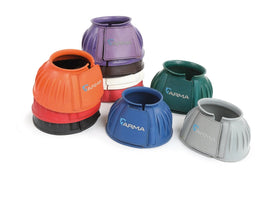
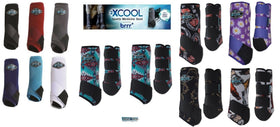
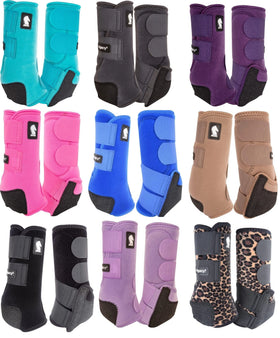
Get the Perfect Fit for Your Horse
Finding the right style of bell boot is only half the battle; ensuring it fits correctly is what truly protects your horse. A boot that’s too loose can trip your horse or get lost in the pasture, while one that’s too tight can cause rubbing and discomfort. Taking a few moments to measure will give you peace of mind and ensure the boots can do their job effectively. A proper fit means the bell boot should cover the entire hoof, down to the heel, with just enough room to fit one finger between the boot and the pastern.
How to Measure for Bell Boots
To get an accurate measurement, grab a soft measuring tape. You’ll want to measure the circumference of your horse's pastern, right where the boot will sit. Then, measure the circumference of the hoof at its widest point, which is usually just above the coronary band. It’s a good idea to measure both front and hind hooves, as their sizes can differ. Once you have these numbers, you can compare them to the manufacturer’s sizing chart. Having these measurements on hand makes it much easier to shop our full collection of horse boots and leg protection with confidence.
Account for Stretching
Keep in mind that many bell boots, especially those made from rubber or neoprene, will stretch a bit over time. When you first try them on your horse, they should be snug but not restrictive. This initial snugness allows the material to relax into a perfect custom fit with use. If you’re buying for a young horse that is still growing, this is an even more important factor to consider. A little bit of give ensures the boots will remain comfortable and effective as they break in and as your horse matures.
Avoid Common Sizing Mistakes
One of the most frequent mistakes is assuming that all horses of the same breed will wear the same size bell boot. Every horse is an individual, and factors like hoof shape, wear patterns, and even the type of work your horse does can influence the best fit. A boot that works for quiet turnout might not be suitable for intense training sessions. Don’t just rely on a single measurement or your horse’s breed. Taking a more complete approach by considering your horse’s unique conformation and activity level will help you avoid discomfort and find the perfect pair.
What to Look for When Buying Bell Boots
Once you’ve decided on the right style and size for your horse, a few final details can make all the difference. The best bell boots are the ones that hold up to daily use, keep your horse comfortable, and don’t create extra work for you. Thinking about the material, fit, and ease of care will help you choose a pair that you and your horse will love. These factors ensure the boots provide consistent protection without causing rubs or falling apart after a few rides.
Durable Materials
Bell boots have a tough job. They are designed to absorb impact from a horse stepping on their own front feet, a habit known as overreaching. This action protects the sensitive heel bulbs and coronary band and can even prevent your horse from pulling off a front shoe. Because they take a direct hit, the material needs to be incredibly tough. Look for options made from heavy-duty rubber, neoprene, or ballistic nylon that can withstand repeated strikes and resist tearing. A durable pair of boots will save you money in the long run and give you peace of mind that your horse is protected.
Comfort and Padding
A boot is only effective if your horse can wear it comfortably. For horses with sensitive skin, this is especially important. Constant rubbing can lead to hair loss or sores around the pastern. Many bell boots come with extra padding to prevent this. A soft fleece lining around the top edge is a popular feature that provides a comfortable cushion against your horse’s skin. This small detail makes the boots much more pleasant for your horse to wear, whether it’s for a short training session or all-day turnout.
A Secure, No-Turn Fit
Have you ever noticed a bell boot spinning around your horse’s hoof? While it might still offer some protection, it’s not ideal. For targeted protection over the heel bulbs, you need the boot to stay put. This is where “no-turn” bell boots come in. These boots are designed with a small, contoured bulb on the inside that fits snugly into the hollow of your horse’s heel. This simple feature prevents the boot from rotating, ensuring the reinforced part is always exactly where it needs to be to absorb impact. It’s a smart design that provides reliable and consistent coverage.
Easy Cleaning and Maintenance
Let’s be honest, horse equipment gets dirty. Bell boots live in the mud, sand, and manure, so easy cleaning is a huge plus. Smooth materials like rubber and PVC are the simplest to maintain; you can just hose them off and they’re good to go. Boots with fleece or other fabric linings are comfortable but will require a little more effort to wash and dry completely. The color can also play a role in maintenance. While a bright white or purple pair might look sharp, darker colors are much better at hiding dirt and stains between cleanings.
Customer Reviews and Return Policies
Before you make a final decision, see what other horse owners have to say. Customer reviews offer real-world insight into how a pair of boots holds up over time. Look for comments on durability, whether they caused rubs, and if the sizing was accurate. When you browse a collection of horse boots and leg protection, take a moment to read what other riders are saying. Finally, always check the return policy. A company with a great satisfaction guarantee, like our 365-day policy at Hooves and Paws, gives you the confidence to try a new product without the risk.
Trusted Bell Boot Brands
When you’re buying gear to protect your horse, you want to feel confident in your choice. While there are countless options on the market, a few brands consistently stand out for their commitment to quality, durability, and smart design. Choosing a trusted brand means you’re getting a product that has been tested in real-world conditions and is built to last, giving you peace of mind and saving you money in the long run. These companies have earned their reputations by listening to horse owners and creating protective horse boots that truly perform.
Two of the most respected names in the industry are Weaver Equine and Classic Equine. Both are known for producing reliable bell boots that equestrians turn to again and again, whether for daily turnout, trail riding, or intense competition. They understand that a good bell boot needs to do more than just cover the hoof; it needs to fit securely, withstand wear and tear, and provide dependable protection without causing rubs or irritation. By focusing on high-quality materials and functional designs, these brands have become go-to choices for horse owners who refuse to compromise on safety and quality.
Weaver Equine
Weaver Equine is a name that’s synonymous with durability and reliability. If you’re looking for a tough, no-nonsense bell boot that can handle the demands of daily use, this is a brand to consider. Weaver’s products are known for their heavy-duty construction, often using high-grade rubber and secure closures that stay put, even during turnout. They design their boots to provide excellent overreach protection that you can count on, whether your horse is in the pasture or the arena. For many riders, Weaver bell boots are the dependable workhorses of their tack room, offering a great balance of quality and value that’s hard to beat.
Classic Equine
Classic Equine is another top-tier brand, celebrated for its focus on performance and innovation. They work closely with professional horsemen to develop products that meet the needs of high-level equine athletes, but their gear is perfect for any horse. Classic Equine bell boots are engineered to offer maximum protection without hindering your horse’s natural movement, making them a favorite in demanding disciplines like reining and barrel racing. They often feature advanced materials and anatomical shaping for a superior fit that prevents rubs and stays in place. With Classic Equine, you’re investing in a product designed for both safety and peak performance.
How to Care for Your Bell Boots
Just like any other piece of tack, your horse’s bell boots need a little care to keep them in top shape. A consistent cleaning routine not only extends the life of the boots but also prevents skin irritation on your horse’s pasterns. By keeping them clean and regularly checking for wear, you ensure your horse gets the best possible protection every time you use them. It’s a simple step that makes a big difference in their comfort and your peace of mind.
Cleaning Tips for Different Materials
Keeping bell boots clean is pretty straightforward, but the right method depends on the material. For durable rubber boots, a quick rinse with a hose after each ride is often enough to remove dirt. If they’re caked in mud, use a soft brush and some mild soap, then let them air dry completely. Neoprene boots are just as easy; simply wipe them down with a damp cloth. For a deeper clean, use a gentle soap and sponge, rinse thoroughly, and let them dry away from direct sunlight, which can cause the material to fade and crack over time. Fleece-lined boots require a bit more attention. Shake them out after every use and hand wash the fleece with a mild detergent to keep it soft and prevent matting.
Know When It's Time for a New Pair
Even the most durable bell boots won’t last forever. It’s important to inspect them regularly for signs that they need to be replaced. Look for any cracks, tears, or areas where the material is thinning, as this compromises their ability to protect your horse. Pay attention to the fit as well. If the boots start to rub, cause chafing, or become difficult to put on, they may have stretched or shrunk and no longer fit correctly. Finally, if your horse is constantly losing a boot in the turnout or during a ride, it’s a clear sign the closure system is failing. When you notice these issues, it’s time to find a replacement. You can explore a new pair from our collection of horse boots and leg protection to ensure your horse stays safe and comfortable.
Find the Perfect Bell Boots for Your Horse
Choosing the right bell boots comes down to one thing: what does your horse need? With so many styles, materials, and features, the best choice is the one that fits your horse’s lifestyle and provides the right protection. Think about whether you need them for daily turnout, intense training sessions, or trail riding. Your horse’s specific activities will guide you toward the perfect pair.
The main job of a bell boot is to protect the soft, sensitive areas of the hoof, like the heel bulbs and coronary band. They are essential for preventing overreaching injuries, which happen when a horse clips its front heel with a back hoof. This simple piece of gear can save you from dealing with painful injuries and vet bills. Whether your horse is in the pasture or the arena, a good pair of bell boots offers invaluable peace of mind.
While protection is the priority, comfort is just as important. A boot that rubs, slips, or restricts movement isn't going to do your horse any favors. The best horse boots and leg protection allow for natural movement while still doing their job. As the team at Classic Equine notes, quality boots are engineered to support your horse's stride, not hinder it. By considering the fit, material, and closure type, you can find a durable and comfortable option that keeps your horse safe and sound.
Related Articles
Frequently Asked Questions
Can my horse wear bell boots all the time, like for 24/7 turnout? While many horses live in bell boots during turnout, it's best to remove them daily. This gives you a chance to check your horse's pasterns for any signs of rubbing or irritation. It also allows you to clean the boots and your horse's skin, preventing fungus or bacteria from building up in the warm, moist environment under the boot.
How do I know if the bell boots fit correctly once they're on my horse? A well-fitted bell boot should cover the entire hoof wall down to the heel, just touching the ground behind the hoof when your horse is standing still. The top opening should be snug enough that it doesn't spin freely, but you should still be able to comfortably slide one finger between the boot and your horse's pastern.
My horse has sensitive skin and keeps getting rubs. What should I do? Rubbing is a common issue, but it's usually solvable. First, double-check the fit to make sure the boot isn't too tight or too loose. If the fit is right, the material is likely the problem. Try switching to a boot made from a softer material, like neoprene, or look for a style that has a soft fleece lining around the top edge to provide extra cushion.
What's the real difference between pull-on and Velcro bell boots? It really comes down to a trade-off between convenience and security. Velcro boots are incredibly easy to put on and take off, which is great for daily use. However, the Velcro can get clogged with mud and lose its grip over time. Pull-on boots are much more secure since there are no fasteners to fail, making them a favorite for horses that are tough on their gear or live in muddy pastures. The downside is that they can be a real struggle to get on and off.
How often should I replace my bell boots? There isn't a set timeline, as the lifespan of a bell boot depends entirely on the material, how often it's worn, and your horse's specific way of moving. Instead of following a calendar, inspect them regularly for signs of wear. Look for cracks in the rubber, tears in the material, or Velcro that no longer sticks securely. Once a boot is compromised, it's time for a new pair from our collection of horse boots and leg protection to ensure your horse stays protected.


