


Think of a quality pair of horse boots as an investment in your horse's long-term soundness. It’s about more than just looks—it’s about protecting them from injury and ensuring their comfort during every ride. With so many innovative designs and new materials available, picking the right pair can feel overwhelming. This guide cuts through the noise. We'll help you understand which options best suit your horse’s needs, so you can make a smart choice for their health and performance.
This essential guide breaks down the different types of horse boots, how to achieve the perfect fit, and what materials to look for. Whether you ride for pleasure or competition, you will discover the latest trends and expert tips to help you select the ideal boots for any discipline.
Ready to protect your horse and enhance their performance? Let’s get started.
What Do Horse Boots Actually Do?
Horse boots play a vital role in modern equine care, offering targeted protection and support for horses of all disciplines and activity levels. As equestrian sports continue to evolve, understanding the functions of horse boots is essential to ensure your horse’s health and peak performance.
What Are Horse Boots Called?
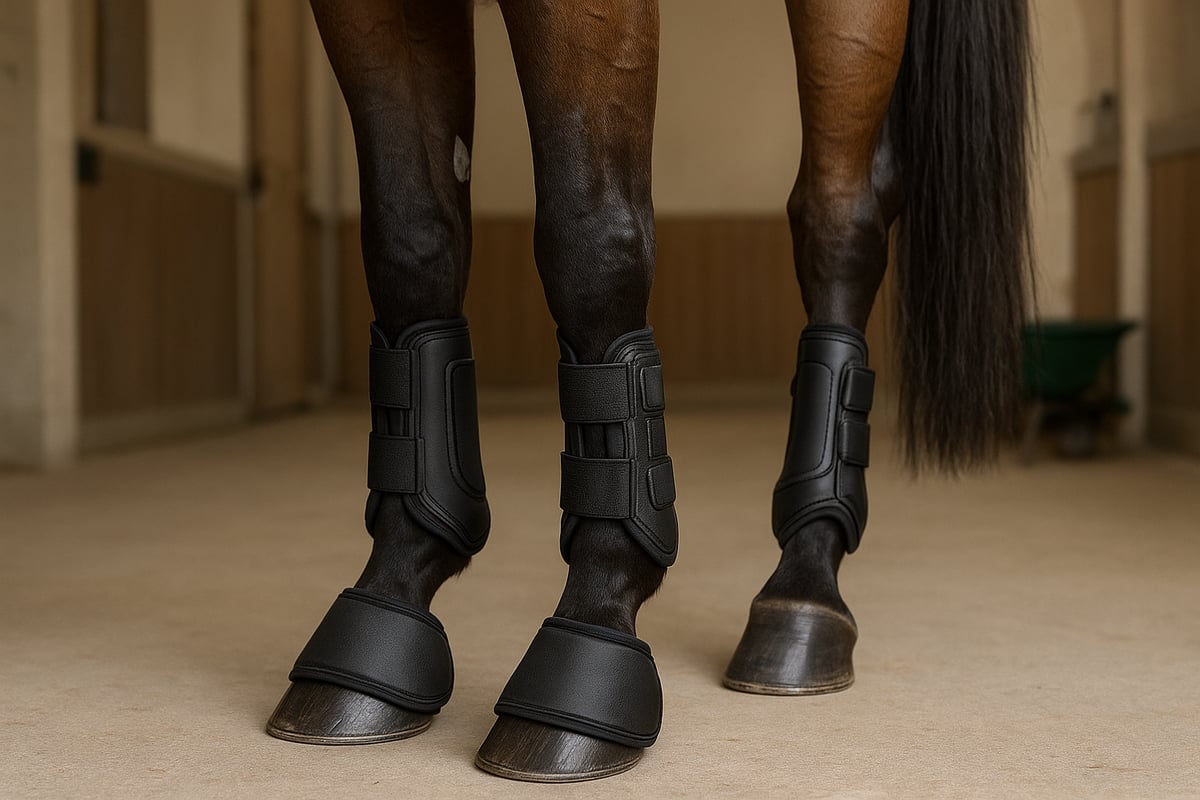
Horse boots go by many names, and each type is designed for a specific job. Understanding what they're called and what they do is the first step to choosing the right protection for your horse, whether you're schooling in the arena or heading out on the trail. Getting familiar with the terminology will help you make a confident and informed decision for your equine partner.
One of the most common types is the brushing boot. These boots are designed to protect the inside of the horse's lower leg, particularly the fetlock joint, from being struck by the opposite hoof during movement. They act as a durable shield against bumps and scrapes. Another essential type is the bell boot. Shaped like a bell, they fit over the entire hoof to protect the heel and coronet band. They are crucial for horses that tend to "overreach," which is when a hind hoof steps on the back of a front hoof, potentially causing injury or pulling off a shoe.
For more comprehensive coverage, especially in disciplines like dressage, riders often use leg protectors. These boots are typically softer and cover more of the leg, offering general protection and support for the tendons and ligaments. Knowing the difference helps you select the best horse tack to keep your partner safe, comfortable, and performing at their best.
How Boots Support Your Horse's Health
Horse boots are designed to serve multiple protective and supportive functions for your horse’s legs. Their primary roles include:
- Shielding against impact, abrasions, and overreach injuries.
- Supporting tendons, ligaments, and joints during exercise.
- Preventing interference injuries such as brushing or striking.
- Regulating temperature and absorbing shock during intense activity.
- Assisting in rehabilitation and injury recovery.
Research highlights that proper use of horse boots can reduce soft tissue injuries by up to 30%. This reduction is critical for performance horses, where even minor injuries can lead to extended downtime. For instance, eventing horses rely on horse boots during cross-country phases to prevent painful lacerations from obstacles and rough terrain.
Selecting the right horse boots is not just about protection. It’s about promoting long-term soundness and confidence in every stride. To explore more about how the right boots enhance your horse’s safety and performance, see the Ultimate Guide to Leg Protection.
When Should You Use Horse Boots?
The need for horse boots can vary depending on your horse’s daily routine and discipline. Everyday riding, turnout, competition, and travel each present unique risks. For example, a horse may require specific boots for protection while jumping, yet need different support during turnout or transportation.
Recognizing when your horse needs boots is crucial. Look for signs such as interference marks, swelling, or a history of leg injuries. Veterinarians often recommend horse boots for horses recovering from injury or those prone to interference. However, it is important to remember that boots are not a substitute for correct training or conditioning.
Maintaining proper boot hygiene is essential to prevent skin infections and irritation. Clean and inspect horse boots regularly, especially after muddy or wet conditions. According to industry statistics, 60% of performance horses use boots routinely as a preventive measure, highlighting their importance in everyday injury prevention.
Horse boots are a cornerstone of equine care, supporting both protection and performance when used thoughtfully and maintained with care.
A Guide to the Different Types of Horse Boots
Selecting the right horse boots is crucial for your horse’s comfort, safety, and performance. With a variety of designs available, understanding the differences helps you make informed choices tailored to your horse’s specific needs.
Brushing Boots
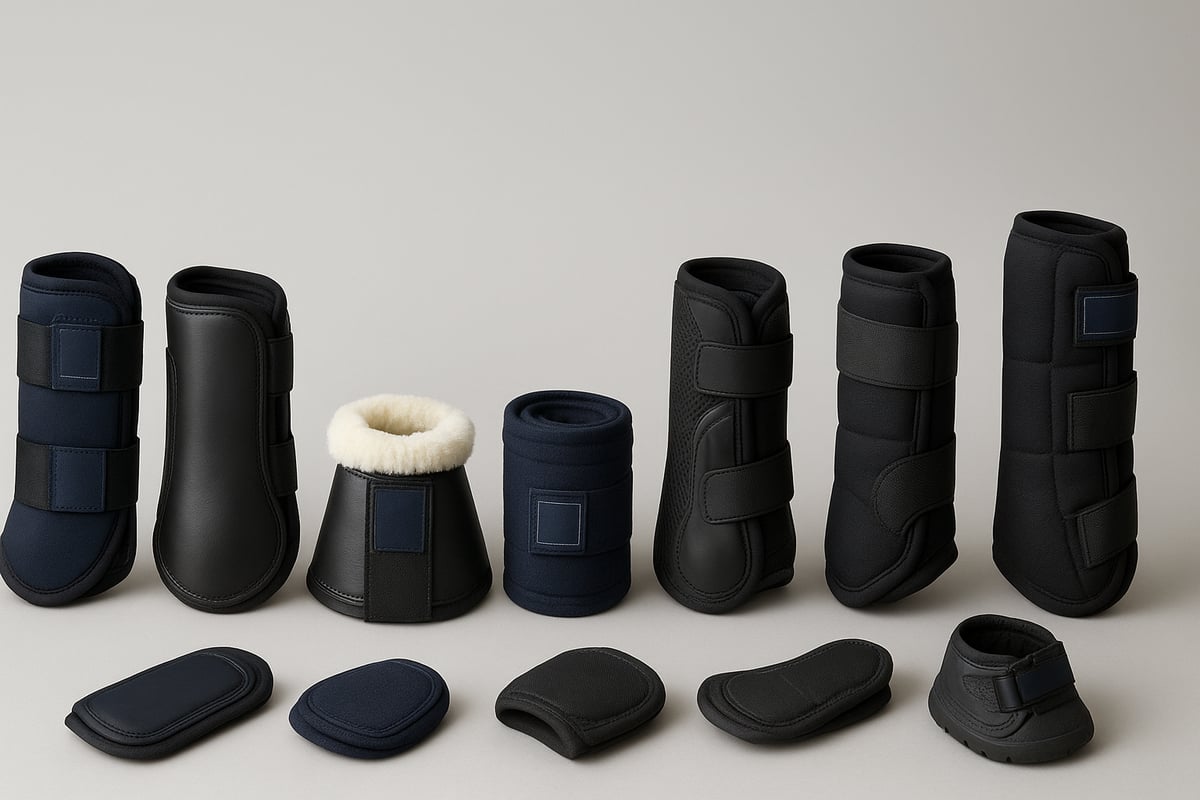
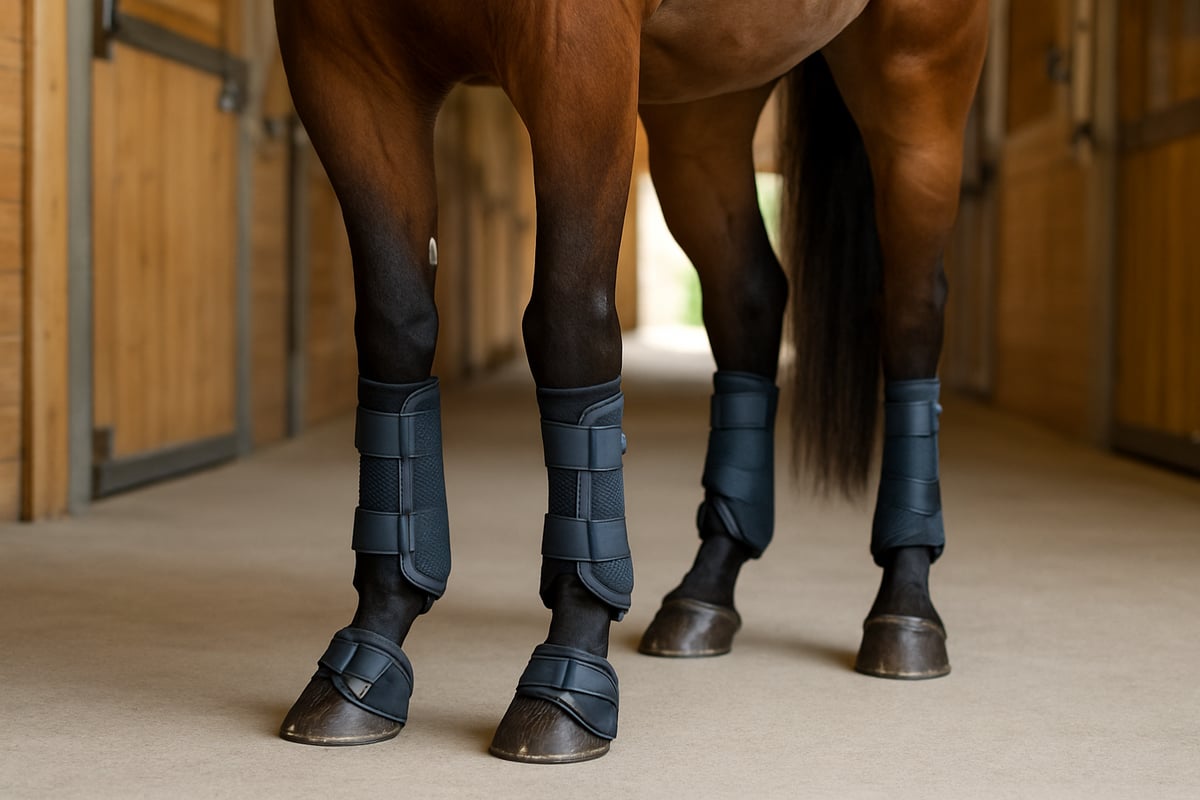
Brushing boots are designed to shield the inside of a horse’s legs from brushing injuries, which occur when one leg strikes the other during movement. These boots are commonly used during schooling, hacking, and light jumping. They feature adjustable straps for a secure fit and are typically constructed from neoprene or polyurethane for durability and flexibility.
Mesh brushing boots offer enhanced breathability, making them ideal for warmer conditions. Regular use of brushing boots can help minimize the risk of minor cuts and abrasions, especially in horses prone to interference.
Tendon and Fetlock Boots
Tendon boots protect the front legs, particularly the tendons, during jumping and high-speed work. Fetlock boots are designed for the hind legs, guarding against interference injuries. Both types offer anatomical shaping and reinforced strike zones for maximum protection.
A study found that 80% of show jumpers rely on tendon boots in competition, underscoring their importance. These horse boots are favored for their secure closures and lightweight materials, allowing free movement without sacrificing safety.
Bell Boots (Overreach Boots)
Bell boots, also known as overreach boots, are essential for preventing overreach injuries and avoiding shoe loss. They cover the hoof and bulbs of the heel, offering protection during turnout and fast-paced activities.
Available in rubber, synthetic, and fleece-lined options, bell boots suit a range of conditions and sensitivities. For example, Shires Pull-On Ribbed Bell Boots are popular for their easy application and secure fit. These horse boots are especially helpful for horses with a history of overreaching.
Polo Wraps and Bandages
Polo wraps and bandages provide light support and protection during flatwork, polo, and certain western disciplines. Unlike rigid horse boots, wraps require proper application to avoid pressure points or uneven support.
They are typically made from soft, stretchable fleece, offering a customizable fit. While they do not offer impact resistance like other horse boots, polo wraps are valued for their versatility and comfort, especially in controlled environments.
Specialty Boots: Cross Country, Therapy & Shipping
Specialized horse boots are tailored for specific needs. Cross country boots provide maximum protection and water resistance for demanding courses. Therapy boots, such as magnetic or ice boots, support recovery and rehabilitation by improving circulation or reducing inflammation.
Shipping boots offer full leg coverage for transport, preventing bumps and scrapes. For example, Professionals Choice SMBII Medicine Boots combine support and protection, making them a favorite for both therapy and performance. You can explore a wide range of specialized options in the Horse Boots and Leg Protection Collection.
Pastern Wraps and Hoof Boots
Pastern wraps supply extra protection to the sensitive pastern area, often used in conjunction with other horse boots for horses prone to injury. Hoof boots act as an alternative to traditional horseshoes, protecting hooves during turnout or while recovering from injuries.
These boots are made from durable, flexible materials and are easy to apply and remove. Hoof boots are especially beneficial for barefoot horses or those transitioning from shoes, offering comfort and protection across various terrains.
A Closer Look at Hoof Boots for Barefoot Horses
For horse owners who keep their horses barefoot, hoof boots are a game-changer. They offer temporary protection that shields the sole from rough terrain without the permanence of metal shoes. Think of them as rugged hiking boots for your horse. They provide the freedom of being barefoot in the pasture with the protection needed for rocky trails, gravel roads, or therapeutic support. This flexibility makes them an increasingly popular choice for trail riding, endurance, and rehabilitation.
Common Uses: From Trails to Therapy
The primary job of a hoof boot is to protect a barefoot horse's hooves during work. High-performance models, like those from Renegade®, are specifically engineered to endure tough rides, staying securely in place without twisting or causing rubs. This makes them ideal for trail riders who encounter varied and challenging terrain. Beyond performance, hoof boots are also a vital tool for therapeutic purposes. They can provide comfort and protection for a horse recovering from an abscess, managing laminitis, or transitioning from metal shoes to being barefoot, offering relief for sensitive soles.
Durability and High-Performance Models
When investing in hoof boots, durability is a key factor. After all, you want a boot that can keep up with your adventures. Many high-quality models are built to last, with some riders reporting they get between 400 and 1,000 miles of use out of a single pair. For serious endurance competitors, some boots have been known to last for 500-600 miles of intense racing. With proper care, some owners have even had the same pair for over a decade. This impressive lifespan makes them a cost-effective and reliable part of your horse tack collection.
Finding the Perfect Fit: Sizing and Guarantees
A proper fit is non-negotiable for hoof boots. A boot that is too loose can twist, fall off, or allow debris to get inside, while one that is too tight can cause painful rubbing and pressure sores. Before you buy, carefully measure your horse's hooves (after a fresh trim is best) and compare the measurements to the manufacturer's sizing chart. Many companies understand how critical the fit is and offer services to help. For instance, some brands provide free sizing consultations and size-swap guarantees to ensure you find the perfect match for your horse's unique hoof shape.
Maintenance, Repairs, and Accessories
Like any piece of quality equipment, hoof boots require a bit of care to perform their best and last for years. It’s a good habit to clean them after each ride, checking for any embedded rocks or signs of wear and tear. One of the best features of many modern hoof boot designs is their repairability. Instead of having to replace an entire boot when a strap or buckle breaks, you can often purchase spare parts. This not only saves you money but is also a more sustainable approach to managing your horse's gear.
Alternatives to Traditional Horseshoes
While hoof boots are an excellent temporary solution, some horse owners seek more permanent alternatives to traditional metal shoes. For horses that need constant protection or have specific therapeutic needs, modern materials have opened the door to new shoeing options that offer flexibility and shock absorption. These alternatives aim to provide the benefits of a shoe without the rigidity of steel, promoting more natural hoof function.
Silicone and Rubber Shoes
Silicone and rubber composite shoes are a leading alternative to metal horseshoes. These are applied by a farrier much like traditional shoes but offer a completely different feel for the horse. Their flexible material is excellent for absorbing concussion, which is especially beneficial for horses working on hard surfaces like asphalt or gravel. This makes them a great option for police horses, carriage horses, and any equine partner whose hooves are sensitive to pressure. They provide continuous protection while allowing for more natural expansion and contraction of the hoof wall.
Shop This Post

Featured in this article
Shires Arma Overreach Bell Boots - 6mm Rubber Shock Absorbing Double Touch-Close - Multiple Sizes
$19.99
Shop Now →
Your Step-by-Step Guide to Choosing Horse Boots
Selecting the best horse boots in 2025 requires a methodical approach. With so many options, it is essential to balance your horse's needs with the latest materials and expert recommendations. Follow this step-by-step guide to make confident, informed choices.
Step 1: Assess Your Horse’s Needs
Start by evaluating why your horse needs horse boots. Consider your horse's discipline, daily workload, and conformation. Is your horse involved in jumping, dressage, or trail riding? Each activity places different demands on the legs.
Review your horse’s medical history. Past injuries, interference marks, or swelling indicate a need for specific support or protection. Consult with your trainer or veterinarian if you are unsure. Their expertise helps match the right horse boots to your animal’s unique requirements.
Step 2: Match the Boot to Your Activity
Identify which horse boots best suit your intended activity. Tendon boots are ideal for jumping, while brushing boots work well for hacking or turnout. For horses prone to overreaching, bell boots can prevent injuries and shoe loss.
Factor in climate and turnout environment. Choose breathable boots for hot weather or waterproof options for wet conditions. Each style of horse boots offers different levels of protection and support. Match these features to your horse’s lifestyle for optimal performance.
Step 3: Get the Sizing Just Right
A correct fit is crucial for horse boots to function effectively. Measure your horse’s legs for both circumference and length, paying attention to anatomical differences. Consult manufacturer size charts, as sizing varies between brands.
To avoid slipping or rubbing, ensure boots fit snugly but do not restrict movement. Refer to fitting guidelines for trusted brands such as Shires Horse Boots and Gear for specific tips. Well-fitted horse boots reduce the risk of discomfort and injury during exercise.
Step 4: Check the Materials and Quality
The material of horse boots affects their durability, comfort, and care. Neoprene offers flexibility and shock absorption, while leather provides classic style and longevity. Synthetic and mesh options are lightweight and easy to clean.
In 2025, look for boots with antimicrobial linings and lightweight composites for added protection. Assess the boot’s construction, checking seams and closures. High quality materials ensure your horse boots withstand daily use and frequent washing.
Step 5: Do a Comfort and Security Check
After fitting, observe how your horse responds to the new horse boots. Check for pressure points or restricted movement during the initial rides. Adjust Velcro, buckles, or quick-release closures to ensure a secure, comfortable fit.
Monitor your horse’s behavior. Signs of irritation, reluctance, or rubbing may indicate the boots need repositioning. A comfortable pair of horse boots should allow natural movement and provide consistent protection.
Step 6: Plan for Cleaning and Care
Regular cleaning extends the life of your horse boots. For neoprene and synthetic boots, rinse with water and mild soap, then air dry. Leather boots require conditioning to prevent cracking.
Inspect boots routinely for wear, damaged closures, or loss of elasticity. Replace horse boots at the first signs of significant wear to maintain optimal support and safety. Proper maintenance keeps your investment effective and your horse comfortable.
What's New in Horse Boot Technology?
The landscape of horse boots is evolving rapidly as technology and sustainability take center stage in 2025. Riders and equine professionals now expect performance, comfort, and environmental responsibility from every pair. Let us explore the cutting-edge innovations shaping the future of horse boots.
Smarter Materials for Better Protection
The material science behind horse boots has seen remarkable progress. Brands are now using impact-dispersing gels, memory foam, and 3D-knitted fabrics to enhance leg protection and flexibility. These advanced materials help distribute force during impact, reducing the risk of injury.
Antimicrobial and hypoallergenic linings are becoming standard, keeping horses’ legs healthy and minimizing skin irritations. Lightweight composites, often made from recycled materials, offer both durability and environmental benefits. With these advancements, horse boots provide superior protection while remaining comfortable during long rides.
Smart Boots and Wearable Tech
Technology integration is transforming horse boots into powerful tools for performance and health monitoring. Some of the latest models feature embedded sensors that track gait, detect early signs of injury, and relay data to mobile devices in real time.
Bluetooth connectivity allows trainers to analyze stride patterns and adjust training for maximum efficiency. For example, the 2XCool Horse Boots Innovations showcase how new cooling fabrics and smart features are helping prevent overheating and supporting recovery. As wearable tech becomes more accessible, horse boots are quickly becoming essential for competitive riders.
The Rise of Custom-Fit Boots
Achieving the perfect fit is now easier with technological advancements in horse boots. 3D scanning and printing enable bespoke designs tailored to each horse’s leg shape and size. This ensures even pressure distribution and reduces the risk of rubbing or slipping.
Modular and adjustable boots allow for quick changes as young horses grow or as needs shift between disciplines. With a 25 percent increase in demand for custom-fit solutions last year, more riders are investing in boots that evolve with their horses for optimal support.
New Designs for Comfort and Safety
Design enhancements in horse boots now focus on both comfort and joint mobility. Enhanced ventilation systems and moisture-wicking linings keep legs cool and dry, reducing the risk of overheating in hot climates.
Ergonomic shaping allows for natural movement of joints, supporting the horse during high-impact activities. New fastening systems, such as quick-release closures, make application and removal faster and more secure. These improvements are setting new standards for safety and ease of use in 2025.
Sustainable and Ethical Boot Options
Sustainability is at the forefront of innovation in horse boots. Leading brands are adopting recycled materials and cruelty-free processes to reduce their environmental footprint. Consumers are increasingly demanding transparency about sourcing and production methods.
Some companies now offer carbon-neutral manufacturing and highlight their efforts through clear labeling. Ethical practices not only benefit the planet but also reassure riders that their horse boots are made responsibly. As eco-awareness grows, these trends are shaping the future of equestrian gear.
The Best Horse Boots for Your Discipline
Selecting the right horse boots for each discipline is crucial for safeguarding your horse’s health and optimizing performance. Every equestrian sport places unique demands on the horse’s legs, making tailored boot choices essential. Let’s explore the best options for various riding disciplines.
Dressage
In dressage, subtlety and freedom of movement are top priorities. Riders often select lightweight horse boots that provide gentle protection without restricting the horse’s elegant motion.
- Popular choices include slim brushing boots in white or discipline-matching colors.
- Fleece-lined options are favored for horses with sensitive skin.
- The focus is on clean lines and minimal bulk to maintain a polished appearance.
Dressage riders must ensure boots fit snugly and do not interfere with precise movements. Regularly checking for rubbing or pressure points is essential.
Soft Leg Protectors vs. Brushing Boots
When choosing between soft leg protectors and brushing boots, it helps to think about your specific goals. Brushing boots are built for one primary job: shielding the inside of a horse’s legs from strikes and scrapes caused by interference when one leg hits the other. Made from durable materials like neoprene, they are a go-to choice for everyday schooling, trail rides, and light jumping. On the other hand, soft leg protectors, like polo wraps, offer lighter support and protection. They are ideal for flatwork or polo where flexibility is key. While they don't provide the same level of impact resistance as a structured boot, their soft, stretchable fleece allows for a custom fit. Ultimately, the right choice comes down to the activity. You’ll want robust brushing boots for interference protection and soft wraps for light, flexible support in more controlled settings. If you're still weighing your options, our ultimate guide to leg protection can help you explore every type in more detail.
Show Jumping
Show jumping demands maximum tendon and fetlock protection due to the high-impact nature of the sport. Most riders prefer open-front tendon boots that shield the front legs while allowing for quick removal between rounds.
- Tendon boots with reinforced strike plates are standard.
- Fetlock boots safeguard the hind legs from interference.
- Lightweight designs prevent fatigue during multiple rounds.
According to Injuries and overuse injuries in show jumping, proper horse boots can significantly reduce the risk of tendon and ligament injuries, making them indispensable at all levels of competition.
Eventing and Cross Country
Eventing horses face tough terrain and obstacles, so robust, water-resistant horse boots are a must. Full-coverage designs offer protection against impact and lacerations during cross country phases.
- Mesh cross country boots enhance breathability in hot climates.
- Secure closures and quick-dry linings are essential for safety.
- High-impact materials withstand repeated strikes from solid objects.
Regular inspection after each phase ensures that boots remain functional and comfortable throughout demanding courses.
Western Riding (Reining, Barrels, Cutting)
Western events require horse boots that withstand rapid turns and sliding stops. Skid boots, support boots, and bell boots are commonly used for shock absorption and durability.
- Professionals Choice SMBII boots are favored for barrel racing.
- Skid boots protect fetlocks during sliding stops.
- Bell boots prevent overreach injuries during fast maneuvers.
Choosing horse boots with reinforced stitching and secure closures is vital for the intense movements typical in western arenas.
Trail Riding and Endurance
For trail and endurance riding, comfort, breathability, and lightweight design are paramount. Horse boots should protect against rocks and rough terrain while minimizing heat buildup.
- Hoof boots are popular for barefoot horses.
- All-purpose brushing boots offer protection without bulk.
- Easy-to-clean materials simplify post-ride maintenance.
Long-distance riders should monitor for signs of rubbing and adjust boots as needed for optimal comfort.
Turnout and Daily Use
During turnout and regular exercise, horse boots must balance protection with practicality. Brushing boots and bell boots are ideal for everyday use, especially in muddy or rocky environments.
- All-purpose boots shield against knocks and scrapes.
- Waterproof options are best for wet conditions.
- Frequent inspections help prevent skin irritation and injuries.
Selecting the right horse boots for daily routines ensures your horse stays safe and comfortable, no matter the conditions.
Fitting and Caring for Horse Boots Like a Pro
Ensuring your horse boots fit and function correctly is essential for your horse’s comfort, health, and performance. With the right approach, you can prevent common problems and maximize the benefits of horse boots for every ride.
Measuring for the Perfect Fit
Accurate measurements are the foundation of effective horse boots selection. Start by measuring the circumference and length of your horse’s legs, just below the knee or hock, and down to the fetlock. Use a soft tape measure, and ensure the horse is standing square on a level surface.
Different breeds, such as cobs or warmbloods, may require size adjustments, so always consult manufacturer size charts. Avoid common mistakes like measuring over thick winter coats or not accounting for natural asymmetry between legs. Properly fitted horse boots should not slip, rotate, or restrict movement.
How to Put Boots on Correctly
Applying horse boots correctly is as important as choosing the right type. Begin by checking the boots for debris or worn areas before each use. When fastening, make sure straps are secure but not overly tight, distributing pressure evenly around the leg.
Always align closures on the outside, and avoid twisting straps. If your horse is new to boots, allow short acclimation periods during initial rides. Gradually increase wear time so your horse can adjust comfortably to horse boots in daily routines.
Keeping Your Boots Clean and Maintained
Clean horse boots after every ride to prevent dirt buildup and skin irritation. Use a gentle brush for dried mud, and rinse synthetic or neoprene materials with cool water. For leather boots, wipe with a damp cloth and apply conditioner regularly.
| Material | Cleaning Method | Care Tips |
|---|---|---|
| Neoprene | Rinse, air dry | Avoid direct heat |
| Synthetic | Machine/hand wash | Mild detergent |
| Leather | Wipe, condition | Store in dry area |
According to Protective and risk factors in amateur equestrians, maintaining clean, well-fitting horse boots is vital for preventing skin infections and reducing injury risk.
Solving Common Fit and Rubbing Problems
If you notice rubbing, slipping, or pinching, reassess your horse boots fit and application. Look for signs of discomfort, such as swelling or irritation, after removing the boots. For sensitive skin or allergies, choose boots with soft linings or hypoallergenic materials.
Common solutions include adjusting strap tension, repositioning boots, or switching brands. If issues persist, consult an equine professional or veterinarian for personalized advice on selecting and fitting horse boots.
Safety Checks for Peak Performance
Rotate different pairs of horse boots to prevent pressure sores, especially during long training sessions or competitions. Monitor your horse for overheating, particularly in warm climates or with non-breathable materials.
Regularly inspect boots for signs of wear, including frayed straps or compressed padding. During extended rides, check for shifting or discomfort and make adjustments as needed. Safe, well-maintained horse boots support your horse’s best performance and long-term health.
Where to Buy Quality Horse Boots
Selecting the right place to purchase horse boots is crucial for your horse’s comfort and safety. With so many options and brands on the market, knowing where to shop ensures you get reliable gear, excellent support, and real value for your investment.
Trusted Retailers and Brands
When buying horse boots, start with reputable brands known for durability and performance. Professionals Choice, Shires, and Equibrand are industry leaders offering boots for every discipline and need.
Look for retailers who provide:
- Clear product comparisons and sizing guides
- Detailed reviews from real horse owners
- Strong warranties and flexible return policies
Quality matters. According to research, investing in the right protective gear is a key factor in minimizing equestrian injuries. For more insight, see Equestrian injury is costly, disabling, and frequently preventable, which highlights the importance of using well-designed horse boots.
Customer service is vital. Choose stores with knowledgeable staff, responsive support, and a commitment to helping you find the perfect fit. A trusted retailer should offer guidance on sizing, application, and care.
Comparison Table: Leading Horse Boot Brands
| Brand | Key Features | Best For |
|---|---|---|
| Professionals Choice | Innovative support, great value | Western, jumping |
| Shires | Reliable fit, classic styling | Dressage, daily use |
| Equibrand | Durable, modern materials | All disciplines |
Shop Horse Boots at Hooves and Paws
Hooves and Paws stands out as a go-to destination for horse boots in 2025. With over 30 years of expertise in equestrian gear, they offer an extensive selection tailored to every discipline and horse type.

Benefits of shopping at Hooves and Paws include:
- Hand-picked quality and top brands like Professionals Choice, Shires, and Equibrand
- Free US shipping and flexible payment options
- Same-day shipping and easy returns for ultimate convenience
- Expert customer support ready to answer your questions
Horse owners nationwide trust Hooves and Paws for quality, value, and a satisfaction guarantee. Whether you need boots for competition, daily turnout, or recovery, you’ll find a curated range that meets the highest standards. Their knowledgeable staff ensures you select the right horse boots for your unique needs, making your shopping experience smooth and stress-free.
Now that you have a clear understanding of how the right horse boots can support your horse’s health, comfort, and performance in 2025, you might be wondering where to find the best options. At Hooves and Paws, you’ll find a carefully curated selection of trusted brands—backed by over 30 years of expertise in equestrian gear. You can explore boots designed for every discipline, enjoy free shipping across the US, and count on flexible payment options and knowledgeable support. If you’re ready to give your horse the protection they deserve, Buy Now and shop with confidence.
Frequently Asked Questions
Can my horse wear boots all the time, even for turnout? While it’s tempting to keep your horse protected around the clock, it’s generally best to use boots for specific activities like riding, lunging, or shipping. Leaving boots on for extended, unsupervised periods can trap heat and moisture, which may lead to skin irritation. If your horse needs protection during turnout, be sure to remove the boots daily to clean them and let your horse's legs breathe.
How can I be sure my horse's boots are fitted correctly? A properly fitted boot is key to both comfort and safety. As a general rule, you should be able to slide one finger snugly between the boot and your horse’s leg. The boot shouldn't spin, slip down, or gap open during movement. After a ride, always check your horse's legs for any signs of rubbing or uneven pressure, which could indicate a poor fit.
My horse has sensitive skin. What should I look for in a boot? If your horse is prone to rubs or skin irritations, look for boots with soft, breathable linings like fleece or specialized antimicrobial fabrics. It's also incredibly important to keep both the boots and your horse's legs clean and completely dry before putting them on. Trapped dirt or moisture is often the biggest culprit behind skin issues.
Do I really need different boots for different types of riding? You can think of it like your own shoes—you wouldn't wear hiking boots to a formal dinner. While a good pair of all-purpose brushing boots can cover many situations, specific disciplines place unique demands on a horse's legs. A show jumping boot is designed to protect against high-impact strikes, while a dressage boot focuses on lighter protection without hindering movement. Matching the boot to the activity ensures your horse has the right protection for the job.
How do I know when it's time to replace my horse's boots? Regularly inspect your boots for signs of wear and tear. Look for cracked or thinning material on the outer shell, worn-down strike pads, or linings that have become compressed and hard. Pay close attention to the closures—if the Velcro is losing its grip or elastic is stretched out, the boot can become a safety hazard. A boot that is past its prime won't offer the protection your horse needs.
Key Takeaways
- Function First: Match the Boot to Your Discipline: Your horse's needs change from the dressage arena to the trail. Selecting boots designed for a specific activity—like tendon boots for jumping or brushing boots for flatwork—provides targeted and effective protection.
- Prioritize a Proper Fit to Prevent Injury: An ill-fitting boot can cause more harm than good. Always measure your horse's legs carefully and consult sizing guides to ensure a snug, secure fit that prevents rubbing, slipping, and discomfort.
- Regular Cleaning Extends the Life of Your Gear: Consistent care is key to getting the most out of your investment. Cleaning your boots after each ride and inspecting them for wear not only keeps them in top condition but also protects your horse from skin irritation.


