


The horse collar might look like a simple piece of tack, but its invention truly changed history. Before it existed, harnesses pressed on a horse's windpipe, which severely limited how much they could pull. The collar’s brilliant design shifted that pressure to their strong shoulders, allowing them to use their full strength and transforming agriculture forever. While the basic principle hasn't changed, today’s collars benefit from modern materials and a deeper understanding of equine anatomy. This guide connects that rich history to the practical choices you face, helping you find a horse collar that is both safe for your partner and effective for your work.
Key Takeaways
- Fit is everything for safety and comfort: A collar must match your horse’s unique build to prevent sores and distribute weight correctly. Always use the two-finger rule to check the fit, because a collar that’s too big can cause just as much harm as one that’s too small.
- Choose the right collar for the work: Different jobs require different collars to keep your horse effective and comfortable. Use a sturdy full collar for heavy pulling and a more versatile breast collar for lighter driving or farm tasks.
- Quality materials and proper care make all the difference: A well-made collar is an investment in your horse's well-being that will last for years. Protect that investment with regular cleaning and correct storage to keep the equipment safe, reliable, and comfortable.
What Is a Horse Collar, Anyway?
If you’ve ever seen a horse pulling a cart, plow, or carriage, you’ve seen a horse collar in action. At its core, a horse collar is a padded loop that fits around a horse's neck and shoulders. It’s a critical piece of the harness that allows the horse to push against it to pull a load. Its brilliant design distributes the pressure across the horse’s strong shoulders and chest, which lets them pull heavy weight efficiently without putting dangerous pressure on their windpipe.
This is a huge improvement over the simple yokes used on oxen, which would choke a horse if they pulled with their full strength. The collar is what truly unlocked the horse's power for work. Whether for farming, logging, or driving, the right collar is essential for your horse’s comfort and performance. It’s one of the most important pieces of horse tack you can invest in for any driving discipline, ensuring your horse can do its job safely and happily.
Anatomy of a Horse Collar
A horse collar isn't just a single piece of leather; it's a carefully constructed tool with several key parts working in harmony. Think of it like a high-performance hiking boot for your horse's shoulders. Each component has a specific job, from providing a comfortable cushion to creating a solid frame for pulling. Knowing the anatomy of a collar helps you appreciate its design and, more importantly, helps you identify a quality piece of equipment. When you understand how the forewell, after-wale, and hames function together, you're better equipped to ensure a perfect fit and keep your horse comfortable and safe during work.
The Forewell and After-wale
The main body of the collar is made of two crucial padded sections: the forewell and the after-wale. The forewell is the padded roll at the front, which provides the initial cushion. Behind it, the after-wale is the larger, padded part that rests directly against the horse's shoulders. This is where the magic happens. The after-wale is shaped to distribute the load evenly across the shoulder muscles, preventing pressure points and sores. It’s typically stuffed with materials like straw or foam and covered in smooth leather to ensure your horse stays comfortable, even when pulling a heavy load. A well-crafted collar is an essential piece of horse tack that prioritizes this padding.
Hames: The Rigid Frame
The hames are the rigid backbone of the collar. These two curved bars, usually made of metal or wood, slot into a groove on the collar. Their job is to give the padded collar its shape and provide a solid anchor point for the rest of the harness. The traces, which are the long straps that connect to the load, attach directly to the hames. This setup ensures that the pulling force is transferred from the hames, through the collar, and onto the horse's shoulders in the most efficient way possible. Without properly fitted hames, the collar wouldn't be able to maintain its structure or effectively transfer power from the horse to the plow or cart.
Where Did the Horse Collar Come From?
The horse collar might seem like a simple piece of equipment, but its invention was a major technological leap. The first true horse collar appeared in China during the 5th century, completely changing agriculture and transportation. Before its invention, horses were not the preferred animal for heavy farm work because the harnesses available would press on their necks and restrict their breathing.
The design eventually made its way to Europe around the 10th century and was in wide use by the 12th century. This innovation allowed farmers to use the superior speed and endurance of horses to plow fields, making farming far more efficient. The history of the horse collar is really the story of how we learned to work with horses in a way that was both more effective for us and safer for them.
A Revolution in Farming and Food Production
The invention of the horse collar was a complete game-changer for farming. Before it existed, oxen did most of the heavy lifting because the harnesses available for horses were inefficient and pressed on their windpipes. The horse collar, a simple but groundbreaking invention, cleverly shifted the load to the horse's powerful shoulders. This change allowed horses to pull with their full strength, making them far more effective at plowing fields than oxen. With horses able to work faster and longer, farmers could cultivate more land than ever before. This led to a massive increase in food production across medieval Europe, which in turn helped support a growing population. It’s incredible to think that such a straightforward piece of equipment could have such a profound impact on how people lived and ate.
Economic and Social Impact
The effects of the horse collar reached far beyond the farm. With agriculture producing more food, fewer people were needed to work the land. This surplus allowed individuals to pursue other professions, leading to the growth of a skilled merchant class and the expansion of towns and cities. People could become blacksmiths, weavers, or traders instead of being tied to subsistence farming. This economic diversification was a key factor in the gradual decline of the feudal system, which was built entirely around agricultural labor. By making it possible to harness a horse's full potential, the collar helped lay the groundwork for a more complex and modern economy. It’s a powerful reminder of how innovations in how we work with animals can ripple through all of society.
The Evolution of the Modern Collar
While the basic concept remains the same, today’s horse collars have evolved to prioritize fit and comfort. Modern collars are typically made from durable leather or advanced synthetic materials and are padded with foam, straw, or horsehair to cushion the shoulders. You’ll find them in various shapes, like full face or sweeney, which are designed to accommodate different neck shapes and prevent rubbing or injuries.
For lighter work and competitive driving, you’ll also see more flexible and lightweight hybrid collars. These designs offer freedom of movement while still providing the necessary support for pulling. The focus of modern collar design is all about creating a perfect, customized fit that allows your horse to perform at its best without discomfort.
Innovations like the Open-Top Design
Even with a design as time-tested as the horse collar, there's always room for improvement. One of the most exciting recent advancements is the open-top collar. Instead of being a solid loop that has to be slipped over the horse's head, this design features a hinge at the bottom, allowing it to open at the top. This simple change makes a world of difference, especially for horses that are head-shy or have a wider poll. It takes the struggle out of harnessing, creating a calmer, safer experience for both you and your horse. These ground-breaking collars still rely on the same principles of expert craftsmanship and a perfect fit to distribute weight correctly, but they add a layer of convenience that many horse owners appreciate. It’s a perfect example of how modern horse tack continues to evolve for the well-being of our animals.
What Type of Horse Collar Do You Need?
Choosing the right horse collar isn't just about looks; it's about matching the equipment to the work you plan to do. Different tasks require different types of support and pressure distribution to keep your horse comfortable, safe, and effective. Whether you're doing heavy farm work, enjoying a light drive, or competing, there’s a specific collar designed for the job.
Think of it like choosing the right pair of shoes. You wouldn't wear running sneakers for a formal event, and you wouldn't ask your horse to pull a heavy load with a collar designed for light, quick movements. Understanding the main types of collars is the first step in finding the right piece of horse tack for your partner. Let’s break down the three most common options so you can make a confident choice.
Matching Collar Shape to Your Horse’s Neck
Once you’ve decided on the type of collar, the next step is to match its shape to your horse’s specific anatomy. Just like people, horses have different body types, and the musculature of their neck and shoulders plays a huge role in how a collar fits. A collar that doesn’t match your horse’s build will create pressure points, rubbing, and sores, no matter how well-made it is. The goal is to find a shape that sits flush against their shoulders and allows for even contact all the way around. The three main shapes you’ll encounter are the Full Face, the Half Sweeney, and the Full Sweeney, each designed for a different neck conformation.
The Full Face Collar for Slender Necks
The Full Face collar is the most straightforward shape, with a relatively straight profile from top to bottom. This design is ideal for horses with slender necks that don’t have a lot of heavy muscle development at the crest. Think of miniature horses, ponies, or lighter buggy horses—their neck and shoulder conformation is typically more uniform. A Full Face collar provides a secure fit for these animals without leaving gaps at the top or bottom. If your horse has a leaner build, this classic shape will likely offer the most comfortable and effective fit for their work.
The Half Sweeney Collar for Most Draft Horses
The Half Sweeney is the go-to collar for most draft horses and other breeds with well-developed shoulder and neck muscles. This collar has a distinct curve at the top, making it wider to accommodate the powerful muscles that bulge above the neckline. This extra room is critical because it prevents the collar from pinching the horse’s crest or rocking back and forth during heavy pulling. For working horses that are in good condition, the Half Sweeney provides the necessary space for their muscles to function correctly, ensuring pressure is distributed evenly across the shoulders where it belongs.
The Full Sweeney Collar for Heavily Muscled Necks
The Full Sweeney is the most specialized of the three shapes and is reserved for horses with exceptionally thick, muscular necks. This design features a much more pronounced curve and width at the top, specifically for animals with a very heavy crest, like some stallions or draft horses in peak pulling condition. It’s a less common choice because few horses have the extreme build that requires it. Using a Full Sweeney on a horse with an average neck would result in a sloppy, unstable fit that could cause more harm than good. This collar is the perfect solution for a very specific body type, ensuring even the most powerful horses have comfortable horse tack.
When to Use a Full Collar for Draft Work
If your horse is involved in heavy pulling, a full collar is the go-to choice. This type of collar is built to distribute the weight of a substantial load across the horse's shoulders, which is the strongest part of their body for this kind of work. It’s heavily padded and features rigid bars called hames, which is where the traces connect your horse to the plow or wagon. Getting the fit just right is non-negotiable. A poorly fitted full collar can cause serious pain and even nerve damage, a condition sometimes called "sweeney shoulder," which can put a horse out of work.
Choosing a Breast Collar for Lighter Work
For lighter pulling and quicker activities, a breast collar is an excellent and versatile option. Instead of fitting around the entire neck, it consists of a wide strap that goes across the horse's chest. This design makes it much easier and faster to hook up, which is a big plus for casual driving or lighter farm tasks. While the fit doesn't have to be as exact as a full collar, you still need to adjust it properly. Make sure the strap sits correctly and doesn't put any pressure on your horse's windpipe, allowing them to breathe freely and comfortably while they work.
Are Hybrid Collars Right for Competition?
Hybrid collars are a more modern design that blends features from both full and breast collars. They are flexible, less padded than a full collar, and wrap around the horse's neck to provide a good surface for pulling. You’ll often see these in competitive driving, where freedom of movement and efficiency are key. They offer a great balance of support for lighter, faster work without the bulk of a traditional draft collar. This specialized design is tailored for performance, giving competitive horses the comfort and functionality they need to move with precision and grace in the ring.
Shop This Post

Featured in this article
Doggie Design Black Top Dog Flight Harness Coat - Vegan Leather Bomber Jacket with Matching Leash - Multiple Sizes
$29.99
Shop Now →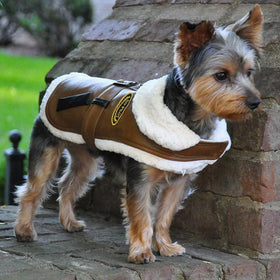
What's the Best Material for a Horse Collar?
Selecting the right material for your horse’s collar is about more than just looks. It’s a crucial decision that impacts your horse’s comfort, the collar’s durability, and how it performs under pressure. The material you choose will determine how the collar feels against your horse’s skin, how it holds up to weather and work, and the amount of maintenance it will require from you. The whole point of a horse collar is to spread the weight of a load evenly across your horse's shoulders and chest, and the material plays a huge part in how well it can do that.
Think of it as choosing a pair of work boots for yourself. You wouldn’t pick a flimsy pair for a tough job, nor would you choose something stiff and uncomfortable for a long day. The goal is to find that perfect balance of strength and comfort that suits the work you’re doing and keeps your horse happy. Let’s break down the most common options to help you find the best fit for your partner.
Leather or Synthetic: Which Is Better?
The classic choice for horse collars is leather, and for good reason. A high-quality leather collar is incredibly durable, breathable, and will gradually mold to the unique shape of your horse’s shoulders over time, creating a custom fit. With proper care, it can last a lifetime. On the other hand, synthetic materials like biothane or nylon offer modern convenience. They are lightweight, easy to clean with just a wipe-down, and often come in a wider variety of colors. While they don’t offer the same breathability as leather, they are a practical choice for wet conditions or for owners who need low-maintenance horse tack.
Why Proper Padding Is So Important
You’ll find some debate around the need for collar pads. Some experienced teamsters argue that a perfectly fitted collar doesn’t need one, while others say using a collar without a pad is like wearing boots without socks. For most horses, especially those doing heavy work or with sensitive skin, padding is a smart choice. A good pad adds an extra layer of cushioning, helps absorb sweat, and prevents rubbing that can lead to sores. It acts as a soft barrier between the firm collar and your horse, ensuring pressure is distributed as comfortably as possible during a long day of work.
How to Balance Durability with Comfort
Ultimately, the best collar material is one that offers both strength for the job and comfort for your horse. A durable collar that rubs or pinches is not only unkind but also unsafe. The ideal collar should sit snugly without being tight, allowing you to easily slide two fingers between the collar and the horse’s neck. This ensures the material can do its job without restricting movement or causing discomfort. Investing in a well-constructed collar made from quality materials will pay off in the long run, giving you a reliable piece of equipment that keeps your horse comfortable and performing at its best.
How to Fit a Horse Collar Correctly
A well-fitting horse collar is one of the most important pieces of equipment you can own. It’s the primary point of contact for distributing weight and pressure when your horse is pulling, so getting the fit just right is essential for their comfort, safety, and performance. An ill-fitting collar can cause sores, muscle strain, and even long-term damage. It’s about more than just getting the right size; it’s about matching the collar’s shape and style to your horse’s unique build.
Think of it like finding the perfect pair of work boots for yourself. You wouldn’t want them to be too tight or too loose, and the shape needs to match your foot. The same principle applies here. We’ll walk through how to measure your horse properly, what common mistakes to watch out for, and why your horse’s breed and neck shape are so important. Taking the time to fit a collar correctly ensures your horse can work happily and efficiently. Finding the right horse tack starts with a perfect fit.
How to Measure Your Horse for a Collar
Before you even think about buying a collar, you need to get accurate measurements. Start by measuring the length of your horse’s neck, from the top of the withers down to the point of the shoulder. This measurement in inches will give you the collar size you need.
Once you have a collar, place it over your horse’s head and let it settle into position at the base of the neck. The ideal fit should be snug but not tight. A great rule of thumb is the two-finger test. You should be able to comfortably slide two fingers between the collar and the horse’s windpipe at the bottom and between the collar and the sides of the neck. If you can fit more, it’s too big. If you can’t fit two, it’s too small.
The Importance of the Break-In Period
Just like a new pair of stiff leather boots, a new horse collar needs a break-in period. Even a perfectly measured collar will be rigid at first and needs time to soften and mold to the unique contours of your horse’s shoulders. Putting a brand-new collar straight to work on a heavy load is a recipe for sores, chafing, and a miserable horse. Start with short sessions and light work, gradually increasing the duration and difficulty over several days. After each use, check your horse’s shoulders carefully for any signs of rubbing or pressure points. This slow introduction allows the leather to become more pliable and ensures your horse stays comfortable.
This process is about more than just the equipment; it’s a fundamental part of good horsemanship. Giving your horse time to adjust to new tack is a small part of the larger need for rest and recovery. A well-timed break allows for physical and mental recovery, preventing burnout and ensuring your horse remains a willing and enthusiastic partner. This break-in period is an investment in your horse's long-term health and happiness, reinforcing a positive association with their work and the equipment they wear.
Common Fitting Mistakes to Avoid
One of the most frequent errors is using a collar that’s too large. While you might think a looser fit is more comfortable, it’s actually the opposite. A collar that is too big will shift and twist as your horse pulls, creating an uneven load and causing painful rubbing and sores. This instability forces your horse to work harder and can lead to serious discomfort.
Another common issue is failing to match the hames to the collar correctly. The hames are the two curved pieces that fit into the collar’s groove, and they need to follow its shape perfectly to distribute pressure evenly. Misaligned traces or tugs can also create improper pulling angles. You can learn more about how to fit a collar and hames to ensure your entire harness setup is working together correctly.
Matching the Collar Shape to Your Horse's Breed
Horses, like people, come in all shapes and sizes. A draft horse with a thick, muscular neck will need a very different collar shape than a lighter horse with a more slender build. A "one-size-fits-all" approach simply doesn’t work. Pay close attention to the width and curve of the collar to ensure it matches your horse’s shoulders and neck anatomy.
When inspecting a collar, check that its padding is full and even, especially if it’s filled with straw. A well-made collar will feel firm and consistent, without any lumpy or hollow spots. If the straw is broken, the collar won’t hold its shape or provide proper support. The right shape ensures the collar sits securely and distributes weight across the shoulders, not on the windpipe or withers.
How to Spot a High-Quality Horse Collar
When you're in the market for a new horse collar, it’s easy to get caught up in the price tag. But a high-quality collar is an investment in your horse's comfort, safety, and performance. Knowing what to look for helps you see past the price and focus on the real value. A well-crafted collar will not only last for years but will also ensure your horse can do its job without discomfort or risk of injury. Let's break down the key features that separate a great collar from a mediocre one, so you can make a choice you feel confident about.
Signs of a Well-Made Collar
First, look at the materials and construction. A top-tier collar is often made from heavy-duty leather that’s both strong and supple. The stitching should be even and tight, with no loose threads. Pay attention to the shape; a well-made collar will have a wide and contoured design that sits snugly against your horse’s shoulders and neck. This ergonomic fit is crucial for distributing pressure evenly. The ultimate test is the fit itself. You should be able to easily slide two fingers between the collar and the base of your horse's neck. This ensures it’s secure without being restrictive, making it a safe and comfortable piece of horse tack.
The Disappearing Art of Collar Making
While we can learn to spot the signs of a high-quality collar, the traditional skills required to actually make one are becoming a lost art. True collar making is a craft that demands years of apprenticeship and a profound understanding of equine anatomy. It’s about more than just cutting and stitching leather; it’s about shaping a piece of equipment that fits perfectly and works in harmony with the horse. As modern agriculture has shifted away from horse power, the number of master collar makers has dwindled. This makes finding a truly handcrafted collar a special investment, one that honors a long tradition of putting the horse’s comfort and safety first.
How Much Should You Pay for a Horse Collar?
It’s true that a high-quality horse collar can be a significant purchase, but it’s one that pays off. A well-designed collar allows a horse to apply its full strength to a task comfortably and efficiently. Think of it as an investment in your horse's well-being and working ability. While some owners debate the necessity of collar pads, a perfectly fitted collar often doesn't need one. The value isn't just in the longevity of the materials; it's in the thoughtful design that protects your horse. When you choose quality, you're choosing gear that helps your horse perform its best, which is why we focus on providing only the most trusted and durable best-selling products for your animals.
Avoid These Common Horse Collar Mistakes
A well-fitting collar is essential for your horse's comfort and performance, but a few common mistakes can lead to soreness, uneven pulling, and even injury. Getting it right isn't just about buying a quality piece of equipment; it's about understanding how to use it correctly. Let's walk through some of the most frequent errors horse owners make so you can keep your partner happy and safe in their harness. From sizing slip-ups to misunderstandings about materials, a little knowledge goes a long way in preventing problems before they start.
Why the Wrong Size Collar Can Harm Your Horse
A collar that’s too large will shift and twist, forcing your horse to pull an uneven load and causing painful rubbing. On the other hand, a collar that’s too small will pinch and restrict movement. Pay close attention to breastcollars, too. The center ring should sit squarely on the strong, meaty part of your horse's chest, never high up on their throat where it could interfere with breathing. A proper fit involves the entire system, so ensure the hames match the collar's shape and the traces are correctly aligned. Taking the time to get these details right is one of the most important things you can do for your driving horse.
Common Myths About Collar Materials
There's a lot of debate about whether a collar needs a pad. Some people believe a perfectly fitted collar doesn't need one, while others say using a collar without a pad is like wearing boots without socks. A pad can provide extra cushioning and help absorb sweat, but it can't fix a poor fit. Think of it as an accessory for comfort, not a solution for a sizing problem. Also, be mindful of the materials in your tack. For example, some synthetic materials like nylon can shrink when they get wet, which could alter the fit of your equipment unexpectedly. Always choose high-quality, reliable horse tack from brands you trust.
When Is a Collar NOT the Right Choice?
A driving collar is a specialized piece of equipment designed for one job: pulling. It should never be used for other purposes, like tying your horse or turning them out in the pasture. Using tack for the wrong task can be incredibly dangerous. For instance, studies have shown that tying a horse with certain types of headcollars can significantly increase the risk of injury. The same principle applies here. A driving collar is not a breakaway halter and can easily get caught, leading to a serious accident. Always switch to appropriate equipment, like a well-fitted halter, for handling, tying, or turnout. Your horse’s safety depends on using the right tool for the job.
Making Your Horse Collar Last: Care Tips
A quality horse collar is a significant investment in your horse's comfort and performance. Just like any other piece of essential equipment, it needs regular care to stay in top shape. Proper maintenance not only extends the life of your collar but also ensures it remains safe and comfortable for your horse to wear. A little bit of attention goes a long way in protecting the leather, preserving the padding, and keeping your tack reliable for years of work. Taking these simple steps will help you get the most out of your gear and keep your horse happy.
How to Clean and Condition a Leather Collar
To keep a leather collar strong and supple, you need to clean and condition it regularly. Dirt, sweat, and moisture can break down the leather over time, causing it to become dry, brittle, and cracked. Start by wiping the collar down with a damp cloth after each use to remove surface grime. For a deeper clean, use a quality leather soap, working it into the material with a sponge. Once it's clean and dry, apply a good leather conditioner to restore moisture and flexibility. This simple routine is one of the best ways to protect your horse tack and prevent uncomfortable stiffness.
The Right Way to Store Your Collar
Where you keep your collar when it’s not in use matters just as much as cleaning it. Always store your horse collar in a cool, dry place that’s out of direct sunlight. A dedicated tack room with good air circulation is ideal. Hanging it on a properly shaped collar rack will help it maintain its form and prevent the padding from getting compressed. Leaving a collar in a hot, sunny spot can cause the leather to dry out and fade, while a damp environment can encourage mold and mildew to grow. Proper storage is an easy habit that makes a huge difference in the longevity of your equipment.
When Should You Replace Your Horse Collar?
Even with the best care, every horse collar eventually wears out. It’s important to inspect your collar regularly for signs that it’s time for a replacement. Look for deep cracks in the leather, frayed or broken stitching, and padding that has become hard or compressed. An ill-fitting or damaged collar can cause sores, rubbing, and serious discomfort for your horse. If you notice any significant wear or if the collar no longer fits correctly, it’s time to find a new one. Your horse’s safety and comfort should always come first, and using sound equipment is a key part of that.
More Than Just Work: Other Uses for Collars
While the classic image of a horse collar involves pulling a plow or carriage, the term "collar" can refer to a few different pieces of equipment in the equestrian world. Not every collar is built for heavy draft work. Some are designed for entirely different purposes, from everyday safety in the pasture to adding a touch of rustic charm to a home. These alternative uses show just how versatile this piece of equipment can be, extending its legacy far beyond the farm fields and into other parts of our lives.
Turnout and Identification Collars
A turnout or neck collar is a far simpler piece of equipment than its working counterpart. It’s typically a lightweight nylon or leather strap that fits around the horse's neck, much like a dog collar. Its main job is identification. Many owners attach a tag with their contact information to the collar, which is a great safety measure for a horse living in a large pasture. Some designs also include a ring for securing a blanket or fly sheet. The most important feature of any turnout collar is a breakaway mechanism. This ensures that if the horse gets caught on a fence or branch, the collar will snap under pressure, preventing a serious injury.
Decorative and Antique Collars
Step into any home with a rustic or Western theme, and you might find an old horse collar hanging on the wall. These antique pieces are often beautifully crafted from leather and brass, carrying a rich history of hard work and partnership between horse and human. Instead of being discarded, they are repurposed as unique decorative items. Many people mount mirrors inside them or use them to frame photos, turning a functional piece of history into a work of art. It’s a wonderful way to honor the legacy of the working horse and preserve a piece of our agricultural past.
The Horse Collar in an Unexpected Place: American Football
You might hear the term “horse collar” shouted during a Sunday football game, and for good reason. In American football, a horse-collar tackle is an illegal and dangerous move where a defensive player grabs the inside of an opponent's shoulder pads or jersey from behind and pulls them down. The name comes from the motion of yanking a player backward and down, which mimics how a horse collar sits around the base of the neck and shoulders. This type of tackle was banned because it places the runner in a vulnerable position, often trapping their legs underneath them and leading to serious ankle and knee injuries.
The rule was first introduced by the NFL in 2005 and has since been adopted by college and high school football leagues. It’s a perfect example of how terminology from the equestrian world has found its way into other parts of our culture. While a real horse collar is designed to enable safe and powerful movement, its namesake in football is recognized for doing the exact opposite: creating a dangerous and uncontrolled fall. It’s a fascinating, if unexpected, connection that highlights the importance of safety and proper technique, whether you’re on the field or in the harness.
Where to Buy a Quality Horse Collar
Once you know the right type, material, and size for your horse’s collar, the final step is finding a reputable place to buy it. The right retailer can make all the difference in ensuring you get a high-quality product that lasts. Your main decisions will come down to shopping online versus in-store and choosing between a new or used collar. Each path has its pros and cons, so let's walk through what makes the most sense for you and your horse. Making an informed purchase from a seller you trust is just as important as getting the measurements right. Whether you prioritize a wide selection, hands-on advice, or budget-friendly options, knowing where to look will help you find the perfect collar.
Should You Buy Online or In-Store?
Shopping online offers incredible convenience and a massive selection of quality horse tack. You can easily compare different brands, styles, and prices from home. Reputable online stores provide detailed product descriptions and customer reviews to help guide your decision. The main challenge is that you can't physically inspect the collar before you buy. This is why it’s so important to purchase from a trusted retailer with a clear return policy, giving you peace of mind if the fit isn’t perfect.
On the other hand, visiting a local tack shop allows you to see and feel the products firsthand. You can assess the leather's quality and get personalized fitting advice from experienced staff. Specialty stores like Chimacum Tack offer a curated selection where you can be confident in the craftsmanship. The trade-off is often a smaller inventory and potentially higher prices. Your choice really depends on whether you value convenience and variety or a hands-on shopping experience.
Why Hooves and Paws is a Trusted Source
When you’re buying essential equipment like a horse collar online, you need to know you can trust the source. At Hooves and Paws, we’ve dedicated over 30 years to earning that trust. As a family-owned business of animal lovers, we get that your horse is family, which is why we personally select every piece of horse tack we carry. We’re so confident in the quality that we back everything with a 365-day satisfaction guarantee. Our commitment is reflected in our 100,000+ happy customers, who rely on us for durable gear, great service, and fast, free shipping. We see ourselves as more than just a store—we’re your partner in caring for your animals.
New vs. Used: Which Collar Should You Buy?
When it comes to your horse's comfort and safety during work, buying a new collar is almost always the best choice. A new collar is a clean slate; it hasn't been stretched or molded to another horse’s body, ensuring a true fit for your animal. You also get the assurance of modern safety standards, pristine materials, and often a manufacturer's warranty. This guarantees there are no hidden weaknesses in the leather or stitching that could fail under pressure.
Used collars can be tempting because of their lower price. You can often find vintage or antique horse collars that make beautiful decorative pieces for a barn or home. For actual use, however, buying secondhand comes with risks. A used collar might have stretched leather, worn padding, or weakened stitching that isn't immediately visible. It was also broken in by another horse, meaning it may never fit your horse properly. For reliable working equipment, investing in a new collar is a smart decision for long-term performance and safety.
Related Articles
- 7 Best Horse Halters for Comfort & Durability
- Equestrian Equipment Rider: A Complete 2025 Guide
- Horse Bridles: The Complete Guide for Riders
Frequently Asked Questions
How do I know if I need a full collar or a breast collar? The choice really comes down to the type of work you plan to do. If your horse will be pulling heavy loads, like a plow or a large wagon, a full collar is the best option. It is specifically designed to distribute that significant weight across their strong shoulders. For lighter tasks, such as pulling a small cart or for activities that require more speed and flexibility, a breast collar is a great, versatile choice.
What's the most important part of getting the fit right? The most critical step is ensuring the collar is the correct size, which you determine by measuring from the top of your horse's withers to the point of their shoulder. Once you have the collar, the "two-finger test" is your best guide. You should be able to comfortably slide two fingers between the collar and your horse's windpipe. A collar that is too large is just as problematic as one that is too small, as it will shift around and cause painful sores.
Can I use a thick pad to make a poorly fitting collar work? A collar pad can be a great accessory for extra cushioning and sweat absorption, much like wearing socks with your boots. However, it cannot fix a collar that is the wrong size or shape for your horse. A pad will not solve the problems caused by an ill-fitting collar, so you should always prioritize getting a perfect fit from the collar itself first.
Is it safe to buy a used horse collar for work? While a vintage collar can look great as a decoration, it's best to avoid using a secondhand one for actual pulling. A used collar has already molded to the shape of another horse, so it will likely never fit your horse correctly. It could also have hidden weaknesses like stretched leather or worn-out stitching that could fail under pressure, creating a dangerous situation for you and your horse.
How often should I clean my leather collar? For a leather collar, a good habit is to wipe it down with a damp cloth after every use to get rid of sweat and dirt. This simple step prevents grime from building up and damaging the leather. You should give it a more thorough cleaning with leather soap and apply a conditioner every few months, or more often if you work in very wet or dusty conditions. Consistent care keeps the leather strong and comfortable for your horse.


