

Is a Shires Fly Mask the Secret to a Happier Horse This Summer? An Owner's Guide
Watching your horse relentlessly stomp, swish his tail, and shake his head is tough. You know how miserable flies can make him. These pests are more than just an annoyance—they can cause eye infections, spread diseases, and create serious stress. While sprays and traps have their place, they don't offer round-the-clock protection. That's why so many horse owners rely on the Shires Fly Mask. In this guide, we'll break down why this mask is a top choice and help you decide which model is perfect for your horse. Let's find the right gear to give your horse the peaceful summer he deserves. 🐴❤️
Your Complete Q&A Guide to Shires Fly Masks
Q: Why are flies so dangerous for my horse's eyes and face?
A: This is a fantastic and crucial question. Flies aren't just irritating; they pose real health risks. Flies, particularly face flies, are attracted to the moisture around a horse's eyes, nose, and mouth. Here's a breakdown of the problems they cause:
- Eye Infections: Flies are notorious for carrying bacteria. As they feed on the protein-rich secretions from your horse's tear ducts, they can transmit bacteria that lead to painful conditions like conjunctivitis (pink eye) and other ocular infections. You might notice redness, swelling, and excessive tearing.
- Summer Sores (Habronemiasis): This nasty condition occurs when stomach worm larvae, carried by flies, are deposited into an open wound or moist areas like the eyes. This causes proud flesh to develop, creating large, non-healing sores that are difficult to treat.
- Allergic Reactions & Stress: Constant fly bites can cause skin irritation and allergic reactions. More than that, the non-stop harassment causes significant stress for your horse, leading to agitation, weight loss, and general unhappiness. A stressed horse is more prone to other health issues.
- UV Protection: It's not just about flies! Many horses, especially those with light-colored coats or pink skin around their eyes (like Paints, Appaloosas, and Cremellos), are susceptible to sunburn and can be sensitive to bright sunlight. A good fly mask offers a layer of UV protection, acting like sunglasses for your horse.
A physical barrier like a fly mask is the most effective way to prevent these issues, offering constant protection without the need to reapply sprays.
Q: What makes Shires Fly Masks a top choice for horse owners?
A: Shires Equestrian is a well-respected brand from the UK that has been around for over 50 years. Their popularity isn't just hype; it's built on a reputation for quality, thoughtful design, and affordability. When you're looking at a Shires Fly Mask, here's what sets it apart:
- Ergonomic & Anatomical Fit: Shires designs its masks to follow the contours of a horse's face. They use soft padding, fleece linings, and clever darting around the eyes. This ensures the mesh stays well away from your horse's delicate eyeballs and eyelashes, preventing rubs and irritation—a common complaint with poorly designed masks.
- Durable, High-Quality Materials: The mesh used is fine enough to keep out even the smallest gnats (like midges or "no-see-ums") but still allows for excellent visibility. The materials are breathable to prevent your horse from getting too hot and are built to withstand daily turnout antics.
-
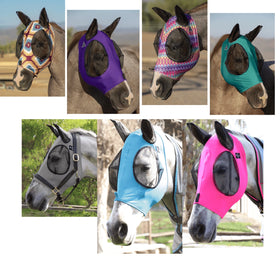
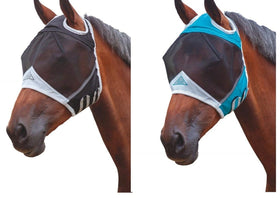
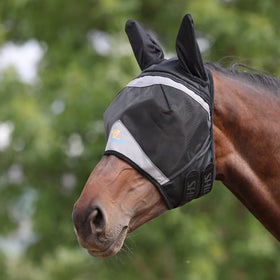
Variety of Styles: Shires understands that one size (or style) doesn't fit all. They offer an incredible range of options:
- With or without ear covers: Perfect for horses bothered by gnats in their ears.
- With or without a nose fringe/cover: Essential for horses with pink noses prone to sunburn or those extra sensitive to flies on their muzzle.
- Fine Mesh vs. Standard Mesh: For different levels of protection and visibility.
- Full Face vs. Standard: Some models extend further down the face for maximum coverage.
- Excellent UV Protection: Most Shires masks offer significant UV protection (often blocking over 70% of rays), safeguarding sensitive skin and eyes from sun damage.
- Affordability: Despite their high-end features, Shires masks are very competitively priced, offering fantastic value for your money. This makes it easier to have a spare on hand for washing or in case of field-related mishaps!
What Other Horse Owners Are Saying
You don't have to take just my word for it. Across forums and product reviews, fellow horse owners consistently praise Shires Fly Masks, and a few key themes pop up again and again. One of the most common points of positive feedback is the incredible fit. Shires designs its masks with an ergonomic shape that truly follows the contours of a horse's face. Thanks to thoughtful darting around the eyes and soft fleece padding along the seams, the mesh stands well away from their delicate eyelashes and eyeballs. This significantly reduces the risk of rubbing and irritation, a frustrating problem many of us have experienced with other brands.
Another major win for equestrians is the durability and quality of the materials. The fine mesh is a game-changer, effectively blocking even the tiniest gnats and midges while still providing excellent visibility and airflow so your horse doesn't overheat. Owners often note that the masks are well-made and strong, holding up to daily turnout and playful pasture antics without tearing. This is exactly the kind of reliable quality we look for at Hooves and Paws when we select products for our horse tack collection. You want gear that lasts through the season, and these masks consistently deliver on that promise.
Horse owners also love the sheer variety of styles Shires offers, which shows the company understands that every horse has unique needs. Whether your horse is extra sensitive to bugs in their ears and needs a mask with soft ear covers, or you have a fair-skinned friend who needs a long nose flap for crucial UV protection, there’s an option that fits the bill. This ability to customize protection makes it so much easier to find the perfect solution for your specific situation, ensuring your horse is as comfortable and safe as possible out in the pasture.
Finally, let's talk about price. Despite the premium design features and durable materials, Shires Fly Masks are surprisingly affordable. Horse owners frequently mention that they can get a high-quality, effective mask without a hefty price tag, which offers fantastic value. This accessibility means you can easily grab a backup for laundry day or replace a mask that fell victim to a particularly rowdy pasture scuffle without stressing your budget. It’s a practical choice that offers top-tier protection, making it a clear favorite in the equestrian community for good reason.
Q: How do I choose the right size and type of Shires Fly Mask for my horse?
A: Choosing the right fit is the single most important factor for your horse's comfort and the mask's effectiveness. An ill-fitting mask can be dangerous. Here’s a step-by-step guide:
Step 1: Sizing
Shires typically offers sizes like Small Pony, Pony, Cob, Full (Horse), and Extra Full (Warmblood/Draft). Don't just guess based on your horse's breed! It's best to measure.
- Poll to Mid-Nose: Use a soft measuring tape. Measure from just behind your horse's ears, down the center of his face, to about halfway between his eyes and nostrils.
- Around the Throat: Measure the circumference of your horse's throatlatch area where the mask's strap will sit.
Compare these measurements to the sizing chart available on retailer websites like Hooves and Paws. If your horse is between sizes, it's often better to go with the slightly larger size, as the straps are adjustable. A mask that's too tight is a much bigger problem than one that's slightly loose.
Step 2: Choosing the Type
Consider your horse's specific needs:
- Are his ears sensitive? Do gnats swarm in his ears, causing him to shake his head? If yes, get a mask with ear covers. The material is soft and won't trap heat.
- Does he have a pink nose? Is he prone to sunburn on his muzzle? Does he get agitated by flies landing on his nose? If yes, a mask with a nose fringe or a full nose cover is a must-have for sun and pest protection.
- Do you have tiny gnats or midges? If you live in an area with very small insects, opt for a model specifically labeled as "Fine Mesh." This provides a superior barrier against the tiniest of pests.
- Is your horse a master of escape? Some Shires models feature double-locking Velcro closures for extra security against pasture Houdinis.
Q: I see Shires has a "FlyGuard Pro" line. What makes it different?
A: That's a great question! While all Shires masks are excellent, the FlyGuard Pro line is their premium collection, designed for maximum comfort and durability. Think of it as the deluxe option for horses who spend a lot of time outside or are particularly sensitive. Here’s what sets this specific collection apart:
- Superior Anatomical Fit: This is the real game-changer. Instead of being a simple flat mask, the FlyGuard Pro is built with a three-dimensional design. Clever darts and reinforced seams make the mesh stand away from your horse's face. This means no more worrying about the material pressing against their sensitive eyes or long eyelashes, which is a major cause of rubbing and irritation with other masks. Plus, soft fleece padding along the seams prevents any chafing.
- High-Performance Materials: The FlyGuard Pro uses a fine, lightweight mesh that’s incredibly tough. It’s built to handle daily turnout antics but is also highly breathable, which is essential for keeping your horse cool on hot summer days. The mesh is fine enough to block even the tiniest gnats and midges while providing clear, unobstructed vision so your horse can feel confident and safe in his surroundings.
- Serious UV Protection: Most masks in the FlyGuard Pro line block over 70% of harmful UV rays. This is a non-negotiable feature for horses with light-colored skin, blue eyes, or white markings on their faces, as they are much more susceptible to sunburn and long-term sun damage. It’s like giving your horse a great pair of sunglasses and sunscreen all in one.
Ultimately, the Shires FlyGuard Pro line is a fantastic investment in your horse's well-being. It's a standout choice among the wide variety of horse tack available for fly season, offering thoughtful features that make a real difference in your horse's daily comfort.
Q: I've got the mask! How do I fit it correctly and get my horse used to it?
A: Proper fitting is key! An incorrectly fitted mask can rub, impair vision, or allow flies to get trapped inside. And remember, patience is everything when introducing something new to your horse.
Fitting Checklist:
- Eyes & Eyelashes: This is non-negotiable. The mesh dome of the mask should stand well clear of your horse's eyes and lashes. You should be able to easily fit your fingers between the mesh and your horse's eye from the side. The darts and stitching are designed to hold this shape.
- Edges and Seams: Run your hand along all the edges of the mask where it touches your horse's skin (cheeks, jaw, poll). Make sure there are no tight spots or areas that could rub. The fleece padding should provide a soft cushion.
- Throatlatch Strap: You should be able to comfortably slide two fingers between the strap and your horse's jaw. Too tight, and it's uncomfortable; too loose, and your horse (or his pasture mate) can easily pull it off.
- Ears and Nose: If your mask has ears, make sure they aren't twisting or pulling on your horse's ears. The nose flap, if present, should hang comfortably without interfering with grazing or drinking.
For a great visual guide, check out this helpful video on fitting a fly mask:
YouTube Video: How to Perfectly Fit a Fly Mask
Acclimation Tips:
- Let him sniff it. Let your horse investigate the mask first. Let him sniff and touch it. Reward his curiosity with a treat.
- Short and sweet sessions. The first few times, put it on for just a few minutes while you groom him or give him some grain. Make it a positive experience.
- Supervise initially. The first time you turn him out with it on, watch him for a little while to ensure it's not bothering him and that he can see, graze, and drink without issue.
- Check daily. Make it a habit to remove the mask at least once a day to check for any rubs, debris, or trapped insects and to give his face a quick grooming.
Q: How do I care for and clean the Shires Fly Mask?
A: Regular cleaning is essential for hygiene and to maintain good visibility. A dirty mask can harbor bacteria and obstruct your horse's vision.
- Daily Checks: Give the mask a quick shake and brush-off each day to remove loose dirt, hay, and burrs.
- Hand Washing (Recommended): The best way to clean a fly mask is to hand wash it. Use a bucket of cool water and a mild soap (like a gentle dish soap or a dedicated horse blanket wash). Gently scrub with a soft brush, paying special attention to the fleece trim. Rinse thoroughly until the water runs clear.
- Machine Washing: Most Shires masks are machine washable. To protect the mask and your machine, first fasten all the Velcro straps. Place the mask in a mesh laundry bag or an old pillowcase. Wash on a gentle, cool cycle.
- Drying: ALWAYS air dry your fly mask. Never put it in a machine dryer, as the heat can damage the mesh and cause the mask to lose its shape. Hang it in the shade to dry completely before putting it back on your horse. Having two masks per horse is a great idea—one to wear and one in the wash!
Q: Does Shires offer other fly control products?
A: Absolutely! Shires understands that effective fly control often requires more than just a mask. They offer a complete range of products designed to create a head-to-tail barrier against biting insects. Think of it as building a comprehensive defense system for your horse. Beyond their popular fly masks, you can find fly rugs (also called fly sheets) to protect your horse's body, fly boots to guard their legs and reduce stressful stomping, and effective fly sprays and gels for targeted application. This integrated approach allows you to customize your horse's protection based on the fly intensity and your horse's specific sensitivities, ensuring they stay comfortable all season long.
Q: Where can I find Shires Fly Masks?
A: Shires Fly Masks are a staple in the equestrian world, so you can find them at most quality tack shops and online retailers. Of course, we're partial to our own handpicked selection here at Hooves and Paws! We carry a variety of Shires masks because we trust their quality and design to keep our own horses comfortable. When you shop for horse tack with us, you’re not just getting a product; you’re getting something backed by decades of experience, a 365-day satisfaction guarantee, and fast, free shipping. We make sure to stock options with and without ears and nose covers so you can find the perfect match for your horse's needs.
Shop This Post

Give Your Horse the Gift of Comfort
Ultimately, a high-quality fly mask like those from the Shires line is one of the kindest and most effective investments you can make in your horse's summertime comfort and health. By providing a physical barrier against biting insects and harmful UV rays, you’re not just preventing annoyance—you’re actively protecting against infection, disease, and stress. The thoughtful design, durability, and range of options make Shires Fly Masks a standout choice for discerning horse owners.
Ready to make this summer your horse's most peaceful one yet? Explore the full range of Shires products at Hooves and Paws in Apple Valley!
We'd love to hear from you! Does your horse wear a fly mask? Do you have a favorite Shires model? Share your experiences and questions in the comments below!
Sources & Further Reading
- American Association of Equine Practitioners (AAEP). "Fly Control for Horses." aaep.org
- Merck Veterinary Manual. "Habronemiasis in Horses." merckvetmanual.com
- Shires Equestrian Official Website. Product Information and Sizing Guides. shiresequestrian.com
- The Horse. "Fly Masks for Horses: A Buyer's Guide." thehorse.com
Key Takeaways
- A Fly Mask is a Health Essential, Not Just a Comfort Item: Think of a fly mask as crucial protective gear. It physically blocks flies from causing painful eye infections and nasty summer sores, and it provides essential UV protection to prevent sunburn on sensitive skin.
- The Right Fit is Non-Negotiable for Safety and Comfort: To ensure the mask works correctly, measure your horse before buying. Choose a style with features like ear covers or a long nose flap based on your horse's specific sensitivities to bugs and sun exposure.
- Commit to Daily Checks and Proper Cleaning: Make it a routine to remove the mask daily to check for rubs or trapped debris. Regular washing is also vital to maintain clear visibility and prevent bacteria from building up against your horse's face.


