


Flies are more than just a nuisance; they pose a genuine health risk to your horse. They can transmit bacteria that cause eye infections, while constant sun exposure on a sensitive nose can lead to painful sunburns and even increase the risk of skin cancer. Protecting your horse is about safeguarding their long-term health, not just their temporary comfort. This is where a high-quality horse fly mask with ears and nose coverage becomes an essential piece of gear. It provides a critical physical barrier against both disease-carrying insects and damaging UV rays. Think of it as a preventative health tool that keeps your horse safe all season long. We’ll explore what makes a mask effective and how to choose one that offers maximum protection.
Key Takeaways
- Opt for full coverage for total comfort: A mask with ear and nose flaps provides the best defense, shielding your horse's most sensitive areas from painful insect bites and harmful UV rays.
- Prioritize fit and function when shopping: The best mask fits snugly without rubbing, is made from breathable mesh for clear visibility, and has a high UV rating to prevent sunburn.
- Proper care extends a mask's life: To keep your horse comfortable and healthy, remove the mask daily to check for rubs, wash it regularly to prevent skin irritation, and replace it when it shows signs of wear and tear.
Why Your Horse Needs a Full-Coverage Fly Mask
When you see your horse constantly stomping, swishing its tail, or shaking its head during fly season, you know how miserable they can be. While a standard fly mask offers good eye protection, a full-coverage model that includes the ears and nose provides a complete defense system. Think of it as upgrading from a basic shield to full armor. This extra coverage is crucial for protecting the most sensitive, hard-to-reach areas from relentless pests and the sun's harsh rays. By providing this comprehensive barrier, you ensure your horse stays comfortable and focused, whether they're relaxing in the pasture or out on a ride. It’s a simple step that makes a huge difference in their daily quality of life, preventing irritation and potential health issues before they start. A happy, peaceful horse makes for a happy owner, and a full-coverage mask is one of the easiest ways to achieve that during the bug-filled months.
Why protect the ears and nose?
A horse's ears and nose are prime targets for insects. The delicate, thin skin inside the ears is irresistible to biting gnats and black flies, which can cause intense irritation, crusty sores, and constant head tossing. A mask with soft, breathable ear coverings creates a simple yet effective barrier that keeps these pests out for good. Similarly, the nose, especially on horses with pink skin, is highly susceptible to painful sunburn. A nose flap not only blocks insects from crawling into the nostrils but also provides vital UV protection, preventing sun damage and discomfort. By shielding these sensitive areas, you help your horse stay calmer and happier all season long.
How flies and UV rays impact your horse
Flies are more than just an annoyance; they can pose real health risks. They are known carriers for bacteria and can cause eye infections like conjunctivitis or transmit diseases. Constant exposure to the sun is also a serious concern. Just like with people, UV rays can damage your horse's skin and eyes. According to the Merck Veterinary Manual, prolonged sun exposure is a leading cause of squamous cell carcinoma, a common skin cancer in horses that often appears around the eyes and on the nose. A quality fly mask is an essential piece of fly season protection that minimizes these risks and supports your horse's long-term health.
Which horses benefit most from full coverage?
While any horse can appreciate the relief of a full-coverage mask, some benefit more than others. Horses with light-colored coats, pink skin, or blue eyes are especially vulnerable to sunburn and need the extra UV protection a nose flap provides. If your horse has a history of eye issues like uveitis, corneal ulcers, or is simply sensitive to bright light, the added shading from a comprehensive mask can make a world of difference in their comfort. Likewise, horses living in areas with high insect populations or those who are particularly bothered by bugs in their ears will find significant relief from a mask that covers all the bases.
How to Choose the Right Full-Coverage Fly Mask
With so many fly masks on the market, picking the right one can feel a little overwhelming. But finding the perfect mask is all about focusing on a few key details that make a world of difference for your horse’s comfort and safety. A great fly mask does more than just keep pests away; it protects your horse from harmful UV rays, prevents eye irritation, and stands up to daily wear and tear in the pasture. Think of it as essential summer gear, just like your own favorite hat and sunglasses.
When you’re shopping, it’s easy to get lost in all the different styles and features. To simplify things, we’ve broken down the five most important factors to consider. By paying attention to the material, UV rating, visibility, fit, and durability, you can confidently choose a mask that your horse will be happy to wear all season long. A well-chosen mask means fewer stomps, less head tossing, and a much more peaceful horse during peak fly season. Let’s walk through what makes a full-coverage fly mask truly effective, so you can make the best choice for your four-legged friend.
Prioritize breathable, quality materials
Imagine wearing a heavy, stuffy sweater on a hot summer day. That’s what a poorly designed fly mask can feel like to your horse. Since your horse will likely wear their mask for hours at a time, comfort is non-negotiable. Look for masks made from lightweight, soft, and breathable mesh. These materials allow air to circulate, which helps prevent your horse from getting too hot and sweaty underneath. A breathable mask is also less likely to cause rubbing or skin irritation, ensuring your horse stays comfortable and protected without any fuss.
Look for a high UV protection rating
A fly mask’s job isn’t just to block bugs; it’s also a critical tool for sun protection. Just like us, horses are susceptible to sunburn, especially those with pink skin on their noses or around their eyes. Many high-quality fly masks come with a UV protection rating, often blocking 70% to over 95% of harmful rays. This feature is a game-changer for preventing painful sunburns and reducing the risk of sun-related eye issues. When you see a UV rating on a mask, you know you’re getting an extra layer of essential protection.
Ensure good visibility through the mesh
It’s natural to worry if a mask will obstruct your horse’s vision, but a well-designed fly mask is made to protect without hindering sight. The best masks use a fine, specially coated mesh that allows for clear, unobstructed visibility while still forming a barrier against tiny gnats and flies. Your horse should be able to see everything clearly, from their hay pile to their pasture mates. Some masks even feature a darted or structured design over the eyes to keep the material from resting directly on them, further improving comfort and vision.
Find the perfect fit and secure closures
A fly mask is only effective if it stays on and fits correctly. A mask that’s too loose will let clever flies sneak in, while one that’s too tight can cause uncomfortable rubbing and pressure points. Look for masks with secure, adjustable closures, like strong hook-and-loop fasteners, that allow you to create a snug yet gentle fit. The edges should sit flush against your horse’s face to seal out pests. Finding the right fit is simple when you have a great selection of fly season protection to explore, ensuring you find the perfect match for your horse’s unique head shape.
Choose a durable, easy-to-wash mask
Horses aren’t always gentle with their belongings, so durability is key. A good fly mask should be able to withstand daily turnout, playful pasture antics, and the occasional scratch against a fence post. Look for sturdy materials and reinforced stitching around the seams and edges. It’s also important to choose a mask that’s easy to clean. Regular washing prevents dirt and grime from building up, which can lead to skin infections. Most quality masks can be hosed off or tossed in the washing machine, making maintenance a breeze.
Shop This Post

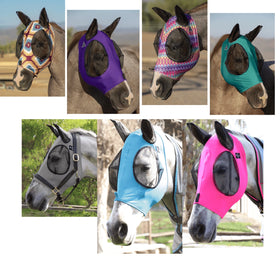
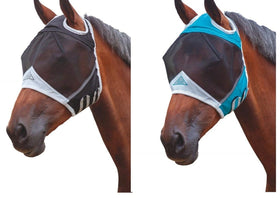
Our Top 5 Full-Coverage Fly Masks
With so many options out there, finding the perfect fly mask can feel overwhelming. We've done the research for you and narrowed it down to our top five full-coverage picks. Each of these masks excels in comfort, durability, and protection, but they all have unique features that might make one a better fit for your horse than another. Whether your horse is a sensitive trail partner or a playful pasture resident, this list will help you find the right gear. Explore our full collection of fly season protection to see even more great options.
1. Cashel Quiet Ride Horse Fly Mask with Ears and Nose
If you spend a lot of time in the saddle, the Cashel Quiet Ride is a fantastic choice. As its name suggests, this mask is specifically designed for riding. It’s made from a soft, lightweight, and breathable mesh that won’t obstruct your horse’s vision on the trail. The material is sheer enough for them to see clearly, yet protective enough to keep bugs out. According to Cashel, the Quiet Ride mask is designed for a snug fit that stays securely in place, even during movement. This means less fussing with adjustments and more focus on your ride. The full ear and nose coverage ensures your horse is comfortable and shielded from pests from every angle.
2. WeatherBeeta Comfi-Tec Fly Mask with Ears and Nose
For horses that spend their days in the pasture, all-day comfort is non-negotiable. The WeatherBeeta Comfi-Tec mask is built for exactly that. It features a soft fleece lining along the seams to prevent rubbing and irritation, which is a huge plus for sensitive horses. The mesh is both durable and fine enough to offer excellent visibility while blocking insects. One of the best features is the removable nose cover, giving you the flexibility to adapt to your horse’s needs. As WeatherBeeta notes, it’s designed for a secure and comfortable fit, making it a reliable choice for long hours of wear in the field.
3. Kensington Protective Products Fly Mask with Ears and Nose
When durability is your top priority, the Kensington fly mask is hard to beat. This mask is known for its high-quality construction, featuring a patented "Block-It" fabric that offers significant UV protection while being incredibly resistant to tears. It’s a great investment for a horse that’s tough on its gear. Like the WeatherBeeta, it includes a removable nose piece for versatility. The design ensures it stays off your horse’s eyes, preventing irritation. Kensington emphasizes that its masks are built to be both effective and long-lasting, giving you peace of mind that your horse is well-protected season after season.
4. Farnam SuperMask II Horse Fly Mask with Ears
The Farnam SuperMask II is a classic for a reason: it’s effective, comfortable, and easy to use. While this specific model focuses on protecting the sensitive ear area, its design is a standout. It’s constructed to keep the mesh away from your horse’s eyes, allowing for maximum visibility and airflow without sacrificing protection. According to Farnam, the mask is built for convenience, making it simple to put on and take off for daily use. It’s a durable and reliable option that has been trusted by horse owners for years. If you need nose coverage, Farnam offers other models, but this ear-focused mask is perfect for horses who primarily need relief from gnats and flies around their ears and eyes.
5. Tough-1 Deluxe Fly Mask with Ears and Nose
Finding a mask that fits just right can be a challenge, especially for horses with unique head shapes. The Tough-1 Deluxe Fly Mask shines with its focus on adjustability. It’s made from a soft, durable mesh that provides full ear and nose coverage, but its key feature is the secure and customizable fit. As Tough-1 points out, the adjustable closures help you get the fit just right, preventing gaps where flies could sneak in. This makes it a versatile option suitable for a wide range of horse sizes. It’s a solid, no-fuss mask that delivers reliable protection and comfort without breaking the bank.
How to Get the Perfect Fly Mask Fit
A fly mask is only effective if it fits correctly. A mask that’s too loose can let pesky flies sneak in, while one that’s too tight can cause uncomfortable rubbing and even sores. Think of it like your favorite pair of boots; the right fit makes all the difference. Taking a few minutes to measure your horse will ensure they get a mask that’s comfortable, secure, and provides the best protection possible.
A step-by-step measuring guide
Getting your horse’s measurements is easier than you might think. Grab a soft measuring tape and a notepad. First, measure the circumference of your horse's head at the widest point, which is usually just below the ears. Next, measure the length from their poll (the top of the head between the ears) down to about two inches below the cheekbone. If you’re choosing a mask with nose coverage, you’ll also want to measure from the poll to the end of their muzzle. Once you have these numbers, you can confidently compare them to the manufacturer’s sizing chart to find the perfect match.
Fitting tips for different head shapes
Horses, like people, have all different head shapes. A fine-headed Arabian will need a different fit than a stocky Quarter Horse. If your horse has a narrow head, look for a mask with plenty of strap adjustability to create a snug fit without any gaps. For horses with wider heads, some brands offer specific "draft" or "warmblood" sizes that provide more room. If your horse has a shorter muzzle, like some ponies, a mask with a shorter nosepiece will prevent it from rubbing. Conversely, a horse with a long muzzle will benefit from a mask with extended nose coverage to ensure complete protection.
Key adjustability features to look for
When you're browsing different fly season protection options, pay close attention to the closure and adjustment features. A good mask should have at least one or two adjustable straps, typically with strong Velcro closures under the jaw. This allows you to get a custom fit that’s secure but not restrictive. Some masks also include elastic panels, which add flexibility and comfort, allowing your horse to graze and move its jaw freely. For masks with ear covers, check that the material is soft and stretchy. This prevents rubbing and ensures the ears can move naturally without being constricted. These small details make a big difference in your horse's daily comfort.
How Much Do Full-Coverage Fly Masks Cost?
Finding the right fly mask for your horse doesn’t have to break the bank. The cost of a full-coverage mask can vary quite a bit, depending on the brand, materials, and special features like UV protection or unique closure systems. You can find a perfectly functional mask for a very reasonable price, or you can invest in a premium option designed for maximum comfort and durability.
The good news is that there’s a quality mask for every budget. Whether you need a simple backup for the trailer or a top-of-the-line model for a horse with sensitive eyes, you can find what you’re looking for. Think about your horse’s specific needs and how often they’ll be wearing the mask. This will help you decide which price point makes the most sense for you. Let’s look at what you can expect to find in each price range.
Budget-friendly picks (under $20)
You can absolutely find a reliable full-coverage fly mask for under $20. These affordable options are perfect if you’re looking for a spare, trying a full-coverage style for the first time, or have a horse that tends to be gentle with its gear. While they might not have all the bells and whistles of more expensive models, they still provide essential protection from flies and other insects. Many budget-friendly masks offer basic ear and nose coverage with simple, secure fastenings. Keep an eye out for sales, as you can often find great basic masks at an even lower price, making it easy to stock up.
Solid mid-range options ($20–$40)
This price range is the sweet spot for many horse owners, offering an excellent balance of durability, comfort, and value. In the $20 to $40 range, you’ll find a wide variety of fly season protection from trusted brands. These masks often feature softer fleece trim to prevent rubbing, more structured mesh for better visibility, and more contoured fits around the ears and jaw. You’ll also see more options with higher UV protection ratings. A mid-range mask is a fantastic investment for daily use, providing reliable performance and comfort that will last through the fly season and beyond.
Premium masks for maximum protection ($40+)
If your horse has sensitive skin, is prone to eye irritation, or is a master of destroying turnout gear, investing in a premium mask is often worth it. Masks in the $40+ category are built for superior performance and longevity. They typically use advanced, technical materials that are both incredibly durable and highly breathable. You can expect features like ergonomic designs that sit well away from the eyes, plush fleece binding for ultimate comfort, and the highest levels of UV protection available. These premium masks are designed to be protective, comfortable, and withstand the rigors of daily turnout.
How to find a good deal
Getting the best value on a fly mask isn’t just about the sticker price. While other retailers might require you to hit a certain spending minimum for free shipping, we make it simple. At Hooves and Paws, you get free shipping on every order in the continental U.S. with no minimum purchase required. That means the price you see is the price you get, delivered right to your door. Plus, with our 365-day satisfaction guarantee, you can shop with confidence knowing that we stand behind every product we sell. Finding a great deal means getting a quality product you and your horse love, with the peace of mind that comes from exceptional service.
When Should Your Horse Wear a Fly Mask?
Knowing when to use a fly mask is just as important as choosing the right one. It’s not always a simple "on in the morning, off at night" routine. The best approach depends on your local climate, your horse's living situation, and their individual sensitivity to pests. Some horses need protection around the clock during peak season, while others may only need a mask for specific situations, like a ride through a wooded trail. By paying attention to the environment and your horse's comfort, you can create a fly mask schedule that keeps them happy and irritation-free. Understanding these factors will help you make the best decision for your horse's well-being. It's about creating a balance between protection and comfort, ensuring the mask is a helpful tool, not a hindrance. We'll cover the key times and situations to use a mask, including whether it's safe to leave one on overnight, so you can feel confident in your horse care routine.
Seasonal and situational guidelines
The most obvious time for a fly mask is during the warmer months. As soon as spring arrives and temperatures rise, flies and other biting insects become much more active. The American Association of Equine Practitioners confirms that fly control for horses is crucial in spring and summer, making a fly mask a key piece of their warm-weather gear. This is the time to stock up on your fly season protection to prepare for the buggy days ahead.
Beyond the season, consider your horse's specific environment. If they spend their days in a pasture near water or dense woods, the insect population will likely be higher. A mask is also a great idea for trail rides to prevent flies from bothering your horse's eyes and causing head tossing. Using a fly mask can significantly reduce stress and discomfort for horses that are sensitive to insects, making for a more peaceful turnout or ride.
Can my horse wear a fly mask at night?
This is a question many horse owners ask, and the answer is yes, a horse can wear a fly mask at night. If your horse is stabled in a barn with the lights on or lives in an area with prevalent nocturnal insects like mosquitoes or gnats, a mask can help them rest more comfortably. It provides a physical barrier that allows your horse to relax without being bothered by pests buzzing around their face.
However, not all masks are suitable for 24/7 wear. If you plan to leave a mask on overnight, it’s important to choose the right fly mask for the job. Look for one made from soft, breathable materials with a comfortable fit that won’t rub. You should also remove the mask daily to check your horse’s face for any signs of irritation and to make sure the mask itself is clean and in good condition.
How to Care for Your Horse's Fly Mask
A good fly mask is an investment in your horse's comfort, but just like any piece of tack, it needs a little TLC to do its job well. Throughout the season, masks collect sweat, dirt, and pollen, which can irritate your horse's sensitive skin and eyes. A dirty mask can even lead to rubbing or skin infections, and clogged mesh can obstruct your horse's vision. Taking the time to care for this essential piece of gear not only keeps your horse healthier and happier but also extends the life of the mask itself.
Think of it as part of your regular grooming routine. Just as you curry and brush your horse to keep their coat healthy, cleaning their fly mask helps maintain their well-being during bug season. It’s a simple step that prevents bigger problems down the road. A clean mask allows for better airflow, reduces the risk of fungal or bacterial growth against your horse's face, and ensures the mesh stays clear for maximum visibility. By establishing a simple cleaning routine and knowing when it’s time for a replacement, you ensure your horse gets consistent, reliable protection from flies and UV rays. Here’s a straightforward guide to help you care for your horse's fly mask.
Tips for washing and cleaning
To keep your horse’s mask fresh and effective, aim to wash it every few weeks, or more often if it gets especially muddy or sweaty. Hand washing in a bucket with a gentle, horse-safe detergent is the safest bet. If you’re short on time, you can use a washing machine. Just be sure to fasten all the closures and place the mask in a mesh laundry bag to prevent it from getting snagged or damaged. Always skip the bleach, as it can weaken the fabric. Once it’s clean, reshape the mask and let it air dry completely, preferably out of direct sunlight to keep the material from degrading. Never put it in the dryer, as the high heat can warp its shape.
Signs it's time for a replacement
Even the most durable fly mask won't last forever. It’s important to regularly inspect it for signs that it’s time for a new one. Look for any rips, holes, or frayed edges, especially around the mesh and seams, as these can let pesky flies in or irritate your horse. Check that the fasteners are still secure and that the mask maintains a snug, comfortable fit without gapping. If the mesh is cloudy or the mask has lost its shape, it can impair your horse’s vision and won't provide the protection they need. When you spot this kind of wear and tear, it’s time to invest in a new mask from our fly season protection collection to ensure your horse stays happy and bug-free.
Find the Perfect Fly Mask at Hooves and Paws
Now that you know what to look for in a full-coverage fly mask, you’re ready to find the right one for your horse. We get it, protecting your horse from irritating pests and the sun’s harsh rays is a top priority. It’s about more than just comfort; it’s about their health and happiness. Finding a mask that fits well, offers great visibility, and stands up to daily wear and tear can feel like a tall order, but that’s where we come in.
At Hooves and Paws, we’ve done the hard work for you. As a family of horse lovers with over 30 years of experience, we only stock products we’d trust for our own animals. We’ve curated a fantastic selection of masks that check all the boxes for quality, durability, and thoughtful design. You’ll find options with soft ear coverings, extended nose flaps, and excellent UV ratings in our collection of fly season protection. We believe you shouldn’t have to compromise on quality to keep your horse safe.
When you shop with us, you’re not just buying a product; you’re getting the peace of mind that comes with our 365-day satisfaction guarantee and fast, free shipping. Let us help you make this fly season the most comfortable one yet for your equine partner.
Related Articles
- Top 5 Horse Fly Masks with 90 UV Protection
- 5 Best Horse Fly Masks for UV Protection
- Shires Fly Mask with UV Protection
Frequently Asked Questions
My horse hates having its ears touched. Will a full-coverage mask just make them more uncomfortable? That’s a common concern, but often a horse’s reaction has more to do with the mask’s material and fit than the coverage itself. Many horses dislike stiff, crinkly ear covers that restrict movement. Look for a mask made with soft, stretchy, and breathable fabric over the ears. A well-designed mask will allow your horse’s ears to swivel and move naturally, making it much less noticeable for them. When you introduce it, do so calmly and make it a positive experience. You might be surprised to find they appreciate the relief from pesky gnats.
How can I be sure the mask isn't rubbing or causing sores on my horse's face? The best way to prevent rubbing is to make checking the mask part of your daily routine. Each day, take the mask off and run your hand over your horse’s face, paying close attention to the areas under the jaw, behind the ears, and over the poll. Look for any hair loss, redness, or swelling. A proper fit is key, so ensure the mask is snug enough to keep flies out but not so tight that it digs in. Choosing a mask with soft fleece trim along the edges can also provide an extra layer of comfort for sensitive horses.
My horse is a master at losing fly masks. How do I find one that actually stays on? The Houdini horse is a familiar challenge for many of us. In almost every case, a lost mask is a result of a poor fit. A mask that is too loose is easy to rub off on a fence post, while one that’s too tight and uncomfortable will make your horse determined to remove it. Take the time to measure your horse’s head and compare it to the brand’s sizing chart. Look for masks with strong, double-locking hook-and-loop closures that are harder to undo. Exploring a wide selection of fly season protection will help you find the perfect combination of size and secure fastenings for your escape artist.
With so many features, what's the single most important thing to look for in a fly mask? While features like UV protection and durable materials are incredibly important, the single most critical factor is the fit. A mask can have the highest UV rating and be made from space-age material, but if it doesn't fit your horse correctly, it’s not effective. A poor fit can let flies in, obstruct vision, cause rubbing, or result in the mask being left in a corner of the pasture. A great fit ensures the mask is comfortable, stays in place, and allows all the other features to do their job properly.
Is it okay to leave a fly mask on my horse when it's raining? It’s generally best to remove a fly mask during a downpour. While most masks are made from quick-drying mesh, a completely saturated mask can become heavy and may sag, potentially resting against your horse’s eyes and causing irritation. It can also trap moisture against your horse’s skin. For a light drizzle, it’s usually fine, but during steady or heavy rain, taking the mask off is the safest and most comfortable option for your horse.


