


Weather can change quickly, and the right apparel helps your dog stay comfortable on cold walks, wet outings, and bright summer adventures. The best choice depends on more than the forecast: consider your dog's coat, size, age, activity level, and the conditions you expect to encounter.
Dog coats should match the weather and the individual dog. Insulated layers can help small, senior, and short-coated dogs in cold conditions, while waterproof shells offer wet-weather protection. Cooling vests, booties, and reflective accessories address heat, rough surfaces, and low-light walks.
Shop our full dog apparel collection for thoughtfully selected layers and accessories backed by Hooves and Paws' 365-day satisfaction guarantee.
Start with cold-weather protection, then compare the features that make each piece useful, comfortable, and easy to fit.
Winter Coats: How to Keep Your Pup Warm in Cold Weather
Cold-weather walks are easier to enjoy when your dog's coat matches the conditions. A puffer jacket adds loft and insulation, a fleece-lined coat offers soft everyday warmth, and a parka is useful when you need more coverage from wind, snow, or a damp chill. Choose the style that suits your dog's coat, activity level, and tolerance for winter weather.
Which dogs are most likely to need a coat?
Small dogs often benefit from an extra layer because they can lose body heat quickly. Senior dogs, puppies, and dogs with short coats are also more vulnerable to cold. The American Kennel Club notes that senior dogs and dogs with chronic conditions such as arthritis may benefit from wearing a coat outdoors in winter. While small breeds often benefit as well. The AKC's winter coat guidance can help you assess your dog's individual needs.
Watch your dog's behavior instead of waiting for a fixed temperature threshold. Shivering or curling up for warmth can be an early sign that your dog is becoming too cold, according to the AKC. Bring your pup inside, dry them if needed, and contact your veterinarian if you are concerned about their condition.
How cold is too cold for outdoor play?
Wind can make a moderate forecast feel much harsher. When the windchill drops below 20 degrees Fahrenheit, the AKC recommends keeping playtime to short 15- to 20-minute sessions, followed by time indoors to warm up. A coat can improve comfort, but it does not make prolonged exposure safe in severe conditions. Check paws for ice, salt, and irritation after every outing, and shorten the walk if your dog seems reluctant to continue.
What should you look for in a winter coat?
- Warmth: Select insulation appropriate for the weather. A lightweight fleece layer may be enough for a cool morning, while a quilted puffer or parka provides more protection in freezing conditions.
- Underbelly coverage: A coat that protects the chest and underside can help retain warmth and shield your dog from wet snow. But it should not restrict movement or make bathroom breaks difficult.
- Leash access: Look for a secure opening that lets you attach a leash to a harness or collar without bunching the coat or placing pressure on your dog's neck.
- Comfortable fit: Your dog should be able to walk, sit, turn, and lie down freely. Fastenings should feel secure without rubbing behind the legs or pressing across the chest.
For more help comparing insulation, coverage, and fit, read our winter coat guide. The right layer should support comfortable movement and a calm, positive winter routine.
What Should You Look for in a Rain Jacket for Your Dog?
A good rain jacket should keep your dog comfortable without restricting a normal walk, bathroom break, or playful trot. Start by separating waterproof from water-resistant. Water-resistant fabric can shed light drizzle, but it may eventually allow moisture through during a steady downpour. Waterproof construction offers a stronger barrier for longer or heavier exposure, especially when the jacket includes sealed seams and a covered underside.
Choose coverage that matches your dog's routine
Full-coverage styles extend farther along the back and may protect the chest, belly, and upper legs from windblown rain and puddle splash. They are useful for dogs that spend substantial time outdoors or tend to get soaked underneath a simple top panel. Cape-style jackets are often lighter and quicker to put on, making them practical for brief walks and dogs that dislike more structured clothing. For a closer look at the tradeoffs, read our raincoat coverage guide.
Balance weather protection with comfort
Breathability matters when your dog is walking briskly or wearing the jacket for more than a few minutes. As a starting point, look for a breathable rating around 10K to 15K mm when the manufacturer provides one. This can help reduce the chance of heat and moisture building up inside the coat. A comfortable fit is equally important. The jacket should allow free shoulder movement, sit smoothly without pulling, and leave enough room for your dog to walk, sit, and turn naturally.
Look for practical details that make the jacket easier to use:
- Sealed seams: Taped or sealed stitching helps prevent rain from entering through construction points.
- Harness access: A secure port lets you attach a leash without placing the harness over bulky, shifting fabric.
- Reflective trim: Reflective accents improve visibility during dim, rainy walks, though they should supplement a leash and other safe-walking practices.
- Adjustable closures: Neck, chest, or belly adjustments help reduce gaps without making the jacket too tight.
Check real-world waterproofing claims
Testing should consider more than a water-repellent label. One review evaluated dog coats for warmth, waterproofing, fit, and range of motion. While its waterproofness test ran each jacket under a sink for one minute to see whether moisture soaked through the outer fabric. These tests are not a substitute for your own fit check, but they show why waterproof performance and movement belong in the same buying decision.
Shop This Post

Featured in this article
Doggie Design Alpine All Weather Dog Parka - Waterproof Fleece Lined Reflective - Multiple Sizes
$25.00
Shop Now →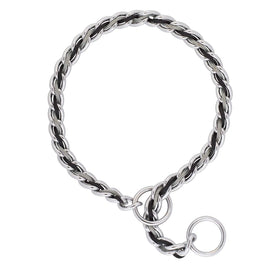
Does Your Dog Need a Cooling Vest in Warm Weather?
Warm weather can make ordinary walks and outdoor adventures harder on dogs, especially when the sun is strong, airflow is limited, or a dog has a short muzzle. A cooling vest can help manage surface warmth, but it should support sensible heat precautions rather than replace them.
How do evaporative cooling vests work?
Most evaporative vests use a fabric layer that holds water and releases it gradually as air moves through the material. To activate one, soak it in cool water, gently wring out the excess, and put it on your dog according to the fit instructions. The vest should feel damp and cool, not heavy or dripping. Re-wet it as needed during longer outings, and allow it to dry fully between uses.
Look for a lightweight design that covers the torso without restricting the shoulders, neck, or breathing. Mesh panels can improve airflow and reduce bulk. A secure fit matters because a loose vest can shift while your dog moves, while a tight one can be uncomfortable and may trap unnecessary heat.
When is a cooling vest useful?
Cooling vests are practical for warm-weather walks, patio time, outdoor events, and low-intensity adventures where shade may be limited. They may also be helpful for brachycephalic breeds, older dogs, and dogs with thick coats, which can become uncomfortable in heat more quickly. Watch your dog closely and shorten the activity if you notice heavy panting, weakness, confusion, vomiting, or unusual reluctance to move. Those signs call for immediate cooling measures and veterinary guidance.
A cooling vest works best alongside shade, frequent water breaks, and a cooler schedule that avoids the hottest part of the day. On mild days, a breathable mesh shirt or lightweight layer may provide comfort without the added moisture of an evaporative vest. Never leave a dog unattended in warm conditions, even when wearing cooling gear.
What Breed Considerations Matter When Choosing Dog Apparel?
Your dog's coat, proportions, age, and activity level all affect which apparel will be comfortable and useful. Breed can provide a helpful starting point, but it should not replace observing how your individual dog responds to cold, rain, wind, or heat.
Start with the natural insulation your dog already has
Thick double-coated breeds such as Siberian Huskies, Alaskan Malamutes, and Newfoundlands were bred with dense fur that helps insulate and protect them in snowy or cold conditions. The American Kennel Club notes that these dogs are generally naturally protected from the cold, so a heavy winter layer may be unnecessary for every outing. Learn more about breed-specific winter coat guidance from the AKC.
Single-coated and short-haired breeds, including Boxers, Greyhounds, and Vizslas, have less natural insulation. They may be more comfortable in a lightweight fleece layer, insulated coat, or wind-resistant jacket when temperatures fall. Clothing should support comfort, not force a dog to wear more warmth than it needs.
Small, senior, and young dogs need closer attention
Small breeds often lose body heat faster because they have less body mass, while senior dogs may be less tolerant of cold. Puppies are also especially vulnerable, and the AKC identifies small dogs, senior dogs, puppies, and short-coated dogs as being at higher risk of rapid heat loss. A well-fitted coat can provide an extra layer during brief outdoor trips, but watch your dog's behavior and bring it inside if it becomes uncomfortable.
Shivering or curling up for warmth can be early signs that a dog is too cold. If your dog has health concerns, ask your veterinarian for advice about outdoor conditions and clothing.
Match the fit to the body, not just the weight
Two dogs with the same listed size may need completely different apparel. Dobermans and Boxers, for example, can have a deep chest and narrow waist that requires a coat shaped to their proportions rather than a loose, straight-cut design. Long-backed dogs may need extra coverage, while broad-chested dogs need enough room to move without pressure behind the front legs.
Check the garment's measurements for back length, chest girth, and neck circumference. The coat should stay secure during movement, leave the shoulders free, and avoid rubbing at the armpits or restricting breathing. When breed shape and the size chart do not align perfectly, prioritize the measurement that controls the garment's fit and look for an adjustable design.
How to Measure Your Dog for the Perfect Coat Fit
A well-fitted coat should protect your dog without restricting movement, rubbing the skin, or slipping out of place. Measure your dog while standing naturally, and check the product's own size guide before ordering because sizing can vary by brand and style.
-
Measure the back length first
Place one end of a soft tape measure at the base of your dog's neck, where the collar usually rests. Run the tape along the spine to the base of the tail, stopping before the tail begins. This is usually the most important measurement for choosing a coat size. The finished coat should cover the back comfortably without hanging over the tail or bunching behind the shoulders.
-
Measure the chest girth
Wrap the tape around the widest part of the chest, normally just behind the front legs. Keep the tape snug against the coat without compressing the rib cage. You should be able to slide a finger underneath it. This measurement helps prevent a coat from feeling tight when your dog sits, walks, or wears a light layer underneath.
-
Measure the neck circumference
Measure around the base of the neck rather than high under the jaw. The neck opening should sit securely while leaving enough room for comfortable breathing and normal head movement. If the coat has a collar or hood, allow for that construction when comparing your measurement with the manufacturer's chart.
Use the measurements to choose a size
Compare all three measurements with the product's size chart. If your dog falls between sizes, choose the larger option, especially if you plan to layer the coat over a sweater in winter. A slightly roomy fit is preferable to a tight fit, but excess fabric should not drag, catch on objects, or interfere with your dog's legs.
| Back length | Example breeds |
|---|---|
| 25 cm | Chihuahua |
| 40 cm | Cocker Spaniel |
| 55 cm | Beagle or Collie |
| 70 cm | German Shepherd |
Breed examples are only a starting point because individual dogs have different proportions. Recheck the fit after your dog takes a few steps, and look for free shoulder movement, comfortable breathing, and full coverage across the back.
Booties, Reflective Gear, and Extra Accessories for Complete Protection
A well-fitted coat covers your dog's body, but paws and visibility deserve attention too. The right accessories can make winter walks more comfortable, protect paw pads in hot weather, and help you keep track of your dog when daylight fades.
Protect paws from salt, ice, and hot pavement
Dog booties create a barrier between paw pads and winter hazards such as de-icing salt, gritty ice, and sharp frozen debris. They can also reduce ice ball buildup between the toes, which may cause discomfort during snowy walks. In summer, booties can help protect paws from hot pavement. If the ground feels too hot for the back of your hand after several seconds, choose a cooler route or walk during a cooler part of the day rather than relying on footwear alone.
Fit matters more than appearance. Measure each paw according to the manufacturer's instructions, since front and back paws may differ. Look for booties with secure hook-and-loop or Velcro straps that stay in place without pinching. They should be snug enough to prevent slipping but loose enough to allow normal toe movement. Check for rubbing after the first few minutes and remove the booties if your dog seems uncomfortable.
Improve visibility during low-light walks
Reflective vests, collars, and leashes make your dog easier to spot near roads, driveways, and shared paths at dawn or dusk. Reflective trim works when it catches a light source, while LED collar attachments and clip-on lights can provide active visibility. Choose accessories that do not interfere with your dog's movement, harness, or coat. Test the attachment before heading out, and check batteries regularly if you use an LED device.
Combine accessories thoughtfully
For cold, wet, or windy conditions, a coat paired with booties can provide more complete weather protection. Leave enough room for comfortable movement and verify that straps do not catch on coat fabric or harness hardware. The best dog coats and accessories are the ones your dog can wear safely and comfortably.
Introduce clothing gradually. Let your dog investigate each item, reward calm behavior with praise or a treat, and begin with short sessions indoors. Add time slowly, then practice walking once your dog moves naturally. Positive reinforcement builds comfort more reliably than forcing a dog to tolerate unfamiliar gear.
Frequently Asked Questions
Does every dog need a coat in cold weather?
No. Small dogs, puppies, senior dogs, and short-coated dogs tend to lose body heat faster and may benefit from a coat, while healthy dogs with thick double coats often have more natural insulation. Watch your dog's behavior and consider the temperature, wind, activity level, and time outdoors. The AKC notes that small, senior, puppy, and short-coated dogs face a higher risk of rapid heat loss.
How do I know whether my dog's coat fits correctly?
A properly fitted coat should cover the dog's back and chest without restricting walking, running, sitting, or bathroom breaks. Measure back length, chest girth, and neck circumference, then compare those measurements with the brand's size chart. Check that you can slide two fingers beneath the neck and straps, and choose the larger size when your dog falls between sizes.
What should my dog wear in rainy weather?
Choose a lightweight waterproof or water-resistant jacket with enough coverage for the dog's back and chest, plus a harness opening if needed. Breathable material, secure fasteners, and reflective trim are useful for wet, low-light walks. A rain jacket should keep water off the coat without becoming so bulky that it limits your dog's natural range of motion.
When should I use a cooling vest instead of a warm coat?
Use a cooling vest for appropriate outdoor activity in warm weather, especially when your dog needs more coverage than a bare mesh shirt provides. Look for lightweight, breathable materials and pair the vest with shade, fresh water, and rest breaks. Cooling apparel is not a substitute for avoiding dangerous heat or leaving a dog unattended in a hot environment.
How cold is too cold for a dog walk?
There is no single temperature that applies to every dog, but wind, moisture, size, age, coat type, and health all matter. If windchill falls below 20 degrees Fahrenheit, the AKC recommends limiting play to 15-20 minutes before bringing your dog inside to warm up: AKC winter coat guidance. Shivering or repeatedly curling up for warmth means the dog should come indoors immediately.
Ready to shop for dog coats and apparel?
The right layer or accessory can help your dog stay more comfortable as temperatures, rain, and outdoor conditions change. Review the options with fit, coverage, and your dog's usual activities in mind. Shop our dog apparel collection to find coats and accessories suited to your companion's needs.


