


Nothing disrupts your ride plans faster than an unexpected hoof issue. One day your horse is sound, and the next you’re dealing with a painful abscess or the tell-tale smell of thrush. While some problems are unavoidable, a proactive approach can stop many of them before they start. It’s about having the right supplies on hand to address minor issues immediately, turning a potential crisis into a manageable task. Think of it as a first-aid kit for your horse's feet. We’ll cover the essential horse hoof care products every owner should have, from daily conditioners to emergency treatments, ensuring you’re prepared for whatever comes your way.
Key Takeaways
- Match your hoof care to the season: A horse's hoof needs change with the weather. Use a hardener for wet, muddy conditions to prevent softening and a moisturizer in dry climates to stop cracks before they start.
- Be prepared for common hoof problems: Stock your tack box with a core set of supplies so you can act fast. Your kit should include a moisturizer, hardener, thrush treatment, and a drawing agent for abscesses.
- Choose the right product for the job: Cut through the noise by reading customer reviews, asking your farrier for recommendations, and selecting trusted brands. Understanding the ingredients helps you buy an effective solution for your horse's specific issue.
The Essential Horse Hoof Care Products for Your Tack Box
Every horse owner knows that hoof problems can pop up without warning. One day your horse is perfectly sound, and the next, you’re dealing with a crack, a soft sole, or the tell-tale signs of thrush. Having a well-stocked hoof care kit in your tack box is your first line of defense. It means you can act quickly to address minor issues before they become major problems, keeping your horse comfortable and sound.
Think of it as a first-aid kit specifically for hooves. You might not need every item every day, but when you do, you’ll be glad it’s there. The key is to have a versatile range of products that can handle the most common hoof ailments, from dryness and cracking to infections and abscesses. Your horse’s environment, workload, and natural hoof condition will determine which products you use most often, but a good baseline of supplies is essential for every equestrian. Let’s break down the must-have items that will prepare you for whatever your horse’s hooves throw your way.
Hoof Picks: The Daily Non-Negotiable
When it comes to daily hoof care, the hoof pick is your most essential tool. It’s a non-negotiable part of any grooming routine for a good reason. Cleaning out your horse's hooves every day removes packed-in dirt, manure, and rocks that can create the perfect environment for bacteria to thrive, leading to issues like thrush. It also prevents painful stone bruises. This simple action is your first line of defense in maintaining overall hoof health and ensuring your horse stays comfortable and sound.
Think of your daily hoof picking as a mini-inspection. It’s the perfect opportunity to check for any signs of trouble, like heat, swelling, or puncture wounds, before they become serious problems. A good hoof pick is an inexpensive but vital piece of equipment. Having a few reliable ones stashed in your grooming kit, by the pasture gate, and in your trailer ensures you're always prepared. It's a fundamental part of any collection of horse tack and grooming supplies, proving that sometimes the simplest tools make the biggest impact on your horse's well-being.
Soothing Dry, Cracked Hooves with Moisturizers
If you live in an arid climate or your horse’s hooves tend to get brittle, a quality hoof moisturizer is non-negotiable. Dry hooves lack the elasticity needed to absorb shock properly, leading to painful cracks that can travel up the hoof wall. Hoof moisturizers work by restoring and sealing in moisture, keeping the hoof horn pliable and resilient. Products like Absorbine Hooflex and Effol Hoof Oil are excellent for this, as they penetrate the hoof wall to provide deep hydration. For best results, clean the hoof thoroughly before applying the moisturizer to the hoof wall, sole, and frog, paying special attention to the coronary band. Regular application can make a world of difference in preventing chips and cracks.
Hoof Balms, Oils, and Creams
Beyond basic moisturizers, the world of hoof care includes a variety of balms, oils, and creams, each offering unique benefits. These products are workhorses in any grooming kit, designed not just to hydrate but also to create a protective shield against environmental challenges. Hoof oils, for example, are fantastic for penetrating deep into the hoof wall to restore moisture and improve elasticity. This flexibility is key for helping the hoof absorb impact and prevent cracks. Regular use of a quality oil can keep the hoof horn supple and strong, which is why you’ll often find them among our best-selling products.
Hoof balms and creams typically have a thicker consistency than oils, which allows them to form a more substantial barrier on the hoof surface. This is especially useful if your horse spends time in wet, muddy pastures, as the balm can help seal out excess moisture that leads to soft, vulnerable soles. It also helps lock in the hoof's natural moisture, preventing it from drying out in harsh conditions. Think of it as a protective topcoat that defends against everything from mud and ammonia to dry, abrasive ground, ensuring the hoof stays in a balanced, healthy state.
Strengthening Soft, Weak Hooves with Hardeners
On the flip side, horses living in wet, muddy conditions often struggle with hooves that are too soft. Overly saturated hooves can lose their structural integrity, making them weak, prone to spreading, and unable to hold shoes securely. That’s where hoof hardeners come in. These products, such as the popular Keratex Hoof Hardener, work by strengthening the keratin fibers within the hoof wall. This makes the hoof tougher and more resistant to wear and tear. When applying a hardener, focus on the lower half of the hoof wall and the sole, being careful to avoid the sensitive coronary band and frog. It’s a simple step that can significantly improve hoof quality for horses in damp environments.
Fighting Thrush with Antifungal Treatments
Thrush is a nasty bacterial and fungal infection that thrives in damp, dirty conditions, creating a foul-smelling black discharge in the frog's crevices. If left untreated, it can penetrate deeper into the sensitive tissues of the hoof. The key to managing it is keeping hooves clean and dry and applying an effective treatment. Antifungal and antibacterial products like Sole Cleanse or Thrush Dust are designed to kill the microorganisms causing the infection and promote healthy tissue regrowth. Before applying any treatment, be sure to pick the hoof out completely, removing all dirt and debris so the product can reach the affected areas. Consistent treatment is crucial for clearing up the infection for good.
Drawing Out Abscesses with Poultices
A hoof abscess can cause sudden and intense lameness, and it’s one of the most common reasons for an emergency vet call. An abscess is a pocket of infection trapped inside the hoof capsule, and the pressure it creates is extremely painful. While you should always involve your vet, having drawing agents on hand can provide immediate relief. Products like Magic Cushion or Ichthammol Salve help draw the infection to the surface, encouraging the abscess to burst and drain. Soaking the hoof in warm water with Epsom salts can also help soften the sole. These items are essential for your first-aid kit to manage the situation until professional help arrives.
Specialized Tools: Hoof Soaking Boots
When you're dealing with hoof issues like abscesses or thrush, having the right tools can make all the difference. One of the most valuable items for your tack box is a hoof soaking boot. These are designed to hold a medicated solution against the hoof, allowing you to treat problems effectively without the mess and frustration of trying to get your horse to stand in a bucket. This is especially important for abscesses, where soaking can help draw out the infection and provide significant pain relief. As the animal wellness experts at Vetericyn note, hoof soaking boots are essential tools that simplify the process, ensuring treatments penetrate deep into the hoof to target germs. By incorporating a soaking boot into your supplies, you can provide immediate and effective care, turning a potential crisis into a manageable task.
Protecting Hooves with Dressings and Sealers
Sometimes, a hoof just needs an extra layer of protection from the elements. Hoof sealers and dressings create a barrier on the hoof wall. This can be useful for two reasons: sealing moisture in for a horse with dry hooves, or sealing excess moisture out for a horse living in a wet climate. Many horse hoof care products also double as show-ring-ready polishes, like SuperShine Hoof Polish, giving you a glossy finish while protecting the hoof. Think of it as a final, protective topcoat. It’s a great finishing touch after routine trimming and a simple way to shield the hoof from environmental stressors, keeping it strong and healthy day in and day out.
Targeted Solutions: Hoof Clay and Putty
For persistent issues like deep cracks, white line disease, or stubborn thrush in the central sulcus, sometimes you need a treatment that stays put. That’s where hoof clay and putty come in. These products have a thick, packable consistency that allows you to apply targeted treatment directly into crevices and holes. Unlike liquids that can run out, clays like Life Data Hoof Clay or Artimud adhere to the hoof structure, creating a protective barrier that keeps debris out while allowing the active ingredients to work. They are perfect for treating abscess tracks after they’ve drained or for providing long-lasting protection in wet conditions. Think of it as a medicated filler that supports the healing process from the inside out, ensuring the affected area stays clean and treated for an extended period.
Building Strong Hooves from the Inside Out: Supplements
While topical treatments are essential for managing immediate hoof problems, long-term hoof quality truly starts from within. If your horse consistently struggles with brittle, slow-growing, or weak hooves, a nutritional supplement can make a significant difference. Hoof supplements provide concentrated levels of key nutrients known to support hoof growth and strength, such as biotin, methionine, zinc, and copper. Products like Absorbine's Hooflex Concentrated Hoof Builder are formulated to give your horse the building blocks needed to grow a healthier, more resilient hoof wall. It’s not a quick fix—it takes months for new, stronger hoof to grow down from the coronary band—but it’s a foundational step for lasting soundness. You can explore some of our customer-favorite health essentials to find a supplement that fits your horse's needs.
Shop This Post

Featured in this article
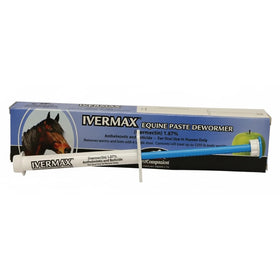
Durvet Ivermectin 1.87% Paste Apple Flavored Horse Wormer - Single Dose Broad Spectrum Dewormer for Bots and Strongyles
$21.99
Shop Now →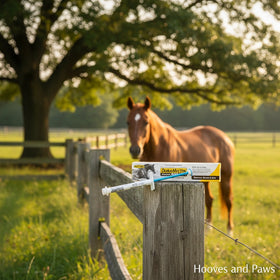
Your Guide to Solving Common Hoof Problems
Even with the most diligent care, hoof problems can pop up. From minor cracks and chips that seem to appear overnight to more serious issues like abscesses, knowing how to identify and address these common ailments is part of being a responsible horse owner. The key is to catch them early, which is why daily hoof picking and regular check-ins are non-negotiable. This simple daily habit allows you to spot trouble before it escalates, whether it's a lodged rock or the first signs of thrush.
Think of your farrier as your partner in hoof health; their expertise is your first line of defense for maintaining proper balance and structure. But between their visits, it’s up to you to manage any issues that arise. Having a well-stocked horse tack box with the right hoof care products can make all the difference, turning a potential crisis into a manageable situation. When you're prepared with effective solutions, you can act quickly to provide relief and prevent minor problems from escalating. Let’s walk through some of the most frequent hoof troubles you might encounter and the practical, actionable steps you can take to solve them.
How to Fix Dry, Brittle Hooves
If you live in an arid climate or your horse spends a lot of time on dry, hard ground, you’ve probably dealt with brittle hooves. These hooves are prone to chipping and cracking, which can lead to bigger problems down the road. The goal is to restore moisture without making the hoof too soft. A quality hoof moisturizer or conditioner can work wonders by replenishing lost oils and creating a flexible, resilient hoof wall. Look for products with natural ingredients that absorb well. Applying a hoof dressing a few times a week, especially before turnout, can help seal in moisture and protect against further drying.
How to Strengthen Damaged Hoof Walls
On the flip side, overly wet or muddy conditions can lead to soft, weak hooves. A soft hoof wall doesn’t hold nails well, making it easy for your horse to pull a shoe. It’s also more susceptible to bruising and punctures. To combat this, a hoof hardener is your best friend. These products work by strengthening the keratin fibers in the hoof horn, making the entire structure more durable. Products like Keratex Hoof Hardener are designed to build resilience without making the hoof brittle. Regular application to the sole and lower part of the hoof wall can help your horse’s hooves stand up to challenging environments.
How to Treat Thrush and Bacterial Infections
Thrush is an incredibly common and notoriously smelly infection of the frog, caused by bacteria that thrive in wet, dirty conditions. You’ll recognize it by the black, foul-smelling discharge in the frog’s crevices. The first step is always to create a cleaner, drier environment for your horse. After thoroughly cleaning the hoof, apply a thrush treatment. There are many effective antifungal solutions available, from liquids and sprays to powders. Consistency is key—you’ll need to apply the treatment daily until the frog has fully healed and the tissue is healthy again.
Safely Managing Abscesses and Puncture Wounds
A hoof abscess is a painful infection trapped inside the hoof capsule, and it can cause sudden, severe lameness. If you suspect an abscess, your first call should be to your vet or farrier to locate and drain it. Once it’s opened, your job is to keep it clean and encourage it to drain completely. Soaking the hoof in warm water with Epsom salts can help draw out the infection. Afterward, packing the area with a poultice or a drawing salve like Ichthammol and wrapping the hoof will protect it from debris and continue pulling out any remaining infection.
Preventing White Line Disease and Quarter Cracks
White line disease and quarter cracks are serious structural issues that require a team effort between you, your vet, and your farrier. White line disease involves a separation of the hoof wall, while quarter cracks are vertical splits that can be very painful. While treatment is complex, you can support your horse’s recovery with targeted hoof care. Using products designed to fight hoof wall separation can help keep the area clean and free of bacteria. Proper nutrition and a balanced trim are the foundation for preventing these issues, so ensuring your horse has strong, healthy horn growth is the best long-term strategy.
Addressing Other Issues: Seedy Toe, Bruised Soles, and Heel Dryness
Even when you've got the major hoof issues covered, smaller problems like seedy toe, bruised soles, and heel dryness can still cause trouble. Seedy toe is a sneaky condition where the hoof wall separates from the inner structures, creating a perfect pocket for infection. Diligent cleaning and a dry environment are your best tools for prevention. Bruised soles, often from work on hard ground, can make a horse incredibly sore. To provide some relief, using a quality hoof packing product can offer cushioning and support while the hoof recovers. And don't forget the heels—if they become too dry, they can develop painful cracks. A quick application of a hoof moisturizer specifically on the heel area can restore flexibility and keep them healthy. Staying on top of these less common, but still important, issues is a key part of a complete hoof care routine.
How to Adapt Your Hoof Care for Any Climate
Where your horse lives, trains, and plays has a massive impact on their hoof health. From soggy spring pastures to dusty summer arenas, the environment dictates the kind of support their feet need. A one-size-fits-all routine rarely works because conditions change. The key is to pay close attention to the ground your horse is on and adjust your care plan accordingly. This proactive approach helps you get ahead of common hoof problems before they can cause discomfort or lameness, keeping your horse sound and happy through every season.
Hoof Care for Wet, Muddy Conditions
When pastures turn to mud, hooves are constantly exposed to moisture, which can cause them to soften and lose their structural integrity. This makes the hoof wall, sole, and frog more vulnerable to bruising and punctures. These damp conditions are also the perfect breeding ground for bacteria and fungi, increasing the risk of issues like thrush. To combat this, use a quality hoof hardener to help the hoof wall resist softening. It’s also wise to apply an antifungal treatment as a preventative measure, creating an environment where infections can’t take hold. You can find these essentials in our horse tack collection.
Hoof Care for Dry, Arid Climates
On the flip side, hot, arid climates and sandy soils can strip moisture from the hoof, leaving it dry, brittle, and prone to cracking. These cracks aren't just a cosmetic issue—they can deepen over time, creating pathways for dirt and bacteria to enter the sensitive inner structures of the hoof. To prevent this, your goal is to lock in moisture. Regularly apply hoof oils, conditioners, and waxes that create a protective barrier. This helps the hoof retain its natural moisture, keeping it flexible and resilient against chipping and cracking. Many of our best selling products are designed to do just that.
Seasonal Hoof Care: Adjusting Your Routine
Most horses experience a mix of weather throughout the year, so their hoof care needs will naturally shift with the seasons. A horse that needs a hoof hardener in the wet spring may need a deep conditioner during a dry summer spell. It’s not just about the weather, either. A horse that spends more time in a stall during winter may need more frequent hoof picking to prevent issues related to inactivity and bedding. The best strategy is to be observant. Check your horse’s hooves daily, and don’t be afraid to switch up your products as the ground beneath their feet changes. With over 30 years of expertise, we know that a flexible routine is the foundation of healthy hooves.
Our Top Picks for Hoof Care Brands
When you walk into a tack shop or browse online, the sheer number of hoof care products can feel overwhelming. How do you know which ones actually work? The best approach is to stick with brands that have earned the trust of horse owners and farriers over many years. These companies have built their reputations on creating effective, reliable products that deliver real results.
Choosing a trusted brand means you’re getting a product backed by research and extensive use in the field. It’s about more than just a name; it’s about quality ingredients and a commitment to equine health. To help you find the right fit for your horse, we’ve highlighted a few of the top brands that we and our customers rely on for maintaining strong, healthy hooves.
Hooves and Paws: Premium, All-Around Care
With over 30 years of experience, we’ve seen which products stand the test of time. Our best-selling products are a curated collection of hoof care essentials that we trust for our own horses. We handpick every item, from moisturizers to thrush treatments, to ensure it meets our high standards for quality and effectiveness. Whether your horse is a pasture companion or a performance athlete, our selection is designed to provide the foundational support needed for healthy, comfortable hooves day in and day out. We do the research so you can shop with confidence.
Absorbine: A Trusted Name in Hoof Health
Absorbine is a name that’s been a staple in barns for generations, and for good reason. Their products are trusted by riders and farriers alike to provide consistent, reliable care. Two of their most popular lines, Hooflex® and Magic Cushion®, offer what they call "foundational support" for your horse's overall health, starting from the ground up. Hooflex® provides flexible conditioning to maintain proper moisture balance, while Magic Cushion® is a go-to for soothing sore feet after a hard workout or on tough terrain. When you choose Absorbine, you’re choosing a legacy of hoof care excellence.
Keratex: For Stronger, More Resilient Hooves
If you’re dealing with soft, weak, or brittle hooves, Keratex is the brand to know. They specialize in products formulated to strengthen and protect the hoof structure itself. Their standout product, the Keratex Hoof Hardener, works by cross-linking the keratins in the hoof wall, making it more resilient against cracking and damage. It’s an ideal solution for horses that frequently lose shoes or have hooves that chip easily. Keratex offers targeted solutions that address the root cause of poor hoof quality, helping you build a stronger hoof from the inside out.
Pure Sole: Effective, Natural Hoof Treatments
For horse owners who prefer an all-natural approach, Pure Sole offers fantastic, effective products. Their formulas are designed to combat common hoof problems like thrush, white line infections, and hoof wall separation using 100% natural ingredients. Because they are chemical-free, you can feel good about applying them to your horse’s feet. Pure Sole's products are known for being gentle yet powerful, making them a safe and affordable choice for routine maintenance or treating persistent issues. They prove that you don’t need harsh chemicals to achieve healthy, happy hooves.
Farnam: Time-Tested Hoof Care Formulas
Farnam is another one of those brands that has earned its place in the tack room through decades of consistent performance. Their hoof care products have been trusted by horse owners for years because they are straightforward and effective. You’ll find staples like Rainmaker, which is fantastic for maintaining the hoof’s natural moisture balance, and Horseshoer's Secret, a supplement formulated to support strong, healthy hoof growth from the inside. Farnam focuses on creating reliable formulas that address the most common hoof issues, making them a go-to choice for everyday maintenance and preventative care.
Vetericyn: Science-Backed Hoof Solutions
For hoof problems that require a more advanced approach, Vetericyn offers solutions grounded in modern science. This brand is known for its innovative formulas designed to tackle tough issues like thrush, abscesses, and hoof injuries. Products such as Vetericyn Hoof Care and Hoof Soak are formulated to penetrate deep into the hoof tissue, clearing out harmful bacteria and promoting a healthy environment for healing. Their approach uses advanced science to create products that work quickly and effectively, making them a valuable addition to any serious first-aid kit when you need to manage more than just basic maintenance.
Kevin Bacon's: The Farrier's Choice
When you want to know which products truly work, ask a farrier. Kevin Bacon's is a brand that is consistently favored by farriers for its high-quality, effective formulas. Their signature hoof dressing is made from natural ingredients and is designed to deeply nourish and protect the hoof wall, sole, and frog. It’s not just about creating a surface shine; this product supports the overall health and elasticity of the hoof. The brand’s commitment to quality materials makes it a top choice for professionals who need reliable results to keep their clients’ horses sound and comfortable.
Other Trusted Brands to Know
The brands we’ve covered are all excellent choices, but the world of hoof care is vast. As you build your horse’s perfect routine, you may find other specialized products that work well. For example, some owners find that hoof health improves dramatically by addressing nutrition from the inside out with supplements like Farrier's Formula from Life Data Labs. The key is to observe your horse, talk with your farrier, and find the combination of products that keeps your horse’s hooves strong and healthy in your specific environment.
How to Choose the Right Horse Hoof Care Products
Walking into a tack shop or browsing online for hoof care products can feel overwhelming. The shelves are lined with countless tubs, bottles, and sprays, all promising to deliver strong, healthy hooves. So, how do you cut through the noise and find the one that’s actually right for your horse? The secret isn’t about finding a single "miracle" product, but about becoming a savvy shopper who understands your horse’s unique needs. Whether you're dealing with persistent cracks from a dry climate or fighting off thrush in a muddy pasture, the right solution is out there.
Making the best choice comes down to a little bit of detective work. It means looking past the flashy packaging and learning to read a label, understanding what key ingredients do, and knowing when to opt for a natural remedy versus a stronger chemical treatment. Instead of grabbing the first product you see, taking a moment to consider these factors will help you find an effective solution that keeps your horse’s hooves strong and sound. This approach ensures you’re not just buying another product to clutter up your tack box, but making a smart, targeted investment in your horse's long-term comfort and well-being.
Natural vs. Chemical Ingredients: Which Is Better?
The debate between natural and chemical ingredients comes down to your horse’s needs and your personal preferences. All-natural products, like those from Pure Sole, use gentle yet effective ingredients to tackle common problems like thrush and hoof wall separation without harsh additives. They are often a great choice for routine maintenance or for horses with sensitive skin. On the other hand, some situations might call for a more aggressive, chemically formulated treatment, especially for severe infections. The most important thing is to choose a product that works. The "best" option is one that is both effective for the specific issue you're facing and safe for your horse.
What to Look for on the Label
When you’re comparing products, look past the marketing and read the ingredient list. The right features depend entirely on the problem you’re trying to solve. If your horse has dry, cracked hooves, you’ll want a moisturizer or conditioner that adds and seals in hydration. For wet, soft hooves prone to fungal or bacterial issues, look for products with antifungal and antibacterial properties to keep infections at bay. A well-formulated product will also have a balanced pH to support the hoof’s natural protective barrier. Focusing on these key features will help you select a targeted treatment that gets the job done.
Why Reviews and Pro Advice Matter
One of the best ways to gauge a product's effectiveness is to see what other horse owners are saying. Customer reviews on sites that sell horse tack can provide real-world insight into how a product performs in different conditions and on different types of hoof problems. Look for detailed reviews that explain the situation and the results. Don’t forget to ask for recommendations from your farrier or veterinarian. These professionals have seen it all and can offer expert advice based on their hands-on experience with a wide range of products. Their stamp of approval, especially for brands like Absorbine® or Keratex, can give you confidence in your choice.
Consulting Your Farrier and Vet
While reviews from fellow equestrians are incredibly useful, nothing beats the personalized advice from your farrier and veterinarian. Think of them as your dedicated hoof health team. They have hands-on knowledge of your horse’s specific hoof conformation, history, and the unique challenges posed by your local environment. Before your farrier’s next visit, make a list of questions or concerns you have. Ask them directly what products they recommend for your horse’s needs. Their experience with countless other horses means they know which solutions deliver results and which ones fall short, helping you build an effective and targeted hoof care routine.
Prioritizing Safety and Transparency
What you put on your horse’s hooves matters. Always opt for brands that are transparent about their ingredients so you know exactly what you’re applying. Reputable companies are upfront about their formulas and are trusted by professionals for being both safe and effective. This is crucial for preventing skin irritation for both you and your horse. If you compete, it’s also a good idea to double-check that no ingredients are on your organization's list of banned substances. A safe, transparent product is always the right choice for your horse’s long-term health.
Exploring Natural and DIY Hoof Care
It’s tempting to reach for a simple, homemade solution when dealing with hoof issues. The idea of using familiar, natural ingredients can feel safer and more straightforward than navigating a wall of commercial products. And sometimes, a simple remedy is all you need. Many horse owners have found success with pantry staples for routine maintenance, and there’s a certain satisfaction in knowing exactly what you’re putting on your horse’s feet. However, it’s crucial to remember that "natural" doesn’t automatically mean "safe," and a DIY approach requires a good understanding of what works and what can cause more harm than good.
The key is to be informed. While many professionally formulated products are designed for specific problems, some household items can be a great addition to your hoof care routine when used correctly. It’s all about knowing which remedies are backed by sound principles and which are just old wives' tales that could put your horse at risk. Before you try a DIY solution, it’s important to do your research and understand the properties of the ingredients you’re using. This approach allows you to combine the best of both worlds: the simplicity of natural care and the safety of informed decision-making.
Common Household Remedies: What's Safe?
Every barn has its share of time-honored home remedies passed down through generations of horse people. While some of this advice is golden, other tips are outdated or downright dangerous. Sifting through the noise to find what’s truly safe and effective can be a challenge. The goal is to arm yourself with knowledge so you can confidently choose a solution that supports your horse’s hoof health without introducing unnecessary risks. Let’s break down a couple of the most talked-about household items—one that can be a helpful tool in your kit and another that should be avoided at all costs.
Using Apple Cider Vinegar and Coconut Oil
Apple cider vinegar (ACV) is one of those pantry staples that actually has a place in your tack box. Its magic lies in its acidity. Fungi and bacteria, like those that cause thrush, thrive in neutral or alkaline environments. A regular spray or soak with diluted ACV can help make the hoof surface more acidic, creating an environment where these microorganisms can’t grow well. It’s a simple, effective way to reduce foot fungus and keep the frog and sole healthy, especially during wet seasons. Similarly, unrefined coconut oil has natural antimicrobial and moisturizing properties, making it a safe option for conditioning a dry coronary band or soothing minor skin irritations.
Why to Avoid Household Chemicals like WD-40
Please, keep household chemicals like WD-40 far away from your horse. While you might hear suggestions to use it for everything from shining hooves to treating thrush, it is not safe for living tissue. WD-40 is a petroleum-based solvent designed to displace water and lubricate metal parts—not to be applied to a sensitive hoof. These chemicals can be incredibly harsh, stripping the hoof of its natural protective oils and leading to excessive drying and brittleness over time. There are so many safer, more effective options available that are specifically formulated for equine use. Stick to products made for horses to ensure you’re helping, not harming.
Where to Buy the Best Hoof Care Products
Once you know what your horse needs, the next step is finding where to buy it. The number of options can feel overwhelming, but your goal is simple: find effective, high-quality products from a retailer you can rely on. It’s about more than just the product; it’s about the expertise and service behind it. By focusing on reviews, value, and trusted stores, you can confidently stock your tack box with supplies to keep your horse sound and comfortable. A great place to start is by seeing what other equestrians are using in our collection of best-selling products.
Compare Products and Read Reviews First
Customer reviews are your best friend when choosing hoof care products. They provide honest, real-world feedback from people who have faced the same challenges you are, whether it’s stubborn thrush or cracked hooves in a dry climate. When you’re reading reviews, look for patterns. If multiple people mention that a specific hoof hardener worked wonders during a wet, muddy season, that’s a great sign. Don’t just look at the star rating; read the comments to understand the context. A product with a handful of glowing reviews is good, but one with dozens of four- and five-star ratings shows consistent customer satisfaction. Comparing products across different brands will help you find the perfect match for your horse’s unique needs.
How to Find Deals and Bundles
Caring for a horse is a significant investment, and every little bit of savings helps. When shopping for hoof care supplies, always look for ways to get the best value without sacrificing quality. Many online retailers offer perks like free shipping, which can save you a lot, especially on heavier items like hoof soaking boots or tubs of packing material. At Hooves and Paws, we offer free shipping on all continental U.S. orders with no minimum purchase. Also, keep an eye out for bundles. If you need a hoof pick, brush, and a hoof dressing, you might find a kit that costs less than buying each item individually. Signing up for a store’s email list can also give you access to exclusive sales and promotions.
Online vs. Local: Where Should You Shop?
Where you buy your products is just as important as what you buy. A trusted retailer, whether it’s your local tack shop or a reputable online store, offers more than just a transaction. They provide expertise, stand behind their products with solid guarantees, and curate a selection of items they know and believe in. Some stores specialize in all-natural treatments, while others focus on vet-recommended or professional-grade formulas. Look for retailers with a long history of serving the equestrian community. With over 30 years of experience, we’ve carefully selected a range of horse tack and care products from brands we trust. Shopping with an established business gives you peace of mind, knowing you’re getting quality supplies backed by knowledgeable people.
Related Articles
Frequently Asked Questions
How often should I apply hoof care products? There isn't a single schedule that works for every horse. The most important routine is picking and checking your horse's hooves daily. For specific treatments like moisturizers or hardeners, the frequency depends on your horse's individual needs and your environment. A horse in a dry, arid climate might need a moisturizer several times a week, while a horse in a muddy pasture might need a thrush treatment daily until the issue clears. Always read the product's instructions and, most importantly, learn to read your horse's hooves—they will tell you what they need.
Can I use a hoof hardener and a hoof moisturizer at the same time? It's best not to use these products together on the same area of the hoof, as they have opposite functions. A hardener works to remove excess moisture and strengthen hoof structure, while a moisturizer adds hydration to prevent cracking. If your horse has different needs in different areas—for example, a soft sole but a dry coronary band—you could carefully apply a hardener to the sole and a conditioner to the coronary band. Generally, you should choose the product that addresses the most pressing issue your horse is facing based on their environment.
My horse's hooves look healthy. Do I still need a daily hoof care routine? Absolutely. Think of hoof care as prevention, not just a reaction to problems. Daily picking is non-negotiable as it removes rocks and debris that can cause bruising or punctures and allows you to spot issues like thrush before they take hold. Even if your horse's hooves are in great shape, using a sealer or conditioner can provide a helpful barrier against environmental stress, whether that's constant moisture from a wet field or dryness from a dusty arena. A consistent routine is what keeps healthy hooves healthy.
When should I stop treating a hoof problem myself and call a professional? You should always call your veterinarian or farrier for any sudden or severe lameness, as this can be a sign of a serious issue like an abscess or laminitis. You should also call for help with deep puncture wounds, cracks that are bleeding or seem to be getting worse, or any signs of infection that don't improve after a couple of days of diligent treatment. While a well-stocked tack box is great for managing minor issues, your professional team is essential for diagnosis and more serious interventions.
What's the difference between a hoof dressing, oil, and conditioner? These terms are often used interchangeably, which can be confusing. Generally, a hoof oil provides a surface-level shine and a light layer of moisture, making it great for a finishing touch before a show. A hoof conditioner is typically a cream or lotion formulated to penetrate more deeply into the hoof wall to improve its moisture balance and flexibility. A hoof dressing is a broader term that can refer to either an oil or a conditioner, but it often implies a product meant to create a protective barrier that seals moisture in or out.


