


A dog who cannot stop scratching is not simply having a bad day. Persistent itching can damage the skin, invite secondary infection, and quickly turn a small irritated area into a painful hot spot. The right response starts with noticing patterns, checking for common triggers, and knowing when home care is not enough.
This dog skin allergies guide explains the common causes of canine itching. The symptoms that deserve attention, safe at-home care, and the veterinary support that helps prevent recurring flare-ups.
Shop Now for carefully selected dog health essentials to support your care routine.
Because moderate to severe itching is the most common sign of allergic skin disease and may occur alongside redness or secondary infection, early observation matters. Start by understanding how allergic irritation and hot spots develop, then use that context to choose practical next steps for your dog.
Understanding Dog Skin Allergies and Hot Spots
Dog skin allergies are not one single condition. They describe an overactive or irritated skin response that can leave a dog persistently itchy, red, or uncomfortable. One important form is canine atopic dermatitis, a chronic inflammatory disease in genetically predisposed dogs. It is associated with IgE antibodies reacting to environmental allergens such as pollen, dust mites, or mold. Research on canine atopic dermatitis describes the condition as chronic and prone to recurring flare-ups.
Itching, known medically as pruritus, is often the first noticeable sign. Moderate-to-severe itching can lead to redness, scratching, licking, and chewing. Damaged skin may then develop secondary microbial infections, which can make the original irritation harder to manage.
Allergies can start an itch-scratch cycle, while hot spots are a rapid skin injury that may result from that cycle. Identifying and treating the underlying trigger helps reduce repeat flare-ups.
What Is a Hot Spot?
A hot spot is the familiar term for acute moist dermatitis, a rapidly developing area of inflamed, wet, and irritated skin. It often begins when itching causes a dog to scratch, lick, or bite one small area repeatedly. The self-trauma breaks down the surface of the skin, and moisture can keep the area irritated.
Hot spots may appear suddenly and can expand quickly. A dog may focus intensely on the affected patch, making it look sore or causing hair to mat around it. A hot spot does not identify the original cause of the itching. Allergies, parasites, moisture, and other irritants may all need consideration. Cornell's veterinary health guidance notes that treating the underlying cause is important because the lesion can recur when that trigger remains. Read Cornell's overview of canine atopic dermatitis.
Why the Skin Barrier Matters
Healthy skin forms a protective barrier between your dog and the outside world. Repeated scratching or licking can compromise that barrier, leaving irritated tissue more vulnerable to microbes and further inflammation. This does not mean every itchy patch is an emergency, but worsening redness, an open sore, odor, discharge, significant pain, or a rapidly spreading lesion deserves veterinary attention.
For mild, occasional irritation, keep your dog's coat clean and dry, prevent persistent licking when possible, and make a note of when symptoms appear. A veterinarian can help distinguish allergic disease from infection, parasites, or another skin problem. A practical dog skin allergies guide should support that evaluation, not replace it.
What Causes Dog Skin Allergies?
Several triggers can produce similar signs, including itching, redness, licking, and recurring irritation. Identifying the likely cause helps you and your veterinarian choose useful next steps instead of treating every flare-up the same way.
Environmental Allergens and Atopy
Some dogs develop canine atopic dermatitis, often called atopy. This is a genetically predisposed, chronic inflammatory skin disease associated with immune reactions to environmental allergens. Possible triggers include pollens, molds, dust mites, or other substances in a dog's surroundings. The condition can be seasonal, year-round, or variable from one dog to another. Read the academic overview of canine atopic dermatitis and environmental allergens for more detail.
Environmental allergy is not the same as a simple dirty-coat problem. Bathing and grooming may remove allergens from the coat, but they do not eliminate the underlying sensitivity. If itching keeps returning, a veterinary exam can help distinguish atopy from parasites, infection, or another cause.
Flea Allergy Dermatitis
Flea bites can trigger an intense allergic reaction, even when you do not see fleas on your dog. Flea allergy is one of the most common causes of itchy skin disease in dogs, and stringent flea control is essential, according to veterinary dermatology guidance. See the supporting review of allergic skin disease management.
A single bite can lead to persistent scratching and licking in a sensitive dog. Ask your veterinarian which prevention plan fits your household, and follow the product directions carefully. Treating only the irritated skin may not prevent another flare if flea exposure continues.
Food Allergies
Food allergies are less common than many owners assume, but they can cause ongoing itchiness or recurrent skin and ear problems. Changing foods casually can make the cause harder to identify. The only definitive diagnostic test is a strictly controlled diet trial using a novel or hydrolyzed protein diet under veterinary supervision.
During a trial, every treat, chew, supplement, and flavored medication may matter. Follow the veterinary instructions closely and avoid adding ingredients without approval. A successful trial can help clarify whether food is contributing to your dog's symptoms.
Contact Irritants
Some dogs react where their skin touches an irritating substance. Lawn treatments, cleaning products, fragranced bedding, shampoos, or certain materials may cause localized redness or discomfort. The pattern matters: irritation on the belly, paws, or areas that contact a surface may point toward exposure rather than a whole-body allergy.
Remove suspected irritants one at a time, rinse residue from paws after outdoor activity, and use gentle, dog-safe products. If the reaction spreads, becomes painful, or does not improve, ask your veterinarian to investigate other causes.
| Trigger | Typical Signs | Primary Strategy |
|---|---|---|
| Environmental allergens (atopy). | Seasonal or year-round itching, red skin, paw licking. | Allergen avoidance, bathing, vet-guided itch control. |
| Flea allergy. | Intense itching, especially at the base of the tail. | Year-round, stringent flea prevention. |
| Food allergy. | Itching plus recurring skin or ear problems. | Vet-supervised diet trial with novel or hydrolyzed protein. |
| Contact irritants. | Localized redness on belly, paws, or skin that touches a surface. | Identify and remove the irritant, rinse residue, use gentle products. |
Shop This Post

Featured in this article
Zymox Otic Pet Ear Care with 0.5% Hydrocortisone - Enzymatic Ear Solution for Dogs & Cats - 1.25 oz
$22.49
Shop Now →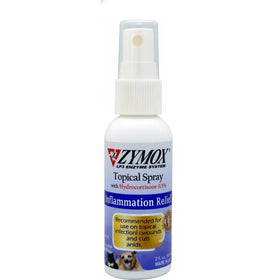
How Can You Spot Dog Skin Allergy Symptoms Early?
Early changes can be easy to dismiss as ordinary scratching, especially when a dog is otherwise acting normally. Watch for patterns rather than one isolated itch. Moderate to severe itching, known clinically as pruritus, is the most common sign of canine atopic dermatitis and often appears before redness or secondary infection. Veterinary dermatology research also notes that clinical signs commonly develop before a dog reaches three years old.

Look for changes in behavior and coat
- Persistent scratching or rubbing: Your dog may scratch, chew, or rub the same areas repeatedly instead of having occasional, brief itches.
- Licking the paws: Frequent licking between the toes or around the feet can signal irritation, especially if the fur becomes damp, stained, or thin.
- Redness and hair loss: Inflamed skin, thinning fur, scabs, or bald patches may develop where scratching and licking continue.
- Hot spots: These moist, irritated lesions can appear and enlarge quickly because self-trauma from itching damages the skin. The underlying trigger needs attention, or the problem may return. Cornell's veterinary guidance describes this condition as acute moist dermatitis.
Check common allergy-prone areas
Inspect the feet, ears, face, and belly during routine grooming. Ear infections, head shaking, odor, discharge, face rubbing, or repeated belly scratching can accompany allergic skin disease. Some dogs show signs in more than one location, while others focus on a single irritated area.
Use these observations to give your veterinarian a clear timeline, including when the itching began, where it appears, and whether it changes with seasons or routines. Early notes can help distinguish allergies from parasites, infections, or other causes of skin irritation.
How Are Dog Skin Allergies Diagnosed?
Diagnosing an itchy dog is a step-by-step process, not a single test. Your veterinarian will first ask about when the itching began, where it appears, seasonal patterns, diet, flea prevention, grooming products, and any previous treatments. Photos of flare-ups and a simple symptom timeline can make that history more useful.
The vet then performs a full physical and dermatologic examination. This includes checking the coat, skin, ears, paws, and other commonly affected areas. Because several conditions can look alike, the initial workup focuses on finding or ruling out more common causes of itching. The diagnostic process typically includes a comprehensive history, physical exam, and evaluation for parasites or secondary infections. Veterinary guidance on allergic skin disease diagnosis supports this methodical approach.
Fleas deserve particular attention, even when you do not see them. Flea allergy can cause intense itching, so your veterinarian may review the dog's flea-control routine and recommend stringent prevention. Skin samples or other tests may also be used when infection or parasites are suspected.
Food allergy requires a different approach. The only definitive diagnostic method is a strict, veterinarian-supervised diet trial using a novel protein or hydrolyzed protein diet. The veterinary review of allergic patients explains why casual food changes cannot confirm an allergy. During the trial, every treat, chew, supplement, and flavored medication may matter. Follow the plan exactly, and do not add foods without asking your vet.
Allergy testing may be considered after other causes have been addressed, particularly when environmental allergies are suspected and the results could guide a longer-term treatment plan. It should be interpreted alongside the clinical history and examination, rather than treated as a standalone answer.
Patience is part of the process. Dogs can have more than one trigger, and infections or self-trauma can complicate the original problem. Keep communicating with your veterinarian, record changes, and follow each trial long enough to produce meaningful information. A careful diagnosis helps your dog's treatment plan target the cause instead of repeatedly chasing symptoms.
How to Use a Dog Skin Allergies Guide for At-Home Treatment
Home care can make an uncomfortable dog more comfortable while you identify the trigger and arrange veterinary guidance. Start with gentle steps that protect the skin, reduce self-trauma, and avoid masking a worsening infection.
Start with careful hot spot first aid
Hot spots, also called acute moist dermatitis, can develop quickly when itching leads to repeated scratching, chewing, or rubbing. Cornell's Riney Canine Health Center notes that this self-trauma is a common driver, and the underlying cause must be addressed to help prevent recurrence.
If your veterinarian has approved home care, gently keep the area clean and dry. Avoid harsh household antiseptics, vigorous scrubbing, and heavy occlusive products. Prevent licking or chewing with a properly fitted cone or other veterinary-approved barrier. Stop home treatment and call your veterinarian if the lesion is spreading, very painful, foul-smelling, bleeding, or producing discharge.
- Clip or trim the hair around the affected area so the skin can stay clean and dry.
- Gently clean with a veterinarian-approved, dog-safe cleanser and pat dry; do not scrub.
- Keep your dog from licking, chewing, or scratching the area with a properly fitted barrier or cone.
- Watch for spreading, odor, discharge, or pain, and contact your veterinarian if these appear.
Use bathing and topical relief thoughtfully
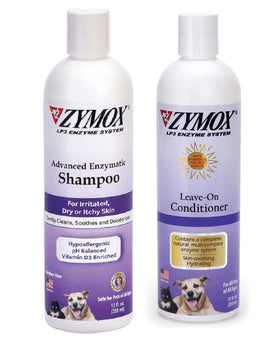
Hypoallergenic or medicated shampoos can remove environmental allergens from the coat and temporarily soothe irritated skin. Follow the product label and your veterinarian's instructions, including contact time and rinsing. Overbathing or using human shampoo can further irritate a compromised skin barrier.
For small areas that are not open or infected, a veterinary-approved topical relief product may help calm irritation. Products designed for dogs, including Zymox-type topical options, should be used only as directed. Do not apply a product to the eyes, mouth, or a deep wound, and do not assume topical relief replaces diagnosis.

Support the skin from the inside
Omega-3 fatty acid supplementation may support skin barrier function and reduce pruritus in allergic dogs. Ask your veterinarian about an appropriate product and amount, especially if your dog takes medication or has another health condition. A supplement is supportive care, not a substitute for flea control, infection treatment, or a supervised food trial.
For another perspective on digestive support and allergy discussions, read our guide to probiotics for dog skin allergies. Keep notes about itching, diet, bathing, supplements, and flare-ups so your veterinarian can spot patterns.
When Should You See a Vet for Dog Skin Issues?
Some itching can be monitored briefly, but worsening skin problems deserve prompt veterinary attention. Contact your veterinarian if your dog has open sores, bleeding, rapidly spreading lesions, significant pain, or a hot spot that looks moist, raw, or swollen. A foul odor or discharge can signal a secondary infection that needs professional treatment rather than continued home care.
Also call promptly when skin symptoms occur with fever, unusual tiredness, reduced appetite, or behavior changes. These signs suggest your dog may be dealing with more than a minor surface irritation. Do not wait several days if your dog is repeatedly scratching, licking, or chewing an area hard enough to damage the skin.
See a vet for open or infected-looking skin, spreading lesions, pain, systemic symptoms, recurring hot spots. Or problems that do not clearly improve after a few days of appropriate home care.
When home care is not enough
For a small, uncomplicated irritation, gentle cleaning and veterinarian-approved topical care may be reasonable while you watch for improvement. Stop home treatment and arrange an appointment if the area grows, becomes wetter, develops a smell, or returns after seeming to heal. Hot spots often develop rapidly from self-trauma caused by itching, and the underlying cause must be identified and treated to reduce recurrence. Cornell's veterinary guidance explains the connection between itching and acute moist dermatitis.
Why diagnosis and ongoing care matter
Allergic skin disease is not always solved by one product or one visit. Diagnosis begins with a detailed history and physical examination, while the veterinarian rules out parasites, infections, and other causes of itching. If food allergy is suspected, a controlled diet trial may be recommended under veterinary supervision.
Once the cause is understood, management may combine parasite control, bathing, itch relief, infection treatment, diet changes, and other measures. Research describes allergic skin disease as requiring a multimodal plan with ongoing communication between the veterinarian and owner. Bring notes about when symptoms began, where they appear, what your dog eats, and which products or treatments you have tried. This information can help your veterinarian build a more useful plan for your dog.
When in doubt, choose an examination over prolonged trial and error. Early care can protect the skin barrier and help prevent a small itchy patch from becoming a painful, recurring problem.
How to Prevent Dog Skin Allergies and Hot Spots
Prevention works best as a steady routine rather than a single product. Consistent parasite control, gentle grooming, clean bedding. And a diet plan approved by your veterinarian can reduce common triggers and help you notice changes before irritation becomes a larger problem.
Build a Weekly Skin Care Routine
Use a simple weekly checklist that fits your dog's coat, activity level, and veterinary recommendations. Brush regularly to remove debris and help you spot redness, scabs, damp patches, or areas your dog keeps licking. After walks, wipe the paws and lower legs with a clean damp cloth. Especially when your dog has been through grass or other areas that may carry environmental allergens. Dry the paws and skin folds thoroughly.
Bathing can also remove allergens from the coat and soothe irritated skin. A hypoallergenic or medicated shampoo may provide temporary relief, but choose the formula with your veterinarian's guidance and follow its contact-time instructions. Rinse thoroughly, since leftover product can irritate the skin. Avoid frequent bathing with harsh, fragranced products, which may dry the coat and make discomfort worse. If your dog develops a moist, rapidly spreading lesion, do not rely on grooming alone. Hot spots can result from self-trauma caused by itching, and the underlying cause needs attention to help prevent recurrence. Cornell's atopic dermatitis guidance explains why addressing that cause matters.
Control Triggers at Home and Outside
Give flea prevention priority throughout the year. Flea allergy is one of the most common causes of itchy skin disease in dogs, and stringent flea control is considered mandatory in allergic patients. Use the preventive product and schedule recommended by your veterinarian, and ask whether other pets or the home environment also need treatment.
Wash bedding regularly with a fragrance-free detergent and keep sleeping areas dry. Clean blankets, collars, and frequently used soft toys according to their care instructions. During high-pollen periods, wiping your dog's paws and coat after outdoor time can limit what comes inside. These steps will not eliminate every allergy trigger, but they make exposure easier to manage.
Nutrition should remain consistent unless your veterinarian recommends a change. If food allergy is suspected, do not rotate foods or add treats while guessing at the cause. A food allergy is definitively diagnosed through a strictly controlled diet trial using a novel or hydrolyzed protein diet under veterinary supervision. For dogs who may benefit from additional skin-barrier support, omega-3 fatty acid supplementation may improve barrier function and reduce itching in allergic dogs. Review options in our pet supplements collection, and confirm the product and dose with your veterinarian.
Keep a brief record of flare-ups, including dates, foods, outdoor activities, flea-prevention doses, bathing, and symptoms. Sharing that pattern with your veterinarian can make a prevention plan more precise. If persistent itching, odor, discharge, open sores, or recurring lesions continue, schedule an examination rather than increasing home treatments. For related context, read about dog skin issues and discuss whether digestive or skin support is appropriate for your dog.
Frequently Asked Questions
What are the common signs of skin allergies in dogs?
Watch for persistent itching, redness, licking, hair loss, or rapidly developing hot spots. Feet, ears, face, and belly are common problem areas. Repeated scratching can damage the skin and allow secondary infections to develop. Veterinary literature identifies pruritus, or itching, as a leading sign of allergic skin disease.
What causes dog skin allergies?
Common triggers include environmental allergens such as pollen, flea bites, food ingredients, and contact irritants. Flea allergy is a frequent cause of itchy skin, so consistent flea control is essential. Food allergy is possible, but it should not be assumed from symptoms alone because parasites and infections can look similar. Veterinary guidance supports ruling out these causes systematically.
How can I manage my dog's skin allergies at home?
Keep your dog's bedding and resting areas clean, follow a reliable flea-control plan, and use a veterinarian-approved hypoallergenic or medicated shampoo as directed. Rinsing thoroughly and drying the coat can help reduce irritation. Omega-3 supplements may support the skin barrier and reduce pruritus, but they should complement veterinary care rather than replace it. Avoid applying human creams or essential oils unless your veterinarian approves them.
When should I see a veterinarian for my dog's skin issues?
Arrange veterinary care for open sores, spreading lesions, odor, discharge, marked pain, intense itching, or signs of illness such as lethargy or reduced appetite. A hot spot can worsen quickly because self-trauma keeps the area irritated. Seek advice as well when home care does not produce clear improvement within a few days. Diagnosis generally requires a history, physical examination, and evaluation for parasites or infection.
Are food allergies a common cause of dog skin problems?
Food allergies can contribute to itching and recurring skin or ear problems, but they are only confirmed through a veterinarian-supervised elimination diet using a novel or hydrolyzed protein. Keep the trial strict and follow the prescribed duration. Treats, supplements, flavored medications, and table scraps can interfere with the results, so ask your veterinarian what your dog may safely eat during testing.
Ready to Support Your Dog's Skin Health?
With your veterinarian's guidance, the right everyday essentials can help support a consistent skin-care routine for your dog. Shop trusted dog health essentials from Hooves and Paws, with carefully selected options for ongoing care and practical next steps. Shop Now for dog health essentials, backed by free continental U.S. shipping and a 365-day satisfaction guarantee.


