


Winter walks are easier when your dog's coat and walking gear work as one. A jacket that shifts, leaves the chest exposed, or requires threading a separate harness underneath can create cold spots and make fitting frustrating.
Shop dog winter jackets with a built-in harness to compare warm, weather-ready options before the next cold-weather outing.
A dog winter jacket with harness should provide dependable warmth, weather protection, comfortable movement, and a secure leash connection in one properly fitted layer. Look for adjustable sizing, breathable insulation, a weather-resistant shell, reinforced attachment points, and visibility details that suit your dog's coat, build, and routine.
The right design depends on more than a size label. Understanding how an integrated harness distributes pressure, protects the torso, and simplifies leash attachment will help you decide whether this style suits your dog's winter walks.
Why Your Dog Needs a Winter Jacket With a Built-In Harness
Winter walks are easier when your dog's coat and walking gear work as one system. Instead of putting on a jacket and then reaching beneath it for a separate harness, you can secure the leash directly to the coat. That convenience is especially useful for active dogs that go out several times a day or need a quick attachment before heading outdoors.
Not every jacket with a leash opening has a built-in harness. Some coats include a simple hole that exposes the D-ring of a harness worn underneath. That design can work, but the harness remains a separate piece that must fit correctly beneath the coat. A fully integrated system has attachment points reinforced as part of the jacket, so the coat itself is designed for controlled leash connection. Check the construction carefully, and look for secure attachment points rather than assuming every opening provides the same support.
More balanced pressure during walks
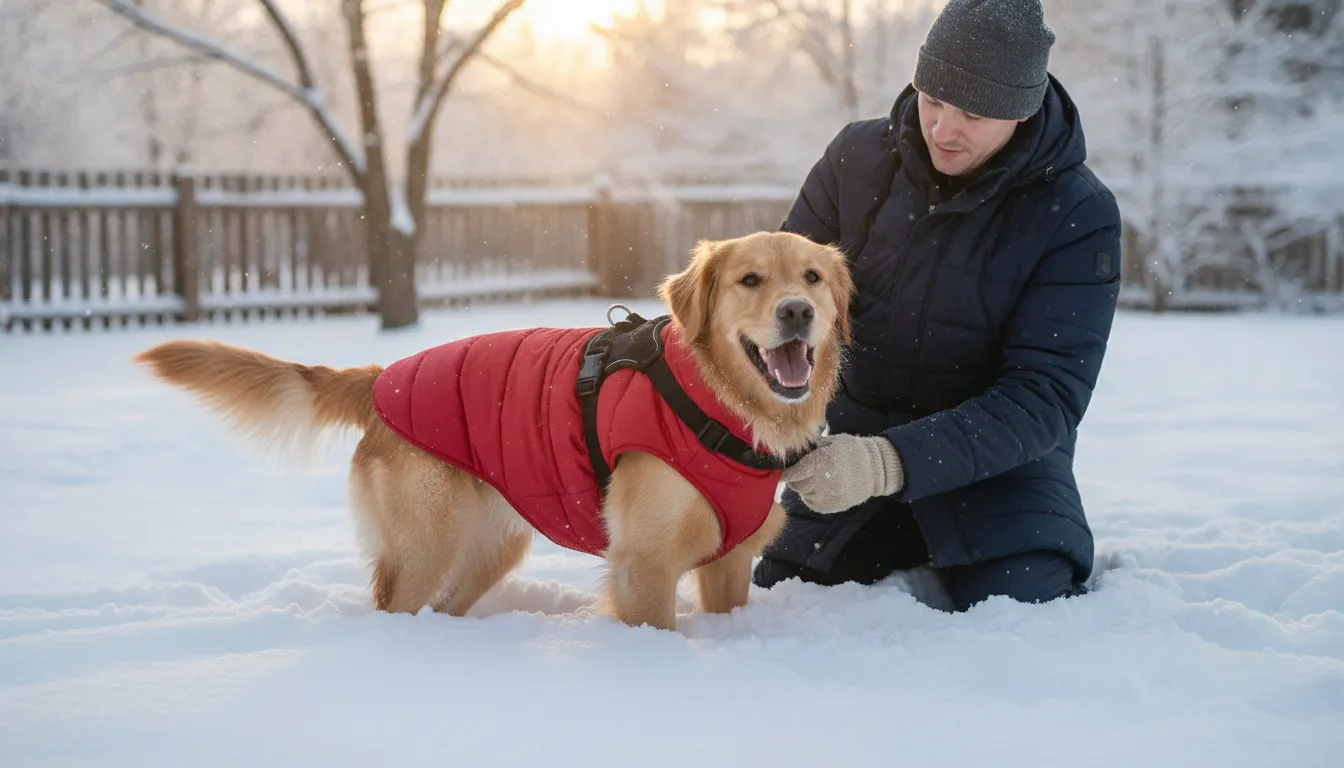
A collar-and-leash setup concentrates leash pressure around the neck. A properly fitted integrated harness distributes that pressure across the chest and back instead. This does not replace the need for supervision or a correct fit. But it can make everyday walking equipment more comfortable for dogs that pull, turn frequently, or dislike pressure at the neck.
Coverage without a separate layering step
Because the harness is built into the jacket, the design can provide chest and back coverage while keeping the leash connection easy to reach. That reduces dressing steps and helps avoid a bulky stack of coat over harness. For sizing, confirm that the jacket sits securely without limiting shoulder movement, rubbing the chest, or shifting when your dog walks.
Hooves and Paws curates dog winter jackets with a built-in harness for shoppers who value practical design and dependable service. The retailer backs purchases with a 365-day satisfaction guarantee and has earned more than 70,000 five-star reviews.
Does My Dog Actually Need a Winter Coat?
There is no single temperature that determines whether every dog needs a coat. Your dog's breed, body size, coat type, age, health, and winter experience all matter. A thick-coated Husky or Malamute may remain comfortable in conditions that feel harsh to a small, short-coated dog. Dogs that live mostly indoors may also need more protection because they have not acclimated to prolonged cold.
Dogs more likely to need extra warmth
Small dogs lose body heat more quickly than larger dogs. Short-coated dogs have less natural insulation, while senior dogs may have more difficulty maintaining body temperature. Puppies are also vulnerable because they cannot regulate their temperature as effectively as mature dogs. Dogs recovering from illness or living with health conditions may need individual guidance from a veterinarian.
Cold tolerance also depends on the specific dog, not only the breed label. A healthy, active dog with a dense double coat may be comfortable without a jacket for a normal walk. A smaller dog with a thin coat may need a well-fitted layer for the same outing. If your dog is not accustomed to cold weather, introduce outdoor exposure gradually and provide protection when needed.
Watch for signs your dog is too cold
Behavior is one of the clearest ways to assess comfort. Shivering, reluctance to continue walking, tail tucking, whining, or a hunched posture can indicate that your dog needs warmth. End the walk and move your dog to a warm, dry area when these signs appear. The Cornell Riney Canine Health Center's winter safety guidance warns that prolonged cold exposure can lead to frostbite and life-threatening hypothermia.
A jacket should support comfort, not encourage longer exposure than your dog can safely handle. Check your dog throughout the walk, especially during wind, wet weather, or extended time outdoors. If your dog repeatedly shows cold intolerance, ask your veterinarian about appropriate winter protection before shopping for a built-in harness jacket.
Shop This Post

Featured in this article
Doggie Design Alpine All Weather Dog Parka - Waterproof Fleece Lined Reflective - Multiple Sizes
$25.00
Shop Now →
What to Look for in a Dog Winter Jacket With a Harness
The leash connection is the main difference between these three jacket styles. Harness holes are common, but a fully built-in system creates a more integrated connection. A separate harness can provide flexibility, although the jacket must accommodate it without bunching or restricting movement.
| Design | Ease of securing leash | Fit and security | Coverage | Best for |
|---|---|---|---|---|
| Built-in harness jacket | Fast, with the leash attaching directly to the integrated system. | Can be highly secure when attachment points are reinforced and straps are adjusted correctly. | Often combines chest, back, and winter coverage in one layer. | Active dogs and owners who want quick, simple preparation. |
| Jacket with harness hole | Simple if the existing harness aligns with the opening. | Check that the hole does not let the harness shift or expose the dog's back. | Can offer good coverage, but the opening interrupts the outer layer. | Dogs with a trusted harness that owners prefer to keep using. |
| Separate jacket over harness | Requires fitting the harness first, then putting on the jacket. | Needs enough room for the extra harness. A large opening may be necessary. | Can provide broad coverage when the layers sit smoothly together. | Dogs needing a specific harness or more adjustable layering. |
Waterproofing and insulation
Look for a weather-resistant outer shell that blocks wind and waterproofing that keeps snow or rain from soaking the coat. Wet fabric can become heavy and cold. Lightweight insulation adds warmth without unnecessary bulk, while breathable materials help reduce overheating during activity.
Fit and adjustability
Adjustable straps can accommodate different body shapes and help create a custom-like fit. The jacket should cover the chest and back while allowing full shoulder and leg movement. If you plan to use a separate harness underneath, confirm that the opening and interior space are large enough. A tight layer can interfere with comfort and leash security.
Visibility details
Reflective strips are useful during darker winter walks and can make your dog easier to spot. Before every outing, check that the attachment points remain reinforced, secure, and free from visible wear. For carefully selected dog winter jackets with a built-in harness, compare the design details against your dog's routine, shape, and walking needs.
How to Measure Your Dog for a Winter Jacket
Accurate measurements help a winter jacket keep your dog warm without interfering with normal movement. Use a soft tape measure while your dog is standing naturally, and keep the tape snug without pulling it tight.
- Measure the chest girth. Wrap the tape around the widest part of the rib cage, usually just behind the front legs. This measurement helps you choose a jacket that covers the chest while leaving enough room for comfortable breathing and movement. Proper sizing is essential because a jacket that is too loose can let cold air in, while one that is too tight can restrict your dog. View our size guide before ordering.
- Measure the back length. Start at the base of the neck, where the collar naturally rests, and measure along the spine to the base of the tail. The jacket should cover the torso without pressing against the tail or interfering with urination. Do not measure from the top of the head or the end of the tail.
- Check the neck opening and movement. The neck should feel secure but never constricting. After putting the jacket on, watch your dog walk, turn, sit, and lift each front leg. The shoulders and legs should have a full range of motion, with no rubbing, bunching, or pulling at the arm openings.
- Allow room for harness adjustment. If the jacket has a built-in harness, leave enough space for its straps to adjust around your dog's shape. The adjustment points should sit flat and remain secure without pressing into the chest or limiting movement. Adjustable straps can help create a more individual fit.
- Test an additional harness if needed. If your dog wears a separate harness underneath the jacket, confirm that the jacket opening is large enough and positioned correctly. Attach the leash, then check that the opening does not pull the coat out of place or place pressure on the harness.
Once you have the measurements, Shop Now in our dog apparel collection and compare each product's size guide before ordering. Recheck the fit whenever your dog's weight, coat, or layering needs change.
Caring for Your Jacket and Keeping Winter Walks Safe
Winter gear works hard. Mud, road salt, snow, and wet sidewalks can all shorten a jacket's useful life, so choose care instructions you can realistically follow after a messy walk. Machine-washable fabric is especially practical for winter clothing, which regularly encounters these conditions. Follow the manufacturer's washing and drying instructions, and allow the jacket to dry fully before storing it.
Hair care matters, too. Long-haired dogs can develop tangles or matting beneath some linings, particularly when moisture is trapped against the coat. Check the fur around the neck, chest, and harness contact points after walks. If you notice pulling, clumping, or irritated skin, stop using the jacket until you can adjust the fit or choose a more suitable lining.
Inspect the integrated harness before every outing. Look closely at the leash attachment points, stitching, fasteners, and adjustable straps for fraying, looseness, or other wear. A jacket that looks clean can still have a weakened connection. Replace damaged gear rather than relying on a compromised attachment during a walk.
Clothing does not protect every part of your dog from winter hazards. Ice can cause slips, while sidewalk salts and de-icers may irritate or damage paw pads. Choose a clear route when possible, avoid visibly treated areas, and check your dog's paws when you return. Wipe away residue with a damp cloth and watch for licking, redness, cracking, or tenderness.
During the walk, monitor comfort as carefully as warmth. A dog that slows down, resists movement, repeatedly tries to remove the jacket, or shows an unusual posture may be experiencing restriction or irritation. The shoulders and legs should move freely, and the leash connection should not pull the coat into the neck or chest. For broader seasonal guidance, see our year-round dog coat weather guide and review our waterproof dog jackets we have tested.
Frequently Asked Questions
What is the best dog winter jacket with a built-in harness?
The best option combines a secure, reinforced harness attachment with chest and back coverage, adjustable fit, weather protection, and freedom of movement. Choose lightweight insulation for warmth without unnecessary bulk. Reflective details are helpful for darker winter walks, and easy fasteners make dressing simpler for dogs that dislike clothing.
Are waterproof dog winter jackets with harnesses necessary?
Waterproofing is useful when your dog walks in snow, rain, or wet conditions. A water-resistant outer shell helps keep the coat dry, while breathable materials can reduce overheating during activity. Look for a jacket that balances weather protection with ventilation, rather than choosing insulation alone.
How do you choose a jacket that works with a harness?
First, decide whether you want a fully integrated harness, a harness opening, or a jacket worn over a separate harness. An integrated system should have reinforced attachment points and adjustable straps. If you use a separate harness, confirm that the jacket has enough room and an opening that does not pinch or restrict movement.
Can I use a harness over a dog winter jacket?
You can, if the jacket and harness are designed to work together. Check that the harness sits securely against the dog without compressing the jacket or limiting shoulder movement. A jacket with a dedicated opening may be easier to fit. Test the setup indoors before relying on it outdoors.
How should a dog winter jacket with a harness fit?
The jacket should cover the torso while leaving the tail and bathroom area clear. Your dog should be able to walk, turn, sit, and extend the shoulders and legs normally. Adjust the straps so the jacket stays secure without rubbing or restricting breathing. If your dog shivers, tucks its tail, or resists walking, move to a warm, dry area, as Cornell Veterinary Medicine advises.
Ready to Shop Winter Dog Apparel?
The right jacket can make cold-weather walks more comfortable while keeping leash attachment simple. Browse dog winter jackets with a built-in harness to compare practical options for your dog's fit and routine. Hooves and Paws backs your purchase with a 365-day satisfaction guarantee and free continental U.S. shipping with no minimum order. Shop the collection when you are ready to choose winter gear for your dog.


