


The gear your horse needs for a quiet trail ride is completely different from what’s required for a fast-paced barrel run or a challenging cross-country course. Each discipline places unique demands on your horse's legs, and choosing the right protection is about matching the equipment to the job. Using a boot that isn't suited for your activity can be ineffective at best and unsafe at worst. This guide is built to help you make an informed decision based on how you and your horse spend your time together. We’ll cover the best options for everything from pleasure riding to high-level competition, ensuring you can find the ideal horse leg protection boots for sale that provide the specific support and safety your equine partner deserves.
Key Takeaways
- Match the boot to the job: Different activities place different demands on your horse's legs. Always choose a boot designed for your specific discipline, like open-front boots for jumping or supportive sport boots for barrel racing, to provide the right kind of protection.
- Prioritize fit and quality over price: A boot is useless if it doesn't fit correctly. Take the time to measure your horse's legs and consult the brand's size chart. Investing in durable, breathable materials prevents discomfort and ensures the boots will last.
- Maintain your gear for safety and longevity: Proper care is crucial for your horse's comfort and your boot's lifespan. Clean boots after every ride, let them air dry away from direct sun, and inspect them regularly for damage to know when it's time for a replacement.
Why Your Horse Needs Leg Protection
As horse owners, we spend a lot of time admiring our horses’ powerful legs. They’re the foundation for everything we do together, from a quiet trail ride to a fast-paced competition. But those same legs, with their delicate tendons and ligaments, are surprisingly vulnerable. Providing the right protection isn’t just for elite equine athletes; it’s a fundamental part of responsible horse care that helps keep your partner healthy, confident, and comfortable for years to come. Whether you’re training, competing, or just enjoying time in the pasture, leg protection is a simple and effective way to safeguard your horse’s well-being.
Prevent Injuries
The most straightforward reason to use leg protection is to prevent injuries. A horse can easily strike one leg with another (called interference), knock into a jump standard, or catch a leg on a branch or gate. These impacts can cause everything from minor scrapes to serious injuries that require extensive vet care and stall rest. Using the right horse boots and leg protection acts as a crucial shield for the sensitive structures of the lower leg, like the cannon bone, splint bones, and soft tissues. Think of it as a helmet for their legs; it absorbs and deflects impacts that could otherwise lead to lameness, keeping your horse sound and happy.
Add Support and Stability
During strenuous activities like jumping, barrel racing, or reining, your horse’s legs are under incredible stress. While boots don’t function like a rigid cast, they do offer valuable support to the tendons and ligaments that work so hard. Many modern sport boots are designed to help prevent hyperextension of the fetlock joint and provide a gentle cradling effect on key ligaments. This added support can reduce strain and fatigue during a workout, helping your horse perform their best while minimizing the risk of soft tissue injuries. It gives both of you the confidence to tackle demanding work, knowing their legs have an extra layer of defense.
Increase Comfort During Work and Travel
A comfortable horse is a willing and happy partner. Leg protection plays a big role in comfort by absorbing shock and reducing fatigue. Every time a hoof hits the ground, concussive force travels up the leg. Quality boots are made with materials that dampen this impact, which can make a huge difference during long rides or intense training sessions on hard ground. This same principle applies to hauling. Standing in a moving trailer requires constant balancing, which can be tiring. Shipping boots protect against bumps and scrapes in transit and provide cushioned support, helping your horse arrive at your destination feeling fresh and ready to go.
A Guide to Horse Leg Protection Boots
Walking down the tack aisle can feel a bit overwhelming with all the different types of horse boots on display. From sleek, hard-shell designs to plush, full-coverage wraps, each style serves a specific purpose. Understanding the different types of horse boots and leg protection is the first step to making a confident choice for your horse. The right boot is all about matching the equipment to your activity and the part of the leg that needs shielding.
Whether you're hitting the trails, schooling in the arena, or hauling to a show, your horse's legs are working hard. Boots help guard against interference, which is when a hoof strikes another leg, as well as impacts from obstacles like jumps or trail debris. They can also offer support to the delicate tendons and ligaments that are under strain during athletic work. Think of it like choosing the right athletic shoe for yourself; you wouldn't wear running shoes to play basketball. This guide will break down the most common types of horse boots, what they do, and when you should use them, so you can find the perfect pair for your equine partner.
Tendon Boots
Tendon boots, also called open-front boots, are a staple in the show jumping and eventing worlds. They are specifically designed to protect the flexor tendons, which run down the back of the cannon bone, from being struck by the hind hooves when a horse goes over a jump. The front of the boot is left open so the horse can feel a pole if it gets a bit lazy and knocks one down. This design provides critical impact protection where it's needed most without interfering with the horse's natural feel. They are lightweight and typically feature a hard outer shell with a soft, shock-absorbing lining.
Bell Boots
Bell boots are shaped like a bell and fit around the pastern, covering the entire hoof. Their main job is to protect the soft, sensitive heel bulbs and the coronary band from overreaching, which happens when a hind hoof steps on the back of a front hoof. This is common during fast work, deep footing, or even just during turnout for some horses. Bell boots are also great for preventing a horse from pulling off its front shoes. Because they are used for everything from riding to turnout, they come in a wide variety of durable materials like rubber, neoprene, and fleece-lined synthetics.
Splint Boots
Splint boots are one of the most common types of all-purpose protective boots. They are designed to guard the splint bones, which are located on either side of the cannon bone, from impact. Horses can easily strike this area with the opposite hoof, especially during lunging, training, or other activities involving circles and lateral movements. Splint boots are easy to put on, offer great everyday protection for flatwork, and are a versatile addition to any tack trunk. They typically feature a padded leather or synthetic material with a reinforced strike plate on the inner side of the boot.
Sport Boots
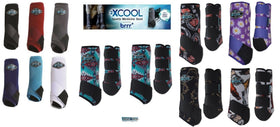
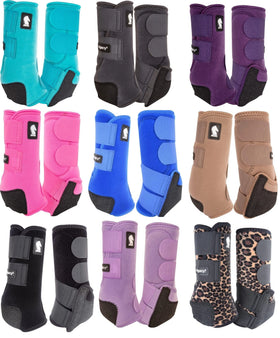
If you participate in high-speed disciplines like barrel racing, reining, or endurance riding, sport boots are an excellent choice. These boots provide 360-degree protection and support for the entire lower leg, including the cannon bone, tendons, and fetlock joint. They are designed to absorb a high degree of impact while also providing support to prevent hyperextension of the fetlock. Many sport boots are made from breathable, lightweight neoprene that conforms to the horse's leg for a secure and comfortable fit, ensuring the leg stays cool and protected during intense work.
Fetlock Boots
Fetlock boots are used to protect the hind fetlock joints from interference, where the horse strikes the inside of its own leg with the opposite hoof. You'll almost always see these used on the hind legs, often paired with a matching set of tendon boots on the front. They are popular in show jumping, as they provide targeted protection without adding unnecessary weight or bulk. The design is minimal, consisting of a small, hard-shell cup that covers the inside of the fetlock, which is the area most likely to be hit during jumping efforts or sharp turns.
Cross-Country Boots
When it comes to eventing, cross-country boots are non-negotiable. These boots are engineered for maximum toughness and impact protection to keep a horse's legs safe while galloping and jumping over solid, unforgiving obstacles. They are lightweight, waterproof, and designed not to retain water, which would weigh the horse down on course. Cross-country boots offer full coverage of the lower leg, with a strong, protective outer layer and a shock-absorbing inner lining. They are built to withstand the most demanding conditions while allowing for flexibility and airflow.
Shipping and Travel Boots
Trailering can be tough on a horse's legs, even for the most seasoned traveler. Shipping boots provide padded, full-coverage protection from the knee or hock all the way down to the coronary band. They guard against scrapes, cuts, and impact injuries that can happen if a horse loses its balance or kicks out in the trailer. These boots are typically made with a durable outer shell and thick, soft padding on the inside. Using a quality set of shipping boots gives you peace of mind that your horse will arrive at your destination safe, sound, and ready to perform.
Shop This Post

Featured in this article
Shires Arma Overreach Bell Boots - 6mm Rubber Shock Absorbing Double Touch-Close - Multiple Sizes
$19.99
Shop Now →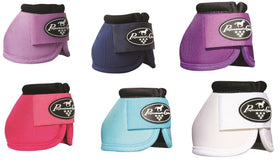
Choose the Right Boot for Your Discipline
The best way to keep your horse safe and comfortable is to match their leg protection to the job at hand. A boot designed for a quiet trail ride won't offer enough support for barrel racing, and a heavy-duty cross-country boot might be overkill for light arena work. Each discipline places different stresses on your horse's legs, so choosing the right gear is one of the most important decisions you can make. With so many different types of horse boots and leg protection available, it’s helpful to think about what your horse will be doing. Let's break down the common disciplines and the boots that are best suited for them, so you can make a confident choice for your equine partner.
Trail and Pleasure Riding
When you're out on the trail or enjoying a relaxed ride, your main goal is to protect your horse from the unexpected. Think scrapes from brush, bumps against rocks, or interference where a hoof accidentally strikes the opposite leg. You'll want a boot that offers general protection without being too bulky or restrictive. Lightweight sport boots or simple splint boots are excellent choices. They shield the cannon bone and vital structures like tendons and fetlocks from minor impacts. Look for breathable materials to keep your horse's legs cool and comfortable, ensuring your leisurely ride stays pleasant for both of you from start to finish.
Arena Work and Jumping
Working in the arena, whether you're schooling on the flat or soaring over fences, requires specific protection. For jumpers, open-front tendon boots are the standard. They provide tough protection for the tendons at the back of the front legs, which can be struck by the hind hooves over a jump. The open front allows your horse to feel a rail if they get too close, which helps them learn to be more careful. For dressage and other flatwork, you'll want boots that offer all-around support and protection from interference as your horse performs lateral movements and transitions. A good set of sport boots often does the trick here.
Barrel Racing and Western Events
The fast-paced action of barrel racing, reining, and other Western performance events puts incredible strain on a horse's legs. Quick sprints, sharp turns, and sliding stops demand maximum support for tendons and ligaments to prevent injury. These disciplines also see a high risk of interference, so impact protection is non-negotiable. Sport boots are a favorite among Western riders because they offer a secure, 360-degree fit that supports the entire lower leg structure. Look for boots specifically designed to absorb shock and prevent hyperextension, giving your horse the stability they need to perform their best while staying safe.
Eventing and Cross-Country
Cross-country is the ultimate test of a horse's athleticism and bravery, and their leg protection needs to be up to the challenge. These boots must be incredibly tough to shield against impacts with solid, unforgiving obstacles like logs and stone walls. At the same time, they can't be heavy or retain water, as that would fatigue the horse over a long course. Cross-country boots are engineered for maximum protection of the tendons and cannon bones without sacrificing mobility. They are a crucial piece of safety equipment that helps minimize the risk of serious lower leg injuries during this demanding phase of competition.
Shipping and Hauling
Traveling in a trailer can be surprisingly risky for a horse's legs. Even the best haulers can lose their balance, step on themselves, or get bumped against the trailer walls. For any kind of travel, you need boots that offer complete coverage and cushioning. Tall shipping boots are ideal because they protect the entire lower leg, from the knee or hock all the way down to the coronet band and heel bulbs. They provide peace of mind by ensuring your horse arrives at your destination sound and ready to go, whether you're heading to a show, a new barn, or a trailhead.
What Makes a Great Horse Boot?
When you start shopping for horse boots and leg protection, it’s easy to feel overwhelmed by the sheer number of styles, materials, and brands. But once you know which type of boot you need for your discipline, you can focus on what truly separates a mediocre boot from a great one. It’s not just about the color or brand name; it’s about a thoughtful combination of design elements that work together to keep your horse safe, comfortable, and supported. A truly great horse boot functions as a complete system. It starts with a tough outer shell that can withstand the rigors of riding, but that durability is balanced with materials that allow heat and moisture to escape, preventing potential tissue damage.
Inside that protective exterior, you need effective shock absorption to cushion the delicate structures of the leg from impact, whether you’re landing a jump or navigating a rocky trail. However, none of these features matter if the boot doesn’t stay in place. A secure, anatomical fit is the glue that holds it all together, ensuring the protective elements are correctly positioned without rubbing, slipping, or restricting your horse’s natural movement. Finally, many of the best boots on the market incorporate advanced technologies that build on these fundamentals, offering specialized support or therapeutic benefits. By understanding how these key qualities work together, you can confidently choose a boot that offers comprehensive protection.
Durable Materials
A horse boot is an investment in your horse’s soundness, and it needs to be tough enough to handle the job. High-quality materials are the foundation of a boot that will last more than a single season and provide reliable protection ride after ride. Look for boots constructed from rugged options like genuine leather, heavy-duty neoprene, or advanced synthetics like ballistic nylon. Some top-tier boots even feature proprietary materials, like SuperFabric, which offers exceptional resistance to strikes and abrasions. Choosing boots made from these sturdy materials ensures they won’t tear, stretch, or break down when faced with trail debris, overreaching hooves, or intense work, giving you peace of mind and better long-term value.
Breathability and Moisture Control
During any kind of work, a horse's legs generate a significant amount of heat. If that heat is trapped against the skin by a boot, it can increase the risk of injury to soft tissues like tendons and ligaments. That’s why breathability is a critical, non-negotiable feature in a quality horse boot. Look for designs that incorporate perforated materials or specialized linings that allow air to circulate, keeping the legs cooler and drier. Many modern boots also feature moisture-wicking fabrics that actively pull sweat away from the skin. This is essential for preventing skin irritation and discomfort, especially during long rides or in warm climates.
Shock Absorption
One of the most important functions of any leg protection boot is to absorb and dissipate the force of impact. Your horse’s legs are subjected to incredible concussion, whether they are landing after a jump, executing a sharp turn in the arena, or simply moving across hard ground. Great boots are engineered with materials specifically designed to soften these blows. Features to look for include specialized foam padding, gel inserts, or strategically placed hard-shell strike guards over vulnerable areas. This cushioning helps protect the delicate bones, tendons, and ligaments from the cumulative effects of impact, which is crucial for long-term soundness and performance.
Secure Fit and Closures
A boot can have all the best features in the world, but it’s useless if it doesn’t stay put. A secure fit is absolutely essential for a boot to do its job correctly. It should conform snugly to the contours of your horse’s leg to prevent it from sliding down or spinning around, but it should never be so tight that it restricts blood flow or movement. Pay close attention to the closure system. Strong hook-and-loop fasteners are the most common and are highly effective when kept clean, while some boots designed for high-intensity sports may use double-lock systems or buckle closures for extra security.
Noteworthy Technologies
The world of equine gear is constantly evolving, and many top brands now incorporate innovative technologies to enhance boot performance. These features go beyond basic protection to offer specialized support or therapeutic benefits. For instance, some boots include a "Dynamic Sling System" that cradles the fetlock joint to provide extra support during fast, lateral movements. Others use advanced fabrics, like the Welltex® material in Back on Track products, which is designed to reflect the horse’s body warmth as infrared energy to help increase circulation. While not every horse needs these high-tech features, they can provide significant advantages for performance athletes or horses recovering from injury.
Trusted Brands for Leg Protection
When it comes to protecting your horse's legs, the brand you choose really matters. It’s about more than just a name; it’s about trusting that the materials are top-notch, the design is backed by research, and the fit will be secure and comfortable for your horse. With so many options on the market, it can be tough to know where to start. That's why I always recommend beginning your search with brands that have earned a solid reputation in the equestrian community. These are the companies that riders turn to again and again because their products deliver on their promises, ride after ride. Choosing a reputable brand gives you peace of mind, knowing your horse's sensitive legs are getting the best possible support.
We carry a wide variety of horse boots and leg protection from brands that have proven their worth in arenas, on trails, and in barns around the world. Three names that consistently stand out for their quality, innovation, and commitment to equine well-being are Professional's Choice, Classic Equine, and Back on Track. Each one brings something special to the table, whether it's cutting-edge technology, time-tested durability, or therapeutic benefits. Getting to know what makes each brand unique will help you make a more confident choice for your horse's specific needs.
Professional's Choice
Professional's Choice has become a household name in the horse world for a reason. They are renowned for their high-quality leg protection gear that’s built to last. What I love about their products is the focus on combining advanced, protective materials with designs that prioritize your horse's comfort. This means you get boots that offer serious support without being restrictive or bulky. They put a huge emphasis on durability, so you can feel confident that their boots will hold up to the demands of training and competition. It’s this reliability that makes them such a popular choice for equestrians across all disciplines.
Classic Equine
Classic Equine is another industry leader that you can always count on for dependable leg protection. They offer a fantastic range of boots and wraps designed with both safety and comfort at the forefront. Their products are known for using innovative materials that give your horse's legs excellent support while still allowing for a natural range of motion. This balance is so important for performance horses. Whether you're in the arena or out on the trail, you need protection that works with your horse, not against them. It's no surprise that Classic Equine is trusted by so many professional and amateur riders alike.
Back on Track
Back on Track takes a truly unique approach to leg protection by blending safety with therapeutic benefits. Their boots and wraps are made with a special fabric infused with ceramic particles, which reflects the horse's own body heat as infrared waves. This technology is designed to help increase circulation, which can reduce inflammation and ease tension in muscles and joints. Many horse owners, myself included, appreciate the dual function of their products. You’re not just getting protection during a ride; you’re also getting therapeutic support that can aid in recovery. Their horse boots and leg wraps are an excellent choice for hardworking horses or those needing a little extra support.
How to Get the Perfect Fit
Finding the right size horse boot is just as important as choosing the right type. A boot that’s too loose can slip, chafe, and collect debris, causing irritation or even a dangerous trip. On the other hand, a boot that’s too tight can restrict blood flow, create pressure sores, and damage delicate tendons. Think of it like your own riding boots; you wouldn’t hit the trail in a pair that’s two sizes too big or small.
The goal is a snug, secure fit that stays in place without rubbing or interfering with your horse’s natural movement. Taking a few minutes to measure your horse’s legs is the most reliable way to ensure you’re buying a boot that will protect them effectively and comfortably. It’s a simple process that can save you from the headache of returns and, more importantly, keep your horse safe and sound. By following these steps, you can confidently select the perfect size from our collection of horse boots and leg protection.
Measure the Circumference
First, you’ll need to measure the circumference of your horse’s cannon bone. Using a soft fabric measuring tape, wrap it around the widest part of the leg, which is typically about midway between the knee and the fetlock joint. The tape should be snug against the leg, but not tight enough to indent the skin. A good rule of thumb is that you should be able to comfortably slide one finger between the tape and your horse’s leg. This measurement is key to making sure the boot will close securely without being restrictive.
Measure the Length
Next, measure the length of the area the boot will cover. For most splint or sport boots, this means measuring the vertical distance of the cannon bone. Place your measuring tape just below the back of your horse’s knee and measure down to the top of the fetlock joint. This ensures the boot is long enough to protect the delicate tendons and ligaments running down the leg but not so long that it interferes with the flexion of the knee or ankle. Remember that different boot styles, like bell boots or travel boots, will have different length requirements.
Check the Brand's Size Chart
This step is crucial. Just like with human clothing, sizing is not standardized across different horse boot brands. A “Medium” from one company might fit completely differently than a “Medium” from another. Always refer to the specific brand’s size chart, which you can usually find on the product page. Compare the circumference and length measurements you just took with the chart to find the recommended size for your horse. This is the single most effective way to avoid guessing and get the fit right on the first try.
Common Fitting Mistakes to Avoid
The most common mistake is choosing a boot that is either too tight or too loose. A boot that’s fastened too tightly can cause “tendon squeeze,” while a loose boot will shift and rub. After you put the boots on, fasten the straps so they are snug and secure. Then, walk your horse for a few moments and check the fit again. Boots can settle after a little movement, and you may need to make a final adjustment. A well-fitted boot will not turn, slip, or gap, giving your horse the stable support it needs.
Common Mistakes When Buying Horse Boots
Choosing the right leg protection is one of the most important gear decisions you'll make for your horse. With so many options available, it’s easy to make a misstep. By avoiding a few common mistakes, you can ensure you’re getting a boot that offers the right protection, fits correctly, and keeps your horse comfortable and safe, no matter the activity. Investing a little time upfront to get it right will save you headaches and give you peace of mind.
Choosing the Wrong Boot for Your Activity
It’s tempting to grab one pair of boots and call it a day, but not all boots are created equal. Using a boot that doesn’t match your horse’s activity is a frequent and risky mistake. A lightweight splint boot designed for arena work won’t stand up to the rigors of a cross-country course, and a heavy-duty shipping boot is overkill for a leisurely trail ride. You need to match the protection to the activity. Before you start shopping, think about what you’ll be doing most. Are you training, competing, or just enjoying a ride? Answering this question first will help you narrow down the options and select a boot that provides the specific support and protection your horse needs.
Sacrificing Quality for Price
We all love a good deal, but when it comes to your horse's safety, a lower price tag can come at a higher cost. Cheaper boots are often made with inferior materials that break down quickly, offer poor support, and can cause uncomfortable rubbing. Investing in quality horse boots and leg protection from a trusted brand means you’re getting a product that is built to last and designed for performance. These boots provide superior impact absorption, a more secure fit, and durable construction that holds up to regular use. Think of it as an investment in your horse’s long-term soundness and comfort, which is always worth it.
Overlooking Breathability
A horse's legs can generate a lot of heat during exercise, and trapping that heat with non-breathable boots can be harmful. When tendons and ligaments overheat, they can become more susceptible to injury. Furthermore, trapped moisture creates an ideal environment for skin irritations and fungal or bacterial infections. Always check what a boot is made of. Many modern boots are designed with breathable materials and perforated shells that allow air to circulate, keeping the legs cool and dry. Even with the most breathable boots, it's a good practice to remove them promptly after your ride to let your horse's legs cool down naturally.
Assuming One Size Fits All
Just like with our own shoes, fit is everything. Assuming a "Full" or "Cob" size will fit your horse without measuring is a recipe for trouble. A boot that’s too tight can restrict blood flow and tendon movement, while a boot that’s too loose can slip down, get filled with debris, or even cause your horse to trip. The boot should stay securely in place without rubbing or interfering with your horse's natural movement. Before you buy, take a moment to measure the circumference and length of your horse’s cannon bone. Compare those measurements to the manufacturer’s specific size chart, as sizing can vary between brands. A well-fitting boot is a safe boot.
Can You Use One Boot for Everything?
It’s a question every horse owner asks at some point: can I find one perfect pair of boots to cover all my bases? While the idea of a single, do-it-all boot is appealing for its simplicity and cost-effectiveness, the reality is a bit more nuanced. The short answer is no, not really. The long answer is that while some boots are incredibly versatile, specific activities demand specialized protection to keep your horse safe, sound, and comfortable. It’s all about matching the boot to the job at hand.
Versatile Boot Options
If you're looking for the closest thing to an all-purpose boot, the sport boot is your best bet. These boots are the workhorses of the leg protection world, offering 360-degree coverage that guards against general knocks, scrapes, and interference. They are fantastic for a wide range of low-to-moderate intensity activities, including trail riding, flatwork, and even turnout for some horses. While they may not provide the targeted support needed for high-level jumping or the specific action of a sliding stop, a quality pair of horse boots can be an excellent and practical foundation for your horse’s wardrobe.
When to Invest in Specialized Boots
Just as you wouldn't wear flip-flops to go hiking, your horse shouldn't wear general-purpose boots for high-demand sports. When the intensity ramps up, so does the need for specialized gear. Disciplines like jumping, reining, and cross-country place specific and significant stress on a horse's legs. This is where investing in purpose-built boots becomes non-negotiable. These boots are engineered to prevent common injuries associated with each sport, from tendon strikes in jumpers to leg interference in eventers. Choosing the right boot is a critical investment in your horse's long-term health and wellness, ensuring they have the precise protection needed to perform their best safely.
How to Care for Your Horse Boots
Investing in a quality pair of horse boots is the first step. The second, and just as important, is taking care of them. Proper maintenance not only extends the life of your boots, saving you money in the long run, but it's also critical for your horse's health and comfort. A dirty or damaged boot can do more harm than good, potentially causing rubs, sores, or failing to provide the protection your horse needs. Let's walk through the simple steps to keep your horse's leg protection in top shape for every ride.
Clean After Each Use
It’s tempting to toss your boots in the tack trunk after a long ride, but taking a few minutes to clean them is a habit worth forming. Dirt, sweat, and arena footing can build up inside the boots, and as the American Association of Equine Practitioners points out, this can lead to skin irritation and even impact the boot's performance. A stiff brush is your best friend here; use it to knock off any loose mud and debris. For a deeper clean, a simple rinse with water is usually all you need. Just be sure to avoid harsh soaps or chemicals that could break down the materials over time.
Proper Drying and Storage
Once your boots are clean, how you dry them matters just as much. Tossing them on a sunny fence post might seem like a quick fix, but direct sunlight and high heat can cause materials to warp, crack, or become brittle. Instead, the Horse Journal recommends letting them air dry in a shady, well-ventilated spot. After they are completely dry, store them in a cool, dry place. Using a breathable gear bag can help protect them from dust and moisture while preventing mildew, ensuring they keep their shape and are ready for your next ride.
Know When It's Time for a New Pair
Even the best-cared-for boots won't last forever. Regularly inspecting them for wear and tear is essential for your horse's safety. Check for cracks in the shell, tears in the lining, or stitching that has come undone. Pay close attention to the closures, as stretched-out elastic or worn-out velcro won't provide a secure fit. The Equine Veterinary Journal notes that signs of wear like loss of support mean it's time for a replacement. Using a compromised boot isn't worth the risk. When you notice significant wear, it's time to invest in a new pair of horse boots and leg protection to keep your partner safe and sound.
Find Your Horse's Next Boots at Hooves and Paws
Searching for the perfect leg protection for your horse can feel like a big task, but it doesn't have to be. At Hooves and Paws, we’ve curated a wide selection of boots and wraps designed to meet the specific needs of your equine partner. Protecting your horse's legs is crucial for their long-term health and confidence, safeguarding them from bumps, impacts, and the general wear and tear of their daily activities. It’s an essential investment for any horse owner.
We carry a variety of horse boots and leg protection to cover every situation. You can find sport boots for training, splint boots for arena work, sturdy bell boots to prevent overreaching, and padded shipping boots to keep your horse safe during travel. Each style is made to provide the right balance of protection and support, helping prevent injuries to your horse's delicate lower legs whether you're at a competition or just heading down the trail.
Because we know quality matters, we only stock products from brands we trust. We’ve spent over 30 years learning what works, so you can shop with confidence knowing every item has been handpicked for its durability, fit, and performance. We’re here to help you find exactly what you need to keep your horse protected, comfortable, and ready for whatever you have planned.
Related Articles
- A Guide to Horse Leg Protection Boots
- Tendon Boots Guide 2026: Essential Tips for Horse Protection
- The Complete Guide to Leg Protection Boots
- Leg Protection Boots Guide | Hooves & Paws
Frequently Asked Questions
How do I know if my horse's boots fit correctly? A well-fitted boot should be snug enough that it doesn't spin or slide down your horse's leg, even during movement. However, it should never be so tight that it restricts circulation. A good test is to fasten the boot and then try to slide one finger between the boot and your horse's leg. If you can do this comfortably, the fit is likely correct. After a few minutes of walking, check again to make sure nothing has shifted.
Can I leave boots on my horse for turnout? While some boots are designed for turnout, it's generally not a good idea to leave any leg protection on your horse 24/7. Boots can trap heat and moisture, which may lead to skin irritation. If your horse needs protection in the pasture, use boots specifically made for turnout, check them daily for rubbing or debris, and give your horse's legs plenty of time to breathe without them.
What's the most versatile boot if I can only buy one pair to start? If you're looking for a great all-around option, a quality pair of sport boots is your best bet. They offer 360-degree protection for the lower leg, making them suitable for many activities like trail riding, schooling on the flat, and general training. While they aren't specialized enough for high-impact sports like cross-country, they are an excellent and practical foundation for any collection of horse boots and leg protection.
My horse only does light trail riding. Do they still need boots? Yes, it's still a great idea. Even on a relaxed trail ride, a horse can accidentally strike one leg with another, step on a sharp rock, or scrape a leg on brush. A simple, lightweight boot provides a valuable layer of defense against these common and unexpected incidents. Think of it as simple, affordable insurance to help prevent minor scrapes from becoming bigger problems.
How often should I replace my horse's boots? There's no set expiration date, so you'll need to inspect your boots regularly for signs of wear. It's time for a new pair when the closures (like velcro or elastic) lose their grip, the inner lining becomes compressed or torn, or the outer shell has significant cracks. A compromised boot can't provide proper protection, so replacing it is a key part of keeping your horse safe.


