


Finding the perfect English saddle can feel like a never-ending quest. It’s a huge investment in your horse's comfort, your safety, and your shared performance. But an ill-fitting saddle is often the hidden cause of resistance, a sour attitude, or a sudden drop in performance. It’s our responsibility as riders to learn how to listen to what our horses are telling us. This guide will teach you to see the subtle signs of a poor fit, empowering you to become your horse's best advocate and find a saddle that truly works for both of you.
This comprehensive guide will walk you through everything you need to know, from saddle types and fitting essentials to the latest innovations, sizing tips, care advice, and smart buying strategies. Imagine riding with perfect balance, less pain, and a stronger connection with your horse. Follow this guide to confidently choose the ideal english saddle for your needs in 2025.
The Evolution of the English Saddle
To appreciate the modern English saddle, it helps to understand where it came from. Today’s saddles are designed to give the horse incredible freedom of movement, whether you’re in the dressage ring or out on a cross-country course. Unlike their Western counterparts, English saddles are intentionally minimalist, lacking the prominent horn and heavy frame. This design philosophy isn't new; it’s the result of centuries of refinement, driven by the changing needs of riders. The goal has always been to create a secure seat that interferes as little as possible with the horse's natural athleticism, allowing for a closer connection between horse and rider.
From Foxhunts to Forward Seats
The English saddle we recognize today has its roots in 18th-century England. Before this period, European saddles often featured high pommels and cantles, designed to keep the rider firmly in place. However, the rise of foxhunting created a new demand. Riders needed a saddle that would allow them to safely and effectively jump fences and gallop across open country. This led to the development of a much flatter saddle with a lower pommel and cantle, giving the rider more flexibility and a "forward seat" for jumping. This functional, sport-driven evolution is what separates the English saddle from many other designs around the world.
English vs. Western Saddles: What's the Difference?
One of the most common questions new riders have is about the difference between English and Western saddles. While both connect you to your horse, they are fundamentally different tools designed for distinct riding styles and purposes. The choice isn't just about aesthetics; it impacts your position, your communication with your horse, and the type of activities you can comfortably pursue. Understanding these core differences is the first step in finding the right horse tack for your specific discipline and goals, ensuring both you and your horse are set up for success from the start.
Key Saddle Differences
The most obvious visual difference is that an English saddle lacks a horn. But the distinctions go much deeper. English saddles are significantly smaller and lighter, which allows the rider to have closer contact and feel the horse's movements more directly. Underneath, they feature soft, stuffed "panels" that cushion the horse's back. In contrast, Western saddles are larger, heavier, and designed to distribute the rider's weight over a broader area. This makes them ideal for long hours on the trail and provides greater stability, while the iconic horn serves a practical purpose for ranch work, like holding a rope.
Contrasting Riding Styles and Disciplines
These design differences reflect the contrasting riding styles they support. English riding is often characterized by more subtle communication, using precise leg pressure and shifts in body weight to guide the horse. It’s the foundation for Olympic disciplines like dressage, show jumping, and eventing. Western riding, born from the traditions of cowboys, often involves more direct rein contact and a more relaxed posture for the rider. While both styles can be used for activities like trail riding and endurance racing, they each have their own exclusive competitive events that showcase the unique partnership between horse and rider.
What Are the Different Types of English Saddles?
Selecting the right english saddle is the first step toward a comfortable and successful partnership between rider and horse. With so many options available, understanding the distinct types is key to matching your needs and your horse’s conformation.
Breaking Down the Core Saddle Categories
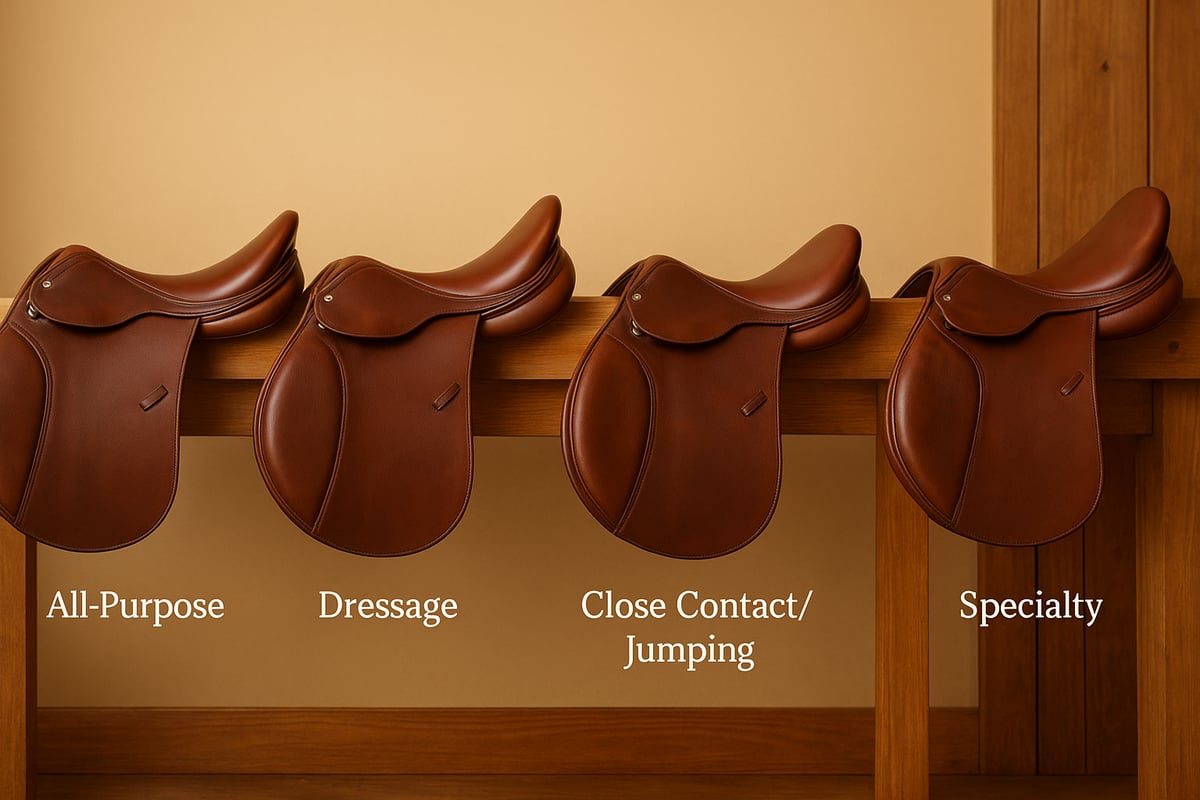
English saddle design has evolved to serve a range of equestrian disciplines, each requiring unique features for optimal performance. The main categories include all-purpose, dressage, close contact (jumping), eventing, and specialty saddles such as side saddles.
Each english saddle type varies in seat depth, flap shape, and panel construction. For instance, dressage saddles have longer, straighter flaps, while jumping saddles offer forward-cut flaps. Your discipline is the main factor guiding this choice. Riders focusing on multiple activities often gravitate toward the all-purpose style, while specialists choose discipline-specific models.
For a deeper look into these distinctions, see the Types of Horse Saddles Explained guide, which complements this overview.
| Saddle Type | Seat Depth | Flap Shape | Best For |
|---|---|---|---|
| All-Purpose | Moderate | Slightly forward | Mixed riding |
| Dressage | Deep | Straight | Dressage, flatwork |
| Jumping/Close Contact | Shallow | Forward | Jumping, hunters |
| Eventing | Secure | Forward, padded | Cross-country, eventing |
| Specialty | Varies | Unique | Polo, endurance, side |
All-Purpose Saddles: For Every Discipline
The all-purpose english saddle is designed for versatility, making it a popular choice among riding schools and casual riders. This type features a balanced seat depth and moderate knee rolls, allowing flexibility for both flatwork and light jumping.
Riders who participate in a variety of activities often prefer this saddle. Its structure supports transitions between disciplines without compromising comfort or security. While it may not provide the same specialized support as discipline-specific saddles, it offers a reliable solution for those seeking one saddle for multiple uses.
Dressage Saddles: For Precision and Balance
A dressage english saddle is tailored for precision and communication. Its deep seat and long, straight flaps position the rider’s leg optimally, encouraging close contact with the horse.
This design enhances subtle aids and helps achieve the upright posture required in competitive dressage. The construction allows the rider to maintain balance and stability during intricate movements. Dressage saddles are essential for riders pursuing advanced flatwork and are a staple in the show ring.
Jumping Saddles: For Security Over Fences
The jumping or close contact english saddle is engineered for freedom of movement over fences. It features a shallow seat and forward-cut flaps, enabling the rider to adopt a two-point position and move easily with the horse’s jump.
Lightweight materials and minimal bulk facilitate quick position changes. These saddles are the preferred choice for show jumpers, hunters, and eventers seeking agility and precision. The design minimizes interference, promoting effective communication during fast-paced courses.
Eventing and Other Specialty Saddles
Eventing english saddles are built for security and support across varied terrain. They typically offer a more secure seat, additional knee and thigh blocks, and forward-cut flaps for cross-country phases.
Specialty saddles, including those for polo, endurance, and side saddle riding, feature unique adaptations. For example, endurance saddles prioritize comfort for long hours, while side saddles are crafted for traditional riding styles. Each specialty design addresses the demands of its specific sport.
Saddle Seat Saddles
Saddle seat saddles are designed to showcase high-stepping horse breeds like the American Saddlebred and Arabian. These saddles feature a deep seat and a high pommel, which positions the rider further back and encourages a more upright, elegant posture. The design also allows for a longer leg position, which helps accentuate the horse's powerful shoulder and neck movement. This specific construction is less about rider comfort for long trail rides and more about creating a polished, commanding presence in the show ring. It’s a specialized piece of equipment built to highlight the unique action and conformation of gaited breeds.
English Showing Saddles
English showing saddles are all about creating a clean, classic silhouette that flatters both horse and rider. Unlike the deep seat of a dressage saddle, a showing saddle often has a flatter seat and longer, straighter flaps. This design helps create an uninterrupted line from the rider’s hip to their heel, presenting a very traditional and tidy picture for the judges. Primarily used in disciplines like hunter under saddle and show hack classes, these saddles are crafted to enhance the rider's form and allow the horse's movement to be the main focus, ensuring nothing distracts from a flawless performance.
Racing Saddles
Racing saddles are the epitome of minimalist design, built for one thing: speed. They are incredibly lightweight, often weighing just a few ounces, to avoid adding any unnecessary burden to the horse. The seat is extremely shallow and flat, with very little padding, and the flaps are short and forward-cut. This structure allows the jockey to maintain a low, aerodynamic crouch and stay closely connected to the horse's movements during a race. You won't find any creature comforts here; every element is stripped down to its most essential form to give the horse and rider a competitive edge on the track.
Polo Saddles
Polo is a fast-paced, demanding sport, and a polo saddle is built to match. Its primary job is to keep the rider secure during sharp turns, sudden stops, and while leaning out to swing a mallet. These saddles have a deep, secure seat, a high cantle for support, and forward-cut flaps that often include padded knee rolls. This combination provides the stability needed to perform athletic maneuvers with confidence. While they share some visual similarities with jumping saddles, polo saddles are constructed with a much greater emphasis on rider security, making them a crucial piece of specialized horse tack for the game.
Sidesaddles
A nod to equestrian tradition, the sidesaddle allows the rider to sit with both legs on the same side of the horse, typically the left. Modern sidesaddles are designed with safety and balance in mind, featuring a flat seat and two pommels, or "horns." The rider hooks their right leg around the upright pommel while their left leg rests against the lower pommel, creating a surprisingly secure position. Though not as common today, sidesaddle riding is a dedicated discipline with a passionate following, celebrated in parades and specific show classes where elegance and historical accuracy are prized.
How to Choose the Right Saddle Type for You
Choosing the correct english saddle type is crucial for safety, comfort, and performance. Using the wrong type can cause discomfort, restrict movement, and even lead to injury for horse and rider.
Industry estimates indicate that over 60% of saddle fit issues are due to the use of an inappropriate saddle for the discipline. Investing in the right saddle type not only enhances your riding experience but also protects your horse’s health and well-being.
Shop This Post

Featured in this article
Cashel Engraved Slanted Aluminum Stirrups - 2.5" Tread Width, Offset Design for Knee and Joint Relief
$69.99
Shop Now →
Why a Proper Saddle Fit Matters Most
Finding the right english saddle fit is crucial for both your horse’s comfort and your riding performance. A well-fitted saddle supports healthy movement, prevents pain, and strengthens the partnership between horse and rider.
Saddle Construction: A Look Inside
To understand why one saddle fits like a glove while another causes problems, it helps to look beneath the leather. The internal construction of an English saddle is a fascinating mix of traditional craftsmanship and modern materials, all working together to create a piece of equipment that's both strong and flexible. The quality of these hidden components, from the foundational tree to the panels resting on your horse's back, directly impacts the saddle's fit, durability, and comfort. Knowing what goes into a well-made saddle helps you make a smarter investment for your horse’s well-being and your riding success.
The Saddle Tree: The Foundation of Fit
Think of the saddle tree as the skeleton of your saddle; it provides the core structure and shape. Its main job is to distribute your weight evenly across your horse's back, preventing painful pressure points. While traditionally made of wood, many modern trees are now crafted from durable materials like polyurethane or other synthetics, which can offer more consistent sizing and flexibility. The tree's angle and width are the most critical elements for a proper fit. A tree that’s too narrow will pinch the withers, while one that’s too wide will collapse onto them, both causing significant discomfort and potential long-term damage.
Materials and Craftsmanship
The materials covering the tree determine the saddle's feel, grip, and how long it will last. Most high-quality saddles are made from leather, with different types used for different parts—like tough cowhide for the flaps and soft, grippy calfskin for the seat and knee rolls. Synthetic options are also popular, offering a lower-maintenance and often more affordable alternative. Beyond the material, the craftsmanship is what truly sets a great saddle apart. Always check the quality of the stitching and the finish of the leather. Well-crafted horse tack is an investment that, with proper care, will provide years of safe and comfortable rides.
Understanding the Parts of an English Saddle
An english saddle is composed of several key parts, each affecting how the saddle fits and feels. The tree forms the skeleton, shaping the saddle’s structure and distributing weight evenly.
Panels sit beneath the tree, cushioning the horse’s back. The seat provides rider support, while flaps guide leg position. Billets attach the girth, keeping the saddle secure, and stirrup bars hold the stirrups.
When choosing an english saddle, consider how each component influences fit. For example, the width of the tree must match your horse’s back, and panel shape should support their unique contours. Even slight differences in seat size or flap length can impact comfort for both horse and rider.
Pommel, Cantle, and Gullet
Think of the pommel and cantle as the front and back supports of your seat. The pommel is the upward curve at the front of the saddle that provides stability for your hands and helps you maintain balance. At the rear, the cantle curves up to offer backward support, keeping you secure in the saddle during various movements. Running between them is the gullet, the open channel on the saddle's underside. This space is essential for your horse’s well-being, as it provides critical clearance over the spine, preventing pressure and allowing the back to move freely and comfortably without interference.
Flaps, Billets, and Knee Rolls
The large leather pieces on either side of the saddle are the flaps, and their primary job is to guide your leg into the correct position. Their shape changes depending on the discipline—jumping saddles have forward flaps, while dressage saddles feature straight ones. Underneath the flaps, you’ll find the billets, which are the durable straps that attach the girth to the saddle, ensuring it stays securely on your horse. For added stability, many saddles also include knee rolls. These are padded sections on the flaps that give your legs extra support and security, helping you maintain a proper position while riding.
The Stirrup System: Bar, Leather, and Iron
The stirrup system is fundamental for rider balance and safety. It all starts with the stirrup bar, a metal bar located under the saddle’s skirt where the stirrup leather attaches. This component often includes a safety feature designed to allow the leather to detach in the event of a fall. The stirrup leather is the adjustable strap connecting the saddle to the stirrup iron, which you can lengthen or shorten for a correct leg position. Finally, the stirrup iron is the part your foot rests in, providing a stable platform that helps you stay balanced and apply clear leg aids to your horse.
How a Poor Fit Affects Both Horse and Rider
An ill-fitting english saddle can create a host of issues. Horses may develop sore backs, muscle atrophy, or behavioral problems like bucking and resistance.
Common signs of poor fit include uneven sweat marks, white hairs, and visible discomfort when saddling. Riders may experience pain or struggle to maintain balance, leading to poor posture and reduced control.
For example, prolonged use of an incorrect saddle often results in chronic pain for the horse and frustration for the rider. Addressing fit problems early keeps both horse and rider performing at their best.
Signs of a Poor Fit for Your Horse
Your horse communicates discomfort through subtle and not-so-subtle cues. An ill-fitting saddle is a common source of pain, and learning to spot the signs is essential for their well-being. Pay close attention to behavioral changes like bucking, resistance to moving forward, or general irritability when you bring out the tack. Physical evidence is often even clearer. After a ride, check for uneven sweat marks or dry spots under the saddle, which indicate uneven pressure. Over time, you might notice the development of white hairs on their back or withers, a direct result of nerve damage from excessive pressure. In more severe cases, a poor fit can lead to sore backs and even muscle atrophy, permanently altering your horse’s physique and performance.
How a Bad Fit Impacts the Rider
A saddle that doesn’t fit your horse properly will never fit you correctly, either. When the saddle is unbalanced, you'll constantly fight to maintain your position, leading to poor posture and a less effective seat. Riders often experience their own physical discomfort, including back or hip pain, from struggling against a saddle that tips them forward or backward. This constant battle for balance reduces your control and makes clear communication with your horse nearly impossible. Prolonged use of an incorrect English saddle creates a frustrating cycle of miscommunication and discomfort, undermining the partnership you work so hard to build. Addressing these fit issues is the first step toward a safer, more enjoyable ride for everyone involved.
How to Check Your Horse's Conformation
Every horse has unique physical characteristics that affect how an english saddle will fit. Pay attention to withers shape, back length, shoulder angle, and muscle distribution.
High-withered horses need saddles with more clearance and specially shaped panels, while flat-backed breeds require a broader tree. Failing to match the saddle to your horse’s conformation can lead to pressure points or restricted movement.
Using a flexible curve or wither tracing helps capture your horse’s shape accurately. This step is critical to ensure the english saddle distributes weight evenly and allows for natural motion.
A Practical Guide to Checking Saddle Fit
A proper saddle fit is a dynamic process, not a one-time check. It requires a hands-on approach to ensure the saddle works for both you and your horse. A saddle that looks right on the cross-ties might feel completely different once you're mounted and in motion. This practical guide will walk you through the essential checkpoints for evaluating the fit on your horse's back and for your own seat. Getting this right is fundamental to clear communication and is the most important factor when selecting new horse tack.
Checking Fit on the Horse
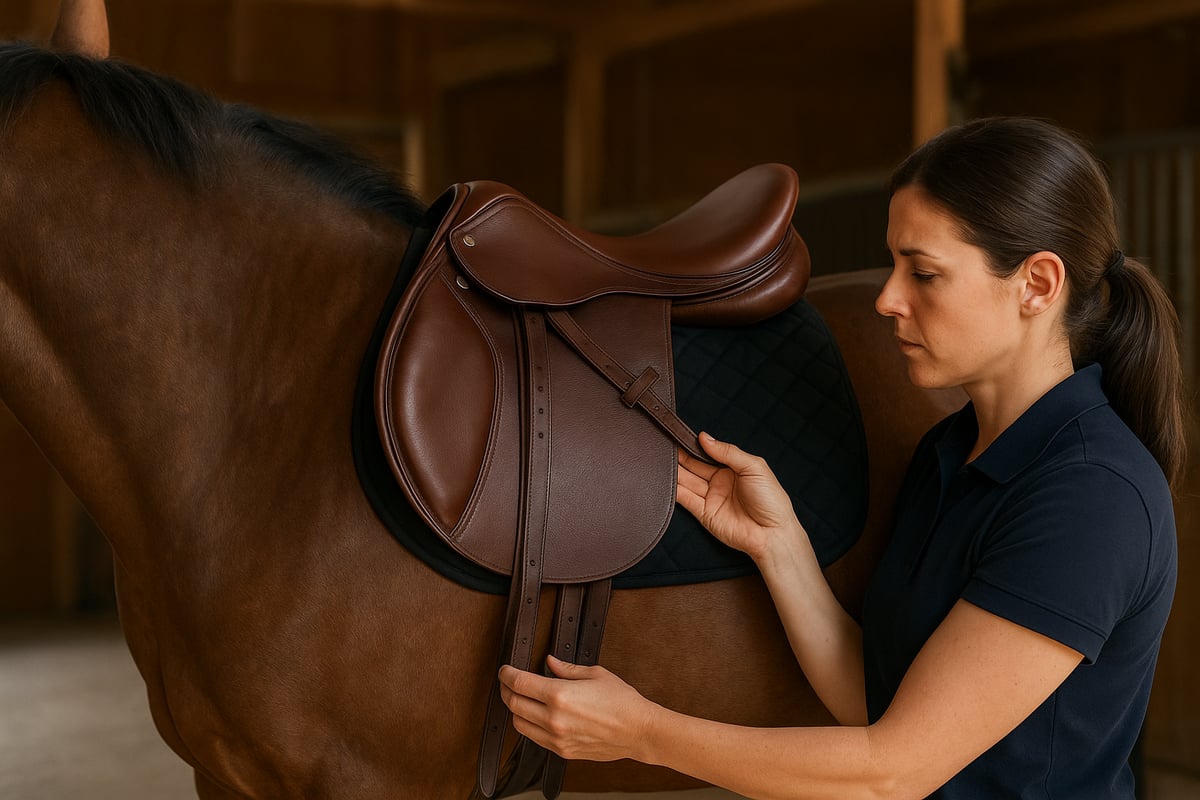
Start by placing the saddle on your horse's bare back without a pad. It should sit a few inches behind the shoulder blade to allow for free movement. Check the wither clearance; you should be able to fit three fingers between the pommel and your horse’s withers. Next, look down the gullet channel from the front and back to ensure it completely clears the spine. Run your hand under the panels to feel for even contact along their back—there shouldn't be any gaps (bridging) or rocking. Finally, check that the tree points behind the shoulder are angled correctly and don't pinch. An even sweat pattern after a ride is a good indicator of proper pressure distribution, a key principle in many professional fitting methods.
Checking Fit for the Rider
Once the saddle fits your horse, it's time to check the fit for you. When you sit in the saddle, there should be about a hand's width of space between your seat and the cantle. If there's too little or too much room, the seat size is likely incorrect, which can throw off your balance. Your knee should rest comfortably in the center of the knee roll or pad, and the flap should be long enough to accommodate your leg without your boot hitting the bottom. The deepest part of the seat should be level, positioning you over your horse's center of gravity and not tipping you forward or backward.
Don't Forget Rider Fit: What to Consider
Proper fit for the rider is just as essential as for the horse. The right english saddle seat size allows free movement, while flap length supports your leg position.
If the seat is too small, you may feel cramped and unable to ride effectively. An overly large seat causes instability, making balanced riding difficult. Flap length should match your thigh and preferred riding discipline.
Balance is also key. A well-fitted english saddle keeps you centered, improving communication with your horse and promoting correct posture. Always assess your comfort during trial rides to confirm the fit.
Working With a Professional Saddle Fitter
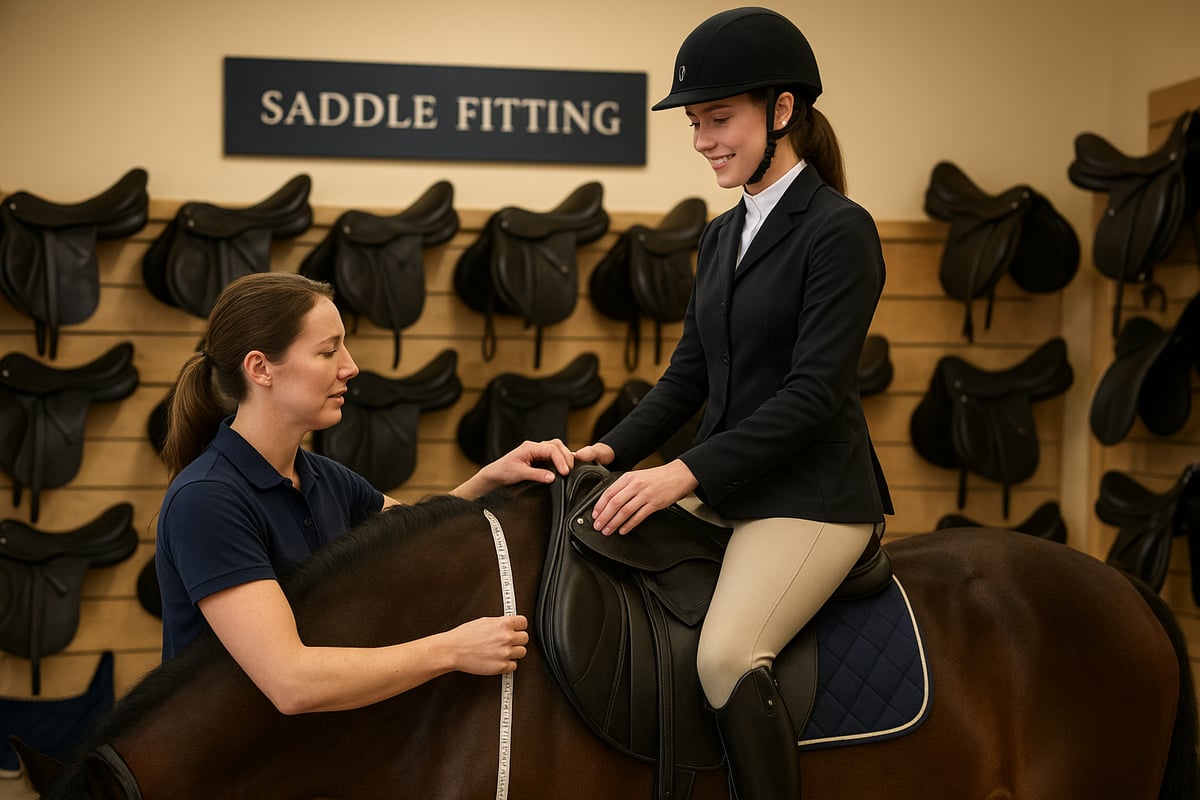
Certified saddle fitters are invaluable for ensuring your english saddle matches both horse and rider. These professionals use precise tools and techniques to evaluate fit, often employing pressure mapping and thermography for deeper insights.
On-site fittings allow the expert to see your horse’s movement and make real-time adjustments. Riders who use professional services report up to 30 percent fewer back problems in their horses.
To learn more about the process and best practices, consult the English Saddle Fitting Guidelines for comprehensive advice on achieving a perfect fit.
Investing in a proper fitting english saddle prevents long-term health issues, enhances performance, and supports your horse’s well-being. As horses change shape over time, regular fit assessments are essential. Modern technology makes it easier than ever to achieve precision, but expert guidance remains the gold standard.
How to Choose the Perfect English Saddle: A Step-by-Step Guide
Selecting the ideal english saddle can seem daunting, but a clear, structured process helps you avoid costly mistakes. By following each step below, you’ll ensure both you and your horse enjoy comfort, safety, and performance throughout your riding journey.
Step 1: Pinpoint Your Riding Discipline and Goals
Begin your english saddle search by clarifying your riding objectives. Are you passionate about dressage, show jumping, eventing, or do you enjoy a mix of activities? Your primary discipline directly shapes the type of saddle you need.
Dressage saddles, for example, support a long, straight leg position, while jumping saddles have forward-cut flaps for freedom over fences. All-purpose saddles offer versatility but may not excel in specialized tasks. By matching your saddle to your main activity, you optimize both performance and comfort.
Ask yourself: What are my short- and long-term riding goals? This self-assessment ensures your english saddle supports your ambitions now and as they evolve.
Step 2: Take Key Measurements (For Horse and Rider)
A precise fit is crucial for both horse and rider. Start by measuring your horse’s withers, back length, and shoulder angles. Use a flexible curve or wither tracing to capture the unique shape. Record the gullet width and note any muscle asymmetry.
For the rider, measure your hip-to-knee length and seat size. Sit in a chair with your feet flat and measure from the back of your buttocks to the back of your knee. The correct english saddle seat size should let you sit comfortably without feeling cramped or unstable.
Accurate measurements help you narrow down saddle options, reducing the risk of discomfort or poor fit for either partner.
Step 3: Research Top Saddle Brands and Models
With measurements in hand, explore reputable english saddle brands and models. Trusted names for 2025 include Stubben, Bates, Wintec, Prestige, County, CWD, and Antares. Each brand offers unique features, materials, and fit profiles.
Compare leather and synthetic saddles. Leather provides a classic look and feel, while synthetics offer easier maintenance and are often lighter. Consider durability, care requirements, and price. Many brands now provide adjustable features or fit technologies.
Create a shortlist of models that match your discipline, budget, and fit requirements. Reviews and professional recommendations can further guide your english saddle selection.
Step 4: Compare Key Features and Customizations
Modern english saddle designs offer impressive adjustability and comfort features. Look for options like adjustable gullets, changeable panels, and movable knee blocks. These allow the saddle to adapt as your horse develops or if you share the saddle with others.
In 2025, technology-driven features are increasingly common. Pressure relief panels, smart sensors, and lightweight composite materials enhance comfort for both horse and rider. Some saddles offer modular components, making them suitable for growing horses or riders with changing needs.
Prioritize features that support your riding goals and future flexibility. The right customization ensures your english saddle remains a good investment.
Step 5: Always Take a Test Ride
Never purchase an english saddle without a test ride. Most reputable retailers offer trial periods, allowing you to assess saddle fit and feel in real riding conditions. During your trial, check for balanced seat position, even panel contact, and absence of bridging or rocking.
Ride through a variety of movements relevant to your discipline. Note any pressure points, instability, or discomfort. Observe your horse’s behavior and movement—are they relaxed and willing, or resistant?
A thorough test ride is crucial. It ensures your english saddle not only fits on paper but also supports harmony and performance in the saddle.
Step 6: Get a Second Opinion From a Pro
Expert guidance is invaluable when finalizing your english saddle choice. Certified saddle fitters use specialized tools and their trained eye to identify subtle fit issues that may escape even experienced riders. They assess both static and dynamic fit, considering how the saddle performs during movement.
Fitters often use digital pressure mapping or thermography to pinpoint pressure points and optimize comfort. Their insights can prevent long-term back issues and behavioral problems in horses. For more on fit solutions, see Essential Saddle Fit Solutions.
Relying on a professional ensures your english saddle provides optimal support, safety, and well-being for both you and your horse.
Step 7: Make Your Purchase with Confidence
Once you’ve found the right english saddle, decide whether to buy new or used. New saddles offer warranties and the latest technologies, while used saddles can provide significant savings and immediate availability. Inspect all saddles for signs of wear, soundness, and authenticity.
Purchase from reputable tack shops, specialty retailers, or established online marketplaces. Confirm return policies and trial agreements before committing. If possible, arrange for a final fit check after purchase to ensure ongoing comfort.
A thoughtful approach to buying protects your investment and builds confidence in your english saddle decision.
Your Saddle-Buying Checklist
A structured, step-by-step approach to choosing an english saddle significantly increases satisfaction and reduces the risk of costly mistakes. Data shows that 80% of riders who follow a systematic process report higher comfort and performance.
Remember, the english saddle market in 2025 offers more customization, technology, and fit options than ever before. Stay informed, seek professional advice, and prioritize fit for both horse and rider. With patience and diligence, you’ll find the perfect english saddle to support your riding ambitions.
What's New in English Saddle Design?
The english saddle market is undergoing a transformation in 2025, driven by both rider demand and advances in technology. Riders and trainers are seeking solutions that improve comfort, performance, and sustainability. Let us explore the innovations shaping the future of the english saddle.
Saddle Tech: Beyond Leather and Wool
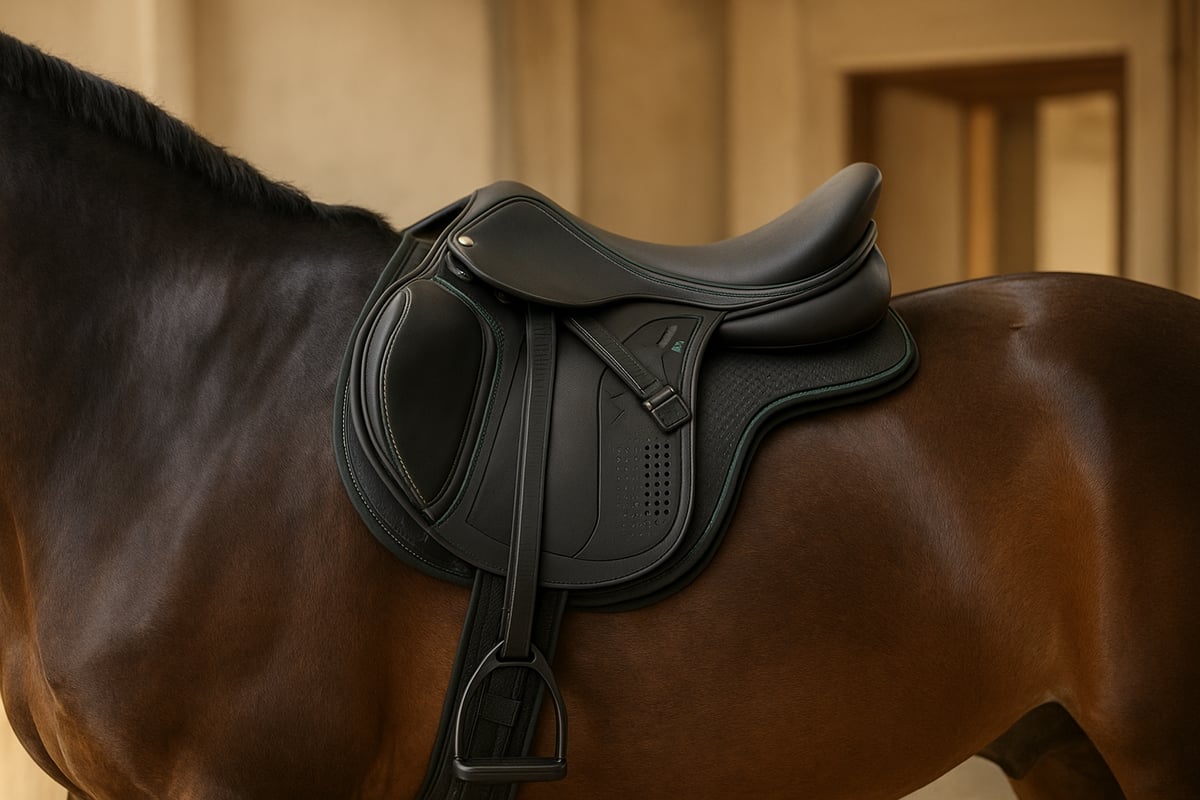
In 2025, the english saddle industry is embracing smart technology and advanced materials. Saddles now feature built-in sensors that track rider balance and pressure distribution in real time. These sensors help riders and fitters pinpoint pressure points, reducing the risk of discomfort for both horse and rider.
Memory foam and gel panels have become common, offering superior shock absorption and a custom fit to each horse's back. Lightweight composite trees and synthetic leathers are also popular, providing durability without adding unnecessary weight.
Here is a quick comparison of new materials:
| Material | Benefits | Common Use |
|---|---|---|
| Memory Foam | Pressure relief | Panel padding |
| Gel Inserts | Shock absorption | Seat and panels |
| Composite Trees | Lightweight, strong | Saddle structure |
| Synthetic Leather | Easy care, durable | Saddle covering |
The Shift to Eco-Friendly Materials
Sustainability is a leading trend in the english saddle world. Manufacturers are introducing vegan and eco-conscious saddles made from recycled fabrics and plant-based leathers. These options appeal to riders who value ethical choices and environmental responsibility.
Eco-friendly saddles are not only better for the planet, but they also maintain the performance standards expected by serious equestrians. For a deeper dive into the basics of saddlery and how these trends fit into the broader landscape, you can explore the Complete Guide to Saddlery.
As more brands adopt green practices, the english saddle market is set to become more sustainable, offering riders guilt-free options without sacrificing quality.
Why Adjustable Saddles Are Gaining Popularity
Adjustability is now a cornerstone of english saddle innovation. Many new saddles offer interchangeable parts, such as adjustable trees and panels, to accommodate growing horses or multiple riders. This level of customization ensures a proper fit across a range of horse shapes and disciplines.
Modular designs allow riders to swap out knee blocks or panels as their needs evolve. These features make the english saddle more versatile and cost-effective over time. Riders with multi-horse households especially appreciate the flexibility of these designs.
Using Data for a Better Saddle Fit
The fitting process for the english saddle is being revolutionized by digital tools in 2025. Mobile apps and 3D scanning technology enable precise measurements for both horse and rider, streamlining the selection process. Some brands now offer virtual fitting consultations, allowing riders to access expert guidance from anywhere.
These data-driven solutions help minimize guesswork and boost confidence in saddle selection. The result is a better fit, enhanced comfort, and improved performance for both horse and rider.
The english saddle landscape in 2025 is marked by innovation, sustainability, and smart customization. Riders have more options than ever to personalize their experience and care for their horses, all while embracing the very latest in design and technology.
How to Care for Your English Saddle
Proper care for your english saddle is essential for comfort, safety, and long-term value. Investing a few minutes each day in maintenance can prevent costly repairs and extend the life of your saddle. Here is how to keep your saddle performing at its best in 2025.
Your Daily and Weekly Care Routine
Maintaining your english saddle starts with daily cleaning. After every ride, wipe down the leather or synthetic material with a damp cloth to remove sweat and dirt. Use a gentle cleaner designed for your saddle type, followed by conditioning to keep the leather supple. For synthetic models, specific cleaners ensure the material does not degrade.
A clean saddle pad also plays a vital role in protecting your english saddle from sweat and friction. Consider reviewing Saddle Pads for Comfort for tips on choosing pads that optimize fit and extend saddle life.
The Right Way to Store Your Saddle
Proper storage preserves your english saddle's structure and finish. Always place your saddle on a supportive rack to maintain its shape. Store it in a dry, climate-controlled room away from direct sunlight to prevent fading, warping, or mold growth.
Saddle covers add an extra layer of protection against dust and accidental scratches. Avoid placing heavy objects on your saddle, as this can distort the tree and panels over time.
Spotting Problems Before They Start
Inspect your saddle regularly for signs of wear. Check for loose stitching, cracked leather, or compromised billets. Run your hand under the panels to feel for lumps or unevenness that could indicate internal damage.
If you notice issues, consult a professional saddler for repairs rather than attempting fixes yourself. Annual inspections by experts help maintain structural integrity and rider safety.
Tips for Maintaining Resale Value
Caring for your english saddle directly impacts its resale value and longevity. Well-maintained saddles can retain up to 70% of their value after five years, according to industry estimates. Keep thorough records of cleaning, conditioning, and repairs to show prospective buyers.
Remember, neglecting maintenance can lead to irreversible damage, reducing both comfort and investment return. Consistent care ensures your english saddle remains a reliable and valuable asset for years.
Where Should You Buy an English Saddle?
Finding the right english saddle in 2025 is easier than ever, but the abundance of options can be overwhelming. Whether you are a first-time buyer or a seasoned equestrian, making an informed purchase ensures both value and satisfaction for you and your horse.
Should You Buy a New or Used Saddle?
Choosing between a new or used english saddle depends on your goals, budget, and expectations. New saddles offer the latest materials, warranties, and the ability to customize fit and features. However, they often come at a higher cost.
Used english saddles provide access to premium brands and craftsmanship at significantly lower prices. Many pre-owned saddles have already been broken in, offering immediate comfort. It is essential to inspect used saddles carefully for wear, soundness, and fit.
Pros and Cons Table:
| Aspect | New English Saddle | Used English Saddle |
|---|---|---|
| Price | Higher | Lower |
| Warranty | Yes | Rarely |
| Custom Fit | Often available | Limited |
| Condition | Pristine | Varies |
Finding Trusted Retailers and Online Shops
Purchasing an english saddle from reputable sources ensures quality and peace of mind. Local tack shops and specialty retailers offer hands-on guidance, expert fitting assistance, and trial opportunities.
Online platforms, such as Dover Saddlery and Maryland Saddlery, expand your options with detailed listings, customer reviews, and return policies. Always verify the authenticity of the english saddle and check for transparent seller information.
Look for retailers that provide trial periods, clear product descriptions, and responsive customer service. This approach minimizes risk and supports a positive buying experience.
How to Budget for Your Saddle Purchase
Setting a realistic budget is crucial when shopping for an english saddle. Entry-level models start around $200, while high-end, custom saddles can exceed $4,500. Consider not just the initial price but also any ongoing care, fitting, or adjustment costs.
Many retailers offer flexible payment plans or financing to make quality english saddles more accessible. Look for seasonal promotions or trade-in programs to maximize your investment.
Price Range Table:
| Saddle Type | Entry Price | Premium Price |
|---|---|---|
| All-Purpose | $200 | $2,000+ |
| Dressage | $300 | $4,000+ |
| Jumping/Close Contact | $350 | $4,500+ |
Why You Should Always Do a Saddle Trial
Testing an english saddle before purchase is highly recommended. Many shops and online platforms offer trial periods, allowing you to ride in the saddle and assess comfort and fit. During a trial, focus on balance, contact, and your horse’s response.
Professional fitting services add another layer of confidence. Certified fitters can identify subtle issues and suggest adjustments. For more guidance on evaluating fit during trials, explore resources like the Saddle Fitting eGuide, which provides checklists and signs to watch for.
How to Avoid Common Saddle-Buying Mistakes
When buying an english saddle, be vigilant about authenticity and condition. Watch out for counterfeit brands, misrepresented models, and suspiciously low prices. Always request detailed photos, serial numbers, and proof of purchase.
Use secure payment methods and reputable shipping options. Avoid sellers unwilling to offer trial periods or clear return policies. Trust your instincts and seek advice from knowledgeable professionals if unsure.
Informed buyers who research, verify, and test before purchasing consistently report higher satisfaction and better outcomes in the english saddle market.
Now that you understand how crucial the right English saddle is for both your comfort and your horse’s well-being, you’re ready to make a confident choice for 2025. At Hooves and Paws, you’ll find a carefully curated selection of saddles and equestrian essentials, all backed by decades of expertise and a commitment to quality. With free US shipping and flexible payment options, it’s easier than ever to invest in the perfect fit for your riding goals. If you’re ready to take the next step toward better performance and comfort, explore your options and Buy Now.
Frequently Asked Questions
How often should I have my saddle's fit checked by a professional? Think of a saddle fit check like a regular tune-up for your most important piece of equipment. A good rule of thumb is to have a professional look at it at least once a year. You should also schedule a check anytime your horse has a significant change in weight or muscle development, or if you start noticing any new behavioral issues under saddle.
My horse's back changes with their fitness level. Does this mean I need a new saddle every time? Not at all! This is precisely why adjustable saddles have become so popular. Many modern saddles feature interchangeable gullet systems or wool-flocked panels that a professional fitter can easily modify. This allows the saddle to adapt to your horse's changing shape, saving you the expense and hassle of buying a completely new one.
Are synthetic saddles a good alternative to traditional leather? They absolutely can be. While nothing beats the classic feel of well-maintained leather for some riders, synthetic saddles offer fantastic benefits. They are generally lighter, much easier to clean, and more budget-friendly. They're an excellent choice for everyday riding, dealing with unpredictable weather, or for anyone who wants a durable, low-maintenance option without sacrificing performance.
Can I really use an all-purpose saddle for everything, or will I need to specialize eventually? An all-purpose saddle is a perfect starting point and a reliable choice for riders who enjoy a mix of activities like trail riding and some light flatwork or jumping. However, if you decide to focus seriously on a specific discipline, you'll eventually feel its limitations. A specialized dressage or jumping saddle will provide the specific balance and support needed to help you progress in that field.
What's the single most important thing to check when trying out a new saddle? While many factors matter, the most critical, non-negotiable check is wither and spine clearance. Before you even girth it up, place the saddle on your horse's bare back. You should be able to comfortably slide three fingers between the pommel and your horse's withers. Also, look down the channel underneath to ensure it completely clears the spine from front to back. This space is essential for your horse's comfort and ability to move freely.
Key Takeaways
- Make Fit Your Top Priority: A saddle must fit both your horse's unique conformation and your own body. This is the most important step to prevent discomfort, improve your balance, and build a stronger partnership.
- Choose the Right Tool for the Job: Different riding styles require different saddles. Match your saddle type—whether for jumping, dressage, or all-purpose riding—to your primary discipline for the best support and performance.
- Shop Smart with a Clear Plan: Avoid costly mistakes by following a structured process. Take accurate measurements, research your options, always complete a test ride, and consult a professional fitter to confirm your final choice.


