


Struggling to find a dressage saddle that truly fits both you and your horse? You’re not alone—it’s one of the most common frustrations riders face. But achieving a perfect dressage saddle fit is a complete game-changer. It’s the foundation for clear communication, your horse’s freedom of movement, and your own confidence in the arena. The right saddle can transform your ride from a constant battle to a seamless partnership. This guide will show you exactly how to find it.
This comprehensive 2025 Dressage Saddle Guide brings you expert advice and proven steps for achieving a perfect fit. We will explore saddle anatomy, fit essentials, measurement techniques, top brands, fitting for unique horse and rider needs, and essential maintenance tips.
Ready to experience greater harmony with your horse? Let us guide you step by step to the ideal dressage saddle fit.
What Is a Dressage Saddle, Anyway?
Finding the right dressage saddle starts with understanding its unique anatomy and key features. Each component is carefully designed to support both horse and rider through the precise movements of dressage.
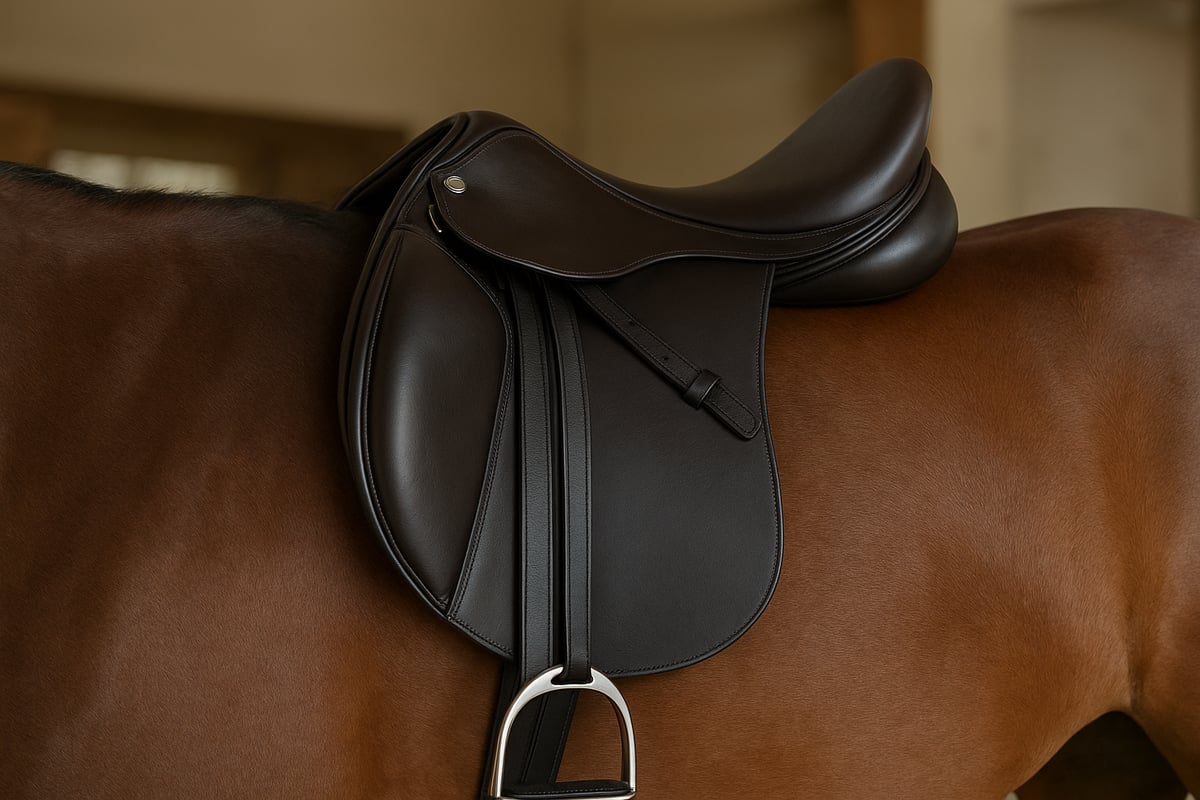
Breaking Down Its Key Parts
The dressage saddle is built around several essential parts, each influencing comfort and performance. The tree forms the backbone, setting the shape and distributing the rider's weight evenly. The seat is typically deeper than in other English saddles, offering greater stability for precise aids.
Key Components:
- Panels: Cushioned sections resting on the horse's back, designed to spread pressure and prevent soreness.
- Flaps: Long, straight flaps help the rider maintain a vertical leg position, a hallmark of dressage.
- Billets: Straps that secure the girth, ensuring saddle stability.
- Knee rolls and thigh blocks: Provide extra support for the rider’s leg and security during movement.
- Stirrup bars: Anchor points for stirrup leathers, positioned for optimal rider alignment.
| Feature | Dressage Saddle | Other English Saddles |
|---|---|---|
| Seat Depth | Deep | Shallow/Medium |
| Flap Length | Long | Shorter |
| Knee/Thigh Blocks | Prominent | Minimal or moderate |
Material choice is key. Traditional leather offers a classic look and feel, while synthetic models like Wintec are praised for durability and low maintenance, as confirmed by many riders on Reddit.
Modern advances include adjustable gullets and interchangeable panels, allowing for a semi-custom fit as your horse changes. Riders can also choose between monoflap (single-layer) and dual-flap (double-layer) designs, with monoflap providing closer contact.
For more on how different saddle types and features affect performance, see this Horse saddles overview.
Panel Materials: Wool vs. Foam
When you look at a saddle, the panels are the cushioned part that sits directly on your horse’s back, and the material inside them is a critical choice. Wool flocking is the traditional option, favored for its incredible ability to mold to a horse's unique shape. This makes it highly adjustable; a skilled saddle fitter can add or remove wool to perfect the fit as your horse builds muscle or changes condition. This adaptability is a huge plus, but it comes with the need for regular maintenance. Wool can compress or shift over time, so it requires periodic check-ups and reflocking to prevent lumps and ensure the pressure stays evenly distributed. As the experts at Schleese Saddlery explain, this upkeep is essential for maintaining a comfortable and correct fit long-term.
On the other hand, foam panels offer consistency and require very little maintenance. They hold their shape indefinitely, so you won’t need to schedule reflocking appointments. Foam-filled saddles are also typically lighter, which can be a bonus for both horse and rider. The main drawback is their lack of adjustability. If your horse's back changes, a foam panel can't be altered to match, which could mean the saddle no longer fits properly. This rigidity is a key point that many professional saddle fitters highlight when discussing a saddle's lifelong usability. Ultimately, the best choice depends on your priorities—the custom fit of wool versus the low-maintenance convenience of foam.
How Its Design Affects Your Ride
The design of a dressage saddle directly shapes the rider’s posture and the horse’s freedom to move. A deep seat centers the rider, enhancing balance and precision in communication.
Flap length and shape keep the rider’s leg long and close to the horse, while knee rolls and thigh blocks offer tailored support. Some riders, especially those seeking maximum feel, prefer close-contact designs that minimize bulk between horse and rider.
Panel shape is equally important. Panels that are too flat or too curved can create pressure points, leading to discomfort. Well-fitted panels distribute weight evenly, supporting the horse’s back and allowing full range of motion.
For example, riders with horses that have broad backs often choose saddles with wider panels for better weight distribution. Adjustable features, such as those found in some modern saddles, are essential for horses with changing musculature.
Ultimately, every element of the dressage saddle—from seat depth to panel configuration—plays a role in achieving harmony between horse and rider.
The Importance of the Saddle's "Twist"
Often overlooked, the "twist" is the narrowest part of the saddle's seat, located right under your upper thighs. This small area has a huge impact on your comfort because it needs to match your pelvic anatomy. Many saddles were historically designed with male riders in mind, but women often need a different shape to accommodate their hip structure. If the twist is too wide for you, it can create a painful "pulled apart" sensation in your hips, making it difficult to sit correctly. A well-fitted twist allows your pelvis to sit in a neutral, aligned position, which is essential for giving clear aids and maintaining balance. It’s not just about avoiding pain; it’s about effective communication with your horse. Since the twist is integral to the saddle tree's shape, it also plays a role in how the saddle fits your horse's back, making it a critical detail when selecting the right horse tack.
Why Is a Perfect Dressage Saddle Fit So Crucial?
Finding the right dressage saddle is about much more than aesthetics or brand reputation. A saddle that fits well is fundamental to the health, comfort, and performance of both horse and rider. Let us explore why the correct fit is so critical in dressage.

The Risks of a Poorly Fitting Saddle
An ill-fitting dressage saddle can lead to a host of problems for both horse and rider. Horses often suffer from back pain, behavioral issues, and restricted movement when the saddle does not conform to their shape. Studies indicate that up to 60% of performance issues in dressage horses are linked to improper saddle fit, underscoring the widespread nature of this concern.
Poor fit can manifest in several ways:
- Horses may develop soreness, muscle atrophy, or even chronic pain due to uneven pressure.
- Behavioral changes such as resistance under saddle, bucking, or reluctance to move forward are common.
- Riders may experience difficulty maintaining correct posture, which can reduce effectiveness and increase fatigue.
Long-term effects can be severe. Chronic discomfort from a dressage saddle that pinches or rocks can result in uneven muscle development and lasting physical issues. Riders, too, may suffer from lower back pain or joint strain if forced into an unnatural position.
For those struggling with these challenges, consulting resources like the Guide to solving saddle fit problems can provide practical solutions to address and prevent saddle-related issues. Proper attention to fit is essential for every horse and rider partnership.
Physical and Behavioral Signs of a Bad Fit
Your horse communicates through action, not words. Recognizing the subtle (and not-so-subtle) signs of a poorly fitting saddle is one of the most important skills you can develop as a rider. An ill-fitting saddle doesn't just hinder performance; it can cause real pain and long-term damage. Paying close attention to changes in your horse's body and behavior is the first step toward finding a solution and ensuring their comfort. These signs often fall into two main categories: physical and behavioral, and learning to spot them is essential for a healthy partnership.
You’ll often find physical clues directly on your horse's back. After a ride, check for dry spots in an otherwise even sweat pattern, which can indicate excessive pressure points where blood flow was restricted. Other red flags include white hairs appearing under the saddle area, swelling, or general back soreness when you groom or palpate the muscles. Over time, a bad fit can lead to muscle atrophy or uneven development, creating lasting physical problems. Many professional saddle fitting guides emphasize these signs as critical indicators that something is wrong with your setup.
Behavioral changes are just as telling. A horse that was once willing might become resistant, pin its ears back when you approach with the saddle, or even buck or bolt when asked to move forward. This isn't bad behavior; it's a cry for help. In fact, some experts believe improper saddle fit is a primary cause of many performance issues in the arena. You might also notice problems from your own perspective, like struggling to maintain a correct position or feeling constantly off-balance, which can signal that the saddle is putting you both at a disadvantage.
The Rewards of Getting the Fit Just Right
A well-fitted dressage saddle transforms the riding experience for both horse and rider. Horses enjoy greater freedom of movement, allowing them to perform fluidly and comfortably. The right saddle distributes the rider’s weight evenly, minimizing pressure points and reducing the risk of soreness or injury.
Riders benefit from improved balance and position. With the correct dressage saddle, maintaining alignment and effective aids becomes natural, enhancing communication with the horse. Many riders report increased confidence and comfort when using a saddle tailored to both their needs and those of their horse.
Key advantages include:
- Enhanced movement: The horse can extend and flex without restriction.
- Injury prevention: Proper fit reduces the risk of long-term health problems for both partners.
- Progression: A good dressage saddle supports advancement through the levels by promoting correct biomechanics.
Testimonials from the dressage community consistently highlight the positive impact of optimal saddle fit on performance and partnership. Investing in the right saddle is not just about comfort, but about unlocking the full potential of every training session and competition.
Ensuring Proper Weight Distribution
A key benefit of a correctly fitted saddle is how it distributes your weight across your horse's back. Think of the saddle's panels—the cushioned parts that rest on the horse—as the foundation. They need to make even, consistent contact along the muscles on either side of the spine, spreading your weight over a large surface area of about 220 square inches. This even pressure is what prevents soreness, muscle atrophy, and behavioral issues. When the panels fit correctly, they support the back and allow for a full range of motion, which is essential for dressage movements. It's also critical that the saddle doesn't extend past your horse's last rib, as this area isn't built to carry weight. Getting this right is a fundamental part of selecting the right horse tack for a happy, healthy athletic partner.
Shop This Post

Featured in this article
Professional's Choice 2XCOOL Sports Medicine Horse Boots - 4-Pack Neoprene-Free with Kevlar Support & brrr° Cooling
$159.23
Shop Now →

How to Get the Perfect Dressage Saddle Fit: A 5-Step Guide
Finding the right dressage saddle is a process that requires careful attention to detail. A systematic approach ensures both horse and rider experience optimal comfort and performance. By following these five expert-backed steps, you’ll be better equipped to select, fit, and maintain your ideal dressage saddle.
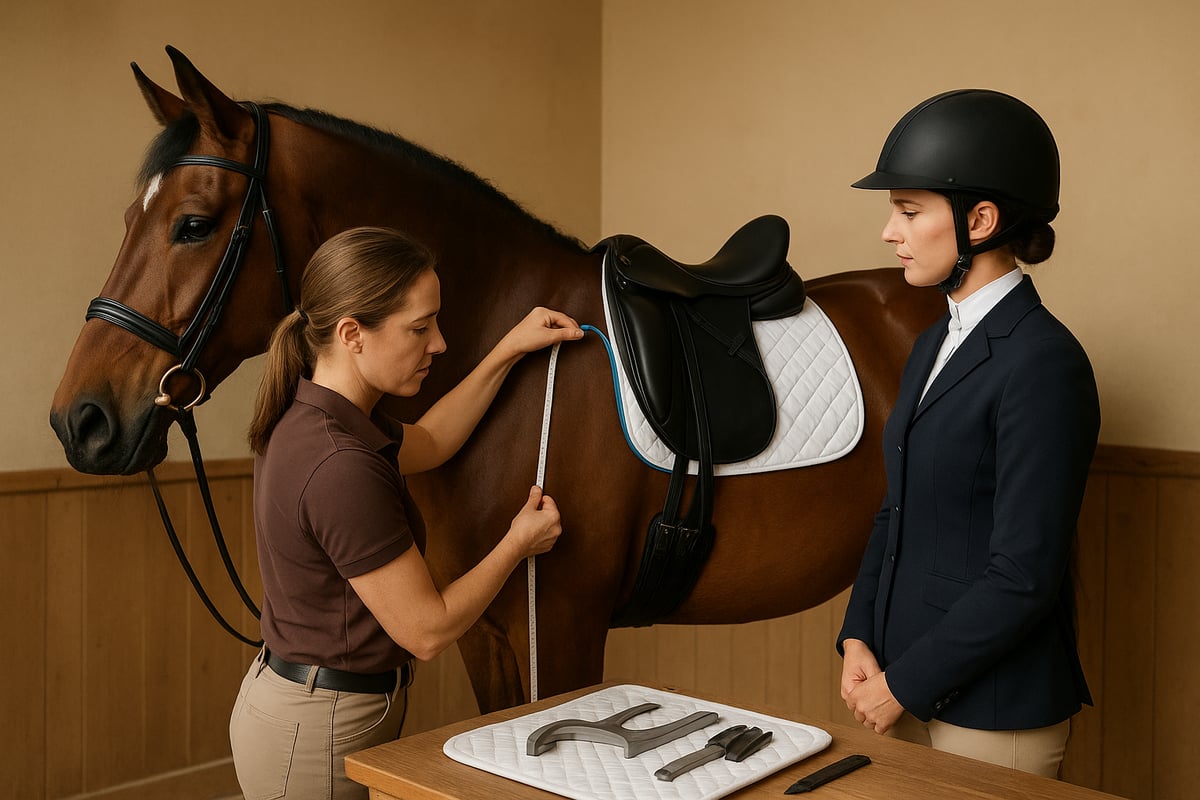
Step 1: Evaluate Your Horse’s Back
Start by evaluating your horse’s unique physical traits. The shape of the withers, the curvature of the topline, and the angle of the shoulders all influence which dressage saddle will fit best.
Use your hands and eyes to check for high withers, a flat or curved back, and muscle development. For example, a horse with broad, flat backs may need a wider tree, while high-withered horses often require saddles with more panel support. Measure the length of your horse’s back to ensure the dressage saddle does not extend beyond the last rib, which can cause discomfort or pressure points.
Check for any signs of soreness or asymmetry. Palpate gently along the spine and muscles. If you notice uneven muscle development or sensitivity, consult with a veterinarian or equine physiotherapist before proceeding. This initial assessment sets the foundation for a successful dressage saddle fitting process.
Identifying Key Anatomical Landmarks
Before you even think about placing a saddle on your horse, get familiar with their back. Key anatomical points determine how any piece of horse tack will sit and function. Pay close attention to the withers, the topline's curve, and the shoulder angle, as these areas directly influence saddle fit. You'll also want to measure the length of your horse’s back from just behind the shoulder blade to the last rib; a saddle should never extend past this point, as it can create painful pressure on the sensitive loin area. Gently run your hands along their spine and the surrounding muscles, feeling for any tenderness, heat, or uneven development. If you find anything concerning, it’s always best to consult a professional before proceeding.
Understanding Different Wither Types
Withers are like fingerprints—no two are exactly alike, and their shape is a major factor in finding the right saddle. A horse with high, narrow withers needs a saddle with enough gullet clearance to avoid painful pinching and pressure. On the other hand, a horse with low, rounded "mutton" withers might cause the saddle to slip forward or rock side-to-side. For these broader horses, saddles with wider trees and panels help distribute weight more effectively. Since a horse's body changes with age, fitness, and diet, saddles with adjustable features are a fantastic investment. They allow you to adapt the fit as your horse’s musculature develops, ensuring their comfort and freedom of movement over the long term.
Step 2: Take Your Own Measurements
A well-fitted dressage saddle supports the rider’s balance and allows for effective communication with the horse. Begin by determining the correct seat size, which is usually based on your height, build, and leg length.
Thigh length is particularly important in dressage, as it affects flap length. Petite adults or children may need saddles with shorter, custom flaps to maintain proper leg alignment. Seat depth also matters: deeper seats offer more support for advanced movements, while flatter seats can provide greater freedom for some riders.
Try sitting in several dressage saddle models to find the one that accommodates your pelvis comfortably. The seat should be wide enough to provide support, but not so wide that it causes discomfort. Take note of your preferred seat width and depth, as these factors can influence your connection with the horse.
Step 3: Find a Saddle That Fits You Both
Once you have assessed both horse and rider, it’s time to match specific dressage saddle features to those needs. Panel type and thickness should correspond to your horse’s musculature, providing even weight distribution and avoiding pressure points.
Choose the appropriate tree width: options include narrow, medium, wide, or adjustable. Adjustable gullets are ideal for horses that are still growing or for riders who share saddles between multiple horses. Block and flap configurations, such as knee rolls or thigh blocks, should be selected for the rider’s desired level of support and discipline requirements.
For example, a horse with a developing topline may benefit from a saddle with wool-flocked panels for easy adjustment. Riders seeking versatility may opt for saddles with interchangeable gullets. Always prioritize features that enhance both horse comfort and rider position.
Checking the Saddle Position and Balance
The first step in a static fit check is placing the saddle correctly on your horse's back without a pad. A common mistake is setting it too far forward over the withers. Instead, find your horse's shoulder blade with your hand and slide the saddle back until it sits just behind this bony structure. This placement is crucial because it allows the shoulder to rotate freely without being blocked by the saddle's tree points. Once positioned, check the saddle's balance. The deepest part of the seat should be level and parallel to the ground, not tilting forward or backward. A balanced saddle ensures your weight is distributed correctly, setting you both up for a comfortable ride.
Confirming Wither and Spine Clearance
With the saddle in place, check for adequate clearance around the withers and along the spine. There should be enough space between the pommel (the front arch of the saddle) and your horse's withers to prevent painful pressure. A good rule of thumb is to fit two to three fingers vertically in this space. Next, look down the channel, or the gullet, of the saddle from the back. You should see a clear path of daylight all the way through, ensuring no part of the saddle is resting directly on the sensitive spinal processes. This clearance is non-negotiable for protecting your horse’s back from injury and discomfort.
Matching the Tree Angle to the Shoulder
The angle of the saddle's tree points—the front-most parts of the internal frame—must mirror the angle of your horse's shoulders. This ensures the saddle accommodates your horse's shape and doesn't pinch or restrict movement. To check this, stand at your horse's side and look at how the front panel of the saddle lies against their body. The angle of the panel should run parallel to the angle of the shoulder muscle. If the tree is too narrow, it will pinch at the top and gap at the bottom. If it's too wide, it will press down on the withers. A correct angle allows the shoulder to move back and up without interference.
Checking Panel Contact and Billet Alignment
The panels are the cushioned parts underneath the saddle that rest on your horse's back. Their job is to distribute your weight evenly across the back muscles. To check for proper contact, slide your flat hand between the panel and your horse's back, moving from front to back. You should feel consistent, even pressure throughout. Be mindful of any gaps, a problem known as "bridging," or tight pressure points. Next, look at the billets, which are the straps the girth attaches to. They should hang straight down, perpendicular to the ground, aligning with your horse's natural girth groove. This indicates the saddle is properly balanced and won't be pulled out of position when you tighten your tack.
Ensuring the Saddle is Straight
Finally, confirm the saddle is sitting straight on your horse’s back. Stand on a mounting block or stool directly behind your horse and look down the channel of the saddle. The center of the saddle should align perfectly with your horse's spine. It's important to remember that many horses have some natural asymmetry in their shoulder or back muscles, which can cause a saddle to shift to one side. If the saddle consistently twists or slides, it may be a sign of an underlying fit issue or a reflection of the horse's uneven musculature. A straight saddle is essential for distributing pressure evenly and maintaining the rider's balance.
Step 4: Take It for a Test Ride
Testing the dressage saddle in real riding conditions is crucial. Many retailers, such as SmartPak, offer trial programs that let you ride before you commit. During test rides, observe your horse’s movement and behavior. Look for signs of discomfort, such as resistance, head tossing, or hollowing the back.
Work with a qualified saddle fitter who can objectively assess fit. The fitter will check for issues like bridging (gaps under the saddle), rocking, or pinching at the withers. Advanced tools, such as pressure mapping or special fitting pads, can reveal hidden pressure points.
For more detailed fitting guidance and regular assessment tips, consult resources like the Saddle Fitting - A Quick Guide. After initial rides, recheck the dressage saddle fit, as minor adjustments may be needed once the flocking settles or the horse adapts to the new equipment.
Re-Checking the Fit With a Rider Onboard
A saddle that seems perfect on the cross-ties can feel completely different to your horse once you're in it. Your weight settles the panels and can change the saddle's balance and pressure points, which is why re-checking the fit with a rider onboard is a non-negotiable step. It’s the only way to get a true picture of how the saddle performs under real-world conditions. This final check ensures that both you and your horse are comfortable and that the saddle allows for the free, expressive movement that dressage demands.
With the rider sitting straight, slide your hand under the front of the saddle to confirm there is still adequate wither clearance—at least two to three fingers. Next, check that the panels maintain even contact along the horse's back, without any gaps or rocking. The saddle should remain stable and not shift excessively from side to side as you walk. Pay close attention to your horse's reaction; fidgeting or hollowing their back can signal pinching or discomfort. A well-fitted saddle is the cornerstone of your horse tack, and this final check ensures it supports, rather than hinders, your partnership.
Step 5: Keep Checking the Fit Over Time
A dressage saddle that fits well today may need adjustments in the future. Horses’ bodies change due to age, training, or weight fluctuations. Regularly monitor your horse’s condition and observe for any developing soreness or behavioral changes under saddle.
Schedule professional saddle checks every 6 to 12 months, especially for horses in active training. Adjust flocking or tree width as needed to maintain optimal fit. If your horse’s shape changes significantly, consider refitting or even changing the dressage saddle.
Keep a log of fitting sessions, noting any changes in your horse’s comfort or performance. Proactive maintenance helps prevent long-term issues, supporting both health and longevity for your dressage saddle and your partnership with your horse.
Accounting for Muscle and Body Changes
A horse’s body is constantly changing, and your saddle fit needs to adapt along with it. Factors like age, fitness level, and even short breaks from work can alter your horse’s topline and muscle definition. In fact, just a week off from training can change their shape enough to create new pressure points under the saddle. It's also common for horses to have natural asymmetries, like one shoulder being larger than the other, which can cause the saddle to shift. Regularly checking the fit, especially after a layoff, is essential. This proactive approach helps prevent the discomfort that can lead to behavioral issues, uneven muscle development, and other lasting physical problems.
Top Dressage Saddle Brands Worth a Look
Finding the right dressage saddle can be transformative for both horse and rider. The market in 2025 offers a wide spectrum of choices, with reputable brands catering to every need and budget. Understanding the unique strengths and reputations of each brand is essential for making an informed investment.
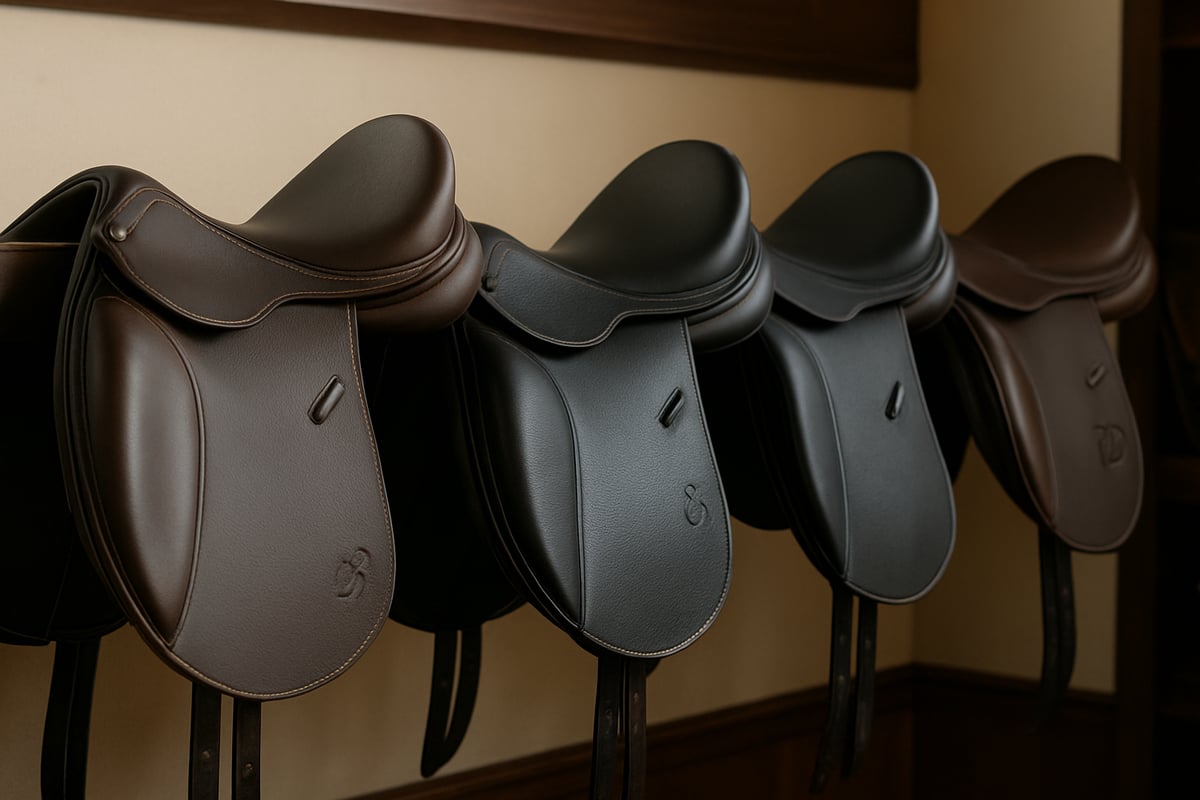
A Quick Look at the Leading Brands
The dressage saddle landscape features well-established names recognized for quality, innovation, and rider satisfaction. Brands like CWD, Albion, Custom, Passier, Prestige, Schleese, Stübben, Voltaire, and Équipe set high standards for craftsmanship and technology. Synthetic brands such as Wintec, Thorowgood, and Bates are also highly regarded for their adjustability and durability.
Below is a quick comparison of some leading brands and their key features:
| Brand | Key Features | Notable For |
|---|---|---|
| Albion | Deep seats, customizable trees | Rider comfort |
| Custom | Tailored fit, wide panel options | Horse-specific designs |
| Passier | Classic German engineering, longevity | Traditional feel |
| Prestige | Italian leather, lightweight options | Modern aesthetics |
| Schleese | Female-specific fit, adjustability | Innovative ergonomics |
| Stübben | Durable, versatile trees | Heritage, reliability |
| Voltaire | High-tech materials, close contact | Sporty feel |
| Wintec | Synthetic, adjustable gullets | Budget-friendly, easy care |
| Thorowgood | Synthetic, changeable features | Youth and training use |
| Bates | Adjustable panels, ergonomic designs | Versatility |
Pre-owned dressage saddle options from top brands can range from $900 to $5,300, providing significant savings compared to new models. Riders often favor these trusted names for their blend of tradition and innovation, whether shopping for a classic leather saddle or a modern synthetic alternative.
What Saddles Do the Pros Use?
Elite riders often choose saddles that combine precision engineering with a custom-like fit to maximize performance. Their choices frequently highlight brands at the forefront of saddle technology. For example, Olympic champion Charlotte Dujardin is known for riding in a Fairfax World Class Dressage saddle. Fairfax invests heavily in scientific research, creating saddles with features like adjustable gullet bars and "Performance Panels" that are proven to help the horse move with greater freedom and symmetry.
While a specific brand might be popular, the common thread among professionals is the non-negotiable requirement for a perfect fit. Top riders are also seen using brands like CWD, Albion, Prestige, and Voltaire, all known for their exceptional craftsmanship and focus on equine biomechanics. Ultimately, their choices reinforce a universal truth: a saddle tailored to both horse and rider is essential for building the confidence and harmony every partnership strives for. Many riders find that a well-fitted saddle is the key to unlocking better communication and performance, a topic we explore further in our guide to solving saddle fit problems.
Our Picks for Every Price Point
Choosing the right dressage saddle often depends on budget, riding level, and personal preferences. Entry-level riders frequently opt for models like the Wintec 250 or Thorowgood T8. These saddles are praised for affordability, adjustability, and low maintenance, making them a smart investment for those starting out.
Mid-range options include Albion, Prestige, and Custom, which provide a balance of quality materials and value. These saddles typically offer more customization and superior panel support, appealing to riders who want to advance in dressage without breaking the bank.
For those seeking premium performance, CWD, Schleese, and Voltaire stand out for their custom fitting, advanced materials, and innovative designs. Many experienced riders prefer purchasing a used high-end dressage saddle over a brand-new budget model, as the longevity and comfort often outweigh the initial savings.
Wondering which models consistently receive top marks? Explore comprehensive reviews and comparisons in the Top 10 Dressage Saddles for 2024 for detailed insights into features, benefits, and suitability for various rider levels.
When considering used versus new, weigh factors like warranty, fit, and resale value. Reputable consignment shops and online marketplaces can be excellent sources for high-quality pre-owned saddles, often with fitting support.
What’s New in Saddle Technology?
Innovation continues to drive the evolution of the dressage saddle, with 2025 seeing several notable trends. Adjustable trees and interchangeable panels allow for ongoing fit as your horse’s shape changes, which is especially valuable for horses in training or young, growing mounts.
Lightweight materials are becoming more prevalent, making saddles easier to handle without sacrificing support. Eco-friendly and vegan options are gaining traction, appealing to riders who prioritize sustainability.
Digital fitting technologies, such as pressure mapping, are enhancing the saddle fitting process, providing data-driven insights for a truly personalized experience. These advancements ensure that the modern dressage saddle not only fits better but also supports long-term health and performance for both horse and rider.
Staying informed about these trends helps you make the best possible choice, ensuring your investment in a dressage saddle delivers comfort, performance, and value for years to come.
How to Handle Tricky Dressage Saddle Fits
Finding the right dressage saddle for every horse and rider can present unique challenges. Whether you have a young, growing horse, a rider with specific body proportions, or an animal with an unusual back shape, specialized solutions are available to ensure comfort and performance. Addressing these cases is vital for achieving a true fit and maximizing the benefits of your dressage saddle.
For the Young, Growing, or Hard-to-Fit Horse
Young or developing horses require a dressage saddle that adapts as they change shape. Adjustable gullets and shims are invaluable for horses whose musculature is still evolving. Synthetic saddles, like those from Wintec or Thorowgood, are often recommended due to their flexibility and cost-effectiveness, especially for owners who anticipate frequent adjustments. Horses with swaybacks, pronounced withers, or broad backs may benefit from custom panels or innovative flocking to distribute pressure evenly.
For more expert insights on why adjustability is critical, see this Jochen Schleese Saddle Fitting Tip. Regular reassessment is key, as even minor changes in condition can affect fit. Investing in adaptable solutions helps prevent discomfort and supports healthy development.
Considering the Rider’s Unique Build
Every rider brings unique requirements to the dressage saddle fitting process. Children and petite adults often need shorter flaps and smaller seat sizes to maintain correct balance and leg position. Tall riders may require extended flaps or deeper seats for optimal support. Custom options can address these needs, but many modern saddles offer a range of sizes and configurations off the rack.
Comfort and security should always be prioritized, especially for novice riders who benefit from more supportive knee blocks or thigh rolls. Gender-specific saddle designs are available to cater to anatomical differences, further enhancing comfort and performance. Trial rides and professional assessments ensure the best match between rider and saddle.
Solving Common Saddle Fit Problems
Some situations call for advanced fitting strategies. Asymmetrical horses, or those with previous injuries or sensitive backs, often need specialized dressage saddle solutions. Saddle fitters may recommend corrective flocking, custom panels, or targeted padding to address uneven musculature or lingering soreness. Riders with physical asymmetries also benefit from personalized adjustments.
When deciding between custom and off-the-rack saddles, consider the complexity of your needs. Custom saddles offer tailored solutions for difficult cases, while many high-quality standard models can be modified to suit most riders and horses. Staying proactive about fit, and seeking expert guidance, ensures continued comfort and soundness for both horse and rider.
Addressing Bridging and Rocking
Two of the most common fit problems you might encounter are bridging and rocking. Bridging happens when the middle of the saddle panels lifts away from the horse's back, creating pressure points at the front and back instead of making even contact. Rocking is the opposite, where the saddle moves back and forth like a seesaw during movement. Both issues can cause significant discomfort and performance problems for your horse. The culprit is often a mismatch between the curve of the saddle's tree and your horse's unique topline. The panel shape also plays a huge role; panels that are too flat or overly curved can fail to distribute weight properly. A qualified saddle fitter can identify these problems and may use tools like pressure mapping to see exactly where the issues lie, ensuring the saddle sits securely and supports your horse’s back correctly.
How to Care for Your Dressage Saddle
Proper maintenance is essential for keeping your dressage saddle in peak condition, ensuring comfort and performance for years. A well-cared-for dressage saddle not only looks professional, it also protects your investment and supports your horse’s well-being.
Your Daily and Weekly Care Checklist
Routine care is the foundation for any dressage saddle’s longevity. Use a damp cloth to wipe down sweat and dirt after every ride. For leather saddles, apply a quality saddle soap weekly, followed by a conditioner to keep the leather supple and prevent cracking. Synthetic models like Wintec require only a mild soap and water, making them especially low maintenance.
Investing in proper saddle pads for comfort and fit is crucial. Pads protect the dressage saddle from sweat buildup and friction, extending its lifespan. Always use a clean pad, and wash them regularly to minimize debris and bacteria.
- Clean leather saddles with pH-balanced products
- Avoid harsh chemicals on synthetic materials
- Air-dry pads and covers before storage
How to Store Your Saddle Properly
Where and how you store your dressage saddle can dramatically impact its durability. Always place your saddle on a well-shaped rack to maintain its form and avoid pressure points. Store it in a climate-controlled tack room, away from direct sunlight and humidity, to prevent mold and warping.
Use a breathable cover to shield the dressage saddle from dust and accidental scratches. When traveling, secure it in a padded case to avoid bumps or dents. Avoid stacking heavy items on or around your saddle to maintain its structure.
- Keep away from extreme temperatures
- Use racks designed for English saddles
- Transport with care during shows
Repair or Replace? How to Know When It’s Time
Regular inspections will help you spot when your dressage saddle needs professional attention. Look for signs such as flattened panels, loose stitching, or visible tree damage. If you notice uneven wear or if the saddle no longer fits your horse properly, consult a qualified saddler for repairs.
Leather dressage saddles can last decades with good care, while synthetic models are praised for their longevity and resistance to weather. However, once structural problems arise, replacement may be the safer option. Well-maintained saddles often retain resale value, making upgrades more affordable.
- Inspect for cracks or warping
- Address minor repairs promptly
- Seek expert advice for major issues
Planning for Saddle Maintenance Costs
Planning for regular dressage saddle maintenance saves money in the long run. Routine cleaning and conditioning cost far less than major repairs or replacements. Investing in high-quality cleaning products and covers protects your saddle’s value and appearance.
Reputable equestrian retailers offer affordable care products tailored for both leather and synthetic saddles. Compare costs of routine upkeep versus emergency repairs to prioritize prevention. With thoughtful care, your dressage saddle will serve you reliably for many years.
- Choose products recommended for your saddle’s material
- Schedule professional checks annually
- Balance maintenance with future upgrade plans
Ready to Shop? How to Find the Right Saddle
Finding the ideal dressage saddle is a journey that involves balancing quality, fit, and value. With so many options available, understanding where and how to shop can greatly improve your chances of success. Let’s explore the best strategies for making an informed purchase.
Should You Buy a New or Used Saddle?
When searching for a dressage saddle, one of the first decisions is whether to buy new or pre-owned. New saddles offer the latest designs, manufacturer warranties, and the assurance of untouched materials. However, they come at a higher price, which may stretch your budget.
Pre-owned saddles, on the other hand, provide access to premium brands at significantly reduced costs. Many riders find excellent value in the pre-owned market, especially when considering brands like CWD, Custom, and Albion. The key is to carefully evaluate used saddles for tree integrity, panel condition, and overall wear.
Before purchasing a pre-owned dressage saddle, inspect for signs of excessive use, such as panel flattening or loose stitching. Reputable consignment shops and online marketplaces often provide detailed photos and return policies, helping you shop with confidence. Many riders report that investing in a high-quality used saddle yields better long-term results than opting for a lower-priced new model.
The Pros and Cons of Shopping Online vs. In-Store
The digital age has transformed how riders shop for the perfect dressage saddle. Online retailers offer a vast selection of brands, sizes, and models, often with competitive pricing and flexible return options. For those seeking convenience, browsing collections like the English riding tack collection can streamline the search and provide access to trusted brands.
One significant advantage of online shopping is the availability of trial programs and demo saddles, allowing you to test fit and comfort before committing. Always review return and exchange policies to ensure you can make adjustments as needed. In-store shopping, meanwhile, offers the benefit of hands-on evaluation and guidance from knowledgeable staff. Trying saddles in person can help you quickly assess balance, seat shape, and leg position.
Whether you shop online or in-store, prioritize clear communication with the seller and request detailed measurements and photos. Utilizing both approaches can maximize your chances of finding a dressage saddle that suits both you and your horse.
Why You Should Work with a Professional Fitter
No matter where you shop, the expertise of a professional saddle fitter is invaluable. Certified fitters possess the training to assess your horse’s conformation and your riding needs, ensuring the dressage saddle you choose promotes comfort and performance. Working with a local expert can save time and costly mistakes, especially when dealing with unique fitting challenges.
To find a reputable fitter, seek recommendations from trainers, veterinarians, or fellow riders. In areas with limited tack shops, online resources and virtual consultations have become essential. Some fitters will even guide you through remote fitting processes, using photos and video calls.
Remember, investing in a professional fitting service can make the difference between a saddle that merely fits and one that truly enhances your partnership. By combining expert advice with careful shopping, you ensure your dressage saddle remains a valuable asset for years to come.
After learning how a well-fitted dressage saddle can transform both your ride and your horse’s comfort, it’s clear that every detail counts—from the right panels and seat size to reliable maintenance and trusted brands. If you’re ready to put these expert tips into action and set yourself up for success in the arena, you’ll find everything you need at Hooves and Paws. Their curated selection of equestrian essentials, free US shipping, and knowledgeable support make it easy to equip yourself with confidence. Explore your options and take the next step toward the perfect fit—Buy Now.
Saddle Fitter vs. Saddle Maker: What's the Difference?
It’s easy to assume that the person who builds a saddle also knows how to fit one, but these are two distinct professions. A saddle maker is a skilled artisan who constructs the saddle from the tree up, focusing on craftsmanship, materials, and design. Their expertise lies in building a high-quality piece of equipment. A saddle fitter, on the other hand, specializes in equine anatomy and biomechanics to ensure the saddle fits the unique contours of both the horse and rider. As Dressage Today explains, a maker builds the saddle, but a fitter ensures it works in harmony with the horse’s body. Think of it as the difference between an architect and an interior designer—both are crucial, but their roles are different.
Recognizing Qualified Professionals
When you invest in a professional fitting, you want to be sure you’re working with a qualified expert. The best way to do this is to seek out a certified saddle fitter. Certification from a reputable organization indicates that the fitter has undergone extensive training and testing in anatomy, biomechanics, and saddle construction. A certified professional can assess the fit and make necessary adjustments, like reflocking the panels, to achieve optimal balance and pressure distribution. They can also help you navigate the market with an unbiased eye, focusing on what’s best for your horse rather than pushing a single brand. Ask for recommendations from your trainer or veterinarian, and don’t hesitate to ask a potential fitter about their certifications and experience.
Frequently Asked Questions
How often do I really need to have my saddle fit checked? Think of it like a regular check-up. For a horse in consistent work, having a professional fitter look at your saddle every 6 to 12 months is a great rule of thumb. A horse's body is always changing with training, age, and conditioning, so a saddle that was a perfect match last year might be causing pressure points today. If you notice any behavioral changes or your horse has had a significant break from work, it's wise to schedule a check sooner.
Can't I just use a special pad to fix a saddle that doesn't fit perfectly? While corrective pads can be useful for minor, temporary issues—like helping a horse build back muscle evenly—they aren't a permanent solution for a poorly fitting saddle. Using a pad to fix a significant problem, like a tree that's too narrow or wide, is like wearing extra-thick socks in shoes that are the wrong size. It might mask the issue for a little while, but it often creates new pressure points and can't fix the underlying structural problem.
What's the most important thing to look for when trying a new saddle? Beyond anything else, look for wither and spine clearance. When you place the saddle on your horse's back without a pad, you should be able to easily fit two to three fingers between the pommel and their withers. Looking down the channel from the back, you should see a clear tunnel of daylight all the way through. This ensures the saddle isn't pressing down on those sensitive areas, which is a non-negotiable for your horse's comfort and long-term soundness.
Is it better to buy a new, less expensive saddle or a used high-end one? This is a common dilemma, but many experienced riders find that a well-maintained, used saddle from a top-tier brand is a better long-term investment. High-end saddles are built on better-quality trees with superior materials that hold their shape and support the horse correctly. As long as you have it thoroughly inspected by a professional, a used premium saddle often provides a better fit and more durability than a brand-new budget model.
My horse has a "tricky" back. Does this mean I have to buy a fully custom saddle? Not necessarily. While a fully custom saddle is a fantastic option for very hard-to-fit horses, it's not your only choice. Many high-quality brands now offer saddles with adjustable trees, interchangeable gullets, and options for wool flocking that can be modified by a fitter to suit unique shapes like high withers or broad shoulders. Working with a qualified fitter is key—they can help you determine if an adjustable off-the-rack saddle can be perfected for your horse before you commit to the custom route.
Key Takeaways
- A proper fit considers both horse and rider: The ideal saddle must match your horse’s specific conformation—like wither height and back shape—while also supporting your unique build and riding position to allow for clear communication.
- Your horse’s comfort is the ultimate guide: Physical signs like back soreness, white hairs, or dry spots, along with behavioral changes like resistance, are clear indicators that your saddle fit needs attention.
- Invest in professional guidance: A certified saddle fitter offers the expertise to assess fit accurately, address complex issues, and make adjustments as your horse’s body changes. Their help is essential for preventing long-term problems.


