


Getting your horse ready for a trip involves checklists and a little hope that everything goes smoothly. But the journey itself is one of the most vulnerable parts of the day. A sudden stop or sharp turn can easily cause a horse to lose its footing. That’s why a quality set of horse shipping boots is essential safety equipment. They provide full-coverage protection from the knee and hock down to the hoof, acting as a crucial buffer against bumps and scrapes. You’re not just buying tack; you’re investing in peace of mind. This guide will help you choose the perfect pair for your partner.
Key Takeaways
- Get the Fit and Coverage Right: The safest boot is one that fits correctly. It should extend from below the knee or hock down to the coronet band and be snug enough that you can slide only one finger between the boot and your horse's leg.
- Invest Based on Your Travel Habits: Your budget should reflect how often you trailer your horse. While an affordable pair is fine for short, infrequent trips, frequent or long-distance hauling calls for a more durable boot with advanced protective features.
- Remember Comfort and Long-Term Care: A comfortable horse is a safer traveler, so look for breathable materials to prevent overheating. You can also extend the life of your boots and keep them ready for the road with a simple cleaning and storage routine.
What Are Horse Shipping Boots, and Does Your Horse Really Need Them?
Whether you're heading to a show, a new trail, or moving to a new barn, traveling with your horse can be stressful for both of you. That's where shipping boots come in. Think of them as essential safety gear for the road. Shipping boots are tall, heavily padded boots designed specifically to protect your horse's legs during transport.
Trailers can be unpredictable environments. A sudden stop, a sharp turn, or just the general stress of travel can cause a horse to lose its footing and injure itself. Their sensitive legs are particularly vulnerable to scrapes, cuts, and bruises. Unlike boots made for riding, shipping boots offer complete coverage, extending from above the knee and hock all the way down to the coronet band. This design ensures that the entire lower leg is shielded from impact.
The thick, shock-absorbing padding acts as a cushion against bumps and kicks, giving you peace of mind that your horse is as safe as possible while on the move. Using a quality set of shipping boots is a simple and effective way to prevent common travel-related injuries. It's a non-negotiable piece of equipment for any horse owner who plans to trailer their horse, ensuring they arrive at their destination sound and ready to go.
Beyond Physical Safety: The Psychological Benefits
While we focus a lot on the physical side of things, the mental aspect of travel is just as important. Shipping boots play a huge role in your horse's psychological well-being on the road. Think about it: a horse that feels secure is far less likely to become anxious or panicky in the trailer. By protecting their legs from the inevitable bumps and scrapes of travel, you're doing more than just preventing cuts. You're helping to prevent them from developing a fear of trailers in the first place. When a horse learns that the trailer is a safe, comfortable space where they won't get hurt, the entire experience becomes less stressful for everyone involved.
A comfortable horse is a safer traveler, plain and simple. When your horse isn't worried about getting banged up or overheating, they can relax into the journey. This is why choosing boots made from breathable materials is so important—it keeps them comfortable and calm. The goal is to create an injury-free experience every time you load them up. This consistency builds trust and reinforces that the trailer is a safe place. By investing in quality horse tack like shipping boots, you're not just protecting their legs; you're safeguarding their peace of mind. Even on short trips, this layer of protection makes a world of difference in their overall comfort and confidence.
Types of Leg Protection for Travel
When it comes to protecting your horse's legs on the road, you have a couple of solid options. The most common choices are shipping boots and shipping wraps. While both aim to do the same job—keep your horse safe from bumps and scrapes—they differ in application and coverage. Understanding the pros and cons of each will help you decide which is the best fit for you and your horse, ensuring they step off the trailer as sound as when they stepped on.
Shipping Boots vs. Shipping Wraps
Shipping boots and wraps are both designed to shield your horse's legs from injuries during travel. A sudden jolt or a scramble for balance can easily lead to scrapes or cuts, which not only cause pain but can also make a horse anxious about trailering in the future. The right protection keeps them comfortable and confident. Shipping boots are the modern, user-friendly choice. They are pre-shaped, heavily padded, and secure with simple hook-and-loop closures. This makes them incredibly easy and quick to put on, which is a huge plus when you're trying to get on the road. For most horse owners, especially those new to hauling, the convenience and reliability of a good set of shipping boots make them the clear winner for safe and simple leg protection.
Full-Length vs. Shorter Shipping Boots
Once you've decided on boots, you'll notice there are different heights available. Full-length shipping boots offer the most comprehensive protection, extending from just below the knee or hock all the way down to the coronet band. This style covers the entire lower leg, including the delicate tendons and bones that are most vulnerable during transport. They are the standard for long-distance travel or for horses that tend to be a bit restless in the trailer, providing maximum peace of mind. Shorter shipping boots are a great alternative, especially for horses that dislike the feel of taller boots. They offer a good balance of protection and comfort, often featuring the same thick, fleece-like lining but giving the horse a little more freedom of movement around the knee and hock. The best choice really comes down to your horse's personality and your travel needs.
How to Choose the Best Horse Shipping Boots
Choosing the right shipping boots is about more than just picking a color you like. It’s a crucial decision for your horse’s safety and comfort on the road. A great pair of boots will protect your horse from bumps, scrapes, and kicks while ensuring they stay comfortable for the entire journey. Think of it as an investment in their well-being. When you’re comparing options, you’ll want to focus on four key areas: the quality of the materials, the amount of protective padding, how securely they fit, and whether they allow for airflow. Getting these details right means your horse will arrive at your destination safe, sound, and ready to go. Let's walk through what makes a truly reliable set of
Choose Materials That Last
The first thing to check is what the boots are made of. You want materials that can handle the rigors of travel without ripping or falling apart. Look for boots made from tough fabrics like polyester and nylon. These are often the same materials used in durable horse blankets, so you know they’re built to last. A boot’s outer shell is the first line of defense against scrapes and impacts inside the trailer. Investing in high-quality materials means you won’t have to replace the boots after just a few trips, and you can trust that your horse’s legs are protected by reliable horse tack designed for strength.
Prioritize Padding and Full-Leg Coverage
Proper protection comes from what’s inside the boot. A great pair will have thick, shock-absorbing padding to cushion your horse’s legs from any bumps along the way. This padding is essential for preventing bruises, cuts, and more serious injuries. The boot should also offer full coverage, extending from just below the knee or hock all the way down to the coronet band and even over the heel. This ensures there are no vulnerable gaps where an injury could occur. When you’re examining a boot, feel the padding to make sure it’s substantial enough to provide real protection during transport.
Key Areas to Protect
When you're looking at shipping boots, the most important feature is how much of the leg they actually cover. Unlike boots designed for riding, shipping boots need to protect the entire lower leg. This means they should extend from just above the knee and hock all the way down to the coronet band. This complete coverage is non-negotiable because it shields all the delicate bones, tendons, and ligaments from potential impacts inside the trailer. A horse can easily knock its cannon bone or fetlock during a bumpy ride, so having that full shield of protection is what makes this protective gear so effective. Think of it as a full suit of armor for the most vulnerable part of your horse.
Ensure Proper Heel Coverage
Don't forget to check the back of the boot. It’s easy to focus on the front and sides, but the heel is a critical area that needs protection. The best shipping boots will extend down and over the heel bulb, leaving no gaps where an injury could occur. Horses can easily step on themselves or get scraped during a sudden shift in the trailer, and the heel is a prime target for these kinds of accidents. A boot that stops short leaves this sensitive area exposed. Making sure the boot provides that extra bit of coverage over the heel gives you complete confidence that every part of the lower leg is secure. It's a small detail that makes a huge difference in overall safety.
Look for Key Protective Features
When you’re comparing different shipping boots, think of protection as a system with three essential parts working together. First, you need a tough outer shell, usually made of durable nylon or polyester, that can stand up to scrapes and bumps inside the trailer. This is your first line of defense. Inside that shell, look for generous, shock-absorbing padding that cushions the delicate bones and tendons from impact. Finally, ensure the boot provides complete coverage from below the knee or hock down to the coronet band. When these three features are combined, you get reliable protective gear that you can trust. It’s this combination that truly safeguards your horse and gives you confidence every time you hit the road.
Find a Secure, Adjustable Fit
Fit is everything when it comes to shipping boots. If they’re too loose, they can slip down, get filled with debris, or even get caught on something in the trailer. If they’re too tight, they can restrict blood flow and cause discomfort. The general rule is that you should be able to slide one finger snugly between the boot and your horse’s leg. Look for boots with strong, wide, and adjustable closures, like heavy-duty Velcro straps. These allow you to customize the fit for your horse’s specific conformation, ensuring the boots stay securely in place without being restrictive throughout the entire trip.
Don't Forget Breathability for Comfort
Trailering can be stressful, and horses often exert themselves just to stay balanced, which can cause their legs to get warm. That’s why breathability is so important. Boots that trap heat and moisture can lead to skin irritation and discomfort, making for an unhappy traveler. Look for boots with breathable linings or designs that promote airflow. Keeping your horse’s legs cool and dry will help them stay more comfortable and relaxed during the journey. A comfortable horse is a safer horse, so don’t overlook this feature when making your choice.
Shop This Post

Featured in this article
Shires Arma Overreach Bell Boots - 6mm Rubber Shock Absorbing Double Touch-Close - Multiple Sizes
$19.99
Shop Now →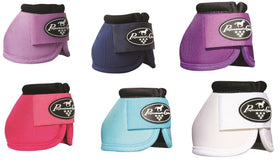
The Best Horse Shipping Boots for Every Budget
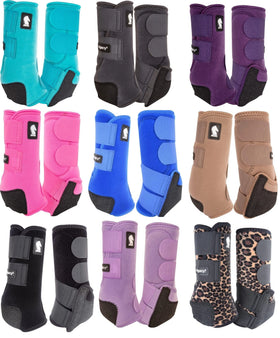
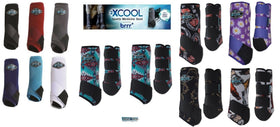
With so many options on the market, finding the right shipping boots can feel a little overwhelming. To make it easier, I’ve broken down my top recommendations based on different needs and budgets. Whether you’re hauling your horse to a local show or across the country, there’s a perfect set of boots out there for you. This list is a mix of personal favorites, time-tested brands, and boots that consistently get rave reviews from fellow equestrians for their durability, fit, and protective features.
Every horse and owner has unique needs, so I’ve included everything from budget-friendly workhorses to premium, high-tech options. The most important thing is that your horse arrives at your destination safe, sound, and comfortable. Think about how often you travel, the distances you cover, and your horse’s specific conformation as you go through these picks. You’re sure to find a great match in our collection of horse tack and equipment.
Hooves and Paws Premium Selection
For riders who want quality they can count on, our handpicked selection at Hooves and Paws is the perfect place to start. We only stock brands we trust and use ourselves, so you can be confident you’re getting a product that’s built for durability and your horse’s comfort. We know you need your gear quickly, which is why we offer fast, reliable shipping. Plus, with our 365-day satisfaction guarantee, you can shop with total peace of mind. Choosing from our collection means you’re not just buying boots; you’re getting the support of a team with decades of experience.
Best on a Budget: Roma Options
If you’re looking for solid protection that won’t break the bank, Roma shipping boots are an excellent choice. They are a fantastic option for shorter trips, horses that are new to trailering, or as a reliable backup set. Don’t let the affordable price fool you; these boots provide very good protection against bumps and scrapes. They are known for being lightweight and incredibly easy to put on and take off, which is a huge plus when you’re getting ready for an early morning show. Roma proves that you don’t have to spend a fortune to keep your horse safe on the road.
Best Mid-Range Value: Tough-1 Quality
Tough-1 shipping boots hit that sweet spot between affordability and rugged durability, making them a favorite for equestrians who travel often. These boots are known for their fantastic fit and ability to withstand regular use. They typically feature a tough nylon outer shell that resists tears and scuffs, paired with a soft fleece lining to keep your horse comfortable and prevent rubbing. If you need a dependable, all-around shipping boot that offers excellent protection and is built to last season after season, Tough-1 is a brand you can rely on for consistent quality and performance.
Top Premium Picks: Eskadron and Woof Wear
For the serious competitor or anyone who wants top-tier protection, Eskadron and Woof Wear are leading the pack. These brands are known for their technically advanced designs that prioritize an ergonomic, secure fit. They use innovative materials and construction techniques to create boots that mold to the horse's leg, ensuring they stay perfectly in place without slipping or twisting during transit. This close-contact fit provides maximum protection and comfort, making them an ideal investment for long-distance travel or for horses that need that extra level of support.
Ultimate Luxury: Kentucky Horsewear
When only the absolute best will do, Kentucky Horsewear delivers. This brand is synonymous with luxury, high performance, and impeccable style. Their shipping boots are crafted from top-of-the-line materials that offer superior impact protection while being incredibly comfortable for the horse. Known for their sophisticated look and exceptional durability, these boots are a top choice among professional riders and those who prioritize their horse’s well-being above all else. Investing in Kentucky Horsewear means you’re giving your horse the ultimate in comfort and safety for any journey.
What's a Fair Price for Horse Shipping Boots?
Deciding on a budget for shipping boots is a key step in the buying process. Prices can vary quite a bit, but a higher price tag often comes with more advanced features, durable materials, and a more comfortable fit for your horse. Your ideal price point will depend on how often you travel, how far you go, and your horse’s specific needs. Think of it as an investment in your horse’s safety and your own peace of mind. To help you figure out what to expect, we’ve broken down the common price ranges and what you get for your money in each category.
Entry-Level Protection ($25-60)
If you only trailer your horse a few times a year for short distances, a budget-friendly set of shipping boots can be a perfectly sensible choice. In the $25 to $60 range, you’ll find boots that offer basic, reliable protection. They typically feature a simple nylon outer shell and fleece or foam lining to guard against bumps and scrapes in the trailer. While they may not have the contoured fit or advanced materials of pricier models, they do the essential job of covering the leg from the knee or hock down to the coronet band. These are a great starting point for casual riders or those with a calm, experienced traveler.
The Sweet Spot: Mid-Range Quality ($60-120)
For many horse owners, the mid-range price point is the sweet spot. Boots in the $60 to $120 range offer a significant step up in durability and design, making them ideal for those who travel more frequently for lessons, trail rides, or local shows. You can expect to see tougher outer materials, like ballistic nylon, that better resist tears and scuffs. They also tend to have denser padding, stronger hook-and-loop closures, and a more anatomical shape for a secure fit that’s less likely to slip. These horse shipping boots provide an excellent balance of protection, longevity, and value for the dedicated equestrian.
The Investment: Premium Protection ($120-325)
When maximum protection is your top priority, investing in a premium set of shipping boots is the way to go. Ranging from $120 to over $300, these boots are built for the serious competitor, the long-distance hauler, or any horse that needs extra support. This category features boots made with advanced materials that offer superior impact absorption, breathability, and comfort. You’ll find designs with reinforced strike plates over the hoof and tendon areas, memory foam linings that mold to your horse’s legs, and heavy-duty construction built to withstand the rigors of frequent, long-distance travel. These boots offer unparalleled peace of mind on the road.
Scoring a Deal: Where to Find Sales
Everyone loves a good deal, and you can definitely find quality shipping boots without paying full price. Keep an eye out for end-of-season sales at your favorite online tack shops, as well as major holiday promotions around Black Friday and Christmas. It’s also smart to browse the clearance section, where you might find last season’s model at a steep discount. Signing up for email newsletters is another great way to get alerts about upcoming sales. You can also check out a retailer's best-selling products, as these popular items are often featured in promotions and offer proven value for your money.
How to Measure Your Horse for Shipping Boots
Finding the perfect pair of shipping boots is about more than just materials and style; getting the size right is critical for your horse’s safety and comfort. A boot that’s too loose can slip down, get tangled, or let in debris, creating a serious hazard. On the other hand, a boot that’s too tight can restrict blood flow, cause painful pressure sores, and make for a miserable trip. Taking a few extra minutes to measure and test the fit will ensure the boots do their job properly, giving you peace of mind on the road.
Step 1: Grab a Tape Measure
Before you even start browsing, grab a soft measuring tape. To find the best fit, you need to measure your horse's leg accurately. Focus on two key measurements: the circumference of the cannon bone at its widest point and the length from just below the knee or hock down to the coronet band. Boots should fit snugly around the hocks without being too tight or too loose around the cannon bone. Jot these numbers down so you have them ready when you start comparing different brands and their specific sizing guides. This simple step is the foundation for choosing protective leg wear that truly protects.
Measure from the Coronary Band to the Joint
To get the length right, you’ll want to measure from the top of the hoof, which is called the coronary band, all the way up to the bottom of the knee or hock joint. This measurement is key because it ensures the boot is tall enough to protect the entire lower leg without being so long that it interferes with your horse’s ability to bend its joints comfortably. A boot that’s too short leaves vulnerable areas exposed, while one that’s too long can cause rubbing and discomfort. Once you have this number, you can confidently compare it to the sizing charts for different brands of horse tack, which will help you find a boot that offers the perfect amount of coverage for your horse’s specific build.
Step 2: Check the Sizing Chart
Once you have your horse's measurements, it's time to play matchmaker with the manufacturer's sizing chart. Never assume that a "Cob" or "Full" size is the same across different brands, as they can vary significantly. A great rule of thumb is that you should be able to slide one finger snugly between the boot and your horse's leg. If you can fit more, the boot is likely too loose and could slip or allow dirt inside. If you can't fit one finger, it's too tight and could cause discomfort or circulation issues. Always refer to the specific chart for the horse tack you're interested in to make the most informed choice.
Common Sizing Examples
To give you a general idea, a smaller horse like a Morgan or a compact Quarter Horse often fits well into a "Cob" size. A taller Thoroughbred or a stockier Warmblood, on the other hand, will typically need a "Full" or even an "Oversize" boot. But remember, these are just guidelines. You should never rely on them alone because sizing can vary significantly between brands. The most important thing you can do is compare your horse's specific measurements to the brand's sizing chart. The safest boot is always one that fits correctly, extending from below the knee down to the coronet band. Always double-check the fit using the one-finger rule to ensure the boots are snug but not restrictive, providing the best possible protection for your horse during travel.
Step 3: Do a Test Run at Home
The final and most important step is to try the boots on long before your travel day. Fasten them securely and check that they cover all the way down to the top of the hoof without interfering with movement. Pay close attention to the knees and hocks to ensure the boots won't rub, as this can cause painful sores. Let your horse walk around in them for a few minutes while you observe. Do they stay in place? Do they bunch or twist? Your horse’s reaction will tell you a lot. We stand by our products, and our satisfaction guarantee means you can shop with confidence, knowing we want the best for you and your horse.
Step 4: Get an Expert Opinion
When you've done your research and measured carefully but still feel a bit unsure, don't hesitate to ask for a second opinion. Your trainer, veterinarian, or an experienced equestrian friend can offer invaluable advice based on real-world experience. They can often spot potential issues with fit or material that you might miss and provide recommendations tailored to your horse’s unique needs, especially if they have old injuries or are particularly fussy about wearing boots. The team at a reputable tack supplier can also be a fantastic resource. With decades of experience, a knowledgeable staff can answer your questions and guide you toward the best options, ensuring you feel confident in your choice.
Are You Making These Shipping Boot Mistakes?
Picking out the perfect shipping boots can feel like a big decision, but you're already on the right track by doing your research. To make sure your horse stays safe and comfortable on the road, let's walk through a few common missteps that are easy to avoid once you know what to look for in your horse tack. By sidestepping these pitfalls, you can feel confident that you’re making the best choice for your travel partner.
Forgetting That Fit is Everything
One of the most frequent mistakes is getting the sizing wrong. A boot that’s too loose can slip down, leaving parts of the leg exposed, or it can allow dirt and debris to get trapped inside, causing irritation. On the other hand, a boot that’s too tight can restrict blood flow and be incredibly uncomfortable for your horse. A great rule of thumb is that you should be able to slide one finger snugly between the boot and your horse's leg. This ensures a secure fit without any pinching or pressure.
The Dangers of a Poor Fit
A poorly fitting boot can quickly go from a protective measure to a real hazard. If a boot is too loose, it can easily slip down during transit, leaving your horse’s lower legs completely exposed to bumps and scrapes. Worse, it could get caught on a divider or the ramp, creating a dangerous situation that could cause your horse to panic. Loose boots also allow dirt and shavings to get trapped inside, which can lead to painful skin irritation and sores. On the flip side, a boot that’s too tight is just as risky. It can restrict blood flow, cause uncomfortable pressure points, and make your horse miserable on the road. Taking the time to ensure a perfect fit is the single most important step in making sure your horse tack does its job correctly.
Choosing Style Over Full-Leg Protection
The whole point of shipping boots is protection, so make sure the ones you choose actually cover everything they’re supposed to. Good boots should extend from just below the knee or hock all the way down to the floor, protecting the entire cannon bone, pastern, and coronet band. Be careful that the top of the boot doesn't rub against the joints, as this can cause painful sores. This kind of full coverage is non-negotiable for keeping your horse safe from bumps and scrapes in the trailer.
Underestimating the Need for Breathability
It’s easy to forget that balancing in a moving trailer is hard work for a horse. They can get warm, and their legs are no exception. Thick, non-breathable boots can trap heat and moisture, leading to discomfort and even potential skin or tendon issues from overheating concerns. When you're shopping, look for boots made with modern, breathable materials or designs that include ventilation. This simple check helps ensure your horse arrives at your destination cool, comfortable, and ready to go.
How to Make Your Shipping Boots Last
Investing in a quality set of shipping boots is the first step; making sure they last is the next. Proper care not only extends the life of your boots but also ensures they continue to provide the best protection for your horse's legs, trip after trip. A little bit of maintenance goes a long way in keeping your gear in top shape and your horse safe and comfortable on the road. Think of it as part of your regular tack cleaning routine. A simple system for cleaning, storing, and inspecting your horse’s travel gear will keep you prepared for your next haul, whether it's a short trip to a local show or a long-distance move.
Your Cleaning and Maintenance Routine
Keeping your shipping boots clean is about more than just appearances. It prevents the buildup of dirt and sweat that can irritate your horse’s skin and break down the boot materials over time. For neoprene boots, a gentle hand wash with mild soap and warm water is best. You can use a soft dandy brush to scrub away any stubborn mud. For other materials, you can often use a washing machine on a cold, bulky cycle, but always remember to fasten any Velcro straps first to prevent them from snagging. A quick wipe-down with a damp cloth after every use is also a great habit to get into.
Tips for Fleece-Lined Boots
Fleece-lined boots are a popular choice because they offer fantastic cushioning and feel incredibly soft against your horse’s legs. However, that cozy fleece lining is a magnet for shavings, hay, and burrs. To keep them in great shape, make it a habit to use a stiff brush to remove all that debris *before* you wash them. This extra step prevents the fleece from getting matted and ensures it stays comfortable for your horse. While fleece is warm, it's still important to consider airflow, especially for longer hauls, to prevent overheating. Investing in quality horse tack with breathable designs ensures that comfort doesn't come at the cost of your horse's well-being.
The Right Way to Store Your Boots
How you store your boots is just as important as how you clean them. Tossing them in a damp corner of the tack room is a recipe for mold and misshapen padding. After they are completely dry, store your boots in a cool, dry place away from direct sunlight, which can degrade the materials. A breathable gear bag is perfect for keeping them dust-free and organized. This simple step helps them maintain their protective shape and ensures they’re ready to go when you are. Proper storage also makes it much easier to grab them when you’re getting ready for your next trip.
When Should You Replace Your Shipping Boots?
Even the best-made boots wear out eventually. Regularly check them for signs of wear and tear, as their ability to protect your horse depends on their condition. Look for frayed stitching, cracked outer shells, or padding that has become compressed and hard. Pay close attention to the Velcro straps; if they’re losing their grip, they won’t hold the boot securely in place during travel. Don’t wait for a boot to fail on the road. If you notice any significant damage, it’s time to invest in a new pair. Keeping your horse safe is the top priority, and having reliable horse tack is a key part of that.
Ready to Buy? A Final Checklist
Choosing the right shipping boots comes down to balancing protection, comfort, and durability. With all the options available, it’s easy to feel a little overwhelmed. But by focusing on a few key details, you can confidently pick the perfect pair for your horse’s travel needs. Before you add a set to your cart, run through this final checklist to make sure you’ve covered all your bases. Think about your horse’s specific conformation, the length of your typical trips, and the level of protection that will give you peace of mind. A horse traveling a few miles down the road has different needs than one crossing state lines. Ultimately, the best boot is the one that fits your horse correctly and suits your situation. Remember, the right gear not only prevents injuries but also makes for a safer and more comfortable journey for your travel companion.
Double-Check the Fit and Comfort
A perfect fit is non-negotiable. Boots that are too loose can slip down or allow dirt and debris to get trapped against your horse's skin, causing irritation. On the other hand, boots that are too tight can restrict blood flow and create uncomfortable pressure points. A great rule of thumb is to check if you can slide one finger snugly between the boot and your horse’s leg. This ensures the boot is secure without being constricting. Always take the time to try boots on before a long haul to see how your horse moves and reacts to them.
Confirm Full-Leg Coverage
The main job of a shipping boot is to shield your horse's legs from bumps and scrapes. Look for a design that offers full coverage, extending from just below the knee or hock all the way down to the coronet band. This protects the delicate tendons, ligaments, and bones of the lower leg. Pay close attention to how the boots sit around the joints. You want to avoid any designs that could rub or chafe those sensitive areas, as that can cause more harm than good. The best horse tack is always the gear that protects without causing discomfort.
Make Sure They're Breathable
It’s easy to forget that standing in a trailer is hard work for a horse. They are constantly adjusting their balance, which generates body heat. Because of this, overheating can be a real concern, especially on warmer days or longer trips. Shipping boots and wraps can trap heat, so look for options made from breathable materials that allow for some air circulation. This small detail can make a huge difference in your horse's overall comfort during travel. If you ever have questions about which materials are best, remember that our team's 30 years of expertise is just a call or click away.
Related Articles
Frequently Asked Questions
Can I just use my horse's regular riding boots for trailering? That’s a common question, but it's best to stick with boots designed specifically for shipping. Your everyday riding boots, like splint or bell boots, are made to protect against interference during exercise, not the kind of bumps and scrapes that can happen in a trailer. Shipping boots offer much more extensive coverage, protecting the entire lower leg from the knee or hock all the way down to the hoof, and they have significantly more padding to absorb impact from a sudden stop or a misplaced step.
How can I tell if the boots are fitting my horse correctly during a test run? Once you've checked that you can slide one finger between the boot and your horse's leg, watch how your horse moves. Ask them to walk a few steps and turn. The boots should stay securely in place without twisting, sagging, or bunching up around the joints. Also, look for any signs of discomfort, like pinning ears or fidgeting. A well-fitted boot will allow for natural movement while remaining snug and protective.
Are shipping boots really necessary for a short, 15-minute trip down the road? It's always better to be safe than sorry, even on the shortest trips. Most trailer-related injuries happen during loading, unloading, or from unexpected events on the road, like a sudden stop. These things can happen just as easily on a quick trip as they can on a long haul. Using shipping boots for every trip is a simple habit that provides consistent protection and gives you valuable peace of mind.
My horse has never worn shipping boots. What's the best way to introduce them? The key is to make it a calm and positive experience. Start in a familiar, quiet area. Let your horse sniff the boots first, then gently put one on. Give them a treat and some praise. You can start with just the front boots for a few minutes, then take them off. Gradually increase the time they wear them and introduce the hind boots. Letting them walk around in the boots for short periods before ever getting on a trailer helps them get used to the feel.
What's the most important feature to focus on if I'm on a tight budget? If you have to prioritize, focus on coverage and a secure fit. A boot isn't effective if it doesn't cover the entire lower leg or if it slips down during the trip. You can find many affordable options that provide excellent full coverage with sturdy, reliable Velcro closures. While premium materials are nice, ensuring the boot stays in place and protects all the vulnerable areas is the most critical job it has to do.


