


Ask ten different riders "how long are barrel reins," and you'll probably get ten different answers. That's because the perfect rein length isn't a one-size-fits-all solution—it's a deeply personal choice. Finding the right fit for your long barrel reins depends on your horse’s build, your arm length, the bit you use, and your unique riding style. Instead of searching for a single magic number, the goal is to find a length that feels like a natural extension of your hands. This guide will help you assess your specific needs and find the ideal fit for you and your equine partner.
Key Takeaways
- Start with the 7-to-8-foot standard: This length is the go-to for most barrel racers because it provides excellent control for tight turns without creating dangerous slack or limiting your horse's stride.
- Customize the fit to your team: The perfect length depends on your horse's build, your personal riding style, and even the type of bit you use, so adjust from the standard to find what works for you.
- Test your reins before you compete: The true test of any rein is how it feels during a run, so always practice with new tack to confirm your grip is secure and the length is comfortable at high speeds.
How Long Should Barrel Reins Be?
Finding the right rein length is a game-changer in barrel racing. It's all about striking that perfect balance between close communication with your horse and having enough slack to let them run freely around the barrels. While personal preference plays a role, there's a standard range that works for most horse and rider teams. Getting your horse tack just right is a key step toward a clean run, so let's get into the specifics so you can find the perfect fit.
Barrel Rein Lengths: The Basics
When you're shopping for barrel reins, you'll notice they are shorter than your average trail or roping reins. That's by design. Barrel reins are typically a single, continuous loop made for quick, two-handed adjustments in the heat of the moment. Most measure between 6 and 8 feet in total length, with 7 and 8 feet being the most common. This range provides the close-contact communication needed for tight, fast turns. A good rule of thumb many riders use is to find a rein length that reaches their saddle horn when held in a riding position. This ensures you have just enough rein to work with without excess slack getting in the way.
Why 7-8 Feet Is the Sweet Spot
So, why is the 7-to-8-foot range the go-to for so many barrel racers? It all comes down to performance and safety. Reins that are too short can cause a lot of problems. You might find yourself leaning too far forward, pulling your arms out of position, or accidentally putting too much pressure on your horse's mouth, which can slow you down between barrels. On the flip side, reins that are too long can become a hazard. They can get tangled in your gear or caught on the saddle horn during a fast run. The 7-to-8-foot length provides just enough slack to guide your horse effectively without getting in your way, making it the ideal choice for most riders.
How to Choose the Right Rein Length
Finding the perfect rein length isn't about a magic number; it's about finding the perfect fit for you, your horse, and how you ride together. Think of it as tailoring a suit. What works for one rider-horse pair might not work for another. Several key factors come into play, from your horse's unique conformation to the specific bit you're using. Getting the length right is crucial for clear communication. Reins that are too long can cause a delay in your cues, creating a sloppy feel and costing you precious seconds in a run. On the other hand, reins that are too short can restrict your horse’s movement, prevent them from balancing properly through a turn, and make them uncomfortable. Taking the time to consider each element will help you land on a length that feels comfortable, gives you confidence, and allows your horse to perform at their best. Let's walk through what you need to think about to find that ideal length.
Matching Reins to Your Horse's Build
Your horse is the most important part of the equation, so their build is the first thing to consider. A horse with a long, graceful neck will naturally need more rein than a stockier horse with a shorter neck, just to have the same amount of slack. Think about how your horse carries their head and how they move through a turn. Some horses are more sensitive and responsive, requiring only subtle cues, while others might need a bit more guidance. The right rein length gives your horse the freedom to move comfortably without you losing effective communication. It’s all about finding that sweet spot where they can extend their neck and you can maintain light contact.
Aligning Rein Length with Your Riding Style
Your personal preferences and riding habits play a huge role, too. Many riders, especially when they're working on speed, prefer shorter reins. It can make you feel more connected and in control, with less slack to manage during a fast run. Your arm length and typical riding posture also matter. If you find yourself stretching or leaning forward to keep contact, your reins are likely too short. On the other hand, if you have coils of extra rein in your hand, they might be too long. The goal is a relaxed, balanced position where you can easily communicate with your horse without compromising your form or their comfort.
Match the Reins to Your Bit
The type of bit you use can significantly change how your reins feel and function. For example, a gag bit is designed to slide, which means it can take up more rein when you apply pressure. If you use one, you might find that a standard-length rein suddenly feels too long, and you may need to switch to a shorter pair to maintain proper contact. This principle applies to other types of horse tack as well. Always consider your entire headstall setup when choosing a rein length. The bit and reins work together as a system, so they need to be compatible to ensure clear communication with your horse.
Are Your Reins Competition-Legal?
While most barrel racing associations don't have strict rules about rein length, safety and practicality should always be top of mind. Reins that are too long can be a hazard, risking getting caught on your saddle horn or even your boot during a run. Conversely, reins that are too short can be just as problematic. They can restrict your horse's ability to stretch their neck and balance through a turn, and they might pull you forward out of your seat. A common guideline many riders use is to have the center of the reins touch the saddle horn when holding them in a riding position. This usually provides enough length without creating excess slack.
Key Features to Look for in Barrel Reins
Once you’ve settled on the right length, it’s time to look at the details that define how a pair of reins performs. The material, width, and specific design features all contribute to the feel, grip, and durability of your reins. Think of it like choosing a good pair of running shoes; the basic size is just the starting point. The real magic is in the construction and materials that support you when you need it most. From the type of leather used to the way the reins attach to the bit, every element plays a role in your connection with your horse. Paying attention to these features will help you find a pair that not only feels great in your hands but also stands up to the demands of the sport.
Rein Specifications and Features
The foundation of any good pair of barrel reins lies in their core specifications—the material they're made from and their physical dimensions. These elements determine the rein's weight, flexibility, and overall feel. High-quality leather is often the material of choice for its durability and comfortable feel, but the width of the rein is just as important. A rein that’s too wide can feel cumbersome, while one that’s too narrow might not offer a secure enough grip. It’s about finding that perfect combination that feels like a natural extension of your hands, giving you the confidence and control you need for a clean run.
Rein Width
While length is critical, the width of your reins directly impacts your grip and comfort. Most barrel reins come in standard widths like 5/8 inch or 3/4 inch, and the right choice often comes down to your hand size and personal preference. If you have smaller hands, a narrower rein might feel more comfortable and secure, while a wider rein can offer a more substantial feel for riders with larger hands. Regardless of width, barrel reins are designed as a single, continuous loop, which allows for quick, two-handed adjustments without fumbling with excess leather during a run.
The "Broke-In" Feel
There’s nothing worse than stiff, unyielding new tack. The best barrel reins feel like your favorite, well-used pair from the very first ride. Look for reins made from high-quality, pre-conditioned leathers like Hermann Oak or Latigo. These materials are known for their suppleness and durability, offering a soft, pliable feel right out of the box. This "broke-in" feel means you can skip the lengthy and sometimes uncomfortable break-in period and get straight to riding with reins that are responsive and comfortable from day one.
Helpful Design Elements
Beyond the basic construction, many barrel reins include thoughtful design elements that can significantly improve your riding experience. These features are all about enhancing grip, simplifying bit changes, and adding a touch of personal style. While they might seem like small details, they can make a big difference in your confidence and control when you’re racing against the clock. From strategically placed knots to decorative stitching, these enhancements allow you to choose a rein that is perfectly suited to your functional needs and aesthetic preferences.
Grip Enhancements
In a sport where every fraction of a second counts, a secure grip is non-negotiable. Many reins are designed with features specifically meant to provide a strong, reliable hold, even when your hands get sweaty or the weather isn’t cooperating. You’ll often see reins with braided sections, strategically placed knots, or rubber grips woven into the leather. These enhancements give your hands extra purchase, preventing the reins from slipping and ensuring your cues remain precise and effective from the first barrel to the last.
Bit Connections and Adjustments
How your reins attach to the bit can affect both convenience and communication. Many reins feature traditional "waterloop ends," which provide a secure and classic-looking connection. For riders who change bits frequently, reins with "slobber straps" are an excellent choice, as they allow for quick and easy swaps. Some reins even come with subtle hand placement markers, which are great for helping riders maintain balanced and consistent hand positioning. When exploring different horse tack, consider how these connection styles fit into your routine.
Decorative Details
While performance always comes first, there’s no reason your tack can’t look good, too. Many riders appreciate the aesthetic appeal of decorative details that allow them to express their personal style. Features like unique contrast stitching, intricate tooling, or silver conchos can turn a functional piece of equipment into a statement piece. These details let you coordinate your reins with your saddle, headstall, and other gear, creating a polished and professional look in the arena.
Manufacturing and Origin
Where and how your reins are made can tell you a lot about their quality and durability. The origin of the leather and the craftsmanship involved in the construction are key indicators of how well the reins will perform and how long they will last. Investing in well-made tack from reputable sources ensures you're getting a product that is not only safe and reliable but also built to withstand the rigors of training and competition. It’s a detail that reflects a commitment to quality that you can feel every time you ride.
Made in the USA
Many of the most trusted and durable barrel reins are made in the USA. This is often a hallmark of quality, indicating that the reins were crafted by skilled artisans using high-grade materials. American-made tack is frequently associated with superior craftsmanship, attention to detail, and durable construction designed to meet the high demands of competitive riding. Choosing reins made in the USA can give you extra confidence in the quality and longevity of your equipment.
Shop This Post

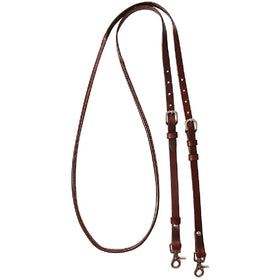
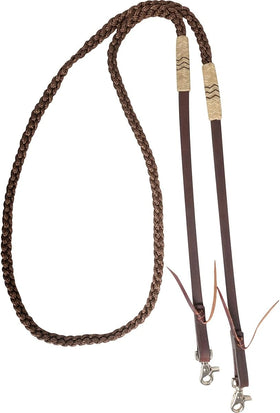
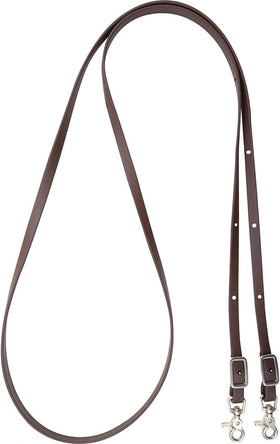
Does Horse Size Affect Rein Length?
Yes, your horse's size is a huge factor in choosing the right rein length. The reins are your direct line of communication, and if they're too long or short for your horse's build, your signals can get muddled. A rein that’s perfect for a compact pony will leave you leaning over the neck of a tall draft cross. To get it right, you need to match the rein length to your horse's specific proportions, from their neck to their overall frame. Let's break down the typical sizes.
Finding Reins for Ponies and Smaller Horses
If you're riding a pony or a smaller horse, you'll want to start with shorter reins. A length of around 6 feet is often the perfect fit. This shorter size corresponds with their compact frames and shorter necks, ensuring you don't have loops of extra rein getting tangled or caught on your saddle. The goal is a direct, comfortable line from your hands to the bit. This allows for quick, clear cues without forcing you to gather up a ton of slack, giving you better control and keeping you both comfortable.
Rein Sizing for the Average Horse
For most average-sized horses, like many Quarter Horses, a standard 7-foot rein is the go-to length. This is often considered the sweet spot because it provides enough slack for movement while still allowing for precise control. With a 7-foot rein, you can maintain a correct, upright posture without having to stretch or lean forward. It’s the most common size you’ll find when shopping for new horse tack because it offers a great balance for the typical horse and rider. This length gives you the flexibility you need without creating excess that could interfere with your run.
Do Big Horses Need Longer Reins?
When you're riding a larger horse or a draft-cross, you'll likely need to size up your reins. These horses have longer necks and bigger bodies, so a standard rein will feel too short and restrictive. Many riders find that longer reins, sometimes called "trail reins," work well, with lengths reaching up to 10 feet. The key is to assess your horse's individual build. A horse with a long neck will need more length for comfortable head carriage and movement. The right fit ensures you can communicate effectively without feeling cramped, giving your larger partner the freedom they need to perform.
Short vs. Long Barrel Reins: Which Is Better?
The debate over rein length is a classic one at the barn, and for good reason. The right length can make a huge difference in your communication, confidence, and performance. But what works for one rider and horse pair might not work for another. There isn't a single correct answer, only what's right for you. Let's break down the pros and cons of each style to help you find your perfect fit.
The Advantage of Shorter Reins: Speed and Control
Many riders, especially those in speed events, prefer shorter reins because they offer a more direct line of communication to the horse. With less slack to manage, your cues can be quicker and more precise, which is a huge advantage when you're making tight, fast turns around a barrel. You feel more connected and in control, with less risk of your reins getting tangled up in your hands or on your equipment. The main drawback, however, is that if your reins are too short, you might restrict your horse's natural movement or find it difficult to use both hands effectively to keep their neck straight and balanced through a turn.
The Advantage of Long Barrel Reins: Comfort and Freedom
On the other hand, longer reins give your horse more freedom of movement. This can be especially helpful for a horse that naturally carries its head lower or tends to throw its head up when it feels pressure on the bit. A little extra length can keep you from accidentally bumping its mouth, allowing for a softer feel and a more relaxed ride. The downside? Too much slack can be a hazard. Long reins can easily get caught on your saddle horn or other equipment, which can be dangerous at high speeds. It also means you have more rein to gather up when you need to make a quick adjustment.
Finding the Perfect Balance for You and Your Horse
Ultimately, the ideal rein length is a personal choice that depends on your horse's build, your riding style, and how the two of you work together. Pay attention to your horse’s head carriage. A horse that runs with its head low and nose out will require a different rein length than one that keeps its head higher. A great starting point is to find a rein length that allows you to comfortably hold your hands while the reins just touch your saddle horn. This usually provides enough slack for comfort without creating a safety issue. Finding the right horse tack is all about creating a seamless partnership.
What's the Best Material for Barrel Reins?
Beyond length, the material of your reins plays a huge role in your grip, comfort, and connection with your horse. What feels great in one rider's hands might feel slippery or bulky to another. The right material gives you the confidence to focus on the pattern, knowing you have a secure and reliable line of communication. From durable, modern synthetics to classic, time-tested leather, each option offers a different feel and set of benefits. Let's break down the most common choices to help you find the perfect match for your riding style.
Need a Better Grip? Try Nylon or Braided Reins
If you prioritize a secure grip and durability, nylon reins are an excellent choice. They are lightweight, strong, and stand up well to sweat and weather without needing much maintenance. Braided nylon reins are especially popular in the barrel racing world because their textured surface helps prevent your hands from slipping, even at high speeds. Many designs incorporate strategically placed knots, giving you an even more secure feel and a consistent place to hold. For riders who want a reliable, no-fuss piece of horse tack that performs run after run, braided nylon is tough to beat.
The Classic Choice: Traditional Leather Reins
There's something special about the classic feel of leather reins. While they require a bit more care to keep them in top condition, many riders find the trade-off is well worth it. Brand new leather can feel stiff, but with use, it softens and molds to your hands, creating a comfortable, custom-feeling grip. This break-in process enhances your connection and feel of the horse's mouth. For riders who appreciate tradition and are willing to put in the time for maintenance, a quality pair of leather reins is an investment that can last for years and feel better with every ride.
Hermann Oak Leather
When you hear experienced riders and saddle makers talk about top-tier leather, the name Hermann Oak often comes up. This isn't just any leather; it's renowned for its exceptional quality and durability. The secret lies in its traditional vegetable-tanning process, which uses natural tannins from tree bark to treat the hides. This method produces a material that is incredibly strong yet remains flexible and supple in your hands. Over time, Hermann Oak leather doesn't just wear out; it wears in, developing a beautiful, rich patina that gets better with age. Many high-end reins are crafted from it because it offers a reliable grip and performance that you can count on, run after run.
Latigo and Harness Leather
Latigo and harness leather are two other excellent options you'll frequently see used for high-quality horse tack. Latigo leather is a popular choice for reins because it’s specifically treated for strength and resistance to wear, striking a perfect balance between flexibility and durability. It feels substantial in your hands without being too stiff. Harness leather is very similar, known for its robustness and ability to withstand the intense demands of riding. Both of these types of leather are designed to offer a comfortable, secure grip that performs well in high-speed situations, making them dependable choices for any barrel racer looking for long-lasting equipment.
Want a Softer Feel? Consider Cotton or Synthetics
For riders who find other materials rough on their hands, cotton reins offer a much softer and more comfortable alternative. They are absorbent and gentle, making them a great option for long trail rides or training sessions where you're in the saddle for hours. While pure cotton may not be as durable as other options, many modern reins use synthetic blends that provide that same soft feel with added strength and weather resistance. These materials are perfect if you want a comfortable grip that's easy to hold without sacrificing performance or longevity.
BioThane Reins
If you love the feel of leather but not the upkeep, BioThane reins are a fantastic alternative. This synthetic material is a game-changer for riders who need durability without the constant maintenance. It’s completely waterproof, so you can ride through rain or wash your horse without worrying about your reins getting ruined or slippery. Cleaning is as simple as wiping them down with a damp cloth. BioThane is known for its incredible strength and reliability, but it also offers a secure, comfortable grip that feels great in your hands. It’s a practical, modern choice for any rider looking for high-performance horse tack that can handle the demands of barrel racing and everyday use.
Mohair and Poly Rope Reins
For riders who prioritize a soft, natural feel, mohair and poly rope reins are excellent options. Mohair reins, made from the hair of Angora goats, are incredibly soft yet surprisingly durable. They have a unique ability to absorb moisture, which helps you maintain a comfortable and secure grip even on long, sweaty rides. Poly rope reins offer a different kind of advantage. They are exceptionally lightweight yet strong, providing great durability and resistance to wear and tear. Plus, they are very easy to clean, making them a practical choice for daily training. Both of these rope reins offer a comfortable feel for riders who want performance without sacrificing comfort in their hands.
How Material Choice Influences Rein Length
The material you choose can also influence the ideal length of your reins. Because materials like nylon and other synthetics are so lightweight, you can often use a longer rein without it feeling heavy or cumbersome. This can give your horse a bit more freedom of movement. In contrast, leather is heavier, so some riders prefer slightly shorter leather reins to maintain precise control and avoid excess weight during fast maneuvers. Ultimately, it's about finding the right combination of material weight and length that feels balanced in your hands and works for you and your horse.
Popular Barrel Rein Brands and Pricing
When you're shopping for new reins, the number of brands can feel overwhelming. But choosing the right brand is about more than just a name; it's about trusting the quality of the gear that connects you to your horse. A well-made pair of reins from a reputable company provides peace of mind, knowing they're designed for performance, safety, and durability. At Hooves and Paws, we're riders ourselves, so we only carry brands we'd trust on our own horses. Let's look at a few industry leaders known for making some of the best barrel reins on the market.
Trusted Brands to Consider
If you're looking for a great place to start your search, you can't go wrong with brands that have earned the trust of barrel racers everywhere. Companies like Martin Saddlery, Professional's Choice, Cashel, and Weaver Leather have built their reputations on producing high-quality, reliable tack that stands up to the demands of the sport. Each brand offers something a little different, whether it's a signature feel, a wide variety of materials, or a focus on comfort. Exploring what makes each of these brands a favorite among riders can help you narrow down the options and find the perfect reins for your needs.
Martin Saddlery
Martin Saddlery is well-known for its premium leather goods, and their reins are no exception. They use hand-rubbed Hermann Oak and Latigo leather that is processed to have that perfectly "broke-in" feel right out of the package. This is a huge plus for riders who don't want to spend weeks softening up stiff new leather. That immediate comfort and flexibility allow for a better feel and connection with your horse from the very first ride, making them a top choice for serious competitors who value quality craftsmanship.
Professional's Choice
If you love having options, Professional's Choice is a brand to check out. They understand that every rider has a different preference for how their reins feel, so they offer a wide variety of materials. You can find everything from traditional latigo and harness leather to modern poly rope and soft nylon. This range ensures that whether you prioritize the classic feel of leather or the secure grip of a braided synthetic, you can find a rein that suits your style. Their commitment to variety makes them a go-to for riders who want to fine-tune their setup.
Cashel
Cashel has earned a strong reputation in the equestrian world for producing high-quality tack that prioritizes both performance and comfort. While they offer a wide range of products, their reins are a popular choice for riders who want a reliable piece of equipment that feels good in their hands and is comfortable for their horse. Cashel is known for its thoughtful designs and durable materials, making their reins a solid, dependable option for training and competition. They are a trusted brand for riders who want quality gear that simply works well.
Weaver Leather
Weaver Leather is another cornerstone brand in the western riding community, trusted for its durable and reliable products. Their reins are designed with the performance horse in mind, crafted from quality materials that are built to last. Whether you're looking for leather or synthetic options, Weaver offers well-made reins that provide a great feel and secure grip. Riders often turn to Weaver for no-fuss, dependable tack that can handle the rigors of daily riding and intense competition, making them a staple in many tack rooms.
What to Expect for Pricing
Barrel reins come in a wide range of prices, so you can definitely find something that fits your budget. Generally, you can expect to pay anywhere from about $15 to over $75 for a pair. On the lower end, you'll find basic but functional nylon or poly reins. As you move into the $40 to $60 range, you'll see higher-quality materials, including better grades of leather and more intricate braided designs. The premium reins, often priced at $60 and up, typically feature top-of-the-line Hermann Oak leather, detailed craftsmanship, and features designed for professional-level performance. Investing in a good pair of reins is an investment in your safety and communication, and you can find excellent horse tack at every price point.
How to Measure and Adjust Your Reins
Finding the perfect rein length isn’t just about picking a number; it’s about finding what works for you and your horse as a team. The right length gives you clear communication and confidence in the arena. Getting it right involves a little measuring, a lot of testing, and some fine-tuning along the way. Let’s walk through how to dial in your reins for that perfect fit.
How to Measure Your Reins Correctly
A great rule of thumb is that when your horse's head is up in a natural position, the reins should reach right in front of your saddle horn. This gives you a solid starting point. To check this, get your horse tacked up with all your usual horse tack. Sit comfortably in the saddle and ask your horse to lift their head. Now, look at your hands. If you have a loop of extra rein, they might be too long. If you have to stretch forward to give your horse any slack, they’re likely too short. This simple check will tell you if you’re in the right ballpark before you even start riding.
Don't Skip This Step: Test Your Reins Before Competing
The real test happens when you’re in motion. Reins that feel fine at a standstill can become a problem at a canter. If your reins are too short, you might feel pulled forward or find your arms are stuck in an awkward position, restricting your horse's movement. On the other hand, reins that are too long can get tangled in your gear or cause you to lose contact when you need it most. Before you head to a competition, practice a few runs in your new reins. Pay attention to how they feel around the barrels. Do you have enough slack to let your horse run, but enough control to make a sharp turn? Make sure you feel comfortable and secure at top speed.
How to Fine-Tune Your Rein Length
Every horse is an individual, and the perfect rein length depends heavily on your partner. Your horse's neck length, personality, and how they turn all play a role. A horse with a longer neck will naturally need a bit more rein than a more compact horse. Your personal riding style matters, too. Some riders prefer a shorter rein for constant contact, while others like a bit more slack. If you find a pair of reins you love but they’re just a little too long, you can always tie a few knots in them to shorten them to your preferred length. It’s a simple and effective way to customize your gear for the perfect run.
Do You Need Different Reins for Different Events?
The right pair of reins can make all the difference in your ride, but what works for one discipline might not be the best fit for another. The length and style of your reins should match the specific demands of your event, whether you're racing against the clock or enjoying a leisurely day on the trail. Thinking about your primary riding style is the first step in choosing gear that helps you and your horse perform your best together.
Your choice of reins is a key piece of your overall horse tack, directly impacting your communication and control. Let's look at how rein needs change across different Western disciplines and when a custom option might be the right call.
How Barrel Racing Reins Differ from Trail Reins
When you're barrel racing, every second counts, and your reins are your direct line for quick, precise cues. Barrel reins are typically shorter, continuous-loop reins, usually between six and eight feet long. This shorter length allows you to maintain close contact and use two hands for the tight, high-speed turns the pattern demands. In contrast, trail riding calls for a more relaxed approach. Longer reins, often around 10 to 12 feet, give your horse more freedom to move its head and neck, making for a more comfortable experience on varied terrain.
Reins for Other Rodeo and Western Events
Beyond the barrel pattern, other Western events have their own unique rein requirements. Roping, for example, often uses reins in that same six-to-eight-foot range, providing the control needed for fast-paced action. However, disciplines that focus more on finesse and collection, like Cowboy or Western Dressage, typically use longer reins of 10 to 12 feet. This extra length accommodates the specific movements and postures required in these events, allowing for subtle communication between you and your horse. Choosing the right length ensures you're properly equipped for the task at hand.
Barrel Reins vs. Roping Reins
At first glance, barrel reins and roping reins can seem almost identical. They often share a similar length, typically falling in that six-to-eight-foot range, and are usually made from the same materials. However, the subtle differences between them are designed around one key factor: how many hands you have on the reins. In barrel racing, you’re using both hands to guide your horse through a tight pattern. In roping, one hand is on the reins while the other is managing a rope, which completely changes what you need from your equipment.
Because barrel racing is a two-handed event, the reins are built for a secure, two-handed grip. You’ll often find them designed as a single continuous loop, sometimes with knots or a braided texture to keep your hands from slipping during a high-speed run. Roping reins, on the other hand, must be manageable with just one hand. They need to be smooth enough to allow for quick adjustments but have enough weight and substance to stay put and not get tangled while you’re focused on the cow. Choosing the right piece of horse tack is critical, and while you could use one for the other in a pinch, having event-specific reins will give you a significant advantage in control and safety.
When to Consider Custom or Adjustable Reins
If standard rein lengths just don't feel right for you or your horse, don't hesitate to look into custom or adjustable options. Many tack makers allow you to choose the perfect length and color to match your style. Features like grip knots can be a game-changer for barrel racers, offering extra security for tighter turns. And here’s a simple trick: if you find your reins are just a bit too long, you can always tie a few knots in them to shorten them to your preferred length. This easy adjustment can make a world of difference in your ride.
A Note on Terminology: Barrel Reins vs. Long Reining
It's easy to see how the language around horse tack can get a little confusing. When we talk about "long barrel reins," we're still talking about reins used for riding, just on the longer end of the spectrum for that specific event. However, there's another term you might hear—"long reining"—that refers to something entirely different. This isn't a style of riding rein at all, but a specific groundwork method used for training. Understanding the distinction is important, as the equipment and purpose for each are completely separate. Let's clear up what long reining is so you know exactly what people are referring to.
What is Long Reining? (A Groundwork Method)
Long reining is an advanced groundwork exercise where you guide your horse from the ground using two very long reins, often 16 to 20 feet each. Think of it like driving your horse, but without the cart. You walk behind or to the side of your horse, using the reins to steer, control their pace, and ask for different movements. It's considered a high level of horsemanship because it requires clear communication and a strong connection with your horse. This method is used to teach a horse to respond to rein and voice cues before a rider ever gets in the saddle, or to continue training and conditioning an experienced horse from the ground.
Benefits of Long Reining
Working with your horse on long reins is a fantastic way to strengthen your partnership. It's a great test of how well you communicate and can build a deep level of trust between you. For the horse, it adds valuable variety to their training routine, keeping them engaged and thinking. It’s also an excellent tool for building confidence in young or nervous horses, as it allows them to encounter new situations with you right there on the ground to guide them. It helps them become braver and more responsive to your cues, which translates directly to your work under saddle.
Equipment for Long Reining
The equipment for long reining is very specific and differs greatly from riding reins. You'll need a pair of long reins, typically made of a smooth, comfortable material that won't slip through your hands. Each rein is usually between 16 and 20 feet long to give you enough room to stay in a safe position while the horse moves. You'll also need a surcingle or a saddle to run the reins through, which helps guide them and mimic the feel of a rider's hands. Just like with riding, using the right horse tack is essential for both safety and effectiveness.
Safety and Best Practices
Safety should always be your top priority when trying any new training method. When long reining, it's crucial to always wear gloves to protect your hands from rope burn and sturdy, closed-toe shoes in case you get stepped on. It’s also important to be realistic about your horse's temperament. If your horse has a tendency to kick out, long reining is not a safe exercise for you, as you will be working within their kicking range. Always start in a familiar, enclosed area like a round pen or arena to keep things controlled and positive.
Basic Long Reining Techniques
When you're long reining, your position is key. You should always walk to the side of your horse, never directly behind them in their blind spot. This keeps you out of the primary kick zone and allows you to see what your horse is doing and how they are responding. Your movements should be deliberate and clear. Take long, wide steps, landing with your heel first to maintain good balance and a steady pace. The goal is to use your body language and the reins to guide your horse smoothly, not to pull or force them into position.
Frequently Asked Questions
What's the quickest way to tell if my reins are the wrong length? The easiest check is to sit in your saddle with your horse standing comfortably and see where the center of your reins falls. A good starting point is having them just touch the front of your saddle horn. If you have to stretch your arms forward to give your horse any slack, your reins are too short. If you have large loops of extra rein in your hands or lap, they are likely too long and could become a safety hazard.
My reins feel a little too long. Do I have to buy a new pair? Not at all. A simple and very common solution is to tie a knot or two in the reins to shorten them to your preferred length. This is a great way to make a quick adjustment and customize the fit without buying new equipment. Many riders do this to find that perfect length that feels just right for them and their horse.
Why are barrel reins a single loop instead of split like trail reins? The continuous loop design is all about speed and safety. In a fast-paced event like barrel racing, you don't want the risk of dropping one rein. A single loop ensures you always have contact and control. It also makes it easier to make quick, two-handed adjustments as you approach a barrel and guide your horse through the turn without fumbling with separate reins.
Does the type of bit I use really change the rein length I need? Yes, it absolutely can. Your bit and reins work together as a system. Certain bits, like a gag bit, are designed to slide and will take up more rein when you apply pressure. This can make a standard-length rein feel too long, causing a delay in your cues. Always consider your entire headstall setup when choosing a rein length to ensure your communication stays clear and effective.
I ride a pony. Can I just use standard horse reins? It's best to find reins made specifically for ponies. Standard horse reins, which are typically 7 or 8 feet long, will almost certainly be too long for a pony's shorter neck and compact build. Using reins that are too long creates excess slack that can easily get tangled in your gear or caught on the saddle horn, which is dangerous for both of you. Look for reins around 6 feet long for a much better and safer fit.


