


I’ll never forget the feeling of my reins slipping through my fingers during a particularly fast run. It’s a moment of panic that instantly shatters your focus. For a while, I thought it was just something I had to deal with, especially on hot days or with a horse that pulled. That all changed when a fellow rider let me try her setup. The difference was immediate and profound. Her leather barrel reins with knots gave me a secure, confident grip I had never experienced before. It was a simple change that completely transformed my ride. That’s why I’m so passionate about this piece of gear. It’s a small detail that makes a world of difference, and I want to share what I’ve learned about choosing, using, and caring for them.
Key Takeaways
- Knots provide a functional advantage: The knots on barrel reins are designed for performance, offering a secure grip and consistent hand placement that helps you maintain better control and communicate more clearly with your horse.
- Quality craftsmanship is a worthy investment: When choosing reins, focus on the details that matter for safety and longevity, such as supple leather, durable hardware, and knot spacing that fits your hands comfortably.
- Proper care extends the life of your tack: Create a simple maintenance routine of wiping down your reins after each ride and conditioning them regularly to keep the leather strong, prevent cracking, and ensure they remain safe to use.
What Are Knotted Leather Barrel Reins?
If you’ve ever watched a barrel race, you’ve seen riders and horses working together with incredible precision. A key piece of their gear is often a set of knotted leather barrel reins. These aren't just for looks; they're a functional tool designed for performance. Knotted reins are exactly what they sound like: leather reins with knots tied at specific intervals along their length. This simple addition makes a world of difference in the saddle.
The knots serve a few important purposes. They give you a secure, consistent grip, which is crucial when you're moving at high speeds or need to make quick adjustments around a barrel. They also help you keep the perfect rein length and stop your hands from slipping, giving you more confidence and control. While they're a favorite among barrel racers, their benefits extend to trail riders, ropers, and anyone looking for a more secure connection with their horse. They are a fantastic tool for both seasoned competitors and riders who are still building their skills. Let's break down what makes them different and why those knots are such a game-changer for so many equestrians.
Knotted vs. Standard Reins
The reins you see in a barrel racing arena are a specific type of roping rein. They are shorter than standard trail or pleasure reins and are connected in a single loop. This design is practical for speed events, as it allows a rider to lean forward and ride one-handed without worrying about a rein dropping to the ground. You can simply drop them on the horse's neck to get off quickly. The main difference between standard roping reins and knotted barrel reins is, of course, the knots. While a standard roping rein is smooth, the knotted version adds those crucial grip points for extra security and consistency.
Key Design Features
Quality knotted reins are all about the details. They are typically crafted from durable harness leather, which is strong enough to withstand rigorous use while remaining supple in your hands. Many feature a five-strand braid with knots made from a contrasting material like latigo leather, which adds to the grip and feel. The most important feature is the placement of the knots. They are strategically positioned to help a rider grab the rein and know their hand placement is identical every single time. This consistency is vital for performance, taking the guesswork out of your cues and creating muscle memory for both you and your horse. It's a small detail in your horse tack that makes a huge impact.
Why the Knots Are a Game-Changer
So, why are the knots so important? They provide instant, tangible benefits in the saddle. For riders learning to maintain steady contact, the knots act as a physical guide, helping you keep your reins at the correct length. They also offer a major safety advantage by preventing the reins from slipping through your fingers if your horse spooks or pulls. This is especially helpful on the trail or when working cattle, where you might need a quick, secure grab point. The knots essentially give you built-in hand-stops, offering peace of mind and allowing you to focus more on your riding and less on fumbling with your reins. This simple design feature can truly improve your connection and control.
Why Ride with Knotted Leather Reins?
If you've ever wondered what makes knotted leather reins a favorite among so many riders, the answer lies in their perfect blend of function, feel, and durability. They aren't just a stylistic choice; the knots serve a very practical purpose that can make a real difference in your ride. From barrel racers needing a secure grip at high speeds to trail riders wanting extra security on unpredictable terrain, these reins offer tangible benefits that cater to a wide range of disciplines.
The design is simple yet brilliant. By adding strategically placed knots along the length of the leather, these reins provide tactile cues that help you maintain consistent contact and control. This means less fumbling with your rein length and more focus on your connection with your horse. Whether you're a seasoned competitor looking for that extra edge or a beginner learning the ropes, knotted reins can help you ride with more confidence and precision. They offer a secure, dependable feel that you can rely on, ride after ride, making them a valuable addition to any rider's collection.
Get a Better Grip and More Control
The most immediate benefit of knotted reins is the enhanced grip they provide. Each knot acts as a physical stopper, preventing the reins from slipping through your hands, which is especially helpful if your horse pulls or you're riding in wet conditions. This feature gives you more security and control in unpredictable moments.
The knots also serve as excellent reference points. They help you keep your reins at a consistent and correct length, which is fundamental for clear communication with your horse. For beginners, this provides a great learning tool for developing a feel for proper contact. For experienced riders, the knots offer quick grab points for fast adjustments on the trail or in the arena, ensuring your hands are always where they need to be. This simple design element is a key part of a reliable set of horse tack.
Ride Comfortably for Longer
A comfortable grip is essential for a good ride, and that's another area where knotted leather reins shine. Quality leather is naturally soft and supple, molding to your hands over time. The knots give you a designated spot to hold, allowing you to maintain a secure grip without clenching your fists tightly.
This relaxed hand position significantly reduces fatigue in your hands, wrists, and arms. When you aren't fighting to keep the reins from slipping, you can focus more on your seat, your cues, and enjoying the ride. The result is a more comfortable experience that allows you to stay in the saddle longer without discomfort, making every ride more pleasant for both you and your horse.
Improve Your Performance in the Arena
For competitive riders, every detail matters. Knotted leather reins can give you an edge by fostering a stronger connection with your horse. The consistent, non-slip grip allows you to give subtle, precise cues that your horse can easily understand. This clear line of communication is vital for executing sharp turns, quick stops, and intricate patterns.
In fast-paced events like barrel racing, control is everything. The knots ensure you won't lose your reins during a critical moment, giving you the confidence to ride aggressively and accurately. This improved feel and control translate directly into better performance, helping you shave seconds off your time and build a more responsive partnership with your horse.
Enjoy Long-Lasting Durability
Investing in good equipment is always a smart move, and high-quality leather reins are built to last. Leather is a famously durable material that can withstand the daily demands of riding far better than many synthetic alternatives. It resists stretching, fraying, and breaking, ensuring you have a reliable piece of equipment you can trust for years.
Of course, longevity depends on proper care. With regular cleaning and conditioning, your leather reins will remain soft, strong, and ready for action. A little maintenance goes a long way in preserving their quality and appearance. By following a simple leather care routine, you can ensure your investment pays off with countless hours in the saddle.
Shop This Post

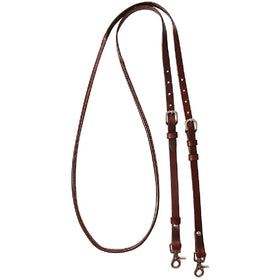
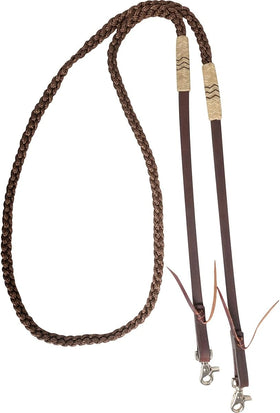
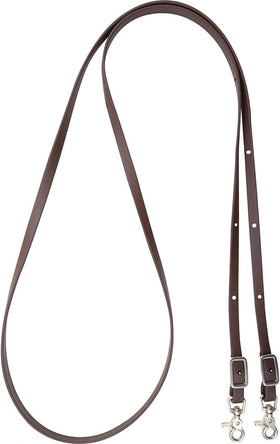
How to Choose the Right Knotted Barrel Reins
Finding the perfect pair of knotted barrel reins is about more than just picking a color you like. The right reins feel like an extension of your hands, giving you a direct and reliable line of communication with your horse when every second counts. Many riders choose reins based on looks alone, only to find out later that poor construction or the wrong size holds them back. To make sure you get a pair that helps your performance and lasts for years, consider these key factors.
Check the Leather Quality and Craftsmanship
The first thing to assess is the leather itself. High-quality leather will feel supple and substantial in your hands, not stiff or flimsy. It should have a bit of weight to it, which helps provide clear cues to your horse. Look for even coloring and smooth, consistent stitching along the edges and where the hardware is attached. Poor craftsmanship, like frayed edges or weak stitches, can be a safety hazard in the arena. Investing in well-made horse tack from the start means you get durable equipment you can rely on run after run.
Consider Knot Placement and Size
The knots on barrel reins are there for a reason: they provide a consistent, secure grip. As one expert notes, the knots allow a barrel racer to "reach down and grab the rein, knowing their hand placement will be the same every single run." This builds muscle memory and confidence. When choosing, think about your hand size and where you naturally hold your reins. The knots should be spaced comfortably for you to shorten or lengthen your reins quickly without fumbling. The size of the knots matters, too. They should be large enough to provide a secure stop for your hand but not so bulky that they feel awkward.
Find the Perfect Length and Width
Reins that are too long can get tangled, while reins that are too short can restrict your horse’s movement. For barrel racing, a standard length of 7 to 8 feet is usually ideal. The width is also important for your grip and your horse’s response. A common width is 5/8 inch, which fits comfortably in most hands. Avoid reins made from cheap, lightweight material that can flop around. If the material is too light, your horse won't be able to feel your cues clearly. A good rein has enough substance to send a direct signal from your hand to the bit.
Inspect the Hardware and Snaps
The snaps and buckles on your reins are critical components that connect you to the bit. Always check that the hardware is made from a durable material like stainless steel or solid brass that won’t rust or break under pressure. Test the snaps to make sure they open and close smoothly but securely. Whether you prefer trigger snaps, scissor snaps, or simple buckle ends, the hardware should be sturdy and reliable. Quality barrel racing reins are designed for performance, and that includes every last detail, right down to the snaps.
Feel for Proper Weight and Balance
The weight of your reins directly impacts how your horse feels your cues. A well-balanced pair will have a nice drape and feel even in your hands, allowing for subtle communication. The weight also helps keep the reins from getting tangled. A great feature of the single-rein design used in barrel racing is that it’s nearly impossible for a horse to step on them if they are accidentally dropped. When you’re shopping, hold the reins and get a feel for their weight. They should feel solid and dependable, not flimsy or overly heavy.
Set Your Budget
Knotted barrel reins are available at a wide range of prices, and what you pay often reflects the quality of the leather and hardware. While it can be tempting to go for the cheapest option, think of your reins as an investment in your safety and performance. Trusted brands have built a reputation for offering high-quality, reliable barrel reins because they understand that every rider has different preferences. You can find excellent, long-lasting options without breaking the bank. Explore our best-selling products to see some of the top-rated gear our customers trust.
Browse our leather barrel reins collection to find knotted and smooth styles trusted by barrel racers and speed event competitors.
Where to Find Quality Knotted Barrel Reins
Once you know what you’re looking for, the next step is finding the perfect pair. The market is full of options, which can feel a bit overwhelming. To make it easier, I’ve broken down where to find reliable knotted barrel reins, from our own curated collection to other trusted names in the industry. We’ll also look at what you can expect to spend so you can find a great pair that fits your budget.
Our Handpicked Selection at Hooves and Paws
Here at Hooves and Paws, we’re incredibly selective about the products we carry. For knotted barrel reins, we stand by our "Leather Barrel Racing Reins with Leather Knots." These aren't just any reins; they're handmade by a craftsman known as "The Rein Man," who truly understands what riders need. They are designed to feel soft and broken-in from the very first use, giving you a comfortable and secure grip without any stiffness. They represent the kind of quality and attention to detail we look for in all our horse tack, making them a favorite among our team and customers.
Other Reputable Retailers and Brands
While we’re proud of our selection, we know that every rider has unique preferences. If you’re exploring other options, a couple of brands consistently deliver on quality. Weaver Equine is a great place to look if you want variety. They offer a huge selection of reins made from durable, high-quality leather that’s built to last. Another excellent brand is Martin Saddlery, which has a strong reputation for understanding the specific needs of barrel racers. They focus on creating gear that performs well under pressure, so you can always count on their craftsmanship when you’re in the arena.
What to Expect at Different Price Points
When you start shopping, you’ll notice that prices for knotted barrel reins can vary quite a bit, typically ranging from around $15 to nearly $200. What causes such a wide gap? It usually comes down to the quality of the leather and the level of craftsmanship. A less expensive pair might get the job done, but investing in handmade reins made from premium leather often means better durability, feel, and performance. For example, a quality pair like the ones we recommend often falls in the $70 range, reflecting the superior materials and expert construction that will serve you and your horse well for years.
How to Care for Your Leather Reins
Your knotted leather reins are more than just a piece of equipment; they're a direct line of communication with your horse. Taking proper care of them protects your investment and, more importantly, ensures they remain safe and reliable ride after ride. High-quality leather is incredibly durable, but it needs a little help to stand up to sweat, dirt, and the elements. Establishing a simple care routine only takes a few minutes but can add years to the life of your reins. Think of it as part of the cool-down process for both you and your horse. By cleaning, conditioning, and storing your horse tack correctly, you keep the leather supple, strong, and ready for your next run.
Daily Cleaning and Upkeep
The most effective habit you can build is wiping down your reins after every single ride. Use a slightly damp, clean cloth to remove any sweat, saliva, and dirt that has accumulated. This simple step prevents the buildup of grime and salt, which can slowly break down the leather’s fibers and cause it to become brittle. For a more thorough cleaning and conditioning, aim for a schedule of every two to four weeks. If you ride in a hot, dry climate, you’ll likely need to condition more frequently. If you’re in a more humid area, you can stretch it out a bit longer. Pay attention to how the leather feels; if it starts to seem dry or stiff, it’s time for some TLC.
Tips for Conditioning and Storage
When it’s time to condition, start with clean, dry reins. Apply a high-quality leather conditioner with a soft cloth, using small, circular motions to work it into the grain. You don’t need to saturate the leather; a thin, even coat is all it takes to replenish the natural oils and keep your reins flexible and resistant to cracking. Once conditioned, proper storage is key. The ideal spot is a cool, dry place away from direct sunlight, like a climate-controlled tack room or a storage closet. Avoid leaving your reins in a hot car or hanging them on a fence post where the sun can bake them, as this will quickly dry out the leather and cause irreversible damage.
Common Care Mistakes to Avoid
It’s just as important to know what not to do. First, never use harsh household chemicals like bleach, ammonia, or all-purpose cleaners on your leather. These products are far too abrasive and will strip the essential oils from the leather, leaving it dry and weak. Another common mistake is over-oiling or using too much conditioner. While it might seem like more is better, excess product can make the reins feel greasy, attract more dirt, and even oversaturate the fibers. The biggest mistake of all, however, is neglect. Leaving your reins dirty and unconditioned is a sure way to let them crack, weaken, and ultimately become unsafe for use.
Know When It's Time for a New Pair
With consistent care, a good pair of leather reins can last for many years. However, no piece of tack lasts forever, and it’s crucial to recognize when it’s time for a replacement. During your regular cleaning, inspect your reins closely for signs of serious wear. Look for deep cracks that go past the surface, especially near the bit attachments and knots. Feel for any spots that seem unusually thin, stretched, or weak. If the leather remains stiff and brittle even after a good conditioning, its fibers are likely too damaged to be restored. Replacing your reins isn't a sign of failure; it's a responsible part of horsemanship that keeps you and your horse safe. When the time comes, you can find a reliable replacement among our best-selling products.
Related Articles
Frequently Asked Questions
Are knotted reins only for barrel racers? While they are a favorite in the barrel racing world, their benefits are useful for many other riders. The secure grip and consistent hand placement provided by the knots are fantastic for trail riding, especially on uneven terrain where you might need extra security. They are also a great tool for training young horses or for any discipline where maintaining a steady, non-slip contact is important.
I'm a beginner rider. Are these reins a good choice for me? Absolutely. Knotted reins are an excellent tool for riders who are still developing their skills. The knots act as a physical guide, helping you learn to keep your reins at an even length and preventing them from slipping through your fingers. This builds muscle memory and allows you to focus more on your seat and legs instead of constantly worrying about your hand position.
How do I know what length of rein to get? For most full-sized horses, a standard 7 or 8-foot roping rein is the perfect length for barrel racing and general riding. This length gives you enough slack to allow your horse to move freely but is short enough that the reins won't get tangled or drop to the ground if you need to let go. If you ride a smaller horse or a pony, you might look for a slightly shorter option.
What makes a high-quality leather rein worth the extra cost? Investing in a well-made pair of leather reins is really an investment in safety and better communication with your horse. Higher-quality leather is stronger and far less likely to snap under pressure. It also has a better "feel," meaning it's more supple in your hands and has enough weight to send clear, subtle cues to the bit. Cheaper reins often feel stiff or flimsy and can wear out quickly, while a quality pair will last for years with proper care.
How often should I actually condition my leather reins? A good rule of thumb is to give your reins a thorough cleaning and conditioning about once a month if you ride regularly. However, you should adjust this based on your climate and how the leather feels. If you live in a very dry area, you may need to condition them more often to keep them from cracking. If the leather ever starts to feel stiff or dry to the touch, it's definitely time for a conditioning treatment.


