


A great ride starts from the ground up, and nothing distracts you faster than the wrong boots. An ill-fitting pair is more than just uncomfortable—it can compromise your position and your entire ride. The right pair of horse riding boots, however, provides the stability and confidence you need to focus completely on your horse. Whether you're a new rider looking for your first pair or an experienced equestrian ready for an upgrade, this guide will help. We’ll cover the different types of boots for men, what to look for in quality, and how to ensure you get the perfect fit.
Key Takeaways
- Match your boot to your discipline: The best boot is the one designed for your primary activity. Paddock boots offer everyday versatility, tall boots provide a polished look for shows, and work boots are built for tough barn chores.
- Prioritize a proper fit for safety and comfort: An ill-fitting boot can ruin a ride, so always measure your calf and foot before buying. A snug fit with a distinct heel is essential for stability and preventing your foot from slipping through the stirrup.
- Protect your investment with proper care: Regardless of your budget, the lifespan of your boots depends on maintenance. A simple routine of cleaning after each ride, conditioning the leather, and using boot trees for storage will keep them performing well for years.
Your Guide to Men's Riding Boot Styles
Choosing the right riding boot can feel like a big decision, but it really comes down to what you’ll be doing. Just like you wouldn’t wear running shoes to a formal dinner, you wouldn’t wear barn boots into the show ring. Different boots are designed for different jobs, from daily training and mucking stalls to competing in a dressage test. Understanding the main styles is the first step to finding a pair that offers the right mix of comfort, safety, and performance for your needs. Let’s walk through the four most common types of men’s riding boots so you can find your perfect match.
Paddock Boots: The Everyday Essential
Think of paddock boots as the reliable workhorse of your riding wardrobe. These ankle-high boots are incredibly versatile, making them a favorite for everything from lessons and trail rides to everyday schooling. Because they are easier to fit than tall boots (no calf measurement needed), they’re a fantastic starting point for new riders. Many equestrians pair them with half chaps to get the grip and protection of a tall boot without the commitment. Available in both traditional leather and easy-care synthetic styles, paddock boots offer comfort and function for long days at the barn. They are a staple piece of horse tack for riders of all levels.
Tall Boots: Polished for the Show Ring
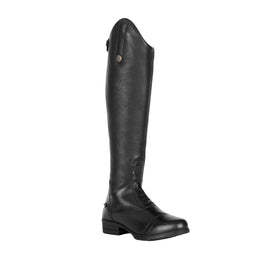
When you need to look polished for the show ring, tall boots are the answer. These knee-high boots create a long, elegant leg line and provide close contact with your horse, which is essential for clear communication in disciplines like dressage, eventing, and hunter/jumper classes. You’ll generally find two styles: dress boots, which are sleek and laceless, and field boots, which have laces at the ankle for a little extra flexibility. While black leather is the traditional choice for competition, you can find options in other colors and materials. A precise fit is key for both comfort and function, so be prepared to measure your calf width and height.
Boots for Women and Children
Finding the right boot is just as crucial for women and young riders, and thankfully, there are plenty of options designed specifically for them. Women’s riding boots blend performance with style, offering the support needed for long hours at the barn without sacrificing a great look. Brands often tailor the fit to a woman’s foot, ensuring comfort and stability in the saddle. For kids, the focus is all about safety and durability. A properly fitting boot with a distinct heel is non-negotiable, as it helps prevent their foot from slipping through the stirrup. It’s always a good idea to measure a child’s foot and calf before buying to accommodate for growth spurts and ensure a secure fit.
No matter who the boots are for, taking care of them is the best way to make them last. A little maintenance goes a long way in protecting your investment and keeping your footwear in top shape. Getting into the habit of cleaning off dirt after every ride, conditioning the leather regularly, and storing them with boot trees will ensure they’re ready for your next ride. This simple routine helps maintain the integrity of your essential horse tack and keeps you focused on what matters most—your time with your horse.
Work Boots: Built for Barn Life
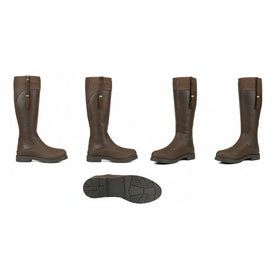
A good pair of work boots is non-negotiable for anyone spending time around horses. These boots are built tough to handle everything from mucking stalls to repairing fences. They prioritize durability, support, and safety, often featuring reinforced toes and slip-resistant soles to keep you steady on your feet. While some are designed strictly for groundwork, many styles are also suitable for riding, with a defined heel to prevent your foot from slipping through the stirrup. Look for sturdy leather and waterproof construction to keep your feet protected and dry, no matter what the day throws at you. These boots are often among the best-selling products for their sheer utility.
Winter Boots: Stay Warm in the Saddle
Riding and doing barn chores in the cold is much more enjoyable when you can’t feel your toes. That’s where insulated winter riding boots come in. Designed specifically for cold weather, these boots feature insulation and waterproof materials to keep your feet warm and dry without adding too much bulk. This ensures you can still feel the stirrup and give effective aids to your horse. You can find them in both paddock and tall boot styles, often with enhanced-grip soles to help you stay upright on icy ground. Investing in a quality pair means you can comfortably care for and ride your horse all year long.
Beyond the Boot: Accessories and Other Footwear
Once you've found the perfect pair of riding boots, a few key accessories can make a world of difference in their longevity and your comfort. It’s also worth remembering that an equestrian’s life isn’t spent entirely in the saddle. You’ll need other types of footwear to handle everything from mucking out stalls to running errands in town. Thinking about your entire footwear collection ensures you’re prepared and comfortable for every part of your day, both in and out of the barn. Let's look at the essential add-ons and alternative shoes that complete any rider's closet.
Essential Boot Accessories
The right accessories don't just complement your boots; they are crucial for maintaining them and improving your riding experience. From products that protect your leather investment to gear that offers the feel of a tall boot with the convenience of a paddock boot, these items are practical necessities. They help you get the most out of your primary riding footwear, ensuring they last for years while providing the support and grip you need in the saddle. Investing a little in these items goes a long way toward protecting your primary gear.
Boot Care and Storage
Protecting your investment in quality riding boots starts the moment you take them off. The lifespan of your boots, regardless of their price, depends heavily on consistent maintenance. After every ride, take a moment to wipe off dirt and sweat, which can break down leather over time. Regularly conditioning the leather keeps it supple and prevents cracking, ensuring a comfortable fit. For storage, using boot trees will help your boots maintain their shape and allow them to dry properly. This small commitment to care ensures your boots continue to perform well and look great for years to come.
Chaps: Full vs. Half
Chaps are a rider's best friend, especially for those who prefer the comfort and versatility of paddock boots. They provide the grip and protection of a tall boot, preventing rubbing and helping to keep your leg secure against the horse. Half chaps, which cover the lower leg from ankle to knee, are the most popular choice for schooling and everyday riding. They create a polished look and are an essential piece of horse tack for many equestrians. Full chaps offer more extensive coverage, protecting your entire leg, which makes them a great option for trail riding or working with young horses.
More Than Just Riding Boots
While riding boots are designed for performance in the saddle, they aren't always the best choice for groundwork or life outside the stable. The well-rounded equestrian needs a few other pairs of shoes to handle the diverse demands of the lifestyle. Having dedicated boots for barn chores protects your more expensive riding boots from excessive wear and tear, while comfortable casual shoes give your feet a break after a long day. This practical approach ensures you always have the right footwear for the task at hand, keeping you safe and comfortable.
Country and Muck Boots
Life with horses involves a lot of time on your feet, often in less-than-ideal conditions. That’s where muck boots and country boots become indispensable. Muck boots are specifically designed to be waterproof and durable, making them perfect for washing horses, cleaning stalls, or navigating muddy pastures. Country boots offer a bit more style while still providing the rugged, all-weather performance you need around the farm. Both are built for comfort and support, keeping your feet dry and protected through long days of hard work so you can focus on your animals.
Casual Equestrian Footwear
Your love for the equestrian lifestyle doesn't have to end when you leave the barn. Many brands offer casual footwear that combines comfort with classic equestrian style, perfect for running errands or meeting friends after a ride. These shoes, from stylish loafers to comfortable clogs, are designed for everyday wear and provide a welcome break for your feet after being in stiff riding boots. They allow you to carry that polished, put-together look into your daily life without sacrificing comfort, keeping you connected to your passion even when you're not in the saddle.
Shop This Post

Featured in this article
Shires Moretta Clio Plus Paddock Boots - Black, Child, Lace-Up Equestrian, Gently Used
$29.99
Shop Now →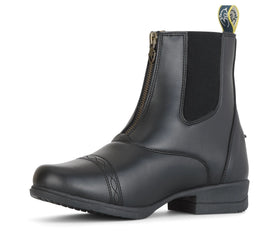
Your Men's Riding Boot Checklist
Choosing the right riding boots is about more than just style. The right pair provides safety, support, and comfort, whether you're in the saddle or working around the barn. A good boot becomes an extension of your leg, helping you communicate clearly with your horse while protecting you from the elements and potential accidents. When you start shopping for horse tack, it helps to know what features make a boot a great partner for your riding discipline and daily needs. From the materials used to the specific safety features, every detail matters. Let's break down the key things to look for so you can invest in a pair of boots that will serve you well for years to come.
Built to Last: Checking Construction and Materials
The material of your boot affects its durability, comfort, and performance. Full-grain leather is the traditional choice for its longevity and ability to mold to your foot over time. However, synthetic materials have come a long way, offering a budget-friendly, easy-to-clean alternative that often requires less break-in time. Pay close attention to the boot's overall construction. A well-made boot has a structured design that provides stability for precise cues and prevents your foot from slipping through a stirrup during a fall, which is a critical safety feature. Look for reinforced stitching and a sturdy sole that will stand up to the demands of the stable.
Common Materials: Leather vs. Synthetic
The debate between leather and synthetic boots is a classic one in the equestrian world. Traditional leather boots, often made from high-quality calfskin, are prized for their durability and ability to mold perfectly to your leg over time, offering a custom-fit feel. This makes them a long-term investment that can last for years with the right care. However, they do require consistent upkeep, including regular cleaning and conditioning to keep the material supple and prevent cracking. On the other hand, synthetic boots are a fantastic, practical alternative. They are typically more affordable, lightweight, and incredibly easy to clean—often just needing a quick wipe-down. Plus, most synthetic options are waterproof right out of the box, making them a great choice for new riders or anyone who wants a low-maintenance boot for daily use.
Popular Colors and Finishes
When it comes to color, black is the undisputed classic, especially for the show ring. In most English disciplines, polished black boots are the standard for a formal, traditional look. However, that doesn't mean you're limited to one option. Brown boots are a popular and stylish choice for schooling, trail riding, and more casual settings. Beyond color, the finish of the boot contributes to its overall aesthetic. A high-shine, smooth finish gives boots an elegant appearance that’s particularly favored in disciplines like dressage. Whether you prefer the timeless look of black leather or the versatility of a brown synthetic, you can find options to suit your personal style and riding needs.
Do You Need Waterproof Horse Riding Boots?
You can't control the weather, but you can keep your feet dry. Whether you're dealing with morning dew, muddy paddocks, or unexpected rain, waterproof boots are a game-changer. Many modern boots, from tall dress boots to rugged Western styles, incorporate waterproof membranes and treated leathers to keep moisture out without sacrificing breathability. This is especially important for riders who spend long hours outdoors. Having dry, comfortable feet allows you to focus on your horse and your ride, not on the cold or damp seeping into your socks. When comparing options, check the product details for specific waterproofing features to ensure you're getting the protection you need.
Prioritizing All-Day Comfort and a Perfect Fit
An ill-fitting boot can ruin a ride. One of the most common complaints from riders is finding boots that fit their calves properly, especially with tall boots. If you've struggled with this, you have options. Paddock boots, which are ankle-high, are often much easier to fit since you don't have to worry about calf measurements. When paired with half-chaps, they offer similar performance to a tall boot with a more customizable fit. No matter the style, your boots should be snug but not tight, with enough room to wiggle your toes. Remember to try them on with the type of socks you typically wear for riding to get the most accurate fit.
Safety First: Heels, Treads, and Ankle Support
Your riding boots are a vital piece of safety equipment. A proper boot should have a distinct heel of about one to one-and-a-half inches to prevent your foot from sliding through the stirrup. Good ankle support is also crucial for stability in the saddle and to prevent twists or sprains on uneven ground. Tall boots, like field or dress styles, are specifically designed to encourage a correct heels-down position, which is essential for balance and flexibility, especially when jumping. Investing in a pair of best-selling boots known for their safety performance will give you peace of mind every time you ride.
Which Riding Boot Brands Can You Trust?
With so many brands on the market, choosing the right pair of riding boots can feel like a big decision. The good news is that certain brands have built a solid reputation for quality, comfort, and durability over the years. Whether you’re a competitive rider needing top-tier performance or a weekend enthusiast looking for a reliable pair of boots for the barn, there’s a brand out there that fits your needs and budget. We’ve narrowed down the field to a few of the most trusted names in the equestrian world to help you make a confident choice. These brands consistently deliver on their promises, offering excellent value and performance you can count on ride after ride.
Brands That Deliver on Quality and Value
When you’re investing in riding boots, you want to know you’re getting your money’s worth. The brands below are our top picks because they strike an excellent balance between high-quality materials, thoughtful construction, and fair pricing. From industry titans known for their innovation to budget-friendly staples that don’t skimp on reliability, these are the brands that riders trust most. Each one offers something unique, so you can find the perfect match for your specific discipline, budget, and style.
Ariat: A Trusted Name in Riding Boots
If you’ve spent any time around a barn, you’ve heard of Ariat. They are a dominant force in the equestrian world for a reason. Ariat is known for its commitment to innovation, offering some of the most technologically advanced boots available. They incorporate features like advanced footbed support and stabilizing shanks, which are designed to reduce fatigue and improve your posture in the saddle. This focus on performance makes them a favorite among professional riders and serious amateurs who demand the best from their gear. While they come at a higher price point, an investment in Ariat boots is an investment in quality, comfort, and longevity.
TuffRider: Performance You Can Count On
TuffRider has carved out a niche for itself by providing dependable, no-fuss riding boots at an accessible price. This brand is an excellent choice for beginners, growing riders, or anyone who needs a sturdy pair of boots for daily use without breaking the bank. TuffRider focuses on creating affordable yet reliable riding boots that are comfortable and built to last through regular lessons and barn chores. While they may not have all the high-tech features of premium brands, they deliver solid performance and durability, making them one of the best value propositions on the market.
Don't Overlook Dublin & Mountain Horse
Dublin and Mountain Horse are two other fantastic brands worth considering, especially if you’re looking for stylish and functional boots on a budget. Both brands offer a wide variety of designs that are known for their immediate comfort and great fit right out of the box. They are popular choices for riders who prioritize a comfortable boot for everyday schooling. It’s worth noting that some riders have reported issues with durability over the long term compared to higher-end brands. However, for their price, many find the comfort and style to be a worthwhile trade-off, making them a solid option for many equestrians.
Other Top Brands to Consider: Tredstep and DeNiro
For riders ready to invest in a more premium pair of boots, Tredstep and DeNiro are two brands that stand out. Tredstep is celebrated for its innovative designs that merge traditional craftsmanship with modern performance technology. Their boots are engineered to provide a close contact feel, which is crucial for effective communication with your horse, making them a favorite among competitive riders. On the other hand, DeNiro represents the pinnacle of Italian luxury and craftsmanship. Known for their elegant designs and superior fit, DeNiro boots are crafted from luxurious materials and are a top choice for riders in the show ring who want both exceptional performance and a stunning look. Both brands are a significant part of any serious rider's horse tack considerations.
How Much Should You Spend on Riding Boots?
Deciding on a budget for riding boots can feel a little overwhelming. They’re a key piece of your riding gear, and the prices can range from surprisingly affordable to a serious investment. The truth is, there’s no single "right" amount to spend. The perfect price point for you depends entirely on your needs, how often you ride, your chosen discipline, and the features you value most. A casual weekend rider will have different requirements than someone competing in dressage every month.
Think of it like this: you’re investing in safety, comfort, and durability. A higher price tag often comes with better materials like full-grain leather, more advanced comfort technology, and a more refined fit. However, you don’t need to spend a fortune to get a safe and functional pair of boots. We’ll walk through the different price ranges to help you understand what you can expect from each. This way, you can find a great pair of boots that fits both your feet and your budget, ensuring you have the right horse tack for every ride.
Understanding the Price Spectrum
Riding boot prices can vary quite a bit, so it helps to know what to expect. You can find reliable starter boots for around $100, while many popular brands offer excellent options in the $110 to $400 range. This is a sweet spot for many riders, offering a great mix of durability and comfort. As you move up in price, you're paying for premium materials like softer, full-grain leather, advanced comfort technology, and a more precise, almost custom-like fit. For dedicated competitors or those seeking the absolute best, it’s not uncommon to see premium boots priced over $1,000. The key is to balance your budget with how often you ride and what your goals are to make a wise investment in your gear.
Quality on a Budget: Boots Under $150
If you're new to riding, ride infrequently, or are simply watching your spending, you can absolutely find a solid pair of boots for under $150. Boots in this price range are typically made from synthetic materials or more affordable corrected-grain leather. While they might not have the longevity or supple feel of their pricier counterparts, they provide the necessary safety features, like a proper heel and ankle support, to keep you secure in the stirrups.
This is a great place to start without a huge financial commitment. You can find both paddock boots and some simpler tall boot styles in this range. They are perfect for lessons, trail riding, and getting a feel for what you like in a boot before you decide to upgrade.
The Sweet Spot: Boots from $150-$400
This price range is the sweet spot for many equestrians. If you ride regularly or are starting to get more serious about a specific discipline, investing in a mid-range boot is a fantastic choice. Here, you’ll start to see boots made from genuine leather, which offers better breathability, durability, and a more custom-feeling fit as it breaks in.
You can also expect more comfort-focused features, like cushioned footbeds, moisture-wicking liners, and more sophisticated construction. These boots are built to handle the demands of frequent use while providing the support and polish needed for schooling and local shows. For many riders, a boot in this price range offers the perfect balance of quality, performance, and value.
For the Serious Rider: Boots $400 and Up
For the dedicated competitor or rider who spends hours in the saddle every day, premium boots are a worthy investment. Starting at around $400 and going up from there, these boots are all about superior craftsmanship, high-performance materials, and an almost-custom fit right out of the box. They are typically crafted from the finest full-grain and calfskin leathers, offering a beautiful appearance and exceptional durability.
These boots often feature advanced technical details, such as specialized soles for optimal grip, elegant Spanish top lines, and supportive memory foam footbeds. They are designed to provide maximum comfort and performance under the most demanding conditions. While the initial cost is higher, their longevity and quality often make them a smart long-term purchase for the serious equestrian.
Where to Find the Best Deals
No matter your budget, everyone loves a good deal. A great way to save is by keeping an eye out for seasonal sales, especially at the end of a show season or during major holidays. Signing up for email newsletters from your favorite retailers is another smart move, as you’ll be the first to know about promotions and receive exclusive coupons.
Don’t forget to check the clearance section online, where you can often find last season’s styles at a deep discount. Some brands also have loyalty programs that reward you with points for every purchase. At Hooves and Paws, we believe in honest pricing and great service, which is why we offer free shipping on all orders in the continental U.S. with no minimum. Our satisfaction guarantee ensures you can shop with confidence.
How to Find the Perfect Fit
Finding a riding boot that fits like a glove is the secret to comfort and performance in the saddle. A poor fit can lead to blisters and discomfort, while the right pair will feel like a natural extension of your leg, providing support where you need it most. Taking the time to measure correctly and understand sizing will pay off with every ride.
How to Measure Your Foot and Calf
Before you even look at a sizing chart, you need your measurements. The most common issue riders face is finding boots that fit their calves correctly, so don’t skip this step. Sit in a chair with your feet flat on the floor and knees at a 90-degree angle. For your calf, wrap a soft measuring tape around the widest part. For height, measure from the floor up to the bend behind your knee. It’s best to do this at the end of the day when your legs might be slightly swollen.
How to Read a Boot Sizing Chart
Every brand’s sizing chart is a little different, so never assume your size is the same across the board. Once you have your measurements, compare them to the chart for the specific boots you’re interested in. If you find yourself between sizes, it’s often better to size up slightly, especially in width. Don’t hesitate to contact customer service for guidance. A quick call can save you the hassle of a return and help you find your ideal match.
Understanding Height and Calf Options
Getting the height and calf width right is one of the most important parts of buying tall boots, and it’s where many riders get frustrated. Brands know that riders come in all shapes and sizes, so they offer a wide range of fits, including different heights (short, regular, tall) and calf widths (slim, regular, wide). A precise fit is essential for the show ring, where tall boots create an elegant leg line and allow for close contact and clear communication with your horse. If you've struggled to find a perfect fit, don't give up. Paddock boots are a fantastic alternative, as they are much easier to fit and can be paired with half chaps to offer similar grip and protection, making them a staple piece of horse tack for everyday riding.
Common Fit Issues and How to Solve Them
Even with perfect measurements, new boots can present a few challenges. Leather boots, in particular, require a break-in period. If you feel specific pressure points, you can apply a leather conditioner to help soften the material. A little discomfort is normal at first, but sharp pain is a sign of a poor fit. To break them in, start by wearing them around the house, then for short periods at the barn. Gradually increase your wear time until the leather molds to your foot and leg.
Why You Should Try on Boots with Riding Socks
When your new boots arrive, make sure you try them on with the same type of socks you’ll wear for riding. The thickness of your socks can significantly change how a boot fits, and your everyday socks are likely much thinner than your favorite pair of riding socks. Wearing your intended socks gives you the most accurate feel for the fit. Walk around the house for a while to see if any spots rub or pinch. This simple step helps you confirm the fit is right before you head to the stable.
The Best Horse Riding Boots for Your Discipline
The perfect pair of riding boots depends entirely on what you do in and out of the saddle. A dressage rider needs something different than someone mucking out stalls or hitting a winter trail. Let's break down the main styles so you can find the right boot for your specific needs, ensuring you get the best performance, comfort, and durability.
Best Paddock Boots for Versatility
Paddock boots are the workhorses of the equestrian world. These ankle-high boots are a fantastic choice for daily riding, lessons, and groundwork. Because they don't require a precise calf measurement, they are much easier to fit than tall boots, making them a go-to for beginners and seasoned riders alike. Available in leather and synthetic options, they often feature a zip or lace-up front for convenience. For a show-ready look without the commitment of a tall boot, you can simply pair them with half chaps. Their versatility makes them an essential piece of any rider's horse tack.
Show-Ready: Our Favorite Tall Boots
When it’s time to compete, tall boots offer that classic, polished look required for formal disciplines like dressage and hunter/jumper events. These boots extend up to the knee, providing a close feel against the horse’s side and helping to keep your leg still. Dressage boots are typically very stiff to encourage a long, stable leg position, while hunter and jumper boots have more flexibility in the ankle for comfort over fences. Made from high-quality leather or modern synthetic materials, tall boots are an investment in your performance and presentation in the show ring. They are a key part of a rider's competition gear.
Our Pick: The Toughest Work Boot for the Barn
Long days at the barn call for a boot that can handle anything. Barn or work boots are built for durability and protection, not necessarily for time in the stirrup. Look for features like reinforced or steel toes to protect your feet, deep treads for traction in mud and on wet concrete, and waterproof construction to keep you dry. Comfort is also key, so many styles offer excellent arch support for hours of standing. While some hybrid designs can handle light riding, their main job is to keep your feet safe and comfortable through every barn chore, from feeding to stacking hay.
Our Pick: The Warmest Winter Riding Boot
Riding in the cold is much more enjoyable when you can’t feel your toes. Winter riding boots are specifically designed to keep your feet warm without adding too much bulk that could interfere with your feel in the stirrups. They typically feature insulation and a waterproof membrane to protect you from snow, slush, and chilly winds. You can find them in both tall and paddock styles, so you don’t have to give up your preferred fit. A good pair of winter boots ensures your feet stay warm, dry, and responsive, making those cold-weather rides both safer and more pleasant.
Common Mistakes to Avoid When Buying Boots
Finding the right pair of riding boots is a big step, but a few common pitfalls can turn a great purchase into a regret. Investing in quality footwear is about more than just style; it’s about safety, comfort, and durability for countless hours in the saddle and around the barn. Knowing what to watch out for will help you choose a pair of boots that you’ll love for years to come. From spotting poor craftsmanship to understanding the fine print on a return policy, a little bit of know-how goes a long way. Let’s walk through the most frequent missteps so you can shop with confidence and make a smart, lasting investment in your riding gear.
How to Spot Poorly Made Boots
When you’re shopping for boots, it’s important to look beyond the brand name and price tag to assess the actual quality. Poorly made boots can lead to discomfort, safety issues, and a short lifespan. Pay close attention to the stitching, the quality of the leather or synthetic material, and the sturdiness of the sole and zipper. Recent rider feedback points to growing concerns about inconsistent fit and discomfort in some equestrian brands. Before you buy, do some research. Read customer reviews and see what other riders are saying about the specific boots you’re considering. A little homework can save you from purchasing a pair that looks great online but fails to perform where it counts.
Getting the Fit Right the First Time
An improper fit is one of the quickest ways to ruin a new pair of boots. Boots that are too tight can cause pain and circulation issues, while boots that are too loose can lead to blisters and unsafe slippage in the stirrup. One of the most common challenges is finding a tall boot that fits the calf correctly. A poor calf fit can cause the boot to break down prematurely or create uncomfortable pressure points. Always measure your foot and calf carefully before ordering, and be sure to check the brand’s specific sizing chart. Remember to try on boots with the same type of socks you’d wear for riding to get the most accurate assessment of the fit.
Leveraging Expert Fit Services
Even with the right measurements, buying boots online can feel like a bit of a gamble. This is where leveraging expert fit services can make all the difference. A quick call or email to a knowledgeable team can help you navigate the nuances between brands, understand how different materials will break in, and confirm you’re reading the sizing chart correctly. Since finding a riding boot that fits like a glove is the secret to both comfort and performance, getting personalized advice is a smart move. An expert can help ensure you select a boot with the right heel height and ankle support for your discipline, saving you from the discomfort and potential safety issues of an ill-fitting pair. Don't hesitate to reach out for guidance to make sure you invest in a pair you'll love.
Don't Forget About Maintenance
Every pair of boots requires some level of care, but the maintenance can vary a lot depending on the material and construction. Before you commit to a purchase, think about how much time you’re willing to spend on upkeep. Full-grain leather boots, for example, require regular cleaning and conditioning to stay supple and strong, while synthetic boots might only need a quick wipe-down. Keep in mind that most warranties don’t cover damage from improper care or normal wear and tear. Understanding the maintenance requirements upfront will help you protect your investment and keep your boots in top condition for as long as possible.
Checking the Fine Print: Warranties and Returns
Reading the fine print isn’t the most exciting part of shopping, but it’s essential when buying riding boots. A solid warranty and a fair return policy are your safety nets if the boots don’t meet your expectations or have a manufacturing defect. Many warranties explicitly state they do not cover issues related to fit, misuse, or standard wear. This means if the boots don’t fit quite right or you scuff them at the barn, you likely won’t be able to return them. Here at Hooves and Paws, we stand by our products with a 365-day satisfaction guarantee because we believe in the quality we offer. Always check the policy before you buy so you know exactly what is and isn’t covered.
How to Care for Your Riding Boots
Your riding boots are a serious investment and a critical piece of your riding gear. Just like any other quality piece of horse tack, they need consistent care to perform their best and last for years. A little bit of attention after each ride goes a long way in preventing cracked leather, broken zippers, and premature wear. Creating a simple care routine will keep your boots looking sharp and feeling comfortable, protecting both your investment and your feet.
The 5-Minute Daily Clean
The best thing you can do for your boots is to clean them after every single ride. It only takes a few minutes and makes a world of difference. Start by wiping away all the dirt, sweat, and dust with a slightly damp cloth or sponge. Don't forget to get into the details. Use a small, soft-bristled brush (an old toothbrush works great) to gently clear debris from the welt stitching and around the zipper. Keeping the zipper track clean is essential for preventing snags and breaks. If you use spurs, be sure to remove them so you can clean the leather underneath the straps.
How to Properly Condition Leather
Think of leather conditioner as moisturizer for your boots. It keeps the leather supple, hydrated, and prevents it from drying out and cracking. After your boots are clean and completely dry, apply a quality leather conditioner. Use a soft cloth to work a thin, even layer into the leather in a circular motion. Let the conditioner soak in for several minutes before buffing off any excess with a clean, dry rag or a polishing brush. A little goes a long way, so avoid over-saturating the leather. Also, be careful to keep conditioner and polish off the zipper teeth to ensure they continue to glide smoothly.
The Right Way to Store Your Riding Boots
How you store your boots is just as important as how you clean them. Tossing them in a corner is a surefire way to create permanent creases and damage their shape. The best way to help your boots keep their form is by using boot trees. They support the leg of the boot from the inside, preventing it from slumping over and creasing at the ankle. Always make sure your boots are completely dry before putting them away. If they’re damp, let them air dry naturally. Never place them near a direct heat source like a radiator or fireplace, as this can make the leather brittle and cause it to crack. Store them upright in a cool, dry place away from direct sunlight.
Related Articles
- 9 Best Equestrian Riding Boots: Our 2026 Picks
- The Ultimate Guide to Equestrian Riding Boots
- How to Choose the Best Horse Riding Leather Boots
- English Riding Boots Guide
- The Ultimate Guide to the Best Equestrian Riding Boots
Frequently Asked Questions
Can I just use paddock boots and half chaps instead of buying tall boots? Absolutely, especially for everyday riding. For schooling, lessons, and trail rides, the combination of paddock boots and half chaps gives you the grip and leg protection of a tall boot with a more flexible and often more comfortable fit. It's a very popular and practical choice. However, if you plan to compete in more formal disciplines like dressage or hunter classes, you will likely need a traditional pair of tall boots to meet the dress code.
What's the best way to break in new leather boots? The key is to take it slow to avoid blisters. Start by wearing your new boots around the house for an hour or two at a time with the socks you ride in. This allows the leather to begin warming up and molding to your feet and ankles. Before your first ride, you can apply a leather conditioner to any spots that feel particularly stiff. For your first few sessions in the saddle, keep them short. A little initial stiffness is normal, but if you feel any sharp pinching or pain, the boots may not be the right fit for you.
You mentioned field boots and dress boots. What's the real difference? The main difference comes down to laces. Field boots have laces at the ankle, which provide extra flexibility. This makes them a favorite among hunter/jumper and event riders who need more ankle movement for their two-point position over fences. Dress boots, on the other hand, do not have laces. This gives them a very sleek, seamless, and formal appearance, which is why they are the traditional choice for dressage riders.
Are synthetic riding boots a good alternative to leather? They can be a great choice, depending on your needs. Synthetic boots are typically less expensive, require almost no break-in period, and are very easy to clean with just a quick wipe. This makes them a fantastic option for new riders, kids, or anyone who wants a low-maintenance boot for daily use. The trade-off is that they aren't as breathable as leather and won't mold to your leg for that custom-fit feeling over time.
How often should I be cleaning and conditioning my boots? For the best results, you should get into the habit of wiping your boots down with a damp cloth after every ride. This simple step removes sweat and dirt before it can damage the leather. As for conditioning, the frequency depends on how often you ride and your climate. A good general guide is to condition your leather boots every one to two months. If the leather starts to look dull or feel dry, it's definitely time for a conditioning treatment.


