


Riding is a quiet conversation between you and your horse, and so much of that dialogue happens through your leg. A stable lower leg allows for clear, subtle cues, but that stability is nearly impossible in the wrong footwear. That’s where a proper pair of English riding boots comes in. They are specifically designed to support your ankle and calf, helping you maintain the correct position without gripping too hard. The snug fit eliminates the bulk of other shoes, creating a close connection to your horse’s side. Think of them less as shoes and more as a tool for better communication.
Key Takeaways
- Prioritize Safety, Then Style: Always choose boots with a distinct one-inch heel to prevent your foot from slipping through the stirrup. After that, match the boot's style to your primary discipline—whether it's flexible field boots for jumping or versatile paddock boots for everyday lessons.
- Getting the Fit Right is Key: For the most accurate sizing, measure your calf and foot in the afternoon while wearing your usual riding breeches and socks. A boot should feel snug and supportive, not painfully tight, to ensure comfort and stability in the saddle.
- Make Your Boots Last with Simple Care: Protect your investment with a consistent routine. Wiping down your boots after every ride, conditioning the leather regularly, and using boot trees during storage will keep them in top shape for years to come.
What Are English Riding Boots (And Why You Need Them)
If you’re getting into the world of English riding, you might be wondering if you really need a special pair of boots. The short answer is a definite yes. English riding boots aren't just about looking the part; they are a critical piece of equipment designed specifically for safety and performance in the saddle. Unlike regular fashion boots or sneakers, every detail of a riding boot serves a purpose, from the material to the shape of the heel. They are built to help you communicate effectively with your horse while keeping you secure.
The most important feature of any riding boot is its distinct, solid heel. This isn't just for style—it's a non-negotiable safety feature. The heel is designed to prevent your foot from accidentally sliding all the way through the stirrup iron. If that were to happen during a fall, you could be dragged, leading to serious injury. A proper riding boot provides a safeguard against this dangerous scenario. This is why you should never ride in footwear with a flat sole or a chunky, wide tread that could get caught.
Beyond safety, the right boots make you a better rider. Most are crafted from high-quality leather that provides the right combination of flexibility and support, helping you maintain a correct and stable leg position. This stability is key for giving clear cues to your horse. The snug fit of a tall boot or a paddock boot with half chaps keeps your leg still and secure against the horse's side. Investing in a good pair of boots is one of the first and most important steps you can take to set yourself up for safe, comfortable, and successful rides. They are an essential part of your horse tack and just as important as your saddle or bridle.
English vs. Western Boots: What's the Difference?
At first glance, a riding boot is a riding boot. But when you look closer at English and Western styles, you’ll see they are designed for completely different worlds. Each boot is specialized equipment tailored to its discipline, from the stirrup design to the horse's movements. The sleek English boot is built for close contact and precision in disciplines like dressage and jumping. In contrast, the rugged Western boot is made for long hours in the saddle. Understanding these key differences will help you choose the right footwear as you assemble your horse tack, ensuring you’re safe and effective in the saddle.
Heel Height and Safety
The most critical difference comes down to the heel, and it’s all about safety. English riding boots feature a low, well-defined heel, about one inch high, crafted to match narrow English stirrup irons. This heel acts as a stopper, preventing your foot from sliding through and getting stuck. Western boots, on the other hand, have a taller, more angled "cowboy" heel. This style is suited for the wider stirrups of a Western saddle and helps lock the rider's foot in place during the quick stops and turns common in reining or cutting.
Style and Versatility
Aesthetically, English and Western boots are worlds apart. English boots are known for their sleek, elegant, and minimalist look. With clean lines and a snug fit, they create a polished appearance and allow for close leg contact with the horse. They are highly specialized for riding and aren't designed for walking around or doing barn chores. Western boots, however, are famous for their versatility and rugged style, often featuring elaborate stitching. They are built to be worn all day, transitioning easily from the saddle to work around the ranch, making them a more practical choice for everyday wear.
Toe Shape Options
The differences continue right down to the toe. English riding boots almost always have a simple, rounded toe. This classic, functional shape fits neatly into the stirrup without extra bulk, prioritizing function over fashion. Western boots offer far more variety and personalization. You can find them in a range of shapes, including traditional pointed, modern square, and comfortable round toes. This allows riders to select a boot based not only on what works for their foot but also on their personal style, whether they prefer a classic or contemporary look.
Which Style of English Riding Boot Is Right for You?
Stepping into the world of English riding boots can feel a little overwhelming with all the different styles available. But finding the right pair is all about matching the boot to your riding goals. Whether you’re training at home, mucking out stalls, or heading into the show ring, there’s a perfect style for you. Let’s break down the main types of boots so you can choose your next pair with confidence.
Tall Boots: For a Polished Show Ring Look
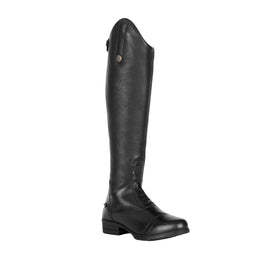
Think of tall boots as the formalwear of the riding world. These boots reach just below the knee and are designed to create a polished, traditional look while providing essential support for your lower leg. Required for most competitions, they help you maintain a stable leg position and communicate clearly with your horse. You’ll generally find two main styles: dress boots, which are sleek and often preferred for dressage, and field boots, which have laces at the ankle for more flexibility. No matter the style, a well-fitted pair of tall boots is a key piece of your horse tack for any formal riding or showing.
Paddock Boots: The Perfect Everyday Choice
Paddock boots are the workhorse of any rider’s closet. These ankle-high boots are perfect for everyday use, from lessons and training rides to all your barn chores. Their shorter height makes them comfortable to walk in for long periods, and they’re easy to pull on and off. Because of their versatility and comfort, they are a fantastic starting point for new riders and a staple for seasoned equestrians during casual schooling sessions. Many young riders start with paddock boots, as they offer great support and durability for growing feet while they learn the ropes of different English riding disciplines.
Choosing Your Paddock Boot Style: Zip, Lace, or Pull-On
Once you’ve settled on paddock boots, you’ll find they generally come in three styles: zip-up, lace-up, or pull-on. The best choice really comes down to personal preference for fit and convenience. Zip-up boots are a favorite for their ease—they’re incredibly fast to get on and off, which is a huge plus after a long day at the barn. Lace-up boots offer the most customized fit, allowing you to adjust the tightness around your ankle for optimal support. For the best of both worlds, many lace-up styles also include a back zipper. Finally, pull-on boots offer a classic, clean look with elastic side panels for easy wear, though they provide the least adjustable fit. No matter which you choose, finding the right pair of boots is about what feels most secure and comfortable for you.
Field Boots: The Jumper's Choice
Field boots are a specific type of tall boot designed with jumpers in mind. What sets them apart? The signature laces at the ankle. This isn't just for looks—the lacing provides extra flexibility through the ankle, allowing the rider to shorten their stirrups and sink into their heels comfortably when in a two-point position over fences. This feature is essential for disciplines like show jumping, eventing, and hunt seat. Just like dress boots, field boots are a competition requirement, offering that classic, tidy appearance judges expect while giving you the freedom of movement you need to perform your best.
Half Chaps: The Smart Partner for Paddock Boots
Want the look and feel of a tall boot with the comfort of your favorite paddock boots? Meet the half chap. These are separate coverings, usually made of leather or suede, that you wear over your paddock boots. They zip up the side of your lower leg, providing the same grip and protection you’d get from a tall boot. This combination is incredibly popular for schooling and everyday riding because it’s often more comfortable, easier to fit, and more budget-friendly than a pair of tall boots. Wearing paddock boots with half chaps gives you a polished look that’s nearly identical to a tall boot, making it a versatile and practical choice.
Beyond the Arena: Boots for Trail, Winter, and Barn Chores
Your riding life extends far beyond the manicured footing of an arena. For those long trail rides, chilly winter mornings, and muddy barn chores, you need footwear that’s up to the task. While your show boots are perfect for competition, they aren’t always the best choice for everyday realities. Specialized boots for different conditions not only keep you more comfortable but also protect your primary riding boots from unnecessary wear and tear. Let's look at the other essential boots that deserve a spot in your tack room, ensuring you're prepared for whatever your equestrian life throws at you.
Winter and Waterproof Boots
When the temperature drops and the ground gets wet, a standard pair of leather boots just won't cut it. Winter riding boots are specifically designed with insulation and waterproof materials to keep your feet warm, dry, and comfortable, even during the coldest hacks. Unlike bulky snow boots, they are built with the equestrian in mind, featuring a streamlined design and a safety heel that fits properly in the stirrup. Investing in a dedicated pair means you can continue to ride safely and comfortably through the winter months without risking frostbite or ruining your expensive leather show boots with water damage.
Trail Riding Boots
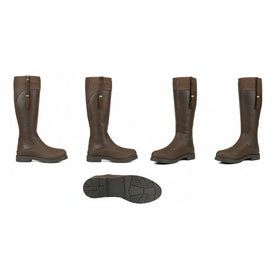
Trail riding demands a boot that’s as comfortable on the ground as it is in the saddle. Trail boots, often called all-terrain boots, are built for this exact purpose. They typically offer more cushioning and a slightly more rugged sole for better traction when you dismount to open a gate or lead your horse over tricky terrain. While they provide stability for walking, they still feature the essential one-inch heel for safety in the stirrups. These boots are the perfect hybrid, giving you the durability and comfort needed for long, adventurous rides where you might spend time both on and off your horse.
Muck Boots and Barn Footwear
Every horse owner knows that barn chores are a messy business. That’s where a solid pair of muck boots becomes your best friend. These are completely waterproof, durable, and incredibly easy to clean, making them ideal for mucking stalls, bathing horses, or navigating muddy paddocks. It’s important to remember that muck boots are strictly for groundwork. Their thick soles and lack of a defined heel make them unsafe for riding. Keeping a dedicated pair at the barn door saves your riding boots from mud and manure, extending their life significantly while keeping your feet clean and dry.
Essential Accessories: From Chaps to Boot Care
Once you’ve found the perfect boots, a few key accessories can make all the difference in their fit, function, and longevity. From providing extra protection in the saddle to maintaining the shape and condition of the leather, these items are small investments that pay off in a big way. Properly caring for your boots and customizing their fit ensures you get the most comfort and performance out of them for years to come. Think of these accessories as the support system for your most important piece of riding equipment, helping you protect your investment.
Full Chaps for Maximum Coverage
While half chaps pair with paddock boots to mimic a tall boot, full chaps offer complete leg protection from your ankle to your hip. Worn over your riding pants, they are a fantastic tool for protecting your legs from cold, rain, and trail debris. They also provide excellent grip and can help shield your show breeches from dirt during warm-ups. Though often associated with Western riding, full chaps are a practical choice for English riders who spend a lot of time schooling young horses or hitting the trails in unpredictable weather, offering an extra layer of security and durability.
Boot Savers, Heel Lifters, and Replacement Laces
The secret to long-lasting boots lies in the details of their care. Boot trees, or boot shapers, are essential for helping tall boots keep their form and preventing the ankles from dropping and creasing. If your new boots feel a bit too tall behind the knee, heel lifters can give you a small, temporary lift inside the boot until they break in and settle. And for field boots or paddock boots, it’s always smart to have a spare set of laces on hand. These simple boot care accessories are easy to use and make a huge impact on the comfort and lifespan of your footwear.
Shop This Post

Featured in this article
Shires Moretta Clio Plus Paddock Boots - Black, Child, Lace-Up Equestrian, Gently Used
$29.99
Shop Now →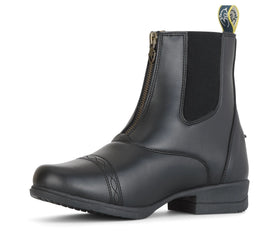
What to Look For When Buying Riding Boots
Once you’ve settled on a style, it’s time to get into the details. The right pair of boots isn't just about looks; it's a crucial piece of your horse tack that impacts your safety, comfort, and performance in the saddle. From the material they're made of to the construction of the sole, every element plays a role. Let’s break down the key features to look for so you can choose a pair that feels like it was made just for you.
Leather vs. Synthetic: Which Material Is Right for You?
The material of your boot is one of the first decisions you'll make. Traditional riding boots are made from smooth leather, which offers that classic, elegant look popular in English riding. Leather is durable, breathable, and molds to your leg over time for a custom fit. However, it requires a break-in period and consistent care to stay in top shape. On the other hand, synthetic boots are often more affordable, easier to clean, and require little to no break-in time. They're a fantastic, low-maintenance option for everyday riding, though they may not offer the same breathability or longevity as high-quality leather.
Specialty Materials: Waterproof and Vegan Options
Beyond the traditional leather versus synthetic debate, boot technology has advanced to meet the specific needs of modern riders. If you frequently ride in the rain or spend time in muddy paddocks, waterproof boots are a game-changer. Made from specially treated leather or advanced synthetic fabrics, they keep your feet dry and comfortable, so you can focus on your ride instead of soggy socks. For riders who prefer animal-free products, the market for high-quality vegan riding boots has grown significantly. These aren't the stiff, plastic-like boots of the past; modern vegan materials are engineered to offer the same support, flexibility, and polished look as traditional leather, ensuring you don’t have to compromise on performance to align with your values.
Why a Proper Heel Is Your Key to Safety
This is a non-negotiable. A proper riding boot must have a distinct heel, typically about one inch high. This isn't just a style choice—it's a critical safety feature. The heel prevents your foot from accidentally slipping all the way through the stirrup, which could be incredibly dangerous if you were to fall. When you're shopping, make sure any boot you consider has a well-defined heel with a good grip. It’s the single most important feature for keeping you secure in the irons, so never compromise on it.
Soles and Treads: Getting a Secure Grip in the Stirrup
The sole of your boot does double duty: it provides grip in the stirrup and stability on the ground. Look for a boot with an anti-slip sole that isn’t too thick or chunky. An overly aggressive tread can get caught in the stirrup, making it difficult to release your foot when you need to. You want a tread that offers just enough texture to feel secure without being bulky. This ensures you have excellent grip and stability whether your feet are in the stirrups or you’re walking through the barn aisle.
Finding a Boot with All-Day Comfort and Support
You’ll be spending a lot of time in your boots, so comfort is key. Modern riding boots often include features designed to keep your feet happy all day long. Look for things like moisture-wicking linings to keep your feet dry and comfortable, especially during long summer rides. Many boots also feature advanced insole systems, like cushioned footbeds that absorb shock and reduce fatigue. Good ankle support is also important, particularly in paddock boots. A comfortable, supportive boot allows you to focus on your ride, not on your aching feet.
Design Details That Make a Difference
Beyond the major decisions like style and material, it’s the small details that often distinguish a good boot from a great one. Features like the shape of the toe, the cut of the top, and the inclusion of a spur rest might seem minor, but they have a real impact on your comfort, performance, and overall look. These thoughtful design elements are what make a boot feel truly tailored to the needs of an equestrian. Paying attention to these finer points when you shop will help you find a pair that not only fits well but also functions perfectly for your riding discipline.
Toe Shapes: From Traditional to Modern
The shape of the toe on a riding boot is more than just a style choice; it affects comfort and fit. Traditional riding boots typically feature a rounded toe. This classic shape gives your toes plenty of room, which is a huge plus for comfort during long hours at the barn or in the saddle. More recently, a squared-off toe has become popular, especially in the hunter and equitation rings. This style offers a more modern, streamlined look. Ultimately, the best shape is the one that feels most comfortable on your foot, so it’s worth trying on both styles to see what you prefer.
Contoured Tops for an Elegant Leg Line
Have you ever noticed how tall boots are cut higher on the outside of the leg? This is called a contoured top, or a "Spanish top," and it’s a design detail with a specific purpose: to create a longer, more elegant leg line. This flattering silhouette is highly valued in the show ring, as it contributes to a polished and professional appearance. The subtle upward curve draws the eye along the length of the calf, making your leg look leaner and more refined. It’s a small touch that makes a big difference in your overall presentation, helping you look your best for the judge.
Built-in Spur Rests
For riders who use spurs, a built-in spur rest is a game-changing feature. This small, stitched leather ledge sits on the back of the boot's heel, giving your spur a designated spot to sit. Its job is to keep your spurs securely in the correct position, preventing them from slipping down around your heel as you ride. This ensures your aids are consistent and effective. While it may seem like a minor detail, it’s one of those practical features that shows a boot was designed by people who truly understand the needs of riders. It’s a must-have for anyone who regularly schools with spurs as part of their horse tack.
How to Find the Perfect Fit
Finding a riding boot that fits like a glove is about more than just comfort—it’s a matter of safety and performance in the saddle. A boot that’s too loose can cause your foot to slip, while one that’s too tight can cut off circulation and lead to painful blisters. The goal is a snug, secure fit that feels like a natural extension of your leg. This section will walk you through everything from taking accurate measurements to breaking in your new boots, ensuring you find the perfect pair for your riding adventures.
How to Measure Your Calf and Foot Correctly
Getting the right measurement is the first step to finding your perfect boot. It’s best to measure later in the day when your feet and legs might be slightly swollen. Always measure while wearing the breeches and socks you typically ride in to get the most accurate fit. For tall boots, you’ll need two key measurements: calf width and height. To find the width, use a soft measuring tape around the widest part of your calf. For height, sit in a chair with your knees bent at a 90-degree angle and measure from the floor to the bend behind your knee. Your boots should be tall enough to cover your ankle but not so high that they dig into the back of your knee when you bend it.
How to Try On Riding Boots Like a Pro
When your boots arrive, try them on and walk around the house for a bit. They should feel snug around your foot and ankle, but not painfully tight. You should have enough room to wiggle your toes, but your heel shouldn't lift or slide around as you walk. For tall boots, check the calf fit. A good rule of thumb is that you should be able to slide one finger between the boot and your calf. If there are significant wrinkles around the ankle, the boot might be too loose. Check that all zippers and laces are secure without creating uncomfortable pressure points. A great fit provides support and stability, which is essential for all your horse tack.
Too Tight? Too Loose? Solving Common Fit Problems
Even with careful measuring, you might run into some common fit issues. If your boots feel fine barefoot but are too tight with your breeches on, you likely need to go up a size in the calf. Don’t try to force it, as this can damage the zipper and be incredibly uncomfortable. On the other hand, if the boot feels too loose and your foot is sliding, the boot is too big and could cause blisters or instability in the stirrup. Remember, leather will stretch and mold to your leg over time, but only slightly. A boot that is painfully tight from the start is unlikely to become comfortable, so it's better to exchange it for the right size.
Finding Your Fit: Short, Wide, and Plus-Size Options
It can be frustrating when standard-sized boots just don’t seem to fit your leg shape. The good news is that the equestrian world has become much more inclusive, and many top brands now offer boots specifically designed with short, wide, and plus-size calf options. When shopping, pay close attention to the brand’s specific size chart, as a “wide” calf in one brand might be different from another. Look for helpful design features like a full-length elasticized panel alongside the zipper, which offers extra stretch for a more forgiving and customized fit. At Hooves and Paws, we believe every rider deserves a boot that feels secure and comfortable. That’s why we stock a diverse selection of English riding boots to accommodate different body types. Don’t settle for a boot that pinches or sags—the right pair is out there, and finding it will make a world of difference in your confidence.
How to Break in Your New Boots (Without the Blisters)
New leather boots, especially tall boots, require a break-in period. The key is to do it gradually to avoid blisters. Start by wearing your new boots around the house for short periods, maybe for 20-30 minutes at a time. Wearing a pair of thick socks can help gently stretch the leather for a more custom fit. Once they start to feel more comfortable, you can wear them for longer periods and eventually take them to the barn for short rides. This slow and steady process allows the leather to soften and mold perfectly to the shape of your foot and leg, ensuring your new boots become your most comfortable ones.
Avoid These Common Boot-Buying Mistakes
Finding the perfect pair of riding boots can feel like a quest. To make sure you end up with a pair you love for years to come, let's walk through a few common mistakes to sidestep during your search. Getting it right from the start saves you from discomfort, buyer's remorse, and blisters.
First, avoid trying on boots first thing in the morning. It’s a simple tip, but it makes a huge difference. Your feet naturally swell slightly throughout the day, especially after you’ve been walking around. To get the most accurate fit, always try on new boots in the afternoon or evening. This ensures they won’t feel painfully tight after a long day at the barn. Also, be sure to wear the same type of socks you’d typically wear for riding, as the thickness can significantly alter how a boot fits.
Next, don't settle for a fit that’s “good enough.” Your boots should feel snug around your calf and ankle without pinching or cutting off circulation. You should be able to wiggle your toes freely, but your heel shouldn't slip up and down excessively when you walk. A little bit of heel lift is normal in new leather boots, but too much can cause painful rubbing and instability in the stirrup.
Finally, make sure the boot you choose matches your primary riding discipline. A stiff, formal dressage boot offers the ankle support needed for that style of riding but would feel restrictive over fences. Likewise, a soft, flexible field boot designed for jumping won't provide the rigidity preferred for high-level flatwork. Thinking about how you'll spend most of your time in the saddle will help you select the right horse tack and footwear for your needs, ensuring both comfort and performance.
Smart Shopping Tips for Your Next Pair of Boots
Shopping for riding boots online opens up a world of options, but it can also feel like a bit of a gamble when you can’t try them on first. The good news is, with a few smart strategies, you can shop with confidence and find a pair you’ll love. It’s all about doing a little homework upfront to ensure your new boots are the perfect match for your feet and your riding goals. From digging into what other riders are saying to understanding the fine print on returns, these tips will help you make an informed decision and avoid any buyer's remorse.
Leveraging Customer Reviews and Ratings
Before you click “add to cart,” take some time to read what other riders have to say. Customer reviews are an invaluable resource, offering real-world insights into how a boot actually fits, feels, and holds up over time. Look beyond the overall star rating and read through the comments to find details on things like the break-in period, whether the calf runs true to size, and how the leather has worn. This feedback helps build trust and gives you a much clearer picture than a product description alone. Pay attention to how a company responds to feedback, too; it often shows their commitment to customer satisfaction.
Understanding Return Policies and Sales
A great return policy is your safety net when buying boots online. Since fit is so critical, you need the freedom to try them on at home—with your own breeches and socks—to be absolutely sure they’re right. Here at Hooves and Paws, we want you to be completely happy with your purchase, which is why we offer a 365-day satisfaction guarantee. This gives you total peace of mind to find the perfect fit. Also, keep an eye out for sales and promotions. Signing up for email newsletters or following your favorite brands on social media is a great way to get notified about discounts, which can help you invest in a higher-quality pair without stretching your budget.
The Riding Boot Brands We Know and Trust
Walking into a tack shop or browsing online can feel overwhelming with the sheer number of riding boot brands available. From heritage brands that have been around for generations to newer companies using innovative materials, how do you know which one is right for you? The truth is, the "best" brand really comes down to your personal needs, riding discipline, and budget. A brand that’s perfect for a Grand Prix dressage rider might not be the best fit for someone just starting lessons.
The key is to look for brands with a reputation for quality craftsmanship, durable materials, and a design that prioritizes rider safety and comfort. At Hooves and Paws, we’ve spent years vetting brands to ensure we only offer products we’d use ourselves. We believe a great pair of boots is a long-term investment in your riding journey. Below, we’ve broken down some of our favorite and most trusted brands to help you narrow down your search and find the perfect pair for your needs.
Our Staff's Handpicked Favorites
After more than 30 years in the business, we’ve learned a thing or two about what makes a truly great riding boot. We look for brands that consistently deliver on quality, comfort, and style. Brands like Dover Saddlery are known for offering a fantastic variety of boots suitable for every skill level, from a child’s first pair of paddock boots to an adult’s custom-fit dress boots. We handpick our entire collection of horse tack, including boots, to feature options that we know will stand up to the rigors of barn life while keeping you safe and comfortable in the saddle. We believe in brands that blend traditional craftsmanship with modern function, ensuring you get a boot that not only looks great but performs even better.
Trusted Brands for Every Discipline
When you’re investing in a pair of riding boots, you want to know they’re going to last. That’s why we often point our customers toward brands with a long-standing reputation for excellence. For example, Ovation Riding is celebrated for its high-quality equestrian footwear, which is made with skilled craftsmanship and modern materials designed for a superior fit. These are the kinds of brands that experienced equestrians return to again and again. They are a reliable choice whether you’re schooling at home or stepping into the show ring. Choosing a trusted brand gives you peace of mind that you’re getting a well-made product that will support your riding for years to come.
More Top Brands to Consider: Ariat, Tredstep, and More
When you're looking for boots that perfectly blend innovation with tradition, a few other names always come to mind. Ariat is a huge favorite among riders of all disciplines, known for its innovative technology and high-quality materials. Their boots often feature advanced comfort systems, ensuring you can ride for hours without discomfort. Tredstep is another fantastic choice, celebrated for stylish designs that don’t skimp on function. They craft their boots with incredible attention to detail, providing excellent support and unique features that enhance performance. Both brands are staples in our collection of riding boots because they consistently deliver the quality and reliability that equestrians need.
Great Boots That Won't Break the Bank
You don’t need to spend a fortune to get a safe, durable, and stylish pair of riding boots. Many excellent brands offer fantastic options at an accessible price point, making them perfect for growing kids, beginner riders, or anyone who wants a reliable everyday boot without the hefty price tag. Brands like Mountain Horse USA are known for offering a wide range of styles to suit different riding needs and weather conditions, often at a more budget-friendly price. Many of these brands also specialize in high-quality synthetic leather boots, which are not only more affordable but also incredibly easy to care for—a huge plus for busy riders.
How Much Should You Expect to Spend?
Let's talk budget. English riding boots are a key piece of gear, and their prices can range from surprisingly affordable to a serious investment. The good news is there's a great pair for almost every budget. The final cost really depends on what you need them for, the materials you choose, and the brand. Think of it as an investment in your safety, comfort, and performance in the saddle.
For a solid pair of everyday paddock boots, you can expect to start around $110. These are perfect for lessons, barn chores, and casual riding. As you move into leather field or dress boots for schooling and showing, the price typically climbs into the $250 to $500 range. This is where you'll find a fantastic balance of durability, style, and comfort that will last you for years with proper care.
If you're a serious competitor or simply want the best of the best, you'll find high-end tall boots that can cost over $1,000. These are often made from premium calfskin, offer near-custom fits, and feature exquisite detailing built for the show ring. The price difference usually comes down to a few key things: leather quality, brand reputation, and whether they're off-the-rack or custom-made. Specialized boots for different weather conditions or disciplines can also influence the price. My best advice is to set a realistic budget and focus on getting the best fit and quality you can afford. A well-made boot that fits you properly will make your rides so much more enjoyable. We've carefully selected a range of boots in our horse tack collection to ensure you get fantastic value, no matter your budget.
Investing in Quality: A Boot That Lasts for Decades
It can be tempting to go for the cheapest option, but when it comes to riding boots, think of them as a long-term investment in your safety and enjoyment. A well-made pair from a trusted brand is more than just footwear; it's a crucial piece of your horse tack that supports you ride after ride. High-quality leather, sturdy stitching, and a solid sole mean your boots can stand up to the demands of barn life for years, often even decades, with the right care. By simply wiping them down after each ride and conditioning the leather regularly, you protect your investment and ensure they stay comfortable and reliable. Choosing quality from the start means you won't have to replace your boots every season, saving you money in the long run and giving you a dependable partner for every ride.
Make Them Last: How to Care for Your Riding Boots
A great pair of riding boots is an investment in your comfort, performance, and safety. With a little consistent care, you can keep them in top shape for years to come. Think of it less as a chore and more as a ritual. Taking the time to care for your leather boots is a classic part of horsemanship for a reason—it protects your gear and honors the tradition. Plus, well-maintained leather molds perfectly to your foot over time, creating a custom fit that just gets better with every ride.
Your daily routine can be simple. After you untack your horse, take an extra minute to wipe down your boots with a damp cloth to remove dust, sweat, and dirt. This small step prevents grime from setting into the leather. For a deeper clean, use a trusted leather cleaner to gently scrub away any buildup, paying special attention to the seams and zippers. Once they’re clean and dry, apply a quality leather conditioner. This is key to keeping the leather supple and preventing painful cracks from forming.
Proper storage is just as important as cleaning. Tossing your boots in a corner can cause them to lose their shape. Use boot trees to help them stand tall and maintain their form, which also helps prevent the ankles from creasing and weakening over time. Store them in a cool, dry place away from direct sunlight or heat. Before you put them on, give them a quick once-over. A quick inspection ensures key safety features, like a sturdy heel and intact sole, are in good shape for your next ride.
Ready to Find Your Perfect Pair?
Choosing the right English riding boots is a big decision, but it’s one of the most important you’ll make for your comfort, safety, and performance in the saddle. With so many styles and features, the key is to match the boot to your specific riding needs. Your discipline is the best place to start. If you’re competing, tall boots like field or dressage styles are often required to provide that polished look and crucial lower leg support. For everyday schooling and barn chores, nothing beats the comfort and versatility of a great pair of paddock boots.
Once you’ve narrowed down the style, focus on the fit. A well-fitting boot should feel like a firm handshake around your calf—snug and supportive, but never pinching or restrictive. Look for quality details that promise longevity, like strong stitching, durable zippers, and moisture-wicking linings that will keep you comfortable through long hours at the barn. These are the marks of a boot that’s built to last.
Ultimately, the right pair will feel like a natural extension of your leg, giving you the stability and confidence you need to ride your best. When you’re ready to start looking, you can explore our collection of horse tack, where we’ve selected boots known for their durability and excellent fit. We offer a variety of sizes and calf widths, so you can find the pair that feels like it was made just for you.
Related Articles
- 6 Best Chocolate Brown Riding Boots of 2026
- A Guide to Horse Leg Protection Boots
- The Best Fly Boots of 2025: A Buyer's Guide
- Tendon Boots Guide 2026: Essential Tips for Horse Protection
- English Saddle Guide: Choosing the Perfect Fit in 2025
Frequently Asked Questions
Do I really need tall boots, or can I just wear my paddock boots for everything? Paddock boots are fantastic for everyday schooling, lessons, and barn chores because they're so comfortable and versatile. However, if you plan to compete, most English disciplines require the polished look and added leg stability of a tall boot. A great compromise for schooling is pairing your paddock boots with half chaps, which gives you a similar feel and look to a tall boot without the commitment.
What's the most important thing to look for if I'm on a tight budget? If you have to prioritize one thing, make it safety. No matter the price point, your boot must have a distinct, solid heel of about one inch. This is the feature that prevents your foot from sliding through the stirrup. After that, focus on getting a proper fit. A well-fitting synthetic boot will always be a better and safer choice than an ill-fitting, high-end leather boot.
How can I tell if my new tall boots are too tight or just need to be broken in? There's a definite difference between a snug, supportive fit and a painful one. New leather boots should feel very firm, almost like a second skin, but they shouldn't cut off your circulation or cause sharp, pinching pain. If you can't wiggle your toes at all or the zipper was a serious struggle to get up, they are likely too small. A little initial stiffness and a feeling of being "locked in" is normal, but genuine pain is a sign you need a different size.
Why can't I just ride in my regular fashion boots or hiking boots? This is all about safety. Most fashion boots lack the specific heel needed to keep your foot from slipping through the stirrup iron, which is incredibly dangerous. Hiking boots or work boots present the opposite problem—their thick, chunky treads can easily get wedged in the stirrup, preventing your foot from coming free in an emergency. Riding boots are designed with a specific sole and heel to keep you secure and allow for a quick release when needed.
How do I know when it's time to replace my riding boots? Look for signs that the boot's core safety features are compromised. If the heel has worn down significantly, the sole is separating from the boot, or deep cracks have formed in the leather around the ankle, it's time for a new pair. A broken zipper that can't be repaired is also a good reason to start shopping. While well-cared-for boots can last for years, you never want to risk your safety with worn-out equipment.


