


I still remember my first pair of serious riding boots. They felt stiff and impossibly tall, but the moment I settled into the saddle, it all clicked. The right boot gives you a sense of security and stability that no other footwear can match. Over the years, I've learned that a great pair of horse riding leather boots becomes an extension of your leg, molding to your shape and supporting you through countless hours of training. This guide breaks down everything I’ve learned to help you find that perfect pair that feels like it was made just for you.
Key Takeaways
- Prioritize a safe and functional fit: Before focusing on style, confirm the boot has a proper safety heel and is designed for your riding discipline. Getting accurate calf and height measurements is the most important step to ensure comfort and performance.
- Make boot care a simple habit: You can extend the life of your leather boots significantly with a consistent routine. Wipe them down after each ride to remove dirt, condition them monthly to keep the leather supple, and use boot trees to preserve their shape.
- Select a boot that matches your needs: The best boot is one that aligns with your primary riding style and budget. Field boots offer flexibility for jumpers, while dressage boots provide stiff support, so choose the features that will help you perform your best.
Which Riding Boot Style is Right for You?
Choosing the right riding boot can feel a little overwhelming with all the options out there. But don't worry, it's simpler than it looks. The main difference between boot styles comes down to your riding discipline and what you'll be doing around the barn. Whether you're training for a show or just enjoying a casual trail ride, there’s a perfect boot designed to support you. Let's walk through the four main types so you can find the right fit for your needs.
The Classic English Tall Boot
English tall boots are the classic, knee-high style you probably picture when you think of equestrian riding. They offer fantastic leg support and stability in the saddle, protecting your calves from getting pinched or rubbed by the stirrup leathers. Most modern tall boots come with convenient full-length zippers and adjustable calf sizes for a snug, custom-like fit. They’re built with strong toe caps and sturdy soles for safety and durability. Because of their formal appearance and supportive structure, they are the top choice for dressage, show jumping, and professional riders who need reliable horse tack for competition.
Your Go-To: Paddock Boots
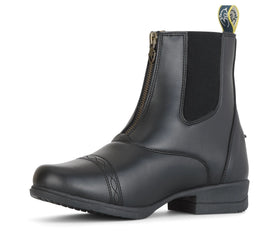
Paddock boots are the workhorses of the equestrian world. These shorter, ankle-high boots are perfect for everyday use, from schooling in the ring to mucking out stalls. They are tough, easy to clean, and designed for comfort. You’ll find them with either laces or zippers, and most have cushioned insides to keep your feet happy all day. For extra grip and protection while riding, many equestrians pair them with half chaps. Their versatility makes them a go-to for riders of all levels, especially if you spend a lot of time on your feet at the barn.
The Flexible Choice: Field Boots
At first glance, field boots look a lot like tall boots, but they have one key difference: laces at the ankle. This feature provides more flexibility, allowing your heel to drop into the proper position, which is essential for hunters and jumpers. This design gives you that polished, traditional look in the show ring while helping you maintain the correct form over fences. Field boots are a popular choice for their combination of classic style and functional design, making them a staple for anyone serious about jumping disciplines. They offer a sleek silhouette that looks great both in and out of the ring.
The All-Rounder: Jodhpur Boots
Jodhpur boots are simple, practical, and incredibly versatile. These ankle-length boots are easy to pull on, often featuring elastic side panels or a front zipper. They provide good ankle support without the height of a tall boot, making them a comfortable option for long days. Traditionally worn with jodhpur pants, they are an excellent choice for casual riders, beginners, and children who are just starting their equestrian journey. Their straightforward design and comfortable fit make them perfect for lessons, light riding, and general barn activities, offering a great balance of function and ease of use.
Cowboy Boots for Western Riding
For anyone involved in Western riding, a solid pair of cowboy boots is non-negotiable. They are far more than a style statement; they are a critical piece of safety equipment designed to protect you in and out of the saddle. A proper cowboy boot keeps you safe, supported, and comfortable whether you're on a long trail ride or working around the ranch. The tall shaft guards your legs against brush, branches, and snakebites, while the distinct, angled heel is specifically designed to prevent your foot from sliding all the way through the stirrup. The smooth, often leather, sole ensures that if you do take a fall, your foot can slide out easily, reducing the risk of being dragged. It’s this thoughtful construction that makes them an essential part of any Western rider’s tack and apparel.
Specialty and All-Weather Boots
While your everyday paddock or tall boots handle most situations, sometimes you need something more specialized. Extreme weather or specific barn chores call for boots with features designed to handle the elements. This is where all-weather and specialty boots come in, offering solutions for everything from freezing winter mornings to muddy spring paddocks. These boots often include features like advanced waterproofing to keep your feet dry during downpours, thermal insulation for warmth without excessive bulk, and enhanced ankle support for stability on uneven ground. They are built to solve specific problems, ensuring you can care for your horse and ride comfortably, no matter what the weather forecast says.
Winter Riding Boots
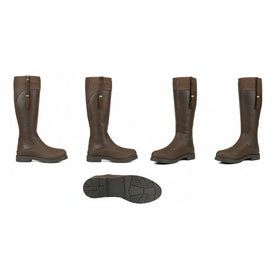
Riding in the cold presents a unique challenge: you need to stay warm without sacrificing the feel of your horse through your boots. That’s why dedicated winter riding boots are a game-changer. They are designed with insulation to keep your feet toasty but are streamlined enough to fit safely in your stirrups. High-quality leather is often used because it can withstand daily use and, with proper care, last for years. As a natural material, leather also allows for air circulation, which helps keep your feet dry and comfortable during long rides. Look for pairs with waterproof lower sections and insulated linings to get the best protection against snow, slush, and biting wind, so you can focus on your ride instead of your frozen toes.
Muck Boots
Every horse owner knows that barn chores are a messy business, and that’s where muck boots shine. These are not riding boots; they are your first line of defense against mud, water, and everything else you encounter on the ground. Typically made from rubber and neoprene, they are 100% waterproof and incredibly easy to hose off. Their rugged, high-traction soles prevent slipping on wet concrete or in muddy fields. While you wouldn't wear them in the saddle, they are an absolute essential for daily barn life. You can find them in a huge range of sizes and styles for men, women, and children, making them a practical choice for anyone who spends time at the stable.
Equestrian vs. Motorcycle Boots: What's the Difference?
It’s a common question: can you just wear motorcycle boots for riding a horse? The short answer is no, and it comes down to safety. While they might look similar at a glance, the main differences are in their sole, fit, and overall design. Equestrian boots have a thin, smooth sole and a specific heel designed to catch the stirrup and allow your foot to slide out easily in an emergency. Motorcycle boots, on the other hand, have thick, grippy rubber soles made for traction on pavement, which can get dangerously stuck in a stirrup. Furthermore, motorcycle boots often have heavy armor for impact protection, while riding boots are built for flexibility and close contact with the horse. As people who have spent decades outfitting riders, we at Hooves and Paws always stress using the right gear for the right activity.
Are Quality Leather Riding Boots Worth It?
A great pair of leather riding boots is more than just footwear; it's an investment in your comfort, safety, and performance in the saddle. While the initial price tag might be higher than synthetic alternatives, the long-term benefits make them a smart choice for any serious rider. From their durability to their classic look, quality leather boots are a fundamental piece of equestrian gear that pays for itself over time. Think of them as a true partner in your riding journey, providing the support and reliability you need every step of the way.
Enjoy Long-Lasting Durability
High-quality leather is incredibly durable and designed to withstand the rigors of barn life. Unlike synthetic materials that can crack and wear out quickly, a well-made pair of leather boots can last for years with the right care. Leather naturally molds to your foot, creating a custom fit that only gets more comfortable with time. Of course, proper maintenance is key. Leather can dry out when exposed to moisture and temperature changes, so it's important to clean and condition your boots regularly. Using a water-repellent product can also help protect the leather from the elements, ensuring your investment serves you well for many seasons to come.
Experience All-Day Comfort and Support
Spending hours in the saddle or on your feet at the barn requires footwear that can keep up. Quality leather boots provide excellent ankle support and a stable base in the stirrup, which is crucial for a secure leg position. The structured yet flexible nature of leather helps prevent your foot from sliding too far into the stirrup, a critical safety feature. As one expert notes, "Wearing the right horse riding boots isn’t just about looking the part—it’s about safety and performance." A well-fitting boot reduces fatigue and allows for clearer communication with your horse, making every ride more enjoyable and effective.
Keep Your Feet Cool with Natural Breathability
One of the biggest advantages of leather is its natural breathability. This allows air to circulate, which helps regulate the temperature inside your boot and wicks away moisture. Your feet stay cooler and drier, even during intense training sessions or on hot summer days. Synthetic boots, on the other hand, can trap heat and sweat, leading to discomfort and blisters. To maximize the lifespan of your boots and keep them in top shape, always let them air out after a ride. Proper storage is also important; keeping them in a cool, dry place with boot trees will help them maintain their shape and prevent creasing.
Achieve That Polished, Professional Look
There's no denying the timeless, professional appearance of a well-kept pair of leather riding boots. Whether you're stepping into the show ring or simply schooling at home, they offer a polished look that reflects a commitment to the sport. This classic style is a staple in equestrian tradition for a reason. It communicates professionalism and respect for the discipline. But as we've seen, the benefits go far beyond aesthetics. Choosing the right boots is a decision that impacts your entire experience, as they are essential for your comfort, performance, and safety in the saddle.
Shop This Post

Featured in this article
Shires Moretta Clio Plus Paddock Boots - Black, Lace-Up Equestrian, Gently Used
$29.99
Shop Now →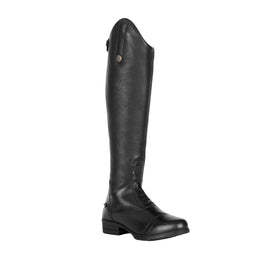
Exploring Boot Materials: Beyond Traditional Leather
While leather holds a special place in the equestrian world, it's not the only option available. Many riders are now looking for alternatives that align with their budget, lifestyle, or personal values. The good news is that boot technology has come a long way, and today’s non-leather options offer impressive performance, durability, and style. Whether you're seeking a vegan-friendly pair, a more affordable alternative, or a boot made with sustainable materials, there are fantastic choices that don't require you to compromise on quality or safety in the saddle. Let's look at some of the most popular materials beyond traditional leather.
Synthetic and Vegan-Friendly Options
If you're looking for boots that are free from animal products, you'll find that synthetic and vegan-friendly options have become increasingly popular. These boots are often lighter, easier to break in, and simpler to care for than their leather counterparts. High-quality synthetic leather can convincingly mimic the look and feel of the real thing, offering a polished appearance without the use of animal hides. Brands like Toggi provide a great range of synthetic riding boots crafted from durable materials, ensuring you can find a style that suits your needs. These modern materials are designed for comfort and functionality, making them a practical choice for riders in any discipline.
Exotic and Eco-Friendly Materials
For riders who prioritize environmental sustainability, a growing number of brands are creating boots from innovative and eco-friendly materials. These companies are committed to reducing their environmental impact by using recycled, plant-based, and other sustainable resources. For example, some of the best cruelty-free boots are made from materials like apple leather, pineapple leather (Piñatex), or recycled plastics, offering a unique blend of style and conscience. Brands like Will's Vegan Store even focus on the entire production process, delivering their products through a carbon-neutral supply chain. Choosing boots from these forward-thinking companies allows you to invest in high-performance gear that also reflects your commitment to animal welfare and a healthier planet.
Your Riding Boot Buying Checklist
Finding the right pair of riding boots goes far beyond appearances. While a polished boot certainly looks sharp, its most important features are the ones that keep you safe, comfortable, and secure in the saddle. Wearing the right horse riding boots isn’t just about looking the part; it’s about safety and performance. A great boot acts as a crucial piece of equipment, providing essential support for your leg and helping you communicate clearly with your horse.
When you’re shopping for new boots, it’s easy to get caught up in the style or brand name. But to make a smart investment, you need to look closer at the boot’s construction. Paying attention to a few key details will ensure you get a pair that not only lasts for years but also helps you ride your best. We’ll walk through the four essential elements to inspect: the sole, the zipper, the heel, and the leather itself. Understanding these components will help you choose a boot that truly fits your needs.
Examine the Sole and Grip
The sole of your boot is your foundation in the stirrup, so its design is critical for both stability and safety. Look for a sole that offers a bit of traction without being overly grippy. A lightly textured or patterned rubber sole is ideal because it helps keep your foot from sliding around, but it won't get stuck in an emergency. You should avoid deep, heavy treads like those on hiking boots, as they can easily get caught on the stirrup. A well-made sole also provides shock absorption, which makes a huge difference in your comfort both in the saddle and while walking around the barn.
Don't Overlook Zipper Quality
A broken zipper can render an expensive pair of boots useless, so don’t overlook this small but mighty detail. High-quality, durable zippers are a must. Most modern tall boots feature a full-length zipper along the back of the calf, which makes them much easier to put on and take off. When trying on boots, make sure the zipper glides smoothly without catching or straining. Your new boots should feel snug, but not painfully tight. A well-placed, quality zipper will hold up to the pressure of a close-fitting boot and last through countless rides, making it a key indicator of overall craftsmanship.
Choose a Safe and Appropriate Heel
This is one of the most important safety features of any riding boot. A proper horse riding boot should have a slight heel, usually around 1 to 1.5 inches high. This isn't for looks; it's a functional design that prevents your foot from accidentally slipping all the way through the stirrup. If your foot gets caught, it can lead to a very dangerous situation. This distinct, defined heel is a non-negotiable feature that separates true riding boots from other types of fashion or work boots. When you're looking at different styles, always check that the heel is present and substantial enough to provide that essential safety stop.
Consider Leather Quality and Water Resistance
The quality of the leather determines the boot's durability, comfort, and how well it molds to your leg over time. Full-grain leather is the top choice, offering excellent longevity and a beautiful finish once broken in. While no leather boot is completely waterproof, some are treated for better water resistance. Remember that leather tends to dry out over time, especially when exposed to mud and moisture. To keep your boots in top shape, you’ll need a consistent leather care routine. Regular cleaning and conditioning will prevent cracking and extend the life of your investment significantly.
Find the Right Toe Shape for Your Foot
The shape of the toe box does more than just define the boot's style; it plays a huge role in how comfortable it feels, especially after hours at the barn. A square toe offers the most room, making it a fantastic choice if you have wider feet or simply prefer a less restrictive fit. It’s a practical and popular style for both riding and everyday wear. For a more traditional and sleek appearance, a pointed toe is a classic option, though it can feel a bit snugger. The round toe strikes a perfect balance between the two, providing ample comfort with a timeless look that works well for almost any activity. When choosing, consider your foot's natural shape and how much time you'll spend walking in your boots.
Check for Important Design Details
While style is important, the primary goal of a good riding boot is to support your performance in the saddle. The best boots are packed with thoughtful design details that enhance comfort, safety, and function. These features might seem small, but they make a significant difference in your daily riding experience. From the way the boot is cut at the top to the materials used inside, these elements are hallmarks of quality craftsmanship. Knowing what to look for will help you choose a pair that not only looks great but also works hard for you. Let’s cover a few key details that separate a great boot from a mediocre one.
Spur Rests
Even if you don't currently use spurs, a spur rest is a feature worth looking for. It’s a small, subtle ledge built into the back of the boot's heel, designed to give your spurs a secure place to sit. This prevents them from sliding down your heel while you ride, ensuring your aids are consistent and precise. The presence of a spur rest is often a sign of a well-designed boot made with the serious rider in mind. It shows that the manufacturer understands the functional needs of equestrians and has crafted the boot to meet those demands, making it a valuable detail for riders at any level.
Contoured "Spanish" Tops
You'll often see a "Spanish top" on English tall boots, particularly in dressage and show jumping styles. This design features a gracefully curved top line that is higher on the outside of the leg. It’s not just for show; this elegant cut is designed to create the illusion of a longer, leaner leg, which contributes to a polished and professional picture in the saddle. While it’s primarily an aesthetic feature, it’s a classic element of equestrian tradition that gives boots a sophisticated and flattering finish. It’s a detail that signals a boot is designed for the show ring and a more formal riding discipline.
Moisture-Wicking Linings
What’s on the inside of your boot is just as important as what’s on the outside. Long hours in the saddle, especially in warm weather, can lead to sweaty, uncomfortable feet. That’s why many high-quality boots now include moisture-wicking linings. As one expert source points out, some boots are specifically designed with these linings to keep feet dry and comfortable. This technical fabric pulls sweat away from your skin, helping to prevent blisters and regulate temperature. It’s a small but crucial detail that adds a significant level of comfort, allowing you to focus on your ride instead of your feet.
How to Find Your Perfect Fit
Finding a riding boot that fits like a glove is about more than just comfort; it’s a matter of safety and performance in the saddle. An ill-fitting boot can slip in the stirrup, cause painful rubs, or wear out prematurely. But don’t worry, getting the right fit is straightforward once you know what to measure. It goes beyond your standard shoe size to include the height and width of your calf, ensuring your boots provide the support you need without restricting movement. Let’s walk through how to measure correctly, read a sizing chart, and what to expect as you and your new boots get acquainted.
Get Your Measurements Right
To get the most accurate measurements, it’s best to do this at the end of the day while wearing the breeches and socks you normally ride in. Grab a flexible measuring tape and have a seat with your feet flat on the floor and your knees bent at a 90-degree angle. First, measure the widest part of your calf to find your width. Next, measure the height from the floor to the crease behind your knee. These two numbers, along with your regular foot size, are what you’ll need. Your new boots should feel snug, but never painful. For tall boots, the initial height should come right up to the bend in your knee, but not uncomfortably over it.
Measuring for Foot, Calf, and Height
To get the most accurate measurements, it’s best to do this at the end of the day while wearing the breeches and socks you normally ride in. Grab a flexible measuring tape and have a seat with your feet flat on the floor and your knees bent at a 90-degree angle. First, measure the widest part of your calf to find your width. Next, measure the height from the floor to the crease behind your knee. These two numbers, along with your regular foot size, are what you’ll need to find your match on a sizing chart. Your new boots should feel snug, but never painful. For tall boots, the initial height should come right up to the bend in your knee, but not uncomfortably over it. Taking the time to measure correctly is just as important as choosing quality horse tack.
Considering Wide Sizing Options
If your calf measurement seems to fall outside of the standard sizes, please don't worry. Many top equestrian brands recognize that riders come in all shapes and sizes and offer their boots in a variety of calf widths, from slim to extra-wide. Trying to force your leg into a boot that’s too tight is not only uncomfortable but can also damage the zipper and restrict circulation, which is the last thing you want. Always prioritize a comfortable fit. When you're browsing for your next pair, look for size charts that include multiple width options. A proper fit ensures your boots will support you correctly and last for years, making it well worth the time to find the perfect match for your unique measurements.
How to Read Boot Sizing Charts
Once you have your measurements, you can compare them to a brand’s sizing chart. You’ll often see sizes listed with a foot size, a calf width (like slim, regular, or wide), and a height (like short, regular, or tall). Since every brand is a little different, always check their specific chart. Keep in mind that new tall boots are designed to "drop" about an inch or two as the leather softens around the ankle. So, you want them to start a bit tall. A proper riding boot will also have a heel of about one to one-and-a-half inches, which is a key safety feature to keep your foot from sliding through your horse tack stirrups.
What to Expect During the Break-in Period
Let’s clear up a common myth: breaking in new leather boots should not be a painful process. While they will feel very snug and stiff at first, they should never cause sharp pain or cut off your circulation. A well-fitted boot feels secure from day one. The "break-in" period is simply the leather molding to the unique shape of your leg and ankle, becoming more flexible with each wear. You might feel some initial stiffness behind the knee, but this will ease as the boots drop. To help them along, try wearing them around the house for short periods. This process ensures your boots become a perfect, supportive extension of your leg for safe and effective riding.
Avoid These Common Boot-Buying Mistakes
Buying new riding boots is exciting, but it's also a significant investment in your comfort and safety. To make sure you love your new boots for years to come, it helps to know about a few common pitfalls. We've all been tempted by a beautiful design or a great price, but a little bit of know-how can save you from buyer's remorse. Let's walk through the most frequent mistakes so you can shop with confidence and find the perfect pair.
Prioritizing Style Over Function
It’s easy to get swept away by a gorgeous pair of boots with intricate stitching or a sleek silhouette. But when it comes to riding boots, function should always come before fashion. The right boots are about more than just looking the part; they’re a critical piece of equipment designed to ensure your safety and support your performance in the saddle. A boot that looks amazing but doesn't fit well or isn't suited for your riding style won't do you any favors. Always prioritize a proper fit, durable materials, and features that match your needs first. The style will follow.
Forgetting Key Safety Features
This is one mistake you really can't afford to make. Riding boots are specifically designed with safety in mind. The distinct heel prevents your foot from sliding through the stirrup, which can be incredibly dangerous. A sturdy pair of properly fitted leather boots also protects your feet and ankles from getting stepped on or pinched. While no boot can prevent every accident, choosing appropriate equestrian footwear is a non-negotiable step in reducing your risk of serious injury. Never compromise on the fundamental safety features of a true riding boot for a casual or fashion alternative.
Misjudging Your Size
A boot that’s too tight will cause painful blisters and pressure points, while one that’s too loose can slide around, compromising your stability and feel in the stirrup. When you try on new boots, they should feel snug all around your foot and calf, but not painfully tight. Remember that leather will stretch and mold to your shape over time. For tall boots, make sure the top hits just below your kneecap so it doesn't dig in when you bend your leg. Always measure your feet and calves before you buy, and don't be afraid to consult a sizing chart.
Not Matching the Boot to Your Discipline
Not all riding boots are created equal. Different styles are built to meet the demands of specific disciplines. For example, the stiff construction of a dressage boot encourages a long, elegant leg position, while the flexible ankle of a field boot is perfect for the shorter stirrup length used in jumping. Before you start shopping, think about the type of riding you do most often. Choosing a boot that aligns with your discipline will provide the right support and flexibility, making your time in the saddle more comfortable and effective. It ensures your gear is working with you, not against you.
Top Riding Boot Brands We Recommend
With so many fantastic boot makers out there, picking just one can feel overwhelming. The truth is, the "best" brand often comes down to what fits your foot, your budget, and your riding style. Over our 30 years of experience, we’ve seen which brands consistently deliver on their promises of quality, durability, and comfort. Below are a few of our favorites that have earned the trust of riders everywhere, from those just starting lessons to seasoned competitors. Each one brings something special to the table, so you’re sure to find a great match.
Ariat
You can't talk about riding boots without mentioning Ariat. They are a giant in the equestrian world for good reason. Ariat offers an incredible range of boots for men, women, and kids, suiting every skill level from beginner to professional. What sets them apart is their knack for blending classic style with modern athletic shoe technology. This means you get a boot that not only looks sharp but also provides exceptional comfort and support right out of the box. They are a go-to choice for riders who want a reliable, well-made boot that performs beautifully in any arena. Their commitment to innovation makes them a staple in any horse tack room.
Tredstep
Tredstep has built its reputation on a deep understanding of a rider's needs, focusing on a precision fit and superior performance. This Irish brand is known for its innovative designs that allow for incredible comfort and flexibility without sacrificing the classic, elegant look of a tall boot. Many riders love Tredstep for their signature designs that give the ankle immediate flexion for a broken-in feel from the very first ride. If you’re looking for a boot that feels almost custom-made without the custom price tag, Tredstep is an excellent brand to explore. Their attention to detail ensures you get a supportive and sophisticated boot that helps you ride your best.
Dublin
For riders who need a boot that works as hard as they do, Dublin is a fantastic choice. This brand excels at creating practical, durable, and comfortable footwear that can handle the realities of barn life. Many of their designs feature waterproof materials and breathable membranes, making them perfect for long days in unpredictable weather. Dublin boots offer an amazing combination of function and value, providing reliable performance without a hefty price tag. They are a favorite among everyday riders who want a stylish boot for lessons that can also stand up to mud and daily chores. Our team has trusted brands like this for decades, and it's part of our company promise to only offer products we believe in.
Ovation & DeNiro
This pairing covers two fantastic ends of the spectrum. Ovation is celebrated for offering an impressive blend of quality, style, and affordability. Their boots often include features you’d expect to find on more expensive models, making them a smart choice for riders who want a high-quality feel on a budget. On the other hand, DeNiro represents the pinnacle of luxury and Italian craftsmanship. These boots are for the serious competitor or anyone looking to invest in an exquisite, often customizable, piece of footwear. Whether you need a dependable everyday boot from Ovation or a show-stopping pair from DeNiro, both brands deliver excellence. They are some of our best-selling products for a reason.
Shop our full selection of leather riding boots built for long hours in the saddle and designed to last season after season.
TuffRider®, Mountain Horse®, and More
When you’re searching for that perfect balance of quality and affordability, TuffRider® is a brand that consistently delivers. They’ve built a solid reputation for creating practical, durable boots that are perfect for everyday riding and barn chores. This makes them a fantastic starting point for new riders who need reliable gear without a huge initial investment, but they're also trusted by experienced equestrians for their comfort and longevity. TuffRider® really focuses on the essentials, giving you a dependable boot that holds up to daily use, which is exactly what you need when you spend a lot of time at the barn.
If your riding takes you through all sorts of weather or into the competitive arena, Mountain Horse® is a brand worth a serious look. They are known for blending high-performance features with a polished, stylish design. Many of their boots are built to handle the toughest conditions, often incorporating waterproof materials and breathable linings to keep you comfortable no matter the season. This focus on functionality makes them a favorite among riders who need a boot that can transition seamlessly from a tough training session to a formal show setting. They offer the support and durability required for serious riding while still looking sharp.
Both brands offer a great range of styles, ensuring you can find a boot that fits your specific needs and budget. Whether you prioritize the everyday practicality of TuffRider® or the high-performance features of Mountain Horse® for competition, you can find a great fit. The most important thing is finding gear that supports your equestrian journey and makes you feel confident in the saddle. That's why we always look for trusted, rider-approved names when selecting our horse tack. A well-made boot from a reputable brand is an investment that pays off with every ride.
Setting Your Budget: How Much Do Riding Boots Cost?
The price of leather riding boots can vary quite a bit, so it helps to have a budget in mind before you start shopping. You can find a solid, safe pair for under $200, or you can invest in a custom-fit pair that costs over $1,000. The final price tag depends on the quality of the leather, the brand's reputation, the construction, and any special features like zippers or unique detailing.
Think of it like any other important piece of horse tack; you're paying for craftsmanship and durability. A higher price often means better materials and a more comfortable, long-lasting boot. To make it easier, let's break down the typical price ranges you'll encounter and what you can expect from each. This will help you figure out where your needs and budget align, ensuring you get the best possible boot for your money.
The Starter Pair: Under $200
If you're just starting out or ride occasionally, you don't need to spend a fortune to get a good pair of boots. In the under-$200 range, you'll find plenty of reliable options perfect for beginners. These boots are typically made from genuine leather, though it might not be as soft or supple as more expensive varieties. They provide the essential safety features and support you need for lessons and casual riding. While they may not have the high-end finishes or custom feel of premium boots, they are a fantastic and accessible way to get started in the equestrian world without a huge financial commitment.
The Everyday Investment: $200-$500
This price range is the sweet spot for many dedicated riders. Here, you’ll find boots from well-respected brands that offer an excellent balance of quality, comfort, and durability. The leather is typically higher-grade, offering a softer feel and a shorter break-in period. You'll also see more refined features, like higher-quality zippers, contoured ankle designs, and more elegant styling. These boots are built to handle regular use, making them a great choice for riders who are in the saddle several times a week. They are a solid investment that will look great and perform well for years to come.
The Show-Stopper: Over $500
For the serious competitor or discerning equestrian, boots over $500 represent the best in craftsmanship and quality. These are often handmade by skilled artisans using traditional methods and the finest full-grain leathers. You can expect a near-custom fit, exceptional comfort, and a beautiful, polished appearance that stands out in the show ring. Some high-end English riding boots can even cost over $1,300. While it's a significant purchase, these boots are an investment in performance and longevity. They are designed to withstand the rigors of intense training and competition while providing unparalleled support and style.
How to Care for Your Leather Riding Boots
A great pair of leather boots is an investment in your comfort, safety, and style. With just a little regular attention, you can keep them in top shape for years of rides. Think of it less as a chore and more as a routine that protects your gear and keeps you looking sharp in the saddle. Here’s how to build a simple and effective care routine that will make your boots last.
Your Daily Cleaning Routine
This is the most important habit you can build for boot longevity. After every ride, take a few minutes to wipe down your boots with a damp cloth or sponge. This simple step removes sweat, dust, and dirt before it has a chance to settle in and damage the leather. For any stubborn mud, a soft brush will do the trick. While it’s fine to use a damp cloth, try to avoid soaking your boots, as leather shouldn't be exposed to water for long periods. A quick, daily wipe-down is the best way to prevent grime from breaking down the leather’s fibers and causing cracks.
How to Condition and Waterproof Your Boots
About once a month, or whenever your boots start to look a little dry, it’s time for a deep conditioning. Think of leather conditioner as a moisturizer; it restores essential oils, keeping the leather flexible and preventing it from becoming brittle. After cleaning your boots, apply a thin, even layer of a quality leather care product with a soft cloth. Let it soak in, then buff it to a shine with a clean wool cloth or nylon stocking. To protect your boots from rain and wet arenas, applying a water-repellent spray is a great way to shield the leather from excess moisture and stains.
The Right Way to Store and Dry Your Boots
How you store your boots is just as important as how you clean them. Always keep them in a cool, dry place away from direct sunlight, which can fade and dry out the leather. The single best thing you can do for their longevity is to use boot trees. They help your boots maintain their shape, prevent the ankles from dropping and creasing, and allow air to circulate inside. If your boots get soaked, resist the urge to place them near a heater. Let them air dry naturally, stuffing them with newspaper to absorb excess moisture. This prevents the leather from cracking from rapid drying.
How to Find the Best Deals on Riding Boots
Investing in a quality pair of leather riding boots doesn't have to mean emptying your wallet. With a little patience and smart shopping, you can find fantastic boots that fit your budget and your needs. The key is knowing when and where to look. By timing your purchase to coincide with sales events and comparing your options, you can score a high-quality pair for a fraction of the price.
Think of boot shopping like a treasure hunt. The best deals are often found during specific times of the year when retailers are clearing out inventory or celebrating a holiday. It’s also helpful to understand the unique advantages of shopping at both your local tack shop and online stores. Combining these strategies will give you the best of both worlds: expert advice and competitive pricing. Let’s walk through a few simple ways to find your next favorite pair of boots without overpaying.
Keep an Eye Out for Seasonal Sales
One of the most effective ways to save money is to plan your purchase around major sales events. Many retailers offer significant discounts during seasonal sales, especially around holidays like Black Friday, Memorial Day, or Christmas. Big equestrian events can also trigger promotions. This is the perfect time to find top-tier riding boots at a much lower price. To stay in the loop, I recommend signing up for email newsletters from your favorite brands and retailers. You’ll be the first to know when a sale is coming up, giving you a head start on the best horse tack deals.
Should You Buy Online or In-Store?
When you’re ready to buy, it’s smart to compare prices between online retailers and your local tack shop. A local store is fantastic for getting a professional fitting and trying on different styles in person, which can be invaluable for finding that perfect fit. On the other hand, online stores like ours often have a wider selection and more competitive pricing. We also offer a 365-day satisfaction guarantee and free shipping, so you can shop with confidence. A great strategy is to visit a local shop to determine your size and preferred style, then check online to find the best possible price.
Look for Trust Signals and Guarantees
A great deal is about more than just the price tag; it’s about the confidence you have in your purchase. Since riding boots are an investment in your safety and performance, it’s important to buy from a company that stands behind its products. Look for clear trust signals, especially when shopping online. A strong satisfaction guarantee, like our own 365-day promise, is one of the best indicators of a retailer's confidence in their gear. It means they are committed to your happiness and believe in the quality of what they sell. Also, take a moment to read customer reviews and check for a transparent return policy. Hearing from other riders can give you valuable insight and help you build trust with a brand before you make a decision.
Score Big on End-of-Season Clearance
Don’t overlook the clearance section. End-of-season sales are a goldmine for finding incredible deals on riding boots. Retailers need to make room for new inventory, so they’ll often mark down last season’s styles with substantial discounts. The best part? Classic leather riding boots are timeless, so a boot from last season will still look sharp and perform beautifully. Make it a habit to check the sale sections on websites you trust. You might just find the premium boots you’ve been dreaming of at a price you can’t resist.
Think Beyond Discounts: Other Promotions to Watch For
While a big discount is always exciting, the best deals often come from looking at the full picture. Shipping costs, for example, can quickly turn a good price into an average one, so keep an eye out for retailers that offer free shipping on items like boots. Another huge factor is the store’s return policy or satisfaction guarantee. A generous guarantee gives you peace of mind, especially when you’re investing in a high-quality pair of boots online. It shows that the company truly stands behind its products and is committed to your happiness. Our company promise, for instance, includes a 365-day guarantee for this very reason. Also, look for bundle deals where you might get a discount on essential accessories like boot trees or leather cleaner with your purchase. These extra perks can add up to significant savings and a much better overall shopping experience.
Related Articles
- 9 Best Equestrian Riding Boots: Our 2026 Picks
- The Ultimate Guide to Genuine Leather Riding Boots
- Equestrian Riding Boots: The Ultimate Guide
- Best Equestrian Riding Boots Guide | Hooves & Paws
- The Ultimate Guide to the Best Equestrian Riding Boots
Frequently Asked Questions
What's the difference between field boots and dressage boots? While both are types of tall boots, they are designed for different needs. Field boots have laces at the ankle to give jumpers and hunters the flexibility they need for a shorter stirrup length. Dressage boots, on the other hand, are much stiffer, especially on the outside of the calf. This rigidity encourages a long, still leg position, which is ideal for dressage riders.
How can I make the break-in period for my new boots more comfortable? The key is to help the leather soften and mold to your leg without causing yourself pain. Try wearing your new boots around the house for an hour or two at a time. You can also use leather conditioners or specific boot-stretching sprays to help soften the material, especially around the ankle and behind the knee where it tends to be stiffest.
Do I really need to use boot trees? Yes, I highly recommend them. Boot trees are the single best tool for extending the life of your tall boots. They help the boots keep their upright shape, prevent the ankle from collapsing and creasing, and allow air to circulate inside to help them dry properly. It's a small step that makes a huge difference in protecting your investment.
Can I wear paddock boots in a horse show? It depends on the type of show. For many local or schooling shows, paddock boots paired with clean, matching half chaps are perfectly acceptable, especially for younger riders or those in beginner divisions. However, for more formal or rated competitions, especially in hunter, jumper, or dressage disciplines, traditional tall boots are generally required.
How do I know when it's time to replace my riding boots? Look for a few key signs of wear. If the sole has worn thin or is separating from the boot, it's definitely time for a new pair. A broken zipper that can't be repaired is another common reason for replacement. Also, if the leather has significant cracks or the ankle support has become too soft and collapsed, the boot can no longer provide the safety and stability you need in the saddle.


