


Let's be honest, the word "clearance" can sometimes feel like a red flag, making us wonder if there’s something wrong with the product. When it comes to horse gear, we can’t afford to take that risk. But the truth is, a clearance section is often filled with hidden gems: last season’s color, a discontinued style from a top brand, or simply overstocked items. Finding a high-quality pair of boots in an over reach boots clearance is a huge win. The trick is knowing how to spot the treasure among the trash. I’m here to help you do just that. We’ll go over the key indicators of quality, like durable materials and secure construction, so you can confidently snag a fantastic deal on boots that provide real, reliable protection.
Key Takeaways
- Prevent Costly Injuries and Lost Shoes: Overreach boots act as a physical shield for your horse's front heels, preventing painful cuts from hind hoof strikes and saving you from frustrating calls to the farrier for a pulled shoe.
- Prioritize Fit and Match Materials to Your Activity: A proper fit is critical for safety; the boot should cover the heel without dragging on the ground. Choose materials based on your needs, like soft neoprene for turnout or tough ballistic nylon for high-impact sports.
- Use Them for More Than Just Jumping: Overreaching can happen during any gait or activity, not just in the show ring. Whether your horse is on the trail, in the pasture, or on the lunge line, these boots provide essential protection for everyday situations.
What Is Horse Overreaching?
If you’ve ever heard a distinct “clack” sound as your horse is moving, you might have witnessed an overreach. Simply put, overreaching is when a horse’s hind hoof extends forward and strikes the heel or pastern area of the front foot on the same side. It’s a common gait issue that can happen to any horse, but it’s especially frequent during faster work like cantering, galloping, or jumping. Think of it as your horse accidentally stepping on its own front heels.
While it might just sound like a clumsy misstep, overreaching can pull off a front shoe or, worse, cause an injury. The impact from the hind hoof can be surprisingly forceful. Understanding why it happens is the first step toward protecting your horse from potential harm. This is where protective gear like horse boots and leg protection comes into play, acting as a shield for those vulnerable heel bulbs. Whether your horse is a seasoned athlete or a pleasure trail companion, knowing the signs and risks of overreaching is key to keeping them sound and comfortable.
What causes it?
Overreaching isn’t just a random accident; it’s often caused by a combination of factors. A horse's conformation, or how it's built, plays a big role. Horses with short backs and long hind legs are naturally more inclined to overreach because their hind legs have a longer stride that can easily catch up to the front. Your horse’s way of moving also contributes. Some horses are just naturally "long-strided" behind.
Beyond conformation, external factors can increase the likelihood of an overreach. Demanding work, like jumping or speed events, asks a horse to engage its hind end more powerfully, increasing the chance of contact. Fatigue can also make a horse sloppy in its movements. Even improper shoeing can alter a horse’s gait just enough to cause a problem.
Why it's a concern
The most immediate and obvious problem with overreaching is a pulled shoe, which is both frustrating and expensive. But the concern goes much deeper than that. A forceful strike from a hind hoof can cause significant injury to the sensitive soft tissues of the front heel and pastern. This can result in everything from minor cuts and bruising to more severe wounds that damage tendons and ligaments.
These injuries are not only painful for your horse but can also lead to lameness and require a long recovery period. An open wound on the lower leg is also susceptible to infection, which complicates healing. Because overreaching can cause such a significant injury, taking preventative measures is one of the best things you can do for your horse’s long-term soundness and well-being.
What Are Overreach Boots?
So, what exactly are overreach boots? You’ve probably heard them called bell boots, and for good reason—they’re shaped just like a bell. These simple but effective pieces of gear fit over your horse's front hooves, covering the pastern, the sensitive coronary band, and the entire hoof wall down to the heel. Think of them as a protective helmet for your horse's feet.
Their main job is to guard against “overreaching,” which is when a hind hoof clips the back of a front hoof. This can happen during a ride, on the lunge line, or even just playing in the pasture. By providing a durable barrier, these boots take the impact instead of your horse's delicate heel bulbs or coronary band. They are a fundamental part of any horse boots and leg protection kit, offering an easy way to prevent nicks, cuts, and the all-too-common problem of a pulled shoe.
How they protect your horse
Overreaching happens when your horse’s hind legs swing further forward than their front legs, causing the hind hoof to strike the heel of the front foot. This is especially common at faster gaits like the canter and gallop or during athletic efforts like jumping, reining, or cross-country. The impact can cause anything from a minor scrape to a serious injury to the pastern or heel bulb.
Overreach boots act as a shield. They create a physical barrier that absorbs the force of the strike, protecting the soft tissues of the heel. Even better, they can save you a headache and a call to the farrier by preventing a hind hoof from stepping on and pulling off a front shoe.
When to use them
Many riders use overreach boots as a standard part of their horse’s gear for almost any kind of work. They are particularly useful during activities that encourage a longer stride, such as jumping, galloping, or lunging. If your horse has a short back and long legs, or is a bit clumsy, they might benefit from wearing them during turnout as well.
Some horses are simply more prone to clipping themselves, and for them, boots are a daily necessity. You might also consider a no-turn style, which has a special design to keep it from spinning. This is great for sensitive horses or during intense exercise. Ultimately, using them is a smart, preventative step to keep your horse comfortable and sound.
Common Overreach Boot Myths
When it comes to horse gear, it’s easy to get tangled in a web of opinions and old barn tales. Overreach boots are no exception. They’re a staple in many tack trunks, but a lot of confusion surrounds how and why we use them. Let's clear up some of the most common myths so you can make the best choice for your horse’s safety and comfort.
Myth: They prevent every injury
While we wish there was a magic bubble we could put our horses in, no piece of equipment can guarantee total protection. Overreach boots do a fantastic job of shielding the sensitive heel bulbs and coronary band from nicks and cuts. However, they aren't foolproof. As eventing legend Lucinda Green has pointed out, if a horse steps squarely on the boot itself, it can create a different kind of hazard, potentially leading to a stumble or fall. It’s about weighing the risks. For most horses prone to overreaching, the protection the boots offer far outweighs the small chance of a boot-related trip.
Myth: They're only for jumping
This is one of the most persistent myths out there. While you’ll definitely see overreach boots in the show jumping and cross-country fields, their use extends far beyond jumping. Overreaching happens when the hind hoof clips the front heel, which can occur during any athletic activity or at faster gaits. This includes cantering on the trail, working on the lunge line, or even just playing during turnout. Some horses with specific conformations are simply more prone to it. Thinking of them as just "jumping boots" limits their potential to protect your horse in a variety of everyday situations.
Myth: You only need them on the front
It’s true that overreach boots are most commonly seen on the front hooves, which is why they’re designed to protect the front heels from the hind feet. But what about the other way around? Some horses interfere behind, meaning their hind hooves knock against each other. In these cases, a pair of overreach boots on the hind feet can provide valuable protection. While it’s a less common application, it’s a great tool to have in your toolbox if your horse needs it. It all comes down to understanding your horse’s unique way of going.
Myth: All boots are created equal
Walking into a tack store or browsing online can be overwhelming because there are so many options for horse boots & leg protection. Overreach boots, often called bell boots, come in a huge variety of materials, styles, and closures. A thick, durable rubber pull-on boot is perfect for a horse that lives outside 24/7, while a sleek, no-turn neoprene boot with Velcro might be better for performance in the show ring. Each design serves a different purpose. The material and fit determine the boot's durability, comfort, and effectiveness, so it’s important to choose one that matches your horse’s needs and your specific activities.
Shop This Post

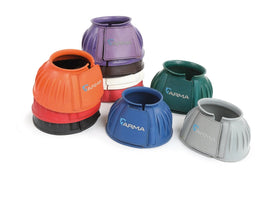
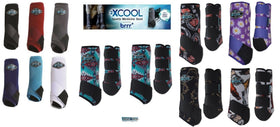
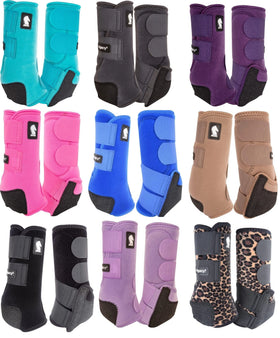
A Guide to Overreach Boot Materials and Designs
Choosing the right overreach boots comes down to understanding the materials and design features that will best suit your horse and your riding activities. From simple rubber bells for turnout to high-tech boots for competition, the construction of the boot directly impacts its durability, comfort, and protective capabilities. Getting familiar with the most common options will help you find the perfect pair to keep your horse’s hooves and pasterns safe.
Rubber
Rubber overreach boots are the classic, go-to choice for many horse owners, and for good reason. They are typically the most affordable option on the market, making them a practical pick for daily use or for horses who frequently lose their gear in the pasture. Most rubber boots feature simple hook-and-loop closures, which makes them incredibly easy to put on and take off. While they offer solid basic protection against nicks and scrapes, they may not be as durable as boots made from more advanced materials. For everyday turnout or light work, a simple rubber bell boot is often all you need.
Neoprene
If your horse has sensitive skin or needs a little extra cushioning, neoprene is an excellent material to consider. Neoprene is a soft, flexible synthetic rubber that is known for its shock-absorbing properties. This material is less likely to rub or chafe, providing a comfortable fit that moves with your horse. Boots made from neoprene are great for everything from long hours in the field to intense training sessions where impact protection is key. They offer a step up in both comfort and protection from standard rubber boots, making them a versatile choice for many different situations.
Ballistic Nylon
For maximum durability, nothing beats ballistic nylon. This tough, tightly woven fabric was originally designed for military applications, so you know it can stand up to serious wear and tear. Overreach boots with a ballistic nylon outer shell are ideal for high-intensity disciplines like cross-country, jumping, or reining, where your horse’s hooves are moving quickly. They are incredibly resistant to rips and tears, making them a smart investment for horses that are notoriously hard on their equipment. Many of our favorite horse boots and leg protection feature this rugged material for ultimate performance.
Pull-On vs. Velcro
The closure system is just as important as the material. Pull-on boots, usually made of a stretchy rubber, offer a very secure fit. Since there are no straps or fasteners, there’s nothing to come undone, making them a fantastic choice for turnout. However, they can be quite a workout to get on and off. On the other hand, boots with Velcro or other hook-and-loop closures are all about convenience. They are quick to apply and easy to adjust for a perfect fit. The main drawback is that mud, burrs, and arena footing can clog the Velcro over time, reducing its grip.
No-Turn and Reflective Features
A few special features can make a big difference in performance and safety. No-turn designs are a must-have for many riders. These boots have a small, soft knob or a molded shape on the inside that fits into the groove of your horse’s heel, preventing the boot from spinning around. This ensures the protected part of the boot always stays over the vulnerable heel bulb area. You may also find boots with reflective piping or patches. This is a simple but brilliant safety feature that increases your horse’s visibility when you’re riding in low-light conditions, whether you’re on the trail or just walking back to the barn after dusk.
Why Use Overreach Boots?
Overreach boots, often called bell boots, are more than just an accessory; they're a fundamental piece of equipment for protecting your horse's health and saving you from costly vet or farrier bills. Think of them as an insurance policy for your horse's front hooves and legs. Whether your horse is a top-level athlete or simply enjoys time in the pasture, these boots offer practical benefits that address common issues like overreaching. By investing in a good pair, you’re taking a proactive step to keep your horse sound, comfortable, and ready for whatever you have planned.
Prevent injuries and lost shoes
The main reason to use overreach boots is to prevent self-inflicted injuries. Overreaching happens when a horse’s hind foot strikes the back of its front foot, which can cause painful scrapes, bruises on the delicate heel bulbs, or even deep cuts. If you’ve ever noticed mysterious nicks or dirt marks on your horse’s front pasterns, overreaching is the likely culprit. This action can also easily catch the edge of a front shoe and pull it right off, leading to a lost shoe and potential hoof wall damage. Overreach boots are a key piece of horse boots and leg protection that create a physical barrier, shielding this vulnerable area from impact.
Absorb shock and add comfort
Beyond preventing direct strikes, many overreach boots are designed to absorb shock and add a layer of comfort. Materials like neoprene are excellent for cushioning the heel area every time the hoof lands, which is especially helpful during high-impact activities like jumping or galloping. For horses that are particularly sensitive or in rigorous training programs, this added protection can make a real difference in their comfort and willingness to work. Some designs, like no-turn boots, include features that keep them perfectly positioned to offer consistent protection without rubbing or shifting, ensuring your horse stays comfortable throughout your ride or their turnout.
Use them for any discipline
It’s a common misconception that overreach boots are only for jumpers or eventers. In reality, they are useful across almost every discipline. A horse can overreach during a downward transition in the dressage arena, while navigating a tricky trail, or even just playing in the pasture. That’s why you’ll see them on horses doing everything from reining and barrel racing to simple pleasure riding. Because overreaching can happen at any gait, these boots provide essential protection for everyday riding, training, and turnout, making them a versatile tool for any horse owner.
How to Fit Overreach Boots Correctly
Getting the right fit for overreach boots is non-negotiable. It’s the critical difference between effective protection and a serious safety hazard. A boot that’s too loose can cause a horse to trip, while one that’s too tight can lead to painful rubbing and sores. An ill-fitting boot can honestly be more dangerous than no boot at all, as it creates a false sense of security and can even cause new problems. To make sure you get it right, you need to focus on three key things: accurate measurements, understanding sizing charts, and knowing the signs of a poor fit. Taking a few extra minutes to confirm the size will save you from potential vet bills and keep your horse comfortable and safe. Finding the perfect pair of horse boots and leg protection starts with ensuring they fit like a glove. Let’s walk through exactly how to do it.
Step-by-Step: How to measure
First things first, give your horse’s hoof a good cleaning. Brush away any dirt or mud so you can see the entire foot clearly. This ensures your measurements are as accurate as possible. Next, grab a soft measuring tape. You’ll want to measure the length of the hoof from the toe to the buttress line of the heel. Think of the buttress as the farthest weight-bearing point at the back of the hoof. It’s also a good idea to measure the circumference of the pastern, right above the coronary band, as this will determine how the top of the boot fits. Jot these numbers down for the next step.
How to read sizing charts
With your measurements in hand, you’re ready to tackle the sizing chart. A word of caution: sizes are not standard across brands. A "Medium" from one company might fit completely differently than a "Medium" from another. Always refer to the specific chart for the boots you’re interested in. Some brands even have detailed instructions or ask you to submit photos of your measurements to help you get the perfect fit. If your horse falls between two sizes, read the brand’s recommendation. Sometimes they’ll suggest sizing up or down depending on the boot’s design.
Signs of a bad fit
Once the boots are on, do a quick check. A proper fit is crucial for safety. If the boots are too long, they’ll drag on the ground and your horse could step on them. This is a serious tripping hazard that could cause a much worse injury than an overreach. The bottom of the boot should cover the heel bulbs and sit just above the ground when your horse is standing squarely. The top opening shouldn't be too tight either. You should be able to comfortably slide one finger between the boot and your horse’s pastern. If it’s too snug, it can rub and cause sores.
Common Mistakes When Buying Overreach Boots
Finding a great deal on overreach boots feels like a win, but a bargain isn't a bargain if it doesn't do its job or, worse, causes problems. A few common slip-ups can turn a smart purchase into a frustrating one. By being aware of these potential mistakes, you can make sure the clearance boots you choose are the right fit for your horse in every way, keeping them safe, sound, and comfortable. Let's walk through what to watch out for.
Choosing the wrong size
This is easily the most common mistake. A boot that’s too loose will spin, get filled with dirt, or trip your horse. If it’s too tight, it can rub, chafe, and restrict movement. Choosing the right boots is a great first step, but using them correctly is just as important for effectiveness. The boot should cover the heel bulbs and rest gently on the ground behind the hoof when your horse is standing still. It shouldn't be so long that your horse is constantly stepping on it, but it needs to be long enough to protect the sensitive heel area. Always measure before you buy, especially with a new brand, as sizing can vary. Getting the fit right is the key to effective horse boots and leg protection.
Mismatching the boot to the activity
It’s tempting to buy one pair of boots and use them for everything, but different disciplines place different demands on your horse’s legs. As one expert notes, "Leg protection isn’t about piling on gear; it’s about choosing the right boot for the risk, fitting it correctly, and managing heat so you prevent knocks without creating new problems." A lightweight, flexible boot that’s perfect for daily turnout might not offer enough protection for the high-impact demands of jumping or cross-country. Conversely, a heavy-duty ballistic nylon boot might be overkill and cause overheating during a quiet hack. Think about your primary use and choose a material and design that matches the intensity of the work.
Forgetting to check for wear and tear
Even the toughest boots won't last forever. Before each ride, give your overreach boots a quick once-over. Check for cracked rubber, separating layers, and worn-out Velcro or closures. A damaged boot can fail at a critical moment or become a serious safety hazard. As eventing legend Lucinda Green has pointed out, if a horse steps on a damaged boot, it can lead to "far worse consequences instead – for both horse and rider." A frayed edge could catch on something, or a broken strap could cause the boot to fly off or trip your horse. Regularly inspecting your gear is a simple habit that plays a huge role in keeping your rides safe and your horse protected.
Our Top Picks for Clearance Overreach Boots
Finding a great deal on overreach boots is fantastic, but you still want to make sure you're getting the right boot for your horse's needs. Even when shopping clearance, focusing on quality materials and a proper fit ensures you get the best value and protection. Here are our top picks, broken down by what they do best.
Best for your budget
You don’t have to spend a lot to get effective protection for your horse. When you’re looking for a deal, simple and durable is the way to go. Rubber or synthetic overreach boots with secure Velcro straps are often the most affordable and are incredibly easy to put on and take off. They’re a practical choice for everyday riding or light turnout. To make sure you’re getting the best value, look for durable materials and a design that fits snugly without rubbing. A well-made, budget-friendly boot can provide excellent protection without breaking the bank.
Best for jumping and speed
For high-impact activities like jumping, cross-country, or barrel racing, you need a boot that can keep up. The last thing you want is a boot that spins or shifts at a critical moment. Look for overreach boots with a "no-turn" knob or a contoured shape that sits securely over the heel bulbs. This feature prevents the boot from spinning, offering reliable protection when your horse is moving at speed. These boots act as a crucial barrier, absorbing impact and preventing the hind hooves from striking the sensitive heel area of the front feet, which is a common risk during powerful movements.
Best for turnout and daily use
When your horse wears boots for extended periods, like during turnout, comfort and durability are key. For daily use, you’ll want a boot that offers full coverage over the hoof, pastern, and heel. This design helps protect against interference from the hind feet, which can happen during play in the pasture or casual riding. Materials like neoprene or ballistic nylon are great choices because they are tough yet flexible. You can find a variety of durable horse boots and leg protection perfect for daily wear that will stand up to the elements and keep your horse comfortable all day long.
Your Clearance Boot Checklist
Finding a great deal on clearance items feels like a win, but it’s important to be a savvy shopper, especially when it comes to your horse's safety. A low price tag is tempting, but a clearance overreach boot still needs to do its job effectively. Before you add a pair to your cart, run through this simple checklist. It will help you make sure you’re getting a quality product that offers real protection, not just a cheap find that will fall apart or fail to protect your horse’s sensitive heels. Think of it as a guide to finding hidden gems in the sales section, ensuring your money is well spent on gear that lasts.
Check for quality and condition
When you’re looking at a clearance boot, inspect it as if it were full price. Pay close attention to the materials and overall construction. Are the seams strong? Is the closure, whether it's velcro or a pull-on style, secure and durable? You want to find boots made from tough materials that can handle daily wear and stay put on your horse’s hooves. A well-made boot will protect your horse from overreach injuries while also being comfortable. Even at a discount, the best horse boots & leg protection prioritize both durability and a proper fit, so don't compromise on the basics just to save a few dollars.
Must-have features at any price
Some features are essential, no matter the price. A no-turn knob or design is one of the most important things to look for. This small detail is a game-changer because it prevents the boot from spinning around the hoof, ensuring the reinforced part always covers the heel bulbs. This is especially critical for active disciplines like jumping, cross-country, or even fast-paced trail rides where your horse is more likely to overreach. A boot that spins is a boot that isn't protecting anything. Sturdy construction and a secure fit are also non-negotiable, as they ensure the boot stays on and provides reliable protection when your horse needs it most.
Know the return policy
Before you click "buy" on a clearance item, always double-check the return policy. Some sales are final, which can be a risky move if you’re not 100% sure about the fit. Getting the right size is a great start, but sometimes a boot just doesn’t work for your horse’s specific conformation. A flexible return policy gives you a safety net, allowing you to exchange the boots if they don’t fit perfectly. Here at Hooves and Paws, our 365-day satisfaction guarantee applies to every purchase because we want you and your horse to be happy. Choosing the right boot is the first step, but ensuring it fits correctly is what truly matters.
Related Articles
- Bell Boots vs Overreach Boots: Which to Choose?
- Shires Equestrian ARMA Soft Top Over Reach Horse Boots #135
Frequently Asked Questions
What’s the difference between overreach boots and bell boots? There is no difference at all. "Overreach boots" and "bell boots" are two names for the exact same piece of equipment. The term "bell boots" comes from their classic bell-like shape, while "overreach boots" describes their function, which is to protect a horse from an overreaching stride. You can use the names interchangeably, so don't worry if you hear people using one or the other.
Can my horse wear these boots all the time, even in the pasture? Yes, many horses wear overreach boots during turnout, especially if they are prone to pulling shoes or are very active in the field. For 24/7 wear, it's best to choose a durable, simple style like a rubber pull-on boot that has no straps to get caught or break. The most important thing is to remove them daily to check for any rubbing, irritation, or trapped debris underneath that could cause skin problems.
How do I know if my horse needs overreach boots? The most obvious signs are frequent nicks, scrapes, or bald patches on your horse's front heel bulbs or pasterns. You might also hear a distinct "clacking" sound when your horse moves, which is the sound of the hind hoof hitting the front. Another major clue is if your horse frequently loses front shoes. If you're constantly calling the farrier to replace a shoe, an overreaching issue is a very likely cause.
My horse keeps getting rubs from his boots. What should I do? Rubs are almost always caused by an improper fit or the wrong material for your horse's skin. First, check the fit. You should be able to slide one finger comfortably between the top of the boot and your horse's pastern. If it's any tighter, it will chafe. If the fit is correct, your horse may have sensitive skin that is being irritated by the material. Try switching to a boot lined with a softer material, like neoprene, which is known for being gentle and flexible.
What’s more important when choosing a boot: the material or the fit? Fit is, without a doubt, the most important factor. A boot made from the most advanced material in the world is useless, and even dangerous, if it doesn't fit correctly. A boot that is too loose can trip your horse, while one that is too tight will cause painful sores. Always prioritize getting the right size first. Once you have the perfect fit, you can then select a material that best suits your horse's needs and your specific riding activities from our collection of horse boots and leg protection.


