


Shopping for new paddock riding boots can feel overwhelming. You're faced with so many options: leather or synthetic? Zippers or laces? And how much should you even spend? The last thing you want is to invest in a pair that gives you blisters or falls apart after one season. I'm here to help you make the right choice. This guide breaks down the key features to look for, explains how to get the fit just right, and shares my top picks so you can choose a pair with confidence, ensuring your comfort and safety.
Key Takeaways
- Paddock boots are your go-to for daily use: Their ankle-high design offers comfort for barn chores and groundwork, while pairing them with half chaps provides the grip and support of a tall boot for riding.
- Prioritize a perfect fit for safety and performance: A boot that fits correctly is your most important piece of safety gear. Always measure your feet, check the brand's size guide, and try on boots with your riding socks to prevent slipping or pinching.
- Choose wisely and care for your investment: Select a boot material and price point that aligns with how often you ride. A consistent cleaning and conditioning routine will significantly extend the life of your boots, making them a better long-term value.
What Are Paddock Boots? (And Why Every Rider Needs Them)
If you're building your riding wardrobe, paddock boots are one of the first and most essential pieces you'll need. Think of them as the versatile workhorse of equestrian footwear. These ankle-high boots are designed for comfort and durability, making them perfect for everything from daily lessons to chores around the barn. Their shorter height gives your ankle more flexibility than a tall boot, which many riders find more comfortable for walking and groundwork.
One of the best features of paddock boots is how they can be paired with half chaps. Half chaps are leather or synthetic coverings that go over your calf, zipping up the side. When you wear them with your paddock boots, you get the grip, protection, and classic look of a tall boot without the commitment or break-in period. This combination offers the best of both worlds: the comfort of an ankle boot for barn work and the performance of a tall boot in the saddle. Whether you're a new rider just starting out or a seasoned pro looking for a practical everyday option, a solid pair of paddock boots is a must-have.
A Boot Fit for a Queen: The History of Paddock Boots
While tall boots have been a staple for centuries, the paddock boot has a more specific and surprisingly royal origin. The style was designed in the early 1800s by none other than Queen Victoria’s own shoemaker. She wanted a practical boot she could walk in easily without the hassle of laces. The result was a short, elastic-sided boot that was perfect for walking around the palace grounds and, of course, the paddock. The style became so popular that it was adopted by London's fashion-forward crowd and became known as the Chelsea boot. Today’s paddock boots still carry that classic DNA but have evolved with modern features like zippers and advanced materials to make them even more comfortable and durable for riders.
Paddock Boots vs. Jodhpur Boots: What's in a Name?
You’ll often hear the terms "paddock boot" and "Jodhpur boot" used interchangeably, and for good reason—they are essentially the same thing. Both refer to ankle-high horse riding boots with a low heel, designed for comfort and versatility. The name "Jodhpur" comes from the style of riding pants they were traditionally worn with. While some purists might point out subtle differences in origin or styling, in today's equestrian market, the two names describe the same functional boot. The key takeaway is that all paddock boots are riding boots, but not all riding boots are paddock boots. Their specific design makes them the perfect multi-purpose choice for daily wear, setting them apart from specialized tall boots or casual footwear.
Paddock Boots vs. Tall Boots: Which Should You Choose?
The main difference between paddock boots and tall boots comes down to ankle flexibility and leg support. Tall boots extend up to your knee, offering more stability and a very traditional look for the show ring. Paddock boots, on the other hand, stop at the ankle. This design gives you much more freedom of movement, which is great for walking around the barn or for riders who prefer a less restrictive feel. Many riders feel they can get a better sense of the horse's sides in paddock boots. They are a fantastic choice for new riders or anyone wanting to save their more expensive horse tack for competitions.
Understanding Tall Boot Styles: Field vs. Dress Boots
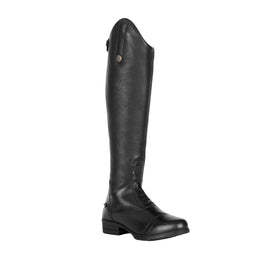
Even within the world of tall boots, there are two distinct styles you'll encounter: field boots and dress boots. Field boots are easy to spot because they have laces at the ankle. This design offers extra flexibility, which is essential for riders in jumping disciplines like hunters and eventing. Dress boots, on the other hand, are sleek and laceless, providing a stiffer, more formal profile traditionally favored in dressage. While both are beautiful, they are primarily designed for the show ring. This is exactly why so many riders rely on the comfort and practicality of paddock boots for their daily training, lessons, and barn work, saving their specialized tall boots for competition day.
The Advantage of an Easier Fit
Beyond versatility, the biggest draw for many riders is simply comfort and an easier fit. Because they stop at the ankle, paddock boots give your ankle significantly more flexibility than a stiff tall boot, making them far more comfortable for walking, grooming, and tacking up. This design also solves the common struggle of finding a tall boot that fits both your foot and calf perfectly. With paddock boots, you only need to focus on getting the foot size right, then you can find a pair of half chaps that fit your calf separately. This combination often provides a more customized and comfortable fit, with a much shorter break-in period than traditional tall boots.
Is Today a Paddock Boot Day? Here's How to Know
Paddock boots are the go-to choice for everyday riding and training. They are perfect for your weekly lessons, trail rides, or schooling sessions at home. Because they're so comfortable and durable, many riders use them for daily wear to protect their more expensive show boots from unnecessary wear and tear. If you're a pleasure rider who spends as much time grooming and tacking up as you do in the saddle, paddock boots are a practical and comfortable option. They are also an excellent starting point for young or new riders who aren't quite ready to invest in a pair of tall boots.
A Cooler Choice for Hot Weather Riding
When the temperature climbs, the last thing you want is to be stuck in hot, restrictive footwear. Tall boots can feel like ovens on your legs during summer rides, but paddock boots offer a much cooler alternative. Because they only cover your ankle, they allow for significantly more airflow, making them far more breathable on hot days. Many are made from strong, water-resistant materials that are quick to break in, so you can skip the painful process of sweating through stiff leather. This makes them an easy choice for warm-weather schooling, trail rides, and barn chores, ensuring your feet stay comfortable no matter how high the mercury rises.
The Go-To for Young and Beginner Riders
If you're new to the equestrian world or shopping for a young rider, paddock boots are the perfect starting point. They provide the essential safety features needed for riding—like a sturdy sole and a defined heel to prevent your foot from slipping through the stirrup—without the cost and commitment of tall boots. Since kids grow so quickly, paddock boots are a more economical choice. They are also incredibly versatile, moving easily from the stable to the saddle when paired with half chaps. This makes them ideal for daily lessons and casual riding, allowing new equestrians to build their skills and confidence in comfortable, appropriate footwear.
A Smart Pick for Casual Western Riders
While often associated with English disciplines, paddock boots are a fantastic and practical option for casual Western riders, too. They are lighter and offer more ankle flexibility than many traditional cowboy boots, making them incredibly comfortable for groundwork, training, and long hours at the barn. For riders who want to save their more expensive horse tack and show boots for competition, paddock boots are the perfect everyday workhorse. Plus, their classic style is versatile enough to wear outside the barn. A clean pair of leather paddock boots looks just as good with jeans for a trip into town as it does in the stirrup.
More Than Just for Riding: The Versatility of Paddock Boots
The true beauty of paddock boots is their versatility. These boots are tough enough to handle mucking out a stall, turning out horses, and carrying hay bales, yet they are specifically designed with safety features for riding, like a proper heel to prevent your foot from slipping through the stirrup. When you pair them with half chaps, you get the grip and feel of a tall boot, making them suitable for schooling and even some local shows. This adaptability makes them one of the most cost-effective pieces of gear you can own. As we've covered in our review of the best equestrian riding boots, having a reliable pair of paddock boots means you're always ready for whatever the day brings.
From the Barn to the Office
The versatility of paddock boots doesn't stop at the barn gate. Many riders find that a clean pair of leather paddock boots looks just as good with jeans for a casual dinner as they do with breeches. Their classic, streamlined design makes them a stylish choice for running errands or even for a relaxed office setting. This dual-purpose functionality means you get even more value from your investment. Instead of buying a separate pair of fashion boots, you have a durable, comfortable, and fashionable option already in your closet. It’s one of the many reasons they are a staple in any equestrian's collection of horse tack and apparel.
How to Spot a Quality Pair of Paddock Riding Boots
Finding the right pair of paddock boots can feel a lot like dating. You might have to try a few before you find "the one," but when you do, it's a perfect match. The right boot feels like an extension of your leg, giving you stability in the stirrup and comfort on the ground. But with so many options in any horse tack catalog, how do you narrow it down? It all comes down to a few key features.
When you're shopping, think beyond just the brand or price tag. The best boot for you will depend on its materials, how it fits your unique foot shape, the support it offers, and even the type of closure you prefer. A boot that looks great but gives you blisters after an hour is no good, and neither is one that feels flimsy after a few weeks of barn chores. We'll walk through the most important features to inspect so you can invest in a pair of boots that will keep you safe, comfortable, and confident, whether you're in the saddle or mucking out a stall.
Why Materials and Construction Matter Most
The foundation of any great paddock boot is what it's made of and how it's put together. You need a boot that can handle long hours, tough conditions, and constant use. As experts note, "Paddock boots are made from good quality materials with careful attention to how they are put together." This means looking for durable full-grain leather or high-tech synthetics, sturdy stitching (especially around the sole), and reliable hardware. A well-constructed boot won't just last longer; it will also provide better support and mold to your foot for a more comfortable fit over time. When you invest in quality, you're investing in a boot that works as hard as you do.
Essential Safety and Comfort Features
Beyond the core material, the specific design features are what truly separate a good boot from a great one. These aren't just extra frills; they are critical components that directly impact your safety in the saddle and your comfort during those long days at the barn. When you're comparing pairs, look closely at how they're built to protect your feet and reduce fatigue. A quality boot is engineered with a rider's daily life in mind, from the sturdiness of the toe to the cushion under your heel. Paying attention to these thoughtful details is how you find a boot you'll genuinely love wearing day in and day out.
Reinforced Toe Protection
A sturdy boot is your first line of defense around thousand-pound animals. While a steel toe isn't standard for riding, a reinforced toe cap is essential for providing protection from accidental bumps or a misplaced hoof. But safety extends beyond the toe. The entire boot is engineered for security in and out of the saddle, which is why paddock boots are designed with safety features for riding, including a distinct heel that prevents your foot from sliding through the stirrup. This combination of a protective toe and a secure heel means you’re covered whether you're leading a horse from the pasture or schooling over fences. It’s this thoughtful construction that gives you confidence with every step.
Shock-Absorbing Cushioning for All-Day Wear
Let's be honest: a day at the barn often involves more walking than riding. Between grooming, carrying tack, and trekking to and from the arena, you spend a lot of time on your feet. All that mileage can be exhausting if your boots aren't built for it. That's why shock-absorbing cushioning is a non-negotiable feature. The best boots feel comfortable right out of the box and have supportive footbeds with cushioning to absorb shock with every step. This technology reduces fatigue not just in your feet, but in your knees and back, too. It allows you to stay comfortable and focused all day, which is why many of our best-selling products are customer favorites—they deliver on comfort that truly lasts.
The Importance of Waterproofing
From dewy morning grass to muddy paddocks and wash-rack splashes, your feet are bound to encounter moisture at the barn. That's why having boots made from strong, water-resistant materials is essential for keeping your feet dry and comfortable. Whether it's specially treated leather or a modern synthetic with a waterproof membrane, this feature is your best defense against the elements. It prevents water from seeping in while still allowing your feet to breathe, which is key. Dry feet are not only more comfortable, but they're also healthier, as staying dry helps prevent painful blisters and other skin issues. Investing in a waterproof or water-resistant pair means you won't have to think twice before tackling that muddy gate or giving your horse a bath.
How to Get the Fit Just Right
If you take away only one piece of advice, let it be this: fit is everything. It’s not just about comfort; it’s about safety. A boot that’s too loose can slip in the stirrup, while one that’s too tight can cause painful pressure points and cut off circulation. As one riding guide puts it, "A comfortable, well-fitting boot is very important for your safety and how well you ride. A bad fit can cause injuries." Never guess your size. Always try boots on with the socks you typically ride in, and walk around to check for any rubbing or pinching. Your toes should have room to wiggle, but your heel shouldn't slip.
Balancing Ankle Support with Flexibility
Paddock boots have to perform a delicate balancing act. They need to be sturdy enough to support your ankle but flexible enough to allow for a deep, effective heel. Look for features like a reinforced heel counter and a snug fit around the ankle. Many riders pair their boots with half chaps for added stability. This combination is so effective because "paddock boots are often worn with 'half chaps' (leg coverings) to give more support, making them feel like tall boots." This setup gives you the ankle flexion you need with the leg protection and grip of a tall boot, offering the best of both worlds for schooling and everyday riding.
Why the Right Sole and Grip Are Non-Negotiable
Don't overlook what's on the bottom of the boot. The sole is your connection to the stirrup and the ground, so its design is critical for safety and performance. A proper riding boot must have a heel of about one inch to prevent your foot from sliding through the stirrup. You also want a sole that provides excellent traction without being too bulky. As one rider noted in a review, "The bottom has a great grip, that's perfect for riding." This ensures your foot stays securely in place while you ride and gives you stable footing when you're walking through a muddy pasture or a slick wash stall.
The Importance of a Heel and Small Tread Design
When you're inspecting a pair of paddock boots, pay close attention to the heel and tread. For safety, a proper riding boot needs a heel of about one inch. This is a non-negotiable feature that prevents your foot from sliding all the way through the stirrup, which is a serious risk. This heel also helps you maintain a correct and effective riding position. Just as important is the tread on the sole. You need enough grip to feel secure on slippery surfaces around the barn, but the pattern shouldn't be so deep or bulky that it gets caught in the stirrup. It's a balance between traction and feel. The right sole design ensures you have stability in the saddle and sure footing on the ground, making it a critical part of your essential horse tack.
Zippers or Laces? Which Style Is Right for You?
The choice between zippers and laces often comes down to personal preference. Laced boots offer a highly customizable fit, allowing you to adjust the tightness across your instep for perfect comfort. One rider mentioned, "The lace-up gives the fit very comfortable - no break-in time." On the other hand, zippers offer unmatched convenience. If you value a quick on-and-off process, a front-zip boot is a fantastic choice. As another rider commented, "I liked the heavy-duty front zipper for ease of taking the riding boot on and off." Some boots even offer both, with a front zipper and laces on either side for the ultimate combination of custom fit and convenience.
Pull-On Styles
For riders who value simplicity and a classic look, pull-on paddock boots are an excellent choice. Also known as Jodhpur boots, these boots feature a clean, streamlined silhouette without any zippers or laces. They are incredibly easy to wear; you just slip them on and go. This is possible thanks to the elastic side panels, or gussets, that stretch to let your foot in and then hug your ankle for a secure fit. Most styles include a pull-tab at the back to help you get them on. They are comfortable, practical, and perfect for riders who want a no-fuss boot for daily schooling or barn work. Their timeless design makes them a staple in any rider's collection of horse tack.
Combination Lace and Zipper Boots
If you love the customized fit of laces but crave the convenience of a zipper, you’re in luck. Many modern paddock boots offer the best of both worlds. These boots feature a traditional lace-up front paired with a front or back zipper. The idea is simple: you take the time to adjust the laces once to get the perfect, snug fit for your specific foot and ankle shape. After that, you can just use the zipper for quick and easy on-and-off. It’s a “set it and forget it” system that gives you a truly personalized feel without the daily hassle of tying and untying your boots, making them a popular choice for riders who prioritize both comfort and efficiency.
Shop This Post

Featured in this article
Shires Moretta Clio Plus Paddock Boots - Black, Child, Lace-Up Equestrian, Gently Used
$29.99
Shop Now →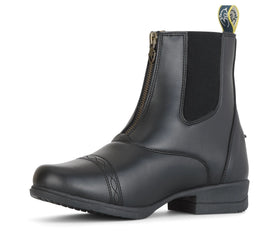
Leather vs. Synthetic Paddock Boots: Which Is Better?
Choosing between leather and synthetic paddock boots is one of the first big decisions you'll make. It’s a classic debate between tradition and modern innovation, and honestly, there’s no single right answer. Both materials have strong arguments in their favor, and the best choice really comes down to your personal preferences, riding habits, and budget. Think of it less as a competition and more as finding the right partner for your feet. Let's break down the pros and cons of each to help you find the perfect pair for your needs.
The Market at a Glance: A World of Options
The paddock boot market offers a world of options for men, women, and kids, which is fantastic news for every rider. This variety ensures you can find a boot that perfectly suits your needs, whether you need a comfortable pair for daily chores or a durable one for frequent schooling. You’ll discover boots made from traditional full-grain leather and modern, easy-care synthetics, with choices between convenient zippers and customizable laces. The price points are just as varied, so you can easily find a pair that aligns with your budget and how often you ride. Just like with other essential horse tack, investing in the right features from the start makes all the difference.
The Pros of Leather: Timeless Style and Durability
There’s a reason leather has been the go-to material for riding boots for centuries. It offers a timeless, professional look that never goes out of style. High-quality leather is incredibly tough and, with the right care, can last for years, making it a smart long-term investment. One of its best features is breathability; as a natural material, it allows air to circulate, keeping your feet more comfortable during long rides. Over time, leather will soften and mold to the unique shape of your foot, creating a custom-like fit that’s hard to beat. It's the classic choice for all kinds of horse tack for a reason: it performs beautifully and looks the part.
The Pros of Synthetics: Easy Care and Great Performance
If you’re looking for convenience and value, synthetic paddock boots are a fantastic option. Modern synthetic materials have come a long way, offering impressive durability and a polished look at a more budget-friendly price point. This makes them a great choice for growing riders or anyone who’s tough on their gear. The biggest selling point for many is the easy maintenance. Most synthetic boots can be cleaned with a simple wipe-down and are often water-resistant, which is a huge advantage when you’re trudging through mud and muck. They also typically require little to no break-in period, meaning you get a comfortable fit right out of the box. Many of our best-selling products include synthetic options loved by riders for their practicality.
How to Choose the Right Material for Your Ride
So, how do you decide? Start by thinking about your priorities. If you value tradition and plan to invest in a pair of boots that will last for many years, leather is an excellent choice. Just be prepared for the regular cleaning and conditioning required to keep it in top shape. If your main concerns are budget, ease of care, and out-of-the-box comfort, a synthetic pair will likely serve you well. Be honest about how much time you’ll dedicate to boot care. With over 30 years of equine expertise, we can tell you that the most important factor is always a safe and comfortable fit, regardless of the material you choose.
Our Favorite Paddock Riding Boots for Every Rider
With so many options out there, finding the right paddock boot can feel overwhelming. We've sorted through the crowd to highlight a few favorites that consistently earn top marks from riders for their performance, comfort, and durability. Whether you're schooling, showing, or just tackling barn chores, there’s a boot here for you.
Best All-Around Performers
If you need one pair of boots that can truly do it all, look no further. The Ariat Women's Heritage Breeze Zip Paddock Boot is a standout favorite for its incredible comfort and lasting durability. Riders love how versatile it is, easily transitioning from a training session to a trail ride without missing a beat. It’s the kind of reliable, multi-purpose boot that forms the foundation of any good horse tack collection. This boot is a solid investment for any equestrian who values both function and quality in their daily gear.
Best Boots for Everyday Schooling
For those long hours spent in the saddle, comfort is everything. The Ariat Performer Nitro Paddock boots are designed for exactly that. While they require a short break-in period, they quickly mold to your feet and end up fitting like a glove. This exceptional comfort makes them the perfect choice for daily schooling and frequent riding. When you’re focused on perfecting your form, the last thing you want is a distracting, uncomfortable boot. These performers ensure your feet stay happy, letting you concentrate on your ride.
Best Paddock Boots for Show Day
Heading into the show ring requires a boot that looks as good as it performs. The Ariat Heritage Paddock Boots deliver a polished, professional appearance without sacrificing function. Made from high-quality leather, they offer a sophisticated look and a fantastic grip in the stirrup, giving you confidence when it counts. Their elegant design proves you don’t have to choose between style and substance. These boots are perfect for riders who want to present a flawless image to the judges while relying on gear that supports their performance.
The Toughest Boots for Barn Work
Every equestrian needs a tough, no-fuss boot for work around the stables. The Ovation Women's Quantum Zip Paddock Boots are built to handle the demands of daily barn life. They stand up to mud, muck, and long hours on your feet, and best of all, they’re incredibly easy to clean. Their practical design and rugged construction make them an ideal workhorse boot for everything from mucking out stalls to turning out horses. When you need a reliable pair that can take a beating and still be ready for more, these are a fantastic choice.
Other Trusted Brands to Consider
While we've shared some of our top picks, the world of equestrian footwear is filled with excellent brands dedicated to quality and rider comfort. The perfect boot is a personal choice, and exploring different options is the best way to find a pair that feels like it was made just for you. We believe in helping you find that perfect match, which is why we also want to highlight a few other trusted names that consistently earn high marks from the riding community. These brands each bring something unique to the table, from innovative design to unbeatable value.
Tredstep™
Tredstep offers a variety of paddock boots known for their quality craftsmanship and comfort, making them a popular choice among riders. This brand is for the equestrian who appreciates the finer details, like refined European styling and premium materials that create a sophisticated look. Tredstep focuses on creating an anatomical fit that supports the foot without restricting movement, which is why so many riders find them comfortable right out of the box. If you’re looking for a boot that combines elegance with athletic performance, Tredstep is a brand well worth considering for your next pair.
TuffRider®
For a boot that works as hard as you do without breaking the bank, TuffRider is a fantastic choice. TuffRider paddock boots are designed for everyday use, providing comfort and durability at an affordable price, making them ideal for both new and experienced riders. This brand excels at creating practical, no-fuss footwear that stands up to the rigors of daily barn life. They are an excellent option for growing riders, those on a budget, or anyone needing a reliable second pair for schooling or chores. With TuffRider, you get a dependable boot that prioritizes function and value, ensuring you can focus on your ride.
Dublin®
If you believe your riding gear should be as stylish as it is functional, you'll love what Dublin has to offer. Dublin paddock boots combine style and functionality, offering a range of options that cater to various riding needs, from casual riding to more formal events. This brand is known for its fashionable designs that don't compromise on performance. You'll find boots with thoughtful details, quality materials, and a comfortable fit that keeps you feeling good all day. Whether you're looking for a classic leather boot or a modern, weather-ready option, Dublin’s diverse collection likely has a pair that will fit your style and your life.
How Much Should You Spend on Paddock Boots?
Deciding on a budget for paddock boots can feel tricky, but it really comes down to your personal needs as a rider. The price for a good pair can range from under a hundred dollars to several hundred, and what you get for your money changes with each tier. Think about how often you ride, what your goals are, and how much you value features like premium leather or advanced comfort technology. A rider who is in the saddle once a week has very different needs from someone who schools multiple horses every day.
The key is to view your boots as an investment in your safety, comfort, and performance. A higher price tag often means better materials, more durable construction, and a more supportive fit, which can save you money in the long run by lasting longer. On the other hand, there’s no need to overspend if you’re just starting out or if your boots will see only occasional use. Let’s break down the different price points so you can find the perfect pair that fits your budget and your life in the saddle.
Great Finds Under $100
If you’re just starting your equestrian journey, are buying for a child who is still growing, or only ride occasionally, you don’t need to spend a fortune to get a safe, functional pair of boots. Options in this price range are typically made from durable synthetic materials, which have the added bonus of being super easy to clean after a muddy day at the barn. While they may not have the longevity of their leather counterparts, they provide the necessary heel and ankle support for safe riding. They are a practical and affordable way to get started without a huge financial commitment, ensuring you have the right essential horse tack from day one.
The Sweet Spot ($100-$200)
For most riders, the $100 to $200 range is the sweet spot where quality, durability, and price find their perfect balance. In this category, you’ll find boots made from higher-quality synthetics or genuine leather, offering a better fit and feel that molds to your foot over time. These boots often include comfort-enhancing features like cushioned insoles and moisture-wicking liners, making them ideal for riders who spend several hours at the barn each week. They represent a solid investment in your comfort and are built to withstand the rigors of regular lessons and schooling, which is why many of our best-selling products fall into this popular category.
When to Invest: Boots Over $200
For the dedicated equestrian who rides multiple times a week or competes regularly, investing in a pair of boots over $200 is well worth it. These premium paddock boots are crafted from full-grain leather and feature superior construction for maximum longevity. You can expect advanced comfort systems, elegant styling, and a fit that feels almost custom-made. While the upfront cost is higher, these boots are built to last for years with proper care, often outliving several pairs of cheaper boots. At Hooves and Paws, we have over 30 years of equine expertise, and we know that a high-quality boot is one of the best investments a serious rider can make for their long-term comfort and performance.
Understanding the High-End Market (Up to $400)
When you step into the high-end market, you're investing in craftsmanship and performance. Boots in this category, which can go up to $400, are more than just footwear; they're a piece of high-performance equipment for the serious rider. You'll find they are crafted from premium, full-grain leathers and feature superior construction designed for maximum longevity. These boots often include advanced comfort systems, shock-absorbing soles, and an elegant style that provides a fit so precise it feels almost custom-made. While the initial price is higher, they are built to last for years with proper care, often outliving several less expensive pairs. This makes them a smart long-term investment for dedicated equestrians who demand the best from their horse tack.
How to Find the Best Value for Your Budget
Finding the best value isn’t just about finding the lowest price; it’s about finding the right boot for your needs. Before you buy, honestly assess how frequently you’ll be riding. If you’re in the saddle daily, a more durable, higher-priced boot will likely be a better value in the long run. Remember that paddock boots are incredibly versatile, perfect for everything from schooling to barn chores, so a comfortable pair will get plenty of use. By choosing a boot that matches your lifestyle, you ensure every dollar is well spent. Take your time to browse different horse tack collections to compare features and find the pair that truly works for you.
What Real Riders Think About Their Paddock Boots
When you’re shopping for new gear, nothing beats hearing from people who are already using it day in and day out. We’ve gathered feedback from equestrians to give you an honest look at what fellow riders think about their paddock boots. From the features they can’t live without to the common frustrations, here’s what you need to know before you buy. This kind of real-world insight can help you find the perfect pair that stands up to long days at the barn and in the saddle.
What Riders Love: Comfort and a Perfect Fit
Across the board, riders agree that a comfortable paddock boot is a game-changer. Many equestrians find that after a short break-in period, a quality pair of leather boots will mold to their feet and, as one rider put it, "fit like gloves." This custom-like fit is why so many people find a brand they love and stick with it for years. When your boots are this comfortable, they become a reliable part of your daily riding equipment that you don't have to think twice about, whether you're walking the course or doing barn chores.
Common Gripes: Issues with Durability and Wear
While comfort is a huge plus, some riders have raised concerns about the long-term durability of certain paddock boots. A common point of failure seems to be the zipper, especially on less expensive models, which can jam or break after a year or two of regular use. Others have noted that some brands may have changed their manufacturing, leading to boots that don't last as long as they used to. When you're shopping, it's wise to read recent reviews and inspect the zippers and stitching to make sure you're getting a well-made product from our horse tack collection.
The Real Scoop on Sizing and Break-In Time
Figuring out sizing can feel tricky, but the good news is that most riders find paddock boots run true to size. Even if a pair feels comfortable right out of the box, you should still plan for a break-in period. One rider mentioned that while her boots fit perfectly from the start, she still expected "some level of discomfort while breaking them in." Giving your new boots a few wears around the house or for short periods at the barn can make a huge difference. This helps the leather soften and conform to your foot, preventing blisters later on.
How Paddock Boots Hold Up Over Time
A great pair of paddock boots should be able to handle whatever you throw at them. Riders appreciate boots that perform well in the stables and still look sharp for lessons. The best ones are also easy to care for, often just needing a quick wipe-down to look clean. Many equestrians love the versatility, wearing their boots for everything from mucking out stalls to walking the dog or running errands. As one rider shared, she wears her boots to "ride, walk through muck and water," and even out and about, proving that a durable, comfortable pair is a true wardrobe staple.
How to Find Your Perfect Fit
Finding a paddock boot that fits like a glove is about more than just comfort. A comfortable, well-fitting boot is essential for your safety and performance in the saddle. The right fit gives you stability in the stirrup and support on the ground, while a poor fit can lead to blisters, foot pain, or even injuries. Think of it as the foundation of your riding gear. When your feet are secure and comfortable, you can focus entirely on your connection with your horse and the ride ahead.
Getting that perfect fit isn't always as simple as picking your usual shoe size off the shelf. Different brands have their own unique sizing, and the shape of your foot plays a huge role. A boot that’s too tight can restrict circulation, while one that’s too loose can cause your foot to slide, compromising your balance. But don't worry, with a few simple steps, you can measure your feet accurately and learn what to look for to ensure your new boots are the perfect match for you and your riding goals. Let's walk through how to find a fit you'll love, so you can spend less time thinking about your feet and more time enjoying the barn.
Measure Your Feet the Right Way
Before you even start browsing, take a moment to measure your feet. It’s best to do this in the afternoon or evening, as your feet naturally swell a bit throughout the day. Put on the type of socks you typically wear for riding, place a piece of paper on a hard floor, and trace the outline of your foot.
Once you have the tracing, use a ruler to measure the distance from the tip of your longest toe to the back of your heel. Then, measure the widest part of your foot, which is usually the ball of your foot. Make sure to measure both feet, as it's common for one to be slightly larger than the other. Always use the measurements from your larger foot when comparing against a brand’s size chart. This simple step is your best defense against ordering the wrong size.
How to Read a Boot Size Chart
Once you have your measurements, you can compare them to the manufacturer’s sizing chart. Remember that sizing can vary between brands, so don't assume your size in one brand will be the same in another. A good paddock boot should feel snug across the top of your foot and around your ankle, but not uncomfortably tight. Your toes should have enough room to wiggle freely without touching the end of the boot.
When you walk, a small amount of heel lift (about a quarter of an inch) is normal, especially with new leather boots that need breaking in. However, if your heel is slipping excessively, the boot is likely too big. Some boots also come in different width options, so if you have wider or narrower feet, look for brands that offer more than just a standard fit. This is where you can explore our collection of best-selling products to see what options are available.
Decoding US vs. European (EU) Sizing
Many of the best paddock boots, especially those from European brands, use EU sizing, which can be a source of confusion. It’s tempting to use a standard online conversion chart, but this is often a mistake. Sizing isn't universal, and a European size 39 in one brand might fit differently than a 39 in another—some brands even suggest sizing down from your typical US size. The most reliable way to get the right fit is to ignore generic charts and go straight to the manufacturer's specific size guide. Some brands even simplify things by having their EU sizes correspond directly to your foot measurement in centimeters. Before you purchase a pair, always check the brand's recommendations to ensure your boots fit safely and comfortably from the start.
Always Try Them On with Riding Socks
This might sound obvious, but it’s a step that many people forget. The thickness of your socks can make a significant difference in how a boot fits. Everyday athletic socks are often much thinner than cushioned riding socks. Trying on boots with the wrong socks can lead you to buy a pair that’s too tight.
To get the most accurate feel for the fit, always try on new paddock boots while wearing the socks you’ll be riding in. Walk around the house for a few minutes to see how they feel in motion. Flex your ankles and stand on your toes. This will give you a much better idea of whether the boots will be comfortable for long hours at the barn and in the saddle.
Good Fit vs. Bad Fit: Know the Signs
Knowing the difference between a boot that needs breaking in and one that’s simply a bad fit is key. A good fit feels secure and supportive from the start. The boot should hug your foot without pinching or creating painful pressure points. While new leather boots will have some stiffness, they shouldn't cause immediate pain.
A bad fit, on the other hand, will have obvious red flags. If your toes are crammed against the front, the boot is too short. If your foot slides around inside or your heel lifts more than a little, it’s too big. Pay attention to any rubbing or pinching, especially around the ankle and across the widest part of your foot. If you have specific foot issues like bunions or high arches, it might be worth talking to a professional boot fitter. Your horse tack is an investment in your safety, and well-fitting boots are a critical piece of that puzzle.
Avoid These Common Boot-Buying Mistakes
Finding the right pair of paddock boots can feel like a huge win, but a few common missteps can turn your dream boots into a dusty regret. I've been there, and I want to help you get it right the first time. Let's walk through some of the most frequent mistakes riders make when buying boots, so you can shop with confidence and find a pair you'll love for years to come. By avoiding these pitfalls, you'll invest in comfort, safety, and durability that pays off with every step you take, from the barn aisle to the stirrup.
Buying Mistake #1: Guessing Your Size
It’s so tempting to just click your usual shoe size and hope for the best, but this is the number one mistake you can make. Riding boot sizing can be very different from your everyday sneakers. An improper fit isn't just uncomfortable; it can be dangerous. As experts point out, "A bad fit can cause injuries," leading to blisters, heel slip, or a lack of stability in the stirrup. Always take the time to measure your feet properly before you buy. A boot that’s too tight can cut off circulation, while one that’s too loose won’t provide the support you need. Getting the size right is the first step in choosing quality horse tack.
Buying Mistake #2: Not Breaking Them In
Your new boots have arrived, and you want to head straight to the barn. I get it! But many riders overlook the need to break in their boots, especially if they're made of leather. Tossing them on for a long ride right out of the box is a recipe for sore feet. Good quality leather needs time to soften and shape to your specific foot and ankle. As one rider review notes, "After a brief break-in period, they mold to your feet and fit like gloves." Wear your new boots around the house for a few hours at a time for several days. This small amount of patience will lead to a custom-fit feel and significantly better comfort in the long run.
Buying Mistake #3: Prioritizing Style Over Function
A beautiful boot is hard to resist, but if it can't stand up to the demands of barn life, it's not worth the money. While looks are important, function should always come first. The best boots manage to deliver both. Look for pairs that are "made to be stylish and useful... provide comfort all day long and offer protection." Pay attention to the quality of the stitching, the durability of the sole, and the level of ankle support. A well-made boot from our collection of best-selling products will not only look sharp but will also keep you safe and comfortable, whether you’re mucking out a stall or schooling in the arena.
Buying Mistake #4: Ignoring Your Riding Needs
Before you add any boots to your cart, take a moment to think about your typical day. Are you a new rider who needs flexibility, or an experienced one looking for a durable pair for daily schooling? As one guide explains, "Paddock boots are perfect for new riders who want a little more flexibility, or professional or amateur riders who want to limit wear and tear" on their tall boots. If you spend hours on your feet doing barn chores, you’ll want a boot with excellent cushioning and a sturdy sole. If you’re primarily riding, you might prioritize a slim profile and a defined heel. Being honest about your needs will ensure you choose a boot that truly works for you.
How to Care for Your Paddock Boots So They Last
You’ve found the perfect pair of paddock boots, and they feel amazing. Now, let's talk about how to keep them that way. Just like any quality piece of equipment, your boots need a little TLC to perform their best and stand the test of time. Taking good care of your boots will make them last much longer, saving you money and ensuring they stay comfortable and supportive for countless rides. A few minutes of care after you leave the barn can make a world of difference, preventing premature wear and tear. Think of it as an investment in your comfort, safety, and style.
A Simple Daily Cleaning Routine
The best habit you can get into is cleaning your boots after every single ride. It only takes a minute and is the number one way to extend their life. Dust, mud, and horse sweat can break down leather and synthetic materials over time, so it’s important to get that grime off quickly. For leather boots, a quick wipe with a damp cloth is usually all you need. For synthetics, a stiff brush can help knock off dried mud. Pay special attention to the zippers and seams, as dirt can easily get trapped there and cause damage. Once they’re clean, let them air dry completely in a well-ventilated area away from direct heat or sunlight.
How to Condition Leather Boots
If you opted for leather boots, regular conditioning is non-negotiable for keeping them soft, supple, and crack-free. Think of conditioner as a moisturizer for the leather. Before you apply any, make sure your boots are completely clean and dry. Using a soft cloth, work a small amount of a quality leather conditioner into the boot in a circular motion. This process replenishes the natural oils in the leather, preventing it from drying out and cracking. How often you do this depends on your climate and how often you ride, but a good rule of thumb is to condition them every month or two. It’s a simple step that keeps your horse tack in top shape.
The Right Way to Store Your Paddock Boots
Where you keep your boots when you’re not wearing them matters more than you might think. Tossing them in the back of a hot car or a damp corner of the tack room is a recipe for disaster. Always store your boots in a cool, dry place away from direct sunlight, which can fade and dry out the material. To help them keep their shape and prevent the ankles from collapsing, use boot trees or simply stuff them with some newspaper. If you’re storing them for a longer period, a boot bag is a great way to protect them from dust, scuffs, and pests. Proper storage is a key part of maintaining your riding gear.
Know When It's Time for a New Pair
Even with the best care, paddock boots don’t last forever. Knowing when to retire your old pair is crucial for your safety and comfort. Look for signs like deep cracks in the leather that conditioning can’t fix, soles that have worn smooth and lost their grip, or broken zippers that are beyond repair. A major red flag is a loss of ankle support; if the boot feels flimsy and unsupportive, it’s time for a replacement. Riding in worn-out boots can be dangerous, increasing your risk of your foot slipping through the stirrup. When you're ready for an upgrade, check out our collection of best-selling products to find your next favorite pair.
Related Articles
- Best Equestrian Riding Boots Guide
- English Riding Boots 101: The Complete Guide
- The Ultimate Guide to Equestrian Riding Boots
- Elevate Your Ride: Discover the Unmatched Comfort and Durability of Shires Moretta Clio Plus Paddock Boots
- Best Horse Boots for Trail Riding (2026 Guide)
Frequently Asked Questions
Can I wear paddock boots in a horse show? For most formal, rated competitions, tall boots are the required standard for a traditional look. However, paddock boots paired with matching half chaps are perfectly acceptable and very common at schooling shows, local circuits, and for certain phases of eventing. It's always a good idea to check the specific dress code for any show you plan to attend, but for everyday training and less formal events, they are a fantastic choice.
Do I really need to wear half chaps with my paddock boots? While you can certainly hop on for a quick ride without them, it's highly recommended that you use half chaps for any serious schooling or trail riding. Half chaps protect the skin on your inner calf from getting pinched or rubbed raw by the stirrup leathers. They also provide extra grip against the saddle and give your leg more stability, mimicking the feel and function of a tall boot without the restrictive fit.
Why can't I just ride in my hiking boots or other ankle boots? This is a great question, and it comes down to safety. Paddock boots are designed specifically for riding with two key features: a sole with a texture that won't get stuck on the stirrup pad, and a heel of about one inch. That heel is critical because it acts as a stopper, preventing your foot from accidentally sliding all the way through the stirrup, which can be very dangerous. Hiking boots have deep, grippy treads and often lack a defined heel, making them a significant safety risk in the saddle.
How long should a good pair of paddock boots last? The lifespan of your boots depends heavily on the material, how often you use them, and how well you care for them. A quality pair of leather boots that you clean and condition regularly could last for several years of moderate riding. A synthetic pair used daily for both barn chores and riding might need to be replaced every year or two. The best indicator is the boot's condition: if the sole loses its grip, the ankle support feels weak, or the leather cracks, it's time for a new pair.
What’s the best way to break in new leather boots without getting blisters? The key to a painless break-in period is to take it slow. Start by wearing your new boots around the house for an hour or two at a time with the thick socks you normally ride in. This allows the leather to warm up and start molding to your feet and ankles. Before your first ride, you might want to apply a leather conditioner to help soften the material. Keep your first few rides in them short, and your feet will thank you for the patience.


