


In a sport where success is measured in fractions of a second, even the smallest details in your gear can have a major impact. One of the most critical yet often overlooked details is your roping reins length. A few inches of leather can determine how well your horse can balance for a hard stop or how quickly your cues are received. What works for a team roper might not be the best fit for a breakaway roper, and the right length for a large horse could create a safety hazard on a smaller one. This article is your complete guide to understanding these nuances, helping you select the perfect reins for a safer, more effective ride.
You wouldn’t compete in boots that are two sizes too big, so why use reins that don’t fit? Just like a saddle, the ideal roping reins length is not a one-size-fits-all measurement. It’s a personalized fit that depends on several key factors: your horse’s size and build, your own height and arm length, and the specific demands of your roping event. The goal is to find that perfect balance where you have precise control without creating unnecessary slack or tension. This creates a seamless connection that feels like a natural extension of your own hands. Let’s break down how to find the perfect length, turning a potentially confusing choice into a simple, confident decision for your next ride.
Key Takeaways
- Customize your rein length for better control: The right length isn't one-size-fits-all; it depends on your horse's build, your own arm length, and your specific roping style for clear, effective signals.
- Select a length based on performance needs: Use shorter reins for quick precision, medium lengths for all-around versatility, and longer reins when your horse needs maximum freedom of movement for the task at hand.
- Focus on material and construction for lasting value: A quality rein made from durable materials offers a secure grip, better communication, and greater safety, making it a smarter long-term investment than a cheaper, less reliable option.
What's the Standard Length for Roping Reins?
When you’re gearing up for roping, every piece of your equipment matters, and your reins are no exception. They are your direct line of communication with your horse, so finding the right length is essential for clear signals and quick responses. While there isn't one single length that works for every rider and every horse, there are standard measurements that serve as a great starting point. Think of it as finding the perfect fit for a pair of boots; you need something that feels right and performs well under pressure.
The ideal rein length allows you to give your horse enough freedom to move its head and neck comfortably, but it’s also short enough to prevent dangerous slack that could get tangled. The right fit depends on your horse’s build, your arm length, and your personal roping style. Getting this piece of horse tack right will make a noticeable difference in your performance and your horse’s comfort. Let’s look at the common lengths you’ll find and how to decide which one is best for you.
Breaking Down Common Rein Lengths
Most roping reins you’ll find are between 8 and 9 feet long. This range is considered the industry standard because it hits a sweet spot for the average horse and rider. An 8-foot rein provides enough length to maintain contact without being so long that it gets in your way. This measurement allows for proper head positioning, giving you the control you need without restricting your horse’s movement. You might see some reins as short as 7 feet or extending over 9 feet, which can be useful for smaller horses or riders who prefer a bit more reach.
Standard Lengths (7-9 feet)
When you’re browsing for new reins, you’ll notice that most standard options fall between 7 and 9 feet. This length is popular for a reason—it offers a fantastic balance for the average horse and rider combination. An 8-foot rein, for example, gives you enough length to maintain soft contact and guide your horse effectively without leaving a lot of extra slack hanging. Too much slack can be a safety risk and can slow down your communication. The right length in this range helps you maintain proper head positioning, ensuring you have control without restricting your horse’s natural ability to move and work. It’s a versatile choice that works well for a wide variety of arena work and roping disciplines.
Longer Options for Reach (10-11 feet)
For some riders, a bit of extra length is necessary. Longer reins, typically measuring 10 to 11 feet, are designed for specific situations where more reach is an advantage. These are particularly useful if you ride a larger horse with a long neck or if your roping style requires giving your horse more freedom to move its head. In certain events, allowing your horse that extra room can make all the difference in its performance. Ultimately, choosing the right length is about creating a partnership where your cues are clear and your horse is comfortable, so it’s important to consider your unique needs and the demands of your event.
Split vs. Closed: How Rein Lengths Compare
Your choice between split and closed (or continuous) reins will also play a role in length. Closed reins are a single loop of leather or rope and are very popular in roping and barrel racing. They typically stick to that standard 8-foot measurement from one side of the bit to the other. Split reins, on the other hand, are two separate pieces. They offer great versatility, and many riders like that if you happen to drop one, it will just fall onto the horse’s neck, making it easy to retrieve. While the total length might be similar to a closed rein, the feel and handling are completely different.
How Roping Reins Compare to Other Styles
Choosing the right reins can feel like a big decision, but it gets a lot simpler when you understand what each style is designed for. Roping reins are built for a very specific job, and their features reflect that. While they might look similar to other Western reins at a glance, the small differences in length, material, and design have a major impact on your ride. Comparing them to other popular styles, like barrel and English reins, really highlights why having the right tool for the task is so important for both you and your horse. Let's look at how they stack up.
Roping Reins vs. Barrel Reins
At first glance, roping and barrel reins seem quite similar since both are used in high-speed Western events. However, their designs are tailored for different actions. The most noticeable difference is that barrel reins often have knots or are braided to provide a secure, non-slip grip. This helps a rider hold a steady hand position while navigating tight turns at top speed. Roping reins, in contrast, are typically smooth. This allows you to easily slide your hands to adjust slack when you’re preparing to throw your loop and then quickly gather your reins after. Barrel reins are also generally a bit shorter, providing tight control, whereas the standard 8- to 9-foot roping rein offers the reach needed for roping maneuvers.
Roping Reins vs. English Reins
Comparing roping reins to English reins is like comparing work boots to running shoes—both are essential, but for completely different purposes. English riding disciplines have a wide variety of rein types, from plain leather for the hunter ring to rubber-gripped reins for eventing, each designed to match a specific bridle and provide nuanced communication. Roping reins are built with durability and function as the top priorities. They are typically thicker and made from a single, sturdy piece of leather or rope that can withstand the force of dallying to a steer. While English reins focus on maintaining light, consistent contact, the longer length of roping reins is designed to give the horse freedom of movement while still allowing the rider to manage slack effectively during a run.
Choosing the Perfect Roping Rein Length for You
Finding the perfect roping rein length isn’t about a one-size-fits-all number. It’s a personalized fit based on you, your horse, and your event. The goal is to find that sweet spot where you have clear communication and quick control without extra slack getting in your way. Thinking through a few key factors will help you select the right length for a confident and effective ride.
Match the Rein Length to Your Horse
The first piece of the puzzle is your horse. A larger horse with a longer neck will naturally need a longer rein than a smaller, more compact one. The right length allows you to keep a proper hand position just above the saddle horn while maintaining light, consistent contact with your horse’s mouth. This balance is key for clear signals and prevents the reins from feeling too tight or too loose. When you’re browsing for new horse tack, always keep your horse’s specific conformation in mind to ensure a comfortable and functional fit for both of you.
Don't Forget Pony-Sized Reins
It’s easy to focus on standard horse sizes, but let's not forget our smaller partners. Using a standard 8-foot roping rein on a pony can create a lot of dangerous slack. This excess length can get tangled in their legs or your equipment, creating a serious safety hazard and muddying your communication. For ponies, a shorter rein is non-negotiable. It allows you to maintain the light, consistent contact needed for clear signals and quick responses, ensuring you and your pony are working together as a seamless team without any confusing slack getting in the way.
So, what should you look for? While the 8 to 9-foot range is common, you can find reins as short as 7 feet, which is often a much better fit for a pony's compact build. This length gives you just enough reach for control without leaving extra material to manage. When you're browsing for new horse tack, specifically seeking out these shorter options makes all the difference. A well-fitted rein is fundamental to your pony's comfort and your performance, ensuring every cue is clear and every ride is safe.
Consider Your Own Height and Reach
Next, consider your own body. Your height and the length of your arms directly impact how a rein will feel in your hands. An ideal fit means that when your horse’s head is up, the reins rest just in front of the saddle horn. This position prevents you from having too much slack to gather up in a hurry or, on the flip side, maintaining constant, pulling contact. The right length for your body allows you to ride with a relaxed arm and make subtle adjustments with ease, giving you better control and responsiveness when it matters most.
Choose a Length for Your Roping Discipline
Different roping events can have different demands. Your rein length might change depending on whether you’re team roping or breakaway roping. For example, some breakaway ropers have found that fine-tuning their rein length can make a significant difference in their performance. As experts from the Breakaway Roping Journal point out, small gear adjustments often have a big impact on your success. Paying attention to what your specific discipline requires will help you choose a rein length that supports your performance rather than holding you back.
Shop This Post

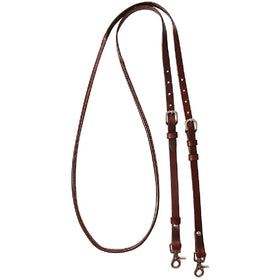
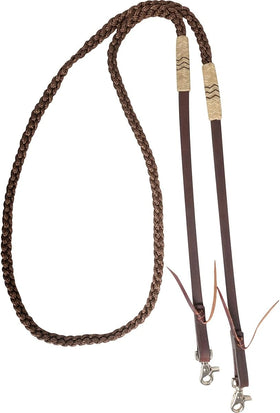
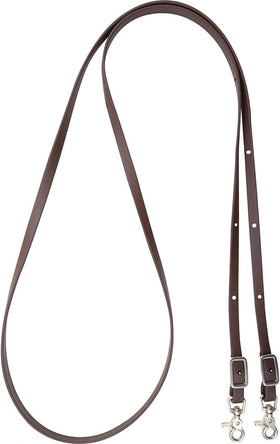
Short, Medium, or Long: Which Rein Length Is Best?
Choosing the right rein length is about so much more than just what feels comfortable in your hands; it’s a fundamental part of your communication with your horse. Think of your reins as your direct line to your horse’s mouth. The length of that line can dramatically change the clarity and speed of your cues. The perfect length isn't one-size-fits-all. It depends on your horse's size, your roping discipline, and even your own body mechanics, like your height and arm length. Too often, riders stick with one length without considering if it’s truly the best fit for the task at hand.
Understanding the distinct advantages of short, medium, and long reins helps you make a more intentional and effective choice. This small adjustment to your setup can have a surprisingly large impact on your performance, confidence, and the partnership you have with your horse. Getting this piece of your horse tack right is a simple step that can refine your entire ride. Let’s break down how each length works so you can find the perfect fit for you and your equine partner.
Short Reins: Gain Quicker Control
Short reins are your go-to for immediate responsiveness and precision. When you’re in a situation that demands quick reactions, like a tight turn around a barrel or collecting your horse for a sudden stop, a shorter rein is invaluable. It eliminates slack, ensuring your hand cues are transmitted instantly to the bit. This creates a direct, clear line of communication that is essential for speed events and intricate maneuvers. The key is finding the sweet spot. Reins that are just right provide excellent control, but reins that are too short can restrict your horse’s movement and cause tension in their neck and jaw, which is counterproductive.
Medium Reins: The Versatile Go-To
Medium-length reins are the tried-and-true workhorse for many riders, and for good reason. They strike an ideal balance between control and freedom, making them incredibly versatile for everything from practice runs to everyday riding. This length allows you to maintain a soft, steady contact without being restrictive, giving your horse the room it needs to move comfortably and naturally. A proper medium rein length also encourages you to ride with your whole body, using your seat and leg aids to guide your horse rather than relying too heavily on your hands. This creates a more balanced and responsive partner. Many of our best-selling products are popular because of this kind of versatility.
Long Reins: Get Maximum Reach and Flexibility
Long reins are all about providing maximum flexibility and freedom of movement. They are essential in disciplines like ranch roping or trail riding, where your horse needs to stretch its neck out to navigate terrain or track a cow. Having that extra length allows you to give slack quickly without dropping your contact entirely. Using long reins effectively is a skill that comes from developing a true "feel" for your horse's balance through the reins. It’s not about having a droopy, disconnected line; it’s about maintaining a light, consistent connection over a greater distance. This ensures you can communicate efficiently when you need to, even when giving your horse more rein.
Why Ropers Like Trevor Brazile Prefer Longer Reins
It might seem like shorter reins are always better for control, but some of the best in the business, like legendary roper Trevor Brazile, actually prefer a bit more length. This approach can feel like it "goes against the grain," as the Breakaway Roping Journal notes, but there's a solid reason behind it. A slightly longer rein gives your horse the freedom to use its head and neck to balance and power through a stop or turn. When a horse can lower its head, it can engage its hindquarters more effectively. This doesn't mean riding with a sloppy, loose rein; it's about having just enough length to give your horse what it needs in that critical moment without having to completely let go of your contact. It’s a subtle adjustment that allows for better horsemanship and a more athletic performance.
Ensuring Control While Dragging a Calf
When it comes to dragging a calf, maintaining control while giving your horse the freedom to work is a delicate balance. This is where a longer rein really proves its worth. Using longer reins provides the necessary length to maintain contact while allowing the horse to move freely, which is crucial for effective communication and control during the task. Your horse needs to be able to lower its head and dig in to pull, and a rein that’s too short will restrict that movement, making the job harder for both of you. The extra length ensures you can keep a light feel on the bit to guide your horse and manage speed without interfering with its ability to perform. It’s all about having the right tool for the job, and in this case, the right piece of horse tack gives your horse the room it needs to work confidently and effectively.
Choosing a Rein Length? Avoid These Common Mistakes
Choosing the right roping reins can feel like a small detail, but it makes a huge difference in your performance and your horse's comfort. It’s easy to get it wrong, but a little guidance can help you avoid the most common slip-ups. Many riders struggle with finding that perfect length because they focus only on the number on the tag, not the whole picture. Let’s walk through the mistakes to avoid so you can make a confident choice.
The Pitfall of Reins That Are Too Long
One of the most frequent issues is using reins that are simply too long. While every rider wants to have soft hands, excess length creates new problems. Long reins can easily get tangled in your gear or around the saddle horn, creating a serious safety hazard in a fast-paced roping run. You also risk dropping them at a critical moment. Beyond safety, overly long reins create a delay in communication. That extra slack means your cues won't be as crisp or immediate, which can cost you precious seconds in the arena when precision matters most.
The Trouble with Reins That Are Too Short
On the flip side, reins that are too short can be just as problematic. This is a common mistake across all riding disciplines, not just roping. Short reins restrict your horse’s natural head and neck movement, preventing them from balancing properly during a run or a sharp turn. This restriction can cause your horse to become tense, uncomfortable, or even resistant to your cues. It also puts you at a disadvantage, as you might find yourself pulled forward and off-balance when your horse needs to extend its neck. Finding a happy medium is essential for both of you.
Forgetting to Consider Material and Feel
Focusing only on length while ignoring the material and feel is another mistake. The right pair of reins should feel like a natural extension of your hands. Avoid materials that feel stiff or plastic-like, as they can crack and wear unevenly over time. You want something that offers a secure, comfortable grip without being too bulky or slippery, even with gloves on. Whether you prefer leather or nylon, the texture and weight of your horse tack play a huge role in how clearly you can communicate with your horse.
Mismatching Reins to Your Roping Style
Finally, don’t forget that your specific roping discipline should guide your choice. The ideal rein length for a breakaway roper is different from what a header or heeler might need. As roping experts have noted, different events have unique demands. For example, a breakaway roper needs a rein length that allows for a quick, clean release after the catch. Your reins need to support the specific job you're asking your horse to do, so always match your equipment to your event to ensure you're set up for success.
What Makes a Great Pair of Roping Reins?
Once you’ve settled on the right length, it’s time to look at the other details that separate a good pair of reins from a great one. The best roping reins feel like a natural extension of your hands, giving you the confidence and control you need in the arena. It all comes down to a few key features: the material they’re made from, the grip they provide, their weight and balance, and their flexibility for clear communication.
It Starts with Durable, Quality Material
The material of your reins is the foundation of their performance and longevity. You need something that can stand up to sweat, dirt, and constant use without stretching or breaking. That’s why so many riders prefer premium leathers like latigo, harness, or Hermann Oak. These materials are known for their strength and supple feel. Don't forget to check the hardware, too. Look for solid brass or nickel-plated buckles and snaps that resist rust and corrosion. Investing in quality horse tack made from durable materials means you get reliable gear that lasts season after season, giving you one less thing to worry about.
Classic Leather: Harness, Latigo, and More
When it comes to roping reins, classic leather is a top choice for a reason. The material is the foundation of their performance, and you need something that can handle the demands of the arena. That’s why so many experienced riders turn to premium options like harness leather, latigo, and Hermann Oak. These leathers are celebrated for their incredible strength, durability, and the supple, broken-in feel they develop over time. They offer a substantial weight that provides a clear connection to your horse’s mouth. A great pair of leather reins can stand up to sweat, dirt, and constant use without stretching or breaking, making them a reliable piece of horse tack you can count on for years.
Synthetic Options: Poly Rope and Nylon
While leather is a classic, synthetic materials like poly rope and nylon have also earned their place in the tack room. These options are often more budget-friendly and come in a wide array of colors, which can be a fun bonus. They are also highly resistant to weather, so you don't have to worry as much about them getting wet. However, it's important to choose wisely. As you're shopping, remember that the feel of your reins is crucial. Some synthetic materials can feel stiff or slippery, which can interfere with your grip and communication. The best pair of reins should feel like a natural extension of your hands, so be sure to select a synthetic option that is pliable and comfortable to hold.
The Feel of Heavy Oiled and Hand-Rubbed Finishes
The finish on a pair of leather reins can make all the difference in how they feel and perform. Many high-quality reins are treated with a heavy oil or are hand-rubbed, processes that do more than just add a beautiful sheen. This treatment deeply conditions the leather, making it more supple, weather-resistant, and adding a bit of weight. This extra weight helps the reins hang correctly and provides a balanced feel in your hands, allowing for subtle, clear communication with your horse. Reins made from heavy harness leather, like Hermann Oak, are often hand-crafted to ensure they are heavy-duty and built to last, giving you a reliable tool that feels great from the very first ride.
Prioritize a Secure Grip and Feel
How your reins feel in your hands is just as important as how they look. You need a secure, confident grip to maintain control, but you also want a smooth texture that allows you to make quick, subtle adjustments without friction. The goal is to find reins with a "good feel" that gives you a solid connection to your horse. A quality leather rein will offer a balanced texture that isn't too slick or too rough, preventing slips even when your hands get sweaty. This tactile feedback is crucial for precise communication and helps you keep your hands balanced and ready for action, ensuring every cue is clear and intentional.
Braided Styles for Enhanced Grip
If you're looking for an even more secure feel, braided reins are an excellent choice. The interwoven pattern adds a subtle texture that fits naturally in your hand, giving you a solid hold that won’t slip, even when you’re working up a sweat. This enhanced grip translates directly to better control and clearer communication with your horse, because you’re not fumbling or readjusting your hold during a critical moment. Many braided styles are crafted from the same durable leathers, combining that reliable feel with the longevity you expect from high-quality horse tack. It’s a smart feature that provides an extra layer of confidence, ensuring your reins feel like a steady, reliable connection in any situation.
Feel the Difference: The Right Weight and Balance
The weight of your reins directly impacts the signals you send to your horse. Reins that are too heavy can create a constant, dull pressure on the bit, while reins that are too light might not provide enough feel for subtle cues to register. The ideal roping rein has enough weight to hang clearly from your hands to the bit without slack, but is light enough to allow for quick, responsive communication. A well-balanced rein ensures that both sides feel even in your hands, which helps you maintain consistent contact and deliver clear, precise signals. It’s a small detail that makes a huge difference in your overall performance.
Good Flexibility Means Clearer Cues
Your reins are your primary line of communication with your horse, so they need the right amount of flexibility. They should be supple enough to transmit the slightest movement from your fingertips to the bit, but not so stretchy that your cues become delayed or muddled. Think of it as a direct phone line versus one with a lot of static. Quality leather reins offer the perfect blend of give and structure. This ensures that when you ask your horse to rate, turn, or stop, the message is delivered instantly and accurately. This efficiency in communication is what allows you to work together as a seamless team in the arena.
Look for Quality Hardware and Construction
The leather or rope part of the rein gets all the attention, but the small metal parts and the way it’s all put together are just as critical. The hardware—buckles, snaps, and connectors—is what holds everything together under pressure. A cheap snap that breaks mid-run isn't just an inconvenience; it's a major safety risk. When you're evaluating a new pair of reins, take a moment to inspect these details closely. High-quality construction is a sign of a product built to last, ensuring your connection to your horse is always secure and reliable when you need it most.
Durable Snaps and Buckles
The snaps and buckles on your reins are constant points of stress, so they need to be tough. Look for hardware made from solid brass or nickel-plated steel. These materials are the gold standard because they resist rust and corrosion, even when exposed to sweat and moisture, and they won't snap under pressure. You'll often see different types, like easy-to-use scissor snaps for quick changes or sturdy Conway buckles for adjustments. Paying attention to these small but mighty components ensures your horse tack is not only functional but also safe and durable for the long haul.
Secure Water Loop Attachments
The water loop is the part of the rein that connects it to the bit ring. It’s usually a folded piece of leather secured with a tie. This connection point is absolutely critical because it’s where all the communication from your hands is transferred to the bit. A poorly constructed water loop can stretch, weaken, or even break, severing that line of communication instantly. When you’re inspecting a pair of reins, check that these attachments are made from thick, quality leather and are tied securely. A well-made water loop provides a strong, reliable connection that you can trust, run after run.
Understanding Rein Width and Adjustability
Once you've confirmed the construction is solid, the next step is to fine-tune the fit to your personal preference. The width of the rein and its adjustability play a huge role in how it feels in your hands and how effectively you can use it. These features are all about customizing your gear to work perfectly with your body and your horse. A rein that feels comfortable and fits your needs allows for a more relaxed grip and clearer communication, which ultimately leads to a more confident and successful ride. Let's look at how to choose the right width and why adjustability can be a game-changer.
Common Rein Widths (3/8" to 1")
Roping reins come in several standard widths, typically ranging from a narrower 3/8 inch up to a full 1 inch. The most common sizes you'll find are 1/2, 5/8, and 3/4 inch. The right width for you is mostly a matter of personal preference and hand size. If you have smaller hands or prefer a lighter feel, a narrower rein might be more comfortable. Conversely, a wider rein can offer a more substantial grip, which some riders find more secure, especially when wearing gloves. There's no right or wrong answer here; it's about finding what feels like a natural extension of your hand.
Adjustable Reins with Conway Buckles
While many roping reins come in a fixed length, some offer adjustability, usually through Conway buckles. These simple, durable pieces of hardware allow you to shorten or lengthen your reins by a few inches. This feature is incredibly useful if you ride multiple horses of different sizes or if you want to fine-tune your rein length for different events. It gives you the versatility to create a more customized fit without having to own multiple pairs of reins. An adjustable rein ensures you can always achieve that perfect balance of contact and slack, no matter the situation.
Specialty Features to Consider
Beyond the standard choices of material, length, and width, some reins come with special features designed to solve common riding challenges or enhance performance. These innovations aren't always necessary for every rider, but for some, they can make a significant difference in training and competition. Think of them as bonus features that can help you refine your skills or provide an extra layer of convenience. If you're struggling with a specific issue, like maintaining balanced hands, it's worth exploring whether a specialized rein could be the solution you've been looking for.
Reins with Hand Placement Markers
One of the most helpful specialty features you might find is hand placement markers. These are subtle knots, braids, or stitched sections integrated into the rein at specific intervals. Their purpose is to give you a tactile guide for keeping your hands perfectly balanced and evenly spaced. This is an excellent tool for riders of all levels, from beginners developing muscle memory to experienced competitors looking to correct a habit of uneven rein length. These markers provide instant feedback, helping you maintain consistent, even contact on the bit, which leads to clearer communication and a more responsive horse.
How to Find Great Roping Reins on Any Budget
Finding the right roping reins involves balancing your budget with your need for quality and safety. The good news is you don’t have to sacrifice performance for price. Whether you’re looking to invest in a top-of-the-line set or need a reliable pair for everyday use, there are excellent options available. The key is knowing what to look for at each price point to ensure you get the best value for your money. At Hooves and Paws, we believe every rider deserves dependable gear, which is why we handpick reins that offer durability and a great feel, no matter the cost.
The Payoff of Premium Roping Reins
When you invest in premium reins, you're paying for superior craftsmanship and materials that translate to better performance and longevity. These reins are often made from high-grade leather or specialized rope, offering an unmatched feel and clear communication with your horse. They are built to withstand the demands of rigorous training and competition for years to come, making them a worthwhile long-term investment. Think of it as purchasing a piece of essential equipment that not only enhances your ride but also prioritizes safety and durability. Our collection of horse tack includes premium options designed for serious riders who demand the best.
Finding the Sweet Spot: Mid-Range Reins
Mid-range reins hit that perfect sweet spot between affordability and high performance. These options are ideal for dedicated riders who need durable, reliable equipment for daily training and weekend competitions without the premium price tag. You’ll find they are made from quality materials like solid leather or poly-blends that offer a great grip and feel. While they may not have the intricate, hand-finished details of a premium set, they are workhorses designed for function and longevity. Many of our best-selling products fall into this category because they provide the dependability and quality our customers trust every day.
Smart Shopping: The Best Budget-Friendly Reins
Being on a budget doesn’t mean you have to settle for poor quality. A smart, budget-friendly choice is a rein that is safe, functional, and built to last through regular use. In this price range, you’ll often find reins made from durable synthetic materials or simpler, no-frills leather designs. These are perfect for trail riding, beginner riders, or as a dependable backup pair to keep in your trailer. When shopping for an affordable option, always check for sturdy hardware and secure stitching. We carefully select all our horse tack to ensure that even our most accessibly priced reins meet our high standards for safety and quality.
How to Score the Best Deals on Roping Reins
Finding a great deal on roping reins is about more than just spotting the lowest price tag. A true bargain combines fair pricing with the quality and durability you need in the arena. After all, a cheap rein that frays or snaps after a few uses isn't a deal at all; it's a replacement waiting to happen and a potential safety risk. The key is to shop smart, focusing on long-term value rather than short-term savings. This means looking for well-made products from trusted brands, paying attention to the materials, and finding retailers who add value through their service and expertise.
Think of it as an investment in your performance and your horse's comfort. The right reins provide clear communication and can withstand the rigors of practice and competition. When you prioritize quality, you're not just buying a piece of equipment; you're buying confidence. So, how do you find that perfect balance of price and performance? It starts with shifting your perspective from "what's cheapest?" to "what's the best value?" When you know what to look for, you can find high-performing reins that fit your budget without compromising on the features that matter most. Here are a few practical tips to help you find the best value on your next pair of roping reins.
Focus on Quality, Not Just the Price Tag
It’s easy to be tempted by a low price, but with horse tack, quality should always come first. Reins described as hand-crafted or made from premium materials are built to last, offering better performance and safety. A cheaper rein might save you a few dollars today, but if it needs to be replaced quickly, you haven’t actually saved anything. Investing in a durable pair of reins from our horse tack collection means you get reliable equipment that feels great in your hands and provides clear signals to your horse, ride after ride. Think of it as paying for peace of mind.
Save Money with Free Shipping
Shipping costs can sneak up on you and turn a great deal into an average one. Before you check out, always see what the final price will be. A simple way to keep costs down is to shop with retailers who offer free shipping. This is especially helpful for larger orders or heavier items. Here at Hooves and Paws, we make it easy by providing free shipping on all orders in the continental U.S. with no minimum purchase required. That means the price you see is the price you get, allowing you to put your money toward quality gear instead of postage.
Hooves and Paws Offers Free Shipping in the Continental U.S.
When you’re focused on finding the best value, unexpected shipping fees at checkout can be a real letdown. That’s why we’ve kept our shipping policy simple and straightforward from day one: we offer free shipping on every order within the continental U.S., with no minimum purchase required. As a family of riders ourselves, we believe your budget should go toward high-quality horse tack that improves your ride, not toward postage. We also know that once you find the perfect reins, you want them in your hands as soon as possible. That’s why we offer same-day shipping for all orders placed before 2 PM PST. It’s our way of making sure you get the best gear with the best service, so you can get back to what you love most—riding.
Shop Our Handpicked Roping Reins
Sorting through endless options online can be overwhelming. Shopping from a curated collection saves you time and ensures you’re only looking at products that meet a high standard. With over 30 years of experience, we know what works. We carefully select every item we carry, focusing on durability, function, and value. Instead of guessing, you can confidently browse our best selling products, knowing each one has been chosen by people who are just as passionate about animals as you are. It’s like having an expert do the initial research for you.
Related Articles
Frequently Asked Questions
What's the standard length for roping reins, and should I just stick with that? The industry standard is typically between 8 and 9 feet, which is a great starting point for most horse and rider combinations. However, think of it less as a strict rule and more as a general guideline. The perfect length for you will depend on your horse’s build, your arm length, and your specific roping style. The goal is to have clear communication without dangerous slack, so it's worth taking the time to find a personalized fit.
How can I tell if my current reins are too long or too short? If your reins are too long, you’ll likely have a loop of extra slack in front of your saddle horn that could easily get tangled or force you to gather up too much rein in a hurry. If they're too short, you might feel pulled forward when your horse extends its neck, or you may notice your horse seems tense and restricted in its movement. The right length allows you to maintain light contact with a relaxed arm position.
Does the material of the rein really matter as much as the length? Yes, it absolutely does. The material directly affects your grip, the rein's durability, and how clearly your cues are transmitted to your horse. A rein made from quality, supple leather will feel like a natural extension of your hand and send clear signals. A stiff or slippery material can muddle your communication and won't stand up to the wear and tear of regular use, making it a poor investment regardless of its length.
Are split reins or closed (loop) reins better for roping? This really comes down to personal preference, as both are used successfully by ropers. Closed reins are very popular because they are a single continuous loop, which means you can't drop one side. They are simple and effective. Split reins offer a bit more versatility, and many riders like that if you happen to drop one, it just falls on the horse's neck instead of the ground, making it easy to retrieve.
Can I use the same reins for roping and other types of riding? You certainly can, especially if you choose a versatile, medium-length rein. A good quality pair of reins is functional for many activities, from practice runs in the arena to casual trail rides. However, if you are serious about multiple disciplines, you might find that having specific reins for each activity works best. For example, the long reins needed for ranch work might feel cumbersome for barrel racing.


