


If you ride in more than one western discipline, you’ve probably asked yourself if you can get away with using one set of reins for everything. It’s a fair question—simplifying your tack room is always a plus. But when it comes to high-speed, high-stakes events, the answer isn't so simple. This is where the roping reins vs barrel reins comparison becomes so important. Each is designed with specific safety and performance features in mind. Using the wrong one can compromise your grip, your timing, and your connection with your horse. Let's break down why this piece of horse tack is so specialized.
Key Takeaways
- Match Your Rein's Length to Your Task: Roping requires a longer rein to give your horse the slack it needs to work, while the shorter length of barrel reins provides the direct, quick communication necessary for tight turns.
- Choose a Material for Secure Grip and Clear Cues: The ideal rein material depends on your event. Ropers often prefer smooth leather for quick hand adjustments, whereas barrel racers need the secure grip of braided cotton or nylon to maintain control at high speeds.
- Prioritize Safety by Using Discipline-Specific Reins: Using the wrong reins is a safety risk. A knotted barrel rein can dangerously snag during a roping run, and a smooth roping rein can slip through your hands during a barrel pattern, causing a loss of control.
Roping Reins vs. Barrel Reins: What Are They?
At first glance, a rein might just look like a rein. But when you’re in the saddle, the small details make a huge difference in your performance, communication with your horse, and overall safety. Roping and barrel racing demand different things from both horse and rider, and the reins you choose are a critical piece of that puzzle. Understanding the specific design of roping reins versus barrel reins helps you pick the right tool for the job, ensuring you and your horse can perform your best.
What Are Roping Reins?
Think of roping reins as your go-to for control and flexibility during cattle work. They are typically crafted from a single, continuous loop of leather, which means you can’t accidentally drop one side while you’re focused on the task at hand. Their most notable feature is their length; they’re made long enough to give your horse the freedom to lower its head and work the rope without feeling restricted. This extra length means you’ll often have a bit of rein to coil and hold, but that slack is essential for the job. While they are perfect for the ranch, you generally won’t see this style of horse tack used in formal western show rings.
What Are Barrel Reins?
Barrel reins are built for speed, grip, and precision. Designed specifically for the fast-paced action of barrel racing, they are also a continuous loop, which is a crucial safety feature that prevents a dropped rein from getting tangled in your horse’s legs during a run. They are noticeably shorter than roping reins, making them much easier to handle and pass from hand to hand as you navigate tight turns. Many barrel reins feature knots or a braided texture to give you a secure grip when things get intense. A slightly heavier rein is often preferred, as it allows your horse to more clearly feel your cues for slowing down or turning.
What's the Purpose of Each Rein?
So, what’s the bottom line? The main goal of a roping rein is to provide the length and durability needed for cattle work, allowing for both firm control and necessary slack. The focus is on function and freedom of movement for the horse. On the other hand, the main goal of a barrel rein is to give the rider maximum grip and quick, direct communication for high-speed maneuvers in a tight space. While a simple, knot-free rein might serve for both activities in a casual setting, using gear designed for your specific discipline will always give you a safer and more effective ride.
Beyond Barrels and Roping: Other Western Reins to Know
The world of western riding is incredibly diverse, and so is the horse tack that supports it. While roping and barrel reins are designed for specific, high-intensity jobs, many other styles have been developed for everything from training young horses to pleasure riding and traditional show disciplines. Each type offers a unique feel and function, tailored to the communication style between a particular horse and rider. Understanding these options helps you choose the right equipment that not only suits your discipline but also enhances your connection with your horse, no matter what kind of riding you do.
Split Reins
Split reins are arguably the most common and versatile reins you'll find in a western tack room. They consist of two long, separate straps of leather that attach individually to the bit. This design is a favorite across many disciplines, including Western pleasure, reining, and cutting, because it allows for subtle, independent cues on either side of the horse's mouth. When neck reining, you hold both reins in one hand, allowing your other hand to remain free. The length provides enough slack for a relaxed horse, but the separation prevents a tangle if you need to drop one to open a gate or perform another task.
Romal Reins
Rooted in the vaquero tradition of the American West, romal reins are a more specialized piece of equipment. This setup includes a closed rein loop held in one hand and a single, longer strap called a romal, which is held in the other. The romal acts as an extension of the rider's hand and can be used for cueing, moving cattle, or as a quirt. This style is most often seen in reined cow horse events and traditional horsemanship where precision and history are valued. They are designed to be used with specific bits, like a shanked curb bit, and require a quiet, steady hand to use effectively.
Mecate Reins
A mecate (pronounced meh-cah-tay) is a single, long rope, traditionally made of horsehair, that serves as both reins and a lead rope. It's commonly used with a bosal for training young horses but can also be attached to a snaffle bit. The rope is tied to the bit or bosal to create a rein loop, and the extra length is coiled and secured to the saddle. This all-in-one design is incredibly practical for ranch work or training, as you can easily dismount and lead your horse without needing a separate halter and lead. The unique feel of a horsehair mecate also provides clear communication for the horse.
General Rope Reins
While some rope reins are built for the demands of roping, many are designed for general-purpose riding, like trail and pleasure. These are typically a single, continuous loop made from materials like braided nylon or soft cotton, which offer a comfortable and secure grip. The loop design is a great safety feature, as it prevents you from dropping one rein and losing control, which is especially helpful on an unpredictable trail. They are durable, easy to care for, and provide a straightforward, reliable connection between you and your horse, making them a popular choice for everyday riders looking for simplicity and function.
How Do Roping and Barrel Reins Really Compare?
At first glance, a rein is a rein. But when you’re timing your run to the hundredth of a second or getting ready to throw a loop, the small details make all the difference. Roping and barrel reins are designed with specific jobs in mind, and their differences in length, material, attachments, and weight directly impact your communication, safety, and performance in the arena. Understanding these distinctions is the first step to choosing the right tool for the job and building a clearer connection with your horse. Let's break down exactly what sets them apart.
Rein Length: Why It's Crucial for Your Event
Both roping and barrel reins are typically a single continuous piece, often around eight feet long. However, barrel reins are sometimes shorter and connect directly to the bit with buckles. This shorter length gives barrel racers a direct line of communication for quick cues around the barrels. Ropers, on the other hand, need that extra length. It allows them to give the horse slack while they build their loop and provides the flexibility to adjust their hand position without pulling on the horse’s mouth. The right length ensures you have exactly what you need, whether it's control in a tight turn or freedom to move.
Common Rein Lengths
You'll find that most roping reins measure around eight feet long. This gives you plenty of slack to manage your rope and let your horse work without accidentally pulling on the bit. Barrel reins, in contrast, are often a bit shorter, usually falling in the seven to eight-foot range. This shorter length eliminates excess rein that could get in your way, allowing for quick, precise adjustments as you race against the clock. While an inch or two might not seem like much, choosing the right length, like these classic braided roping reins, makes a noticeable difference in your ride. Ultimately, the perfect length comes down to your horse's size and your personal preference, but these standards are a great starting point.
Choosing Your Material: Leather, Cotton, or Nylon?
The material of your reins affects everything from grip to durability. Roping reins are traditionally made of leather because it’s durable, reliable, and offers a smooth slide through your hands when you need to give slack. Barrel reins, however, are often made from cotton, nylon, or other braided materials to provide a secure grip during high-speed runs. A word of caution: flat nylon reins can cause serious rope burn if you aren't wearing gloves. When choosing your next set from a collection of quality horse tack, consider how the material will feel in your hands and perform under pressure.
Exploring Other Rein Materials
While leather, cotton, and nylon are the most common choices, they aren't your only options. You'll also find reins made from biothane, a PVC-coated webbing that’s incredibly durable and easy to clean, making it a fantastic option for trail riding or training in wet conditions. Some riders also prefer reins with rubber grips woven in, which offer an unmatched hold, though they can feel a bit bulkier in your hands. Ultimately, the best material comes down to personal preference and what gives you the most confidence in the saddle. When you're looking for new horse tack, think about the conditions you ride in most often and what feel you prefer for clear communication with your horse.
How Do They Attach? A Look at Knots and Clips
How your reins connect to the bit and feel in your hand is another key distinction. Barrel reins sometimes feature knots or a braided texture along their length. These aren't just for show; they provide extra grip points, helping you keep a secure hold while your horse is running full out. In contrast, roping reins are almost always smooth and knot-free. A roper needs to be able to adjust their rein length in a split second, and knots would get in the way. This clean design allows for a quick, fluid release of the reins when it’s time to dally and work the rope.
The Role of Slobber Straps
You’ll often see slobber straps paired with roping reins, and they serve a very practical purpose. These small leather pieces act as a buffer between your rein and the bit, absorbing shock and providing a clearer, more subtle cue to your horse. When you're roping, your movements can be quick and sudden. Slobber straps help prevent that abruptness from translating directly to your horse's mouth, offering a moment of pre-signal before the rein fully engages. This gives your horse a chance to respond to a softer feel, which is especially important for maintaining a sensitive and responsive partner in the arena. They also add a bit of weight to the rein, which helps your horse feel the cue more distinctly.
Snaps vs. Tie-On Reins
When it comes to attaching your reins to the bit, you generally have two choices: snaps or tie-on/buckle-on styles. Snaps offer convenience, making it incredibly fast and easy to switch out your reins between horses or events. However, they do have a couple of downsides. They can create a slight rattling noise that might bother a sensitive horse, and while it's rare, there's always a small chance a snap could fail or come undone under pressure. Tie-on or buckle-on reins are the more traditional and secure option. They provide a solid, quiet connection that you can always count on, which is why many riders prefer them for high-intensity events. Your choice really comes down to personal preference and what makes you and your horse most comfortable.
A Quick Safety Check for Buckles
No matter what type of reins you use, regular safety checks are non-negotiable. Before every ride, take a moment to inspect your horse tack for any signs of wear and tear. Look closely at the leather or fabric for cracks, fraying, or weak spots, especially where the rein attaches to the bit. If you use snaps or buckles, check them for rust or stiffness that could compromise their function. A broken rein is a dangerous situation you can easily avoid with a quick look-over. Making sure your reins are the right length and width for your hands is also key to maintaining a secure grip and safe communication with your horse.
How Weight and Feel Impact Your Ride
The weight of your reins might seem like a minor detail, but your horse can feel the difference. Heavier reins are often preferred for barrel racing because they provide a clearer signal. When you release pressure, the weight of the rein creates instant slack, telling your horse to move forward. A lightweight rein can "float," making it harder for your horse to feel the release and understand your cue. This clear communication is essential when every fraction of a second counts. The right weight helps you stay in sync with your horse, ensuring your cues are immediate and easy for them to interpret during a fast-paced run.
How Your Saddle Choice Connects to Your Reins
Your saddle is the foundation of your ride, and just like you wouldn't wear running shoes to go hiking, you wouldn't use a trail saddle for a roping competition. Each piece of horse tack is designed to work as part of a system, and your reins are no exception. The saddle you choose is built to support you through the specific movements of your discipline, and the reins that pair with it are designed to provide the right kind of communication for that job. A roping saddle is built for strength and stability, while a barrel saddle is all about security and speed. Understanding how these designs influence your rein choice will help you create a more effective and harmonious partnership with your horse.
Roping Saddles
A roping saddle is built like a tank for a reason. It has a strong tree and a thick, sturdy horn designed to withstand the force of a cow hitting the end of the rope. This focus on strength and function extends to the reins. Roping reins are long and smooth, giving your horse the freedom it needs to lower its head and track a cow without feeling restricted. That extra length is crucial, as it allows you to give your horse slack while you build your loop and manage the rope, all without accidentally pulling on its mouth. The entire setup, from the saddle to the reins, is engineered to help you do your job safely and efficiently.
Barrel Saddles
Barrel saddles are designed to keep you secure and balanced through explosive bursts of speed and tight, hairpin turns. They feature a deep seat, a high cantle, and often roughout leather to help you stay put. This need for security and precise control is why barrel reins are the perfect match. They are shorter, providing direct and instant communication for quick adjustments. Many are braided or knotted to ensure you maintain a firm grip, even when you're running full out. A slightly heavier rein is also common, as the weight helps your horse clearly feel your cues to rate speed or prepare for a turn, ensuring you both move as one unit around the pattern.
Shop This Post

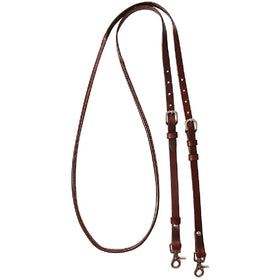
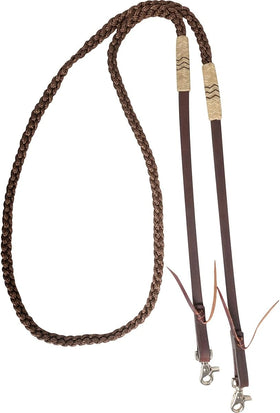
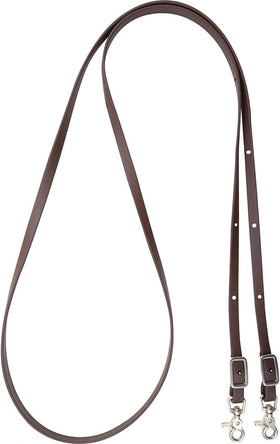
How Does Rein Design Affect Your Performance?
The reins you choose are more than just a piece of tack; they're your direct line of communication with your horse. The way they are designed—from their shape and material to their weight—has a huge impact on your performance, safety, and connection with your animal. A rein built for roping has different features than one made for barrel racing, and understanding these distinctions will help you and your horse work together seamlessly, whether you're in the box or heading for the first barrel.
Why Roping Reins Are One Continuous Loop
One of the most practical features of roping reins is their single, continuous loop design. This simple but brilliant feature means you can't accidentally drop one side. When you’re focused on tracking a calf, swinging your rope, and preparing to dally, the last thing you need is to lose a rein. The continuous loop allows you to easily make one-handed adjustments on the fly, ensuring you maintain control and connection with your horse throughout the entire run. This design provides the security and confidence needed to focus on the job at hand, making it an essential piece of horse tack for any roper.
Mastering One-Handed Riding and Neck Reining
Roping is all about multitasking, which is why riding one-handed and mastering the neck rein are non-negotiable skills. This is where the design of a roping rein truly shines. With one hand on the reins and the other managing your rope, you need to be able to guide your horse with subtle pressure against its neck. The smooth, continuous loop of a roping rein allows you to do just that, letting you easily adjust your hold or give slack without fumbling. This setup is a core piece of western tack because it supports the clear, quiet communication needed between you and your horse when the pressure is on, ensuring your focus stays on the cattle, not on managing your equipment.
The Purpose of Knots and Grips on Barrel Reins
Barrel reins are all about maintaining control at top speed. That’s why they often feature strategically placed knots, rubber grips, or a braided texture. As you’re flying toward a barrel, these design elements give your hands a secure anchor point, preventing them from slipping. This allows you to keep a firm, steady grip without having to clench your fists, which can create tension that travels down the reins to your horse. The knots also serve as helpful markers, so you can quickly find the right hand position for each turn without ever taking your eyes off your path. It’s a small detail that makes a massive difference in your confidence and precision.
Clearer Cues: How Reins Help You Talk to Your Horse
At its core, a rein is a tool for conversation. It’s the main way you send signals from your hands to the bit in your horse’s mouth. The design of your reins directly affects how clearly those signals are received. A rein that’s too stiff, too stretchy, or too slick can garble your cues, leaving your horse confused or frustrated. The ideal rein feels like a natural extension of your arm, allowing for subtle movements and clear communication. When your horse can easily understand your requests, you build a stronger, more responsive partnership, which is the foundation of any successful ride, no matter the discipline.
Finding the Right Balance Between Speed and Control
The weight of your reins plays a critical role in balancing speed with control, especially in events like barrel racing. Many riders prefer a slightly heavier rein because the horse can feel the signals more clearly. When you give your horse some slack on the straightaway, the weight of the rein is still present, so they can feel the instant you pick up contact to prepare for a turn. Lightweight reins can make it harder for your horse to feel subtle cues, which can lead to delayed responses. The right rein weight helps you provide clear, immediate feedback, allowing you to ride aggressively while maintaining the precision needed for tight, fast turns. Many of our best-selling products are chosen by riders for this exact reason.
What's the Best Rein Material for Your Discipline?
Choosing the right rein material goes far beyond color and style. The material directly impacts your grip, your communication with your horse, and even your safety in the saddle. Whether you’re drawn to the classic feel of leather or the vibrant durability of nylon, understanding how each material performs under pressure is key. The demands of a roping run are completely different from a barrel pattern, and your reins should reflect that.
Think about the conditions you ride in most often. Do you deal with a lot of rain or humidity? Are you willing to put in the time for leather care, or do you need a low-maintenance option you can grab and go? Answering these questions will help you find the perfect material for your needs. Let’s break down the most common options and see which one is the best fit for your event.
Why Ropers Often Prefer Leather
There’s a reason why so many ropers stick with leather reins. Leather offers a traditional, substantial feel that provides clear communication from your hands to the bit. This material is known for its durability and provides a reliable grip that many riders trust for precise cues during a run. Over time, a good quality leather rein will soften and conform to your hands, creating a comfortable, custom feel. While it requires some upkeep to stay in top shape, many ropers find the performance and longevity of well-cared-for leather to be worth the effort.
Why Barrel Racers Often Choose Cotton or Nylon
When you’re flying around the barrels, every ounce matters. Barrel racers often choose reins made from cotton, nylon, or other braided materials because they are lightweight and flexible. These materials won’t weigh you down and allow for the quick, fluid hand movements needed to guide your horse through a tight pattern. The braided texture of many cotton and nylon reins also provides an excellent grip, which is essential for maintaining control at high speeds. They come in a huge variety of colors and styles, letting you add a personal touch to your horse tack.
Which Material Is Built to Last?
High-intensity events like barrel racing put a lot of stress on your equipment. Reins made from paracord or nylon are incredibly popular because they are built to last. These synthetic materials are exceptionally strong and resistant to stretching, fraying, and breaking under pressure. Unlike natural fibers, they also stand up well against mildew and rot, making them a great low-maintenance choice for riders who compete frequently or live in humid climates. This durability means you can trust your reins to perform run after run, without worrying about unexpected equipment failure when it matters most.
How Weather Affects Your Grip
Don’t forget to consider the weather when choosing your reins. A rein that feels great on a dry day can become a liability in the rain. Smooth or flat nylon reins, for example, can become very slick when wet and may cause serious rope burn if you aren’t wearing gloves. Leather can also get slippery and may become stiff or damaged if it gets soaked and isn’t properly conditioned afterward. Braided cotton or reins with rubber grips often provide a more secure hold in wet conditions, helping you maintain confident contact with your horse no matter what the weather brings.
Roping Reins vs. Barrel Reins: A Quick Pros and Cons List
Choosing the right reins is a big decision that impacts your communication, control, and safety in the saddle. It’s not just about picking a color you like; the length, material, and design all play a critical role in how well you and your horse perform together. Let's break down the specific advantages and disadvantages of roping and barrel reins so you can feel confident you’re making the right choice for your discipline.
Roping Reins: The Pros and Cons
Roping reins are typically a single, continuous loop of leather, giving you a secure and uninterrupted grip. Their significant length is a major advantage in roping, as it allows your horse to lower its head and work the rope without restriction. However, that extra length can be a drawback, leaving you with a lot of rein to manage, which can feel cumbersome. A key safety consideration is that if you fall, the single loop design means you can't hold onto just one rein to control your horse. Some riders also find that roping reins can encourage a less-than-ideal riding position.
Barrel Reins: The Pros and Cons
Barrel reins are built for speed and precision. As a continuous loop, they can’t be dropped and tangled in your horse’s feet during a fast run—a huge safety plus. They are noticeably shorter than roping reins, making them much easier to handle and pass from hand to hand as you navigate tight turns around the barrels. Many barrel reins also feature knots or a rubber grip to ensure your hands don't slip when you need control the most. The only real downside is their specialization; their shorter length isn't ideal for trail riding or other disciplines where a longer rein is needed.
How to Match Your Reins to Your Riding Style
Ultimately, the best rein is the one designed for your specific activity. Even small details, like the presence of knots or the type of material, can make a world of difference in your performance and safety. While a simple, knot-free rein might work for both roping and barrels in a pinch, using gear designed for your event will always give you an edge. Think of it like wearing running shoes for a marathon instead of basketball sneakers. The right pair makes the job easier and safer. Investing in the correct horse tack for your discipline is one of the smartest choices you can make as a rider.
Are Single-Loop Reins Good for Beginners?
This is a great question, and the answer has a few layers. For many new riders, the biggest advantage of a single-loop rein is security. Because it’s one continuous piece, you physically can’t drop one side. This can be a huge confidence builder when you’re still getting the hang of things and trying to focus on your seat, posture, and balance all at once. The fear of a rein slipping through your fingers and dangling by your horse’s feet is real, and this design completely eliminates that worry, allowing you to concentrate on building a solid foundation in the saddle.
However, there are a couple of things to keep in mind. The extra length, especially on roping reins, can feel like a lot to handle if you’re not used to it. More importantly, some instructors feel that beginners should start with split reins to learn how to use their hands independently. Relying on a single loop from day one can sometimes lead to habits that are hard to break later on. The best approach is to talk with your trainer. They can help you choose the right piece of horse tack for your skill level and ensure you’re learning to use it correctly from the start.
Can You Use One Rein for Both Roping and Barrels?
It’s a question many multi-discipline riders ask: can you get away with using just one set of reins for both roping and barrel racing? While it might seem convenient to use the same gear, the answer isn't a simple yes or no. The design of each rein is tailored to the specific demands of the sport, and using the wrong one can affect your performance and, more importantly, your safety. Let's break down whether you can make the swap and what you need to consider before you do.
What Happens When You Use Roping Reins for Barrels?
If you have a quality pair of roping reins without knots, you can likely use them for a speed event like barrel racing. Roping reins are built for durability and control, often made from sturdy leather that can handle the pressure of both disciplines. They provide a solid, reliable feel in your hands. However, keep in mind that their length and style might not be ideal for the quick adjustments needed around the barrels. Also, if you plan on competing, know that some formal western shows have specific rules about equipment, and roping reins may not be permitted.
Can You Use Barrel Reins for Roping?
Barrel reins are designed with one thing in mind: speed. They are typically a continuous loop, which is a huge advantage because you can't drop them and risk your horse stepping on them mid-run. Many also feature knots or a rubber grip, helping you quickly find your hand placement for sharp, precise turns. These features can be surprisingly useful for some cattle work where quick, responsive maneuvers are key. The shorter length gives you direct contact and immediate feedback, which can be an asset when you need to react in a split second.
Safety First: Why Mismatched Gear is a Risk
Ultimately, safety should always be your top priority. Even small differences between reins—like material, length, or the presence of knots—can significantly impact how safe and effective they are for a specific event. Using gear that isn't suited for the task can create unnecessary risks for both you and your horse. Before every ride, make it a habit to thoroughly check your equipment, paying close attention to rein buckles and attachments. Investing in the right horse tack for each discipline isn't just about performance; it's about ensuring every ride is a safe one.
Debunking Common Myths About Swapping Reins
It’s easy to assume that one rein can do it all, especially when you’re trying to keep your tack room organized. But when it comes to timed events like roping and barrel racing, using the right equipment isn’t just about performance—it’s about safety for both you and your horse. Let's clear up some common confusion and talk about why sticking to event-specific reins is one of the smartest decisions you can make in the arena. Swapping reins might seem like a simple shortcut, but the design differences are there for very important reasons. Understanding these distinctions will help you ride with more confidence and control, no matter which event you're competing in.
Why Not All Reins Are Created Equal
At first glance, barrel reins and roping reins can look pretty similar. Many are a single, continuous loop and measure about eight feet long. This leads to the common myth that they’re basically interchangeable. However, the real differences are in the details, specifically the materials and the grip. Barrel reins often feature knots or a rubber grip to help you hold on during high-speed turns, while roping reins are typically smooth to allow for quick adjustments. These aren't just stylistic choices; they are functional features designed for the specific demands of each discipline. Thinking all horse tack is the same can lead to frustration and poor performance, and reins are a perfect example of why specialization matters.
How Event-Specific Designs Keep You Safe
The design of your reins is your direct line of communication with your horse, and in speed events, it’s also a critical piece of safety equipment. Barrel reins are made as a continuous loop so you can’t accidentally drop one, which could cause your horse to trip or get tangled at a full gallop. The knots give you a secure anchor point to hold onto when things get fast. On the other hand, roping reins are smooth for a reason. When you’re managing a rope, a cow, and your horse, you need to be able to slide your hand along the rein to give and take slack instantly. A knot could get in the way, preventing a quick release and creating a dangerous situation.
The Real Risks of Using the Wrong Reins
Using mismatched gear is a gamble you don’t want to take. Imagine trying to run barrels with a smooth pair of roping reins—one sharp turn and your hands could slip, leaving you with little control when you need it most. Or worse, if you use traditional split reins, dropping one could be catastrophic. Conversely, using a knotted barrel rein for roping can be just as hazardous. If you need to let out slack in a hurry, a knot can catch on your hand, disrupting your timing and putting you in a bind. The bottom line is that using the wrong reins compromises your grip, communication, and reaction time, increasing the risk of accidents for both you and your horse.
How to Choose the Perfect Reins for Your Ride
Picking the right reins is about more than just color or style; it’s about clear communication with your horse and your safety in the saddle. The perfect pair feels like a natural extension of your hands and is built for the job you’re asking it to do. Whether you’re chasing cans or cattle, thinking through your needs will help you find reins that you and your horse will love. Let’s walk through how to make the best choice for your specific discipline, needs, and budget.
First, What's Your Primary Riding Style?
First, be honest about how you spend most of your time riding. Are you focused on the speed and tight turns of barrel racing, or do you need the strength and length required for roping? While some people think barrel and roping reins are basically the same, their designs are tailored for very different tasks. Barrel reins are built for grip and control at high speeds, while roping reins offer the length and smooth feel needed for ranch work. Your primary discipline should be the biggest factor in your decision, as the right gear can make a huge difference in your performance and confidence. Thinking this through will help you narrow down your options and browse for the right kind of horse tack from the start.
What to Look For in a Quality Rein
Once you know your discipline, you can focus on the details. Roping reins are typically made of durable leather that slides smoothly through your hands. Barrel reins, on the other hand, are often made from cotton, nylon, or other braided materials that provide a secure grip. Many barrel reins are designed as a continuous loop so they can’t be dropped and stepped on during a run, and they often feature knots to help you hold on. A word of caution: if you opt for flat nylon reins, be sure to wear gloves, as they can cause nasty rope burns if they slip through your hands quickly. Look for sturdy hardware and clean, even stitching, which are both signs of a well-made product that will last.
How to Find the Best Reins for Your Budget
You don’t have to spend a fortune to get a great pair of reins, but it’s wise to invest in quality for safety’s sake. Prices can range from around $12 for a simple poly rope rein to over $65 for a premium leather one. The cost often comes down to the material and craftsmanship. A higher price tag on a leather rein, for example, usually reflects better quality hide and hardware that will stand up to years of use with proper care. There are excellent, durable options at every price point. Check out some best-selling products to see what other riders trust for a good balance of quality and value.
Frequently Asked Questions
I compete in both roping and barrel racing. Do I really need two different sets of reins? While you could make a single, knot-free rein work in a casual setting, it's a smart move to invest in a dedicated pair for each discipline. The designs are specialized for good reason. Roping demands a longer, smoother rein for quick slack adjustments, while barrel racing requires a shorter rein with a secure grip for high-speed turns. Using the right tool for the job will make you safer, more effective, and more confident in the arena.
Are knotted reins a must-have for barrel racing? Not necessarily, but they are incredibly popular for a reason. The knots provide excellent anchor points for your hands, helping you maintain a secure grip and find your hand placement without looking down. However, it really comes down to personal preference. Some riders prefer the feel of a braided rein or one with rubber grips instead. The most important thing is that you choose a rein that gives you a confident and secure hold when you're running at top speed.
How do I know what rein length is right for me? For most horse and rider combinations, a standard eight-foot continuous loop rein works well for both disciplines. The key is to have enough length to give your horse freedom of movement without having so much extra that it becomes difficult to manage. A roper needs enough slack to throw a loop, while a barrel racer needs direct contact without restricting the horse's stride. If you're unsure, try sitting on your horse with a friend's reins to see how different lengths feel in your hands.
My hands tend to get sweaty when I ride. What's the best rein material for a secure grip? If you struggle with sweaty hands, you'll probably want to stay away from smooth leather or flat nylon reins, as they can get quite slick. Instead, look for reins made from braided cotton, paracord, or those that have rubber grips woven in. These materials are designed to provide a more textured, secure hold, even when moisture is a factor. Wearing a good pair of riding gloves can also make a huge difference in your grip and control.
You mentioned leather reins require upkeep. What does that involve? Taking care of leather reins is pretty straightforward and well worth the effort. After each ride, it’s a good habit to wipe them down with a clean, damp cloth to remove sweat and dirt. Every so often, you’ll want to give them a proper cleaning with a quality leather cleaner, followed by a good conditioner. This process keeps the leather supple, prevents it from drying out and cracking, and ensures your reins will stay strong and reliable for years to come.
What to Expect: The Average Cost of Reins
When you start shopping, you'll find that rein prices can vary quite a bit. You can find a simple, functional poly rope rein for around $12, while a premium, handcrafted leather rein might cost over $65. The cost often comes down to the material and craftsmanship. A higher price tag on a leather rein, for example, usually reflects better quality hide and hardware that will stand up to years of use with proper care. While it’s tempting to go for the cheapest option, remember that your reins are a critical piece of safety equipment. It’s wise to invest in a well-made pair for peace of mind and a product that will last.
Considering Competition and Show Ring Rules
If you have plans to compete, there’s one more crucial step before you buy: check the rulebook. Different equestrian associations and even individual shows can have very specific rules about the type of equipment that is and isn’t allowed. For example, some formal western shows may not permit certain styles of roping reins in specific classes. The last thing you want is to invest in a new pair of reins only to find out they aren’t legal for your event. Taking a few minutes to confirm the regulations will ensure you purchase the right gear, helping you feel prepared and confident when you enter the arena.


