


A single impact to the lower leg during a workout can lead to painful splint bone injuries. This trauma often happens when a horse accidentally strikes one leg with the opposite hoof. Quality gear prevents these setbacks and keeps your horse safe.
Shop Hooves and Paws horse boots and leg protection to compare durable splint boots, sport boots, bell boots, and wraps. Orders include free continental U.S. shipping.
Splint boots for horses protect the lower cannon and splint bone area from knocks, brushing, and interference during riding, turnout, or training. Choose them by discipline, fit, material, closure security, and how much daily care they need.
Choosing the right protection requires knowing how these boots function and when they are truly necessary. We will look at Splint boots for horses: what they do and when to use them to help you choose the best gear for your horse. The path begins with
Splint boots for horses: what they do and when to use them
Splint boots for horses are a key piece of gear for riders in many sports. They work as a shield for the lower leg. These boots cover the cannon bone area to stop hits from the horse's own hooves. This is helpful during work like jumping or lunging. Using splint boots for horses keeps the legs safe from cuts or bone injuries.
Protecting the cannon bone
The main job of a splint boot is to guard the cannon bone and splint bones. While your horse moves, its hooves can strike the other leg. This is called interference. These boots act as a buffer to stop these hits from causing harm. Some boots have thick pads on the inside for extra safety. High-quality horse leg protection can stop minor bumps from becoming big injuries.
Most splint boots use tough materials like neoprene. This fabric is good because it takes in the force of a hit. It also stays in place well if it fits right. You can find options like Classic Equine splint boots that use airy materials. These help keep the leg cool while giving a strong layer of safety.
Support for the fetlock joint
Some boots do more than just stop hits. Support boots can help the horse's joints during hard work. Research shows that these boots can lower the stretch of the fetlock joint at a trot. This small change helps take some stress off the soft tissues. You can find more facts on this in National Library of Medicine studies. But keep in mind that boots are not a fix for poor training.
While boots help, they do not replace a good warm-up. You must still take the time to get your horse ready for work. Also, do not leave boots on for too long. Heat can build up under the boot, which might hurt the leg. It is best to take them off once you finish your ride. This lets the skin breathe and helps you check for any sores or heat.
When to use splint boots
You should use these boots during any task where your horse might hit its legs. This includes daily flat work, jumping, or fast turns. They are also a good choice for horses that are still learning to use their bodies. Using splint protective boots gives you peace of mind while you train. They are easy to put on with simple straps, making them a top pick for many barn tasks.
When should a horse wear splint boots?
Splint boots for horses are a key tool for many riders. These boots act as a shield if a horse hits one leg with the other. This strike often happens when a horse moves fast or works on rough ground. While they offer good safety, you must know when they help most and when to leave them off.
Training and active work
Most riders use splint boots during daily work like riding, lunging, and jumping. These tasks put stress on the cannon bone and soft tissue. A hard hit from a hoof can cause a painful bone injury. By using splint boots for horses, you create a wall that takes the shock of these hits.
Studies show that support boots can reduce extension in the fetlock joint at a trot. This small change may help lower stress on the horse's tendons during a workout. Whether you are on a trail or in a ring, these boots add a layer of safety for your horse.
Turnout and young horses
Young horses or those with big strides often hit their own legs. This means they strike their own legs as they move. In these cases, wearing boots during turnout can prevent cuts and sores. If your horse plays hard in the field, a set of Classic Equine splint boots can keep them safe from hits.
Some horses have a higher risk of injury due to how they are built. Horses with narrow chests are more likely to strike their own legs. For these animals, gear is a smart choice for any type of move. Common times to use them include:
- During turnout in a large field.
- When teaching a young horse to find its balance.
- When working on circles or sideways moves.
- During jumps where the horse might strike its legs.
Safety and health tips
While boots are great for safety, they should not stay on all day. Heat can build up under the boot. This heat might harm the tendons if left for too long. It is best to take them off once your work is done.
This allows the horse's legs to cool down and breathe. Also, do not use boots to hide a limp or poor leg health. A boot can protect a leg, but it cannot fix an injury that is already there.
Check your gear for signs of wear like loose thread or grit. Trapped dirt can lead to sores or skin rash. Always make sure the boots are snug but not so tight that they pinch. A good fit ensures your horse stays happy and sound while they work.
How to choose the best splint boots for your horse
Finding the right splint boots for horses starts with knowing how your horse moves. These boots serve as a shield to protect the cannon bone and the soft splint bones from a hit. When horses work, their legs can strike each other, which leads to marks or bone chips.
A good boot must stay in place without sliding or turning. It should give enough cover to keep the leg safe but still let the horse move with ease. Choosing the right fit and gear will keep your horse happy and safe in the arena or on the trail.
Pick the right materials and padding
Most riders choose boots based on the outer shell and the lining. Neoprene is a top pick for its strength and shock-absorbing power. Many brands use a neoprene lining because it feels soft against the skin and stops rubs.
If your horse tends to hit their legs hard, look for boots with a thick strike zone. This part is a hard plastic or leather patch that sits on the inner leg to take the force of a hit. You may also want to look at leather or fake leather for a classic look.
Leather options often offer good airflow and look great in the show ring. If your horse has soft skin, fleece or sheepskin liners can help. These soft parts stop skin sores by reducing friction during work.
Just keep in mind that fleece can trap dirt and sand. You must wash it after every ride to keep the skin healthy. Dirty liners can cause more rubs than they prevent if they are not kept clean.
At Hooves and Paws, we offer a handpicked set of the best horse boots and leg protection for every rider. Our family-owned shop has served the horse world since 1994, and we only stock gear that we trust for our own animals. Whether you need a simple boot for flatwork or a tough shield for jumps, we have what you need. Shop with us today to get expert help and fast same-day shipping on the brands you love.
Focus on heat and airflow
Keeping the horse's legs cool is a big part of choosing the right gear. Research shows that too much heat under a boot can hurt the tendons and soft tissue. When a horse works hard, their legs get hot fast.
If the heat stays trapped, it can lead to long-term harm. To fix this, look for boots made with tech that lets air move in and out. Options like Classic Equine splint boots use air-flow designs to keep legs cool.
These boots have tiny holes or mesh that pulls heat away from the skin. This keeps the horse more happy and helps prevent sweat from causing skin issues. A breathable boot is a smart choice for long trail rides or training times in hot weather.
Choose the best fit and closures
The way a boot stays on decides how well it stays in place during work. Hook-and-loop straps are the most common because they are easy to use and fit. When you put them on, make sure the straps are snug but not tight.
If they are too tight, they can block blood flow or pinch the tendons. You should be able to slide one finger between the boot and the horse's leg. Always check your gear for signs of wear and tear before every ride.
Look for loose threads or weak straps that might fail when you work. If the boot slides down, it can cause the horse to trip or get a rub. Proper splint protective boots should cover the area from just below the knee to the top of the fetlock.
This gives full cover to the cannon bone while letting the joint move. Studies show that using support boots can help reduce the stretch of the fetlock joint during a trot. This support can be helpful for horses in high-impact sports like jumping or barrel racing.
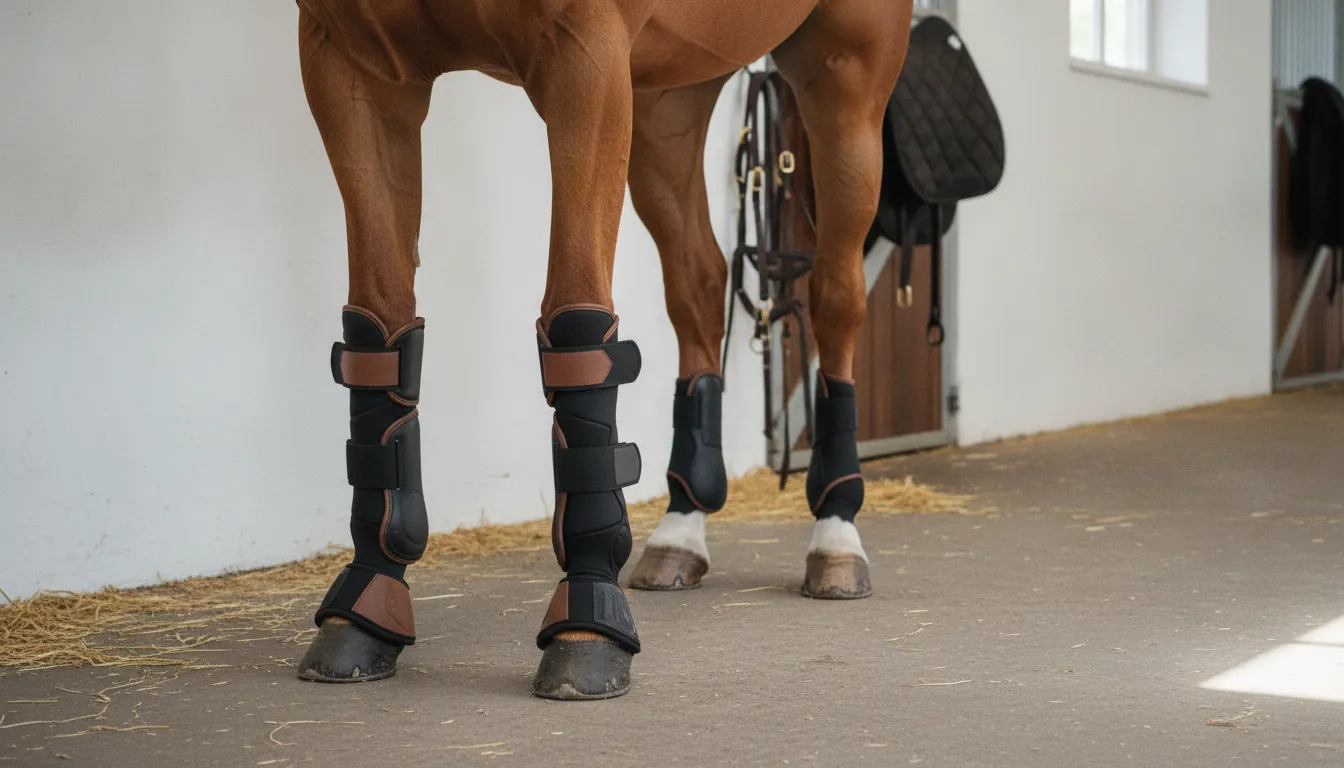
Splint boots vs tendon boots, bell boots, and wraps
Every horse needs the right gear to stay safe while working. Choosing between many types of leg gear can feel hard. You might wonder if splint boots for horses are better than wraps or tendon boots. Each tool serves its own goal.
Some guard against hard hits, while others help with how the leg moves. Knowing the difference helps you pick the best equine leg protection for your horse's day. Splint boots are a top pick for daily work.
Protection against hits
These boots guard the bone area against hits from the other leg. This is common when a horse moves too close or loses its way. These boots use a hard pad to soak up the shock of a blow. They are great for riding, jumping, or lunging.
Unlike wraps, they are quick to put on and take off. This makes them a top choice for many riders. Tendon boots serve a new role, mostly protecting the back of the leg. This area holds the thin parts that help with speed.
While splint boots cover the inner leg, tendon boots focus on the rear. Some tests show that boots can also reduce how much the joint stretches at a trot. This may lower the stress in the leg. But you should not use them to replace good care.
Compare types of leg gear
There are many ways to keep your horse's legs safe. You should match the gear to the job. For example, bell boots only cover the hoof and heel. They stop a horse from stepping on its own front shoes.
Wraps give a soft fit but do not stop hard hits like a boot does. It is also wise to watch out for heat. Boots that stay on too long can make the legs too hot, which is not good for the horse.
Check your horse's legs after work for any signs of heat or swelling. This ensures the gear fits well and stays safe to use. Good fit means the boot stays in place without pinching the skin.
| Gear Type | Best Use | Protection Area | Pros | Watch-outs |
|---|---|---|---|---|
| Splint Boots. | Daily riding. | Inner leg bone. | Quick to use. | Can trap dirt. |
| Tendon Boots. | Show jumping. | Back of the leg. | Open front style. | Not for turn out. |
| Bell Boots. | Turn out. | Hoof and heel. | Stops lost shoes. | Can cause rubs. |
| Polo Wraps. | Flat work. | Full lower leg. | Very soft fit. | No hit guard. |
| SMBs. | Hard work. | Full leg and joint. | Great support. | Can get very hot. |
Picking the best boot
Think about what your horse does most. A horse that hits its own legs needs the shield of a splint boot. A horse that jumps might need tendon boots to stay safe. If you want a boot that is easy to use, look for easy-fit splint boots.
They use simple straps that stay tight while you ride. Always check the fit to make sure the boot does not slide or pinch the skin. What the boot is made of also matters for comfort. Neoprene is a good choice because it lasts a long time and cleans well.
It helps soak up hits and keeps the leg safe. If your horse has thin skin, you can find boots with soft fleece. This stops the boot from rubbing and causing sores. Make sure the boot covers from just below the knee down to the top of the joint.
This gives the best cover without stopping the horse from moving well. Keeping your gear clean is the final step. Dirt and sand can get stuck under any boot. This can cause skin sores or even pain for your horse.
Wash your boots with mild soap and let them air dry after each use. Check for any signs of wear, like loose threads or weak straps. Good gear lasts a long time when you take care of it. With the right boots, you can ride with peace of mind knowing your horse is safe.
How should splint boots fit a horse?
Getting a perfect fit with your horse's gear is key to their safety and comfort. Properly fitted splint boots should sit snugly against the cannon bone without slipping or twisting during a ride. If a boot is too loose, it can slide down and cause friction sores. But a boot that is too tight may restrict blood flow or press on sensitive tendons. Your horse needs a fit that protects them from impact without causing new problems.
Check height and placement
The boot should cover the inner side of the cannon bone where strikes are most likely to happen. It should start just below the knee or hock and end right above the fetlock joint. This placement ensures the strike pad shields the most vulnerable areas. If the boot is too long, it may pinch the joint when your horse moves. If it is too short, it leaves the lower leg open to injury from the opposite hoof.
Test snugness and straps
Once the straps are closed, you should be able to slide one finger between the boot and the horse's leg. This space allows for movement while keeping the gear in place. Always pull the straps toward the back of the horse to avoid putting pressure on the front of the leg. Research shows that well-fitted boots can help reduce fetlock extension by a small amount during exercise, which helps protect the soft tissues in the leg.
- Clean your horse's legs to remove all dirt and hair that could cause rubs or sores.
- Place the boot on the inner side of the leg with the strike pad facing the opposite leg.
- Slide the boot down the leg until it rests comfortably just above the fetlock joint.
- Fasten the middle strap first to set the position, then secure the top and bottom straps.
- Ensure all straps point toward the tail and are pulled with even tension for a balanced fit.
- Slide your finger under the top and bottom edges to check that the boot is not too tight.
- Walk your horse for a few minutes and recheck the straps to make sure nothing has moved.
Watch for warning signs
After your ride, take the boots off and look for signs of heat or swelling. These signs can mean the boots were too tight or trapped too much heat. You should also check for rub marks or hair that looks ruffled. These signs show where the boot was sliding or pressing too hard. Keeping your easy-fit splint boots clean will also help prevent skin issues caused by trapped sweat and grit.
Common splint boot mistakes to avoid
Using splint boots for horses is a great way to keep your horse safe from leg hits. But small errors in fit or care can lead to skin sores or joint stress. If you avoid these common traps, you can help your horse stay comfy and sound.Fitting errors and tight straps
Many riders think tighter is better when they put on new gear. This is a big mistake. While boots must be snug, straps that are too tight can press on the tendons and nerves in the lower leg. This pressure can cause pain or even long-term harm. On the other hand, boots that are too loose will slide down and cause friction. You should always aim for a fit that stays in place without pinching. A good rule is to make sure you can slide one finger under the boot. This check ensures the boot is not too tight. Also, make sure the closures face the outside of the leg. This prevents the horse from catching a strap with the other hoof.Heat build-up and skin care
Another frequent error is keeping boots on after a ride. It is vital to remove splint boots once your work is done. Leaving them on too long can lead to heat build-up. Research shows that high heat under leg boots may hurt the tendons. Taking the boots off right away lets the skin breathe and helps the leg cool down. Check your horse's legs for heat or swelling every time you take the boots off. If you see signs of skin soreness, your boots may be dirty. Dirt and sand trapped inside can act like sandpaper on the horse's skin. You should clean your gear often with mild soap to keep the lining soft and safe. Small rubs can quickly turn into big problems if you do not act. If you see hair loss or red skin, stop using the boots right away. This often means the fit is wrong or the boot is too old. Changing worn-out boots is a key part of horse care. New horse leg protection will have fresh straps that stay secure and safe.How to choose the right boots
It is tempting to pick boots based on pretty colors or patterns. But function should always come first. Some horses hit their legs harder and need a thick strike pad for safety. Buying a boot that does not match your horse's needs can lead to poor safety. Others have tender skin and need a soft fleece lining to stay comfy. You should look for gear that fits your exact horse and task. A good match will last longer and keep your horse much happier during work. Pro help can guide you to the right choice for your horse's build. Before you buy your next pair, use this quick checklist:- Measure your horse's leg to get the right size and length.
- Look for airy parts like neoprene or air-mesh.
- Pick a boot with a strong strike pad if your horse tends to hit their legs.
- Check that the boot covers from below the knee to just above the fetlock.
- Choose a style that is easy to wash and keep clean.
Frequently Asked Questions
Are splint boots and brushing boots the same thing?
Yes, these two names refer to the same type of protective leg gear that riders use for daily work. Both terms describe boots that shield the inner cannon bone and splint bone from accidental hits. They are designed to prevent injuries caused when one leg strikes the other while your horse is moving. Whether you call them splint or brushing boots, they offer easy use and trusted protection for your horse's daily riding tasks.
Can I leave splint boots on my horse for turnout?
You should only use these boots for turnout if the maker says they are safe for field use. Most boots can trap heat and sweat against the skin, which may lead to painful sores or rubs. Per Hooves and Paws, you must avoid leaving them on for a long time when the horse is not working. This lets the skin breathe and helps prevent heat from building up in the leg during a long day.
Do splint boots provide actual support for horse legs?
Yes, research shows that support boots can help reduce the stretching of the fetlock joint during a trot. A study from PubMed found that these boots reduced joint extension at a trot by about 1.44 degrees. This small change may help lower the strain on the horse's tendons while they are working hard. However, they are mainly a tool for safety from hits rather than a cure for weak or injured legs.
Do splint boots help prevent splint bone injuries?
Yes, these boots act as a tough wall that protects the lower leg from hits during your daily training. They mainly guard the splint bones from hits caused by the opposite hoof as the horse moves. According to the Hooves and Paws guide, they are a great way to prevent bone chips or swelling. Regular use during rides ensures that your horse stays safe from strikes and accidental hits in the ring.
Choose the Right Splint Boots for Your Horse
The best splint boots are the ones that fit your horse cleanly, match the work you do, and are simple enough to inspect after every ride. Hooves and Paws curates horse leg protection for everyday riders, competitors, and barn managers who want practical gear from trusted brands.
Shop horse boots and leg protection at Hooves and Paws to compare splint boots, sport boots, bell boots, and wraps for your horse.


