


Hot-weather riding turns helmet comfort into a practical safety consideration. When the sun is high and the work is physical, trapped heat and sweat can make it harder to stay focused, comfortable, and secure in the saddle. Ventilation cannot replace proper fit or certified impact protection, but it can make long rides more manageable.
Shop ventilated western riding helmets today to compare certified, breathable designs built for hot-weather comfort.
A western riding helmet with ventilation should combine a recognized safety standard, a stable fit, and thoughtfully placed vents or internal air channels that help release heat during activity. Research on riding and protective helmets links ventilation with thermal comfort and reduced heat strain, especially in hot conditions. Start by evaluating airflow as part of the helmet's overall design, not as a substitute for coverage or certification.
The right choice depends on how air moves through the helmet, how securely it stays in place, and whether its western profile suits your riding. Understanding why ventilation matters makes those details easier to compare.
Why Ventilation Matters in a Western Riding Helmet
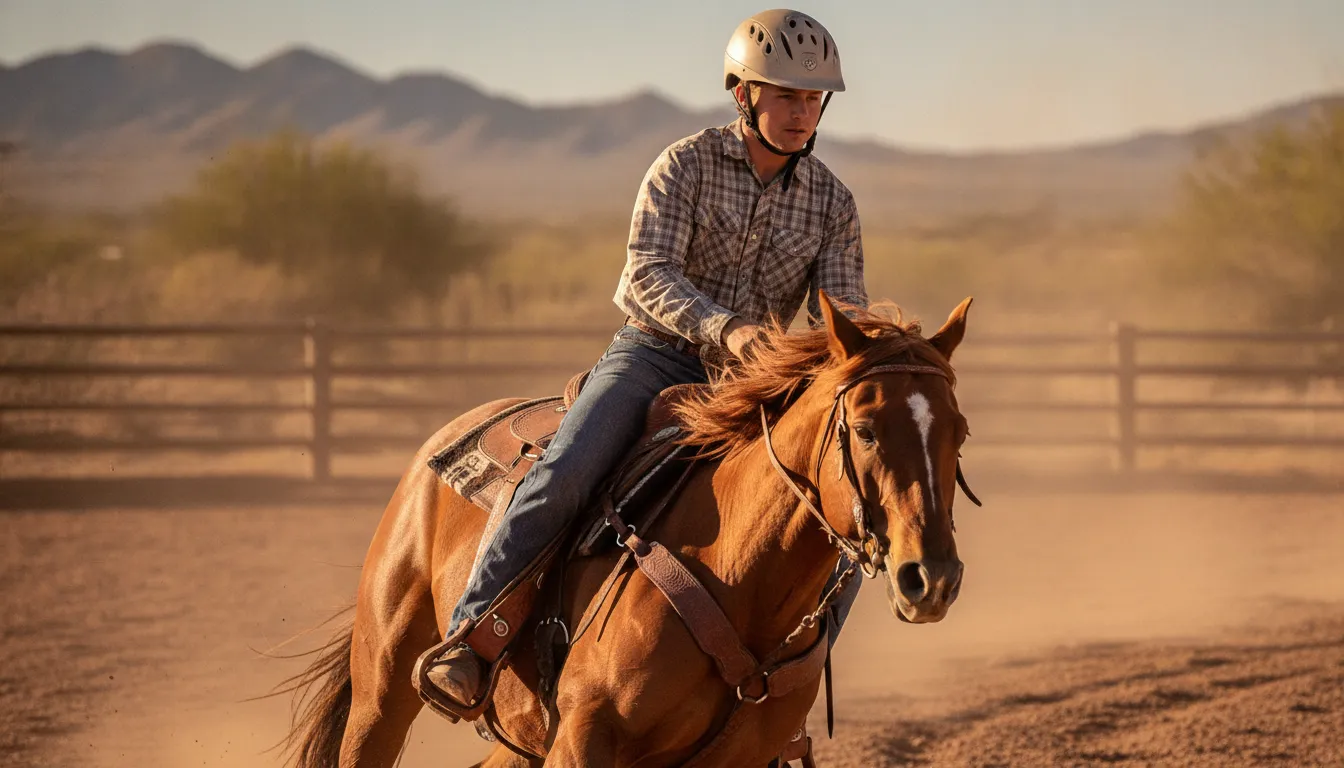
Western riding often means long hours outdoors, exposed to direct sun, reflective heat, and limited shade. Whether you are working cattle, riding trails, or schooling in a hot arena, the temperature inside your helmet can affect more than comfort. As your body works harder to regulate heat, a well-vented helmet can help you stay focused on your horse, your surroundings, and the next decision in the saddle.
Helmet ventilation supports thermal comfort by helping heat escape and allowing sweat to evaporate during physical activity. A biomedical review of helmet design identifies ventilation as an important part of managing heat and evaporation, rather than treating airflow as a purely cosmetic feature. Read the research on helmet ventilation and thermal comfort.
A ventilated western riding helmet can improve thermal comfort by promoting airflow, heat loss, and sweat evaporation. It should complement, not replace, proper fit and recognized safety certification.
Heat management helps you ride with greater awareness
Heat buildup can become distracting. Sweat may run into your eyes, damp hair can make the liner feel uncomfortable, and a hot pressure point may tempt you to adjust the helmet while riding. Those small distractions matter when you are navigating uneven ground, handling livestock, or responding to a horse's movement. Vent placement and internal air channels cannot remove the heat of the day. But they can help move warm air away from the head and make extended wear more manageable.
This is particularly relevant for Western riders who spend substantial time in open terrain. A helmet that feels cooler is more likely to remain comfortable throughout the ride, which supports consistent use. Comfort is not a substitute for protection, but it is an important part of choosing equipment you will wear correctly every time.
What hot-weather research says about ventilated helmets
Research focused on horseback mustering found that wearing protective headgear can contribute to thermal strain during hot-weather work, while improved ventilation can help reduce that burden. The Meat and Livestock Australia report on thermal strain during horseback mustering is a useful reminder that helmet airflow deserves attention in demanding Western settings.
Look for vents that appear purposeful rather than decorative. Front openings can help bring air into the helmet, while rear openings can encourage warm air to leave. The overall effect depends on the helmet's shape, liner, fit, and your riding speed, so more openings do not automatically mean better performance. A properly fitted western riding helmet with ventilation should feel stable without creating unnecessary pressure, allowing airflow to support comfort while the helmet stays securely positioned.
What Safety Certifications Should a Ventilated Western Helmet Meet?
A riding helmet is essential safety equipment, not simply a stylish accessory. The United States Equestrian Federation explains that choosing the right helmet for your discipline is an important part of maximizing protection. Whether you ride in an arena, on the trail, or at a competition. Read the USEF helmet fitting and safety guidance for a closer look at the fundamentals.
Which certifications should you look for?
The three primary international equestrian helmet standards are ASTM, PAS015, and VG1. These standards indicate that a helmet has passed defined testing requirements. A helmet that meets more than one standard has been tested against a wider range of accident scenarios, according to the USEF's equestrian helmet fitting and safety resource. That broader certification coverage can be a useful consideration when comparing helmets for different riding environments.
For riders shopping in the United States, pay close attention to ASTM F1163 certification and the SEI mark. SEI certification indicates that an eligible product has been evaluated under the applicable standard and is part of the safety information commonly highlighted in riding helmet buying guides. Look for the certification information on the product details, packaging, or the label inside the helmet. If you cannot find clear information, contact the retailer or manufacturer before purchasing.
Does certification limit ventilation?
No. Certification describes how the helmet performs in required safety tests. It does not mean the design must be closed off or uncomfortable. A well-designed western riding helmet with ventilation can use front, rear. Or side vents and internal air channels to encourage airflow while retaining the coverage and construction required by its certification. The practical goal is not to maximize the number of openings. It is to create useful air movement without compromising the helmet's intended protective structure.
Ventilation matters because riding in warm weather can make a helmet feel hot and damp, especially during longer schooling sessions, trail rides, or active work around the barn. Research on riding helmets identifies ventilation as an important factor in thermal comfort because airflow supports heat loss and evaporation during physical activity. That comfort benefit should complement, not replace, the safety basics: recognized certification, secure harness adjustment, and a snug, stable fit.
How should you evaluate the label and the fit?
Certification is only meaningful when the helmet fits correctly and is worn as designed. The helmet should sit level, feel snug without creating painful pressure points, and remain stable when you move your head. The chin strap should be adjusted according to the manufacturer's instructions. A helmet that shifts, rocks backward. Or leaves excessive space around the head may not provide its intended protection during a fall, even if the label lists multiple standards.
Review the certification details and fit together, then assess the ventilation layout. Choose a design that feels appropriate for your climate, riding schedule, and discipline. A certified helmet that you can wear comfortably and securely is a stronger safety choice than a fashionable option that lacks clear standards or does not stay in place.
Shop This Post

Featured in this article
Troxel Dakota Western Riding Helmet - Matte Duratec, ASTM/SEI Certified, SureFit Pro - Multiple Sizes
$104.99
Shop Now →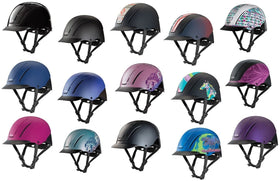
How a Western Riding Helmet With Ventilation Manages Airflow
A well-designed western riding helmet with ventilation does more than add openings to the shell. It creates a controlled path for air to enter, move across the head, and carry heat and moisture away as you ride. That matters during schooling, trail rides, ranch work, and any session where sun, exertion, and a full-coverage helmet can make your head feel uncomfortably warm.
Look for vents placed at the front, sides, or crown rather than assuming that a higher vent count automatically means better airflow. Front openings can admit cooler air, while rear or upper vents help warm air escape. Internal channels connect these openings, allowing air to move over the scalp instead of stopping at the outer shell. The result should be steady circulation without compromising the helmet's protective structure.
Effective ventilation uses positioned vents, internal air channels, and a breathable liner to move heat and moisture away from the rider's head. Ventilation supports thermal comfort, but it does not replace certification, correct fit, or impact protection.
Ventilation is closely tied to thermal comfort because airflow supports heat loss and evaporation during physical activity, according to research published in Extreme Physiology & Medicine. Research on horseback mustering has also examined the thermal strain associated with wearing protective helmets in hot conditions, as reported by the Meat & Livestock Australia.
How the liner helps manage heat and moisture
The liner is the part that sits closest to your head, so its material and construction affect comfort as much as the shell vents do. Moisture-wicking and breathable liner materials can help move sweat away from the skin, while removable liners are easier to clean after hot rides. A liner should feel secure without creating pressure points that make you want to loosen the fit. If it shifts, bunches, or blocks the internal channels, the helmet may feel hot even when the shell has generous ventilation.
Modern western designs are also adding features that were once more commonly associated with English-style helmets. Troxel's Terrain helmet, for example, places Mips multi-directional impact protection alongside contemporary ventilation and western riding applications, as described by the manufacturer at Troxel Helmets. Mips is an impact-management feature, not a substitute for airflow, but its inclusion shows that western styling and newer protective technologies can coexist.
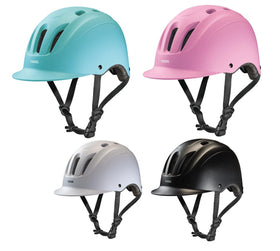
For a low-profile option that combines western styling with ASTM/SEI safety positioning, review this vented western riding helmet. Always confirm the listed certification, adjust the fit carefully, and treat ventilation as one part of a complete helmet decision.
Finding the Right Fit and Ventilation Balance
A ventilated western helmet should feel secure before you evaluate its airflow. More vents cannot compensate for a loose shell, an unstable harness, or coverage that does not suit your riding. Use this fitting sequence when trying on a helmet, and repeat it with your hair arranged as you normally wear it under the helmet.
Quick Summary: Fit is as important as certification. A properly fitted helmet should sit level, feel snug without painful pressure, remain stable when you move, and provide the coverage required for your approved riding use. Ventilation is valuable only when it works within that safety fit.
- Measure your head before choosing a size. Use a soft measuring tape around the widest part of your head, usually about one inch above the eyebrows and around the back of the skull. Compare that measurement with the manufacturer's size chart rather than relying on a familiar hat size. If you are between sizes, follow the brand's adjustment guidance. Measure with the hairstyle and low-profile hair covering you actually plan to wear, but avoid thick, uneven layers that can create pressure points or a false fit.
- Set the helmet level and check for even snugness. The front should sit low enough to protect the forehead while remaining level, not tipped backward. The shell and liner should contact the head evenly without a gap that allows the helmet to shift. Snug does not mean painful. After wearing it for several minutes, check for sharp pressure at the temples, forehead, or back of the head. Those points indicate a shape mismatch or incorrect size, not a problem to solve by loosening the fit excessively.
- Verify the harness and retention system. Fasten the chin strap and adjust the side junctions so the harness holds the helmet securely without cutting into the skin. Open your mouth widely, move your head from side to side, and gently push the helmet at the front and back. It should remain stable rather than rocking independently of your head. The chin strap should stay comfortably beneath the jaw, and you should be able to speak and breathe normally. If the helmet moves significantly, stop and readjust before assessing ventilation.
- Balance airflow with complete coverage. Wear the helmet for a few minutes in a riding position and notice whether vents direct air through the shell or merely create openings at the surface. Look for internal channels, breathable liner materials, and vents placed where they can help release heat. Keep the full protective shell and brim coverage appropriate for the model and discipline. A low-profile Western design can still meet ASTM/SEI requirements, as demonstrated by models such as the Troxel Cheyenne. But the specific helmet must be evaluated by its own labeling and fit, not by appearance alone.
- Assess the approved uses before you buy. Read the product label, certification information, and manufacturer instructions. Confirm that the helmet is intended for your riding activities. Then check that the fit remains secure when you look down, mount, dismount, and ride in your normal position. The United States Equestrian Federation notes that a poorly fitted helmet may not provide its intended protection during a fall. Fit is therefore as important as certification: review its helmet fitting and safety guidance. Replace the model in consideration if it cannot provide both comfortable airflow and dependable retention.
When a helmet passes these checks, ventilation becomes a practical comfort feature rather than a tradeoff against security. Try it with the clothing and riding conditions you expect, and choose the model that stays stable without creating distracting heat or pressure.
What to Look for in a Ventilated Western Helmet
A good helmet should make it easier to ride with confidence, not force you to choose between western styling and practical performance. As you compare a western riding helmet with ventilation, look beyond the number of openings on the shell. Certification, airflow design, liner materials, impact technology, and the helmet's overall profile all affect how useful it will be in the saddle.
Quick Summary
Prioritize a helmet that has the appropriate certification, fits securely, moves air through purposeful channels, and uses comfort features you will appreciate during longer rides. Ventilation should support safety and fit, not replace them.
1. Certification comes first
Start by checking the product specifications and the certification label, rather than treating ventilation as the primary safety feature. ASTM, PAS015, and VG1 are widely recognized equestrian helmet standards. A helmet that meets multiple standards has been tested against a wider range of accident scenarios, according to the United States Equestrian Federation's helmet safety guidance.
Confirm that the specific model and size you are considering carry the stated certification. Do not assume that every helmet from one brand has the same approval. Vent openings can improve comfort, but they do not make an uncertified helmet suitable for riding.
2. Evaluate vent placement, not just vent count
More vents do not automatically mean better airflow. Look for openings placed where they can draw warm air away from the head and allow fresh air to move through the helmet. Internal channels are useful because they help connect front and rear openings instead of leaving each vent to function as an isolated hole.
Consider how the helmet will perform in your actual riding environment. A heavily vented design may feel welcome for summer arena work or trail rides. While riders in cold, windy conditions may prefer adjustable coverage or a liner that provides more warmth. Ventilation should be balanced with coverage, sun protection, and the secure fit required for your discipline.
3. Check the liner and impact features
A moisture-wicking liner can help manage sweat against the scalp and make a ventilated helmet more comfortable over a longer ride. Removable or replaceable padding is also worth considering because it makes routine cleaning easier and lets you maintain a consistent fit as the liner wears.
MIPS technology is another feature now appearing in western-style helmet designs. The western category is expanding beyond traditional styling to include technologies such as ventilation and MIPS, which were previously more associated with English disciplines. MIPS is an additional design feature, not a substitute for certification, correct sizing, or careful fitting. Review the manufacturer's specifications for the exact model before treating it as included.
| Feature | Potential benefit | What to consider |
|---|---|---|
| ASTM/SEI certification | Shows the helmet has passed a recognized safety testing program. | Verify the certification for the exact model and size. |
| Front and rear vents | Can support airflow across the helmet during active riding. | Look for purposeful placement and connected internal channels. |
| Moisture-wicking liner | Helps manage perspiration and improve ride comfort. | Check whether the liner is removable, washable, or replaceable. |
| MIPS technology | Adds an impact-management feature to some newer western designs. | Confirm it is included in the specific model, not just the product line. |
| Low-profile western brim | Provides a western-inspired appearance without giving up modern helmet construction. | Make sure the profile still offers comfortable coverage and a stable fit. |
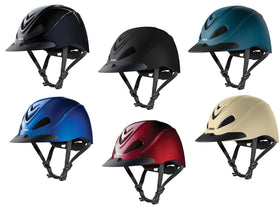
For a concrete example, the Troxel Cheyenne low-profile western helmet shows how western styling can be paired with ASTM/SEI safety positioning. Compare its specifications with your riding conditions, then use the manufacturer's sizing guidance to choose the right fit. You can also browse vented western riding helmets to compare available designs.
Western vs. English Riding Helmets: Key Differences
Western and English helmets are built around different riding traditions, but the line between their technology is becoming less distinct. The best choice depends on your discipline, the conditions you ride in, and the features that help you stay comfortable without compromising certified protection.
Western helmets often prioritize brim and low-profile style
A Western-style helmet commonly has a low-profile shape that blends naturally with Western tack and apparel. Some designs also include a brim, which can provide practical shade during long rides in direct sun. That profile does not automatically mean giving up modern safety features. For example, the Troxel Cheyenne is designed to deliver a low-profile Western appearance while meeting ASTM/SEI safety requirements. Review the product's current certification details before purchasing, since standards and product specifications can change.
Vent placement may also look different from what you see on a traditional English helmet. Western designs can use discreet openings or integrated airflow paths so the helmet maintains its intended silhouette. When comparing models, look beyond the number of vents. Placement, internal channels, and the liner design all influence how effectively air can move around your head.
English helmets use a more conventional streamlined profile
English riding helmets generally have a sleeker, more conventional equestrian profile. Their vent patterns are often easy to recognize, with openings arranged across the front, sides, or rear to support airflow. That styling is closely associated with English disciplines, but ventilation itself is not exclusive to English helmets. Both categories can offer breathable construction, and both should be evaluated for certification, fit, coverage, and the riding environment.
The practical difference is often the balance of appearance and use. A rider competing in hunter, dressage, or jumping may prefer the understated lines of an English helmet. A trail, ranch, or Western rider may prefer a brim and low-profile finish. Neither style should be selected on appearance alone. A helmet must fit securely and be appropriate for the way you ride.
Western helmets may offer a brim and low-profile styling, while English helmets typically use a sleeker profile and familiar vent patterns. Technology is crossing between categories, so compare the actual certification, fit, ventilation design, and discipline suitability of each model.
Technology is crossing between the two categories
Features once associated mainly with English helmets are appearing more often in Western designs. Troxel's Western helmet range, for instance, includes models featuring ventilation and Mips technology. Mips is designed to help manage certain multidirectional forces in an impact, but it does not replace proper fit or the helmet's required safety certification. See the manufacturer's current information at Troxel for model-specific details.
If you ride in heat, a western riding helmet with ventilation can be a sensible choice when its airflow features match your conditions. Focus on how the vents and liner work together, then confirm the helmet fits correctly and carries the appropriate certification for your needs. Style should help you feel at home in the saddle, but comfort and protection should make the final decision.
How Should You Care for and Replace Your Ventilated Helmet?
A western riding helmet with ventilation can stay more comfortable in warm conditions, but its protective materials still need thoughtful care. Treat the helmet as safety equipment, not a fashion accessory, and inspect it regularly for damage, loose components, or changes in fit.
Keep vents and the liner clean, store the helmet away from extreme heat, and replace it immediately after a significant impact or drop. Even without a known impact, follow the replacement interval specified by the manufacturer, commonly three to five years.
Keep vents and the liner clear
Dust, hair, arena footing, and dried sweat can collect around exterior vents and restrict the airflow the helmet was designed to provide. After riding, use a soft, dry brush or cloth to remove loose debris. If the manufacturer permits mild soap and water, clean the shell and vent openings gently, then allow everything to air-dry completely before storage. Do not push sharp objects into the vents, since they can damage internal channels or protective components.
The liner and harness deserve the same attention. Follow the care instructions for removable pads, and avoid harsh cleaners, solvents, bleach, or unapproved adhesives. Check that the liner remains secure and that the chin strap, buckles, stitching, and adjustment points are intact. A liner that is compressed, torn, or no longer holds the helmet securely may affect fit and should be replaced with the manufacturer's approved part.
Protect the helmet between rides
Extreme heat can damage or weaken helmet materials over time. Do not leave it in a hot vehicle, direct sun, tack-room heater, or other high-temperature location. Store it in a cool, dry place where the shell will not be crushed by saddles, bins, or other equipment. Keep it away from chemicals and petroleum-based products, including cleaners, sprays, and insect repellents, unless the manufacturer specifically approves them.
Know when replacement is necessary
Replace the helmet after any significant impact, even when there are no visible cracks or dents. The energy-absorbing material may be compromised inside the shell after a fall or collision. Replace it after a substantial drop as well, particularly if it landed on a hard surface. If you are unsure whether an incident qualifies, contact the manufacturer rather than continuing to ride in the helmet.
For helmets without a known impact, manufacturers commonly recommend replacement every three to five years. The exact interval varies by brand, use, storage conditions, and care, so check the current instructions for your model. A helmet's safety purpose comes first, even when the exterior still looks clean and stylish. The USEF likewise describes riding helmets as crucial safety equipment, not merely part of an equestrian outfit: review its helmet fitting and safety guidance when evaluating an older helmet.
Shop ventilated western riding helmets today and compare breathable, certified designs that keep you comfortable through hot rides.
Frequently Asked Questions
Which western riding helmet has the best ventilation?
The best ventilated helmet is one that combines well-placed vents and internal airflow with a secure, certified fit. Ventilation helps release heat and support evaporation during activity, improving thermal comfort. Compare vent placement, liner design, and coverage rather than counting vents alone.
What is the best helmet for western riding?
The best choice is a helmet that fits your head securely, suits your riding conditions, and carries recognized equestrian safety certifications. ASTM, PAS015, and VG1 are key standards to look for, and a helmet meeting multiple standards is tested against a wider range of accident scenarios, according to USEF guidance.
Why do some western riders not wear helmets?
Some riders prioritize traditional appearance or may underestimate the risk of a fall, but a riding helmet is safety equipment, not merely an accessory. Modern western-style designs can provide a low-profile look while meeting rigorous standards, so style does not have to be the deciding reason to go without protection.
Is there a difference between English and western riding helmets?
Yes. Western helmets often emphasize a low-profile silhouette and may include styling that complements western tack and apparel, while English helmets commonly use a different profile and brim treatment. The categories increasingly share technical features, including ventilation and MIPS technology.
What are the benefits of a ventilated riding helmet?
A ventilated helmet can improve comfort by helping heat escape during active riding, especially in warm conditions. Research identifies helmet ventilation as an important factor in thermal comfort, while field research has examined thermal strain associated with protective helmets during horseback mustering.
Ready to Shop for Better Riding Comfort?
Choosing a helmet with thoughtful ventilation can make long rides more comfortable while keeping safety, fit, and western style in view. Browse our curated selection to compare options and find the features that suit your riding routine. Shop ventilated western riding helmets with free continental US shipping, a 365-day satisfaction guarantee, and same-day shipping on orders placed before 2 PM PST.


