


Every piece of tack you use is part of the conversation you have with your horse. The goal is always to make that conversation as clear, gentle, and effective as possible. Spurs, when understood and used correctly, can add a layer of finesse to your communication. They aren’t about force; they’re about precision. Choosing the right pair is a thoughtful process that honors the partnership you have with your horse. We’ll guide you through selecting a set of western spurs with straps that feels like a natural extension of your aids, helping you build a stronger connection every time you ride.
Key Takeaways
- Spurs enhance communication, not force: Use spurs to refine your leg aids and give subtle, precise cues. They are a tool for a quieter conversation with your horse, not for creating speed or delivering punishment.
- Choose a style that matches your needs: The right spur depends on your riding discipline, your experience, and your horse's sensitivity. Pay close attention to the shank length and rowel type to find a combination that is both effective and gentle.
- A secure fit is essential for clear signals: Position your spurs correctly on your boot's heel ledge and use quality straps to prevent them from slipping. When applying a cue, use a light touch by turning your heel inward.
What Are Western Spurs and Why Use Them?
If you’re new to Western riding, spurs can seem a bit intimidating. It’s a common myth that they’re used to kick a horse into going faster, but that couldn’t be further from the truth. For an experienced rider, spurs are a sophisticated tool for refining communication. Think of them as an extension of your leg, allowing you to give quieter, more precise cues to your horse. Instead of applying broad pressure with your entire calf, a light touch from a spur can ask for a specific movement, like a side pass or a sharper turn.
Using spurs requires a steady leg and an independent seat, which is why they’re not recommended for beginners. An unsteady leg can lead to accidental jabs, confusing your horse and undoing your hard work. But once you have that solid foundation, spurs can help you take your horsemanship to the next level. They allow for a lighter touch and a more nuanced conversation with your horse. To use them effectively, it’s important to understand their basic parts and why pairing them with the right accessories, like quality straps, is so important for clear communication and a happy horse.
A Tool for Communication, Not Punishment
Let's clear the air: spurs are not for punishment. In the right hands, they are a tool for clear and subtle communication. When a rider has developed good leg control, spurs allow them to use a whisper instead of a shout. A rider can apply a very specific, gentle cue to a precise spot on the horse’s side, which is much more refined than using the entire leg. This helps the horse better understand what’s being asked of them.
This level of precision is especially useful in disciplines that require detailed maneuvers, like reining or cutting. The goal is always to use the lightest cue possible to get the desired response. Using spurs correctly is a sign of advanced horsemanship, showing that a rider can communicate with finesse rather than force. They are just one piece of the puzzle when it comes to effective horse tack and good riding.
The Parts of a Western Spur: Band, Shank, and Rowel
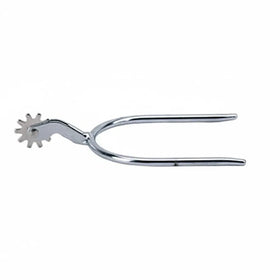
To understand how spurs work, you need to know their three main parts. First is the band, which is the U-shaped piece that wraps around the heel of your riding boot. It’s what holds the spur in place. Extending from the back of the band is the shank. Shanks come in different lengths and shapes, and the length determines how far a rider has to turn their heel to make contact with the horse. A longer shank requires less movement.
At the end of the shank is the rowel, the small, spinning wheel that touches the horse. Rowels come in many styles, from simple, blunt-edged discs to wheels with multiple points. The design of the rowel influences the type of pressure the horse feels. A rowel with many small, dull points distributes pressure more gently than one with fewer, more defined points. Understanding how these parts work together is the first step to choosing the right Western spurs for you and your horse.
Why Quality Spur Straps Matter
A great pair of spurs is only as good as the straps holding them on your boots. Spur straps might seem like a minor detail, but they play a huge role in how your spurs function. Their job is to keep the spur securely in the correct position on your heel. If a strap is loose or made from cheap material that stretches or breaks, the spur can slip down or shift around. This makes your cues inconsistent and can frustrate both you and your horse.
Investing in high-quality spur straps made from durable leather with sturdy buckles is essential. Good straps ensure your spurs stay exactly where they should be, so every cue you give is intentional and clear. Avoid straps with flimsy buckles that won’t hold or cheap leather that can easily fall apart. A secure fit means you can focus on your riding, confident that your equipment is working with you, not against you.
Shop This Post

Featured in this article
Weaver Leather Women's 21st Century Stainless Steel Spurs - 1" Shank, 3/4" Band
$56.99
Shop Now →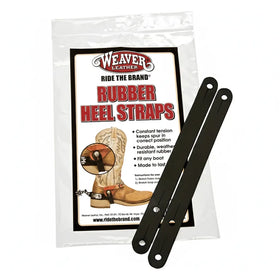

Your Guide to Spur and Strap Styles
Spur Types for Different Riding Disciplines
Western spurs are essential riding accessories, but they aren't a one-size-fits-all tool. The right style depends heavily on your riding discipline. For example, a reining rider might use a spur with a longer, more angled shank to give subtle, precise cues with minimal leg movement. A trail rider, on the other hand, might prefer a shorter shank and a very mild rowel for occasional guidance. Barrel racers often look for a spur that provides a quick, clear signal. Understanding how different styles function will help you choose a pair that enhances communication with your horse, making it a key piece of your overall horse tack.
Choose the Right Shank and Rowel
The shank and rowel are the working parts of the spur, and getting this combination right is crucial for you and your horse. The shank is the arm that extends from the band, and its length and curve determine how much leg movement is needed to make contact. The rowel is the small, spinning wheel at the end. It’s important to select spurs that will not harm or cause discomfort for your horse. A rowel with many small, dull points distributes pressure more gently than one with fewer, sharper points. Cloverleaf or 10-point rowels are often good starting points. Always consider your horse’s sensitivity and your leg control when making a choice.
Leather vs. Synthetic: Pick Your Spur Strap Material
Your spur strap is what anchors the spur securely to your boot, so it’s more than just an accessory. You’ll generally choose between classic leather and modern synthetic materials. Leather straps are the traditional choice, known for their durability and ability to mold perfectly to your boot over time. They look great but do require some cleaning and conditioning to stay in top shape. Synthetic options, like nylon or biothane, are incredibly low-maintenance and weather-resistant. They also come in a huge variety of colors and styles, like the popular Weaver Leather straps that offer both function and flair.
Decorative Details: From Simple to Show-Ready
Spurs and straps are a fantastic way to show off your personal style. You can find everything from simple, work-a-day designs to stunning, show-ready sets with intricate details. Many riders love straps with beautiful floral tooling, basketweave patterns, or sparkling crystal accents. The spurs themselves can feature elegant silver overlay, antique finishes, or unique engravings. For example, the Weaver Ladies Turquoise Cross Floral Tooled Spur Straps showcase how decorative details can create a beautiful look without sacrificing function. Whether you prefer an understated look or want to make a statement in the show ring, there’s a spur and strap combination out there for you.
How to Choose the Right Western Spurs
Picking out a pair of spurs is more than just an accessory choice; it’s about refining the conversation you have with your horse. The right pair can make your cues clearer and more precise, while the wrong pair can cause confusion or discomfort. The goal is to find a set that complements your riding style, matches your horse’s sensitivity, and feels like a natural extension of your leg. It’s a thoughtful process that involves looking at your own experience level, your horse's needs, and the specific goals you have in the saddle.
Think of this as finding the perfect tool for the job. You wouldn’t use a hammer when you need a screwdriver, and the same logic applies here. We’ll walk through how to assess the different components of a spur, from the shank to the rowel, and what makes a quality set worth the investment. By considering these key factors, you can confidently choose spurs that improve your connection with your horse and support your journey as a rider.
Match the Spur to Your Experience and Your Horse
Before you even look at different styles, it’s important to honestly assess your own skills and your horse’s temperament. One of the most common mistakes is relying on spurs as a primary cue. Your seat, legs, and hands should always be your first line of communication. Spurs are for refinement, not for steering or stopping. If you’re a beginner rider still developing a steady leg, it’s often best to ride without spurs until you have independent control of your aids.
Your horse is the other half of this equation. A sensitive, forward-moving horse may only need a very mild spur, or none at all. A duller-sided or more seasoned horse might need a slightly clearer signal. The goal is always to use the least amount of pressure necessary to get a response. Choosing the right horse tack is always about creating a partnership based on clear, gentle communication.
Select a Shank and Rowel for Your Riding Goals
The shank and rowel are the working parts of the spur, and their design directly impacts how the spur communicates with your horse. The shank is the arm that extends from the back of the spur band. A longer shank requires less leg movement to make contact, making it suitable for riders with quiet legs. A shorter shank is generally milder and requires a more deliberate leg cue.
The rowel is the small, spinning wheel at the end of the shank. Most importantly, you will want to choose spurs that will not harm or cause discomfort for your horse. Rowels with many small, dull points or rounded edges, like a cloverleaf style, are gentler. Rowels with fewer, more defined points are sharper and should only be used by experienced riders on horses that require a more specific cue.
What Makes a Quality Spur and Strap Set?
A great pair of spurs is only as effective as the straps that hold them in place. Quality craftsmanship in both the spur and the strap ensures they function correctly and last for years. Look for spurs made from durable materials like stainless steel, which resists rust and bending. The finish should be smooth, with no rough edges that could irritate your horse or scuff your boots.
Spur straps are essential for securing and stabilizing the spur’s position on your boots. This stability prevents slippage and allows for a precise application of your aids. High-quality leather straps are a classic choice, as they are durable and conform to your boot over time. When you invest in well-made gear from our best-selling products, you’re choosing equipment you can rely on every time you ride.
Explore our full range of western spurs with straps to find a combination that suits your riding style and your horse's responsiveness.
Price vs. Value: What to Consider
It can be tempting to go for the least expensive option, but with horse tack, price often reflects quality and safety. A cheap pair of spurs might be made from weaker metals that can bend or break, or they might have poorly finished rowels with sharp burrs. Investing a little more in a reputable brand often means you’re getting a product that was designed with the horse’s comfort and the rider’s effectiveness in mind.
Think of it as an investment in your communication and your horse’s well-being. A well-crafted pair of spurs will not only last longer but will also provide a more reliable and humane tool for your training. Our commitment to quality means we only stock products we’d use on our own horses, ensuring you get the best value for your money.
What Are the Best Brands for Western Spurs?
When you start shopping for spurs, the number of brands can feel overwhelming. How do you know which ones are built to last and which might fall apart after a few rides? We get it. That’s why we’ve done the legwork for you, stocking only the brands we’d trust for our own horses. For us, quality, durability, and thoughtful design are non-negotiables.
Choosing the right brand means investing in a tool that feels like a natural extension of your leg, providing clear communication for your horse. It’s about finding that perfect balance of function, comfort, and style that suits your specific needs in the saddle. In our experience, a few brands consistently stand out from the pack for their commitment to craftsmanship. We focus on names that have earned their reputation in arenas and on trails, ensuring every piece of horse tack we offer meets a high standard. Let’s look at a couple of our favorites that have earned their place in our collection.
Our Handpicked Collection
After years of experience, we’ve learned to spot quality from a mile away. Our collection features brands that deliver consistent performance and exceptional value. We look for spurs made from durable materials with clean finishes and straps crafted from quality leather that holds up to daily use. Two brands that always make the cut are Weaver Leather and Partrade. Each one brings something special to the table, whether it’s Weaver’s detailed craftsmanship or Partrade’s rugged reliability. These are the brands riders trust for everything from training young horses to competing at a high level, and they represent the quality we stand behind.
Why We Trust Weaver Leather
Weaver Leather has earned a stellar reputation for a reason. They create high-quality spurs and spur straps that perfectly blend performance with style. What we love most is their attention to detail. Weaver focuses on making strong, good-looking equipment that you can rely on, ride after ride. They offer a fantastic range of options to fit different needs, so whether you’re looking for a simple, functional set for daily work or something with a little more flair for the show ring, Weaver has you covered. Their commitment to quality materials means you get a product that not only looks great but is also built for the long haul.
The Durability of Partrade
If you’re looking for a pair of spurs that are tough, reliable, and no-nonsense, Partrade is an excellent choice. Their spurs are true workhorses, designed to withstand the demands of rigorous riding. For example, many of their designs feature a sturdy metal construction with classic details like a rope edge, ensuring both durability and timeless Western style. When you choose Partrade, you’re getting a piece of equipment that’s built for performance. These are the spurs you can count on day in and day out, providing clear and effective cues without fail. They offer incredible performance that you can depend on for years to come.
How to Fit and Use Your Spurs Correctly
Getting the most out of your spurs is about more than style; it’s about proper fit and use. When fitted correctly, spurs become a subtle communication tool that builds a better partnership with your horse. A good fit ensures your cues are clear and your horse is comfortable. Let's walk through the key steps, from positioning them on your boots to keeping them in top condition.
Position Spurs Correctly on Your Boots
Start by placing the spur on the spur ledge, the small lip on the back of your boot’s heel. This creates a stable base and stops it from sliding down. The spur’s band should sit level across your heel. Spur straps are essential to lock this position in place. They prevent slippage and help you deliver a precise, consistent aid to your horse, which is the foundation of clear communication.
Adjust Straps for a Secure, Comfortable Fit
Once the spur is positioned, fasten the straps with the buckle facing outside to avoid snagging. The strap should be snug enough to prevent movement, but not uncomfortably tight. A good test is to see if you can slide one finger between the strap and your boot. Many riders prefer wide straps because they provide extra stability, helping the spurs stay exactly where you want them.
Use Your Spurs with Finesse, Not Force
It's a common misconception that spurs are for jabbing a horse to go faster or for punishment. They are actually a tool for refinement, not force. Think of them as a way to add emphasis to a leg cue you’ve already given. Instead of kicking, simply turn your heel slightly inward, allowing the rowel to gently roll or touch the horse’s side. The goal is always to use the lightest pressure possible to get a response.
Care and Maintenance for Your Spurs
To keep your horse tack in great shape, a little maintenance goes a long way. After each ride, wipe down the metal to remove dirt and moisture, which helps prevent rust. If you have leather straps, clean and condition them regularly to keep the leather supple and prevent cracking. Proper storage is also key. Keep your spurs in a dry place, like a tack box, to protect them from damage.
Related Articles
Frequently Asked Questions
Aren't spurs just for making a horse go faster or for punishment? Not at all. This is one of the biggest myths in the horse world. For skilled riders, spurs are a tool for refinement, not force. Think of them as a way to give a very specific, quiet cue, like a tap on the shoulder, instead of using your whole leg to ask for a movement. They allow for a more nuanced conversation with your horse.
I'm still learning to ride. When is the right time to start using spurs? It's best to wait until you have a solid, independent seat and a steady leg. Using spurs requires a lot of control, and if your legs are still a bit wobbly, you could accidentally poke your horse and send mixed signals. Master your leg cues first, and then think about adding spurs as a way to refine those cues later on.
With so many options, how do I choose the right shank and rowel for my horse? The best approach is to start with the mildest option and consider your horse's personality. A sensitive horse needs a very gentle spur, like one with a short shank and a "cloverleaf" rowel that has smooth, rounded edges. A longer shank requires less leg movement to make contact, so it's suited for riders with very quiet legs. The goal is always to use the least amount of pressure needed to get a clear response.
Does the quality of my spur straps really matter that much? Yes, it absolutely does. Your spurs are only effective if they stay in the correct position on your boot. Low-quality straps can stretch or break, causing the spur to slip and making your cues inconsistent and sloppy. Investing in good leather or durable synthetic straps with sturdy buckles ensures your spurs stay put, so every signal you send is intentional and clear.
How do I correctly use a spur without accidentally jabbing my horse? Proper use is all about subtlety. A spur cue is not a kick. Instead, you should simply turn your heel slightly inward so the rowel gently rolls or touches your horse's side. It’s a quiet reinforcement of a leg cue you’ve already given. The movement should be deliberate and soft, never sharp or forceful.


