


There’s a lot of confusion surrounding horse boots. Many riders believe they act like a brace, providing major support to a horse's powerful tendons. This is one of the biggest myths in the equestrian world. So, why do horses wear leg boots if not for support? Their true purpose is protection. Think of them as a set of shin guards, designed to absorb and deflect the force from an accidental hoof strike, a knock against a jump rail, or a scrape on the trail. Understanding this key difference is the first step to using them effectively. Let's clear up the myths and focus on how boots really work.
Key Takeaways
- Protection over support: Remember that horse boots act as a shield against scrapes and strikes. They are not designed to provide significant structural support for your horse's tendons or ligaments.
- Choose boots based on your activity: Match the equipment to your needs, using all-purpose brushing boots for daily work and specialized tendon boots for high-impact sports like jumping. A snug, correct fit is non-negotiable.
- Use boots thoughtfully: Boots are a tool for specific situations, not a default accessory. To avoid risks like heat retention, remove them promptly after exercise and know that going bare-legged is often best for light work or turnout.
What Are Horse Leg Boots?
Think of horse leg boots as essential protective gear, much like a rider wears a helmet or a soccer player wears shin guards. Their primary job is to shield the delicate structures of a horse's lower legs, including bones, tendons, and ligaments, from impact, scrapes, and interference. A horse's legs are surprisingly vulnerable, with very little muscle or tissue to cushion these vital parts. A single misstep or knock can lead to anything from a minor cut to a serious, career-ending injury.
Using the right boots can make a significant difference in your horse's comfort, safety, and long-term soundness. They help prevent injuries during exercise, turnout, or travel, giving you peace of mind. With so many different types available, it’s easy to find the right protection for any activity, whether you’re schooling in the arena, hitting the trails, or heading to a competition. Understanding what each boot does is the first step in making a smart choice for your equine partner.
Common Types of Horse Boots
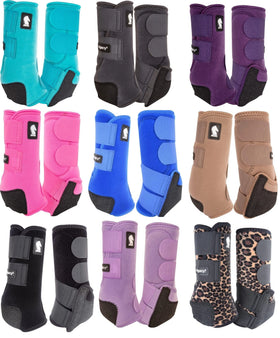
Navigating the world of horse tack can feel a bit overwhelming, but most leg boots fall into a few key categories. For everyday riding and turnout, brushing boots are a popular choice. They protect the lower leg from "brushing," which is when the opposite hoof accidentally strikes the leg. Tendon boots are designed for more strenuous activities like jumping, featuring a hard outer shell to shield the vulnerable tendons at the back of the front legs from impact from the hind hooves.
You’ll also see over reach boots, often called bell boots. These fit around the pastern and over the hoof to protect the sensitive heel area from being struck. Finally, polo bandages are versatile wraps that offer mild protection during exercise or while in the stable.
Understanding Materials and Construction
A boot’s effectiveness comes down to two things: its material and its fit. The perfect boot should be snug enough that it doesn’t slide or spin, but not so tight that it restricts blood flow or causes rubbing. As a rule of thumb, you should be able to fit one finger comfortably between the strap and your horse’s leg. The boot also needs to allow for the full, natural range of motion in the knee and fetlock joints.
Horse boots are made from a variety of materials, including breathable neoprene, classic leather, and durable molded plastics. It’s important to consider how these materials perform. Some can trap heat against the leg, which can be a concern for tendon health during long or intense workouts. Always choose a boot that fits your horse’s anatomy and is appropriate for the work you’re asking them to do.
Why Protect Your Horse's Legs?
Think about the incredible power and grace of a horse in motion. All of that energy is supported by four surprisingly delicate legs. From the cannon bones to the intricate network of tendons and ligaments, a horse's lower legs are a marvel of biological engineering, but they have very little natural padding or muscle to shield them from impact. This makes them prone to injury, whether from a misstep in the pasture, an accidental strike from another hoof, or the demands of athletic work. This inherent vulnerability is why protective leg wear is such a crucial piece of equipment for so many riders.
Using protective boots is a straightforward way to give your horse an extra layer of defense against bumps, scrapes, and strains. It’s not about bubble-wrapping them; it’s about providing smart, targeted protection where they need it most. The right pair of boots can make a significant difference in your horse's comfort, safety, and long-term soundness, allowing them to perform their best. Whether you're schooling in the arena, hitting the trails, or traveling in a trailer, boots offer an essential safeguard for those precious legs, helping to prevent minor issues from becoming serious problems.
The Natural Vulnerability of Horse Legs
A horse's lower legs are primarily made of bone, tendons, and ligaments, with very little soft tissue to absorb shocks. This design is perfect for speed and agility, but it leaves these vital structures exposed. An accidental knock from their own hoof, a collision with a jump rail, or even a bad step on uneven ground can lead to everything from minor scrapes to serious tendon strain. Using well-fitted horse tack like leg boots helps shield these sensitive areas from direct impact, reducing the risk of injury and giving you peace of mind during rides, training, and even turnout.
Common Injuries Boots Help Prevent
Protective boots are designed to prevent a range of common leg injuries. Brushing boots, for instance, are fantastic for protecting the inner leg and sensitive tendons from being struck by the opposite hoof during movement. The boot’s tough outer shell works to spread out the force of an impact, minimizing potential damage. Bell boots, also known as overreach boots, are essential for horses that tend to step on the back of their front heels with their hind feet. This action, called overreaching, can pull off a shoe or cause painful heel bulb injuries. Boots and wraps also play a role in first aid by keeping wounds clean and reducing swelling.
What Do Horse Leg Boots Actually Do?
When you see a horse geared up in leg boots, it’s easy to assume they’re just for show or intense athletic support. But the truth is, these boots serve very practical and important purposes. Their main job is to act as a shield for your horse's delicate lower legs, which are surprisingly vulnerable to injury. Think of them less like an ankle brace and more like a set of shin guards for your equine partner.
The primary function of horse boots is protection from impact. Whether your horse is in the arena, out on the trail, or even just in the trailer, their legs are exposed to potential bumps, scrapes, and strikes. A good set of boots from our horse tack collection will absorb and distribute the force from these impacts, preventing everything from minor cuts to serious tendon damage. They also shield the legs from environmental hazards like rocks, branches, or arena footing. While some styles offer a degree of compression, their role in providing structural support is often misunderstood. Their real value lies in being a first line of defense for your horse’s soundness.
Preventing Injuries During Exercise
During any kind of work, from a light hack to a competitive jumping round, a horse's legs are in constant motion. It’s common for a horse to accidentally strike one leg with another, an action known as interference or overreaching. This can cause bruises, cuts, or even damage to the sensitive tendons and ligaments. Boots, especially styles with a hard outer shell, create a protective barrier. When a hoof or a jump rail makes contact, the boot takes the hit, spreading the force across its surface and away from the bone and soft tissue. This simple layer of protection can be the difference between a minor knock and a lengthy, frustrating layup.
Shielding from Trail and Arena Hazards
Your horse’s environment is full of potential leg hazards. Out on the trail, sharp rocks, fallen branches, and thorny bushes can easily cause scrapes and puncture wounds. In the arena, a horse might bump against the wall, a fence post, or another horse during group work. Leg boots act as a durable shield against these everyday obstacles. They provide a tough outer layer that deflects debris and softens blows. This is also true for travel; shipping boots are specifically designed to protect against bumps, kicks, and scrapes that can happen inside a horse trailer, keeping your horse safe and sound from the moment you leave the barn.
Supporting Legs During Strenuous Work
Many riders believe that boots provide significant support to a horse's tendons and ligaments, but this is a common misconception. A horse’s tendons are incredibly strong and are designed to withstand thousands of pounds of force when cantering or galloping. Research shows that no boot can provide enough reinforcement to prevent a strain injury caused by excessive force. Instead, their role is to protect those tendons from external impact. Some wraps, like polos, do offer mild compression and can help protect against minor bumps and scrapes during a workout. Think of them as providing protection and a snug fit, rather than acting as a structural brace for the leg.
Shop This Post

Featured in this article
Shires Arma Overreach Bell Boots - 6mm Rubber Shock Absorbing Double Touch-Close - Multiple Sizes
$19.99
Shop Now →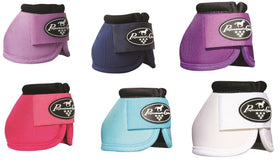
Matching Boots to the Activity
Choosing the right horse boot is a lot like picking the right shoes for yourself. You wouldn't wear running shoes to a formal dinner, and you wouldn't wear flip-flops for a hike. The same logic applies to your horse. The type of protection they need depends entirely on what you're doing together. From a leisurely trail ride to a high-stakes jumping competition, different activities place different demands on your horse's legs. Using the wrong boot can be ineffective at best and harmful at worst. Let's break down which boots are best suited for common situations.
For Everyday Riding and Training
For daily schooling, flatwork, or a relaxed ride, your main goal is to protect your horse from minor bumps and scrapes. The most common issue is "brushing," which happens when a horse's hoof accidentally strikes the opposite leg. This is where brushing boots shine. These all-purpose boots are designed to shield the lower leg, particularly the vulnerable splint bone, from these impacts. They are a staple in most tack rooms because they offer reliable, lightweight protection without being restrictive, making them perfect for regular use. Think of them as the go-to, everyday sneaker for your horse's legs.
For Jumping and Competitions
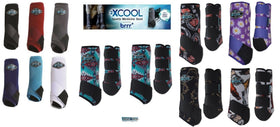
When the intensity goes up, so should the level of protection. Activities with a lot of impact, like jumping or fast-paced work, put significant strain on the tendons and ligaments in the back of the horse's legs. Tendon boots are specifically designed for this job. They feature a tough outer shell to guard against hard hits from poles or the horse's own hind hooves, while the open front allows the horse to feel a rail if they touch it. This specialized piece of horse tack is essential for keeping your equine athlete safe and sound while they perform their best.
For Safe Travel and Hauling
Traveling in a trailer can be surprisingly risky for a horse's legs. Even the calmest horse can lose its balance, step on its own feet, or get bumped around. Travel boots, or shipping boots, are built to handle this. They offer full-coverage protection from the knee and hock all the way down to the hoof, guarding against kicks, scrapes, and bumps. They also help prevent "stocking up," a condition where fluid builds up in the lower legs from standing still for long periods. Using a good set of travel boots ensures your horse arrives at your destination comfortable and injury-free.
Common Myths About Horse Boots, Busted
When it comes to our horses, we want to do everything we can to keep them safe and sound. But with so much information out there, it’s easy to get wires crossed. Horse boots are a fantastic tool, but they’re often misunderstood. Let’s clear up a few common myths so you can make the best decisions for your equine partner.
Myth: Boots Provide Major Tendon Support
This is probably the biggest misconception about horse boots. While it feels like wrapping a leg would support it, most boots don't function like a medical brace. A horse’s tendons are incredibly powerful, handling forces of over 2,200 pounds at a canter. A simple neoprene or leather boot can’t provide enough structural reinforcement to prevent an overuse injury. Instead, think of boots as shields. Their primary job is to protect the leg from external impacts, like a hoof strike or hitting a jump rail, not to support the internal structures. The real science behind equine boots shows their value is in protection, not stabilization.
Myth: All Boots Offer the Same Protection
Walking into a tack shop can be overwhelming with all the boot options available. It’s tempting to think they all do the same thing, but that’s far from the truth. Each boot is designed for a specific job. For example, brushing boots are made to protect the lower leg when a horse’s legs "brush" against each other during movement. Open-front boots, popular in jumping, leave the front of the cannon bone exposed so the horse feels it if they hit a pole, encouraging them to be more careful. Choosing the right piece of horse tack means matching the equipment to your activity.
Myth: Boots Make Your Horse Injury-Proof
Putting boots on your horse is a great protective measure, but it doesn’t create a suit of armor. Boots are excellent for preventing cuts, scrapes, and bruises from impacts, but they can’t stop every possible injury. In fact, improper use can sometimes introduce new risks. One major concern is heat retention. A boot that doesn’t breathe well can trap heat around the tendons, which can cause cellular damage over time. It’s a balancing act. Boots are a valuable tool for specific situations, but they aren’t a substitute for proper conditioning, good footing, and attentive riding.
Are There Risks to Using Horse Boots?
As wonderful as horse boots are for protection, they aren't a perfect solution for every situation. Like any piece of equipment, using them correctly is key to keeping your horse safe and comfortable. Being a responsible horse owner means understanding the potential downsides so you can make the best choices for your partner. When used improperly or without care, boots can sometimes create new problems.
The main things to watch out for are overheating, poor fit, and relying on them for the wrong kind of protection. Knowing these risks helps you use boots effectively, ensuring they provide the intended benefits without causing unintended harm. By paying close attention to how and when you use boots, you can protect your horse’s legs while avoiding common pitfalls. It’s all about balancing protection with your horse's natural needs.
Overheating and Tendon Health
One of the most significant risks of using horse boots is the potential for heat buildup. Boots and wraps can trap a surprising amount of heat, sometimes increasing a horse's leg temperature by over 30%. While a little extra warmth might be welcome on a chilly day, it can become a problem during intense exercise. Research suggests that excessively high temperatures can be damaging to sensitive tendon cells.
To manage this risk, always remove your horse's boots as soon as your ride or training session is over. This allows their legs to cool down naturally. On hot days or during strenuous work, consider using boots made from breathable materials. The goal is to provide protection without cooking the very structures you're trying to keep safe. You can learn more about the science behind equine boots to better understand how heat affects tendon health.
The Danger of a Poor Fit
A poorly fitting boot can cause more harm than good. If a boot is too tight, it can restrict blood flow, create pressure points, and lead to sores. If it's too loose, it can slip down, get filled with debris, or even trip your horse. The right fit is snug enough to stay in place without sliding but not so tight that you can't slip a finger between the boot and your horse's leg.
Always follow the manufacturer's measuring guidelines before buying. Check the fit every time you put the boots on, as your horse's legs can change slightly. Make sure the straps are secure and the boot contours smoothly to the leg without bunching or gaping. Investing in quality horse tack from trusted brands is a great first step toward ensuring a safe and comfortable fit for your horse.
Avoiding a False Sense of Security
It’s easy to think of boots as a cure-all for leg injuries, but it's important to have realistic expectations. A common misconception is that boots provide significant support to tendons and ligaments. In reality, a horse's tendons endure incredible forces, sometimes over 2,000 pounds of pressure at a canter. A simple boot cannot offer enough reinforcement to prevent strain-related injuries.
Think of boots as shields, not braces. Their primary job is to protect against impact, scrapes, and interference, not to support the leg's internal structures. Relying on them for support can create a false sense of security, potentially leading you to push your horse harder than you should. Proper conditioning, good footing, and smart training are your best tools for preventing soft tissue injuries.
How to Choose the Right Boots for Your Horse
Picking the right boots for your horse can feel overwhelming with so many options on the market. But it doesn't have to be complicated. The best choice comes down to understanding your horse as an individual, the kind of work you'll be doing together, and getting the fit just right. Think of it like buying a pair of athletic shoes for yourself; you wouldn't wear hiking boots to run a marathon. By focusing on your horse’s specific needs, your riding discipline, and their unique build, you can confidently choose a pair that offers the perfect blend of protection and comfort.
Assess Your Horse's Unique Needs
Before you even start browsing, take a moment to think about your horse. Every horse moves differently, and some are more prone to interfering (hitting one leg with the opposite hoof) than others. Does your horse have a history of leg injuries or sensitivities that require extra care? Choosing the right boots can make a huge difference in their comfort and performance, helping to prevent strain and impact-related injuries. A horse that tends to brush its legs together during a simple trot might need protection even for light work, while another might only need boots for more intense activities.
Select Boots Based on Your Discipline
The type of riding you do is the biggest factor in what kind of boots you’ll need. For everyday schooling or trail rides, a simple pair of brushing boots is often perfect. They protect the lower leg, especially the splint bone, from accidental knocks and scrapes. If you’re into jumping or other high-impact sports, you’ll want to look at open-front tendon boots. These are specifically designed to shield the vulnerable tendons at the back of the front legs from being struck by the hind hooves when going over a fence. You can find a wide variety of horse tack designed for every discipline.
Factor in Conformation and Breed
No matter which style you choose, a correct fit is non-negotiable. A boot that’s too tight can restrict blood flow and cause painful rubbing, while one that’s too loose can shift, get filled with debris, or even trip your horse. Your horse’s build and breed play a big role here. A fine-boned Thoroughbred will need a much different size than a stocky draft cross. Always follow the manufacturer's measuring guide, and don't be afraid to try a few options. The boot should be snug enough to stay in place without spinning, but you should still be able to slide one finger comfortably between the strap and your horse's leg.
How to Fit and Put On Horse Boots Correctly
Getting the right horse boots is only half the battle; putting them on correctly is just as important. A poorly fitted or improperly applied boot can do more harm than good, causing rubs, pressure points, or even more serious injuries. Think of it like your own riding boots, a bad fit can ruin your day, and it’s the same for your horse. Taking a few extra moments to ensure a proper fit protects your horse and makes sure the boots can do their job effectively. Let's walk through the steps to get it right every time.
Measuring for the Perfect Fit
The goal for any horse boot is a snug, secure fit that doesn't restrict movement or circulation. Before you even buy a pair, you'll need to measure your horse's leg. Use a soft measuring tape to find the circumference and length of the cannon bone, between the knee and the fetlock. Compare these measurements to the manufacturer's sizing chart, as sizes can vary between brands.
Once you have the boots, check the fit by hand. The boot should contour smoothly to your horse's leg with no gaps or bunching. You should be able to slide one finger comfortably between the boot and your horse's leg. If you can fit more, it’s too loose. If you can't fit one at all, it's too tight and could cut off blood flow.
Safe and Secure Application Tips
Always start with clean, dry legs. Any mud, dirt, or moisture trapped under a boot can lead to skin irritation and sores. When you’re ready to put the boot on, place it around your horse’s leg and make sure it’s positioned correctly, with the protective strike plates on the inside and back of the leg.
Fasten the straps so they pull from front to back, pointing toward your horse’s tail. This ensures that if a strap gets caught on something, it’s more likely to pull open rather than tighten further. Apply even pressure across all the straps, starting with the middle one and working your way out. This helps the boot sit securely without creating specific pressure points.
Common Fitting Mistakes to Avoid
One of the most common mistakes is overtightening the straps. While you want the boot to be secure, cranking the straps down can restrict blood flow and damage the delicate tendons underneath. Uneven pressure from poorly applied boots or wraps can create pressure points, potentially leading to serious issues like bowed tendons.
Another mistake is choosing a boot that’s too loose. A loose boot can slide down the leg, trip your horse, or get filled with sand and dirt, causing painful abrasions. Finally, avoid leaving boots on for too long. Most boots are designed for use during exercise and can trap heat against the leg. Prolonged heat can be damaging to tendons, so always remove boots right after your ride to let your horse's legs cool down.
To Boot or Not to Boot: When to Use Them
Deciding whether to use horse boots is a classic question for riders, and the answer isn't always straightforward. It’s a judgment call that depends on your horse, the activity you’re doing, and the environment you’re in. While boots offer valuable protection, they aren't always necessary and can sometimes have downsides if used improperly or without a clear purpose. Think of it as a thoughtful risk assessment. You’re weighing the potential for an impact injury against factors like heat retention and your horse’s natural way of moving.
Ultimately, there's no single rule that applies to every horse in every situation. A young, green horse might benefit from boots as it learns to control its body, while a seasoned, sure-footed trail horse might not need them at all for a familiar ride. The key is to observe your horse and make an informed choice. Some riders choose to use them for every ride for peace of mind, while others prefer a more minimalist approach. Neither is wrong, as long as the decision is based on the horse's well-being. Understanding the specific situations where boots are helpful, and when it’s better to let your horse’s legs be free, is a key part of responsible horsemanship. The goal is to use them as a tool when needed, not just as a routine accessory.
When Your Horse Needs Protection
The primary reason to reach for a pair of boots is to protect your horse's legs from injury. This is especially important during activities where there's a higher risk of impact. For instance, if you’re jumping, doing fast work, or navigating tricky terrain, boots can shield against strikes from obstacles or a misplaced hoof. Some horses are prone to "brushing," where one hoof accidentally clips the opposite leg. In these cases, even everyday riding warrants a pair of brushing boots to guard the sensitive splint bone. Similarly, tendon boots are designed to protect the delicate tendons at the back of the leg. And for long hauls, travel boots or wraps can help prevent scrapes and reduce the fluid buildup known as "stocking up" that can happen from standing still for extended periods.
When It's Better to Go Bare-Legged
On the flip side, there are plenty of times when leaving your horse’s legs bare is the better choice. The biggest concern with any leg covering is that it can trap heat, which may be harmful to the underlying tendons over time. For light work, a quiet trail ride on good footing, or turnout in a safe, familiar pasture, most horses don't need boots. Many experts advise using leg protection only when there's a specific need rather than putting them on out of habit. If your horse has clean, correct movement and isn't interfering with himself, he may be perfectly fine without them for most activities. It’s always better to go without a boot than to use one that fits poorly, as an ill-fitting boot can cause rubs, pressure points, or even slip and create a hazard.
How to Care for Your Horse's Boots
Just like any other piece of essential gear, your horse's boots need a little TLC to perform their best and last for years. Investing a few minutes in care after each ride not only extends the life of the boots but also ensures they remain safe and comfortable for your horse. Proper maintenance prevents the buildup of dirt and sweat that can cause skin irritation and helps you spot potential problems before they become serious. Think of it as a crucial part of your post-ride routine that protects both your horse and your investment in quality equipment.
Proper Cleaning and Storage
Make it a habit to clean your boots after every single ride. This simple step prevents dirt, sweat, and manure from degrading the materials over time. For most synthetic boots, a quick wipe-down with a damp cloth or a rinse with a hose is all you need. Be sure to get any grime out of the crevices and off the straps. If you’re using leather boots, you’ll want to use a dedicated leather cleaner and conditioner to keep them supple. Once they’re clean, let them air dry completely, but keep them away from direct sunlight or heat, which can cause materials to crack. Store them in a cool, dry place, making sure they are fastened loosely to help them keep their shape.
Inspecting for Wear and Tear
Your cleaning routine is the perfect time to give your boots a quick inspection. As you wipe them down, run your hands over the entire surface, inside and out. Look for any signs of damage, like cracked shells, frayed stitching, or thinning material. Pay close attention to the hook-and-loop closures; if the Velcro is full of debris or losing its grip, it might not stay secure during your next ride. Check for any rough spots or compressed padding on the interior that could create pressure points or rub your horse’s skin. Catching these little issues early gives you the chance to repair or replace your horse tack before a boot fails when your horse needs it most.
Related Articles
- A Guide to Horse Leg Protection Boots
- Tendon Boots Guide 2026: Essential Tips for Horse Protection
- The Complete Guide to Leg Protection Boots
Frequently Asked Questions
Do horse boots actually provide support for tendons and ligaments? This is a great question and a very common misconception. While it feels like a snug boot would act like a brace, its main job is protection, not support. A horse's tendons are incredibly strong and handle thousands of pounds of force. No boot can provide enough reinforcement to prevent a strain from overuse. Instead, think of boots as shields that guard the leg against external impacts like hitting a jump rail or getting struck by another hoof.
How do I know if my horse really needs boots for everyday riding? The best way to decide is to watch your horse. If you notice they tend to "brush" or hit one leg with the opposite hoof, even during light work, a simple pair of brushing boots is a smart idea for protection. However, if your horse has very clean movement and you're riding on good, safe footing, they may not need boots for a casual ride. It's less about a strict rule and more about making an informed choice based on your horse's individual way of going.
What's the most common mistake people make with horse boots? The most frequent mistake is getting the fit wrong. A boot that is too tight can restrict blood flow and cause sores, while a boot that is too loose can slip, get debris trapped inside, and become a tripping hazard. Another common error is leaving boots on for too long after exercise. This traps heat against the leg, which can be damaging to sensitive tendon tissues over time.
Can I just use one type of boot for everything? While it would be convenient, using one boot for all activities isn't ideal. Different boots are designed for specific jobs. For example, a basic brushing boot is perfect for protecting against minor knocks during flatwork, but it doesn't offer the same level of impact protection as a hard-shell tendon boot designed for jumping. Matching the boot to the activity ensures your horse has the right kind of protection when they need it most.
How tight should the straps be? You're looking for a fit that is snug and secure, but not restrictive. A good rule of thumb is that you should be able to slide one finger comfortably between the strap and your horse's leg. If you can fit your whole hand, the boot is too loose and will likely slide down. If you can't fit a finger at all, it's too tight and could cause pressure points or circulation problems.


