

Strong UV rays and swarming flies can irritate a horse's eyes and sensitive skin. The best fly mask for horses offers a secure, comfortable fit while preserving clear vision and natural movement. This guide explains how to compare fit, UV coverage, ear and nose protection, visibility, and durability before you buy.
Shop Fly Masks for Horses at Hooves and Paws
The best fly mask for horses fits snugly without touching the eyes, uses structured breathable mesh, and provides UV coverage suited to the horse's skin and turnout. Choose ears for biting insects and a nose extension for pink muzzles, then check the fit and skin daily.
Finding the right shield requires a closer look at the design details that affect everyday comfort and protection.
What makes the best fly mask for horses?
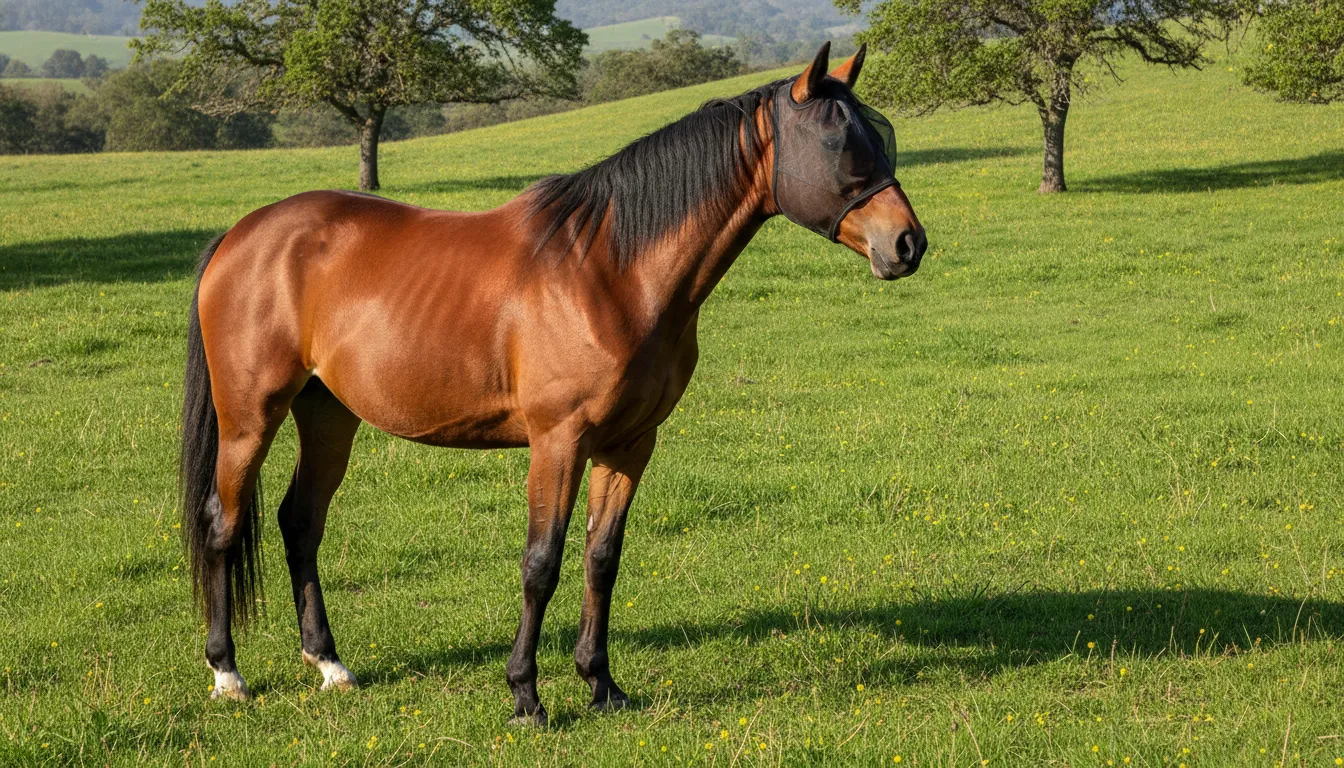
The best fly mask for horses keeps pests away while shielding the eyes from harsh sun rays. It should fit snugly without causing rubs or blocking the horse's sight. A top-rated mask uses stiff mesh to stay away from the eyeballs and secure straps to stay in place. High-grade masks also offer airflow to keep the horse cool and safe through the hot fly season.
Focus on a safe fit and clear sight
A good fit is the most vital part of any horse mask. If the mask is too loose, flies will crawl inside and cause stress. If it is too tight, it will lead to painful rubs on the face. Look for masks with soft fleece edges to help prevent these sores. You should also choose a mask that stays far from the eyes. Many structured Cashel Crusader option use a dome shape to keep the fabric off the face. This design keeps the horse cozy and protects the eyes from harm.
Checking the fit often is a key step for any horse owner. You should be able to slide one or two fingers under the edges with ease. Make sure the straps are firm but do not pinch the skin. If you find bald spots or red marks, you may need to try a different size or brand. Some owners find it helpful to swap between a few masks to give the skin a break. This practice helps manage wear and keeps the horse happy in the field.
Check UV ratings and tough mesh
Sun care is just as vital as keeping bugs out of the eyes. Horses with light skin or white faces have a high risk of sun damage. Long-term time in the sun can lead to squamous cell carcinoma, which is the most common cancer for equine eyes. A mask with a high UV rating can block most of these harmful rays. Take a mask with a 70% rating; it blocks most light, while a 90% rating offers even more safety. Always check the label for a clear UV-blocking score before you buy.
The mesh itself must be tough enough to handle daily use. Pasture life is hard on gear, so look for a high denier count. A 1000 x 2000 denier mesh is a great choice for strength. This tough fabric can stand up to play and rubs against trees or fences. While the mesh is thick, it must still allow for good airflow. This helps the horse stay cool even on the hottest days of the year. Our expert pick of gear ensures your horse has the best shield against both bugs and the sun.
Choose the right mask for your horse
Every horse has unique needs when it comes to fly gear. Some horses hate bugs on their ears and need a mask with full ear covers. Others have pink noses that burn fast and need more care. For these horses, a Shires mask with detachable nose protection is a smart choice. This extra piece of mesh covers the muzzle to stop sun burns. It is a simple way to keep your horse safe from both pests and UV rays.
Think about how your horse acts in the field when picking a mask. If your horse likes to run or play with friends, you need double-locking straps. These help the mask stay on through all types of movement. It is also wise to take the mask off when you go for a ride. This ensures the horse can see well and the bridle fits right. At Hooves and Paws, we offer a 365-day satisfaction guarantee on our handpicked gear. If you order before 2 PM PST, we will ship your fly mask the very same day.
How should a horse fly mask fit?
A horse fly mask should seal out insects without pressing on the eyes, pinching the ears, or rubbing the jaw and nose. The mesh must hold its shape away from the eyelashes, while the closures should allow one or two fingers of room.
A good fit is the most vital part of choosing the best fly mask for horses. If a mask is too tight, it can cause painful sores and rubs on the skin. If it is too loose, flies will crawl inside and trap themselves near your horse's eyes. A poor fit may even lead to the mask falling off in the pasture. To keep your horse safe, you must find a balance between a snug seal and enough space for comfort.
Selecting and checking the size
You should start by taking clear size checks of your horse's face before you buy. Use a soft tape to measure from the poll to the bridge of the nose. Also, check the width of the jaw and the length of the ears if the mask includes them. A mask that is too small will press on the temples and the bridge of the nose. This pressure can cut off blood flow and cause hair to fall out. Most brands offer size charts based on weight or height, but custom sizes help you get it right the first time.
The most key area to check is the space around the eyes. The mesh should never touch the lashes or the eye itself. Look for masks with darts or bones that lift the fabric away from the face. This space prevents rubs and helps the horse see clearly while grazing. Horses at risk for ocular SCC must wear these masks during the day to block harmful sun rays. A mask that sits too close to the eye can cause pain or even lead to scratches on the cornea. Our expert team at Hooves and Paws can help you find the right size to match your horse's unique shape.
Step-by-step fit check
- Slide the mask over the ears and settle the poll piece into place. Make sure the fabric does not pinch the base of the ears or sit too far back on the neck.
- Check the eye darts to ensure the mesh stays well away from the eyes. You should be able to see a clear gap between the mask and the horse's lashes from every angle.
- Secure the throat latch and jaw closures with enough room for the horse to chew well. You should be able to fit one or two fingers between the mask and the jaw.
- Ensure the nose piece or fringe covers the face without blocking the nostrils. The horse must be able to breathe freely and blow air without the mask getting in the way.
- Give the mask a gentle tug to check for a firm hold. A well-fitted mask, such as UV-focused Cashel Crusader design, should stay in place even when the horse shakes its head.
Checking for rubs and wear
After your horse wears the mask for a few hours, take it off and look for signs of trouble. Look for hair loss or red skin around the nose, jaw, and poll. Dirt and sweat can build up under the edges and cause skin issues over time. If you find a sore, give the horse a break from the mask for a day or two. You may need to adjust the straps or try a different style to prevent the same issue. We suggest cleaning the mask once a week with a gentle soap to keep the mesh soft and clear. Daily checks will ensure your horse stays happy and safe all season long.
Explore Fly Masks Built for Comfortable Daily Turnout
How much UV coverage does your horse need?
Choose UV coverage according to your horse's pigmentation, eye sensitivity, and time spent in direct sun. Horses with pink skin, white facial markings, or sensitive eyes generally benefit from greater coverage, but the mask must still preserve visibility and airflow.
Every horse has its own needs when it comes to sun safety. Things like coat color and skin type play a large role in their risk. Some horses have pink skin or white face markings that burn very easily. Choosing the best fly mask for horses means matching the gear to what your horse needs.
Protect high-risk skin
Horses with pink skin on their faces have a high risk for sun damage. Long-term sunlight is a known risk for squamous cell carcinoma in horses. This common eye cancer often grows on the light skin around the eyelids. If your horse has a white face, they need extra care to stay safe.
A full-coverage Shires option is a great choice for these horses. The long nose piece helps cover the soft skin on the nose that often burns. Since horses have many face shapes, you may need to try a few styles. Look for a snug fit that stays in place all day.
Check UV ratings and labels
Not all fly masks block the same amount of sun. You should check the label for a clear UV rating before you buy. Ratings usually range from 60% to over 90% safety. A mask with a 70% UV rating blocks 70% of those rays. High-quality dome-shaped mask option are known for good UV blocking.
UV claims can vary between brands based on the mesh weave. A tight mesh often blocks more sun but may be harder for the horse to see through in low light. You should pick a high rating for horses that spend long hours in bright fields. Good safety reduces the risk of eye redness and pain from harsh light.
Combine gear with natural shade
While a good mask is vital, it works best when paired with shade. Pasture trees or sheds give your horse a way to get out of the direct sun. This is very important during the hottest hours of the day. A horse that can stand in the shade will be much cooler than one left in the open sun.
For a broader seasonal plan, compare fly boot types, fit, and care, or review our guide to choosing a high-UV fly mask.
At family-owned Hooves and Paws, we have helped horse owners find the right gear since 1994. We pick our range to include only trusted brands that offer real results. If you are not happy with your order, we offer a 365-day satisfaction guarantee. We also ship all orders placed before 2 PM PST on the same day to get you the gear you need fast.
Compare Fly Masks With UV, Ear, and Nose Coverage
Do horses need fly masks with ears or nose coverage?
Ear coverage helps horses bothered by gnats and midges, while a nose extension helps shield a pink or white muzzle from insects and sunlight. Choose only the extra coverage your horse needs, because comfort and acceptance matter as much as total coverage.
Picking the best fly mask for horses often comes down to how much skin you need to protect. Standard masks cover the eyes and face, but many horses need more help. If your horse has pink skin on its muzzle or sensitive ears, a standard mask may not be enough to stop sun and bugs.
When to choose ear coverage
Ear coverage is a must for horses that deal with gnats or midges. These tiny bugs like to bite the soft skin inside the ears, which can cause sores and crusting. A mask with soft mesh ears keeps these pests out while letting air flow through to keep the horse cool.
Some horses do not like the feel of fabric on their ears. If your horse shakes its head or tries to rub the mask off, you might need a mask with no ears. But for most, the extra protection helps them stay calm in the field. This is key for horses with thin hair or light skin where bugs bite most often.
The benefit of nose extensions
A nose extension is a flap of mesh that hangs over the horse's muzzle. This is the best choice for horses with white or pink noses. Chronic sun exposure is a known risk for skin cancer in non-pigmented areas, as noted by UC Davis Veterinary Medicine. A long nose mask acts like a sun hat for your horse's face.
These flaps also keep flies from landing on the sensitive nose and mouth area. If your horse has a fine-mesh mask with nose flap, they can graze without constant head tossing. Look for detachable nose pieces if you want to switch styles based on the weather or bug levels.
Compare mask coverage styles
Each style of mask serves a different goal for your horse's comfort and health. Use this table to find the right fit for your horse's needs.
| Mask Style | Best Use Case | Key Benefit |
|---|---|---|
| Standard (No Ears) | Horses with sensitive ears or few bugs | Best airflow and easiest fit |
| With Ears | Areas with gnats, ticks, or midges | Stops ear crusting and bug bites |
| With Nose | Horses with pink or white muzzles | Blocks UV rays and stops sunburn |
| Full Coverage | High bug zones and fair-skinned horses | Total face and muzzle protection |
Check for proper fit
No matter the style, the mask must fit well to work. You should be able to slip two fingers under the edge of the mask at all points. This ensures it is tight enough to keep bugs out but loose enough to be comfortable. Check the mask daily for any rub marks or dirt that could irritate the skin.
At Hooves and Paws, we handpick the best masks to ensure quality for your animals. If you order your gear before 2 PM PST, we offer same-day shipping to get your horse ready for fly season. Plus, every buy comes with our 365-day satisfaction guarantee so you can shop with trust.
Balance visibility, comfort, and durability
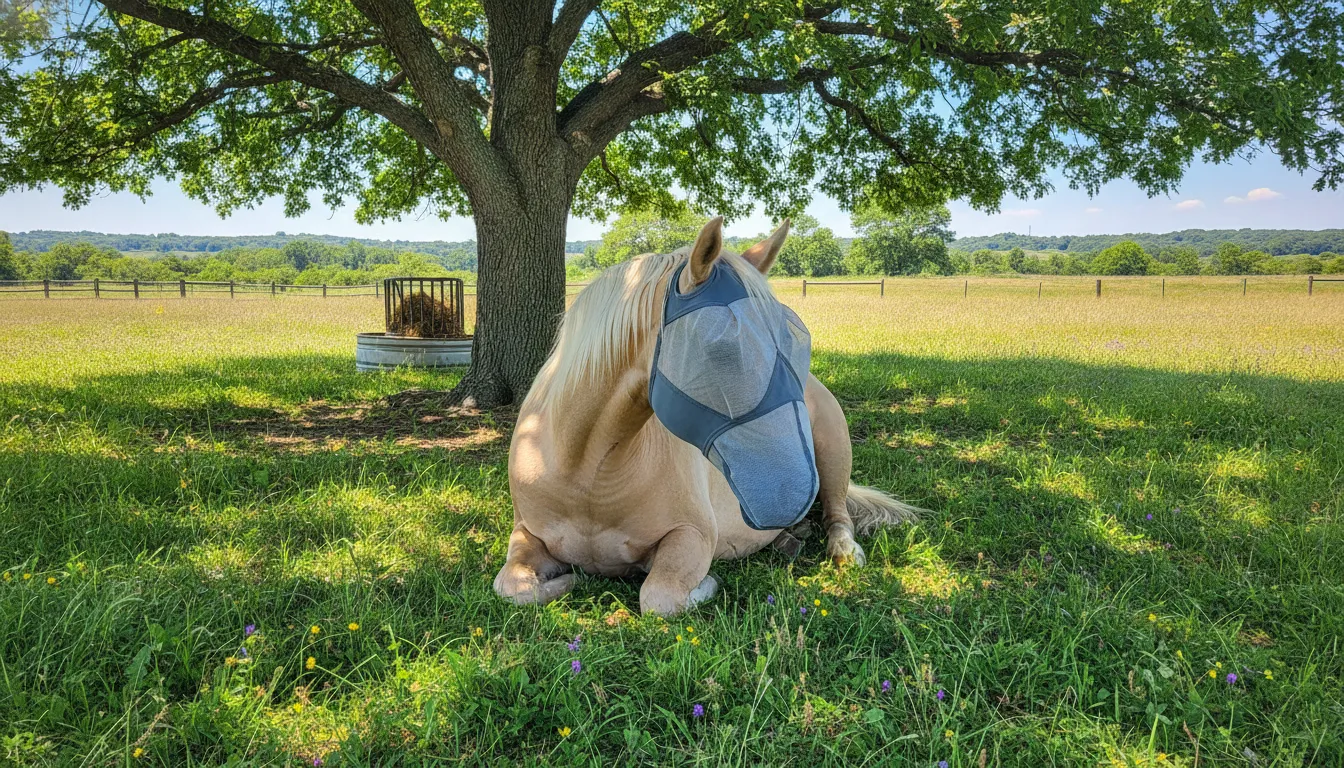
The right balance pairs structured mesh and clear sight with breathable materials, soft edging, secure closures, and enough durability for your horse's turnout habits. Inspect the mask daily and replace it if the mesh collapses, tears, or starts causing rubs.
Finding the best fly mask for horses means looking at how it feels and how long it lasts. You want a mask that stays on but does not hurt your horse. A good mask keeps bugs away while letting your horse see and breathe. It should be tough enough for the field but soft on the skin. At Hooves and Paws, we pick masks that work for daily life in the barn.
Clear vision and mesh structure
The mesh should be stiff enough to stay away from the eyes. Look for masks with eye darts. These are sewn folds that keep the mesh in a dome shape. This shape stops the mesh from rubbing on the eye or lashes. Clear vision is key for safety in the pasture. If the mesh is too soft, it can sag and cause eye sores.
Some masks use a heavy mesh to block more sun. A mask with a high UV rating helps stop eye health issues. For instance, UV light is a known risk for squamous cell carcinoma in horses with light skin. But thick mesh can be harder to see through. Pick a mask that balances a clear view with high sun protection.
Comfort and stopping rubs
Air flow is vital during hot summer days. A mask that traps heat can make your horse sweat. This sweat can lead to rubs or skin sores. Look for soft fleece edges. These pads help stop the mask from chafing the face or ears. A durable fly mask with nose protection can also keep the face cool. Also, think of the weight of the mesh to keep your horse happy.
Safe closures are another big part of comfort. Most masks use hook-and-loop straps. These should be strong enough to stay closed but easy for you to open. Check the fit by sliding two fingers under the strap. It should be snug but not tight. If it is too loose, bugs will get inside. If it is too tight, it will leave marks on the skin.
Daily checks and red flags
A fly mask needs daily care to work well. Shake off dust and hair every morning. If the mask is muddy, wash it with cool water and mild soap. Let it air dry away from the sun. Dirt can be rough on the mesh and the skin. Cleaning also helps you see small tears or wear before they get worse. We suggest having a spare mask to use while one is in the wash.
You should replace the mask if you see certain red flags. Look for frayed edges or holes in the mesh. A hole lets flies in and can snag on a fence. If the mesh is bent or will not hold its shape, it may poke the eye. Any mask that causes bald spots or sores should be taken off at once. Our team at Hooves and Paws offers a 365-day satisfaction guarantee to help you find the right fit for your horse.
Choose a fly mask for your horse's routine
Match the mask to the way your horse spends the day. High-energy turnout calls for secure closures and durable mesh, sensitive skin calls for soft edging and extra coverage, and riding requires a separate plan because a turnout mask should not interfere with tack.
Every horse has a unique day. Some spend hours in the sun while others play hard in the pasture. Finding the best fly mask for horses means looking at how your horse lives. You must think about their skin, their habits, and the bugs in your area.
Care for thin skin and eyes
Horses with pink noses or white faces need extra care. Light skin burns fast in the sun. Sunlight is a known risk for eye cancer in horses. This is a big worry for horses with pink skin around their eyes. A mask with a long nose piece can shield these spots from the sun.
Some horses also have very thin eyes. They might tear up or get red from dust and wind. A mask that blocks a lot of UV light helps reduce this pain. You should look for a durable fly mask with nose protection to keep your horse safe. This helps them stay happy all day long.
At Hooves and Paws, we carry a handpicked range of fly gear to keep your horse happy. Our family-owned shop has served owners since 1994 with expert care and fast shipping. Shop Fly Protection Now and get same-day shipping on orders placed before 2 PM PST.
Durable masks for tough turnout
If your horse likes to play or rub against fences, you need a tough mask. Some horses are "mask destroyers" who can rip light mesh in minutes. For these horses, strong fabrics are best. Look for masks made with heavy-duty mesh. These parts can handle the wear and tear of daily life in the pasture.
A good fit is also key for horses that move a lot. The mask must stay on without rubbing the skin. You should check the fit often to make sure it does not cause sores. If your horse is very active, Cashel Crusader fly masks are a top choice. They stay in place well even during play.
Solutions for riding and heavy insects
Heavy gnats and flies can ruin a good ride. If your area has many tiny bugs, look for fine mesh masks. These have smaller holes that keep even the smallest gnats away. Masks with ears are also helpful for horses that shake their heads due to ear bugs. This keeps them calm while they graze or work.
You can even use a mask during trail rides to keep your horse focused. Just make sure the mask does not block their view. Some riders keep an old mask just for the trail. This protects the horse from bugs while you are out in the woods. Always make sure the mask fits well under your bridle so it does not pinch.
Frequently Asked Questions
How long can a horse wear a fly mask?
A horse can safely wear a fly mask throughout the daylight hours. You must check the fit every day to prevent rubs or sores. The team at Ginny's Horse Product Review says some owners swap between other masks to give the skin a break. Normal cleaning also helps avoid eye problems from dirt and sweat. Taking the mask off each evening is a smart way to keep your horse happy.
Should I leave my horse's fly mask on at night?
Most experts advise against leaving a fly mask on at night. Masks can limit a horse's vision in low light, which makes it harder for them to move safely in the pasture. While some masks have mesh that is easy to see through, taking them off after the sun goes down is best. This also gives you a chance to check for any eye problems or dirt that might have gathered during the day.
Should my horse wear a fly mask?
A fly mask is a great tool for any horse that spends time outdoors during fly season. These masks help stop bugs from biting tender spots around the eyes and face. They also provide vital sun shields. Research from the UC Davis Center for Equine Health shows that blocking UV light helps prevent major issues like eye cancer. A mask keeps your horse happy and safe from sun damage.
What is the best thing to keep flies off horses?
The best way to keep flies off horses is to use a mix of tools. A good fly mask protects the face and eyes from pests and sun. You should also use fly sprays and sheets to cover the rest of the body. Keeping stalls clean and using fly traps can reduce the bug count in your barn. Using all these steps provides the most relief for your horse throughout the hot summer months.
Ready to find the best fly mask for your horse?
If you wait until the flies arrive, your horse will face painful bites and eye sores. You can stop this stress by picking a good mask before the summer heat peaks. Our team picks the best gear to keep your horse safe and cool all season.
Shop Fly Season Protection for Your Horse
We ship same-day for all orders placed before 2 PM PST to get you ready fast. Our family is here to help you find the right fit for your horse. Every mask comes with our 365-day promise to make sure you are happy. You can trust our long history to care for your animals like our own family.


