

Watching your horse shake its head relentlessly or squint in the bright sun can leave you feeling helpless. You know they’re uncomfortable, and you want to provide relief. This is where a good fly mask becomes more than just a piece of tack; it’s an act of care. It provides a quiet zone for your horse, free from the constant torment of biting insects and the harsh glare of the sun. Choosing the perfect fly mask for a horse with sensitive eyes means finding a design that fits well, doesn't rub, and offers the specific protection they need. It’s about restoring their comfort and giving you peace of mind. Let’s walk through the key features to look for so you can confidently select the right fly season protection for your equine partner.
Key Takeaways
- Think beyond bugs: A quality fly mask provides essential protection from more than just insects; it also shields sensitive eyes from damaging UV rays, dust, and other airborne irritants.
- Prioritize a perfect fit: To prevent rubbing and ensure the mask stays on, choose one with soft fleece trim, adjustable closures, and a design that keeps the mesh from touching your horse's eyes.
- Customize the coverage: Choose a mask with features that solve your horse's specific problems, such as ear covers for gnat-sensitive horses or a long nose flap for sunburn-prone muzzles.
Why Your Horse's Sensitive Eyes Need Protection
A horse’s large, expressive eyes are one of their most beautiful features, but their placement and size also make them incredibly vulnerable. Unlike us, horses can’t just swat a fly away from their face or pull on a pair of sunglasses to shield their eyes from the glaring sun. They rely on us to provide that protection. Constant exposure to irritants isn't just a nuisance; it can lead to serious health issues, discomfort, and even long-term damage. Think of a fly mask as more than just a seasonal accessory. It’s an essential piece of your horse’s wardrobe, a shield against the daily onslaught of sun, insects, and dust that can turn a peaceful day in the pasture into a stressful one.
Providing the right fly season protection is one of the most important things we can do for our horses' comfort and well-being. A well-fitting mask can prevent painful infections, reduce stress, and allow your horse to relax and graze peacefully without the constant head-shaking and tail-swishing. It’s a simple tool that offers a powerful defense, ensuring your horse’s sensitive eyes stay healthy and clear. Before we get into picking the perfect mask, let's break down exactly what we're protecting them from and why it matters so much. Understanding these risks will help you see why a good fly mask is a non-negotiable for so many horse owners.
Common Eye Irritants: Sun, Bugs, and Debris
Your horse’s world is full of things that can irritate their eyes. The most relentless culprits are flies and other biting insects. They are drawn to the moisture in a horse's eyes and will feed on their tears. This is not only aggravating, but the biting can cause swelling and block tear ducts, which leads to more tearing and attracts even more flies. Beyond bugs, the sun’s UV rays pose a significant threat, capable of causing sunburn on delicate surrounding skin. Finally, everyday dust, dirt, pollen, and debris kicked up in the pasture or arena can easily find their way into your horse's eyes, causing scratches and inflammation. A fly mask acts as a physical barrier against all these common irritants.
Spotting the Signs of Eye Sensitivity
It’s crucial to know what eye irritation looks like so you can act quickly. Your horse can’t tell you what’s wrong, so look for physical signs. Are their eyes tearing up more than usual? Are they squinting, blinking excessively, or holding one eye completely shut? Check for redness or swelling around the eye and on the eyelid. You might also notice a cloudy appearance to the eye itself or a colored discharge. A horse in discomfort will often rub its head and face on its legs, fences, or anything it can find, which can cause further injury. Any sudden change in your horse's eyes should be taken seriously. As veterinarians often say, any problem like tearing, cloudiness, or a closed eye is an emergency that warrants a call to your vet.
Is Your Horse at Higher Risk?
While all horses benefit from eye protection, some are more susceptible to irritation and injury than others. Horses with light-colored coats, blue eyes, or pink skin around their eyes are particularly prone to sunburn and photosensitivity. If your horse has a white blaze that extends to their eye area or a pink nose, they are at a higher risk. Certain medical conditions also make a fly mask essential. Horses diagnosed with Equine Recurrent Uveitis, also known as "Moon Blindness," experience painful inflammation and are extremely sensitive to bright light. A UV-protective mask is a critical part of managing their comfort and health. By identifying if your horse falls into a higher-risk category, you can be extra vigilant about providing them with the protection they need.
What to Look for in a Fly Mask
Finding the right fly mask can feel like a puzzle, but it's all about matching the features to your horse's specific needs. When you're shopping, you'll see a lot of different styles, materials, and coverage options. The goal is to find one that offers solid protection without sacrificing comfort. A great fly mask will shield your horse's sensitive eyes from irritating insects, harsh sunlight, and airborne debris like dust and pollen. It should fit like a glove, staying in place without rubbing or chafing.
To make the best choice, you'll want to consider a few key things. Think about how much sun exposure your horse gets and if they need extra UV protection, especially if they have light-colored skin or a history of eye issues. You'll also want to look at the mask's material to ensure it’s breathable and soft against their face. Finally, you'll need to decide if your horse would be more comfortable with added ear or nose coverage. We have a great selection of fly season protection to help you find the perfect match. Breaking down these features will help you confidently pick a mask that keeps your horse happy and comfortable all season long.
Decoding UV Protection
Just like we wear sunglasses, some horses need extra help shielding their eyes from the sun. A mask with UV protection is a must for horses with light-colored facial markings, pink skin that sunburns easily, or eye conditions like Equine Recurrent Uveitis (often called Moon Blindness). These masks use a special mesh that blocks a percentage of harmful UV rays, which can prevent painful sunburns and reduce the risk of long-term damage. When you're comparing masks, you'll often see a UV protection rating, like 70% or 90%. A higher number means more protection, so you can choose the level of defense your horse needs most.
Balancing Visibility and Protection
A fly mask has to do two jobs at once: keep the bad stuff out while letting your horse see clearly. The fine mesh material is designed to be a barrier against biting flies, gnats, and other pests that swarm around your horse's face. It also helps prevent dust, sand, and stray hay particles from getting into their eyes, which is a huge relief for any horse, especially those with sensitivities. At the same time, the mesh is sheer enough for your horse to maintain good visibility, so they can comfortably see their surroundings in the pasture or during a ride. This balance keeps them safe, comfortable, and focused.
Prioritizing Breathable, Gentle Materials
Comfort is king when it comes to fly masks. An uncomfortable mask will get rubbed off on the nearest fence post in minutes, defeating its purpose entirely. Look for masks made from soft, lightweight, and breathable materials that won't trap heat. Many high-quality masks feature fleece trim along the edges to prevent chafing and ensure a snug, gentle fit. Another great feature to look for is structured darts or a design that keeps the mesh away from your horse's eyes and eyelashes. A well-designed mask should be durable enough for daily turnout but gentle enough that your horse barely notices it's there.
Deciding on Ear and Nose Coverage
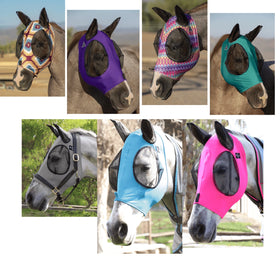
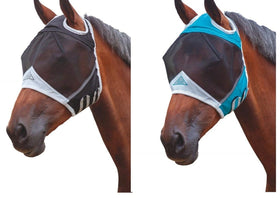
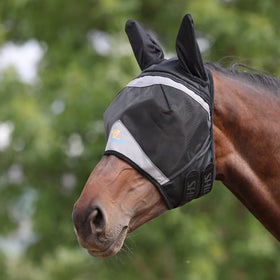
Fly masks come in a few different configurations, so you can pick the coverage that best suits your horse. If tiny gnats and midges drive your horse crazy by crawling into their ears, a mask with soft ear covers is a lifesaver. For horses with pink noses or white blazes that are prone to sunburn, an extended nose piece offers crucial protection. Some horses are perfectly happy with a standard mask that only covers their eyes and jowls. Observe your horse to see where they are most bothered by insects and sun to make the right choice for their comfort.
Shop This Post

How to Ensure a Perfect Fit
Finding a fly mask that works is one thing, but finding one that fits perfectly is the real game-changer, especially for a horse with sensitive eyes. A poorly fitting mask can cause more problems than it solves. If it’s too tight, it can rub delicate skin raw and create painful sores. If it’s too loose, it can easily slip out of place, let pests in, or even get snagged on a fence post, which is a serious safety hazard. Think of it like your favorite pair of riding boots; the right fit means you can forget you’re even wearing them, and your horse deserves that same level of comfort.
The goal is a mask that’s secure enough to stay put during turnout but comfortable enough that your horse isn't constantly trying to rub it off. Taking a few extra minutes to measure your horse and check the fit will pay off in your horse’s comfort and your peace of mind. A well-fitting mask stays in place, keeps irritants out, and allows your horse to just be a horse, without the constant bother of flies or a shifting mask. It’s a small step that makes a huge difference in their daily well-being.
Measuring Your Horse Correctly
Before you even start browsing, grab a soft measuring tape. Just like we have different head sizes, so do our horses, and brand sizing can vary quite a bit. Taking a few key measurements is the best way to find the right match. A proper fit is crucial; the mask needs to be comfortable so it doesn't rub or fall off. Start by measuring the circumference of your horse's head around the jaw and poll. Then, measure the length from the middle of the poll (between the ears) down to the end of the muzzle. Jot these numbers down to compare with the sizing charts for different fly season protection products. This simple step helps you select a mask that accommodates your horse’s unique shape.
Look for Features That Prevent Rubbing
No one wants to see rub marks on their horse’s face. When you’re choosing a mask, pay close attention to the features designed for comfort. Look for soft fleece or shearling lining along the seams, especially over the poll, browband, and nose. These soft edges create a buffer between the mask and your horse’s sensitive skin. Adjustable straps, particularly those with secure, double-locking closures, allow you to customize the fit. Another great feature to look for is structured darts or pleating around the eyes. This design helps keep the mesh material away from your horse’s eyes and long eyelashes, preventing irritation while maintaining a clear field of vision.
Common Fitting Mistakes to Avoid
Getting the fit just right can feel a little tricky, but avoiding a few common mistakes will make it much easier. The most frequent error is choosing a mask that’s either too tight or too loose. A mask that’s too snug can restrict jaw movement and cause pressure sores. You should be able to comfortably slide a finger between the mask and your horse’s face. On the other hand, a mask that’s too loose will slip, allowing flies to get trapped underneath. Also, check for gaps around the edges. The mask should sit flush against your horse’s head to create a seal. Finally, make sure the mesh isn’t touching your horse’s eyes or eyelashes, as this can be a major source of irritation.
Our Top Fly Mask Picks for Sensitive Eyes
Choosing the right fly mask can feel overwhelming, but I’m here to help you sort through the options. After years of fitting masks on all kinds of horses, I’ve found a few brands that consistently deliver on protection and comfort, especially for those with sensitive eyes. These are the masks I trust to keep horses happy and irritation-free during fly season. Each one offers something a little different, so you can find the perfect match for your horse’s specific needs. You can explore these and other great options in our fly season protection collection.
Kensington Fly Masks
When a horse needs maximum sun protection, Kensington is one of the first brands I recommend. Their masks provide up to 90% UV protection, which is the highest level available on the market. This is a game-changer for horses with light-colored eyes, uveitis, or general sun sensitivity. Beyond the impressive UV rating, these masks are built to last. They are designed for a secure fit that prevents rubbing against the eyes and face, which is crucial for preventing sores and discomfort. The durable material effectively keeps flies and other insects away, helping to reduce the risk of eye infections and irritation all season long.
Cashel Crusader Fly Mask
The Cashel Crusader is another excellent choice, particularly for its thoughtful design and coverage options. What I really appreciate about this mask is its versatility. You can find styles with long noses to protect sensitive muzzles from sunburn or with ear covers to keep gnats and flies from bothering your horse. The unique darting around the eyes ensures the mesh stays well away from the eyeball, preventing any rubbing or poking. This feature provides peace of mind, knowing your horse has a clear line of sight without any irritation. It’s a reliable, all-around mask that offers solid protection from both insects and the sun’s rays.
Farnam SuperMask II
If your horse’s eye sensitivity is triggered by more than just sun and bugs, the Farnam SuperMask II is a fantastic solution. This mask is specifically designed to shield the eyes from fine particles like windblown dust, sand, and hay, which can be major irritants. It’s an ideal choice for horses stabled in dusty environments, those with allergies, or horses recovering from an eye injury. The mask creates a protective barrier that keeps debris out while still allowing for clear vision and comfortable airflow. It’s a durable and practical option that provides an extra layer of defense against environmental irritants, helping your horse’s sensitive eyes stay calm and healthy.
A Closer Look: Comparing Top Fly Masks
When you start comparing specific fly masks, you’ll notice that certain brands are popular for good reason. Names like Kensington, Cashel, and Farnam consistently deliver on quality, and you'll find them in most well-stocked tack rooms. But the best mask isn’t about the brand name on the tag; it’s about how its features align with your horse’s individual needs. Think of it like shopping for your own pair of sunglasses. You wouldn't just grab the first pair you see. You'd want a pair that not only looks good but also feels comfortable on your face and actually protects your eyes from the sun. The same logic applies here. To make the right choice for your horse, we need to look past the packaging and break down the three most important factors: UV protection, comfort, and durability. Getting these three things right means your horse will be more likely to keep the mask on, it will effectively shield them from irritants, and you won't have to buy a replacement halfway through the summer. Focusing on these key areas will help you confidently select a mask that keeps your horse safe and happy all season long, making your investment worthwhile.
UV Protection
For a horse with sensitive eyes, UV protection is non-negotiable. Just like we wear sunglasses on bright days, a good fly mask shields your horse’s delicate eyes from the sun’s harsh rays. Some of the top masks on the market can block up to 90% of UV radiation, offering a significant layer of defense for horses that spend a lot of time in the pasture. When you’re browsing different options for fly season protection, make the UV rating the first thing you check. This simple step ensures you’re providing the best possible care for your horse’s vision and comfort.
Comfort and Breathability
A fly mask is only effective if your horse is willing to wear it, which is why comfort is so critical. A poorly fitting or stuffy mask will quickly become a source of irritation. Look for masks made with soft, breathable mesh that allows for plenty of airflow, keeping your horse cool on hot days. Many designs also include fleece or other soft material along the seams to prevent rubbing and chafing, especially around the poll and jaw. A comfortable horse is a happy horse, and a well-designed mask will feel like it’s barely there.
Durability and Care
Let’s be honest, horses are tough on their belongings. From playful pasture antics to a good roll in the dirt, a fly mask needs to be able to withstand daily wear and tear. Investing in a durable mask made from high-quality materials will save you money and frustration in the long run. Look for features like tear-resistant mesh (some brands use a special material called Textilene® for this) and reinforced stitching. These details ensure the mask can hold its own against rubbing, pulling, and whatever else your horse throws at it, making it a reliable piece of gear for the entire season.
Answering Your Fly Mask Questions
Even after you've picked out a mask, you might still have some lingering questions. It's completely normal to wonder how this new piece of gear will affect your horse's daily life. Let's clear up a few of the most common concerns so you can feel confident about your choice and your horse can feel comfortable.
Will My Horse Be Able to See?
Yes, absolutely! This is one of the biggest worries for horse owners, but you can rest easy. Fly masks are specifically designed to provide excellent visibility while shielding your horse's eyes. The mesh material is fine enough to block tiny insects and harmful UV rays but still allows for clear, unobstructed vision. Your horse will be able to see their surroundings perfectly, whether they're grazing in the pasture or just hanging out in their stall. Think of it like wearing a quality pair of sunglasses; it protects without getting in the way of sight.
What About Allergies or Rubbing?
A well-fitted fly mask can actually be a huge help for horses with allergies. The mask creates a physical barrier that prevents windblown dust, sand, and stray hay particles from getting into and irritating sensitive eyes. This is especially beneficial for horses recovering from an eye injury. Of course, a poor fit can cause rubbing, which is why getting the right size is so important. Always check for any signs of chafing, especially during the first few days of wear. The right fly season protection should feel comfortable, not constricting.
How Do I Keep the Mask On?
The Houdini horse who can escape any fly mask is a classic pasture problem. If your horse is constantly losing their mask, the issue almost always comes down to fit. A mask that is too loose can easily be rubbed off on a fence post or snagged on a branch. When you’re shopping, look for masks with secure, adjustable closures and durable materials that can withstand daily wear. A well-fitted mask will be snug enough to stay in place without being uncomfortably tight. It shouldn't shift around easily, but you should still be able to slide a finger comfortably underneath all the edges.
Caring for Your Fly Mask
Once you’ve found the perfect fly mask, keeping it in great shape is the best way to ensure it continues to protect your horse’s sensitive eyes. A clean, well-maintained mask is more comfortable for your horse and more effective at keeping pests away. Just like any other piece of gear, it requires a little upkeep to do its job properly. Here’s how to care for your horse's mask and recognize when it’s time for a replacement.
Cleaning and Maintenance Tips
Regularly cleaning your horse’s fly mask is essential for preventing the buildup of dirt, sweat, and grime that can irritate their skin and eyes. For most masks, a simple hand wash with gentle soap and cool water is all you need. After washing, always let the mask air dry completely, as a machine dryer can damage the delicate mesh and other materials. While it’s drying, take a moment to inspect it for any early signs of wear, like frayed seams or a stretched-out strap. Making this a part of your routine helps keep your horse’s fly season protection in top condition.
Knowing When to Replace It
Even with the best care, a fly mask won't last forever. It’s time for a new one if you spot any holes or tears in the mesh, as even small openings can let insects in. Pay close attention to the fit as well. If the mask has stretched out and no longer sits securely, or if it has shrunk and is causing rubbing, it’s time to replace it. Over time, sun exposure can also make the fabric brittle and less effective. A compromised mask won't provide the protection your horse needs, so replacing it at the first sign of significant wear is the safest choice.
Find the Right Fly Mask for Your Horse
When you're looking for a fly mask for a horse with sensitive eyes, the goal is to find the perfect balance of comfort and protection. It’s not just about keeping bugs away; it’s about creating a safe, comfortable barrier against a few different irritants. By taking a few key factors into account, you can select a mask that not only protects your horse's sensitive eyes but also improves their overall well-being.
First, let's talk about the sun. For horses with eye sensitivities or conditions like Equine Recurrent Uveitis (often called moon blindness), a mask with UV protection is a game-changer. These masks act like sunglasses, shielding their delicate eyes from harsh rays and helping to prevent further issues. It’s an extra layer of defense that can make a huge difference in their daily comfort.
Next up is the material and fit. A mask that doesn't fit correctly can cause more problems than it solves, from rubbing sores to simply falling off in the pasture. Look for breathable materials, especially if you live in a warmer climate, to keep your horse cool. The fit should be snug enough to keep flies out but leave enough room around the eyes and eyelashes so nothing is touching or irritating them.
You'll also notice that fly masks come with different features. Some have ear covers, others have extended nose pieces, and some even have removable parts. Think about your horse's specific needs. Do they get sunburned on their pink nose? A mask with nose coverage is a great idea. Are they particularly bothered by gnats in their ears? Then a mask with ear bonnets is the way to go. You can find the perfect setup for your horse's unique situation in our collection of fly season protection. By considering these factors, you can choose a mask that keeps your horse happy and protected all season long.
Related Articles
- 5 Best Horse Fly Masks for UV Protection
- Top 5 Horse Fly Masks with 90 UV Protection
- Shires Fly Mask with UV Protection
Frequently Asked Questions
Can my horse wear a fly mask all the time, even overnight? It's best to remove the fly mask every night. This gives you a crucial opportunity to check your horse's eyes for any signs of irritation, injury, or infection that might have been hidden. Taking it off also lets you inspect the mask for damage and clean away any dirt or debris that could cause rubbing. Giving your horse's face a break from the mask overnight ensures their skin can breathe and reduces the risk of chafing.
My horse has never worn a mask before. How can I get them used to it? The key is to make it a positive experience. Start by letting your horse sniff and investigate the mask. Once they are calm, you can gently rub it on their neck and cheek before briefly placing it over their face and then immediately taking it off. Offer plenty of praise or a small treat. Keep these initial sessions short and relaxed, gradually increasing the time they wear it as they become more comfortable. Patience is your best friend here.
What's the most important feature for a horse with an eye condition like uveitis? For a horse with a condition like Equine Recurrent Uveitis (Moon Blindness), UV protection is the number one priority. These horses are extremely sensitive to light, and a mask with a high UV rating, like 90%, can significantly reduce their discomfort. You should also look for a mask with a structured design that keeps the mesh material well away from their eyes, as any contact could cause further irritation to their already sensitive eyes.
Can I use a fly mask while I'm riding my horse? Yes, you can, and it can make for a much more pleasant ride for both of you. Many masks are designed with lightweight, highly visible mesh that won't interfere with your horse's vision or get in the way of the bridle. Using a mask on the trail is a great way to protect your horse from distracting gnats, flies, and sun glare, allowing them to focus better. Just be sure the fit is secure before you head out.
How often should I be cleaning the fly mask? A good rule of thumb is to give the mask a quick inspection every day when you take it off. You should plan on washing it at least once a week, or more often if your horse is particularly good at getting it dirty. Regular cleaning prevents the buildup of sweat, dirt, and bacteria that can lead to skin irritation or eye infections. A clean mask is a comfortable and effective piece of fly season protection.


