


The idea of a "plastic" bit can make some riders skeptical. You might wonder if it's durable enough, if it offers clear signals, or if it's just a novelty. The Happy Mouth Bit, however, has proven itself to be a serious piece of equipment trusted by trainers and riders for its horse-first design. It’s not just about the apple scent; it’s about providing a more comfortable experience that reduces mouth tension and improves communication. The flexible polymer over a reinforced steel core offers a unique balance of gentleness and reliability, making all the difference for your horse's comfort and performance.
This comprehensive guide is designed to help riders and horse owners navigate the world of happy mouth bits. You will discover the different types available, their benefits, how to select the ideal option, fitting and maintenance tips, and expert recommendations.
Stay informed with the latest trends and make confident decisions to enhance your horse’s comfort and performance throughout the year.
What Makes Happy Mouth Bits So Special?
Happy Mouth Bits have become a favorite among riders seeking gentle solutions for their horses’ comfort and performance. Since their introduction, these bits have gained a reputation for innovation and horse-friendly design. Riders across disciplines value how happy mouth bits help even sensitive horses relax and accept the bit.
The Features Your Horse Will Thank You For
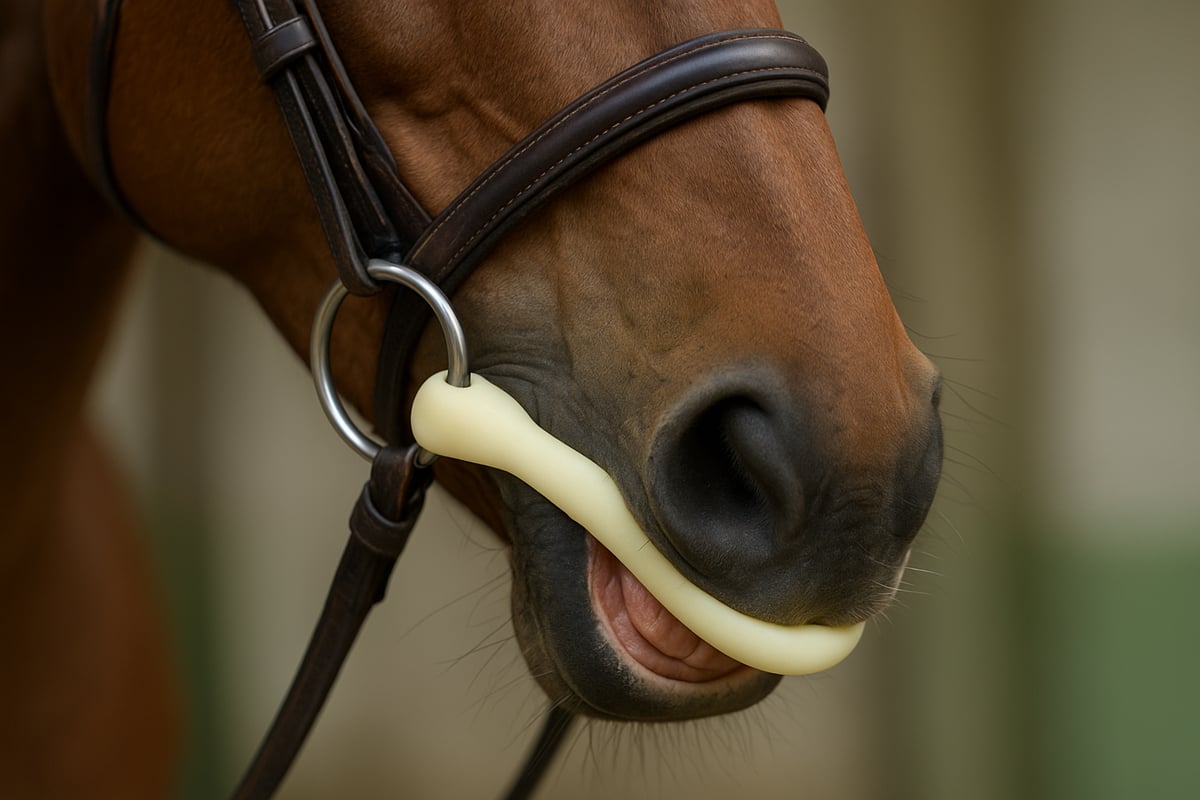
What sets happy mouth bits apart is their construction. Each bit features a food-grade, apple-scented polymer that encourages horses to mouth the bit, promoting relaxation. The polymer coating is flexible and gentle, reducing the risk of mouth injuries or discomfort.
A stainless steel core provides durability and strength, ensuring safety even with regular use. The apple scent is not just a novelty—many riders report it helps horses accept the bit more readily, especially those who are fussy or have had issues with traditional hardware.
Key features of happy mouth bits include:
- Soft, non-toxic, apple-scented polymer covering
- Reinforced stainless steel core for safety
- Flexible mouthpiece to reduce pressure points
- Smooth surface to minimize pinching and rubbing
The Role of Copper in Mouthpiece Design
Beyond the signature apple-scented polymer, many Happy Mouth bits include another thoughtful feature: a center roller made of 99.9% pure copper. This isn't just for show; copper has unique properties that many horses find appealing. As a softer metal, it warms quickly in the horse's mouth, making it more inviting than cold, hard steel. The slightly sweet taste of copper also encourages horses to accept the bit and relax their jaw. This small detail can make a significant difference, especially for sensitive horses who are particular about what’s in their mouth. It’s a simple yet effective way to promote a softer, more comfortable connection from the very start.
The copper roller also serves a practical purpose by encouraging salivation. When a horse’s mouth is moist, they are generally more relaxed and responsive to rein aids. The roller gives the horse something to gently play with using their tongue, which helps prevent tension and keeps their mouth soft. This is particularly beneficial for horses that tend to have a dry mouth or become fussy during a ride. By promoting this natural response, the bit helps create a more positive experience for your horse. You can explore a variety of bits with these thoughtful features in our horse tack collection, ensuring you find the perfect match for your partner.
Happy Mouth vs. Metal: What's the Difference?
Unlike conventional metal bits, happy mouth bits offer a unique balance of comfort and control. Horses with sensitive mouths often resist metal due to its cold, rigid feel. The warm, flexible polymer of happy mouth bits can help reduce tension and resistance, making them a top choice for horses prone to mouth injuries or behavioral issues.
| Feature | Happy Mouth Bits | Traditional Metal Bits |
|---|---|---|
| Material | Polymer/Steel | Metal (Stainless, etc) |
| Scent | Apple | None |
| Flexibility | High | Low |
| Comfort for Sensitives | Excellent | Variable |
| Pinching Risk | Low | Moderate |
Sensitive horses are often rated as more willing and accepting when fitted with happy mouth bits. Riders also appreciate the decreased risk of pinching or harsh pressure, especially during transitions or sudden movements.
Are They Right for Your Riding Style?
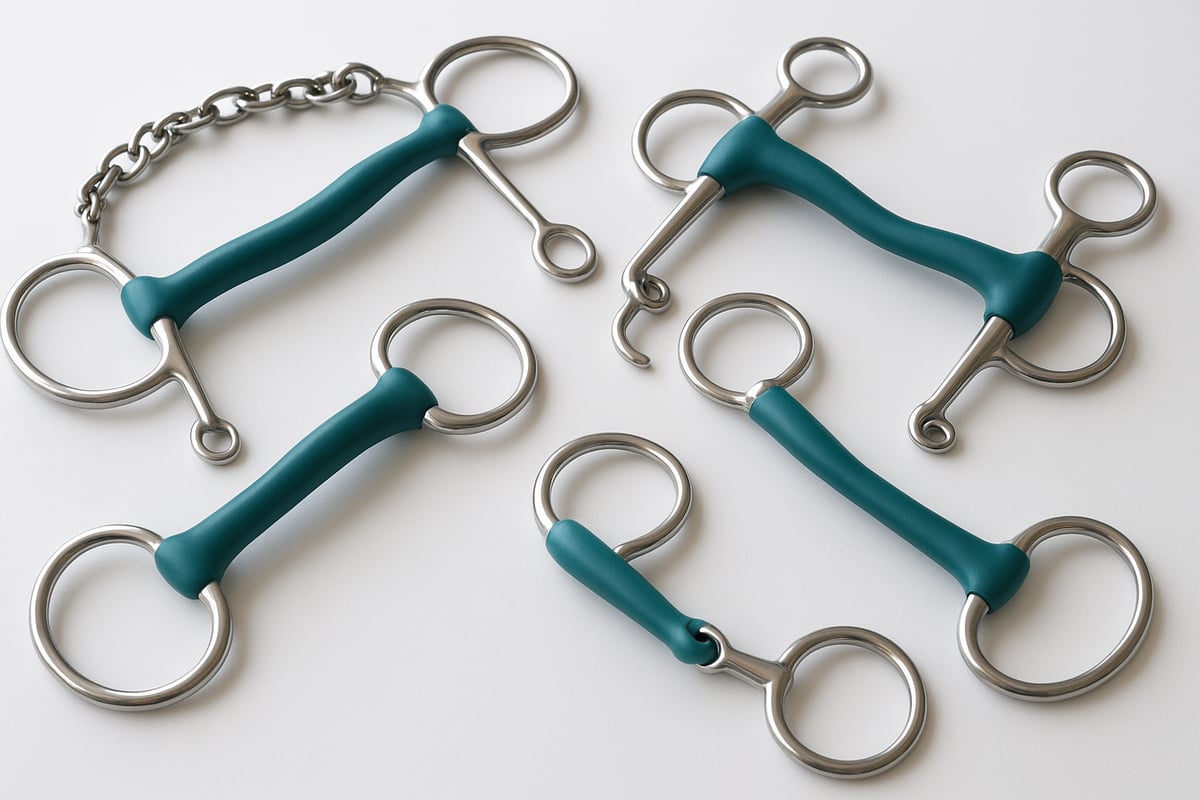
Happy mouth bits come in a wide range of styles to suit various horses and riding goals. Common types include Mullen, Snaffle, Pelham, Gag, and more. Each design serves a purpose, from gentle schooling to advanced competition.
For example, snaffle versions are popular in hunter/jumper rings, while Pelham and combination options are favored for control during eventing or equitation. Dressage riders often choose the Mullen or double-jointed styles for their balanced feel.
To explore the full range of models and find detailed specs for each, riders can consult the Happy Mouth Bits Product Catalog.
Benefits for Riders with Unsteady Hands
If you're still developing a steady hand, finding a forgiving bit is a game-changer. Happy Mouth bits are designed to be exceptionally comfortable, which encourages horses to accept them more easily. This inherent comfort means your horse is less likely to react negatively to the accidental bumps and movements that can happen while you're learning. The soft polymer material provides a gentle buffer that you just don't get with traditional metal. This makes it an excellent choice for riders working to refine their aids, as it helps build confidence for both you and your horse, ensuring your communication stays clear and positive. Finding the right horse tack is about setting you both up for success.
Ideal for Training and Softening
Happy Mouth bits are a fantastic tool for a wide range of training situations. They are highly recommended for starting young horses because the apple-scented, gentle polymer creates a positive first experience with a bit, encouraging acceptance rather than resistance. This can make the entire breaking process smoother. At the same time, these bits are incredibly effective for softening the mouths of more experienced horses that may have become unresponsive or "hard" over time. The unique design encourages them to relax their jaw and listen to subtler cues, helping you re-establish light and responsive communication. It’s a versatile piece of equipment that proves its worth in many training programs.
What the Pros Say (and Common Myths Busted)
Professional riders and trainers often recommend happy mouth bits for horses with sensitive mouths or those transitioning from other bit types. Many note improved acceptance and fewer training issues. Trainer feedback highlights the bits’ effectiveness for young or green horses, as well as seasoned competitors needing a softer approach.
However, some concerns exist. Riders sometimes worry about the longevity of the polymer, especially with horses who chew. Safety studies show the materials are non-toxic and generally safe, but regular inspection for wear is essential. Users should check for cracks, rough spots, or excessive chewing damage.
Common concerns include:
- Lifespan may be shorter with aggressive chewers
- Regular inspection and replacement needed
- Not all models are permitted in every discipline, so check rules before competing
In summary, happy mouth bits stand out for their blend of comfort, innovation, and adaptability, making them a smart choice for riders focused on their horse’s wellbeing.
A Guide to Different Happy Mouth Bit Types
Selecting the right type from the many happy mouth bits available can transform your horse's experience. Each style is designed to meet specific needs, from training young horses to providing extra control in competition. Understanding these options will help you choose the most fitting bit for your discipline and your horse’s temperament.
The Gentle Mullen Mouth
Mullen mouth happy mouth bits feature a straight bar design made from gentle, apple-scented polymer. This style encourages even pressure across the horse’s tongue and bars, reducing the risk of pinching or discomfort. The flexibility of the material offers a forgiving feel, making it ideal for young, sensitive, or green horses starting their training.
- Even pressure distribution for steady contact
- Minimizes risk of pinching compared to jointed bits
- Encourages relaxed chewing and bit acceptance
These bits are especially useful during basic schooling and groundwork, where comfort and stability are priorities. However, some horses may find the lack of independent movement less engaging than jointed designs. Trainers often recommend Mullen mouth happy mouth bits for riders working with horses that are new to bitting or display sensitivity to traditional metal bits.
How the Mullen Mouth Spreads Pressure
The effectiveness of the Mullen mouth lies in its simple, unjointed design. Unlike a traditional snaffle that breaks in the middle, the Mullen mouth is a solid bar. When you pick up the reins, the pressure is distributed evenly across your horse's tongue and the bars of their mouth. This prevents the "nutcracker" effect that can sometimes happen with jointed bits, where pressure gets concentrated on specific points. The result is a clearer, more gentle signal that many horses find much more comfortable. It’s a fundamental piece of horse tack that prioritizes steady contact and reduces the chances of pinching or creating sore spots, making it a fantastic choice for sensitive mouths.
Classic Snaffles for Everyday Riding
Snaffle happy mouth bits come in single and double-jointed varieties, providing clear communication between horse and rider. The ergonomic design reduces the nutcracker effect, which can make traditional bits uncomfortable for some horses. Riders appreciate how these bits encourage responsiveness and soft contact, making them a staple for everyday riding and novice equestrians.
- Single-jointed: more direct action, can suit horses needing clear cues
- Double-jointed: distributes pressure, ideal for sensitive mouths
- Popular in hunter/jumper circuits and general training
While snaffle happy mouth bits are versatile and well-accepted, some horses may learn to lean or pull against the bit if not managed correctly. Consistent training and appropriate rein handling are essential to maximize their benefits.
Pelhams and Combination Bits for More Refinement
Pelham and combination happy mouth bits add curb action and leverage, offering increased control for strong or advanced horses. These bits feature flexible mouthpieces and stainless steel cores, blending comfort with precise communication. Double reins are typically required, allowing riders to adjust pressure and response as needed.
- Suitable for advanced training and show ring requirements
- Used in equitation and certain eventing phases
- Requires skilled hands to avoid excessive leverage
Proper fit is crucial, as improper use can lead to discomfort or resistance. Pelham happy mouth bits are not recommended for beginners, but when fitted and handled correctly, they provide the control needed for upper-level performance. To explore the full range of these bit styles, visit the Bits and Curbs Collection.
Specialty Bits for Specific Training Needs
Specialty happy mouth bits, such as gag or elevator designs, cater to specific training or behavioral needs. These bits offer increased control and head elevation, making them popular choices for eventing, jumpers, or horses that are particularly strong.
- Gag bits: apply upward pressure for head carriage
- Elevator bits: combine leverage and lifting action
- Often used by professional riders for challenging horses
Because these bits can be harsh if misused, they are best reserved for experienced riders who understand the mechanics and fit of each design. Selection should always be based on the horse’s individual needs and the rider’s skill level. Trainers recommend careful introduction and monitoring to ensure the horse remains comfortable and responsive.
Beyond English: Western and French Link Options
While many associate Happy Mouth bits with English riding, their designs extend to other disciplines, including Western. A great example is the Western French Link D Ring, which provides a gentle yet clear communication tool. The French link mouthpiece is designed to lie flat across the horse's tongue, distributing pressure more evenly than a single-jointed bit. This can significantly improve comfort and encourage a softer, more responsive feel in the reins. Paired with the signature apple scent that helps horses accept the bit, it's a fantastic option for sensitive mounts or those transitioning from traditional metal bits. You can find options like these when you explore horse tack that prioritizes your animal's well-being.
Competition Legality of Happy Mouth Bits
If you plan to show your horse, it's essential to verify that your chosen Happy Mouth bit is legal for your specific discipline. While these bits are known for their horse-friendly features, not all models are permitted in every type of competition. Disciplines like dressage and jumping, for instance, have very specific rules about approved equipment to ensure fairness. Before you head to a show, always take a moment to check the official rulebook for your governing body. This simple step helps you stay compliant, avoid the risk of disqualification, and allows you to focus completely on your performance.
How to Choose the Perfect Happy Mouth Bit
Selecting the right happy mouth bits for your horse requires a thoughtful approach, as every horse and rider combination is unique. Understanding the key factors will help you ensure both comfort and performance in 2025. Explore the essential elements below to make an informed decision.
Listen to Your Horse: Mouth Shape and Feel
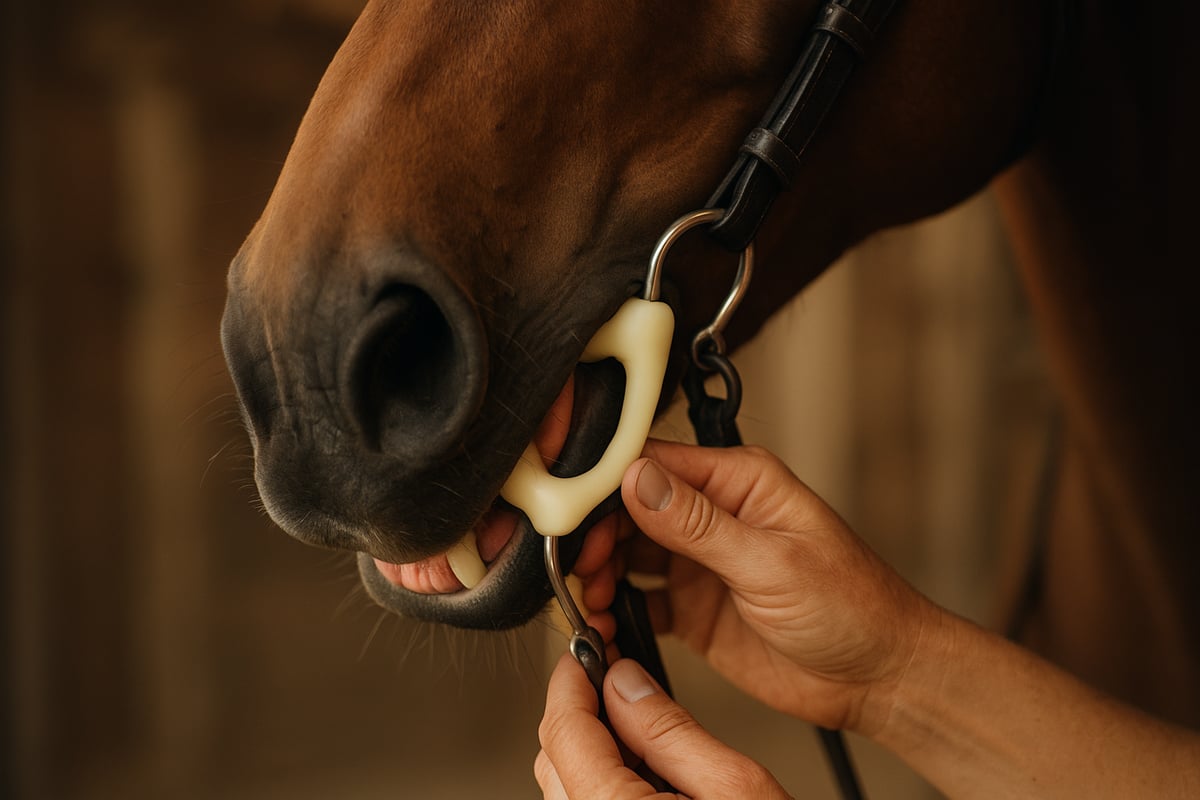
The first step in choosing happy mouth bits is to assess your horse’s mouth conformation. Horses have a wide range of mouth shapes, including differences in palate height, tongue thickness, and lip structure. These anatomical features influence how a bit sits and functions.
Look for signs of sensitivity, such as head tossing, gaping, or resistance when bridling. Horses with sensitive mouths often react poorly to traditional bits but may accept happy mouth bits more willingly due to their gentle polymer construction.
Matching the bit style to your horse’s mouth is essential. For example, horses with thick tongues usually prefer thinner mouthpieces, while those with low palates benefit from curved designs that avoid palate pressure. Happy mouth bits are frequently praised for accommodating horses with sensitivity or previous mouth injuries.
When evaluating comfort, monitor your horse’s response during and after rides. A relaxed jaw, soft chewing, and steady contact are positive indicators. If you notice persistent discomfort, consider trying a different mouthpiece or size. Taking the time to understand your horse’s anatomy helps optimize both comfort and communication.
Match the Bit to Your Riding Goals
Your riding discipline and training objectives significantly impact which happy mouth bits will work best. Each discipline has unique demands and often specific rules regarding acceptable tack. For example, dressage requires smooth, precise communication, often achieved with snaffle happy mouth bits, while jumping and eventing may call for more control, such as a Pelham or gag bit.
Competition regulations, like those set by USEF or FEI, may restrict certain bit types or materials. Always verify that your chosen happy mouth bits are legal for your intended events. Training level also matters. Green horses benefit from milder bits that encourage acceptance, while more advanced horses may require bits that offer increased control.
Consulting professional trainers can provide discipline-specific insights. They often recommend starting with a simple snaffle for basic work, then progressing to combination or leverage bits for specialized needs. For a comprehensive guide on bit selection based on your riding goals, review Choosing the Right Bit for Your Horse.
Ultimately, aligning your bit choice with your training objectives ensures both safety and progress in your chosen sport.
Be Honest About Your Own Experience
The rider’s skill level is a critical factor when selecting happy mouth bits. Novice riders are generally advised to start with simple, forgiving bits, such as a Mullen mouth or basic snaffle, as these reduce the risk of harsh signals and accidental discomfort for the horse.
Leverage or specialty bits, like Pelham or gag styles, require advanced rein handling and a nuanced understanding of pressure. Inexperienced riders may inadvertently apply excessive force, leading to confusion or discomfort for the horse.
Proper rein management is essential, especially when using double or combination bits. Riders should be comfortable with independent rein aids and able to maintain consistent contact without abrupt movements. Professional fitting and instruction are strongly recommended for those transitioning to more complex happy mouth bits.
Remember, the best bit is one that matches both the horse’s needs and the rider’s ability. Prioritizing safety and clear communication will foster a productive partnership and positive learning experience.
Why Getting the Right Size is Everything
Correct sizing and fitting of happy mouth bits are vital for your horse’s wellbeing. Begin by measuring your horse’s mouth width using a bit measure or string. Most average horses fit a 5” or 5.5” bit, but individual variations are common.
Signs of poor fit include pinching at the lips, rubbing, or excessive sideways movement. A well-fitted bit sits comfortably, with one or two small wrinkles at the corners of the mouth, ensuring even pressure without causing sores.
Here’s a quick reference table for sizing:
| Mouth Width (inches) | Recommended Bit Size |
|---|---|
| 4.5–5 | 5 |
| 5–5.25 | 5.25 |
| 5.5–6 | 5.5 |
Adjust cheekpieces and bit height as needed, especially for horses with fleshy lips or small mouths. Periodically reassess fit as your horse matures or changes disciplines, since mouth shape can evolve over time.
Professional fitting services are invaluable, especially for complex or specialty happy mouth bits. Regular checks and adjustments help maintain comfort and encourage acceptance, supporting your horse’s long-term health and performance.
Understanding the Size Range
While most average-sized horses do fit a 5” or 5.5” bit, it’s a mistake to rely on averages. Individual variations are incredibly common, and your horse’s unique mouth anatomy—from jaw width to lip thickness—will determine the right size. Guessing can lead to discomfort and muddled communication. The best approach is to measure your horse’s mouth directly, either with a proper bit sizer or a simple piece of string you can measure later. This quick step ensures the bit sits correctly, allowing for clear signals without causing unnecessary pressure or pain. Taking a moment to get an accurate measurement is a fundamental part of selecting the right horse tack and keeping your partner happy.
A Note on Sizing Discrepancies
Getting the measurement right is just the first step; achieving a perfect fit often requires some fine-tuning. Watch for signs of a poor fit, like pinching at the lips, rubbing, or the bit sliding sideways in the mouth. A well-fitted bit should rest comfortably, creating one or two small, soft wrinkles at the corners of the mouth. This ensures even pressure without causing sores. If it’s too tight, it will pinch and pull. If it’s too loose, it will create confusing signals and could even bang against your horse’s teeth. Remember to adjust your bridle’s cheekpieces and periodically reassess the fit, especially as your horse matures or changes disciplines, since their mouth shape can evolve over time.
Understanding the Cost
When you're browsing for a new bit, the price of Happy Mouth options might stand out compared to traditional metal bits. Their cost is a direct reflection of the unique, high-quality materials and thoughtful design that go into their construction. The combination of a food-grade, apple-scented polymer over a durable stainless steel core is an innovation that prioritizes your horse's comfort and acceptance. For many riders with sensitive horses, this makes the price a worthwhile investment in their animal's well-being and training progress. While these bits are designed for longevity, it's always smart to inspect your horse tack regularly for safety, especially if your horse tends to chew heavily.
How to Fit Your Happy Mouth Bit: A Step-by-Step Guide
Proper fitting and adjustment are crucial to maximizing the benefits of happy mouth bits. A precise fit not only enhances your horse’s comfort but also ensures effective communication and safety during every ride. This step-by-step guide breaks down the process, making it easy for riders of all experience levels to achieve the best results.
Step 1: Get an Accurate Mouth Measurement
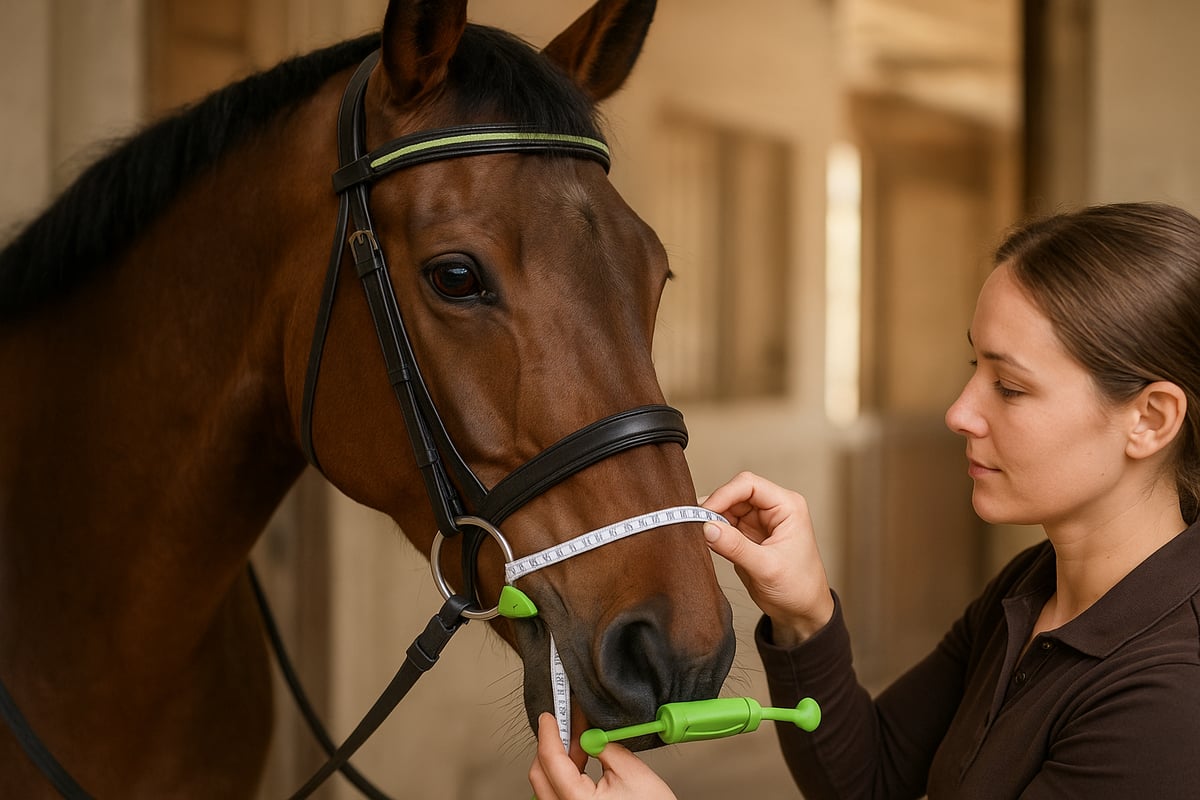
Start by gathering a flexible bit measure or a simple piece of string and a ruler. Stand beside your horse and gently guide the string across the mouth, from one corner to the other, following the line where the bit will sit. Mark the points where the lips meet, then measure the distance between these marks.
Accurate measurement is the foundation for fitting happy mouth bits. The average horse’s mouth ranges from 5 to 5.5 inches, but individual variation is common. Be sure to avoid measuring too tightly or loosely, as incorrect sizing is a leading cause of discomfort and resistance. Repeat the measurement if unsure, and always round up slightly for a comfortable fit.
Step 2: Choose Your Mouthpiece and Cheeks
With your horse’s mouth size in hand, explore cheekpiece options such as loose ring, D-ring, eggbutt, or full cheek designs. The choice of cheekpiece affects stability and the type of guidance provided. For example, D-ring cheekpieces offer lateral support, making them ideal for horses learning to turn, while loose rings encourage a soft, responsive connection.
Selecting the right mouthpiece is just as important as cheekpiece style. Happy mouth bits come in various mouthpiece shapes to suit different needs. If you need more guidance on cheekpiece function and overall bridle fit, the Horse Bridles and Tack Guide provides helpful insights. Always match both components to your horse’s conformation and your riding discipline.
Step 3: Check Your Bridle and Bit Height
Once you have selected the appropriate happy mouth bits, adjust the bridle so the bit sits at the correct height in the horse’s mouth. Aim for one or two gentle wrinkles at the corners of the lips. This ensures the bit is not hanging too low, which can cause movement and rubbing, or too high, which may create pressure and pinching.
Check that the cheekpieces are even on both sides. For horses with fleshy lips or smaller mouths, minor adjustments may be needed to prevent pinching. During the first ride, observe how the bit settles and make small changes as needed to maintain a stable, comfortable position.
Step 4: Watch for Signs of Comfort
After fitting happy mouth bits, pay close attention to your horse’s behavior. Signs of a well-fitted bit include a relaxed jaw, soft chewing, steady contact, and willingness to accept the aids. Watch for warning signs like head shaking, excessive salivation, or resistance, as these may indicate discomfort or poor fit.
Regular checks are essential, especially as your horse’s mouth changes with age or training. Adjust the fit as needed, and consider switching to a different style of happy mouth bits if your horse’s needs evolve. Comfort and acceptance are the ultimate indicators of a successful fit.
The Finger and Quarter-Inch Rule
A classic guideline for checking bit width is the "one finger rule," which suggests you should be able to fit one finger between your horse's lip and the bit ring. While this is a good starting point, a more precise method is to look for about 1/8 to 1/4 inch of the mouthpiece showing on either side of your horse’s mouth. This small amount of space is crucial; it prevents the bit rings from pinching your horse’s cheeks without being so wide that the bit slides around. The perfect amount of space can depend on how fleshy your horse's lips are, so it's important to ensure a proper bit fit for their unique conformation. Getting this detail right helps the bit sit quietly and comfortably, allowing for clearer communication and a happier horse.
Making Your Happy Mouth Bit Last
Proper care and maintenance are essential for keeping happy mouth bits safe, comfortable, and effective for your horse. With regular attention, you can extend the lifespan of your bit and maintain your horse’s oral health. Let’s break down the best practices for cleaning, storing, and inspecting your happy mouth bits.
Your Daily and Weekly Cleaning Routine
Happy mouth bits should be cleaned thoroughly after every ride to prevent buildup of residue and bacteria. Rinse the bit under warm running water, using a soft brush to remove debris from the polymer surface and stainless steel core.
Once a week, perform a deeper clean. Use a mild, horse-safe soap and avoid harsh chemicals that could degrade the polymer. Pay special attention to joints and crevices, as these areas tend to collect grime. After cleaning, dry the bit completely to prevent water spots.
Regular cleaning not only preserves the signature apple scent but also keeps happy mouth bits appealing and hygienic for your horse. This simple routine helps reduce the risk of mouth irritation and prolongs the life of your bit.
How to Store Your Bit Properly
Storing happy mouth bits correctly is just as important as cleaning them. Always keep your bit in a cool, dry place, away from direct sunlight and extreme temperatures. Heat and UV exposure can cause the polymer to degrade or discolor over time.
Use a dedicated bit bag or wrap the bit in a soft cloth to prevent scratches. Store bits separately from heavy tack to avoid unnecessary pressure or bending. These steps help maintain the flexibility and integrity of happy mouth bits, ensuring consistent performance.
Proper storage also helps retain the apple aroma, making the bit more inviting for your horse each time you ride.
When Is It Time for a New Bit?
Regular inspection is critical for the safety of your horse. Examine happy mouth bits before and after each use, looking for cracks, rough edges, or signs of excessive chewing. Even small imperfections can cause discomfort or injury to your horse’s mouth.
If you notice any damage, replace the bit immediately. Safety recalls have occurred in the past, underscoring the importance of diligent checks. For more details about potential safety concerns and recall information, refer to the Happy Mouth Bit Recall Notice.
Staying vigilant with inspections ensures your happy mouth bits remain safe, effective, and comfortable for your horse.
Avoiding Common Wear and Tear
Horses that chew or play with their bit may cause premature wear on happy mouth bits. Watch for deep tooth marks, missing pieces, or a faded apple scent. If the bit becomes rough or loses flexibility, it’s time to replace it.
On average, happy mouth bits can last from several months up to a year with proper care, depending on your horse’s habits and frequency of use. Remember, regular cleaning and storage practices can significantly extend their lifespan.
By following these guidelines, you will help ensure that your happy mouth bits provide lasting comfort and performance for your horse.
The Importance of Regular Dental Checks
A comfortable bit is a fantastic tool, but it's only one piece of your horse's oral health puzzle. Even the softest Happy Mouth bit can cause discomfort if your horse has underlying dental issues like sharp points, hooks, or misaligned teeth. This is why regular dental care is essential for maintaining your horse's performance and overall well-being. Routine checkups allow a qualified professional to diagnose and treat dental problems before they become serious, ensuring your horse can eat properly and absorb all the necessary nutrients from their feed. A healthy mouth is the foundation for a happy, responsive partner, so scheduling an annual exam with your equine veterinarian is one of the best things you can do for them.
Important Safety Considerations
While Happy Mouth bits are known for their quality and gentle design, staying informed about equipment safety is a core part of responsible horse ownership. At Hooves and Paws, we believe that safe tack is non-negotiable, which is why we only stock products from trusted brands and think it's important to understand past industry issues. Being aware of potential risks, even from years ago, helps every rider make better choices for their horse's well-being. This knowledge empowers you to inspect your gear with a more critical eye, ensuring that every piece of equipment, from the bridle to the bit, contributes to a safe and positive experience for both you and your horse.
The 2012 Wire Mouth Bit Recall
A key event that highlights the importance of equipment inspection was the 2012 recall of certain wire mouth bits. While this recall involved a specific manufacturer and model type, it serves as a valuable lesson for all equestrians on the importance of regularly checking our gear for signs of wear and tear. It’s easy to overlook small signs of damage on equipment we use daily, but this case reminds us that the integrity of our tack is directly linked to our safety. Understanding what happened can help us all be more diligent in our daily checks and recognize that no piece of equipment is immune to wear over time.
What Happened and Why
In 2012, a recall was issued for wire mouth bits made by English Riding Supply because of a serious safety concern. The issue stemmed from the steel wire inside the bit's mouthpiece, which could fray, rust, or wear out over time. If the internal wire were to break while a horse was being ridden, the rider could lose control, creating a dangerous situation that could lead to falls and significant injuries. This recall, detailed by the U.S. Consumer Product Safety Commission, underscores why checking for the structural integrity of any bit—not just polymer ones—is a critical part of your tack-up routine.
Recalled Model Numbers
The recall specifically affected eight models of Happy Mouth wire mouth bits. If you're ever purchasing second-hand tack or using older equipment, it's wise to be aware of these specific models. The recalled bits were identified by model numbers 462172SS, 462177SS, 462181SS, 462184SS, 464123SS, 466898SS, 466904SS, and 467248SS. According to the official notice, these numbers could be found on a label attached to the product when it was new. This situation is a powerful reminder to always inspect your equipment, especially parts that are essential for control and communication with your horse.
Our Favorite Happy Mouth Bits (and Why)
Choosing the right happy mouth bits can transform your horse’s comfort and performance. In 2025, riders and trainers have more options than ever, with innovative designs tailored to every need. Below, we review the top happy mouth bits for a range of horses and disciplines, sharing why these models stand out and how they can help you achieve your riding goals.
Best for Sensitive Horses: Mullen Mouth Snaffle
For horses with delicate mouths, the Mullen Mouth Snaffle is a top choice among happy mouth bits. Its straight bar design distributes pressure evenly, reducing the risk of pinching or discomfort. The gentle, flexible polymer, combined with the signature apple scent, encourages acceptance even in the most sensitive horses.
Many riders have noted that their horses become softer and more relaxed when switching to this bit. Trainer feedback and competitor reviews consistently praise its ability to minimize resistance and promote steady contact. The Mullen Mouth Snaffle is particularly beneficial for horses recovering from mouth lesions or showing signs of discomfort with traditional metal bits. In fact, a recent study found a high rate of bit-related lesions in trotting horses, making gentle options like happy mouth bits even more essential for equine welfare.
Best for Versatility: Double-Jointed Snaffle
Versatility is key for riders who train across multiple disciplines, and the Double-Jointed Snaffle stands out among happy mouth bits for its ergonomic design. By featuring two joints, this bit reduces the nutcracker effect common in single-jointed models, allowing for more nuanced communication between horse and rider.
Trainers recommend this bit for schooling, flatwork, and even competition settings where a soft, responsive connection is desired. Riders report improved steering and fewer evasive behaviors, making it a favorite for both novice and experienced equestrians. The Double-Jointed Snaffle adapts well to different training goals, offering a gentle yet effective solution without overwhelming sensitive horses.
Best for Control: Pelham Happy Mouth Bit
When extra control is needed, especially with strong or forward horses, the Pelham Happy Mouth Bit delivers reliable results. This model combines the flexibility of happy mouth bits with the leverage action of a Pelham, including a curb chain for additional stopping power.
Used in equitation and some eventing phases, the Pelham is ideal for advanced riders who require precise rein aids. The flexible mouthpiece ensures that, even with leverage, the bit remains gentle on the horse’s mouth. However, proper rein handling and experience are crucial, as misuse can lead to excessive pressure. Riders appreciate the balance of control and comfort, making this bit a go-to for challenging horses or show ring requirements.
Best for Training Young Horses: Full Cheek Snaffle
Introducing young or green horses to happy mouth bits is made easier with the Full Cheek Snaffle. Its lateral support helps guide inexperienced horses, promoting better steering and bit acceptance during early schooling sessions.
The gentle mouthpiece and signature apple scent encourage young horses to mouth the bit and relax their jaw. Trainers frequently recommend the Full Cheek Snaffle for groundwork, lunging, and first rides, noting that horses adapt quickly and show fewer signs of resistance. This bit is also a reliable choice for horses transitioning from in-hand work to ridden training, as it fosters clear communication and confidence.
Best for Specialized Needs: Gag or Elevator Happy Mouth Bit
Some training scenarios call for increased control or specific head carriage adjustments, and this is where Gag or Elevator happy mouth bits shine. Designed for experienced riders, these bits offer heightened leverage and are commonly used in jumpers, eventing, or for horses with strong behavioral tendencies.
The flexible, apple-scented polymer helps soften the action compared to traditional metal gags, reducing the risk of harshness when used correctly. Professionals favor these bits for horses needing head elevation or additional control in challenging environments. However, due to their potential intensity, they are best reserved for skilled hands and clear training objectives. Riders seeking the right balance between control and horse welfare can also explore Horse Health and Wellness Essentials to support overall oral health alongside proper bit selection.
Frequently Asked Questions About Happy Mouth Bits
Curious about happy mouth bits? Below, you’ll find clear answers to the most frequently asked questions from riders and horse owners considering these innovative bits for 2025.
Can happy mouth bits be used in all disciplines?
Yes, happy mouth bits are designed for versatility and are accepted in many disciplines, including dressage, jumping, eventing, and pleasure riding. However, always check the latest competition rules for your specific discipline to ensure compliance.
How long does the apple scent last, and does it affect horses’ acceptance?
The apple scent in happy mouth bits is infused into the polymer material and typically lasts several months with regular use. Many horses respond positively to the scent, which can encourage acceptance and relaxation, especially during bit transitions.
Are happy mouth bits safe for horses that chew?
Happy mouth bits are generally safe for horses prone to chewing, thanks to their durable stainless steel core. However, excessive chewing may shorten the bit's lifespan. Regular inspection for wear or sharp edges is recommended to maintain safety and comfort.
What is the average lifespan of a happy mouth bit?
With proper care, happy mouth bits can last from six months to two years. Lifespan varies based on frequency of use, chewing habits, and cleaning routines. Replace the bit if you notice cracks, rough spots, or significant wear.
How do I know if my horse prefers a happy mouth bit over metal bits?
Signs your horse prefers happy mouth bits include relaxed chewing, steady contact, and reduced resistance. Observing your horse’s comfort and acceptance during rides is key. For deeper insight into how bit design and fit affect acceptance, see this Factors Influencing Intra-Oral Bit Movement study.
Can happy mouth bits be used for horses with dental issues?
Many horses with mild dental issues benefit from happy mouth bits due to their gentle, flexible surface. Always consult your veterinarian or equine dentist before switching bits if your horse has significant dental concerns.
Are there any competition restrictions for happy mouth bits in 2025?
Most major organizations allow happy mouth bits, but some specialty designs may not be permitted. Always review the 2025 rulebooks for your association to confirm which bit types are legal for your class or discipline.
What are tips for transitioning from metal to happy mouth bits?
Start by introducing the happy mouth bit during short, relaxed sessions. Monitor your horse’s response and adjust fit as needed. Gradual transition, patience, and consistent positive experiences help ensure your horse adapts smoothly to the new bit.
Now that you have a clearer understanding of Happy Mouth Bits and how to find the perfect fit for your horse, you’re ready to make an informed decision that puts your horse’s comfort and performance first. At Hooves and Paws, you’ll find a carefully curated selection of these innovative bits along with the expert support and service you deserve. With free US shipping and flexible payment options, shopping for quality equestrian gear has never been easier. If you’re ready to experience the benefits of Happy Mouth Bits firsthand, you can Buy Now and take the next step toward a happier, healthier partnership with your horse.
Key Takeaways
- Focus on a Softer Connection: The apple-scented polymer design isn't just a novelty; it's engineered to encourage acceptance and reduce mouth tension. This makes it a powerful tool for improving communication, especially with sensitive or young horses.
- Match the Bit to Your Unique Partnership: The best bit is one that suits your horse's mouth shape, your specific riding goals, and your own skill level. Considering all three factors is the key to finding a tool that supports clear and fair communication.
- Make Fit and Safety Non-Negotiable: A proper fit—indicated by one or two soft wrinkles at the mouth's corners—is crucial for comfort and effectiveness. Regularly inspect the bit for any signs of wear, like cracks or deep chew marks, to ensure it remains a safe piece of equipment.


