


Walking into a tack shop or browsing online can feel overwhelming. You’re faced with walls of shiny metal in every shape imaginable—D-rings, loose rings, Pelhams, and more. It’s tempting to just stick with what you’ve always used, even if you suspect there’s a better option for your horse. The right bit makes a huge difference in your communication and your horse's comfort. We're here to simplify the process. This guide will give you the confidence to choose wisely by focusing on the essential horse bits that form the foundation of any good tack room.
In this article, we reveal the 7 essential horse bits every rider should know about this year. You will discover their unique features, the latest material trends, and expert recommendations tailored to your riding discipline.
Stay ahead of the curve with insights that promise better communication, improved horse welfare, and a comprehensive guide to making informed decisions.
How Horse Bits Influence Your Ride
Selecting the right horse bits has never been more important for both horse and rider. In 2025, advances in technology and greater understanding of equine comfort have transformed how we view these small yet powerful pieces of tack. The evolution of horse bits mirrors the progress of the entire equestrian world, blending tradition with modern science.
A Quick History of Horse Bit Design
Over the decades, horse bits have changed dramatically. Early designs focused primarily on control, sometimes at the expense of the horse's comfort. Today, innovation is driven by a commitment to welfare and clear communication.
Materials like titanium and sweet iron have become popular for their lightweight, hypoallergenic properties. Ergonomic shapes and flexible joints now help distribute pressure evenly, reducing the risk of pinching or causing mouth fatigue. Modern trends also prioritize bits that are competition-approved and designed to adapt to the horse’s mouth temperature.
Equestrian experts agree that these advancements enable riders to maintain precise contact without causing discomfort. The result is a more harmonious partnership, where the horse responds willingly and confidently to subtle cues.
How Your Bit Choice Impacts Your Horse
The science behind horse bits reveals how essential proper fit and design are for effective training. Pressure from a poorly chosen bit can lead to pinching, bruising, or uneven distribution across the horse’s sensitive mouth structures. This discomfort often manifests as head tossing, resistance to contact, or even refusal to accept the bridle.
Many behavioral issues stem from ill-fitting bits. Horses may gape, root, or evade the rein when experiencing pain or confusion. In contrast, case studies show that selecting the right bit can transform a horse’s way of going. Riders often report improved relaxation, softer mouths, and better overall performance when the horse bits suit the animal’s anatomy and temperament.
Understanding these dynamics helps riders create a more positive training environment, leading to happier, healthier horses.
Matching the Bit to Your Riding Discipline
Different disciplines demand different characteristics in horse bits. Dressage requires bits that promote subtlety and self-carriage, while jumping or eventing may require more leverage or lateral control. Everyday riding often benefits from mild, forgiving bits that encourage relaxation and trust.
Regulations for competition-approved bits have also evolved. In 2025, organizations like USEF and FEI have updated their lists, making it crucial for riders to stay informed. Professional fitting and trial programs are now widely recommended, ensuring each horse receives a tailored solution.
For detailed guidance on matching bits to your discipline and training goals, consider resources such as bit selection for riding and training, which offer expert advice on making informed decisions.
Surprising Stats About Horse Bits
Recent data highlights strong trends in the horse bits market. Titanium and sweet iron bits have seen a sharp rise in popularity, with many riders citing improved comfort and communication. Surveys indicate that over 60 percent of riders who switched bits reported noticeable improvements in their horse’s responsiveness.
| Material | Popularity (2025) | Notable Benefit | Leading Brand |
|---|---|---|---|
| Titanium | High | Lightweight, hypoallergenic | Fager |
| Sweet Iron | Increasing | Encourages salivation | Shires |
| Stainless Steel | Consistent | Durable, affordable | Korsteel |
Brands like Neue Schule and Myler are shaping the market with innovative, competition-legal options. As horse bits technology advances, riders are empowered to make choices that boost both performance and equine well-being.
Understanding the Mechanics of a Horse Bit
To choose the right bit, it helps to first understand how it works. A bit is a tool for communication, not control. It uses pressure to send signals from your hands to your horse's head. Different bits apply pressure in different ways and to different areas, which is why finding the right match is so important for clear and gentle communication. When you know the basic mechanics, you can make a more informed choice that suits both your horse's needs and your riding style. Let's break down the core components and principles behind how a bit functions.
The Basic Parts of a Bit and Their Functions
Every bit, no matter how simple or complex it looks, is made up of a few key parts that determine how it interacts with your horse. The two primary components are the mouthpiece, which goes inside the horse's mouth, and the cheek pieces, which are the parts on the outside. The design of these two elements dictates the bit's action and where pressure is applied. Understanding their individual roles is the first step in figuring out what kind of communication a specific bit will facilitate between you and your horse.
Mouthpieces and Cheek Pieces
The mouthpiece is the part of the bit that sits inside the horse's mouth, resting on the tongue and the bars (the toothless space in a horse's jaw). Mouthpieces come in a huge variety of materials, shapes, and styles—from solid bars to jointed or multi-jointed pieces. The cheek pieces are the rings or shanks on the sides of the horse's mouth where the bridle and reins attach. According to equestrian experts, the shape and style of the cheek piece are what change how the bit applies pressure, either directly or with leverage.
Shanks and Curb Chains
You'll find shanks on curb bits, which are common in Western riding and some English disciplines like saddle seat. Shanks are the long metal arms that extend down from the mouthpiece. They create leverage, which amplifies the signal from your reins. When you pull the reins on a curb bit, the shanks rotate, applying pressure not just inside the mouth but also on the poll (via the bridle) and under the chin (via a curb chain or strap). This leverage action allows for more subtle cues once a horse is well-trained.
Key Pressure Points on the Horse
A bit communicates with a horse by applying pressure to several sensitive areas on its head. The main pressure points include the tongue, the bars of the mouth, the lips and corners of the mouth, and the palate (the roof of the mouth). Depending on the type of bit, pressure can also be applied externally to the chin, nose, and poll. A snaffle bit primarily works on the tongue, lips, and bars, while a curb bit adds pressure to the chin and poll. The goal is to use the lightest pressure necessary to send a clear signal, which is why a bit that fits your horse's mouth anatomy is so crucial for their comfort.
The Two Main Categories: Snaffle vs. Curb Bits
While there are hundreds of bit variations, nearly all of them fall into two main categories: snaffle bits and curb bits. The fundamental difference between them is how they apply pressure—either through direct action or through leverage. Knowing which category a bit belongs to tells you a lot about how it will function and what level of training it's best suited for. This distinction is one of the most important concepts to grasp when exploring the world of horse tack.
Snaffle Bits: Direct Pressure
Snaffle bits are defined by their direct-pull action. When you apply pressure to one rein, that pressure is felt directly on the corresponding side of the horse's mouth. For example, pulling the left rein creates pressure on the left side of the mouth, clearly asking the horse to turn left. As explained in a report from the University of Georgia, this one-to-one pressure ratio makes snaffles great for teaching young horses the basics and for disciplines that require direct, clear communication between the rider's hands and the horse's mouth.
Curb Bits: Leverage Action
Curb bits, on the other hand, operate using leverage. The reins attach to the bottom of the shanks, not directly to the mouthpiece ring. When you pull the reins, the shanks engage, creating a leverage effect that applies pressure to multiple points: the mouth, the chin (via the curb chain), and the poll. This allows a rider to use very subtle rein cues to get a response, making curb bits suitable for more advanced horses who are trained to neck rein and respond to light signals.
Decoding Bit Severity
The term "bit severity" can be misleading. It's not about a bit being "good" or "bad," but rather about how much pressure it can apply and how concentrated that pressure is. A "milder" bit spreads pressure over a wider area, while a "stronger" or more "severe" bit concentrates it on a smaller area. However, the bit itself is only one part of the equation. The most significant factor is always the rider's hands. A gentle bit can become harsh in rough hands, while a skilled rider can use a stronger bit with incredible finesse and subtlety.
Factors That Influence a Bit's Strength
Several design elements determine how strong a bit's signal is. The thickness of the mouthpiece, the length of the shanks on a curb bit, and even the texture of the mouthpiece all play a role. A common misconception is that a bigger, heavier bit is always harsher, but often the opposite is true. Understanding these key factors will help you look past the appearance of a bit and truly understand how it will feel and function from your horse's perspective.
Mouthpiece Thickness and Texture
Generally, a thicker mouthpiece is considered milder because it distributes pressure over a larger surface area of the horse's tongue and bars. Conversely, a thin or twisted-wire mouthpiece is more severe because it concentrates that same pressure onto a very narrow area, creating a much sharper signal. Think of it like carrying a heavy bag: a wide strap is much more comfortable on your shoulder than a thin rope. The same principle applies to your horse's mouth.
Shank Length and Leverage
For curb bits, the length of the shanks is a major factor in its severity. Longer shanks create more leverage, meaning a small pull on the reins results in significantly more pressure on the horse's mouth, chin, and poll. However, longer shanks also have a slower action, giving the horse a bit more warning before the pressure is fully applied. Shorter shanks offer less leverage but a quicker, more direct signal. The choice depends on the desired level of refinement and the horse's training.
The Most Important Factor: The Rider's Hands
No matter what bit you choose, its effect is ultimately determined by the person holding the reins. The rider's hands are the single most important factor in how any bit functions. Soft, steady, and forgiving hands can make almost any bit a tool for clear and gentle communication. On the other hand, unsteady or harsh hands can make even the mildest snaffle a source of pain and confusion for the horse. Developing an independent seat and sensitive hands is the best way to ensure any bit you use is effective and fair to your equine partner.
Shop This Post

Featured in this article
AV Bob Avila Double Ring Snaffle Horse Bit - Sweet Iron Mouthpiece, 3" Rings - Multiple Sizes
$165.00
Shop Now →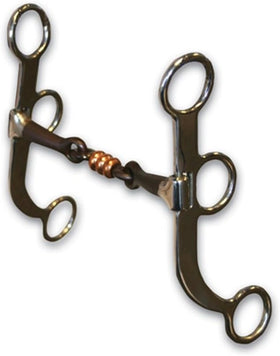

Common Types of Horse Bits
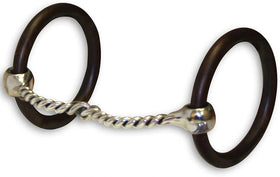
Once you have a handle on the mechanics, you can start exploring the different types of bits available. While the variety can seem endless, most bits are variations on a few common themes designed for specific purposes or disciplines. From mild curb bits perfect for transitioning from a snaffle to specialized bits used in advanced dressage, each has a unique function. Here are a few essential types every rider should recognize, many of which you can find in our curated collection of horse bits.
Kimberwick Bits
A Kimberwick is a bit that bridges the gap between a snaffle and a full curb bit. It uses a D-shaped cheek piece with slots to attach the reins, offering a mild amount of leverage and curb action without long shanks. This design encourages the horse to lower its head and flex at the poll. Kimberwicks are often used on ponies or horses that need a bit more braking power than a simple snaffle can provide, but aren't ready for a traditional curb bit.
Weymouth and Pelham Bits
The Weymouth and Pelham are two distinct but often related bits used in English riding. A Weymouth, or "curb bit," is part of a double bridle and is always used with a small snaffle called a bradoon for advanced dressage. It's a strong leverage bit requiring two reins. A Pelham bit is a single bit that combines the actions of both a snaffle and a curb bit into one mouthpiece. It uses two reins (or a rein converter) to allow the rider to engage either the direct snaffle action or the leverage curb action, making it a versatile choice for jumping and eventing.
Gag Bits
Gag bits are designed to provide more control by creating upward pressure in the horse's mouth, which encourages the horse to lift its head. The cheek pieces of a gag bit slide, so when rein pressure is applied, the mouthpiece moves up in the horse's mouth and applies pressure to the poll. These bits are typically used by experienced riders on strong horses, particularly in fast-paced disciplines like polo or show jumping, where extra control might be needed to rebalance the horse.
Breaking Bits for Young Horses
When introducing a bit to a young or green horse, the goal is comfort and acceptance. Breaking bits are designed specifically for this purpose. They are typically thick, mild, and sometimes made of materials like rubber or have features like "keys" that encourage the horse to play with the bit and relax its jaw. The aim is to make the horse's first experience with a bit a positive one, setting the foundation for a soft and responsive mouth for years to come.
7 Essential Horse Bits Every Rider Should Know
Selecting the right horse bits can transform both your riding experience and your horse’s comfort. With so many new options available in 2025, it’s crucial to understand the unique features and benefits of each bit. Below, we review seven standout choices, highlighting their advantages, ideal use cases, and what sets them apart in the evolving landscape of horse bits.
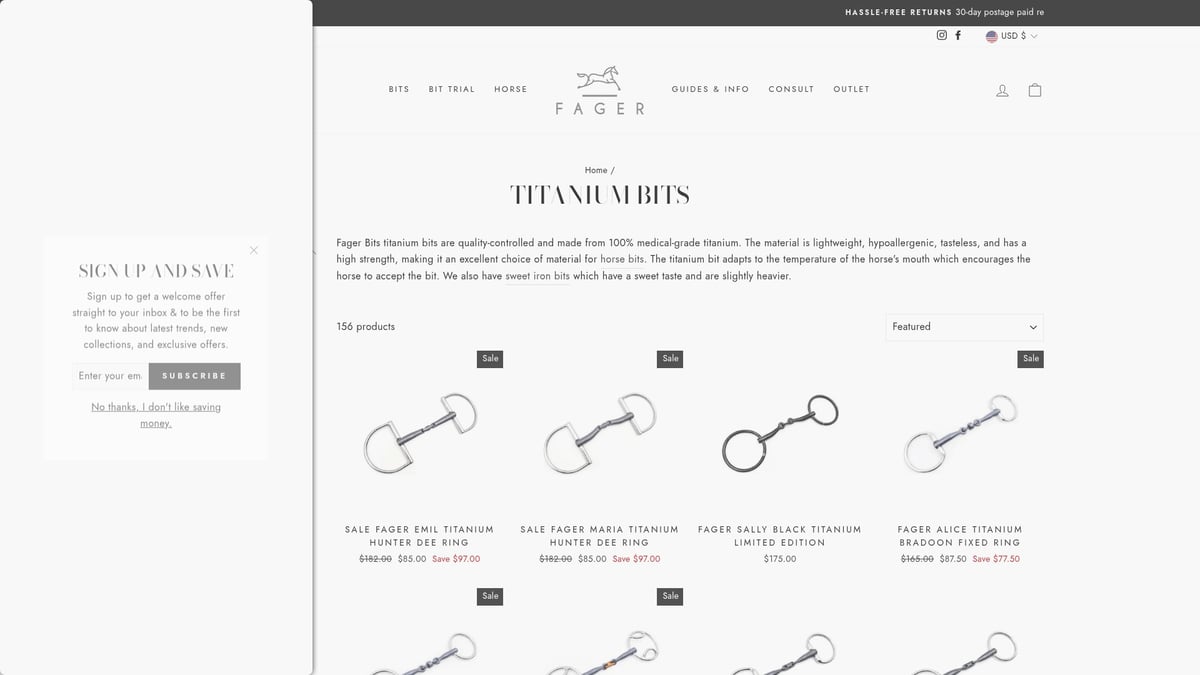
Fager Titanium Loose Ring Snaffle
The Fager Titanium Loose Ring Snaffle stands at the forefront of horse bits innovation for 2025. Crafted from 100% medical-grade titanium, this bit is remarkably lightweight and hypoallergenic. Its design encourages natural salivation and adapts to the horse’s mouth temperature, making it a favorite among riders seeking maximum comfort for sensitive horses.
- Pricing: $120-$160.
- Features: Pure titanium, lightweight, corrosion-resistant, adapts to temperature.
- Benefits: Reduces mouth fatigue, minimizes allergic reactions, promotes acceptance.
- Ideal For: All disciplines, especially horses with metal sensitivities or those needing a lighter feel.
- Pros: Durable, long-lasting, comfortable for extended use.
- Cons: Higher price point, may not suit all mouth conformations.
This snaffle is especially popular among riders who prioritize horse welfare. Its advanced material and ergonomic design reflect the latest trends in horse bits. Riders often notice improved responsiveness and reduced resistance, particularly in horses that have previously shown discomfort with traditional metal bits.
Shires Sweet Iron Full Cheek Bit
The Shires Sweet Iron Full Cheek Bit is a trusted classic with modern enhancements. The sweet iron mouthpiece, combined with copper inlays, naturally oxidizes to encourage chewing and bit acceptance. Full cheek arms provide superior lateral guidance, making this bit a staple for training young or green horses.
- Pricing: $35-$60.
- Features: Sweet iron mouth, copper inlays, full cheek design.
- Benefits: Encourages softness, aids in steering, promotes salivation.
- Ideal For: Young or green horses, those needing extra lateral control.
- Pros: Affordable, widely available, encourages positive behavior.
- Cons: Sweet iron will rust by design, may not be competition legal everywhere.
The appeal of sweet iron horse bits continues to grow, as riders seek mouthpieces that stimulate natural responses. While rust may seem like a drawback, it’s intentional for taste and acceptance. This bit is a go-to for trainers working through initial stages of education or retraining.
Myler Comfort Snaffle Dee Ring
The Myler Comfort Snaffle Dee Ring showcases how modern horse bits can blend ergonomic science with practical benefits. Its curved, double-jointed mouthpiece with copper inlay reduces tongue pressure and allows for independent side movement, which translates to clearer communication between rider and horse.

- Pricing: $110-$140.
- Features: Ergonomic curve, copper inlay, independent side movement.
- Benefits: Reduces tongue pressure, encourages relaxation, enhances communication.
- Ideal For: Sensitive-mouthed horses, riders seeking gentle control.
- Pros: Competition legal, gentle action, innovative design.
- Cons: Higher cost, some horses may prefer traditional snaffles.
This bit is widely recommended by professionals for horses displaying tension or resistance. Riders often report improved relaxation and a softer contact, making it a versatile addition to any tack room. If you’re interested in exploring a broader range of horse bits, the Bits and Curbs Collection offers an excellent starting point.
Stubben EZ Control Pelham Bit
The Stubben EZ Control Pelham Bit brings versatility and control to the world of horse bits. Its double-jointed mouthpiece includes a locking mechanism that engages only when needed, giving riders flexible leverage without constant severity.
- Pricing: $120-$180.
- Features: Stainless steel, double-jointed, locking mechanism, Pelham shanks.
- Benefits: Provides strong yet flexible control, ideal for powerful horses.
- Ideal For: Show jumpers, eventers, riders needing extra brakes.
- Pros: Versatile, effective for horses that tend to lean or pull.
- Cons: Requires experienced hands, not suited for beginners.
This bit is a solution for horses that become strong in the bridle. The innovative mechanism allows for gentle contact during regular work, engaging leverage only when necessary, which can help maintain a balanced connection and rider confidence during high-intensity situations.
Neue Schule Verbindend Loose Ring
The Neue Schule Verbindend Loose Ring is engineered for maximum comfort and precise communication. Featuring a patented ergonomic shape and crafted from Salox Gold, this bit enhances lateral flexion and self-carriage, both vital for advanced dressage work.
- Pricing: $180-$220.
- Features: Ergonomic design, Salox Gold mouthpiece, loose ring cheeks.
- Benefits: Maximizes comfort, supports straightness, promotes suppleness.
- Ideal For: Dressage riders, horses needing help with straightness and flexibility.
- Pros: Competition legal, highly recommended by trainers, premium construction.
- Cons: Premium price, may require professional fitting for best results.
Dressage enthusiasts value this bit for its ability to foster subtle aids and clear signals. Its rising popularity in 2025 reflects a broader trend toward horse bits that combine science-backed design with horse-centric comfort.
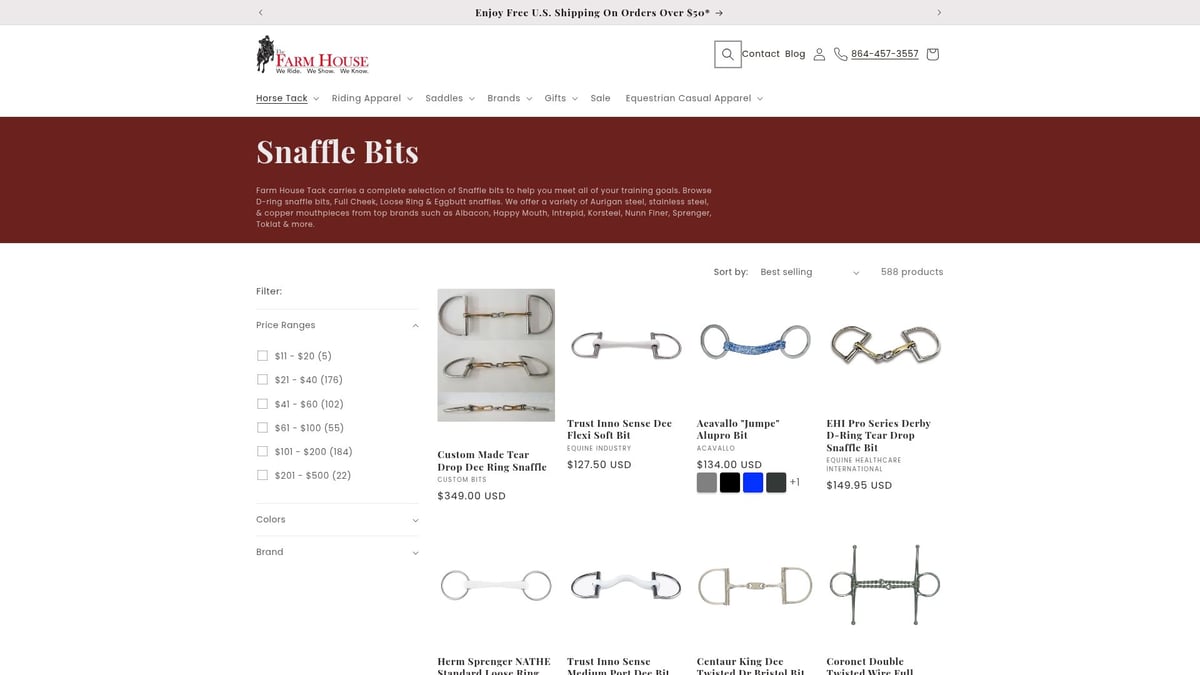
Korsteel French Link Eggbutt Snaffle
The Korsteel French Link Eggbutt Snaffle offers a gentle introduction to horse bits for many riders and horses. Its double-jointed French link reduces the nutcracker effect and provides a stable, mild action in the horse’s mouth.
- Pricing: $30-$50.
- Features: Stainless steel, double-jointed, eggbutt cheeks.
- Benefits: Reduces pressure points, stable and gentle, easy acceptance.
- Ideal For: Beginner riders, young horses, everyday schooling.
- Pros: Affordable, mild action, widely accessible.
- Cons: Not suitable for horses needing more control or leverage.
This bit is often the starting point for novice riders and young horses because of its simplicity and reliability. Its gentle nature ensures a positive first experience with horse bits, while its durability makes it a long-lasting staple.
Happy Mouth Double Jointed Roller Bit
The Happy Mouth Double Jointed Roller Bit stands out among modern horse bits for its innovative use of materials and palatable design. Covered in apple-flavored plastic and featuring a roller, it encourages acceptance and relaxation.
- Pricing: $45-$70.
- Features: Apple-flavored plastic, double-jointed, roller centerpiece.
- Benefits: Encourages mouthing, softens resistant horses, gentle pressure.
- Ideal For: Sensitive-mouthed horses, retraining projects, horses that dislike metal.
- Pros: Palatable, reduces risk of pinching, gentle introduction to bits.
- Cons: Plastic can wear with heavy chewers, less durable than metal.
This bit is ideal for horses that have shown resistance to traditional metal horse bits. The flavor and roller stimulate curiosity and acceptance, making it a valuable tool in the hands of trainers and riders working through behavioral challenges.
Comparison Table: 7 Essential Horse Bits for 2025
| Bit Name | Price | Material | Key Benefit | Ideal For |
|---|---|---|---|---|
| Fager Titanium Loose Ring Snaffle | $120-$160 | Titanium | Hypoallergenic, lightweight | Sensitive, all disciplines |
| Shires Sweet Iron Full Cheek Bit | $35-$60 | Sweet iron, copper | Lateral guidance, acceptance | Young, green horses |
| Myler Comfort Snaffle Dee Ring | $110-$140 | Stainless, copper | Ergonomic, gentle control | Sensitive, versatile use |
| Stubben EZ Control Pelham Bit | $120-$180 | Stainless steel | Flexible leverage, control | Strong horses, jumpers |
| Neue Schule Verbindend Loose Ring | $180-$220 | Salox Gold | Comfort, lateral flexion | Dressage, suppleness |
| Korsteel French Link Eggbutt Snaffle | $30-$50 | Stainless steel | Mild, stable, gentle | Beginners, young horses |
| Happy Mouth Double Jointed Roller | $45-$70 | Plastic, steel | Palatable, gentle introduction | Sensitive, retraining |
Each of these horse bits showcases advances in design, material, and purpose, reflecting the top priorities of riders and trainers in 2025: comfort, communication, and welfare. By choosing the right bit from this list, you can address your horse’s unique needs and support their performance and happiness.
Finding the Perfect Bit for Your Horse
Choosing the correct horse bits is a critical step for every rider, regardless of experience level. The right choice can significantly enhance your horse’s comfort, communication, and overall performance. With so many options available in 2025, knowing how to navigate the selection process is essential.
What Is Your Horse Trying to Tell You?
Every horse has unique needs that should guide your bit selection. Begin by evaluating your horse’s mouth conformation, dental health, and overall sensitivity. Horses with low palates or thick tongues may require different horse bits than those with refined mouths.
Consider your riding discipline, as dressage, jumping, and everyday riding often have different requirements. Consulting with a professional bit fitter or using a trial program can make a significant difference. For a comprehensive guide on evaluating these factors, you can refer to Choosing the Right Bit for Your Horse.
Trial and error, paired with close observation of your horse’s response, will help you find the best fit. Remember, a bit that works for one horse may be unsuitable for another.
Assessing Your Horse’s Mouth Conformation
Before you start shopping, it’s essential to get familiar with your horse’s unique mouth anatomy. Every horse’s mouth is different, and this internal structure is the biggest factor in determining a comfortable fit. Some horses have a low palate or a thick, fleshy tongue, which leaves little room for bulky mouthpieces. Others might have thin bars that are more sensitive to pressure. Gently and safely take a look inside your horse’s mouth to observe these details. Understanding their specific conformation helps you move past guesswork and make an informed decision. This knowledge allows you to select the right piece of horse tack that is tailored to their individual needs, ensuring comfort and clear communication from the start.
How to Measure for the Correct Bit Size
Getting the width right is crucial for your horse’s comfort. A bit that’s too narrow will pinch the corners of their mouth, while one that’s too wide can slide around, creating confusing signals and discomfort. You can easily measure for size using a bit sizer or a simple piece of dowel. Place it in your horse’s mouth where the bit rests, mark where the lips end, and measure the distance. As a general rule, standard horse bits are 5 inches, while ponies often take a 4.5-inch bit and smaller breeds like Arabians may need 4.75 inches. Larger horses might require 5.5 inches or more. A well-fitted bit should have no more than a quarter-inch of space on either side of your horse’s mouth when resting gently.
When to Consult a Professional Bit Fitter
If you’ve tried different options but are still facing resistance or signs of discomfort like head tossing or mouth gaping, it might be time to call in an expert. Certified bit and bridle fitters are an incredible resource for solving persistent issues. They have specialized knowledge of equine anatomy and can spot subtle conformation details that might be causing the problem. A professional can assess your horse’s mouth, watch you ride, and recommend specific bits designed to address your unique challenges. While it’s an extra step, think of it as a valuable investment in your horse’s well-being and your partnership. When you feel stuck, don’t hesitate to reach out for professional help.
Considering Bitless Alternatives: The Hackamore
It’s also worth remembering that a traditional bit isn’t your only line of communication. For horses with dental issues, past mouth injuries, or extreme sensitivity, a bitless bridle can be a fantastic solution. The most common alternative is the hackamore, which functions by applying pressure to the nose, chin, and poll area instead of inside the mouth. There are many different types, from gentle, direct-pull sidepulls that are great for trail riding to mechanical hackamores that offer more leverage and control. Exploring bitless options demonstrates a commitment to finding what works best for your horse as an individual and can open up a new, effective way to communicate and build trust.
A Guide to Bit Materials: Titanium, Sweet Iron & More
In 2025, horse bits are available in a range of advanced materials, each with distinct advantages. Titanium is lightweight, hypoallergenic, and adapts quickly to mouth temperature, while sweet iron promotes salivation and is often favored for its taste. Stainless steel is durable and easy to maintain but may lack the specialized benefits of newer alloys.
| Material | Pros | Cons |
|---|---|---|
| Titanium | Hypoallergenic, light, strong | Higher price |
| Sweet Iron | Encourages acceptance | Will rust over time |
| Stainless Steel | Durable, affordable | Less palatable for some |
Recent trends show a noticeable shift toward titanium and sweet iron horse bits, as riders prioritize both comfort and performance.
Common Mouthpiece Styles Explained
The mouthpiece is the part of the bit that sits inside your horse's mouth, and its design directly influences how your rein aids are communicated. A single-jointed mouthpiece creates a "nutcracker" effect, putting pressure on the tongue and the bars of the mouth. While common, it can be uncomfortable for horses with low palates. A double-jointed bit, like a French link or one with a lozenge, conforms better to the mouth's shape, distributing pressure more evenly across the tongue and bars. This style is often gentler and encourages relaxation. Then you have straight bar or mullen mouth bits, which apply consistent pressure across the tongue without any jointed action. These are simple and mild, making them a good choice for some horses. Understanding these core differences is the first step in selecting the right horse tack for clear and kind communication.
Pros and Cons of Different Bit Materials
The material of your bit can significantly affect how your horse accepts it. Stainless steel is the most common choice—it's durable, easy to clean, and affordable, making it a reliable workhorse in any tack room. However, it doesn't offer any special taste. Materials like sweet iron and copper are designed to be more palatable. They oxidize (sweet iron rusts, and copper tarnishes) to create a sweet taste that encourages salivation and a softer mouth. For extra-sensitive horses, synthetic options like rubber or specialized plastics offer a warmer, softer alternative to metal. While these are great for fussy horses, they aren't as durable and can be damaged by chewing. According to equestrian experts, matching the material to your horse's preference can lead to a much happier partnership.
Bit Rules: What's Allowed in the Show Ring?
When selecting horse bits for competition, it is vital to stay updated on current rules. Organizations like USEF and FEI regularly review which mouthpieces and cheek types are legal for each discipline. In 2025, some popular choices may be newly approved or restricted, so always verify before an event.
Consult official rulebooks or competition websites for updates on legal horse bits. If in doubt, seek guidance from trainers or officials to avoid disqualification. Keeping documentation of your chosen bit can also save time during tack checks.
How to Clean and Care for Your Bits
Proper maintenance of horse bits extends their lifespan and ensures safety. Clean your bits after each ride, paying special attention to the joints and crevices. Use warm water and a soft brush for most materials, and check regularly for sharp edges or signs of wear.
Replace horse bits if you notice cracks, excessive rust, or loose joints. Store bits in a dry, clean area to prevent corrosion and maintain their integrity. Routine care not only protects your investment but also supports your horse’s comfort and health.
Common Bit Fitting Mistakes & How to Avoid Them
Finding the right fit for horse bits is critical for both comfort and communication. One of the most common mistakes riders make is choosing the wrong size. A bit that is too large can slide and pinch, while one that is too small may cause constant pressure and sores. Both scenarios can lead to resistance, head tossing, and even avoidance behaviors. Always measure your horse’s mouth accurately and consult manufacturer sizing charts to avoid these pitfalls.
Another frequent error is mismatching bit severity to the horse and rider’s skill level. Over-bitting, where a bit is harsher than needed, can provoke anxiety and tension. Under-bitting, on the other hand, may not provide enough control, especially for strong or forward horses. Data from competitor FAQs shows that bits returned most often are those selected without considering the horse’s temperament and the rider’s experience. If you notice persistent resistance or evasion, it’s important to distinguish whether the issue stems from the bit itself or underlying training problems. For further insight on managing resistance, consider reading this helpful article on Solving Pony Bit Resistance.
Regular dental checks and bit fit assessments are non-negotiable. Sharp teeth, missed wolf teeth, or oral ulcers can make even the best-fitting horse bits uncomfortable. Schedule dental exams at least twice a year, and reevaluate bit fit after dental work or as your horse matures. After introducing a new bit, monitor your horse’s mouth for rubs, changes in eating, and overall attitude under saddle. Keeping detailed notes can help you identify patterns and make informed adjustments.
What's Next in Horse Bit Design?
The world of horse bits is advancing rapidly, with 2025 poised to introduce breakthrough innovations that redefine horse comfort and rider communication. As technology and rider expectations evolve, the future promises smarter, more sustainable, and highly customized solutions.
Emerging Technologies and Smart Designs
New technologies are transforming traditional horse bits into intelligent tools. Smart bits with integrated pressure sensors allow real-time monitoring of rein tension, helping riders fine-tune their communication. For example, studies such as Bit type influences rein tension demonstrate how data-driven designs can enhance both performance and comfort.
Manufacturers are also exploring materials that react to environmental changes, such as temperature-adaptive alloys and antimicrobial coatings. These innovations not only improve horse welfare but also set new standards for durability and hygiene.
Sustainable Materials and Customization
Sustainability is a growing priority in the equestrian world. Eco-friendly horse bits made from recycled metals and biodegradable polymers are gaining traction. Advanced 3D-printing technology enables bespoke bits tailored to each horse's mouth anatomy, ensuring a precise fit and reducing waste.
Feedback from riders and trainers is now integral to product development, with many brands leveraging user insights to refine their offerings. This collaborative approach is driving growth in premium and specialty bit segments, as riders seek personalized solutions for their horses.
Welfare and Market Impact
Beyond performance, welfare is at the heart of future horse bit designs. The push for ethical equipment is supported by research such as Equine welfare in equestrian sports, which highlights the importance of selecting bits that support the horse's physical and mental well-being.
Predictions for the Next Five Years
Looking ahead, riders can expect horse bits to become even more adaptive, sustainable, and data-driven. The integration of smart technology and eco-conscious materials will likely become standard, empowering riders to make informed, welfare-focused choices. As the market for horse bits continues to expand, customization and innovation will remain at the forefront of equestrian sport.
Now that you’ve explored the key features, benefits, and use cases of the top horse bits for 2025, you’re ready to make confident choices for your horse’s comfort and your own riding success. At Hooves and Paws, you can find a thoughtfully curated selection of high quality bits and equestrian essentials, all backed by decades of expertise and free US shipping. If you want to upgrade your tack with the latest innovations or need trusted advice, we’re here to help you every step of the way. Take the next step toward a better ride—Buy Now.
Frequently Asked Questions
What's the best bit to start with for a young horse or a new rider? For a horse just learning to accept a bit or for a rider developing their feel, simplicity and comfort are key. I almost always recommend starting with a mild, double-jointed snaffle with fixed rings, like an eggbutt or a D-ring. The double joint conforms to the horse's mouth better than a single-jointed bit, and the fixed rings provide stability, which prevents the bit from sliding around and giving confusing signals. The goal is to make the experience positive and build a foundation of trust.
My sweet iron bit is starting to rust. Is it still safe to use? Yes, that's actually what it's designed to do! The "sweet" in sweet iron comes from the taste created when the metal oxidizes, or rusts, upon contact with moisture. This taste encourages horses to salivate and relax their jaw, leading to a softer mouth. This intentional, surface-level rust is perfectly safe. You should only be concerned if a bit of any material develops sharp edges or deep, pitted rust from neglect.
How do I know if my horse is uncomfortable in their current bit? Your horse will give you clues through their behavior. Common signs of bit discomfort include tossing their head, gaping their mouth, chewing restlessly, or trying to get their tongue over the bit. They might also lean heavily on your hands, refuse to move forward, or become tense through their neck and back. Before blaming the bit, always have a veterinarian or equine dentist rule out any dental issues, as sharp points or wolf teeth can cause similar reactions.
When should I consider moving my horse from a snaffle to a curb bit? Moving to a curb bit is a step up in training, not a solution for a lack of control. This transition is appropriate only when your horse is well-schooled, consistently responsive, and balanced in a snaffle. They should respond willingly to your seat and leg aids and understand neck reining. A curb bit refines communication by using leverage, allowing for very subtle cues. It's for a finished horse, not a green one that still needs to learn the basics of steering and stopping.
Can a "gentle" bit still be harsh in the wrong hands? Absolutely. A bit is only as kind as the hands holding the reins. Even the mildest, thickest rubber snaffle can cause pain and fear if used with rough, unsteady, or unforgiving hands. The most important piece of equipment you have is an independent seat that allows your hands to be soft and communicative. Focusing on your own riding and developing a sensitive connection is far more impactful than searching for the "perfect" bit.
Key Takeaways
- Choose Based on Action, Not Appearance: The most important distinction is how a bit works. A snaffle applies direct pressure, making it great for clarity, while a curb uses leverage for more refined signals with an advanced horse.
- A Bit is Only as Gentle as Your Hands: No piece of equipment can replace good horsemanship. The most crucial factor in your horse's comfort and responsiveness is developing a soft, steady, and independent connection through the reins.
- Tailor the Fit to Your Horse's Anatomy: Every horse's mouth is different. A comfortable fit depends on matching the bit's size, shape, and material to your horse's unique conformation, from their tongue thickness to their palate height.


