


Every split second counts in the arena. So when your horse feels heavy in your hands or leans hard through a turn, it's beyond frustrating. You know a faster time is in there, but how do you get it? Often, the answer lies right in your horse's mouth. The right equipment provides clearer signals for collection and speed control. This guide breaks down the most effective barrel racing bits to help you find the key to better communication and more consistent, winning runs.
Choosing the perfect bit is more than just a detail, it is a pivotal factor in achieving control and harmony between horse and rider. This guide will walk you through the top 8 essential barrel racing bits, breaking down their features, benefits, and the expert tips that help riders select the optimal fit.
Are you aiming for faster, cleaner runs this year? Dive in and discover how the right bit can propel you toward the winner’s circle.
Why Your Barrel Racing Bit Choice Matters
Barrel racing is a test of speed, agility, and communication. The connection between horse and rider depends heavily on the right equipment, especially the bit. Selecting suitable barrel racing bits can transform performance, making the difference between a smooth, controlled run and a missed opportunity.

How Bits Actually Work in Your Horse's Mouth
Selecting barrel racing bits is both an art and a science. The bit’s type, mouthpiece, and shank design all shape how a horse receives and interprets cues. Pressure points, such as the tongue, bars, and poll, play a vital role in responsiveness. Studies show that clear, consistent signals from well-fitted bits improve a horse’s reaction time and willingness to rate.
Material choice also matters. Stainless steel, copper, and sweet iron each affect comfort and salivation differently. Ergonomic designs reduce pinching and distribute pressure evenly, enhancing the horse’s experience. For a deeper dive into matching bit style to your horse’s needs, explore Choosing the Right Bit for Your Horse.
How a Bit Affects Your Speed and Safety
The right barrel racing bits can boost speed, accuracy, and safety. In recent competitions, statistics reveal that improper bit fit contributes to a range of issues, from resistance at turns to oral injuries. Top barrel racers frequently credit their success to specific bit choices tailored for each horse.
Modern technologies, such as anatomically shaped mouthpieces, have outperformed many traditional designs. These innovations reduce stress and allow for quicker, more precise communication in timed events. Carefully chosen bits can prevent accidents and help maintain a horse’s willingness to perform at peak levels.
Matching the Bit to You and Your Horse
Rider expertise and horse temperament are central to choosing barrel racing bits. Experienced riders may opt for bits that offer more leverage or nuanced control, while beginners often benefit from milder options. Sensitivity varies widely among horses, so matching bit severity to training stage and personality is crucial.
Trainers and veterinarians emphasize starting with the least severe bit that is effective. Green horses or those with soft mouths require gentle cues, while seasoned competitors may need more advanced equipment. Understanding these factors helps ensure both rider and horse are set up for success.
Is an Expensive Bit Worth the Investment?
Investing in quality barrel racing bits pays dividends in both performance and durability. High-end bits can range from $70 to $150, while basic options may cost less. Although the upfront price can seem steep, long-term benefits include fewer replacements and improved results in the arena.
Value comes from choosing a bit that matches your horse’s needs and your riding goals. Spending wisely on the right equipment reduces the risk of injury and maximizes training progress. Ultimately, the best bit is the one that delivers consistent, safe, and effective communication every run.
Fundamentals of How Bits Work
Before you can pick the right bit, it helps to understand how they function. Think of a bit not as a brake pedal but as a tool for clear communication. It translates the cues from your hands into signals your horse can understand. Different bits apply pressure to various parts of the horse's head—like the tongue, the bars of the mouth, the lips, the chin, and the poll—to ask for a change in speed or direction. The goal is to find a bit that allows you to send the quietest, clearest signal possible, which your horse can easily understand and respond to without discomfort. This foundation of clear communication is what builds a winning partnership in the barrel pen.
The Two Main Types: Direct Pull vs. Leverage Bits
All bits generally fall into two categories based on how they apply pressure: direct pull or leverage. A direct pull bit, commonly known as a snaffle, works exactly as it sounds. When you pull on one rein, it applies direct, one-to-one pressure on that side of the horse's mouth. Leverage bits, often called curb bits, use a shank—the metal sidepiece that extends down from the mouthpiece. When you pull the reins, the shank acts as a lever, multiplying the pressure and applying it not only inside the mouth but also to the poll and chin groove. This allows for more nuanced cues with less hand movement, which is essential for advanced maneuvers in barrel racing.
Snaffle Bits: More Than Just a Jointed Mouthpiece
It’s a common misconception that a "snaffle" bit must have a jointed or "broken" mouthpiece. In reality, the term "snaffle" refers to its direct-pull action, where the reins attach directly to a ring connected to the mouthpiece. Snaffles can have a single joint, multiple joints, or even be a solid, straight bar (a mullen mouth). Because they offer simple, direct communication, they are a fantastic starting point for young horses and are used across all levels of riding. The key takeaway is that snaffles provide lateral control, helping you guide your horse's nose and shoulders effectively through a turn without engaging poll or chin pressure.
Common Snaffle Ring Styles: O-Ring, D-Ring, and Full Cheek
The rings on a snaffle bit do more than just hold the reins; they influence the bit's stability and how the signal is delivered. The O-ring is the most common style, allowing the mouthpiece to slide freely, which can encourage a horse to play with the bit and relax its jaw. A D-ring snaffle has fixed rings shaped like a "D," which provides more stability in the horse's mouth and prevents the bit from being pulled through. Full cheek snaffles have long bars extending up and down from the rings, which apply gentle pressure to the side of the horse's face to reinforce turning cues, making them a great tool for green horses learning to steer.
Leverage (Curb) Bits: How Shanks Add Pressure
Leverage bits are the go-to for many barrel racers because they help a horse collect itself and prepare for a turn. The shanks are the defining feature, and their length and shape determine how much leverage is applied. When you engage the reins on a leverage bit, the top of the shank tilts forward, creating pressure on the poll via the headstall, while the bottom of the shank moves back, tightening the curb strap against the chin. This combination of pressure points encourages a horse to lower its head and shift its weight to its hindquarters, which is exactly the position needed for a powerful, snappy turn around a barrel.
Key Pressure Points on a Horse's Head
Understanding where a bit applies pressure is crucial for selecting the right one. A bit doesn't just work on the tongue; it can interact with multiple sensitive areas. The primary pressure points include the tongue, the bars (the toothless space in a horse's jaw), the lips and corners of the mouth, the palate (roof of the mouth), the chin groove (where the curb strap sits), the nose, and the poll (the area right behind the ears). A snaffle bit primarily uses the tongue, bars, and lips. A leverage bit adds pressure to the poll and chin, while a hackamore focuses entirely on the nose, chin, and poll, leaving the mouth free.
A Note on Bitless Options: Hackamores
For horses that are sensitive in the mouth or have dental issues, a bitless option like a hackamore can be an excellent choice. Hackamores operate on a completely different set of pressure points, primarily the nose, chin groove, and poll. Just like bits, they come in different styles. Some are simple direct-pull sidepulls, while others, like the mechanical hackamore, use shanks to create leverage. These are popular in barrel racing for strong horses that tend to lean on a traditional bit. A well-fitted hackamore can provide plenty of control and stopping power while giving your horse's mouth a break, proving that effective communication isn't always about what's inside the mouth.
Understanding Bit Severity
The term "severity" can be misleading. It’s not about causing pain but about how sharp or concentrated a signal is. A milder bit spreads pressure over a wider surface area, offering a gentler, more forgiving cue. A more severe bit concentrates that pressure onto a smaller area, creating a sharper, more immediate signal that requires a response from the horse. It’s important to remember that severity isn't just about the bit's design; it's a combination of the mouthpiece, the shanks (if any), and, most importantly, the rider's hands. The goal is always to use the mildest bit that your horse clearly understands and responds to.
Mouthpiece Thickness and Design
One of the simplest indicators of a bit's potential severity is the diameter of the mouthpiece. As a general rule, a thicker mouthpiece is milder because it distributes pressure over a larger surface area of the horse's tongue and bars. Think of it like carrying a heavy bucket with a thin wire handle versus a thick, padded one—the padded handle is much more comfortable. Thinner mouthpieces concentrate pressure on a narrow strip, creating a much sharper signal. That’s why you’ll often see young horses started in bits with thicker, smoother mouthpieces to ensure their early experiences are positive and comfortable.
Why Thinner or Twisted Bits Are More Severe
While a thin mouthpiece is sharper than a thick one, designs that add texture take severity to another level. Mouthpieces with twists, like a slow twist or a twisted wire, are designed to be much more severe. Instead of a smooth surface, these bits have edges that create distinct and very sharp pressure points on the tongue and bars. They are intended for strong, unresponsive horses and should only be used by experienced riders with very soft hands. For most horse and rider combinations, a smooth mouthpiece provides more than enough communication without resorting to such aggressive designs.
The Role of Shanks and Leverage Ratio
On a leverage bit, the shanks are the engine of severity. The length of the shank determines the leverage ratio—that is, how much the rein pressure is multiplied. A longer shank creates more leverage, meaning a small pull on the reins results in significantly more pressure on the horse's poll and chin. For example, if the upper part of the shank (from the mouthpiece to the headstall attachment) is one inch and the lower part (from the mouthpiece to the rein ring) is three inches, you have a 1:3 ratio, tripling your rein pressure. While longer shanks offer more power, they also have a slower signal time, giving the horse a moment to respond before the full pressure is applied.
How Ports Provide Tongue Relief
A port is the raised, U-shaped curve in the middle of a mouthpiece. Its primary function is to provide space for the horse's tongue, which is why it's often called "tongue relief." When the reins are engaged on a ported bit, the port rotates forward and applies pressure to the bars of the mouth instead of the tongue. Low ports offer mild relief, while high ports can remove tongue pressure almost entirely and may even contact the roof of the mouth. This feature is useful for horses that are sensitive to tongue pressure or have learned to evade a bit by putting their tongue over it. It fundamentally changes how the bit communicates with the horse.
The Biggest Factor: The Rider's Hands
You can have the mildest bit in the world, but in the wrong hands, it can still be harsh. Ultimately, the rider's hands are the single most important factor in determining a bit's severity. Soft, steady, and forgiving hands can make even a sharper bit feel like a gentle whisper to the horse. Conversely, rough, unsteady hands can turn a simple O-ring snaffle into a painful instrument. As the University of Georgia points out, developing an independent seat and quiet hands is the best thing you can do for your horse, regardless of what horse tack you choose. True horsemanship lies in the connection you build, not the equipment you use.
Shop This Post

Featured in this article
AV Bob Avila Double Ring Snaffle Horse Bit - Sweet Iron Mouthpiece, 3" Rings - Multiple Sizes
$165.00
Shop Now →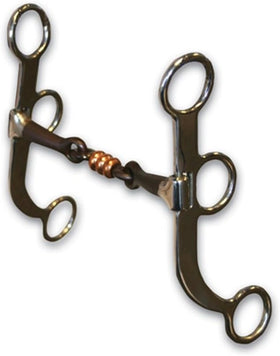
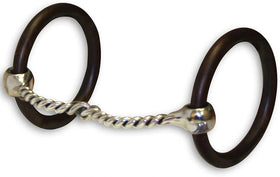

8 Popular Barrel Racing Bits and Why They Work
Choosing the right barrel racing bits can transform your performance in the arena. In this section, we break down the top eight bits that are leading the field for 2025, each offering unique advantages for both horse and rider. Whether you are looking for more control, increased comfort, or a bit to help you shave seconds off your time, this guide covers all the essentials.
1. Sherry Cervi Signature Short Shank Bit
The Sherry Cervi Signature Short Shank Bit is a standout among barrel racing bits for 2025. Priced around $85, it features a short shank for moderate leverage and a twisted mouthpiece that delivers precise control without being overly harsh.
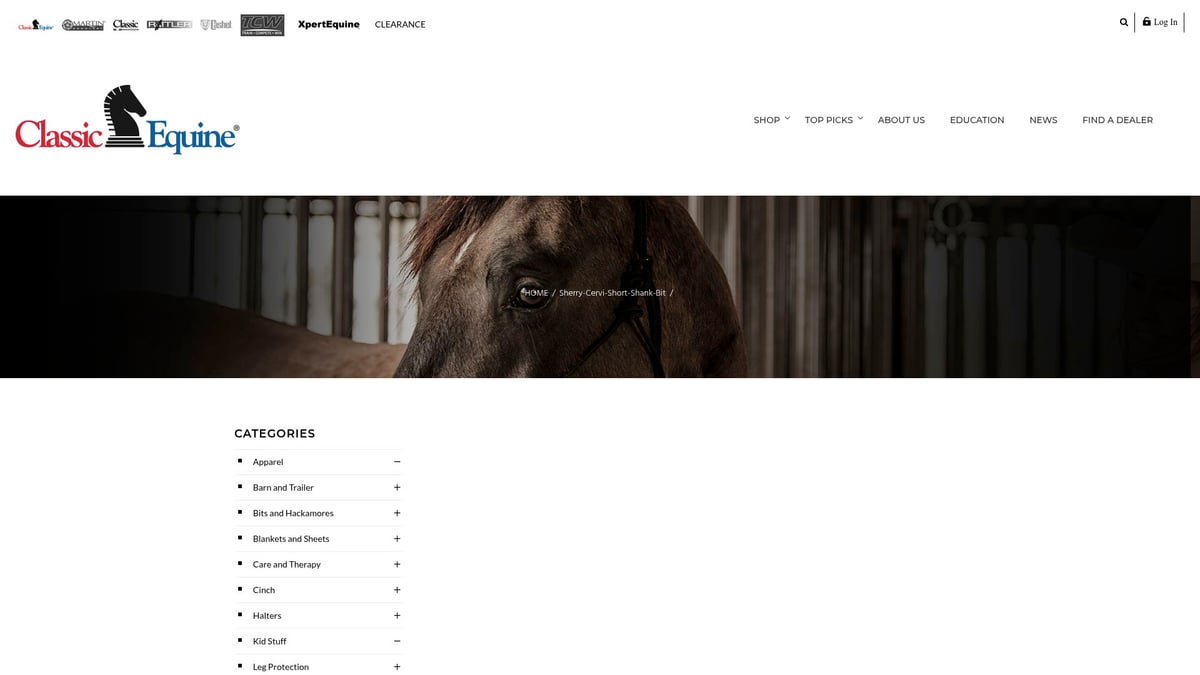
Core Features:
- Short shank for balanced leverage
- Twisted mouthpiece for clear communication
- Durable stainless steel construction
Key Benefits:
- Enhances responsiveness, especially in sensitive horses
- Promotes smoother transitions between gaits
- Offers reliable control without sacrificing comfort
Target Audience:
Intermediate to advanced riders who demand a balance of control and comfort for their horses.
Pros:
- Versatile across different horses and arenas
- Endorsed by professional riders
- Built to last through rigorous use
Cons:
- Might not suit inexperienced or green horses
- Some may require more or less leverage based on training needs
Unique Selling Point:
Designed in collaboration with champion Sherry Cervi, this bit embodies the expertise of a top competitor, making it a trusted choice for those seeking peak performance from their barrel racing bits.
2. Reinsman Josey-Mitchell Chain Mouth Bit
The Reinsman Josey-Mitchell Chain Mouth Bit is gaining popularity among barrel racing bits for its gentle yet effective action. With a price tag of about $65, it features a chain mouthpiece and moderate gag action, paired with 7” cheeks.
Core Features:
- Chain mouthpiece for flexibility
- Moderate gag for increased lateral movement
- Longer cheeks for leverage
Key Benefits:
- Reduces bracing and resistance
- Encourages quick, soft responses
- Ideal for horses needing softer cues
Target Audience:
Riders with horses prone to bracing or requiring a transition to higher speed.
Pros:
- Gentle on the mouth while remaining effective
- Reduces tongue pressure
- Favored by trainers for progression
Cons:
- Not recommended for beginner riders
- Chain can intimidate sensitive horses
Unique Selling Point:
This bit is a favorite for trainers transitioning horses to advanced stages, offering a forgiving yet responsive feel that’s essential in modern barrel racing bits.
3. Professional’s Choice Brittany Pozzi Combination Bit
At approximately $120, the Professional’s Choice Brittany Pozzi Combination Bit is a top-tier option among barrel racing bits. Its unique design combines a rope noseband, twisted wire mouthpiece, and shank for multidimensional control.
Core Features:
- Rope noseband for nose pressure
- Twisted wire mouthpiece for clarity
- Shank applies poll and curb pressure
Key Benefits:
- Enhances collection and rate
- Reduces resistance in the mouth
- Versatile for different training scenarios
Target Audience:
Advanced riders and horses needing more collection or rate in turns.
Pros:
- Highly adaptable for tuning performance
- Effectively manages energetic horses
- Co-developed with champion Brittany Pozzi Tonozzi
Cons:
- Higher investment compared to other barrel racing bits
- Can be harsh if not used correctly
Unique Selling Point:
The collaboration with Brittany Pozzi Tonozzi ensures this bit meets the demands of elite competition, making it a premier choice for serious competitors.
4. Classic Equine Goosetree Simplicity Bit
The Classic Equine Goosetree Simplicity Bit is a versatile entry in the world of barrel racing bits. Priced around $95, it is designed for both training and competition, making it suitable for a wide range of horses.
Core Features:
- Mild gag action for gentle cues
- Smooth mouthpiece for comfort
- Short shank for reduced leverage
Key Benefits:
- Promotes a natural head position
- Encourages confidence in young or green horses
- Smooth transition from snaffle bits
Target Audience:
Ideal for young horses or those new to the competitive scene.
Pros:
- Gentle on sensitive mouths
- Effective for building trust
- Easy to use for gradual progression
Cons:
- May lack stopping power for strong, experienced horses
- Not suitable for all advanced maneuvers
Unique Selling Point:
Its design supports versatility, making it an excellent tool for both training phases and competitive runs with barrel racing bits.
5. Charmayne James Three-Piece Smooth Roller Bit
Endorsed by 11-time World Champion Charmayne James, this bit is highly respected among barrel racing bits. Retailing at about $90, it features a three-piece mouth with a roller and moderate shank.
Core Features:
- Three-piece mouth for more tongue relief
- Smooth roller for increased salivation
- Moderate shank for balanced leverage
Key Benefits:
- Encourages relaxation and softness
- Reduces pressure and pinching
- Ideal for horses with busy mouths or anxiety
Target Audience:
Horses that tend to be anxious or have a tendency to play with the bit.
Pros:
- Promotes a softer, more responsive mouth
- Prevents pinching, minimizing discomfort
- Trusted by professional riders
Cons:
- The roller can be distracting for some horses
- Not always suitable for horses needing strong correction
Unique Selling Point:
The professional endorsement adds credibility, and the roller design is particularly effective for horses that require more relaxation from their barrel racing bits.
6. Ed Wright Double Cross Gag Bit
The Ed Wright Double Cross Gag Bit stands out among barrel racing bits for its ability to refine advanced maneuvers. With a price point near $75, it boasts a double cross mouthpiece, gag action, and medium shank.
Core Features:
- Double cross mouthpiece for sharper cues
- Gag action for increased lift and flexion
- Medium shank for moderate leverage
Key Benefits:
- Enhances vertical flexion and turning ability
- Allows for quick adjustments during runs
- Suitable for seasoned competitors
Target Audience:
Experienced riders handling horses that need more vertical control in tight barrel patterns.
Pros:
- Trusted by top trainers for advanced skills
- Effective for rapid, precise corrections
- Durable construction
Cons:
- Not suitable for green horses or novice riders
- Can be too severe if misapplied
Unique Selling Point:
Its reputation among professionals makes it a go-to solution for refining performance with barrel racing bits at the highest level.
7. Circle Y Martha Josey Million Dollar Bit
Priced at about $70, the Circle Y Martha Josey Million Dollar Bit is a versatile and gentle addition to the arsenal of barrel racing bits. It features copper rollers, a three-piece dog bone mouth, and 7” cheeks.
Core Features:
- Copper rollers stimulate salivation
- Three-piece dog bone mouth reduces pressure points
- 7” cheeks for moderate leverage
Key Benefits:
- Promotes a softer mouth and better communication
- Excellent for tuning and refining speed horses
- Suitable for various horse types
Target Audience:
Riders seeking improved responsiveness and softer cues.
Pros:
- Gentle yet effective
- Adaptable to many horses
- Developed by Hall of Famer Martha Josey
Cons:
- May lack leverage for strong-pulling horses
- Not ideal for horses needing significant correction
Unique Selling Point:
Its signature design makes it a trusted option for those looking to enhance communication with their horses using barrel racing bits.
Key Features: 3-Piece Twisted Wire and Rope Noseband
The 3-piece twisted wire mouthpiece is engineered for clear, precise communication. Unlike a solid bar or a single-jointed snaffle that can create a harsh "nutcracker" effect, this design conforms more naturally to the horse's mouth. It applies pressure across the tongue and bars without pinching, while the twisted wire adds just enough sensation to keep your horse responsive and light. This setup is excellent for promoting a softer mouth, which is critical for executing the quick, clean turns needed to shave seconds off your time. It helps your horse understand cues without bracing against the bit, leading to a more fluid and willing partnership in the arena.
Working in tandem with the mouthpiece, the rope noseband provides balanced control and helps with collection. When you engage the reins, it applies gentle, even pressure across the horse's nose, encouraging your horse to rate its speed and gather itself before a turn. This feature is especially useful for strong horses or those that get anxious and lean on the bit during a run. By distributing cues across multiple points, it prevents any single area from becoming overwhelmed. This approach aligns with what equine experts at the Penn State Extension explain about using different pressure points to refine communication and keep your horse focused during high-speed maneuvers.
Combining these two elements creates a tool that masterfully balances control with comfort. It’s a popular choice among competitive riders because it addresses multiple needs at once—encouraging softness in the mouth while providing the necessary rate for tight, efficient turns. This bit allows you to give subtle cues that your horse can easily understand, improving both speed and confidence. Finding the right piece of horse tack is about more than just gear; it’s about strengthening communication with your equine partner. This combination bit helps you work together as a seamless and successful team.
8. Tom Thumb Snaffle Bit
The Tom Thumb Snaffle Bit is a classic entry-level choice among barrel racing bits, retailing for approximately $25. Its jointed mouthpiece, short shank, and curb chain make it a staple for training and beginner riders.
Core Features:
- Jointed mouth for clear, direct signals
- Short shank introduces leverage gently
- Curb chain for added control
Key Benefits:
- Affordable and widely available
- Easy to use for starting young horses
- Offers a gentle introduction to leverage
Target Audience:
Beginner riders and green horses in basic training.
Pros:
- Simple and effective
- Great for introducing horses to advanced cues
- Durable and cost-effective
Cons:
- Can create a nutcracker effect if used improperly
- Not suitable for advanced maneuvers or strong horses
Unique Selling Point:
Its long-standing reputation as a reliable, entry-level option makes it a foundational tool in the world of barrel racing bits.
Comparison Table: Top 8 Barrel Racing Bits for 2025
| Bit Name & Link | Price | Key Features | Best For | Unique Selling Point |
|---|---|---|---|---|
| Sherry Cervi Signature Short Shank Bit | ~$85 | Short shank, twisted mouth | Intermediate/Advanced | Designed by Sherry Cervi |
| Reinsman Josey-Mitchell Chain Mouth Bit | ~$65 | Chain mouth, gag, 7” cheeks | Transitioning horses | Trainer favorite for progression |
| Professional’s Choice Brittany Pozzi Combination Bit | ~$120 | Combo nose, wire, shank | Advanced, collection/rate | Co-developed with Brittany Pozzi Tonozzi |
| Classic Equine Goosetree Simplicity Bit | ~$95 | Mild gag, smooth mouth | Young/new competitors | Training to competition versatility |
| Charmayne James Three-Piece Smooth Roller Bit | ~$90 | 3-piece, roller, moderate shank | Busy/anxious mouths | Endorsed by Charmayne James |
| Ed Wright Double Cross Gag Bit | ~$75 | Double cross, gag, medium shank | Advanced maneuvers | Trusted by top trainers |
| Circle Y Martha Josey Million Dollar Bit | ~$70 | Copper rollers, dog bone, 7” cheeks | Softening/tuning | Signature bit of Martha Josey |
| Tom Thumb Snaffle Bit | ~$25 | Jointed, short shank, curb chain | Beginners/young horses | Classic entry-level bit |
For those looking to explore a broader range of barrel racing bits and find the perfect fit for their horse, the Bits and Curbs Collection offers a curated selection of high-quality options to suit every need and discipline.
How to Choose the Right Barrel Racing Bit for Your Horse
Selecting the right bit is a critical step in maximizing your horse’s comfort and performance on the barrel pattern. With so many options available, making an informed choice requires careful consideration of your horse’s unique needs and your own riding style.
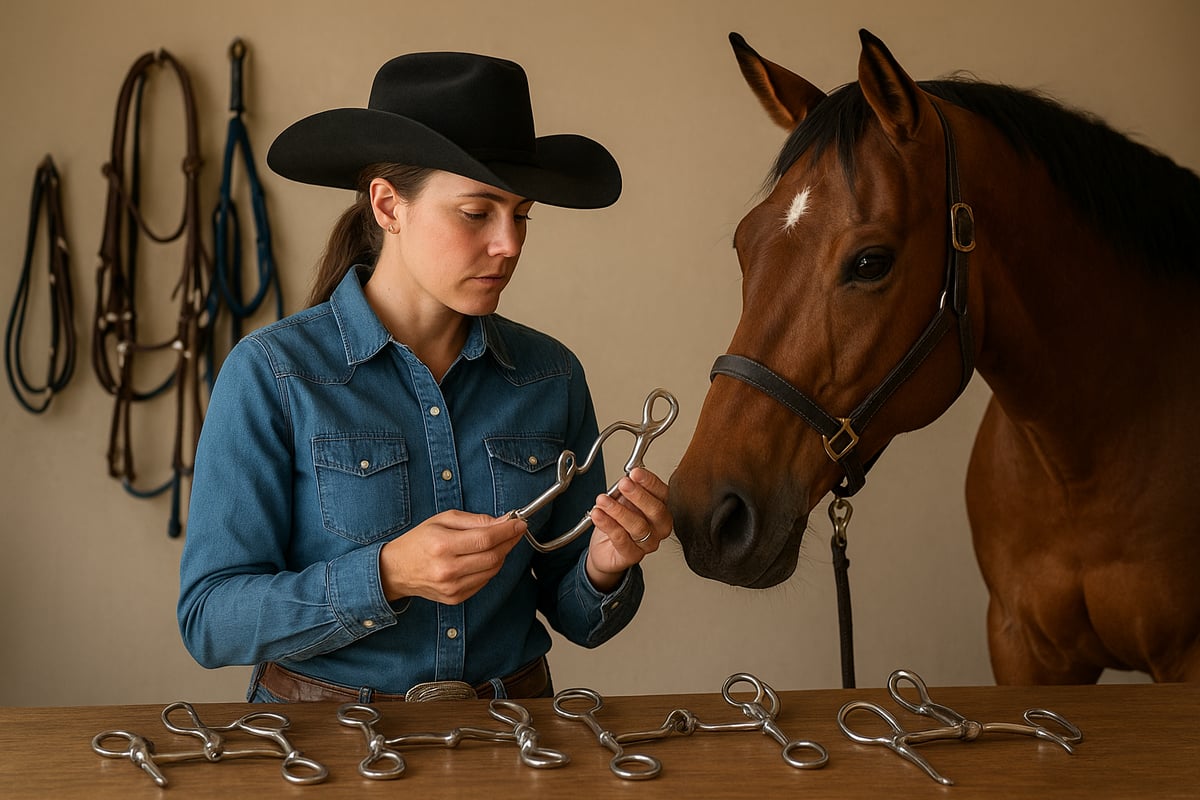
Choosing the Right Bit Material
The material of your bit plays a surprisingly large role in how your horse responds to it. It influences everything from taste and salivation to overall comfort, so understanding the common options is key to making a great choice for your equine partner.
Common Materials: Stainless Steel, Copper, and Sweet Iron
When you browse different bits, you'll mostly find three materials: stainless steel, copper, and sweet iron. Stainless steel is the most common because it's incredibly durable, doesn't rust, and has a neutral taste, making it a reliable workhorse. Copper is a softer metal known for warming up quickly in the horse's mouth and encouraging salivation, which helps keep their jaw soft and responsive. Then there's sweet iron, which is designed to rust slightly over time. This oxidation creates a sweet taste that many horses really seem to like, making them more willing to accept the bit. Each material offers a different feel, and you can explore our collection of horse tack to see these options firsthand.
Materials to Approach with Caution
While most bit materials are safe and effective, there are a few to be wary of. Aluminum, for example, is generally not a great choice for a mouthpiece. It's very lightweight, which can feel unstable in the horse's mouth, and it often has a dry, unpleasant taste that horses dislike. More importantly, it can be less durable and may break under the pressure of a fast run. You might also see very inexpensive nickel-plated bits, but the plating can chip or flake off over time, creating sharp edges that could injure your horse's mouth. Sticking with proven, high-quality materials is always the safest bet for your partner.
Getting the Right Fit: Bit Width
Beyond the style and material, getting the width right is absolutely crucial. A bit that’s too narrow will pinch the corners of your horse’s mouth, causing pain and resistance. On the other hand, a bit that’s too wide will slide back and forth, creating unclear signals and banging against their teeth. The goal is a snug but comfortable fit. As a general guide, a standard horse often takes a 5-inch bit, while ponies typically need 4.5 inches and smaller breeds like Arabians fit well in a 4.75-inch bit. For larger horses, you’ll want to look at sizes 5.5 inches and up. Properly finding the right horse tack starts with an accurate measurement to ensure your horse is comfortable and ready to perform.
What Does Your Horse Need from a Bit?
Begin by evaluating your horse’s mouth conformation, sensitivity, and current training level. Horses with low palates or thick tongues may require different barrel racing bits compared to those with narrower mouths. Sensitivity also plays a role, as a more responsive horse often benefits from milder designs.
Consulting with experienced trainers can help you match bit style to your horse’s behavior. For an in-depth perspective on expert selection, consider insights from Justin Briggs on Barrel Racing Bits, who discusses the mechanics behind various options. Taking the time to match the bit to your horse’s needs leads to improved communication and confidence.
Matching the Bit to Your Horse's Training Level
Your horse's experience level is a major factor when choosing the right bit. A young or "green" horse learning the barrel pattern needs gentle guidance, not a severe bit that could create fear or confusion. The golden rule, often shared by trainers and veterinarians, is to start with the mildest option that still allows for effective communication. As your horse gains confidence and skill, you can transition to a bit with more specific cues. The goal, however, remains the same: clear and kind communication. Aligning the bit's severity with your horse's training stage and personality is essential for building a successful partnership in the arena.
Finding a Bit That Matches Your Hands
Your own experience level and handling style should guide your bit choice. Beginners often benefit from simple, forgiving barrel racing bits that minimize the risk of harsh cues. More advanced riders may choose bits with greater leverage or specialized mouthpieces for refined control.
Common mistakes include selecting a bit that is too severe for either the horse or the rider’s skill set. Always prioritize safety and gradual progression. Choose a bit that supports your riding goals without overwhelming your horse.
How to Safely Try Out a New Bit
Introducing new barrel racing bits requires patience and observation. Start in a controlled environment, allowing your horse time to adjust. Watch for signs of acceptance, such as relaxed jaw movement and steady head carriage.
Experts recommend short, frequent sessions and gradual transitions between bit types. Monitor your horse’s response and adjust as needed. Proper testing helps ensure the bit complements your horse’s natural way of going and supports long-term success.
How Much Should You Spend on a Barrel Racing Bit?
When evaluating barrel racing bits, balance upfront costs with durability and performance. Premium bits often feature advanced materials and craftsmanship, offering better longevity and consistent results. However, quality options exist at various price points.
Invest wisely by considering how a bit’s features align with your horse’s needs and your riding objectives. Sometimes, a well-chosen affordable bit serves as a solid starting point before moving to more specialized gear as your partnership develops.
Typical Price Ranges for Barrel Bits
The cost of barrel racing bits can vary significantly, ranging from as little as $20 for a basic training model to over $300 for a custom, handcrafted piece. Generally, you can find excellent, competition-ready bits from trusted brands in the $70 to $150 range. These mid-range options offer a great balance of quality materials, ergonomic design, and durability. While entry-level bits are functional for starting out, investing in higher-quality horse tack often pays off in better communication with your horse and longer-lasting equipment. The price difference usually reflects the complexity of the design, the quality of the metals used, and the reputation of the bit maker.
Making Your Barrel Racing Bits Last Longer
Proper care extends the life and safety of your barrel racing bits. After each ride, rinse bits thoroughly to remove saliva and debris. Regularly inspect for sharp edges, cracks, or corrosion.
Choose bits made from rust-resistant materials such as stainless steel or those with copper inlays. Store bits in a dry, clean location to prevent unnecessary wear. Routine maintenance ensures your equipment remains reliable for every run.
What's New in Barrel Racing Bits?
The landscape of barrel racing bits is rapidly evolving for 2025. Riders and trainers are seeking cutting-edge solutions that boost performance while keeping horse welfare at the forefront. Let us explore the key trends shaping the future of barrel racing bits.
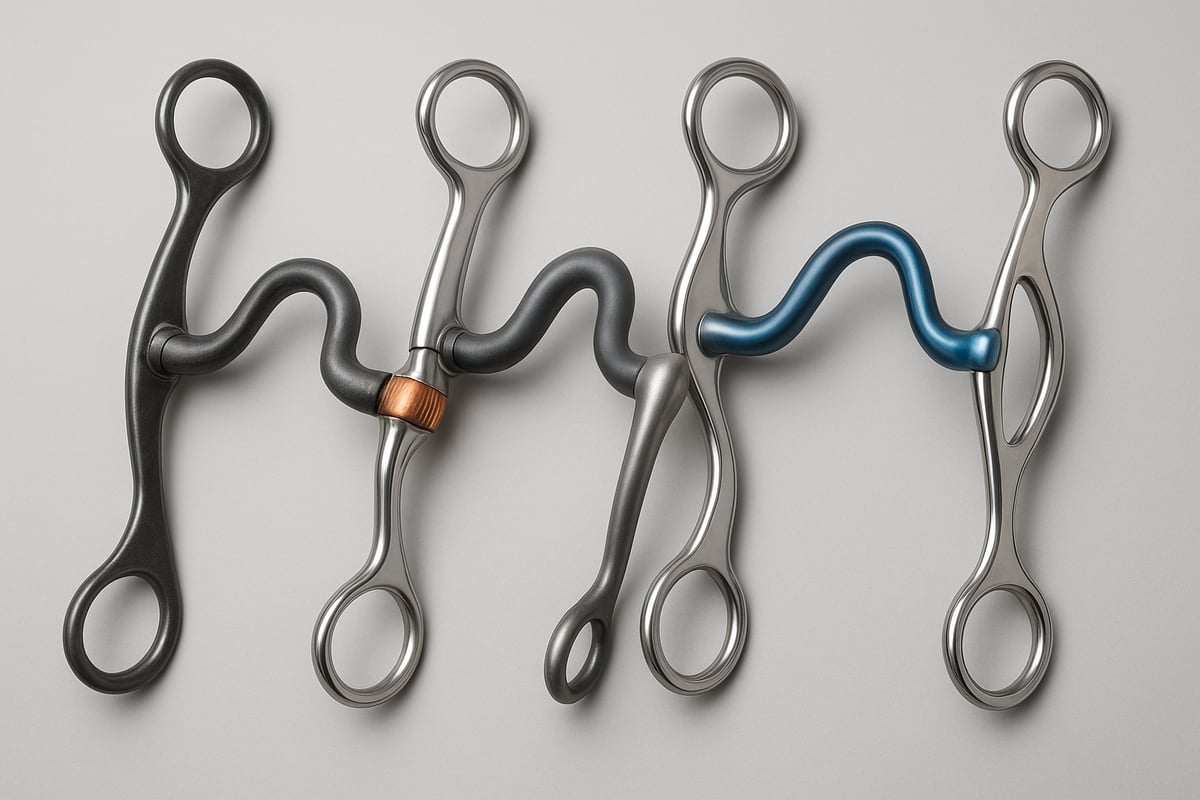
Smarter Materials and Ergonomic Designs
Recent years have brought remarkable advancements in barrel racing bits. Modern bit designers are introducing materials like sweet iron and copper inlays, which help encourage salivation and relaxation in horses. Ergonomic mouthpieces shaped to fit individual horses, as well as lightweight alloys, are improving comfort and responsiveness.
Digital fitting tools and custom manufacturing now allow riders to fine-tune fit and function for their horse’s anatomy. For a deeper dive into how these innovations enhance communication and performance, view the Barrel Racing Bits & Biomechanics Webinar.
Shifting from Control to Communication
The philosophy behind barrel racing bits is shifting toward gentler, more horse-friendly designs. Trainers are emphasizing the importance of bit selection for equine comfort and mental well-being. This movement is fueling a surge in milder bits, wider education for riders, and broader adoption of bits that reduce stress.
Awareness of potential discomfort and injuries has grown, as highlighted in Horse Pain Caused by the Bit. Riders are now prioritizing bits that promote trust and relaxation, leading to better performance and happier horses.
What Bits Are the Pros Using?
Top riders in the sport are setting the tone for bit trends in 2025. Many champions credit their success to thoughtful bit selection and adaptability. Data from recent competitions show a preference for versatile barrel racing bits that deliver clear cues without excessive harshness.
Leading competitors often experiment with new technologies and materials, sharing their experiences with the broader community. This open dialogue is driving innovation and helping all riders make more informed choices for their horses.
Hailey Kinsel's Go-To Combination Bit
When top competitors speak, riders listen, and four-time WPRA World Champion Hailey Kinsel often relies on the Reinsman Johnson Combination Bit. This bit is known for its unique design that allows for nuanced communication between horse and rider. It’s particularly effective because it can engage either the bit or the noseband at different points during a turn, which enhances responsiveness and precision when every fraction of a second counts.
The bit features a chain mouthpiece and curb strap, a design that provides a balance of comfort and control. This setup helps reduce resistance and encourages the quick, soft responses needed for tight turns. As Kinsel herself has said, "The right bit can make all the difference in achieving those record-breaking times." Her success underscores the importance of selecting high-quality horse tack that is perfectly suited to your horse's needs and your competitive style.
Choosing Bits from Ethical and Sustainable Brands
Sustainability has become a significant consideration in the production of barrel racing bits. Manufacturers are turning to eco-friendly materials and ethical sourcing, minimizing environmental impact without sacrificing quality.
Responsible production practices ensure that bits are not only high-performing but also align with the values of today’s equestrian community. As awareness grows, riders are increasingly seeking out products that reflect these principles for the future of the sport.
Barrel Racing Bit FAQs: Expert Answers to Common Questions
Barrel racing bits can feel like a complex topic, especially when striving for optimal performance and horse comfort. Below, we address the most frequent questions from competitors and trainers, giving you the knowledge to make informed choices for 2025.
Is my bit too severe for my horse?
Bit severity depends on both design and rider hands. Barrel racing bits with longer shanks, twisted wire, or ported mouthpieces can offer more leverage or pressure, but severity also comes from misuse. Always match your horse’s temperament and training level to the bit. For further insights on bit types and severity, see The Case for the Ported Bit, which offers expert perspectives on ported bits in competition.
Are all barrel racing bits legal for competition?
Rules vary by association, but most organizations allow common barrel racing bits like snaffles, short shanks, and combination bits. However, excessively severe or unconventional bits may be restricted for horse welfare. Check your event’s rulebook before competing and consult with a certified judge if in doubt.
How do I recognize if a bit fits and is comfortable?
A well-fitting bit rests smoothly in the corners of the horse’s mouth, with no pinching or excessive movement. Signs of discomfort include head tossing, gaping, or refusal to take the bit. Regularly inspect your horse’s mouth for sores or rub marks, and adjust bridle fit as needed. Understanding how bits and bridles interact is essential—explore the Horse Bridles Overview for more context on achieving proper fit.
How should I clean, store, and maintain my barrel racing bits?
Clean barrel racing bits after each ride using warm water and mild soap. Dry thoroughly to prevent rust, especially on sweet iron or copper inlays. Store bits in a dry, organized tack room, away from moisture and dust. For a broader look at tack care and organization, visit the Essential Horse Tack Guide.
When is it time to replace a bit?
Inspect barrel racing bits regularly for sharp edges, corrosion, or cracks. If you notice visible wear or your horse’s performance suddenly declines, replacement may be necessary. High-quality bits can last years with proper care, but safety should always come first.
What if my horse’s performance changes after switching bits?
A sudden drop in speed or control may signal discomfort or confusion with the new bit. Allow a gradual adjustment period, and consult a professional trainer or veterinarian if issues persist. Sometimes, reverting to a familiar bit or trying a milder option helps restore confidence in both horse and rider.
Still have questions? Consult trusted trainers, veterinarians, or reputable equestrian organizations for tailored advice on barrel racing bits and performance.
After exploring the top barrel racing bits and learning how the right choice can make all the difference in your horse’s speed and confidence, you’re now equipped with expert insights for the 2025 season. Whether you’re fine tuning your gear for competition or starting a new horse, upgrading to a high quality bit is a smart investment in both performance and safety. If you’re ready to put this knowledge into action and find the perfect bit for your horse, you can browse a carefully selected range of trusted brands and enjoy free US shipping with flexible payment options at Buy Now.
Key Takeaways
- Understand the Signal You're Sending: A bit is a tool for communication, not just a brake. Direct-pull snaffles excel at steering cues, while leverage bits help with collection and rating speed. Choosing the right one means picking the clearest, quietest signal for the job.
- Choose for Your Horse, Not Just the Trend: The perfect bit is tailored to your horse's mouth shape, sensitivity, and training level, as well as your own riding style. Always start with the mildest option that gets a clear response to build a confident partnership.
- Fit and Feel are Non-Negotiable: A bit’s effectiveness is lost if it doesn't fit correctly. Ensure the width is right to prevent pinching or sliding, and always introduce a new bit slowly. Watch for signs of comfort, like a relaxed jaw, to confirm you've made the right choice.


