


You know your horse needs a fly mask, but the search can be frustrating. You find a great option, add it to your cart, and then get hit with a surprise shipping fee at checkout. Suddenly, that good deal isn't so good anymore. A quality mask is an essential investment in your horse's comfort, and you shouldn't have to pay extra just to get it to your door. We believe in honest pricing, which is why we’ll help you find the perfect horse fly mask free shipping, with no minimums or hidden costs. This guide cuts through the noise, helping you choose a durable, effective mask and get the best possible value.
Key Takeaways
- A fly mask offers more than bug protection: It also shields your horse's sensitive eyes and skin from UV rays, dust, and wind, making it a valuable tool even outside of peak fly season.
- Prioritize a perfect fit for safety and comfort: The mask should give the eyes and lashes plenty of clearance but fit snugly enough to keep bugs out. Choose extra features like ear or nose covers based on your horse's specific needs.
- Shop smarter by considering the total value: Look beyond the sticker price to account for shipping costs, and read customer reviews to find a durable, well-fitting mask that will last the season.
Why a Fly Mask Is a Non-Negotiable for Your Horse
If you've ever seen your horse shaking its head or stomping its feet on a warm day, you know how much flies can bother them. But these pests are more than just an annoyance; they can cause real health problems. A quality fly mask isn't just another piece of tack, it's an essential part of your horse's care routine. It provides a simple, effective barrier that protects their sensitive eyes, ears, and nose from a host of irritants, ensuring they stay comfortable and healthy whether they're in the pasture or the paddock.
How Flies Impact Your Horse's Health and Comfort
Think of a fly mask as a shield for your horse's face. It keeps biting insects like flies, gnats, and mosquitoes away from their delicate eyes and nose. This is crucial because constant pestering leads to more than just frustration. Horses will often rub their faces on fences, trees, or their own legs to get relief, which can lead to scratches, hair loss, and even serious eye injuries or infections. A well-fitted mask provides immediate relief, reducing stress and preventing these secondary problems. It's a simple piece of fly season protection that makes a huge difference in their daily comfort.
When to Use a Fly Mask (Hint: It's Not Just Summer)
While we automatically reach for fly masks in the heat of summer, their job doesn't end when the temperatures cool. Many regions see persistent fly populations well into the fall. Beyond insects, these masks offer excellent protection from other elements. They can shield your horse's eyes from the sun's harmful UV rays, which is especially important for horses with light-colored skin around their eyes. They also block dust, dirt, and wind, making them useful for turnout in dry, breezy conditions. Think of it as all-around facial protection, not just a fly deterrent.
Choosing the Right Horse Fly Mask
With so many options on the market, picking the right fly mask can feel a little overwhelming. But finding the perfect one comes down to understanding your horse’s unique needs and environment. A good mask is an essential piece of fly season protection, and focusing on a few key features will help you make a confident choice. Think about factors like sun exposure, the types of insects in your area, and your horse’s individual sensitivities. By matching the mask’s features to your horse, you ensure they stay comfortable, safe, and happy all season long. It's not just about keeping flies out of their eyes; it's about providing comprehensive protection from pests, UV rays, and dust. A quality mask can prevent eye infections, reduce stress, and make turnout time much more pleasant. Before you buy, consider your horse's daily routine. Do they live outside 24/7 or are they stalled for part of the day? Are they a master of removing their gear in the pasture? Answering these questions will help you narrow down the choices and select a mask that offers the right balance of protection, durability, and comfort. Let’s walk through exactly what to look for.
UV Protection
A fly mask does more than just keep bugs away; it also acts as a pair of sunglasses for your horse. This is especially important for horses with light-colored coats, pink skin around their eyes, or conditions that make their eyes sensitive to bright light. Just like our skin, a horse's delicate facial skin can get sunburned. A mask with a good UV rating shields them from the sun’s harsh rays, preventing painful burns and reducing the risk of long-term damage. When you shop, look for masks that specify their level of UV protection to give your horse a comfortable defense against both pests and the sun.
Ear and Nose Coverage
Deciding on ear and nose coverage depends entirely on your horse’s preference and the bugs you’re battling. If tiny gnats and midges are a problem in your area, a mask with soft ear covers can prevent them from crawling inside and causing irritation. However, some horses find ear coverings bothersome. For them, a standard mask without ears is a better fit. Similarly, a long nose flap can protect a sensitive muzzle from flies and sunburn. Pay attention to where flies tend to land on your horse and watch their behavior to see what bothers them most. This will guide you to the right style.
Getting the Perfect Fit
Fit is everything when it comes to a fly mask. A mask that’s too loose can slip off in the pasture or allow flies to sneak underneath, defeating its purpose. If it’s too tight, it can rub, causing sores and hair loss. A well-fitted mask should be snug but not restrictive. You should be able to easily slide a finger between the mask and your horse’s face. Make sure the mesh portion sits away from the eyes and doesn’t touch their eyelashes, as this can cause serious irritation. Always check for gaps around the jaw and poll where insects could get in.
Breathability and Visibility
Your horse will likely wear their fly mask for hours at a time, so comfort is key. Look for masks made from lightweight, breathable materials that allow for plenty of airflow to keep your horse cool on hot days. The mesh over the eyes should be sturdy enough to hold its shape away from the face but fine enough to provide a clear line of sight. Your horse needs to see clearly to move around their pasture safely. A mask that obstructs vision can be disorienting and dangerous, so always prioritize high-visibility materials that offer protection without getting in the way.
Durable Materials
Horses are experts at testing the limits of their gear, and fly masks are no exception. To avoid having to buy a new one every few weeks, invest in a mask made from durable materials. Look for strong, rip-resistant mesh and reinforced stitching, especially around the edges and seams. The fasteners, whether they are hook-and-loop closures or snaps, should be secure enough to withstand rubbing and rolling. A well-made mask not only lasts longer, saving you money, but it also stays put to provide consistent protection for your horse day in and day out.
Shop This Post

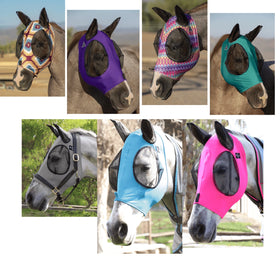
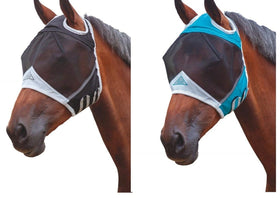
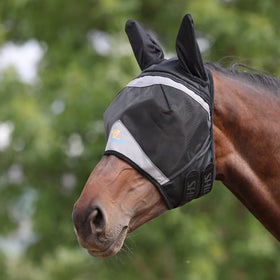
Clearing Up Common Fly Mask Myths
Fly masks are a staple in almost every tack room, but they're also surrounded by a surprising number of myths. Getting the facts straight helps you make the best choices for your horse's comfort and health. Let's clear the air on a few common misconceptions so you can feel confident you're giving your horse the best protection.
The "One-Size-Fits-All" Myth
It’s easy to think that one fly mask is just like another, but this is one of the most common mistakes I see. Horses have differently shaped heads, just like people. A mask that’s too tight can cause rubs and sores, while one that’s too loose can let insects in or even slip and cover your horse's eyes. Finding a properly fitting fly mask is essential for it to do its job effectively and safely. Take the time to measure your horse and check the manufacturer's sizing guide. A good fit means no gaps at the edges, plenty of clearance for the eyes and eyelashes, and a secure closure.
Do Fly Masks Only Block Flies?
The name "fly mask" is a bit of an understatement. While they are fantastic at keeping away common house and stable flies, their job doesn't stop there. These masks create a physical barrier that protects your horse's sensitive face from a whole host of pests. Think of them as your horse's personal shield against biting gnats, mosquitoes, and other annoying insects that can cause irritation and even spread disease. This is especially important for protecting the delicate areas around the eyes and muzzle, ensuring your horse can graze peacefully without constant head-shaking and stress.
Are Fly Masks Just for Summer?
While we definitely reach for them when the summer fly population explodes, fly masks have an important year-round job: sun protection. Many masks are made with material that blocks harmful UV rays, which is a huge benefit for all horses, but especially those with light-colored coats, pink skin, or sensitive eyes. Just like we wear sunscreen, UV-blocking fly masks help prevent sunburn on delicate noses and protect eyes from sun damage. So, don't pack them away when the weather cools down. A fly mask can be a crucial piece of your horse's health toolkit throughout the year.
Fly Mask Styles: Which Is Best for Your Horse?
Walking into a tack store or browsing online for a fly mask can feel a little overwhelming. With so many styles, materials, and features, how do you know which one is right? The key is to think about your horse’s specific needs. Is he extra sensitive to gnats in his ears? Does she have a pink nose that gets sunburned easily? The "best" fly mask is simply the one that solves the problems your horse is facing.
Think of it like picking out your own pair of sunglasses. Some people just need a basic pair for driving, while others need polarized lenses for fishing or extra coverage for long days outside. It’s the same with your horse. The right mask will depend on your climate, the types of insects you have, and your horse's individual sensitivities. We can break down the main styles to help you find the perfect match for your partner's fly season protection. Understanding these differences will make your decision much easier and ensure your horse stays comfortable and happy all season long.
Standard Fly Masks
The standard fly mask is the classic, no-frills option and a great starting point for most horses. It covers the most critical areas: the eyes and the face. This design is perfect for providing fundamental protection from biting flies and other pests that can cause irritation, painful bites, and eye infections. If your horse isn't particularly bothered by bugs in his ears and doesn't have a sensitive nose, a standard mask is often all you need to keep him comfortable during turnout. It’s a simple, effective solution that gets the job done without any extra features he might not need.
Masks with Ear Protection
If you’ve ever seen your horse shaking his head nonstop or trying to rub his ears on anything he can find, he might be telling you he needs a mask with ear protection. Some horses are incredibly sensitive to the tiny gnats and midges that love to crawl into their ears. These masks feature soft, breathable mesh ears that prevent insects from getting inside while still allowing for airflow and movement. This extra coverage can make a world of difference for a sensitive horse, providing significant relief and preventing the constant irritation that can make fly season so miserable for them.
Masks with Nose Coverage
For horses with sensitive muzzles or light-colored skin, a mask with nose coverage is a must-have. This style features an extended piece of mesh that covers the nose, shielding it from both biting insects and the sun. This is especially important for horses with pink noses, which are highly susceptible to painful sunburns. The added protection keeps flies, gnats, and mosquitoes from landing on this delicate area while also blocking harmful UV rays. If your horse spends a lot of time outside, this style offers dual-action protection that keeps them both comfortable and safe from the sun.
Options for Foals and Minis
It’s easy to forget that our smallest equine friends need protection, too. A standard horse-sized fly mask will be far too large for a foal or a miniature horse, leaving dangerous gaps where insects can get trapped or slipping off entirely. Thankfully, many brands make specialized masks designed to fit the unique proportions of these smaller heads. These masks provide the same great protection as their full-sized counterparts but are tailored for a secure and comfortable fit. This ensures that every horse in your pasture, from the biggest warmblood to the tiniest mini, can get the relief they deserve.
Our Top Fly Mask Picks (with Free Shipping)
After more than 30 years of helping horse owners, we’ve seen which fly masks stand up to daily use and keep horses comfortable. We’ve put together a list of our top picks that combine durability, comfort, and excellent protection. Best of all, every item at Hooves and Paws ships free with no minimum purchase, so you can get exactly what you need without worrying about extra costs. Here are a few favorites that our customers and their horses love.
The Hooves and Paws Fly Season Collection
If you're looking for a reliable starting point, our own fly season protection collection is curated with our customers in mind. We've selected a variety of masks made from durable yet lightweight materials perfect for all-day wear. We know how important it is for your horse to see clearly and stay cool, so we prioritize excellent visibility and breathability in our choices. This collection offers dependable options that keep flies away without getting in your horse's way, ensuring they stay comfortable and protected through the season.
Cashel Crusader Fly Mask
The Cashel Crusader Fly Mask is a long-time favorite for a reason. Its patented three-hole cap design keeps the mask material away from your horse’s eyes, which is a huge plus for comfort and safety. Made from a soft, breathable mesh, it not only keeps insects out but also provides vital UV protection. To prevent uncomfortable rubbing and chafing, it’s fitted with a soft fleece lining around the edges. It’s a thoughtfully designed mask that provides full coverage while ensuring your horse can see and move without irritation.
Weatherbeeta Fly Mask
Weatherbeeta is a trusted name in horse wear, and its fly masks live up to the reputation. These masks are built with a durable mesh that allows for plenty of airflow while blocking harmful UV rays. One of the best features is the option for a removable nose piece, giving you extra flexibility to protect your horse’s sensitive muzzle from both bugs and sun. The adjustable closures ensure a secure fit, so the mask stays put even when your horse is playing in the pasture. It’s a great, functional choice for everyday protection.
Farnam SuperMask II
For horses that are particularly tough on their gear, the Farnam SuperMask II is an excellent choice known for its exceptional durability. It’s made from a strong, breathable mesh that holds its shape well, keeping the material away from your horse’s eyes for better comfort and visibility. The design provides a secure fit that prevents it from slipping off during turnout. As a bonus, it’s also easy to clean and maintain, making it a practical and long-lasting solution for fly control season after season.
How to Read Customer Reviews for the Real Story
Customer reviews are a goldmine of information, but only if you know how to read between the lines. A sea of five-star ratings looks great on a product page, but the real story is always in the details. Learning to spot patterns, identify genuine feedback, and filter out the noise will help you find the perfect fly mask for your horse's specific needs. It’s less about finding a universally "best" mask and more about finding the one that’s best for your horse. Here’s how to become a pro at decoding reviews and make a confident purchase.
What to Look for in Positive Reviews
A high percentage of positive feedback is obviously a great start. But go beyond the star count and look for reviews that get specific. Comments like, "This is the only mask that has stayed on my pasture-mate-who-loves-to-play-tackle" or "The darts keep the mesh completely off my horse’s sensitive eyes" are far more valuable than a simple "Great product!" These detailed reviews confirm that the mask’s features work as intended in the real world. They help you match a product’s strengths to the specific problems you’re trying to solve, whether it’s durability, comfort, or a secure fit.
Red Flags to Watch For
While you're looking for positives, keep an eye out for recurring complaints. A single bad review could be a fluke, but if you see five, ten, or twenty people mentioning the same issue, that’s a pattern. Pay close attention to comments about poor fit, rubbing on the poll or under the jaw, or seams that tear after a week. These are common points of failure for fly masks. If multiple buyers say the sizing runs large or small, believe them. This is the kind of insider information that saves you the headache of a return and helps you get the right product the first time.
Making Sense of Star Ratings
Think of star ratings as a quick filter, not the final word. They’re perfect for getting a general sense of a product's reception. When you're browsing a whole collection of fly season protection, star ratings can help you narrow down your top contenders. Once you have your shortlist, it's time to dig in. A product with a 4.5-star average is promising, but what are the 1-star reviews saying? Is it a consistent design flaw, or did a few people just receive a defective item? Look for the consensus to understand a product's true performance.
Finding the Best Deals on Horse Fly Masks
Finding a great deal on a horse fly mask goes beyond just the sticker price. While it’s tempting to grab the cheapest option you see, hidden costs like shipping can quickly turn a bargain into a budget-buster. To be a truly savvy shopper, you need to look at the total cost of getting that mask from the warehouse to your barn door. Different online stores have wildly different approaches to shipping, and understanding them is key to actually saving money. Some require you to spend a certain amount before they’ll ship for free, while others might have exceptions for bulky items. Before you click “buy,” taking a moment to understand these policies will save you from any frustrating checkout surprises and ensure you’re getting the best value for your hard-earned money. After all, your focus should be on protecting your horse, not on paying extra fees.
Understanding a Retailer's Shipping Policy
When you're comparing fly masks across different websites, make sure you read the fine print on their shipping policies. It’s a small step that can have a big impact on your final cost. For example, a retailer like Jeffers offers "free shipping on most orders over $49." That word "most" is important; it means some items might not qualify, and you still have to hit a minimum spending amount. This is a common practice, so it’s always a good idea to know the rules before you start adding items to your cart. A great price on a mask isn't so great if you have to pay an extra $10 for shipping.
Why No-Minimum Free Shipping Matters
No-minimum free shipping is a game-changer, especially when you only need one or two things. Let's say your horse’s favorite fly mask rips, and you just need a single replacement. If a store requires a high spending threshold, like Big Dee's Tack & Vet Supplies' "$70" minimum for free shipping, you're stuck. You either have to pay for shipping or buy more gear you don't need just to avoid the fee. A retailer that offers free shipping with no minimums gives you the freedom to buy exactly what you need, when you need it, without feeling pressured to spend more. It’s the most straightforward and honest way to shop.
What to Know About Minimum Order Thresholds
Minimum order thresholds are designed to encourage you to buy more. Retailers know that if you’re close to a free shipping minimum, like the "$49" at Jeffers or "$70" at Big Dee's, you’re more likely to add another item to your cart. While this can be useful if you’re planning a big haul, it’s less helpful for small, specific purchases. Always be aware of these thresholds so you can plan accordingly. Or, you can choose to shop where this isn't a concern. Having access to essential fly season protection without worrying about extra fees makes stocking up simple and stress-free.
How to Get the Best Value on Every Order
Getting a great deal on your horse supplies feels amazing, and it’s about more than just finding the lowest price. Smart shopping strategies can help you save money in the long run without sacrificing quality. By planning your purchases, buying for all your animals at once, and staying in the loop with your favorite retailers, you can make your budget stretch further and ensure you always have what you need on hand. Here are a few of my favorite ways to get the best value every time I shop.
Keep an Eye Out for Seasonal Sales
One of the easiest ways to save on essentials like fly masks is to shop during seasonal sales. Retailers often discount items at the beginning of the season to get you prepared, or at the end of the season to clear out inventory. Since fly season is a predictable annual event, you can plan your purchases around these promotions. I recommend making a list of your needs before the season starts. That way, when a sale pops up, you can stock up on everything from fly masks to sprays. It’s a great time to grab a backup mask or try a new style without paying full price. You can browse our fly season protection collection to see what’s available and get ready for the next sale.
Buying for a Multi-Horse Household
If you have more than one horse, you know how quickly costs can add up. Shopping for a multi-horse barn is a great opportunity to maximize value. Instead of placing multiple small orders, look for a retailer that offers a wide variety of sizes, from mini to draft. This allows you to get the perfect fitting fly mask for every horse in your herd in a single order. This not only saves you time but also simplifies your shopping. Consolidating your purchases means you can get everything you need for everyone, including your dogs and cats, all in one box, making your life just a little bit easier.
Why You Should Sign Up for Newsletters
I know, I know, another email in your inbox. But trust me on this one. Signing up for a retailer’s newsletter is one of the smartest things you can do to save money. It’s your direct line to exclusive offers, coupon codes, and early access to major sales events that aren't always advertised to the general public. Think of it as getting an insider’s pass to the best deals. It’s a simple, zero-effort way to ensure you’re the first to know when prices drop on the products you buy regularly. Plus, you’ll often get helpful tips and be notified about new product arrivals.
How to Care for Your Horse's Fly Mask
A fly mask is a workhorse in your horse’s wardrobe, so giving it a little TLC will go a long way. Proper care not only keeps your horse comfortable and their vision clear, but it also helps your investment last through the season and beyond. A dirty, grimy mask can irritate your horse’s skin and eyes, defeating its purpose. By creating a simple routine for cleaning and inspection, you can ensure the mask remains a source of relief, not discomfort. Think of it as a quick daily check-in that protects both your horse and your gear.
Simple Cleaning and Maintenance Tips
Keeping your horse's fly mask clean is essential for preventing dirt, sweat, and bacteria from building up against their sensitive face. For a quick clean, you can hand wash the mask with mild soap and warm water, making sure to rinse it thoroughly. If it’s machine washable, pop it into a mesh laundry bag to protect the straps and fasteners, and run it on a gentle cycle with cold water. Always let it air dry completely to help it keep its shape. I find the easiest way to stay on top of this is to make a quick inspection part of my daily routine. When you take the mask off each evening, give it a once-over for any damage or debris.
When to Replace Your Fly Mask
Even the most durable fly mask will eventually need to be retired. The most obvious sign it’s time for a new one is visible damage. Look for holes in the mesh, torn seams, or frayed edges that could get caught on something. Also, check the fasteners and elastic. If they’re stretched out or broken, the mask won’t stay securely in place, leaving gaps for flies to get in or creating a safety hazard. A poor fit is another reason to replace a mask. If it’s rubbing sores or is too loose, it’s not doing its job correctly. If you spot any of these issues, it’s time to find a replacement from our fly season protection collection to keep your horse safe and comfortable.
Related Articles
- 5 Best Horse Fly Masks for UV Protection
- Top 5 Horse Fly Masks with 90 UV Protection
- Shires Fly Mask with UV Protection
Frequently Asked Questions
Can my horse wear their fly mask all the time? It's best to remove the fly mask at least once a day, usually at night. This gives you a chance to check your horse's face for any rubs, sores, or trapped debris like burrs or grass seeds. It also lets their skin breathe and gives their eyes a break. A quick daily check ensures the mask is providing comfort, not causing new problems.
How do I know for sure that the fly mask fits correctly? A perfect fit is snug but not tight. You should be able to slide one finger comfortably between the mask and any part of your horse’s face, including their jaw and poll. Most importantly, the mesh part of the mask should have plenty of clearance, meaning it doesn't touch your horse's eyes or eyelashes at all. Check for any gaps along the edges where sneaky flies could get in.
My horse is an expert at taking his fly mask off. What can I do? First, double-check the fit. A mask that is uncomfortable, too tight, or rubs is often the first one to get scraped off on a fence post. If the fit is good, your horse might just dislike a certain feature. For example, some horses hate having their ears covered. Try a different style, like one without ear covers or with a different type of fastener. Sometimes finding the right mask is a little bit of trial and error.
How often should I be cleaning the fly mask? I recommend giving the mask a quick brush-off every day to remove loose dirt and dust. For a deeper clean, you should wash it at least once a week, or more often if your horse is particularly sweaty or lives in a muddy pasture. A clean mask prevents skin irritation and bacterial buildup, so keeping it tidy is just as important as using it.
Is a mask with ear and nose coverage always the better choice? Not necessarily. The best style really depends on your horse and your environment. If your area is full of tiny gnats that bother your horse's ears, then ear covers are a lifesaver. If your horse has a pink nose that gets sunburned, then nose coverage is essential. However, some horses find these extra features annoying. Observe your horse to see what bothers them most and choose a mask from the fly season protection collection that solves their specific problem.


