


Think of your daily grooming session as a quiet conversation with your horse. It's your chance to perform a hands-on wellness check, learning every contour of their body. When you know what's normal, you'll be the first to spot a new bump, a tender spot, or a small cut before it becomes a problem. This daily ritual is invaluable for their health and deepens your bond. To make this time truly effective, you need the right equipment. We’ve put together the ultimate list of horse grooming tools—the seven essential items that will help you keep your horse happy and sound.
Key Takeaways
- Start with the seven essential tools: An effective grooming kit is built on a foundation of core items like a hoof pick, curry comb, and brushes. Master these basics before expanding to specialty tools to ensure you have everything you truly need.
- Treat grooming as a daily health check: Your daily routine is the best opportunity to find small cuts, swelling, or skin irritations before they become serious problems. This hands-on time is crucial for your horse's overall wellness.
- Correct technique makes all the difference: Using your tools in the right sequence, such as currying before brushing, is essential for getting your horse truly clean. A consistent, step-by-step process also makes grooming a more relaxing and positive experience for your horse.
Your Essential Horse Grooming Kit: 7 Must-Have Tools
Building the perfect grooming kit doesn't have to be complicated. While the aisles of a tack shop can feel overwhelming with endless gadgets and specialty brushes, you only need a handful of core tools to keep your horse healthy, happy, and looking sharp. Think of these seven essentials as the foundation of your grooming routine. They are the tried-and-true items that horse people have relied on for generations, and for good reason: they work.
With this basic set, you can tackle everything from daily mud removal to heavy seasonal shedding. More importantly, daily grooming is one of the best ways to connect with your horse. It’s a quiet time that allows you to check in with them physically and mentally. You’ll learn every curve and line of their body, making you the first to notice any small cuts, scrapes, swelling, or changes in their skin and coat that could signal a health issue. This simple, consistent practice builds trust and strengthens the bond you share. Before you get overwhelmed by choice, let's walk through the seven must-have tools that will form the heart of your grooming tote.
For Healthy Hooves: The Hoof Pick
This is non-negotiable. A hoof pick is the most important tool in your kit for your horse's health and soundness. You'll use it daily to clean out mud, rocks, and debris from the sole of the hoof, paying special attention to the collateral grooves on either side of the frog. Keeping this area clean prevents infections like thrush and allows you to spot potential problems, like a puncture or bruise, before they become serious. Many hoof picks also come with a stiff brush on one end, which is perfect for whisking away any remaining dirt for a thorough clean.
Loosen Dirt with a Curry Comb
Your grooming session will almost always start with a curry comb. Used in a vigorous circular motion across your horse's body, this tool is a workhorse for loosening caked-on mud, dirt, and shedding hair. It also gives your horse a great massage, stimulating blood flow and bringing natural oils to the surface of the coat. Just be sure to avoid using it on sensitive areas like the face and lower legs. As you work, you'll see dust and hair rise to the surface, setting the stage for the next step in your routine.
Flick Away Mud with a Stiff Brush
After the curry comb has done its job lifting all that grime, the stiff brush, often called a dandy brush, comes in to sweep it all away. With firm, short flicks in the direction of hair growth, this brush removes the dirt and loose hair you just brought to the surface. Its coarse bristles are perfect for getting your horse's coat truly clean, especially on less sensitive areas like the main body and rump. This is the step where you really start to see the mud and dust disappear, revealing the clean coat underneath.
Add Shine with a Soft Brush
This is your finishing tool. After the stiff brush has removed the heavy dirt, the soft body brush takes care of the fine dust and dander left behind. Its softer bristles are gentle enough for more sensitive areas, like the face and legs, and they help distribute the horse's natural oils across the coat. Using long, smooth strokes, this brush smooths the hair down and adds a beautiful, polished shine. It’s the final touch that leaves your horse looking sleek and feeling great, and it’s often a favorite part of the grooming process for many horses.
Tackle Tangles with a Mane and Tail Comb
A tangled mane or tail isn't just messy; it can be uncomfortable for your horse. A sturdy, wide-tooth comb is essential for gently working through knots without breaking the delicate hairs. It’s best to start at the bottom of the hair and work your way up in small sections, especially if you’re trying to grow a long, flowing tail. For extra tough tangles, using a detangling spray first can make the process much easier and prevent unnecessary hair pulling. Regular combing keeps the mane and tail healthy, manageable, and looking their best.
Manage Shedding with a Shedding Blade
When spring arrives, so does the shedding. A shedding blade is your best friend for helping your horse get rid of that thick winter coat. This tool has a serrated edge designed to efficiently pull out clumps of loose hair. You can use it with one or two hands, gently pulling it across your horse's body in the direction of hair growth. It’s incredibly effective at de-bulking a heavy coat, making your horse more comfortable in warmer weather and speeding up the shedding process. Just be gentle and avoid using it on bony or sensitive areas.
Remove Loose Hair with a Grooming Block
A grooming block is one of those simple, inexpensive tools you'll wonder how you ever lived without. Typically made from a dense, pumice-like material, it works wonders at grabbing and removing fine dust, loose hair, and even stubborn bot fly eggs from your horse's coat. It’s especially useful during shedding season as a follow-up to the shedding blade, catching all the fine hairs that get left behind. Think of it as the final polish that gets your horse’s coat truly clean and smooth. You can find a great selection of grooming tools, including blocks, in our horse tack collection to round out your kit.
Like the other tools in your kit, the grooming block offers another great chance to check in on your horse’s health. As you glide it over their body, you’ll be able to feel for any subtle bumps, scabs, or skin irritations that might be hiding under their coat. This hands-on contact is so important for catching minor issues before they escalate. Because it’s used with gentle pressure, it’s also a fantastic option for more sensitive horses who might find a metal curry comb or shedding blade too harsh. It’s a gentle but highly effective way to finish your grooming routine and ensure your horse is comfortable and looking their best.
Dry Off After a Ride with a Sweat Scraper
Whether you've just given your horse a bath or they've worked up a good sweat after a ride, a sweat scraper is key to helping them dry off quickly. This simple tool has a smooth edge that efficiently removes excess water from the horse's coat. Removing that extra moisture helps your horse regulate their temperature more effectively, preventing them from getting a chill, especially in cooler weather. It’s also useful for scraping off excess lather during a bath. It’s a simple but highly effective tool for post-workout or post-wash care.
Using Your Horse Grooming Tools the Right Way
Having the right tools is only half the battle; knowing how to use them makes all the difference for your horse’s comfort and the effectiveness of your grooming session. Each tool in your kit has a specific job, and using it correctly ensures you get the best results without causing any discomfort. Think of it as a step-by-step spa treatment for your horse. Following the right order and technique not only gets your horse sparkling clean but also turns grooming into a positive experience for both of you. Let’s walk through how to handle each of your essential tools like a pro.
How to Safely Pick Your Horse's Hooves
Start by facing your horse’s tail, standing beside their leg. Run your hand down their leg to signal your intent, and ask them to lift their foot. Once you’re holding the hoof securely, use the pick part of your hoof pick to carefully remove mud, rocks, and debris, working from the heel toward the toe. Pay special attention to the grooves alongside the frog, but be gentle in this sensitive area. Cleaning hooves regularly also lets you check for any problems. Many hoof picks come with a small, stiff brush, which is perfect for sweeping away any remaining dirt for a final, clean finish.
Master the Curry Comb's Circular Motion
The curry comb is your go-to for deep cleaning. It’s usually the first tool you’ll use on your horse’s body to loosen up caked-on mud, dust, and shedding hair. Using firm but gentle pressure, rub the curry comb in circles all over your horse’s large muscle groups, like the neck, shoulder, back, and hindquarters. You’ll see the dirt and loose hair lift to the surface of the coat. Just be sure to ease up on sensitive spots like the flank, belly, and girth area. Avoid using a hard rubber or plastic curry on the face and lower legs.
How to Brush Your Horse for the Best Results
After a good currying session, it’s time to whisk away all that loosened grime. Grab your stiff brush, also known as a dandy brush. Using short, flicking strokes, brush in the direction the hair grows. This action sweeps the dirt and hair off your horse’s coat, leaving it much cleaner. Apply steady pressure, but always watch your horse for cues that you might be brushing too hard. This step is what really starts to bring out the shine in their coat as you clear away the surface-level dust.
Detangle Manes and Tails Without Damage
A beautiful, flowing mane and tail require a gentle touch. To avoid breaking the long, delicate hairs, start at the bottom and work your way up in small sections. A wide-tooth comb is excellent for this, especially for thicker tails. For extra help with tough knots, use a detangler or coat spray to make brushing easier and condition the hair. Hold the hair above the section you’re brushing to prevent pulling on the roots. Patience is key here; it’s much better to slowly work through tangles than to rip through them.
Pro Tip: Apply Detangler First
When it comes to managing tangles in your horse's mane and tail, a little preparation can go a long way. Before you start combing, consider applying a quality detangling spray. This not only makes the brushing process smoother but also conditions the hair, reducing the risk of breakage. As you work through the tangles, remember to start at the bottom and gently work your way up in small sections. This technique minimizes pulling on the roots and helps maintain the integrity of the delicate strands. Patience is key here; taking your time to carefully detangle is far better than rushing and causing breakage that can take months to grow out.
Using a Shedding Blade and Sweat Scraper
A sweat scraper is a must-have for bath time and hot days. After a rinse, glide the scraper smoothly over your horse’s body in the direction of hair growth to remove excess water and speed up drying time. This simple step can prevent your horse from getting a chill on cooler days. You can also use a shedding blade, which often has a serrated edge, to help remove loose hair during shedding season. Just remember to use these tools gently and never use them on your horse’s face or legs where the skin is thin and bones are close to the surface.
A Dual-Purpose Tool for Bath Time
While a sweat scraper is fantastic after a workout, it truly shines during a bath. After you’ve rinsed the suds away, a quick pass with the smooth edge of the scraper will remove a surprising amount of water from your horse's coat. This simple action dramatically cuts down on drying time and helps prevent your horse from catching a chill, which is especially important on cooler days. Many of these handy grooming tools are designed with two sides: the smooth scraper for water and a serrated edge that works as a shedding blade. This makes it a versatile piece of equipment for tackling both post-bath drips and seasonal shedding, all with one tool in hand. Just remember to use a light touch and stick to the larger, muscled areas of the body.
Shop This Post

Featured in this article
Professional's Choice Pony Paints - 4.4oz Non-Toxic Washable Horse Coat Paint
$22.71
Shop Now →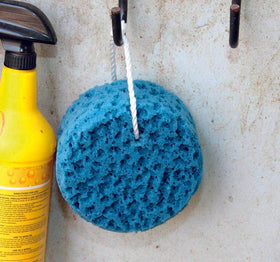


More Than Just a Pretty Coat: The Health Benefits of Grooming
Grooming is so much more than just making your horse look clean and shiny before a ride. Think of it as a daily wellness check and a cornerstone of your horse's overall health. This dedicated time allows you to connect with your horse while also keeping a close eye on their physical condition. A few minutes with a brush each day can prevent skin problems, help you spot injuries before they become serious, and strengthen the partnership you share. It’s one of the simplest and most effective ways to show your horse you care, building a foundation of health and trust that lasts a lifetime.
Spot Injuries and Health Issues Early
Your daily grooming routine is your first line of defense in catching health issues. When you run your hands and tools over your horse’s body every day, you become an expert on what’s normal for them. You’ll quickly notice anything out of the ordinary, like a small cut, a patch of heat, mysterious swelling, or a tender spot. Finding these little problems early on means you can treat them before they turn into bigger, more complicated issues like infections or lameness. This hands-on check-in is invaluable for keeping your horse comfortable, sound, and healthy.
Support Healthy Skin and Circulation
A vigorous currying session does more than just lift dirt. The firm, circular motions of a curry comb and the flick of a dandy brush act like a mini-massage, stimulating blood flow to the surface of the skin. This increased circulation is fantastic for skin health, helping to distribute the natural oils that protect the skin and give the coat a beautiful, healthy shine. A well-groomed coat isn't just pretty; it's a sign of a healthy horse from the inside out. Regular brushing helps prevent common skin irritations and keeps their natural defenses strong.
Create a Calming Ritual for Your Horse
For many horses, grooming is a deeply relaxing experience. The steady rhythm of brushing can be incredibly soothing, helping to release tension in their muscles and calm their minds. It’s a quiet time for you to connect without any pressure or expectation of performance. Watch your horse’s reactions; a soft eye, a lowered head, or a quivering lip are all signs that they’re enjoying the attention. This positive, calming interaction reinforces their trust in you and makes them more comfortable with being handled all over their body.
Keep Pests and Parasites at Bay
A clean horse is a less inviting target for pests. Caked-on mud and a thick, dirty coat can create the perfect environment for parasites like ticks, lice, and mites to hide and thrive. By regularly removing dirt and debris, you’re also removing potential hiding spots for unwanted guests. Your daily grooming session gives you the perfect opportunity to carefully inspect your horse’s coat, mane, and tail for any signs of external parasites. Catching them early makes treatment much simpler and helps keep your entire barn healthier.
The Importance of Removing Bot Fly Eggs
During your daily grooming, keep an eye out for tiny, yellowish specks glued to your horse's hair, especially on their legs, chest, and shoulders. These aren't just bits of pollen; they are bot fly eggs, and removing them is critical for your horse's internal health. If left on the coat, your horse can accidentally ingest them while licking or scratching. The warmth of their mouth causes the eggs to hatch into larvae, which can then burrow into the gums and eventually migrate to the stomach, leading to serious digestive issues. These eggs are incredibly sticky and won't come off with a regular brush, so you'll need a specialized tool. Using a bot knife or a pumice-like grooming block to scrape them off is a quick and easy step that prevents a major parasite problem down the road.
Build a Stronger Bond Through Grooming
Ultimately, grooming is a conversation between you and your horse. In the wild, horses groom each other to reinforce social bonds, and you can tap into that same instinct. This quiet, focused time together builds a powerful foundation of trust and communication that will carry over into your groundwork and riding. It’s a chance to learn your horse’s favorite itchy spots and understand their subtle cues. As our team at Hooves and Paws knows, this partnership is the most rewarding part of horse ownership, and it’s built one brush stroke at a time.
Ready for an Upgrade? Specialty Grooming Tools
Once you have the essential grooming tools down, you can start adding a few specialty items to your kit. Think of these as the next step up, designed to make specific tasks easier and more effective. They aren't strictly necessary for a daily groom, but they can make a huge difference in your horse's appearance, comfort, and overall health. From achieving a show-ring shine to gently cleaning sensitive spots, these tools help you pay closer attention to the details that matter.
Adding them to your routine is a great way to address specific needs your horse might have, like dry hooves or a perpetually tangled tail. It also shows your horse an extra level of care and consideration, which can do wonders for your relationship. You’ll find that having the right tool for a tricky job not only saves you time and frustration but also makes the grooming session more pleasant for your horse. These items help you transition from simply cleaning your horse to truly caring for their coat, skin, and hooves in a more comprehensive way. It’s about being prepared for anything and taking pride in every aspect of your horse’s well-being.
For Silky Manes: Detangling Sprays and Conditioners
A tangled mane or tail isn't just frustrating to deal with; it can also lead to painful pulling and hair breakage. Detangling sprays and conditioners are your best friends for working through tough knots without damaging the hair. These products add slip, making it easier to comb through, while also leaving the coat, mane, and tail with a beautiful, healthy shine. A quick tip: if you use a silicone-based spray for extra gloss, be careful to avoid the saddle area. It can make the coat slippery and cause your saddle to shift, which is a safety concern for both you and your horse. Using the right grooming supplies can make all the difference.
Beyond the Hoof Pick: Advanced Hoof Care
Healthy hooves are the foundation of a healthy horse, and sometimes they need a little extra support beyond a daily picking. Hoof oils and conditioners can be fantastic additions to your routine. Some are designed to add a polished, show-ready shine, while others contain ingredients that moisturize and strengthen the hoof wall, helping to prevent cracks and brittleness. Because every horse's needs are different, it’s always a good idea to chat with your farrier. They can tell you if your horse would benefit from a specific type of hoof care product and recommend the best one for their unique condition.
Gentle Tools for Faces and Sensitive Spots
Your horse's face is one of the most sensitive parts of their body, and a standard dandy or body brush is often too large and coarse for the job. That’s where a dedicated face brush comes in. These are typically small, round, or oval-shaped brushes with extra-soft bristles designed specifically for the delicate areas around the eyes, muzzle, and ears. Using a separate, gentle brush shows your horse you’re mindful of their comfort, which helps build trust and makes grooming a more positive and relaxing experience. It’s a small tool that makes a big impact on your horse's happiness.
Add a Little Luxury: Massage and Grooming Mitts
A grooming mitt is a wonderfully versatile tool that fits right over your hand. It can be used for several different jobs, from gently cleaning bony or sensitive areas like the legs and face to giving the coat a final, polishing swipe to bring out its natural shine. Many horses also love the feeling of a grooming mitt, as it mimics the gentle pressure of a hand. This makes it a fantastic tool for a relaxing massage, helping to soothe sore muscles and strengthen your bond. It’s an easy and effective way to give your horse some extra TLC during your daily routine.
Get a Show-Ready Shine
That incredible, mirror-like shine is the finishing touch to a great grooming session. It’s important to remember that a true show-ring gloss doesn't just come from a bottle—it’s the result of a healthy coat that’s been consistently cared for. Your daily currying and brushing lay the foundation by distributing the coat's natural oils. For that extra bit of polish, however, a quality finishing spray is an excellent tool. These sprays work by smoothing the hair cuticle to better reflect light, and they have the added benefit of repelling dust, which helps keep your horse looking sharp for longer.
How you apply a finishing spray makes a big difference. Spraying it directly onto your horse’s body can be startling for them and often leads to an uneven coat. A better approach is to lightly mist the spray onto a soft cloth or your finishing brush. From there, you can wipe it evenly over the coat, following the direction of hair growth. This technique gives you a beautiful, streak-free finish and much more control. We've handpicked some of the most effective and gentle grooming products that will help you achieve that perfect look for any occasion.
Make Bath Time Easier with Sponges and Mitts
When it’s time for a bath, having the right sponges is essential for doing the job properly and hygienically. It’s standard practice to use at least two separate sponges. Keep one reserved only for cleaning your horse’s face, especially around the delicate eye and nostril areas. Use a second, completely different sponge for cleaning the dock area under the tail. This simple step is incredibly important for preventing the spread of bacteria from one part of the body to another. Labeling them with a permanent marker can help you keep track and maintain a clean, safe bathing routine for your horse.
Try a Jelly Scrubber Mitt
A jelly scrubber mitt is one of those wonderfully versatile tools that you'll find yourself reaching for again and again. It fits right over your hand and can be used for several different jobs, from gently cleaning bony or sensitive areas like the legs and face to giving the coat a final, polishing swipe that brings out its natural shine. Many horses also love the feeling of a grooming mitt because it mimics the gentle pressure of a hand. This makes it a fantastic tool for a relaxing massage, helping to soothe sore muscles after a ride and strengthen the bond you share. It’s an easy and effective way to give your horse some extra TLC during your daily routine, and you can find some of our favorites among our best-selling products.
For a Tidy Mane: The Pulling Comb
If you've ever admired the neat, tidy manes on show horses, a pulling comb is likely the tool behind the look. This specialty comb is used to thin and shorten a horse's mane, which is essential for creating clean, tight braids required in many English disciplines. It's not for everyday detangling, but rather for seasonal maintenance to keep the mane manageable and uniform. The process involves wrapping a small section of the longest hairs around the comb and giving a quick pull. A great tip is to do this after a ride when your horse is warm and their pores are open, which makes it more comfortable for them. It’s a key piece of equipment for anyone serious about their horse's presentation in the show ring, right alongside quality horse tack.
For Quick Touch-Ups: Cordless Trimmers
For maintaining those clean lines and a polished look, a small pair of cordless trimmers is invaluable. These battery-powered clippers are perfect for quick touch-ups on areas like the bridle path, fetlocks, ears, and muzzle without the hassle of a full-size clipper. Because they are smaller and quieter, they are often much less intimidating for sensitive or young horses, making the experience less stressful for everyone. They are fantastic for tidying up whiskers or evening out a shaggy jawline between professional clips. At Hooves and Paws, we know that having reliable, easy-to-use tools makes all the difference, and a good pair of trimmers will quickly become a go-to in your grooming tote for keeping your horse looking sharp.
How to Choose the Best Horse Grooming Tools
With so many options out there, picking the right grooming tools can feel a little overwhelming. But think of it like building your own toolkit: the right instruments not only make the job easier but also ensure a better result. Investing in a great set of tools from the start will make your grooming sessions more effective and enjoyable for both you and your horse. When you’re ready to build or upgrade your kit, keep a few key things in mind. A little thought now saves you time and money later and helps keep your horse happy and healthy.
Choose Tools That Are Built to Last
When you’re selecting grooming tools, always prioritize quality. It might be tempting to grab the cheapest option, but high-quality brushes and combs provide better results for your horse's coat and skin. Plus, they’re built to last. Investing in durable grooming tools ensures they can handle regular use without falling apart, saving you from having to replace them every season. Well-made tools with sturdy bristles and strong handles feel better in your hand and work more effectively, making your grooming routine smoother and more productive.
Find a Comfortable Grip: Why Ergonomics Matter
Grooming should be a pleasant experience, not a chore that leaves your hands and wrists aching. Look for tools with comfortable, ergonomic grips that fit nicely in your hand. This small detail makes a huge difference, especially during longer grooming sessions or when you’re working through a thick winter coat. A comfortable grip gives you better control, allowing you to use the right amount of pressure without causing discomfort to your horse. When you’re comfortable, you’re more relaxed, and your horse will pick up on that positive energy.
Keep Safety in Mind for Both of You
Safety is always the top priority around horses, and that extends to your grooming kit. Before using any tool, give it a quick check for sharp edges, loose bristles, or cracks that could potentially scratch or injure your horse. To maintain good hygiene and prevent the spread of skin conditions, it’s a great practice for each horse to have its own set of brushes. Keeping individual kits is one of the simplest ways to protect your horse’s health and ensure your grooming area stays clean and organized.
Pick Tools That Are Easy to Clean
Your grooming tools can’t do their job properly if they’re caked with dirt, hair, and oil. Choosing brushes and combs that are easy to clean will make your life much simpler. Look for materials that can be quickly washed and dried without deteriorating. Regularly cleaning your tools is essential for your horse’s skin health, as it prevents the buildup of bacteria and fungi. A clean grooming kit works more effectively and is a cornerstone of a healthy, hygienic routine that keeps your horse’s coat looking its best.
Natural vs. Synthetic Bristles: What's the Difference?
The debate between natural and synthetic bristles is a classic one in the grooming world. Natural bristle brushes, often made from horse or goat hair, are typically a bit more of an investment but can last for years with proper care. Many equestrians believe they do a superior job of distributing natural oils, resulting in a beautiful shine. On the other hand, synthetic brushes are more affordable, incredibly durable, and easy to clean. Because they often have plastic backs, you can soak them in a bleach solution for deep cleaning without worry. They also come in a rainbow of fun colors and are perfect for using during bath time since they won't be damaged by soap and water. The choice really comes down to your budget and personal preference.
Look for Trusted Brands and Positive Reviews
Not all grooming tools are created equal, and a little research can go a long way. Sticking with trusted brands is a great way to ensure you’re buying a quality product that’s designed to last. Customer reviews are also an invaluable resource, offering real-world feedback from fellow horse owners on how a tool holds up over time. Here at Hooves and Paws, we take the guesswork out of it by handpicking products from brands we’ve trusted for years. When you browse our best-selling grooming supplies, you’re seeing items that have earned their spot through proven performance and positive feedback from the equestrian community. Shopping with confidence means you can focus on what really matters: spending quality time with your horse.
How Often Should You Groom Your Horse?
The ideal grooming frequency for your horse depends on their lifestyle, environment, and workload. A horse that spends its days in a pasture has different needs than one that is stabled and ridden daily. The key is to create a consistent routine that keeps their skin healthy, their coat clean, and gives you a chance to check in on their overall well-being. Think of it less as a chore and more as a daily or weekly wellness check that strengthens your connection.
Establishing a regular schedule helps you stay on top of potential issues like skin irritations, ticks, or small injuries before they become bigger problems. It also gets your horse accustomed to being handled, making vet visits and farrier appointments much smoother. Whether it’s a quick daily brush-down or a more thorough weekly session, consistency is what matters most for your horse’s health and happiness.
The Daily Routine for Active Horses
If your horse is stabled or in regular work, daily grooming is essential. This isn't just about looking good for a ride; it's a critical part of their care. A daily session helps maintain a healthy coat and skin by distributing natural oils, and it’s your best opportunity to check for any new bumps, scrapes, or signs of soreness. This is especially important in areas where horse tack sits, as dirt and sweat can cause painful chafing and sores. A quick but thorough grooming before and after every ride prevents discomfort and keeps your horse feeling its best.
The Maintenance Schedule for Pasture Horses
For horses living out in a pasture, a full grooming session every day might not be practical. However, they still need regular attention. Aim to groom them thoroughly at least once or twice a week. This schedule allows you to manage mud, check for ticks, and address any skin conditions that might develop from living outdoors. Even if you aren't riding, these weekly check-ins are vital for catching health issues early. It’s also a great way to maintain your bond and ensure your horse remains comfortable with being handled, which is important for routine care.
How to Adapt Your Grooming for Each Season
Your horse's grooming needs change with the seasons. In the spring, you’ll be dealing with a lot of shedding as their thick winter coat makes way for a sleeker summer one. Using a shedding blade during this time can make a huge difference, helping to remove loose hair efficiently and keep your horse comfortable as temperatures rise. In the winter, you may need to focus more on removing mud to prevent skin infections like rain rot, especially if your horse isn't blanketed. Being mindful of the weather and your horse's coat condition will help you adapt your routine effectively.
Step-by-Step: The Correct Grooming Order
Using your tools in the correct sequence makes your grooming session more effective. Start with a curry comb in circular motions to loosen dirt, dried mud, and loose hair from the main body. Next, use a stiff brush (dandy brush) with short, flicking strokes to whisk away the debris you just brought to the surface. Follow that with a soft brush (body brush) to remove fine dust and bring out the natural shine in their coat. Finally, gently work through the mane and tail with a wide-tooth comb, and don't forget to clean their hooves. This simple order ensures you get your horse clean from the inside out.
Are You Making These Common Grooming Mistakes?
Grooming is more than just making your horse look good; it's essential for their health and a great way to bond. But even with the best intentions, a few common slip-ups can turn a productive session into a frustrating one. Let's walk through some simple mistakes to avoid so every grooming session is safe, effective, and enjoyable for both of you.
Mistake #1: Using Dirty Brushes
It might seem like a small thing, but grooming your horse with dirty brushes is like trying to clean your kitchen counter with a muddy sponge. It just moves dirt, dander, and oil back onto their coat. Over time, this buildup can irritate their skin and lead to issues like rain rot or other infections. To prevent this, get into the habit of cleaning your brushes regularly. A quick wash with mild soap and water, followed by air drying in the sun, is all it takes. If you have more than one horse, it’s also a great idea to give each one their own dedicated grooming kit to avoid spreading any potential skin problems.
Mistake #2: Giving Too Many Baths
While a sudsy bath is perfect for getting your horse show-ring ready, doing it too often can do more harm than good. Your horse's coat produces natural oils that act as a waterproof barrier and keep their skin healthy. Frequent washing with shampoo strips these essential oils away, leaving the skin dry, flaky, and the coat looking dull. For everyday dirt, a thorough currying and brushing session is usually enough. Save the full baths for when they’re truly needed, like after an especially muddy day or before a competition. When you do shampoo, be sure to use a product specifically formulated for horses to protect their skin’s natural balance.
Mistake #3: Forgetting Sensitive Areas
Imagine someone trying to scrub your face with a stiff-bristled brush. You’d probably object, and your horse feels the same way! Areas like the face, ears, belly, and between the legs are far more sensitive than their back or rump. Using a dandy brush or curry comb in these spots can be uncomfortable or even painful. Instead, switch to a softer tool. A damp sponge, a soft cloth, or a special face brush works wonders for gently cleaning around the eyes and muzzle. Always use a light touch and watch your horse’s reaction to make sure they’re comfortable. This small adjustment shows your horse you’re paying attention to their needs.
Mistake #4: Ignoring Your Horse's Cues
Grooming is a conversation, and your horse is always giving you feedback. Pinned ears, a swishing tail, or fidgeting aren't just bad manners; they're signals that something is wrong. They might be telling you that you're pressing too hard, that a brush is too stiff, or that a particular spot is sore or sensitive. Learning your horse's body language is key to a positive grooming experience. If you notice these signs, take a step back. Try a softer brush or less pressure, and take a moment to feel the area for any heat or swelling. This turns grooming into a valuable daily health check and strengthens your partnership.
How to Build Your Perfect Grooming Kit
Creating a grooming kit is a bit like building a personal toolkit. It should have everything you need to get the job done efficiently while being tailored to your horse's specific needs. A well-organized kit not only saves you time and frustration but also ensures your tools stay clean and in good condition, ready for your next grooming session. Whether you're starting from scratch or looking to refine your current collection, thinking about your kit as a complete system is the first step toward easier, more enjoyable grooming for both you and your horse.
The right tools make all the difference. As you get to know your horse’s coat, skin, and preferences, you’ll learn which brushes they love and which tools are essential for tackling seasonal challenges like shedding or mud. Building your kit over time allows you to invest in quality pieces that will last for years and contribute to your horse's overall health and happiness.
Starting Out: Your First Budget-Friendly Set
You don’t need to buy the most expensive tools on day one. A great starting point is a complete, budget-friendly set that covers all the basics. Most starter kits include the essentials we’ve already covered, like a curry comb, dandy brush, and hoof pick. Many also come with handy extras like a sweat scraper, shedding blade, face brush, and a sponge for bathing or spot cleaning. This approach gives you a functional collection of grooming supplies without a huge initial investment, allowing you to learn what you use most often before upgrading.
The Deluxe Kit for a Spa-Like Experience
If you want to turn your daily grooming routine into a true pampering session, consider adding a few deluxe tools to your tote. These items go beyond basic cleaning to provide a spa-like experience your horse will love. A super-soft rubber curry comb is perfect for gently massaging sensitive areas like the face and legs, while a round curry with cone-shaped fingers can work deeper into large muscles to loosen dirt and relieve tension. For bath time, a jelly scrubber mitt helps create a rich lather and is gentle enough for delicate spots. A grooming block is another great addition; this fiberglass block acts like a magnet for fine dust and hair, and it’s also effective at removing bot fly eggs. Adding a few of these specialty tools can make grooming one of your horse's favorite parts of the day.
Creating a Safe and Fun Grooming Kit for Kids
Getting kids involved in grooming is a wonderful way to teach them responsibility and help them build a strong bond with their horse. The key is to create a kit that’s safe, fun, and perfectly sized for them. Look for smaller, lighter tools in bright colors and fun shapes that are easy for little hands to hold. Pony brushes are a great choice, as they’re smaller versions of standard stiff and soft brushes. Instead of a metal shedding blade, opt for a gentler and safer alternative like a shed flower. Don’t forget a hoof pick in a fun color to make this essential lesson more engaging. To complete the set, let them store their collection in a colorful brush box or a special tote. With the right grooming supplies, you can create a positive and safe experience that will build their confidence around horses.
When Is It Time to Upgrade Your Tools?
As you become more experienced, you’ll start to notice the difference quality tools can make. If a brush feels awkward in your hand or you find yourself working harder than you should, it might be time for an upgrade. Investing in ergonomic brushes can make daily grooming more comfortable for you, while higher-quality bristles can be more effective and gentler on your horse's skin. Using the wrong tools or worn-out equipment can sometimes irritate your horse, so upgrading key items like a soft body brush or a flexible curry comb is an investment in their comfort and well-being.
Keep Your Grooming Kit Tidy and Organized
A messy, disorganized grooming kit can turn a relaxing routine into a frustrating search for the right tool. The solution is simple: get a dedicated bag, box, or tote to keep everything in one place. A sturdy grooming tote with multiple pockets is perfect for keeping brushes, sprays, and hoof picks separated and upright. This not only protects your tools from damage but also keeps them clean and ready to use. Having an organized kit makes your daily routine smoother and allows you to quickly grab what you need, especially if you need to address a small cut or skin issue.
How to Care For and When to Replace Your Tools
Your grooming routine is only as good as the tools you use. Using a dirty brush simply moves dirt, oil, and bacteria back onto your horse's clean coat. Get into the habit of regularly cleaning your brushes by removing excess hair after each use and washing them with a gentle soap and water every few weeks. Let them air dry completely to prevent mildew. It’s also important to inspect your tools for wear and tear. Replace brushes with broken bristles, hoof picks with bent tips, and any horse tack with cracked handles to ensure both safety and effectiveness.
Related Articles
- 9 Essential Horse Supplies: A 2025 Checklist
- Equestrian Equipment Rider: A Complete 2025 Guide
- Professional's Choice Horsehair Grooming Brush - Long Bristle Wood Brush
Frequently Asked Questions
If I could only buy one grooming tool to start, which one should it be? Hands down, a hoof pick. While all the tools are important for keeping a horse clean, the hoof pick is absolutely essential for their health and soundness. Cleaning out your horse's hooves daily prevents painful infections like thrush and allows you to find and remove rocks or other objects that could cause serious injury. It's the one step in horse care you should never skip.
Does the order I use the brushes in really matter? Yes, using your tools in the correct sequence makes a huge difference. Think of it like this: the curry comb is your deep-cleaning tool that loosens and lifts dirt to the surface. The stiff brush then acts like a broom, sweeping all that heavy dirt and hair away. Finally, the soft brush is like a duster, removing the last bits of fine dust and adding a beautiful polish. Following that order makes the entire process much more effective.
My horse seems really sensitive during grooming. What should I do? This is a great observation, and it means you're listening to what your horse is telling you. First, gently feel the sensitive area to check for any heat, swelling, or tenderness that might signal an injury. If it just seems to be a ticklish or delicate spot, like their flank or belly, switch to a much softer tool. A grooming mitt or an extra-soft body brush with very light pressure can make the experience much more pleasant and help build their trust.
How often do I need to clean my grooming tools? It's a great habit to give your brushes a thorough cleaning every few weeks, or sooner if you're dealing with a skin issue. To wash them, first pull out all the trapped hair. Then, simply swish them in a bucket of mild soap and water, rinse them well, and set them out in the sun to dry completely. Using clean tools is key to preventing the spread of bacteria and keeping your horse's skin healthy.
Is it okay to share one grooming kit between multiple horses? It's strongly recommended that each horse has their own dedicated set of grooming tools. Sharing brushes, combs, and other supplies is one of the easiest ways to spread skin conditions, fungus, or even parasites from one horse to another. Keeping separate, clearly labeled kits is a simple and effective step you can take to protect the health of every horse in your care.


