


Choosing the right gear for your horse can feel overwhelming. With so many new gadgets and advanced tools on the market, it's easy to get lost. But it doesn't have to be complicated. The best approach is to always start with your horse's well-being. This guide cuts through the noise and focuses on the truly essential horse supplies that support their fundamental needs for comfort, safety, and health. We'll help you build a kit that is both practical and always puts your horse first.
With so many options available, it is crucial to select products that truly support your horse’s health, safety, and daily comfort. This article is here to guide you through the essential horse supplies every owner will need in 2025.
From smart grooming kits to innovative enrichment toys, we will reveal nine must-have horse supplies that meet modern standards. Ready to upgrade your stable and ensure your horse thrives this year? Read on for expert recommendations and practical advice.
Why Your Horse Supplies Choices Matter in 2025
Advancements in equine care have rapidly transformed what horse owners consider essential. In 2025, horse supplies are no longer just about tradition. They now combine innovation, safety, and efficiency to meet the evolving needs of both horses and their handlers.
How Tech is Changing Your Horse's Gear
Technology has set new standards for horse supplies. From app-connected grooming kits to automated hydration systems, the market now offers solutions that streamline daily routines while improving horse welfare. Wearable sensors and smart devices track vital signs and environmental factors, allowing owners to respond swiftly to their horses’ needs.
These high-tech advancements mean that horse supplies in 2025 focus on proactive health management, not just reactive care. Owners can use data-driven insights to make informed decisions, resulting in healthier, happier horses.
Putting Your Horse's Health and Safety First
The quality of horse supplies directly influences the well-being of every horse. Modern products are designed to minimize risks like dehydration, skin infections, or accidental injuries. For example, breakaway halters and smart blankets provide both comfort and emergency protection.
Investing in essential horse protection gear ensures that your horse benefits from the latest safety innovations. Owners gain peace of mind, knowing that their horses are protected by supplies that meet updated industry standards.
Why Quality Horse Supplies Save You Money
While premium horse supplies often come with a higher price tag, they deliver greater value over time. Quality products last longer, require fewer replacements, and help prevent costly health issues. Conversely, budget options may lead to greater expenses due to frequent repairs or emergencies.
| Aspect | Quality Horse Supplies | Budget Horse Supplies |
|---|---|---|
| Durability | High | Low |
| Upfront Cost | Higher | Lower |
| Long-Term Savings | Significant | Minimal |
| Health Risk | Reduced | Increased |
Choosing the right horse supplies is a smart financial decision that supports both your horse and your wallet.
Going Green in the Barn: Sustainable Choices
Sustainability is becoming a top consideration in equestrian circles. Manufacturers are introducing horse supplies made from recycled materials, biodegradable components, and non-toxic finishes. These products appeal to environmentally conscious owners and contribute to a healthier planet.
Eco-friendly horse supplies also tend to be safer for horses, reducing exposure to harmful chemicals found in outdated products. This shift reflects a broader commitment to responsible stewardship in the equine community.
How the Right Gear Prevents Common Problems
Industry reports from 2023 and 2024 highlight that outdated or poor-quality horse supplies are linked to a higher incidence of injuries and illnesses. For instance, improper feed storage can lead to mold contamination and digestive issues, while ill-fitting tack is a leading cause of sores and behavioral problems.
By upgrading to modern horse supplies, owners can prevent issues like colic or hoof infections before they start. Real-world examples show that barns investing in automatic waterers and smart grooming kits report fewer health emergencies and lower veterinary costs.
Keeping Up with Modern Horse Care Standards
Regulations and best practices in equestrian care are evolving. Horse supplies in 2025 must comply with stricter safety, welfare, and environmental guidelines. Owners are also more diverse, with many first-time buyers seeking guidance on modern products.
Staying informed about these changes ensures that your horse supplies remain effective and compliant. By embracing innovation and quality, you set your horse up for health, safety, and comfort in every season.
The Foundations of Horse Well-Being
Before we get into specific gear and gadgets, it’s important to ground ourselves in the basics of what every horse needs to thrive. Think of these as the non-negotiable pillars of good horse care. Understanding these core principles—often called the "Three Fs"—helps you make smarter choices about everything from your stable layout to the supplies you buy. When your horse's fundamental needs are met, they are healthier, happier, and more resilient. These foundations ensure that any new products you introduce truly support their well-being, rather than just adding clutter to the tack room.
Friends: The Need for Companionship
Horses are profoundly social animals that are hardwired to live in herds. Companionship isn't a luxury for them; it's a necessity for their mental and emotional health. A lonely horse is often a stressed horse, which can lead to behavioral issues and health problems. Providing your horse with a friend—whether it's another horse, a pony, or even a donkey—allows them to engage in natural behaviors like mutual grooming and play. This social interaction reduces anxiety and creates a much more stable and content animal. Ensuring your horse has a companion is one of the most significant things you can do for their overall quality of life.
Forage: Fueling Their Natural Diet
A horse's entire digestive system is designed for one primary task: to process fibrous forage for most of the day. They are natural grazers, and providing constant access to hay or pasture is crucial for their physical health. A diet centered around forage helps maintain a healthy gut, prevents painful conditions like colic and gastric ulcers, and satisfies their innate need to chew. High-quality hay should be the cornerstone of their diet, far more important than concentrated feeds. Ensuring your horse has a steady supply of forage supports their digestive health and keeps them occupied, preventing boredom and stable vices.
Freedom: The Importance of Movement and Space
Horses were born to roam. The freedom to move freely is essential for their physical and mental state. Regular turnout in a pasture or paddock allows them to stretch their muscles, graze naturally, and interact with their environment, which is vital for strong bones, healthy joints, and good circulation. Keeping a horse confined to a stall for long periods can contribute to stiffness, digestive issues, and mental frustration. Ample space to walk, trot, and roll is not just about exercise; it’s about allowing a horse to be a horse. This freedom is fundamental to preventing both physical ailments and behavioral problems that stem from confinement and boredom.
Your Checklist: 9 Essential Horse Supplies for 2025
Selecting the right horse supplies is the foundation of modern equine care. As 2025 brings new technology and higher standards, horse owners must adapt by investing in equipment that protects, comforts, and supports their animals every day.
Below, we explore nine must-have horse supplies for the year ahead. Each category addresses a core need, reflecting the latest industry innovations and best practices.
Smart Grooming Kits
Smart grooming kits are revolutionizing how horse owners approach daily care. These advanced horse supplies combine ergonomic brushes, electric trimmers, and digital temperature sensors to streamline grooming routines.
Pricing: $45–$150, depending on included technology.
Core Features:
- Ergonomic design for comfortable grip
- Electric trimmers for precision
- Shedding blades to manage seasonal coat changes
- Digital temperature sensors to monitor health
Key Benefits:
- Promotes healthy coats and skin
- Reduces grooming time
- Provides comfort for sensitive horses
Unique Selling Points:
- App-connected tools for tracking grooming schedules
- Customizable brush attachments
Ideal For:
- Tech-savvy horse owners
- Competitive riders
- Large stables managing multiple horses
Pros:
- Efficient and customizable
- Helps prevent skin infections
- Reduces repetitive strain
Cons:
- Higher upfront investment
- Occasional software updates required
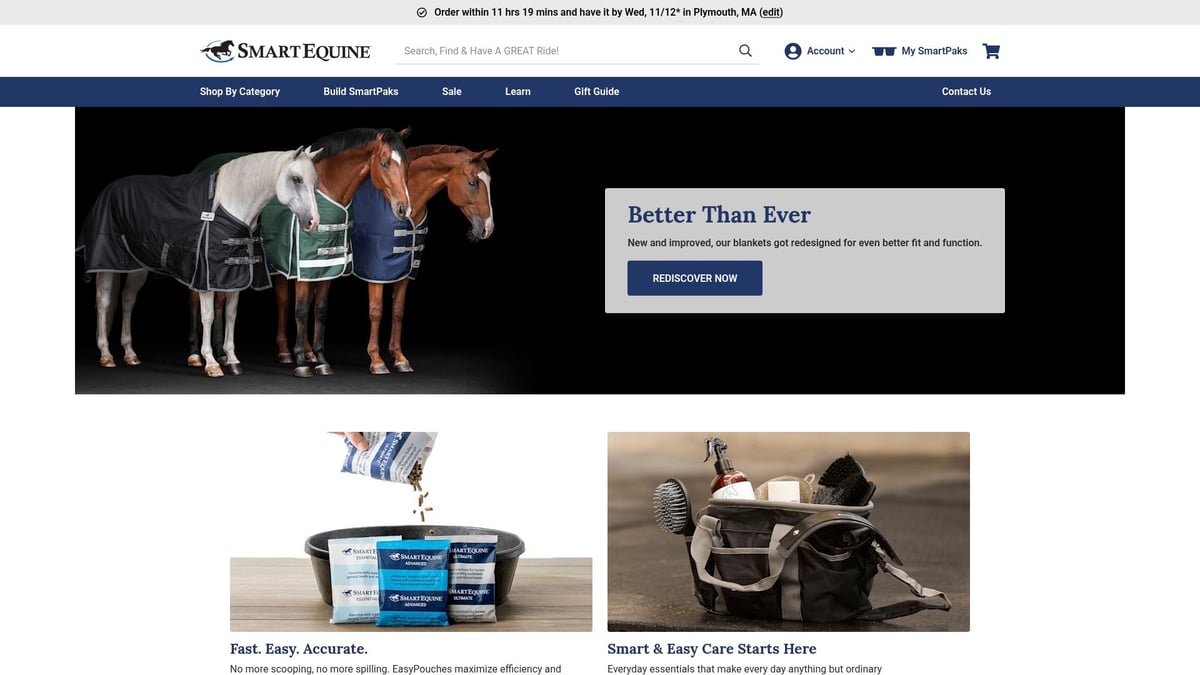
Example: SmartPak’s Pro Grooming Kit with Bluetooth integration.
In 2025, integrating smart grooming kits into your horse supplies means you’re investing in both animal well-being and daily efficiency.
Automatic Waterers
Automatic waterers are a game-changer for horse owners who value both convenience and health. These horse supplies ensure a constant, clean water source, crucial for hydration and well-being.
Pricing: $100–$350 per unit
Core Features:
- Self-cleaning mechanisms
- Freeze-resistant construction
- Continuous water flow
Key Benefits:
- Reduces labor and daily maintenance
- Prevents water contamination
- Encourages regular drinking
Unique Selling Points:
- Built-in filtration systems
- Adjustable flow rates for different horses
Ideal For:
- Busy owners with limited time
- Large barns or boarding facilities
- Regions with harsh climates
Pros:
- Reliable hydration
- Labor-saving
- Supports horse health
Cons:
- Installation costs can be significant
- May require electrical access
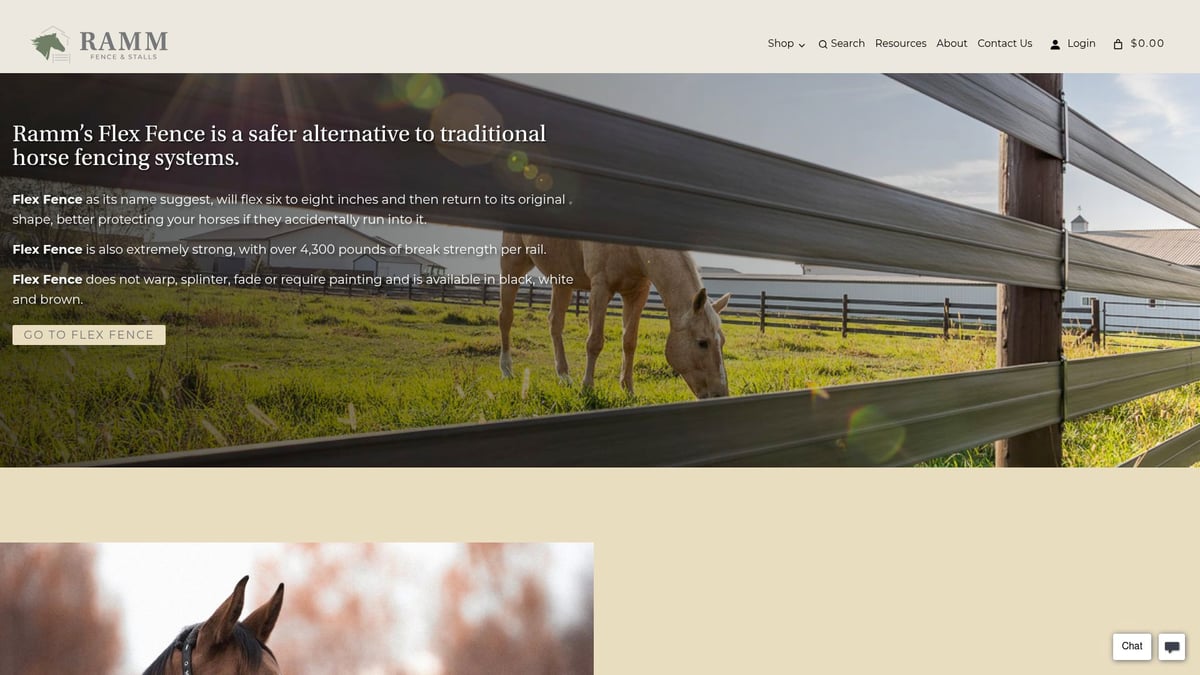
Example: Ramm Fence’s StallFount Waterer with heated options.
When updating your horse supplies, automatic waterers deliver peace of mind and healthier horses year-round.
Adjustable Turnout Blankets
Turnout blankets are essential horse supplies for protecting horses from unpredictable weather. The latest adjustable designs use advanced materials to adapt to temperature swings and ensure a perfect fit.

Pricing: $80–$300 depending on insulation and features
Core Features:
- Waterproof and breathable fabrics
- Customizable fit with adjustable straps
- Temperature-adaptive smart textiles
Key Benefits:
- Shields against rain, wind, and cold
- Reduces risk of illness from exposure
- Limits the need for multiple blankets
Unique Selling Points:
- Smart fabrics that adjust insulation
- Easy-to-use closures for quick changes
Ideal For:
- Owners in regions with fluctuating weather
- Show horses requiring pristine coats
- Senior horses with sensitive health
Pros:
- Versatile and durable
- Saves storage space
Cons:
- Higher price point than standard blankets
- Requires accurate sizing for best effect
Example: Dover Saddlery’s WeatherBeeta ComFiTec Ultra.
With these horse supplies, you’re prepared for any climate, ensuring your horse stays healthy and comfortable.
First Aid Kits for Horses
Every horse owner needs a reliable first aid kit as part of their essential horse supplies. These kits provide immediate support in emergencies, from minor cuts to more serious injuries.
Pricing: $35–$120 for comprehensive kits
Core Features:
- Wound care products
- Bandages and wraps
- Antiseptics and digital thermometers
Key Benefits:
- Enables rapid response to injuries
- Offers peace of mind during trail rides or competitions
- Compact and portable for easy transport
Unique Selling Points:
- Equine-specific medications
- Refillable and customizable contents
Ideal For:
- All horse owners, regardless of experience
- Trail riders and eventers
Pros:
- Essential for emergencies
- Easy to use, even for beginners
Cons:
- Requires regular replenishment
- Some items have expiration dates
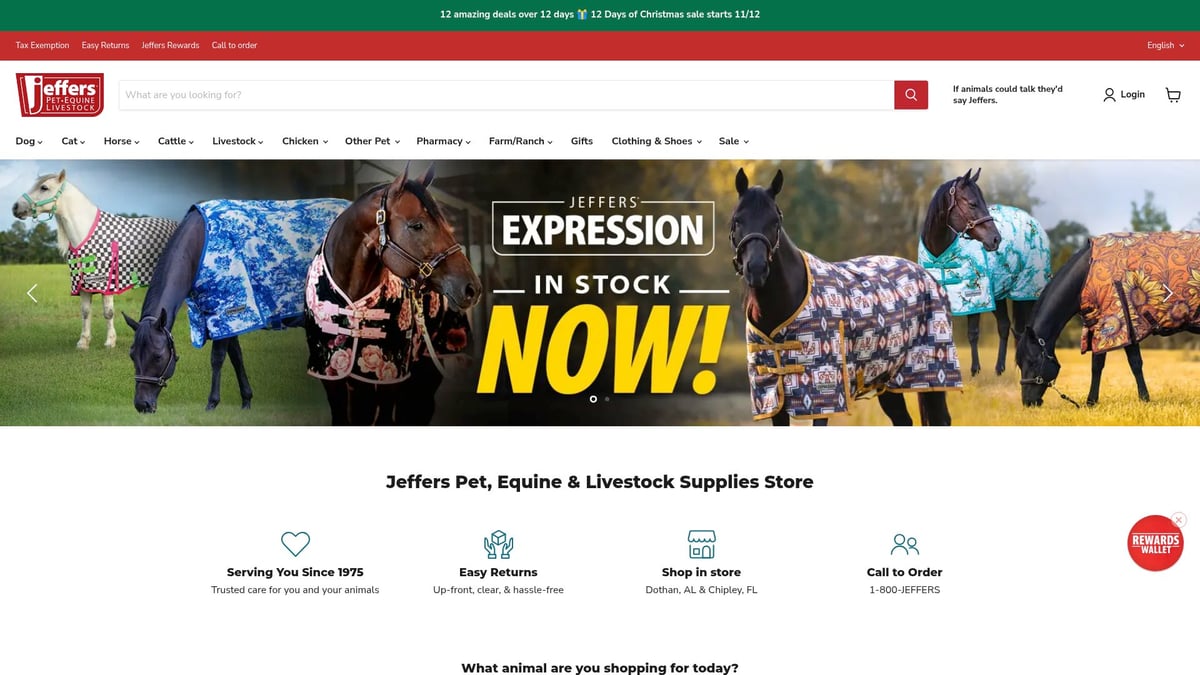
Example: Jeffers Equine Deluxe First Aid Kit.
Incorporating a dedicated equine first aid kit into your horse supplies helps prevent complications and supports optimal recovery.
High-Quality Feed Storage Bins
Protecting feed from pests and moisture is non-negotiable. High-quality feed storage bins are fundamental horse supplies that safeguard nutrition and reduce waste.
Pricing: $40–$180 depending on size and material
Core Features:
- Rodent-proof construction
- Airtight seals to preserve freshness
- Weather-resistant materials
Key Benefits:
- Prevents pest infestations
- Maintains feed quality
- Reduces spoilage and waste
Unique Selling Points:
- Stackable design for efficient storage
- BPA-free plastics for safety
Ideal For:
- Barns and stables
- Owners who buy feed in bulk
Pros:
- Easy to clean
- Protects investment in quality feed
Cons:
- Bulky for smaller spaces
- Higher upfront cost for premium bins
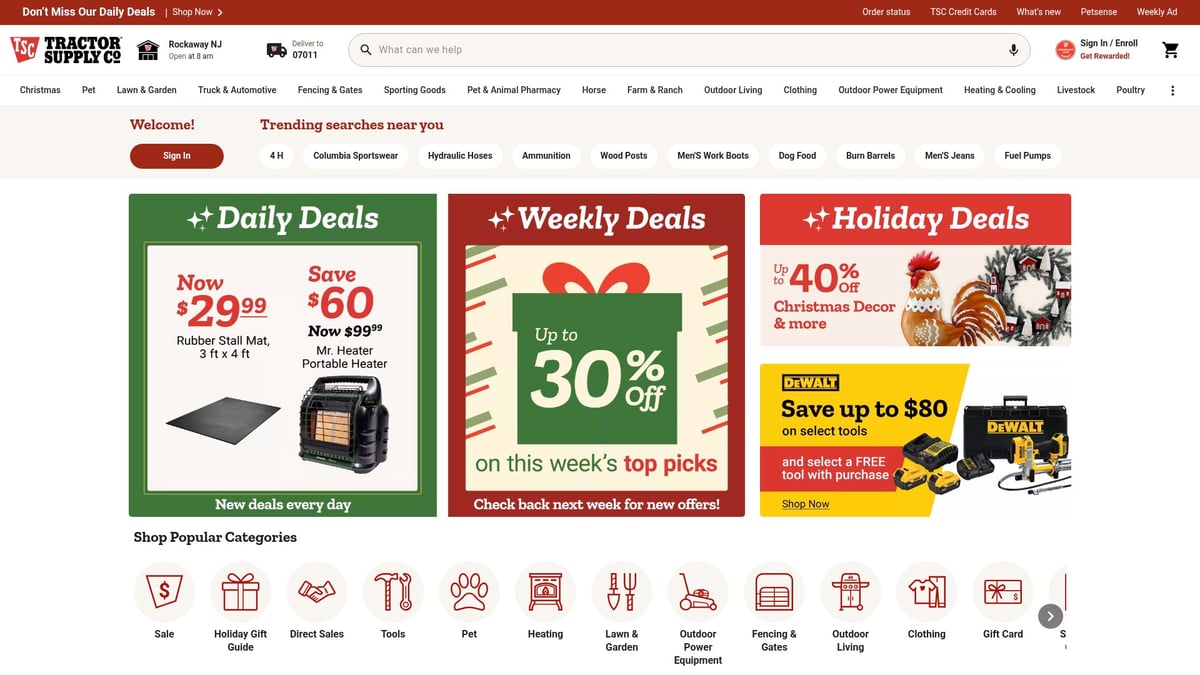
Example: Tractor Supply’s Vittles Vault Stackable Bin.
Making feed storage a priority within your horse supplies ensures your horse receives consistent, uncontaminated nutrition.
Safety Halters and Lead Ropes
Safety halters and lead ropes have evolved to address the real risks horses face during turnout or emergencies. These horse supplies are engineered for both security and comfort.
Pricing: $25–$80 for sets
Core Features:
- Breakaway safety mechanisms
- Reflective materials for visibility
- Adjustable sizing for custom fit
Key Benefits:
- Minimizes risk of injury if a horse panics
- Improves handling safety
- Visible during low-light conditions
Unique Selling Points:
- Auto-release under pressure
- Weatherproof designs for year-round use
Ideal For:
- All horse owners, especially those with young or nervous horses
Pros:
- Enhances safety for both horse and handler
- Comfortable fit for daily use
Cons:
- Breakaway features may need replacement after an incident
- Higher cost than basic models
Example: SmartTie Safe Halter with quick-release clip.
To learn more about how choosing the right halter impacts safety, consider reading Choosing the right horse halter.
Hoof Care Tools and Supplements
Hoof health remains a cornerstone of equine wellness. The right hoof care tools and supplements are vital horse supplies for preventing lameness and supporting overall soundness.
Pricing: $20–$100 for tools; $30–$70/month for supplements
Core Features:
- Hoof picks and rasps for daily cleaning
- Conditioners and moisturizers
- Biotin-rich nutritional supplements
Key Benefits:
- Prevents cracks and abscesses
- Supports strong, resilient hooves
- Promotes healthy growth
Unique Selling Points:
- Vet-approved supplement formulas
- Ergonomic tool designs for ease of use
Ideal For:
- Owners of barefoot or performance horses
Pros:
- Simple to use
- Improves hoof integrity
Cons:
- Supplements require consistent use for results
- Tools need regular maintenance
Example: Valley Vet’s Hoof Care Kit and Farrier’s Formula supplement.
Making hoof care central in your horse supplies strategy ensures long-term mobility and health.
Fly Control Solutions
Fly control is more than a comfort issue; it’s a health imperative. Effective fly control solutions are essential horse supplies that limit disease transmission and reduce stress.
Pricing: $30–$150/month depending on method
Core Features:
- Fly sprays for immediate relief
- Traps and automatic dispensers
- Biological controls like fly predators
Key Benefits:
- Minimizes fly-borne diseases
- Reduces anxiety and skin irritations
- Creates a healthier barn environment
Unique Selling Points:
- Eco-friendly formulations
- Long-lasting, customizable solutions
Ideal For:
- Barns in fly-prone areas
- Horses with sensitive skin
Pros:
- Effective for large and small operations
- Range of options to suit every need
Cons:
- Recurring monthly cost
- Some horses may react to sprays
Example: Spalding Labs’ Fly Predators and automatic misting systems.
Prioritizing fly control in your horse supplies plan leads to happier, healthier horses with fewer distractions.
Horse Enrichment Toys
Mental stimulation is just as crucial as physical care. Horse enrichment toys are innovative horse supplies designed to entertain, challenge, and satisfy your horse’s natural curiosity.
Pricing: $15–$80 per toy
Core Features:
- Durable, weatherproof materials
- Interactive designs that encourage play
- Treat dispensers for added motivation
Key Benefits:
- Reduces boredom and associated vices
- Encourages exercise and positive behaviors
- Suitable for stall or pasture use
Unique Selling Points:
- Variety of shapes and sizes
- Easy to clean and maintain
Ideal For:
- Horses on stall rest
- Young, energetic horses
- Busy barns needing low-maintenance enrichment
Pros:
- Promotes mental well-being
- Wide selection available
Cons:
- Some toys may not withstand aggressive play
- Need periodic replacement
Example: Shires Equestrian’s Ball Feeder and Likit treat toys.
For more ideas on using enrichment toys as part of your horse supplies, see Tackling equine boredom with toys.
Housing and Stable Essentials
Creating a safe, clean, and comfortable living space is the first step in responsible horse ownership. Your horse’s stall and barn are their sanctuary, a place to rest and recover. The right stable supplies not only ensure their well-being but also make your daily chores more efficient. From the bedding under their hooves to the safety equipment on the wall, every item plays a role in maintaining a healthy environment. Think of the stable as your horse's home—it should be just as secure and welcoming as your own.
Shelter, Bedding, and Stall Mats
A proper shelter is non-negotiable, but what’s inside matters just as much. Your horse needs access to fresh, clean water at all times, along with quality hay and feed. The stall floor should be covered with comfortable, absorbent bedding like wood shavings or straw to cushion joints and soak up moisture. Many owners also invest in rubber stall mats, which provide an extra layer of support, reduce the amount of bedding needed, and make stall cleaning much easier. These elements work together to keep your horse clean, dry, and comfortable year-round.
Manure Forks, Shovels, and Wheelbarrows
A clean stall is essential for preventing health issues like thrush and respiratory problems. To maintain a hygienic space, you'll need a sturdy set of cleaning tools. A manure fork with closely spaced tines is perfect for sifting through bedding to remove waste efficiently. You’ll also want a durable shovel for scraping wet spots and a large-capacity wheelbarrow to transport soiled bedding to the manure pile. These basic tools are the backbone of a good stable management routine and are used every single day.
Barn Safety: Fire Extinguishers and Emergency Contacts
Preparedness is key to barn safety. Every stable should have at least one ABC-rated fire extinguisher mounted in an accessible location, ideally near an exit and away from flammable materials like hay. It’s also a smart practice to post a list of emergency contacts—including your veterinarian, farrier, and a trusted neighbor—in a visible spot. Having this information ready can save precious time during an emergency, ensuring you can get your horse the help they need as quickly as possible.
Feeding and Watering Supplies
Consistent access to clean water and quality feed is the cornerstone of your horse's health. Proper feeding and watering supplies do more than just hold food and water; they protect it from contamination, reduce waste, and can even encourage healthier consumption habits. Investing in the right equipment ensures that the high-quality nutrition you provide is delivered to your horse safely and effectively. This is a simple area of horse care where the right tools can make a significant difference in your horse's daily well-being.
Feed Bins, Water Buckets, and Troughs
To protect your investment in feed, you need rodent-proof storage bins with secure, airtight lids. These bins keep feed fresh and safe from pests and moisture, which can cause spoilage and health problems. For daily feeding, durable rubber or plastic feed tubs are easy to clean. Similarly, your horse needs constant access to fresh water from clean containers. Whether you use multiple water buckets in a stall or a large trough in a pasture, they should be scrubbed regularly to prevent algae and bacteria buildup.
Hay Nets and Racks
Many horses tend to eat their hay quickly, which isn't ideal for their digestive systems. Hay nets or slow-feeder racks are excellent tools for encouraging a more natural, grazing-style of eating. By making your horse work a bit harder for each bite, these feeders extend meal times, which can help prevent digestive upset and reduce boredom-related behaviors like cribbing or weaving. They also help keep hay off the ground, minimizing waste and preventing your horse from ingesting dirt or sand.
Grooming Kit Basics
Grooming is about much more than making your horse look good—it's a vital part of their health care and an excellent opportunity for bonding. A daily grooming session allows you to check for any cuts, scrapes, swelling, or skin irritations that might need attention. It also stimulates blood circulation and distributes natural oils for a healthy, shiny coat. A well-stocked grooming kit with a few essential tools is all you need to keep your horse looking and feeling their best.
Curry Combs and Brushes
A good grooming routine starts with a curry comb. Used in a circular motion, a rubber or plastic curry helps loosen dirt, mud, and loose hair from the coat. After currying, you’ll use a dandy brush (stiff bristles) to flick away the debris you just loosened. The final step is a body brush (soft bristles), which removes fine dust and smooths the hair, bringing out a beautiful shine. This three-step process is the foundation of a thorough and effective grooming session.
Mane, Tail, and Hoof Care Tools
Beyond the basic brushes, your kit needs a few more essentials. A wide-toothed comb or a specialized mane and tail brush helps detangle hair without pulling it out. The most important tool, however, is a hoof pick. You should clean your horse's hooves daily to remove rocks, mud, and manure that can cause bruises or infections like thrush. Having these simple tools on hand makes it easy to maintain your horse’s health from head to hoof.
Health and First-Aid
Even with the best care, minor injuries and health issues can happen. Being prepared to handle common problems is a crucial part of horse ownership. A well-organized first-aid kit and a solid strategy for pest control can help you manage minor situations effectively and stabilize your horse in a serious emergency until your veterinarian arrives. These supplies provide peace of mind, knowing you’re ready to act when your horse needs you most.
Building a Complete First-Aid Kit
Every horse owner should have a dedicated equine first-aid kit. You can buy a pre-made one or build your own. Essential items include sterile gauze pads, self-adhesive bandages like Vetrap, antiseptic wound cleaner, saline solution, a digital thermometer, blunt-nosed scissors, and disposable gloves. It’s also wise to include items like poultice pads for hoof abscesses and a tube of topical antibiotic ointment. Keep everything in a labeled, waterproof container that’s easy to grab in an emergency.
Fly Control Solutions
Flies are more than just a nuisance; they can spread diseases, cause painful bites, and create significant stress for your horse. A multi-faceted approach to fly control is most effective. This includes using fly sprays, fly masks for turnout, and fly traps or tapes around the barn. For a long-term solution, many owners use feed-through fly control or release natural fly predators. Keeping stalls and pastures clean by removing manure regularly will also dramatically reduce the fly population.
Essential Riding Equipment (Tack)
Your riding equipment, or tack, is the primary way you communicate with your horse while in the saddle. High-quality, properly fitting tack is essential for both your safety and your horse's comfort. Ill-fitting equipment can cause pain, sores, and behavioral problems, turning a pleasant ride into a frustrating experience for everyone. Investing in the right horse tack ensures that your horse can move freely and respond to your cues comfortably, creating a stronger partnership between you.
The Saddle, Pad, and Girth
The saddle is one of the most important and expensive pieces of tack you'll buy. Because every horse's back is different, it's best to wait until after you have your horse to purchase a saddle. A professional saddle fitter can help you find one that fits both you and your horse perfectly. Underneath the saddle, a quality saddle pad provides cushioning and absorbs sweat. The saddle is held in place by a girth, which must also be the correct size to avoid pinching or rubbing.
The Bridle, Bit, and Reins
The bridle is the collection of straps that fits on your horse's head, and it holds the bit in their mouth. The bit is a key communication tool, and there are hundreds of styles to choose from; the right one depends on your horse's training and sensitivity. The reins attach to the bit and are what you hold to guide your horse. For horses that dislike bits, there are also many styles of bitless bridles that work by applying pressure to the nose or poll instead.
Stirrups and Leathers
Stirrups and their corresponding leathers attach to the saddle and are crucial for rider stability and safety. They provide a secure place for your feet, which helps you maintain your balance and apply leg aids effectively. Stirrup leathers must be durable and well-maintained to prevent them from breaking. Many riders also opt for safety stirrups, which are designed to release the foot easily in the event of a fall, reducing the risk of being dragged.
Halters and Lead Ropes
A halter and lead rope are two of the most frequently used pieces of equipment you'll own. These are essential for leading your horse to and from the pasture, holding them for the vet or farrier, and securing them for grooming. You'll want a well-fitting, comfortable halter made from a durable material like nylon or leather. A soft, sturdy lead rope that’s about 10-12 feet long provides enough length for safe handling. Because they are used daily, it’s worth investing in quality pieces that will stand up to regular wear and tear.
Horse Enrichment Toys
A happy horse is a healthy horse, and mental stimulation is a big part of their well-being. Enrichment toys are designed to combat boredom, especially for horses that spend a significant amount of time in a stall. Toys like treat-dispensing balls or hanging licks encourage natural foraging behaviors and can keep your horse entertained for hours. This mental engagement helps prevent the development of stable vices like cribbing or weaving and provides a positive outlet for your horse's energy and curiosity.
Essential Gear for the Rider
While we spend a lot of time focusing on our horses' comfort and safety, the rider's gear is equally important. The right apparel and equipment not only protect you from injury but also improve your comfort and effectiveness in the saddle. From a certified helmet to a good pair of boots, every piece of your riding attire serves a purpose. Investing in proper gear is an investment in your own safety and enjoyment of the sport, allowing you to ride with confidence and focus on your connection with your horse.
Non-Negotiable Safety Gear
When it comes to riding, some pieces of gear are simply not optional. Safety should always be the top priority, and there are two items that every rider, regardless of skill level or discipline, should use every time they get on a horse. These items are designed to protect you from the most common and severe types of riding-related injuries. Making them a habit is one of the smartest decisions you can make as an equestrian.
Riding Helmets
An ASTM/SEI-certified equestrian helmet is the single most important piece of safety equipment you will ever own. Head injuries are the most serious risk associated with horseback riding, and a properly fitted helmet is your best defense. It's crucial to replace your helmet after any impact, even if it looks undamaged, as its protective capabilities can be compromised. Never ride without one—it’s a simple step that can save your life.
Safety Vests
While not as common as helmets, safety vests offer critical protection for your torso. These vests are designed to absorb impact and can help prevent or reduce the severity of injuries to your ribs and internal organs in the event of a fall. They are especially popular in high-risk disciplines like eventing and are a wise choice for trail riding or working with young horses. Modern designs are lightweight and flexible, offering protection without restricting movement.
Proper Riding Apparel
What you wear to the barn is about more than just style; it’s about function and safety. Riding-specific apparel is designed to be comfortable, durable, and non-restrictive, allowing you to move with your horse. It also incorporates features that help keep you secure in the saddle and prevent common discomforts like chafing or rubbing. Choosing the right clothing makes for a more pleasant and safer ride.
Riding Boots with a Heel
A sturdy boot with a heel of about one to one-and-a-half inches is essential for safety. The heel prevents your foot from accidentally slipping through the stirrup, which could cause you to be dragged in a fall. Whether you choose tall boots or paddock boots with half chaps, ensure they provide good ankle support and are comfortable enough for both riding and barn chores. Never ride in sneakers or hiking boots, as they lack the necessary safety features.
Riding Pants and Gloves
Riding pants, such as breeches or jodhpurs, are designed for comfort in the saddle. They are made from stretchy material and have seams placed to prevent chafing. Many styles also feature knee patches or a full-seat design made of leather or silicone to provide extra grip. A pair of riding gloves is also a great addition, as they protect your hands from blisters and improve your grip on the reins, especially in wet or hot weather.
Specialized and Seasonal Supplies
A horse's needs can change dramatically with the weather or in specific situations like traveling. Being prepared for these shifts is part of responsible ownership. From heated water buckets in the winter to electrolytes in the summer, having specialized supplies on hand ensures you can keep your horse comfortable and healthy no matter the circumstances. Planning ahead for seasonal changes and events like trailering will help you handle any challenge with confidence and care.
Preparing for Winter
Winter brings challenges like freezing temperatures, snow, and ice. Preparing your barn and your horse for the cold is essential to get through the season safely. This involves adjusting their diet to meet increased energy needs and ensuring they have access to unfrozen water and adequate shelter. A few key supplies can make managing the cold weather much easier for both you and your horse.
Heated Buckets and Coolers
Horses often drink less in the winter, but their need for water doesn't decrease, putting them at risk for impaction colic. A heated water bucket or a de-icer for your trough is one of the best winter investments you can make, as it guarantees your horse always has access to drinkable water. After a ride, a fleece or wool cooler helps your horse dry off without getting chilled by wicking moisture away from their coat.
The Role of Extra Forage
The process of digesting forage, particularly hay, generates a significant amount of body heat. This internal furnace is your horse's best defense against the cold. During winter, it's important to provide your horse with plenty of extra hay to help them stay warm. Many owners offer free-choice hay throughout the colder months, ensuring their horse can eat whenever they feel the need to generate more heat.
Summer Care Essentials
Hot and humid summer weather requires a different set of preparations. The primary goals are to keep your horse cool, hydrated, and protected from biting insects and the harsh sun. Simple management changes, like providing shade and scheduling rides for cooler parts of the day, are crucial. A few specific supplies can also help your horse beat the heat and stay comfortable.
Electrolytes and Fans
When horses sweat, they lose vital minerals called electrolytes, which are essential for muscle function and hydration. On hot days or after strenuous exercise, adding an electrolyte supplement to your horse's feed or water can help replenish these lost salts and encourage them to drink. In the barn, a well-ventilated stall with a safely installed fan can provide significant relief by improving air circulation and keeping your horse cool.
Horse Transportation Gear
Whether you're heading to a show, a trail ride, or a new barn, trailering can be a stressful experience for a horse. The right equipment is vital for ensuring they travel safely and comfortably. Protective gear can prevent common bumps and scrapes that can occur in a moving trailer, while the right ties can keep them securely in place.
Shipping Boots and Leg Wraps
A horse's legs are vulnerable during travel. Shipping boots or wraps are designed to protect the delicate structures from the coronary band up to the knee or hock. They provide padding against bumps and scrapes and offer some support. It's important to ensure they are applied correctly so they don't slip down or create pressure points during the trip.
Trailer Ties and Spare Halters
A trailer tie is a short, sturdy rope used to secure your horse in the trailer. Many are designed with a quick-release snap or a breakaway feature for safety in an emergency. It's also a good idea to have a spare halter and lead rope in your trailer at all times. Halters can break, and having a backup ensures you can always safely handle your horse.
Before You Buy: Professional Advice
Bringing a horse into your life is a significant commitment of time, effort, and finances. Before you make any final decisions, seeking advice from experienced professionals is one of the most valuable steps you can take. Veterinarians, farriers, and experienced trainers can provide insights that you might overlook, helping you make informed choices about both the horse you buy and the care you provide. Their guidance can set you and your new partner up for a successful and happy future together.
The Importance of a Pre-Purchase Exam
Before you finalize the purchase of any horse, it is absolutely essential to have a veterinarian perform a pre-purchase exam (PPE). This comprehensive check-up assesses the horse's overall health, soundness, and suitability for your intended use. The vet will check everything from their eyes and heart to their legs and hooves. A PPE can uncover underlying health issues that may not be obvious, potentially saving you from future heartbreak and expensive vet bills. It's a crucial investment in your future with your new horse.
Consulting a Veterinarian on Diet and Care
Once you bring your horse home, your veterinarian remains your most important partner. Before making any major changes to your horse's diet or routine, it's always best to consult with them. They can help you develop a balanced feeding program tailored to your horse's specific needs, age, and workload. At Hooves and Paws, we've built our business on over 30 years of equine and pet expertise, and we know that collaborating with professionals is the key to providing the best care possible for your animals.
What to Look For When Buying Horse Supplies
Selecting the best horse supplies in 2025 requires a thoughtful approach, especially as technology and quality standards continue to evolve. Start with a clear checklist to assess each product’s suitability for your horse. Look for materials that are durable, non-toxic, and designed for equine safety. Confirm that every product meets current industry standards and fits your horse’s unique needs, such as age, discipline, and health conditions.
A practical evaluation checklist includes:
- Inspecting for robust construction and ergonomic design
- Ensuring product compatibility with your horse’s routine
- Verifying the presence of clear instructions and safety warnings
Next, weigh the balance between cost and long-term value. While budget-friendly horse supplies may seem appealing, investing in higher-quality items usually results in greater durability and reduced replacement frequency. Consider the availability of warranties and flexible return policies, as these provide peace of mind and safeguard your investment. Reliable after-purchase support can also make a significant difference if you encounter issues or have questions about use and maintenance.
To make informed decisions, always read customer reviews and consult expert recommendations. Independent feedback provides real-world insights into product performance and longevity. Seek out advice from veterinarians, trainers, or experienced horse owners, especially when evaluating specialized items. Staying updated with the latest innovations is crucial, as new technologies are reshaping the equine industry. For example, recent editorials on advances in horse health technology highlight the growing impact of smart monitoring devices and wellness supplies.
Look for horse supplies that carry reputable certifications or have received industry awards, as these are strong trust indicators. Local tack shops and knowledgeable online retailers can provide valuable guidance and help you compare options side by side. By following these strategies, you ensure that your investments not only meet today’s standards but also support your horse’s well-being for years to come.
Maintaining and Upgrading Your Horse's Gear
Caring for your horse extends far beyond purchasing the right horse supplies. Maintenance and timely upgrades are essential for ensuring your horse’s ongoing health, safety, and comfort. As equine care standards rise in 2025, owners must take a proactive approach to managing and updating their gear.
Routine inspection is the foundation of safe and effective horse care. Examine all horse supplies regularly for signs of wear, damage, or contamination. Items like halters, feed bins, and turnout blankets should be replaced at the first sign of weakness to avoid injury or spoilage. Creating a simple checklist for monthly inspections can help prevent overlooked hazards and extend the life of your investments.
Upgrading to advanced or smart horse supplies offers multiple benefits. Modern products, such as app-connected grooming kits or automatic waterers, streamline daily routines and provide real-time data for better decision-making. According to Equine Health Innovations: Shaping the Future of Horse Care, innovations like wearable health monitors and telemedicine are reshaping how owners track equine wellness. Adapting your supplies to seasonal changes, such as switching to lighter blankets in summer or adding fly control systems, can prevent stress-related health issues.
Efficient organization is another critical factor. Store horse supplies in clean, dry, and easily accessible areas. Use stackable bins for feed, wall hooks for grooming tools, and labeled containers for medications. This approach not only saves time but also reduces waste and confusion during emergencies.
Continuous education is key. Stay informed about new horse supplies by reading reviews, attending workshops, and consulting with veterinarians or farriers. Professional advice ensures your purchases match your horse’s changing needs. Consider joining online equestrian communities or local clubs for peer feedback and firsthand product experiences. Many owners discover valuable tips and trusted brands through these networks.
Finally, remember that investing in high-quality, well-maintained horse supplies is an investment in your horse’s long-term health and wellbeing. Explore resources like Comprehensive horse health and wellness to keep your stable stocked with the latest essentials. Proactive management and timely upgrades can help you avoid costly emergencies, providing peace of mind for both you and your horse.
After exploring the latest trends and essential horse supplies for 2025, it’s clear that having the right equipment makes a real difference in your horse’s health and happiness. Whether you’re looking to upgrade to smart grooming tools, invest in durable turnout blankets, or simply want peace of mind with reliable first aid kits, choosing quality products is a smart move for every owner. At Hooves and Paws, you’ll find trusted brands, free US shipping, and flexible payment options—so you can focus on what matters most: your horse’s well-being. Ready to equip your stable for the year ahead? Buy Now
Frequently Asked Questions
I'm a new horse owner and this list is a lot to take in. What are the absolute first things I should buy? It can definitely feel like a lot at once, but you don't need everything on day one. Focus on the non-negotiables for daily safety and health. Start with a well-fitting halter and a sturdy lead rope, a basic grooming kit with a quality hoof pick, and a complete equine first-aid kit. These items are essential for safe handling and addressing minor health issues right away. You can build the rest of your supply collection over time as you get to know your horse's specific needs.
You mention that quality supplies save money long-term, but my budget is tight. Which items should I prioritize investing in? That's a great question, and it's smart to be strategic. I always advise prioritizing items that most directly impact safety and health for both you and your horse. Your top investments should be an ASTM/SEI-certified riding helmet for yourself and a professionally fitted saddle for your horse. An ill-fitting saddle can cause pain and lead to costly veterinary or chiropractic bills down the road. After that, focus on durable feed storage bins to protect your feed from pests and moisture, which also prevents waste and potential health issues.
With all the new 'smart' technology for horses, is it really necessary or can I stick with traditional gear? You can absolutely provide excellent care with traditional gear. The fundamentals of good horsemanship haven't changed. Think of smart technology as a helpful assistant, not a requirement. Tools like automatic waterers can save you time and provide peace of mind, but a clean bucket checked twice daily does the job, too. The most important thing is consistent, attentive care, and you can achieve that with or without the latest gadgets.
How do I know if my tack, like my saddle and bridle, fits my horse correctly? Proper tack fit is crucial for your horse's comfort and performance. While there are things you can look for, like even sweat patterns under the saddle pad or ensuring no pinching from the bridle, the best way to be certain is to consult a professional. A qualified saddle fitter can assess your horse's unique conformation and help you find a saddle that fits both of you perfectly. It's one of the most valuable investments you can make for your partnership.
How often should I be checking my horse's gear for wear and tear? Making gear inspection a regular habit is key to preventing accidents. I recommend a quick daily check of the items you use most, like halters, lead ropes, and water buckets, looking for any cracks or frays. For your riding tack, a more thorough inspection before every ride is a must—check the stitching on your saddle, girth, and bridle. A deeper clean and conditioning of your leather tack once a week will also help you catch any potential problems before they become serious.
Key Takeaways
- Build Your Kit Around the "Three Fs": Before you shop for gear, ensure your horse's core needs for Friends, Forage, and Freedom are met. Use these principles as a guide to select supplies that genuinely support their natural behaviors and health.
- Invest in a Core Toolkit for Safety and Health: Focus your budget on high-quality essentials that directly impact well-being. This includes a properly fitted saddle, a certified helmet, a comprehensive first-aid kit, and durable stable supplies that form the backbone of a safe care routine.
- Establish a System for Care and Maintenance: Your responsibility doesn't end at checkout. Create a consistent schedule for inspecting your gear for wear and tear, and make your veterinarian and farrier your trusted advisors for all health, diet, and equipment decisions.


