


Walking into a tack shop to buy horse leg wraps can feel overwhelming. It's like trying to choose the perfect running shoes with zero help. You’re faced with a wall of different materials, styles, and brands, all claiming to be the best. Do you need fleece, elastic, or something with therapeutic properties? The truth is, the right choice depends entirely on your discipline and your horse’s specific needs. Instead of just guessing, let's make this simple. This guide will walk you through making a confident choice, ensuring your horse gets the exact support and protection they need.
Key Takeaways
- Choose wraps based on your activity: Select soft fleece polo wraps for light, everyday protection during flatwork, and opt for more structured support wraps to give extra stability during high-impact activities like jumping or reining.
- Proper application is essential for safety: Always wrap from front to back with smooth, even tension. The wrap should be snug enough to stay in place but loose enough that you can comfortably slide a finger underneath, preventing injury.
- Focus on quality features for better performance: Look for durable, breathable materials and strong, secure fasteners. A quality wrap not only lasts longer but also keeps your horse's legs cool, comfortable, and properly protected.
What Are Horse Leg Wraps? (And Does Your Horse Need Them?)
If you’ve spent any time around a barn, you’ve probably seen horses sporting colorful leg wraps. They’re more than just a fashion statement; horse leg wraps are a fundamental piece of equipment designed to protect and support one of the most vital and vulnerable parts of your horse’s body. Think of them as athletic gear for your equine partner. Whether you’re training in the arena, hitting the trails, or traveling to a show, the right wraps can make a significant difference in your horse’s comfort, safety, and performance.
The primary reasons for using leg wraps fall into three main categories: support, protection, and recovery. They shield the delicate bones, tendons, and ligaments of the lower leg from bumps, scrapes, and interference, which is when a horse accidentally strikes one leg with another. They also offer gentle compression to support soft tissues during exercise and can aid in recovery by improving circulation or keeping legs warm. Understanding why and when to use them is the first step in choosing the right horse tack for your specific needs. From simple fleece polos to advanced therapeutic wraps, each type serves a distinct purpose, and knowing the difference is key to giving your horse the best care.
Protecting Legs from Impact
One of the most common reasons to use leg wraps is for simple protection. A horse’s lower legs have very little muscle or fat to cushion them, making them susceptible to injury from direct impact. During a ride, your horse can easily knock a leg against a fence post, a jump standard, or even their own hooves. Leg wraps act as a padded barrier against these everyday hazards. For general training and flatwork, soft fleece polo wraps offer a great layer of defense against interference. For more demanding activities that require more rigid protection, you might consider sturdier support bandages.
Supporting Delicate Joints and Tendons
While wraps don’t act like a rigid brace, they do provide gentle compression that supports the tendons and ligaments in the lower leg. This is especially helpful during strenuous activities like jumping, reining, or dressage, where these structures are put under significant strain. The light pressure from a correctly applied wrap can help reduce excess vibration and give the horse a sense of stability. This support can be crucial for preventing minor strains and sprains, keeping your horse feeling their best while working and protecting against self-inflicted injuries.
Promoting Better Circulation
Beyond basic protection, some leg wraps are specifically designed with therapeutic benefits in mind. These wraps often use special materials that reflect the horse’s own body heat, which can help increase blood flow to the area. Improved circulation is beneficial for a few reasons. It helps warm up muscles and tendons before a workout, making them more pliable and less prone to injury. After a ride, it can also aid in recovery by reducing inflammation and soothing tired legs, helping your horse feel ready for your next session together.
Preventing Injuries and Aiding Recovery
When you combine protection from impact, support for soft tissues, and improved circulation, you get a powerful tool for injury prevention. By taking these simple, proactive steps, you can reduce the risk of common leg injuries that can sideline your horse. As a company with over 30 years of equine expertise, we know that prevention is always the best approach. In the event of an injury, wraps also play a key role in recovery, helping to keep wounds clean, reduce swelling, and provide stability while the leg heals.
What Are the Different Types of Leg Wraps?
Choosing the right leg wrap can feel a bit like picking the right tool for a job. You wouldn't use a hammer to turn a screw, and you wouldn't use a light polo wrap for a horse needing serious therapeutic support. Each type of wrap is designed with a specific purpose in mind, from protecting against minor bumps during a training session to providing stability during travel. Understanding the differences will help you keep your horse comfortable, protected, and performing at their best. Let’s walk through the most common types of leg wraps you’ll find in the tack room.
Polo Wraps: For Schooling and Light Work
Polo wraps are probably what you picture when you think of horse leg wraps. Made from soft, synthetic fleece, they are a staple for many riders. Their main job is to offer light support and protect your horse’s legs from minor scrapes, nicks, and interference during schooling or flatwork. Because they are so versatile and relatively easy to apply, they’re a popular choice for everyday riding, especially in disciplines like dressage. While they provide some cushion, they don’t offer the rigid support needed for high-impact activities. Think of them as a comfortable, protective layer for your horse’s daily work.
Support Wraps: For Stalls and Post-Workout Care
When your horse needs a step up in support, specialized support wraps are the way to go. Unlike fleece polo wraps, these are typically made from more elasticized materials that provide a snug, compressive fit. They are designed to give extra stability to the tendons and ligaments during more intense work or for horses that are prone to strain. You might use them for strenuous training sessions, competitions, or on a veterinarian's recommendation for a horse that needs a bit more care. These wraps offer a higher degree of protection and are a key piece of horse tack for performance horses.
No Bow Leg Wraps and Quilts
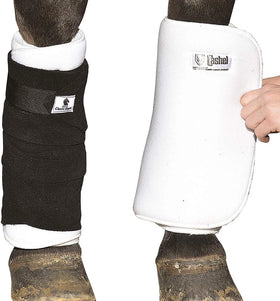
When your horse is resting in their stall or traveling in a trailer, their legs need a different kind of protection than they do under saddle. This is where No Bow Leg Wraps and Quilts come in. Think of them as the ultimate combo for safe, supportive standing wraps. The quilt, or "No Bow," is the thick, padded layer that goes directly against your horse’s leg. Its primary job is to provide cushy protection and, most importantly, distribute pressure evenly. This design is crucial for preventing the wrap from being applied too tightly in one spot, which can restrict blood flow and potentially damage the tendons—a serious issue known as a "bandage bow."
The quilt is held in place with an outer standing bandage, and together they create a stable wrap that shields the lower leg from bumps and scrapes. This setup is also fantastic for managing swelling or "stocking up" after a hard workout or during a period of stall rest, as the gentle compression helps encourage circulation. Because they keep the legs clean and warm, they are also an essential part of managing certain leg injuries under a vet's guidance. Having a quality set of quilts and wraps in your tack trunk is a smart and proactive way to care for your horse's legs when they aren't working.
Exercise Bandages: For High-Intensity Training
"Exercise bandage" is a broad term that covers any wrap used during riding or training. This category can include polo wraps, but it also covers other brace-style bandages designed specifically for work under saddle. The primary goals of any exercise bandage are support, protection, and sometimes, recovery. They shield the cannon bone, tendons, and soft tissues from impact while providing a degree of stability to the lower leg. Choosing the right exercise bandage means matching the material and level of support to the intensity of your workout, ensuring your horse’s legs are well-protected every step of the way.
Shipping Boots: For Safe Travel
Trailering can be tough on a horse’s legs, which is why shipping boots are so important. These are less like wraps and more like cushioned armor for travel. They are typically tall, heavily padded boots that extend from the knee or hock all the way down to the hoof, offering full-coverage protection against bumps and scrapes inside the trailer. While you can use standing wraps for shipping, many owners prefer boots because they are much faster and easier to put on and take off. They provide excellent protection and peace of mind, ensuring your horse arrives at your destination safe and sound.
Therapeutic Wraps: For Recovery and Comfort
Therapeutic wraps are designed to do more than just protect; they are built to help with recovery and overall wellness. These wraps often use special fabrics or technologies to help improve blood flow, reduce inflammation, and support joint health. You might use them on your horse in the stall after a hard workout or overnight to aid in recovery from an injury. Brands like Back on Track have developed materials that reflect the horse’s own body heat as infrared waves. This makes therapeutic wraps a fantastic tool for maintaining your horse’s soundness and helping them feel their best.
Beyond Wraps: Other Types of Leg Protection
While wraps are a fantastic and versatile tool, they aren't the only option for keeping your horse's legs safe. Protective boots offer a different approach and are often much quicker and easier to apply, which is a huge plus for daily use or when you're short on time. The choice between wraps and boots often comes down to the specific activity, your horse's conformation, and your personal preference. Boots provide more rigid protection against direct impact, making them a go-to for everything from jumping to trail riding. Let's look at a few of the most common types of boots you'll find in the tack room.
Splint Boots
Splint boots are one of the most popular types of leg protection for everyday riding and training. Their main job is to protect the delicate splint bones, which run along the inside of the cannon bone, from being struck by the opposite hoof—an injury known as interference. These boots are typically made from leather or a durable synthetic material with a padded, reinforced area on the inside. They are easy to secure with simple straps, making them a practical choice for schooling, lunging, and even turnout. They offer excellent protection from blows and help support the soft tissues of the lower leg during work.
Bell Boots
If you have a horse that tends to overreach—meaning their hind hoof clips the heel of their front hoof—bell boots are an absolute must. These bell-shaped boots fit around the pastern and cover the entire hoof, protecting the sensitive heel bulbs and coronary band from injury. Overreaching can happen during exercise, turnout, or even when traveling, and it can cause painful wounds or pull off a shoe. Bell boots are a simple, effective solution to prevent this. They come in various materials, from traditional rubber to durable neoprene, and are an essential piece of equipment for many performance horses.
Skid Boots
For riders in Western disciplines like reining, cutting, and roping, skid boots are a critical piece of horse tack. These boots are specifically designed to protect the back of the hind fetlocks during maneuvers like sliding stops and fast turns. When a horse sits down and slides, their fetlocks can make contact with the ground, leading to friction burns or "scalds." Skid boots feature a reinforced cup that covers this area, absorbing the impact and preventing injury. They are a specialized form of athletic boot that provides an extra layer of protection exactly where it's needed for high-intensity work.
Shop This Post

Featured in this article
Professional's Choice Polo Wraps - 9-Foot Length, Set of 4, Premium Double-Sided Fleece Horse Leg Support
$27.52
Shop Now →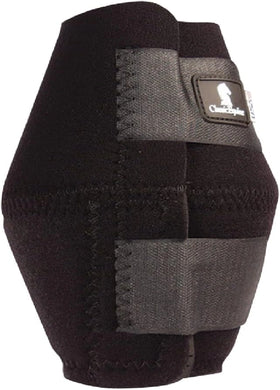
How to Choose the Right Leg Wraps for Your Horse
Picking the right leg wraps for your horse can feel a bit like choosing the right pair of athletic shoes for yourself. The best choice depends entirely on the activity, the individual’s needs, and even the weather. With so many options available, it’s easy to feel overwhelmed. But don’t worry, breaking it down into a few key considerations will help you find the perfect match for your horse’s legs.
Think about what your horse does every day, their unique physical makeup, and the environment you ride in. The goal is to provide the right balance of protection, support, and comfort without restricting movement or causing irritation. By focusing on your horse’s specific situation, you can confidently select wraps that will keep them safe and sound, whether you’re schooling in the arena or heading out on the trail. Let’s walk through the most important factors to consider.
Match the Wrap to Your Riding Discipline
The type of riding you do is the biggest factor in choosing a leg wrap. A dressage horse working on collection has different needs than a reining horse doing sliding stops. For lower-impact activities like schooling on the flat or light dressage work, soft fleece polo wraps are often a great choice. They offer light support and protect against minor scrapes and nicks without being too restrictive.
For more intense disciplines like jumping, eventing, or barrel racing, you’ll need something that provides more substantial protection and support. Look for exercise bandages or specialized support wraps made from elasticized materials. These are designed to absorb more impact and give extra stability to the delicate tendons and ligaments during high-energy movements.
Consider Your Horse's Build and Health
Every horse is built differently. Take a close look at your horse’s conformation. Do they have long pasterns that could use extra support? Do they tend to interfere or strike their own legs? These factors can guide you toward a wrap that offers more targeted protection in specific areas. If your horse has a history of leg injuries, such as a bowed tendon or splints, choosing the right wrap becomes even more critical.
In these cases, wraps can play a key role in recovery and future prevention. Some therapeutic wraps are designed with materials that help improve circulation and reduce inflammation, offering comfort and support during healing. Always consult with your veterinarian to determine the best wrapping strategy for a horse with a pre-existing condition or injury.
Look for Breathable, Quality Materials
Horse leg wraps come in a variety of materials, each with its own set of benefits. Fleece is soft and provides gentle support, making it popular for polo wraps. Neoprene offers excellent shock absorption but can trap heat. Elastic blends provide strong, flexible support ideal for high-performance activities. The key is to find a material that offers the right level of protection while allowing the skin to breathe.
Breathability is crucial for preventing the tendons from overheating, which can lead to damage over time. It also helps avoid skin irritation and fungal infections. Look for wraps with moisture-wicking properties, especially if you ride in a warm climate or your horse sweats a lot. The right material will keep your horse’s legs protected, supported, and comfortable throughout your ride.
Don't Forget About the Weather
The weather plays a surprisingly big role in your choice of leg protection. During hot and humid summer months, a thick, non-breathable wrap can quickly cause your horse’s legs to overheat. Opt for lightweight, highly breathable materials that allow for maximum airflow to keep tendons cool and skin dry. Lighter colors can also help by reflecting sunlight instead of absorbing it.
In the winter, you might be less concerned about overheating, but you still want a wrap that won’t become heavy and waterlogged in wet conditions. If your horse will be standing for a long time, such as during trailering or at a show, a comfortable set of standing wraps can help keep their legs comfortable and supported, regardless of the season. Always check that the wraps are clean and dry before applying them to prevent skin issues.
Always Consult Your Veterinarian
While this guide offers a solid foundation, nothing replaces the personalized advice of a qualified veterinarian. When your horse's health is on the line, especially if you're considering wraps for a medical reason, your vet is your most important partner. Even companies that make popular therapeutic products stress the importance of talking to a vet before using their wraps on a horse with a medical issue. A professional can properly diagnose the problem and confirm that a wrap is the right course of action, preventing you from accidentally making things worse. This is particularly important for horses with a history of leg injuries. It's always best to consult your veterinarian to determine the right wrapping strategy for a horse with a pre-existing condition, ensuring you're supporting their recovery and preventing future problems.
How to Apply Leg Wraps Safely and Correctly
Applying leg wraps might seem tricky at first, but with a little practice, it becomes second nature. The key is to focus on safety for both you and your horse. A proper wrap provides support without restricting movement or circulation. Following a consistent method ensures you get it right every time, giving your horse the protection it needs and you the peace of mind you deserve. Let’s walk through the steps to apply wraps like a pro.
Getting Your Horse (and Yourself) Ready
Before you even unroll a wrap, make sure your horse is standing squarely on a level surface and is calm and comfortable. Your own position is just as important for safety. Always work on the side of the horse’s leg, never directly in front of or behind it. Squat down so you’re balanced on your feet, but avoid kneeling or sitting on the ground. This stance allows you to move away quickly if your horse shifts unexpectedly. Staying agile and aware keeps you both safe and makes the process go much more smoothly.
Your Step-by-Step Wrapping Guide
The direction you wrap is critical for supporting your horse’s tendons correctly. Always wrap from front to back, moving toward the outside of the leg and then around to the inside. Start the wrap just below the knee or hock, making sure not to impede the joint’s movement. Overlap each layer by about half the width of the wrap to create even pressure down the leg. Be sure to include the fetlock joint (the ankle-like joint) to protect it from impact, especially if your horse tends to interfere or hit its own legs while moving.
Finding the Perfect Tension (Not Too Tight!)
Achieving the perfect tension is an art, but a simple test can help. The wrap should be snug enough to stay in place without sliding down, but you should still be able to easily slip a finger between the wrap and your horse’s leg. If it’s too loose, it won’t offer any support and could become a hazard. If it’s too tight, you risk causing discomfort, swelling, or even cutting off circulation, which can lead to serious tendon damage. Always use a smooth, even pull as you go.
Common Wrapping Mistakes to Avoid
A few small details can make a big difference. When you roll up your polo wraps after use, make sure to roll the velcro end in first. This simple habit ensures the velcro is on the outside and correctly positioned when you finish wrapping the leg, saving you from having to unwrap and start over. Another common mistake is uneven pressure. Avoid pulling tightly over the front of the cannon bone or the back of the tendon. Keep the tension consistent all the way around for a safe and effective wrap.
Getting Help from an Experienced Handler
If you're new to wrapping, don't hesitate to ask for help. Learning from an experienced horse person—like a trainer, barn manager, or a seasoned friend—is one of the best ways to build your confidence. They can show you firsthand how to apply wraps with smooth, even tension and help you get a feel for what's just right. It takes practice to master the technique, and having someone guide you can prevent common mistakes that could lead to discomfort or even injury for your horse. An experienced eye can also help you determine if you're using the right type of horse tack for your horse's specific needs, ensuring they get the proper support and protection every time.
Why You Should Check Wraps Often
Once the wrap is on, take a final look. Check for any wrinkles, bunching, or uneven spots, and make sure the velcro is securely fastened. It’s a good idea to walk your horse a few steps to see if the wraps stay in place and don’t restrict movement. If you’re heading out for a long ride, you might want to check them partway through. Proper horse tack is an investment in your horse's health, and taking a moment to double-check your work ensures they get the full benefit.
Safety First: When Not to Use Leg Wraps
Knowing how to properly apply a leg wrap is an essential skill, but knowing when to leave them in the tack trunk is just as important. Using wraps in the wrong situation can do more harm than good, creating risks for your horse that far outweigh any potential benefits. Responsible horsemanship is all about making smart judgments based on the specific circumstances, and that includes recognizing when a piece of equipment isn't appropriate. Before you reach for those polos or support bandages, take a moment to assess the situation. The weather, your horse’s temperament, their specific shoeing, and the urgency of the moment all play a critical role in this decision.
Thinking through these scenarios ahead of time will help you make a quick, confident, and safe choice when it matters most. It’s about protecting your horse not just from bumps and scrapes, but also from overheating, unnecessary stress, or even a dangerous entanglement. Putting your horse’s well-being first sometimes means skipping the wrap altogether. We’ll cover a few key situations where it’s best to avoid using leg wraps to ensure you’re always making the safest decision for your equine partner. This knowledge is a fundamental part of providing the best care and keeping your horse happy, healthy, and sound for years to come.
In Hot Weather
On a hot, humid day, the last thing you want to do is insulate your horse’s legs with thick wraps. A horse’s tendons have very little blood supply, which means they don't cool down efficiently. Wrapping them during strenuous exercise in the heat can trap that warmth, causing the internal temperature of the tendons to rise to dangerous levels. This can lead to serious, and sometimes permanent, damage like bowed tendons or other soft tissue injuries. A good rule of thumb is if you feel uncomfortably hot, your horse probably does too. If you must use protection, opt for lightweight, highly breathable boots designed for maximum airflow rather than thick fleece or neoprene wraps.
During Emergencies
If you’re facing an emergency like a severe case of colic, every second is critical. In these high-stress situations, your priority is to get your horse to a veterinarian as quickly and safely as possible. Fumbling with shipping wraps or boots wastes precious time that could make a life-or-death difference. While you might worry about your horse scraping a leg in the trailer, that risk is minor compared to the emergency at hand. Focus on getting your horse loaded and on the road. Your vet would much rather treat a small leg abrasion than have you arrive too late for them to address a more serious medical crisis.
With Certain Types of Horseshoes
Take a close look at your horse’s shoes before applying wraps. Certain types of therapeutic or corrective shoes, such as egg-bar or long-bar shoes, extend further back behind the heel. These designs can easily get caught on the bottom edge of a leg wrap, creating a serious tripping hazard that could cause your horse to stumble or fall. If your horse wears this type of shoe, it’s often safer to go without wraps. If you feel protection is still necessary, consider using polo wraps and be extremely careful to apply them so they end well above the fetlock joint, keeping them far away from the shoe.
For Panicked or Unhandled Horses
Never attempt to apply leg wraps to a horse that is panicked, fearful, or not accustomed to being handled. Trying to wrap the legs of a distressed horse is incredibly dangerous for both of you. It will only increase their anxiety and puts you at significant risk of being kicked, struck, or bitten. The horse’s safety is also compromised, as they could injure themselves struggling against you. Before you even think about using wraps, a horse should be fully comfortable with having its legs touched and handled. Groundwork and desensitization are prerequisites for this task, ensuring the process is calm and safe for everyone involved.
What Makes a Great Horse Leg Wrap?
Once you’ve decided on the type of wrap that best suits your horse and your riding discipline, the next step is to look for signs of quality. Not all leg wraps are created equal, and focusing on a few key features will ensure you get a product that is safe, effective, and built to last. The right wrap does more than just look good; it provides essential support, comfort, and therapeutic benefits that contribute to your horse's well-being.
Think of it like buying a great pair of athletic shoes for yourself. You wouldn't just grab the first pair you see. You’d check the materials, make sure the fit is perfect, and choose a design suited for your specific activity. The same logic applies to your horse’s leg protection. Investing in a high-quality wrap means you’re prioritizing your horse’s safety and comfort, preventing potential injuries, and getting the most value for your money. From the fabric to the fasteners, every detail matters. Let’s walk through the essential features to look for when shopping for your next set of leg wraps.
Durable, Long-Lasting Materials
A quality leg wrap starts with quality materials. The fabric needs to be tough enough to handle the demands of riding while remaining soft against your horse's sensitive skin. Look for wraps made from high-grade fleece, durable elastic, or advanced therapeutic textiles that won't pill, stretch out, or tear after a few uses. Strong, even stitching is another hallmark of good construction, ensuring the wrap holds its shape and integrity over time. These details are crucial because the primary job of any wrap is to protect your horse's legs, and flimsy materials simply can't offer reliable defense against scrapes or impact.
Secure Fasteners and the Right Fit
The best wrap in the world is useless if it doesn’t stay put. That’s why secure closures, typically wide hook-and-loop fasteners, are non-negotiable. They should be strong enough to stay fastened during intense work but easy for you to adjust and remove. Proper sizing is just as critical. A wrap should be snug enough that it won't slip down but not so tight that you can't easily slide a finger between the wrap and your horse's leg. Always measure your horse’s cannon bones and check the manufacturer’s sizing chart, as dimensions can vary between brands.
Breathable, Moisture-Wicking Fabrics
Your horse’s legs generate a lot of heat during exercise, and trapping that heat and moisture can lead to skin irritation and other issues. High-quality wraps are made from breathable, moisture-wicking fabrics that draw sweat away from the skin and allow air to circulate. This helps keep the leg cool, dry, and comfortable, which is vital for both performance and health. Whether you’re schooling in an indoor arena or hitting the trails, choosing a breathable wrap helps support your horse’s natural ability to regulate temperature, making for a much happier athlete.
Choose Wraps That Are Easy to Clean
Let’s be honest: horse gear gets dirty. Between arena dust, mud, and sweat, your leg wraps will need regular cleaning. To make your life easier, look for wraps that are machine washable. Most quality wraps are designed to be tossed in the wash without losing their shape, color, or elasticity. Always check the care label for specific instructions, as some may require cold water or air drying. Choosing easy-to-clean horse tack means you can spend less time scrubbing and more time enjoying your ride.
Ensure They Offer the Right Support Level
Different activities call for different levels of support. It’s important to match the wrap’s function to your horse’s needs. For example, soft polo wraps made from synthetic fleece are perfect for flatwork and dressage, as they protect against minor scrapes and offer light support to tendons and ligaments. For more demanding disciplines like jumping or reining, you might need a wrap with more elastic material to provide stronger, more athletic support. Understanding these differences ensures you’re giving your horse the precise protection they need for the job at hand.
How to Find the Best Horse Leg Wraps on a Budget
Finding the right leg wraps for your horse doesn’t have to mean draining your wallet. It’s all about making a smart investment in your horse's safety and comfort. High-quality wraps provide better protection and last longer, saving you money over time. With so many options available, it can feel overwhelming to find that perfect balance of price and performance. The key is to know what to look for, where to shop, and which brands offer the best value. By focusing on a few key factors, you can confidently choose a set of wraps that will protect your partner and fit your budget.
Which Brands Do Riders Trust?
When you start your search, it helps to know the names that experienced equestrians trust. Brands like Weaver Leather, Professional's Choice, and LeMieux have built strong reputations for a reason. They consistently produce durable, well-designed wraps that perform under pressure. Starting with these trusted brands gives you a reliable baseline for quality. While you might find a hidden gem from a lesser-known company, you can feel confident that products from these established names are designed with your horse’s well-being in mind. You can explore a curated collection of high-quality horse tack from brands that meet our rigorous standards.
Understanding Sizing and Fit
Even the highest-quality wrap is ineffective—or worse, dangerous—if it doesn’t fit correctly. The goal is to achieve a snug, even pressure that supports the leg without constricting it. A wrap that’s too loose can slip down, unravel, and become a serious tripping hazard. On the other hand, a wrap that’s too tight can restrict blood flow and potentially cause permanent damage to the tendons. The best way to check your work is with the one-finger rule: you should be able to slide one finger comfortably between the wrap and your horse’s leg. If you can’t, it’s too tight; if you can fit more, it’s too loose.
To get the right size from the start, always measure your horse’s cannon bone and compare it to the manufacturer’s sizing chart. Don’t assume that a "horse" or "large" size will be consistent across different brands, as dimensions can vary significantly. Taking a few moments to measure ensures you’re buying the right product for your horse’s specific build. When you browse different types of horse tack, you’ll find that reputable brands provide clear sizing guides to help you make a confident choice, ensuring both safety and effectiveness for your equine partner.
Thinking About Price vs. Long-Term Value
Horse leg wraps can range from around $20 to over $150, so it’s important to look beyond the price tag. The cheapest option isn't always the best deal if you have to replace it after a few rides. Instead, think about value. A slightly more expensive wrap made from durable, breathable materials with secure closures will likely outlast a cheaper alternative, making it a better long-term investment. Consider your specific needs. Wraps for light flatwork don’t need the same heavy-duty features as those for intense training, so you can choose a product that provides the right level of protection without overpaying for features you won’t use.
Where to Buy Your Horse Leg Wraps
Where you buy your wraps is just as important as what you buy. Choose a retailer that understands the needs of horses and riders. A trustworthy store will offer a great selection of products from reputable brands and provide the information you need to make an informed choice. You want to buy from people who are as passionate about animals as you are. At Hooves and Paws, our deep equestrian expertise goes into every product we select. We only carry supplies we’d be confident using on our own horses, so you can shop with the assurance that you’re getting quality gear.
Always Check the Return Policy
A solid satisfaction guarantee is a sign that a company stands behind its products. When you’re buying something as important as leg wraps, you want peace of mind. The fit and material need to be right for your horse, and sometimes you can’t be sure until you try them on. A flexible return policy allows you to shop without worry. If the wraps don’t fit properly or meet your expectations, you shouldn’t be stuck with them. That’s why we offer a 365-day satisfaction guarantee on our products, giving you plenty of time to make sure you’ve found the perfect match for your horse.
Frequently Asked Questions
How can I tell if a leg wrap is too tight? A correctly applied wrap should be snug, but not tight. The best way to check the tension is to see if you can easily slide one finger between the wrap and your horse’s leg. If you can’t, it’s too tight and could restrict circulation. After wrapping, watch for any signs of swelling above or below the wrap, as this is a clear indicator that you need to remove it and reapply with less pressure.
Can I leave exercise wraps on my horse overnight in the stall? No, you should never leave standard exercise wraps, like polos or support bandages, on your horse for extended periods in the stall. These wraps are designed to provide support during work and can cause serious tendon damage if left on for too long. If you need overnight support, use wraps specifically designed for that purpose, such as standing wraps with quilts or certain therapeutic wraps, and make sure you know how to apply them correctly for stable use.
What’s the main difference between a polo wrap and a support wrap? Think of it in terms of athletic gear. A polo wrap, made of soft fleece, is like a comfortable sweatshirt; it offers light protection from scrapes and minor bumps during everyday, low-impact work. A support wrap is more like a compression sleeve; it’s made from more elasticized materials to provide a snugger fit and give more stability to tendons and ligaments during more strenuous activities like jumping or reining.
How often should I clean my horse's leg wraps? It’s best to wash your leg wraps regularly to prevent dirt, sweat, and bacteria from building up, which can irritate your horse’s skin. A good rule of thumb is to wash them after every few rides, or immediately if they get particularly muddy or sweaty. Keeping your wraps clean is a simple but important part of your horse’s care routine.
Are shipping boots always a better choice than wraps for trailering? For most horse owners, shipping boots are the superior choice for trailering. They are much faster and easier to put on correctly, and they offer more comprehensive, padded protection from the knee or hock all the way down to the hoof. While standing wraps can be used for shipping, they require more skill to apply properly for travel and don’t offer the same level of impact protection, making boots the safer and more convenient option.


