


As horse owners, we spend so much time ensuring our animals have the best feed, proper veterinary care, and a safe living environment. We choose every piece of equipment with their well-being in mind. Yet, one of the most common tools we use daily—the halter—can carry a significant, often overlooked, risk. A simple moment of a horse scratching an itch with a hind leg or catching their head on a fence post can turn into a serious emergency. The design of your horse's halter in that split second can be the difference between a close call and a life-altering injury. This guide is about making an informed choice to protect the animal you care for so deeply.
Understanding the Horse Halter: The Basics
If you're new to the world of horses, the sheer amount of gear can feel overwhelming. But one of the most fundamental pieces of equipment you'll use every single day is the halter. Think of it as the essential tool for safely handling your horse on the ground. It’s not just about leading them from the pasture to the barn; it’s about building a foundation of trust and control. A good halter is your starting point for grooming, vet visits, and daily care. Understanding what it is and how it differs from other headgear is the first step in responsible horse ownership.
What is a Halter and What is it For?
A horse halter is a piece of headgear designed for handling and controlling a horse when you aren't riding. It fits over the horse's head, with straps behind the ears and around the muzzle, providing points of contact to attach a lead rope. Its primary purpose is to allow you to safely catch, lead, and tie your horse. Whether you're bringing your horse in from the field, securing them for grooming, or loading them onto a trailer, the halter is the tool you'll reach for. It’s a non-negotiable piece of equipment for daily management and is typically made from durable materials like nylon, leather, or rope to withstand regular use.
Halter vs. Bridle: Knowing the Difference
It's easy to confuse a halter with a bridle, but they serve two very different functions. A halter is used for handling a horse on the ground. It’s designed for leading and tying, and it doesn't have a bit that goes in the horse's mouth. A bridle, on the other hand, is specifically for riding. It includes a bit and reins, which a rider uses to communicate with the horse and give directional cues while in the saddle. Simply put: you use a halter for groundwork and a bridle for riding. You should never tie a horse using a bridle, as it can cause serious injury to their mouth if they pull back.
Types of Horse Halters and Their Materials
When you start shopping for a halter, you'll quickly notice they come in a few different materials, each with its own set of pros and cons. The right choice often depends on how you plan to use it—whether for daily turnout, training sessions, or shows. Nylon is the workhorse of the group, leather offers a classic look with a key safety feature, and rope is a favorite among trainers for its precise communication. Understanding the differences will help you select the best and safest option for both you and your horse, ensuring you have the right tool for the job.
Nylon Halters
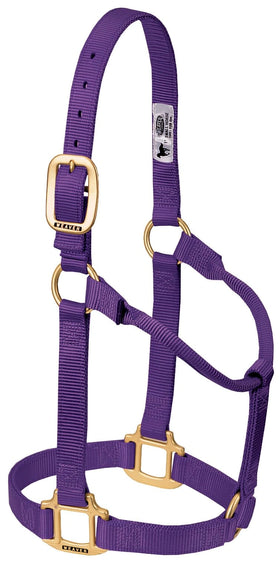
Nylon halters are probably the most common type you'll see around the barn. They are incredibly popular because they are durable, affordable, and low-maintenance. Unlike leather, nylon doesn't rot or require special conditioning, and it’s easy to clean with a bit of soap and water. Plus, they come in a rainbow of colors, so you can easily match them to your other gear. However, their strength can also be a drawback. Most nylon halters are not designed to break under pressure, which can be a safety hazard if a horse panics and gets caught on something while tied or turned out.
Leather Halters
Leather halters are the classic choice, known for their timeless look and feel. They are often preferred for shows or for a more polished, traditional appearance. Beyond aesthetics, leather offers a significant safety advantage: it will break under extreme pressure. This "breakaway" feature can be life-saving if a horse gets tangled, making leather a safer option for tying or turnout. While they require more care—regular cleaning and conditioning—to stay supple and strong, a well-maintained leather halter from our horse tack collection can last for many years. They are also easily repaired and can be personalized with nameplates.
Rope Halters
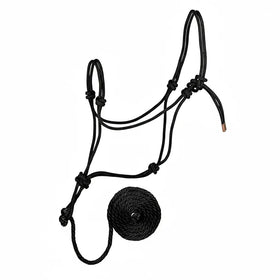
Rope halters, often made from a single piece of strategically knotted rope, are a favorite for training. Their thin diameter and firm knots create more specific pressure points on the horse's head, allowing for clearer communication and lighter cues during groundwork. They are strong, lightweight, and generally inexpensive. Because they are so simple in design, they fit a wide range of head shapes and don't have any hardware that can break. However, this same design means they are quite severe if used improperly and should not be used for tying up a horse unattended, as they will not break under pressure.
How to Choose and Fit a Halter Correctly
Selecting the right type of halter is only half the battle; ensuring it fits properly is crucial for your horse's safety and comfort. A halter that's too loose can easily get snagged on a fence post or allow a clever horse to slip out of it. One that's too tight can rub, cause sores, and restrict breathing or chewing. Taking the time to find the right size and make the correct adjustments prevents discomfort and potential accidents. A well-fitted halter allows you to communicate clearly and handle your horse confidently, knowing they are both secure and comfortable.
Finding the Right Halter Size
Horse halters come in standard sizes, such as mini, pony, cob, horse (or average), and draft. However, just like with people, there's a lot of variation within those categories. A fine-boned Quarter Horse and a stocky Warmblood might both technically be "horse" size but require different adjustments. When buying a halter, especially online, it's always a good idea to check the specific measurements provided by the manufacturer. Knowing your horse's head size will help you choose a halter that provides a safe, comfortable fit from the start, with enough room for adjustments.
The Two-Finger Rule for a Perfect Fit
A simple and reliable way to check for a proper fit is the "two-finger rule." Once the halter is on your horse, you should be able to comfortably slide two fingers between the noseband and your horse's face. The same rule applies to the cheekpieces and the strap under the jaw. This ensures the halter is snug enough to stay in place and provide control, but not so tight that it restricts jaw movement, rubs, or puts uncomfortable pressure on the sensitive bones and nerves in the horse's head. It's a quick check you should do every time you put a halter on.
Proper Placement for Safety and Comfort
Correct placement is just as important as the right size. The crownpiece, which is the top strap, should sit comfortably behind your horse's ears without pinching. The noseband should rest about halfway between your horse's eyes and nostrils, sitting on the bony part of the nose, not on the soft cartilage lower down. The cheekpieces should run parallel to the horse's cheekbones. If any of these pieces are out of place, the halter can slip, rub, or apply pressure incorrectly, making it both ineffective and uncomfortable for your horse.
Shop This Post

Featured in this article
Weaver Leather Adjustable Nylon Halter - Triple-Ply Brass Hardware
$26.59
Shop Now →
Safe Haltering and Tying Practices
Using a halter correctly is all about safety—for both you and your horse. Horses are large, powerful animals, and even the calmest one can be unpredictable when startled. Establishing a consistent and safe routine for haltering and tying is fundamental to good horsemanship. It prevents accidents, reduces stress, and reinforces your role as a calm and confident leader. From the way you approach your horse in the pasture to the type of knot you use to tie them, every detail matters in creating a safe environment for daily handling.
How to Safely Approach and Halter Your Horse
Your horse's body language will tell you a lot, so always approach calmly and confidently. It's best to approach from the side, near their shoulder, as this is a natural blind spot and feels less confrontational to them. Speak to them in a low, reassuring voice to let them know you're there. A gentle rub on the neck or shoulder before you bring the halter up can help them relax. When you're ready, place the lead rope over their neck so you have some control if they move away. Then, gently guide the halter over their nose and buckle the crownpiece behind their ears, making sure no straps are twisted.
Essential Rules for Tying a Horse
Tying a horse seems simple, but it's a moment where many accidents can happen. A horse's instinct is to pull back when they feel trapped, and a 1,000-pound animal pulling against a rope can create a dangerous situation. The two golden rules of tying are to always use a quick-release knot and to always tie to a safe, secure object. These practices are not optional; they are essential safety measures that protect your horse from injury and give you a way to free them quickly in an emergency. Mastering these skills is a core part of responsible horse handling.
Using a Quick-Release Knot
Every horse owner must know how to tie a quick-release knot. This type of knot holds securely when the horse is standing quietly but can be undone instantly with a single pull on the end of the rope, even if the horse is panicking and pulling back with its full weight. This is critical because a horse that feels trapped can fight against the rope, leading to severe injuries to its neck, poll, or back. The knot should be tied so the release tail is easy to grab and faces away from the horse's eye. Practice tying it until it becomes second nature.
Where and How to Tie Securely
Always tie your horse to something solid and secure that cannot break or move, like a dedicated tie ring properly installed in a wall or a sturdy, well-set fence post. Never tie to a wire fence, a flimsy board, a door, or anything the horse could potentially drag. Tie the horse at about the height of their withers or slightly higher, and leave about an arm's length of slack in the rope. This gives them enough room to move their head comfortably but not so much that they can get a leg caught over the rope. Never leave a tied horse unattended for long periods.
Is Your Horse's Halter a Hidden Danger?
As horse owners, our bond with our equine companions runs deep. We dedicate countless hours to their care, training, and well-being. Every piece of equipment we choose reflects our commitment to their safety and comfort. Yet, one of the most fundamental items – the halter – often carries a hidden risk that many overlook. While essential for handling, leading, and securing our horses, a standard halter can, in unforeseen circumstances, become a source of grave danger. This isn't about fear-mongering; it's about informed decision-making to protect the animals we cherish.
Imagine the peace of mind knowing that your horse is protected against the unpredictable. From getting caught on a fence post to an unexpected entanglement with another horse, emergencies can happen in a blink. In these moments, the design of your horse's halter can be the difference between a minor incident and a severe, life-altering injury. Understanding these risks is the first step towards ensuring ultimate equine safety.
How a Standard Halter Can Become a Hazard
Horses are naturally curious and powerful animals, and despite our best efforts, accidents can occur. A common scenario involves a halter becoming snagged on something immovable – a gate latch, a sharp piece of fencing, a water trough, or even a stall door. In a panic, a horse's instinct is to pull away with immense force. If a traditional, non-breakaway halter holds firm, the consequences can be catastrophic. The force exerted can lead to severe injuries to the head, neck, and spine, including fractures, nerve damage, and even strangulation. These injuries are often difficult to treat, can result in long-term complications, or, tragically, be fatal.
The dangers aren't limited to stationary objects. During turnout with other horses, playful nips or a jostle for dominance can lead to one horse's halter getting caught in another's mouth or on their leg. Without a mechanism to release under pressure, both animals can suffer horrific injuries, creating a double tragedy. For many owners, the anxiety of these potential incidents can overshadow the joy of horse ownership. It's a risk that doesn't need to be taken.
The Risk of a Trapped Hind Leg
It’s a sight we’ve all seen: a horse in a pasture, contorting itself to scratch an itch on its face with a hind hoof. While this is perfectly normal, it becomes incredibly dangerous when the horse is wearing a halter. In a split second, a hind hoof can slip and get caught, trapping the leg against the horse's head. The horse's immediate reaction is pure panic, causing them to pull back with all their might against the very thing holding them captive. This isn't a minor tangle; it's a terrifying situation that can unfold when no one is around to help.
The force a panicked horse exerts can cause devastating injuries, often resulting in torn hamstring muscles. This severe muscle damage can lead to a permanent and debilitating condition known as fibrotic myopathy, where scar tissue restricts movement and causes a distinct, unnatural gait. This isn't just a temporary setback; it's a lifelong lameness that can end an athletic career and significantly impact a horse's quality of life. This risk is a powerful reason to reconsider leaving a standard halter on an unattended horse.
Is Your Horse's Halter Causing Hidden Discomfort?
While safety is paramount, daily comfort is equally crucial for your horse's well-being. Many halters, while seemingly functional, are designed with flat, rigid straps that can cause significant discomfort, especially during extended wear. Think about the constant rubbing against sensitive areas like the jawline and throat latch. This friction can lead to:
- Chafing and Rubbing: Resulting in bare patches, irritated skin, and even open sores.
- Pressure Points: Causing discomfort and potentially affecting the horse's willingness to wear the halter.
- Unnecessary Stress: A horse that is constantly irritated by its halter may become fidgety or resistant to being handled.
For horses turned out for long periods or those who need to wear a halter in the stable, these comfort issues are exacerbated. A halter should protect and secure, not cause daily irritation. Investing in a halter that prioritizes both emergency safety and everyday comfort is a testament to true horsemanship.
Tired of Halters That Don't Last?
Another common pain point for horse owners is the constant battle with equipment that simply doesn't last. Cheaply made halters often fray, stretch, or break down under normal daily use, especially when exposed to the elements or the rigors of barn life. This not only means frequent replacements and added expense but also raises serious safety concerns. What if a halter fails when you're leading a spooked horse, or if the hardware gives out during a critical moment?
Reliability is key. A halter should be a dependable tool that withstands the test of time, weather, and wear. Compromising on material quality for a lower price tag can lead to a cycle of disappointment and, more importantly, put your horse at unnecessary risk. You need a halter that you can trust to perform, day in and day out, without compromising on its integrity or the safety it promises.
Meet the ARMA Shires Halter: A Smarter Solution for Safety
At last, a halter designed with every aspect of your horse's safety, comfort, and your peace of mind in mind. The ARMA Shires Nylon Halter with Breakaway Leather Strap is engineered to address all the critical pain points horse owners face, combining robust durability with intelligent safety features and unparalleled comfort.
How the Breakaway Strap Protects Your Horse in an Emergency
At the heart of the ARMA Shires Halter's design is the innovative breakaway leather head strap. This vital feature is specifically engineered to release under significant pressure, providing an immediate and crucial safety mechanism in an emergency. If your horse gets caught, the strap will break, preventing severe head, neck, or spinal injuries that a rigid halter would otherwise cause. This single feature offers invaluable protection, transforming a potentially catastrophic incident into a minor inconvenience.
Strength and Durability You Can Rely On
Forget the frustrations of flimsy halters. The ARMA Shires Halter is constructed from high-quality, durable nylon, renowned for its strength and resistance to daily wear and tear. This robust material ensures longevity, standing up to the demands of barn life, turnout, and various weather conditions. Complementing the nylon, an elegant leather crown not only adds a touch of sophistication but also enhances the halter's overall strength and tactile feel, ensuring it remains reliable season after season.
A Comfortable Fit for a Happier Horse
Your horse's comfort is paramount. The ARMA Shires Halter features an innovative rolled throat design that actively prevents chafing and rubbing, common issues with many standard halters. This thoughtful detail ensures a snug, comfortable fit for extended wear, making it ideal for turnout or stable use without causing irritation or sores. Your horse can wear it with ease, allowing for greater peace of mind for you.
Smart, Stylish Hardware That's Easy to Use
Attention to detail extends to the hardware. Equipped with attractive brass-plated buckles and a convenient throat snap, this halter offers both aesthetic appeal and practical functionality. The buckles allow for easy and precise adjustments to achieve the perfect fit, while the throat snap ensures quick on/off, making daily handling a breeze. The brass plating also offers good resistance to rust and corrosion, maintaining its luster and integrity over time.
Invest in the ARMA Shires Nylon Halter with Breakaway Leather Strap and provide your horse with the best in safety, comfort, and sophisticated design. It's more than just a halter; it's a commitment to your horse's ultimate care. [View ARMA Shires Nylon Halter with Breakaway Leather Strap - Ultimate Horse Safety]
Why Thoughtful Horse Owners Choose This Halter
Choosing the right halter is a critical decision that impacts your horse's safety, comfort, and your peace of mind. The ARMA Shires Nylon Halter with Breakaway Leather Strap offers a comprehensive solution, meticulously designed to meet the highest standards of equine welfare. It's an investment in preventing potential injuries, ensuring daily comfort, and providing a durable, reliable piece of equipment you can trust.
Don't wait for an accident to realize the importance of a breakaway halter. Be proactive in protecting your beloved companion. The ARMA Shires halter blends cutting-edge safety technology with traditional craftsmanship and superior materials, offering an intelligent choice for discerning horse owners who refuse to compromise on quality or protection.
A Simple Switch for Your Horse's Safety and Comfort
The journey of horse ownership is filled with joy, challenges, and an unwavering commitment to our animals' well-being. By choosing the ARMA Shires Nylon Halter with Breakaway Leather Strap, you're not just buying a piece of equipment; you're investing in a future where potential dangers are mitigated, comfort is guaranteed, and quality is assured. Make the smart, informed choice to safeguard your horse against the unpredictable. Equip them with the ultimate defense and enjoy the unparalleled peace of mind that comes from knowing you've provided the very best.
Frequently Asked Questions
Why is a breakaway halter safer than a standard all-leather one for turnout? While a traditional leather halter can break under extreme force, it often requires a much higher level of pressure to do so. The ARMA Shires halter is designed with a specific leather strap that acts as a predetermined weak point. This means it's engineered to release at a safer pressure threshold, offering more reliable protection if your horse gets caught on a fence or in a tangle with a pasture mate.
Will the breakaway strap break if I'm just leading my horse? That's a great question, and the answer is no, it shouldn't. The breakaway feature is designed to release under the sudden, high-panic force of a horse pulling back in a true emergency. For everyday activities like leading your horse to and from the pasture or holding them for the farrier, the halter is perfectly strong and reliable.
Is it okay to leave a halter on my horse when they're in the pasture? Ideally, the safest way for a horse to be turned out is without a halter at all. However, we all know that's not always practical, especially if you have a horse that's tricky to catch. If you must leave a halter on, using one with a breakaway feature is the only responsible choice. It dramatically reduces the risk of a serious accident if they get snagged on something.
What makes the ARMA Shires halter more comfortable than other halters? Many standard halters use flat nylon straps that can easily rub and chafe your horse's skin, especially around the jaw and throat. The ARMA halter features a rolled throat design, which is rounded and smooth. This simple but thoughtful detail prevents that constant friction, making it much more comfortable for your horse to wear for longer periods without irritation.
What do I do if the leather strap breaks? If the breakaway strap does its job in an emergency, you don't have to replace the entire halter. You can easily purchase a replacement leather crownpiece. It's simple to attach to the existing nylon halter, making it a durable and long-lasting piece of equipment that you can continue to trust for your horse's safety.
Key Takeaways
- Make a Breakaway Halter Your Standard for Turnout: A standard halter poses a serious risk if a horse gets snagged or catches a hind leg. Using a halter with a breakaway element is a simple switch that can prevent a life-altering injury by releasing under pressure.
- Proper Fit and Safe Tying are Non-Negotiable: Ensure your horse's safety and comfort by using the "two-finger rule" to check the fit of the noseband and cheekpieces. When tying, always use a quick-release knot and secure your horse to a solid, immovable object.
- Match the Halter Material to the Task at Hand: Different halters serve different purposes. While rope is for specific training and full leather offers a classic look, a durable nylon halter with a leather breakaway crown provides the best combination of strength for handling and safety for daily wear.


