


We’ve all been there: fighting with reins that are too stiff, too short, or just don’t feel right in your hands. Poorly made equipment is more than an annoyance—it creates a barrier between you and your horse, leading to missed cues and frustration for you both. The right pair of leather roping reins solves this. They offer a supple, broken-in feel from the first ride and have the perfect weight for clear signals without being cumbersome. Let's break down what to look for so you can find reins that feel like a natural extension of your arms.
Key Takeaways
- Focus on Feel for Better Communication: The quality, weight, and suppleness of the leather directly affect your ability to send clear signals. A rein that feels good in your hands acts as a better line of communication to your horse.
- Match Rein Dimensions to Your Riding Style: The right length and width are critical for safety and control. Choose a length appropriate for your horse and discipline to avoid tangles or restriction, and pick a width that provides a comfortable, secure grip.
- Invest in Quality and Commit to Care: High-quality reins with durable hardware are safer and perform better over time. Protect your purchase with a simple, regular cleaning and conditioning routine to keep the leather strong and supple for years of use.
First Things First: What Are Leather Roping Reins?
Leather roping reins are a fundamental piece of horse tack for any rider who values precision, clear communication, and a secure connection with their horse. These reins are typically a single, continuous loop of leather, which prevents them from getting tangled or dropped during fast-paced work like roping, barrel racing, or trail riding. Unlike other styles, their design offers a straightforward and reliable grip that keeps you in control when it matters most.
The real magic of leather roping reins lies in their blend of strength and comfort. High-quality leather provides a substantial, confident feel in your hands while remaining flexible enough to allow for subtle cues. This unique combination ensures you can guide your horse with confidence, whether you're in the practice pen or out on the ranch. They are built to withstand the rigors of daily use, making them a durable and practical choice for equestrians in any discipline.
How Do Roping Reins Differ from Other Styles?
When choosing reins, you'll find a few common styles: roping, split, and romal. While many riders start with and are comfortable using split reins (two separate reins), roping and romal reins offer unique advantages. Roping reins, being one continuous piece, are less likely to be dropped and are easy to manage with one hand. Romal reins, which feature a single rein connected to a romal (a type of flexible quirt), are often used in specific Western disciplines to encourage neck reining and refined communication. Each style provides a different feel and function, so the best choice often comes down to your riding discipline and personal preference.
Why Is Leather the Top Choice for Roping?
There’s a reason leather has been the material of choice for equestrians for centuries. For roping reins, leather is prized for its unmatched durability and the tactile experience it offers. A good pair of leather reins has a feel that synthetic materials just can't replicate; it molds to your hands over time and provides a secure, comfortable grip. This is especially important for working cowboys and riders who spend long hours in the saddle and depend on their gear to be both reliable and comfortable. Quality leather stands up to sweat, friction, and weather, proving itself as a trustworthy partner for any ride.
What Should You Look for in Roping Reins?
When you’re in the saddle, your reins are your primary line of communication with your horse. They’re more than just a piece of leather; they’re an extension of your hands. Finding the right pair of roping reins isn’t about picking the prettiest ones on the rack. It’s about finding a set that feels right, functions flawlessly, and can stand up to the demands of your work. A great pair of reins feels balanced in your hands, gives you a secure grip without being bulky, and provides instant, clear feedback from your horse.
The best reins combine five key elements: top-notch leather and construction, the perfect dimensions for you and your horse, a texture that suits your grip, hardware that won’t fail you, and a weight that helps your horse feel your slightest cue. When all these factors come together, you get a pair of reins that feels less like equipment and more like a natural connection. Let’s break down what to look for in each of these areas so you can choose your next pair with confidence.
Start with High-Quality Leather and Craftsmanship
The foundation of any great pair of reins is the leather itself. High-quality leather offers a tactile experience and durability that synthetic materials just can't match. When you’re shopping, look for reins that are smooth and well-oiled right from the start. They should feel supple and comfortable in your hands, not stiff or dry. This immediate comfort translates to better responsiveness when you’re riding. Pay attention to the details of the construction, too. Check for even, tight stitching and smoothly finished edges, which prevent chafing and show a commitment to craftsmanship in all the horse tack you choose.
Common Leather Types: Harness, Bridle, and Latigo
You'll often see terms like harness, bridle, and latigo leather when shopping for reins, and it's helpful to know what they mean. These names refer to the specific tanning and finishing processes that give the leather its unique characteristics. Harness leather is stuffed with oils and waxes, making it exceptionally durable and weather-resistant. Bridle leather is also strong but is finished on both sides for a smoother, more refined feel. Latigo leather is combination-tanned for extra flexibility and strength, making it a popular choice for reins and other horse tack that needs to be both tough and pliable. High-quality reins made from these leathers offer that sought-after supple, broken-in feel right from the start.
Alternative Materials: Poly Rope and Nylon
While leather is the traditional standard, you'll also find reins made from alternative materials like poly rope or soft nylon. These synthetic options have their own set of benefits. They are often less expensive, require minimal maintenance, and come in a wide variety of colors. Poly rope reins can offer a good weight and feel for some riders, while nylon is known for being soft and durable. However, they don't provide the same classic, tactile feedback as leather, nor do they mold to your hands over time. The choice often comes down to personal preference, budget, and how much time you want to dedicate to tack care.
The Importance of Leather Treatments and Finishes
The exceptional feel of a new pair of premium reins doesn't happen by accident. It’s the result of meticulous treatments and finishes applied during production. Top manufacturers often hand-rub their leather with special oils and conditioners to achieve a specific weight and suppleness. This initial treatment is vital, but the care doesn't stop there. To maintain that quality, you need to protect your purchase with a simple, regular cleaning and conditioning routine. This prevents the leather from drying out and cracking, keeping it strong and supple for years of reliable use. Think of it as protecting your investment and ensuring your line of communication with your horse stays clear and consistent.
Finding the Perfect Length and Width
Size is a critical factor for both comfort and control. The right rein dimensions depend on your horse’s size and your personal needs as a rider. Most roping reins are about eight feet long, which gives you enough length to work without having excess slack getting in the way. The width, typically between 5/8 and 3/4 of an inch, is a matter of personal preference. If you have smaller hands, a narrower rein might feel more comfortable, while larger hands might appreciate the substance of a wider rein. Selecting the right size ensures you have a secure, comfortable hold, which is essential for clear communication.
How to Choose the Right Grip and Feel
How reins feel in your hands is just as important as how they look. The right grip and texture can significantly improve your riding experience, allowing you to send subtle cues to your horse. Some riders prefer a slick, smooth finish, while others like a bit more grain for a secure hold, especially when wearing gloves. Finding high-quality reins that feel great and facilitate clear communication is possible no matter your budget. Ultimately, the best way to choose the right horse saddle reins is to find a pair that gives you confidence and a solid connection to your horse.
Features for a Better Hold: Braids and Knots
It’s the small details that often make the biggest difference, and that’s certainly true for roping reins. Beyond a smooth finish, many reins include features specifically designed for a better hold. Braided centers, for instance, aren't just for looks—they create a textured surface that gives you a much more secure grip when you need precise control. You might also see unique designs like ‘bleeding heart’ or ‘pineapple knot’ loops, which add both style and function. These thoughtful details make the reins easier to handle and give you extra purchase when it counts. When these features are part of well-made reins, they contribute to a comfortable, strong piece of horse tack that you can rely on for years.
Don't Forget to Check the Hardware
The hardware is where your reins connect to the bit, so its quality is non-negotiable. Look for tightly braided, well-constructed reins that feature durable hardware to ensure they last and perform reliably. Stainless steel and solid brass are excellent choices because they resist rust and are strong enough to handle pressure without breaking. Quality snaps are also essential for easy attachment and detachment. Whether you prefer scissor snaps for quick changes or traditional leather water loops for a more secure connection, make sure the hardware is sturdy and built to last.
How Reins Attach: Water Loops and Slobber Straps
The way your reins connect to the bit is a key part of your setup, and two common methods are water loops and slobber straps. Water loops are small leather pieces with tie strings, typically used with split reins or at the ends of some roping reins. They are designed to provide a secure connection that is both direct and reliable, giving you a clean look and feel. Slobber straps, on the other hand, are larger pieces of leather designed for mecate or rope reins. They serve a dual purpose: adding weight to help the horse feel the cue more clearly and protecting the rope from moisture and wear. As a bonus, they also prevent the rein from being lost if you need to drop it. Your choice between them will usually depend on the type of reins you prefer for your riding style.
Why Weight and Balance Are So Important
The weight and balance of your reins play a huge role in how your horse understands your cues. A well-made pair of reins has a consistent weight that helps your horse feel the slightest movement in your hands, often before the bit even engages. This balance is crucial for effective, subtle communication. Reins that are too light can make your signals feel vague, while reins that are too heavy can be cumbersome for you and create unnecessary pressure on your horse’s mouth. The right weight feels substantial enough to send a clear signal down the line without being a burden.
Shop This Post

Featured in this article
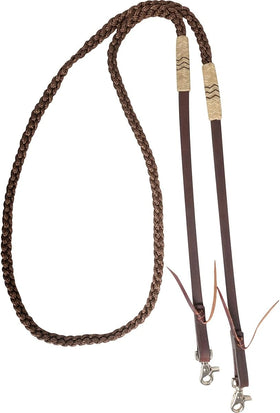
Cashel Adjustable Leather & Rope Reins - Brown with Rawhide Accents & Quick-Release Snaps - 8'
$46.53
Shop Now →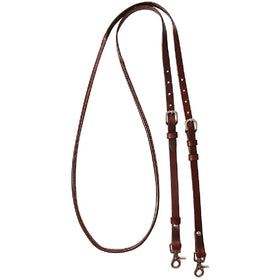
Choosing the Right Length and Weight for You
Finding the right roping reins is a lot like finding the perfect pair of boots; the right fit makes all the difference. The length and weight of your reins are the two most important factors that influence how you communicate with your horse. It’s not just about what looks good, it’s about what feels right in your hands and what gives your horse the clearest signals. A rein that’s too long can get tangled, while one that’s too short can restrict your horse’s movement. Similarly, the weight determines how your horse feels your cues. Getting these details right ensures you and your horse are on the same page, whether you’re in the practice pen or on the trail. Think of it as fine-tuning your connection, where every small adjustment can lead to a more responsive and confident ride.
Does Your Rein Length Fit Your Discipline?
The ideal rein length depends on your horse’s size and your riding discipline. For roping, you need a rein that’s long enough to give your horse freedom to move but short enough to maintain control. Most roping reins are a single loop and typically measure between seven and eight feet long. This length generally works well for the average-sized horse. However, if you have a smaller horse or are competing in an event like barrel racing, you might prefer a slightly shorter rein for quicker handling. Conversely, a larger horse or extensive ranch work might call for a bit more length. The goal is to find a size that allows for a comfortable drape without excess slack getting in your way. You can explore a variety of horse tack to find the perfect fit for your needs.
Standard Horse and Pony Sizing
Before you can pick the right rein length, you need a solid handle on your horse's size. In the United States, horses are measured in "hands," with one hand equaling four inches. The official cutoff between a horse and a pony is 14.2 hands (58 inches) measured at the withers; anything shorter is a pony. Most light riding horses fall somewhere between 14.2 and 17 hands. Knowing this measurement is fundamental when you're choosing any piece of horse tack, but it's especially critical for reins. A standard eight-foot roping rein works perfectly for an average-sized horse, but on a 12-hand pony, that same rein would create a dangerous amount of slack that could easily get tangled in their legs.
How Rein Weight Impacts Your Connection
The weight of your reins plays a huge role in how you talk to your horse. A good leather rein has enough weight to hang properly, creating a direct line of communication from your hands to the bit. This weight provides a subtle "pre-signal," allowing your horse to feel your hand move before the bit even engages. It’s this gentle cue that encourages a softer, more immediate response. Reins with weighted ends can offer excellent balance, helping you deliver clear signals with minimal effort. When you choose the right horse reins, you’re investing in better communication, which ultimately builds a stronger partnership with your horse.
Considering the Flex and Adjustability
Great roping reins should feel like a natural extension of your arms, and that comes down to their flexibility. Stiff, unyielding leather can be a struggle to handle and can muddle your cues. Look for reins made from supple, high-quality leather that offers a nice feel and flex right from the start. Premium oiled leather, for example, provides a weighted signal that enhances communication without the stiffness of lower-quality materials. This suppleness allows for more nuanced adjustments, giving you the ability to send clear, quiet signals. A great example are these Weaver Leather Roper Reins, which are designed to feel broken-in and ready for action.
What's the Price Tag on Good Roping Reins?
The price of roping reins can vary quite a bit, depending on the materials, brand, and level of craftsmanship. You can find a solid pair for just about any budget, whether you're just starting out or competing at a high level. The key is to understand what you're getting for your money at each price point so you can make a choice that feels right for you and your horse. Let's break down the typical cost categories.
Understanding the Price Range
You can find functional roping reins for as little as $15-$20, but these are often made from lower-grade leather or synthetic materials that won't offer the same feel or longevity. In the mid-range, from about $35 to $75, you'll find excellent quality reins made from durable harness or latigo leather with solid hardware. This is the sweet spot for most riders, offering a great balance of performance and value. If you're looking to invest in a premium pair, prices can go upwards of $100 for reins featuring exceptional craftsmanship, top-grain leather, and intricate details. While you don't need to break the bank, remember that higher-quality horse tack is often a safer and more reliable investment in the long run.
For the Rider on a Budget
If you're new to roping or ride more casually, you don't need to spend a fortune to get a functional set of reins. Entry-level options are very accessible, with prices often falling between $15 and $75. At this price, you'll likely find reins made from more basic leather or durable synthetic materials. While they might not have the supple, broken-in feel of a premium pair, they are a fantastic starting point. They get the job done without a major financial commitment, allowing you to get a feel for the sport and decide what features you might want to invest in later on.
The Sweet Spot: Everyday Performance Reins
For riders who are in the saddle regularly, a good pair of everyday performance reins is a must. This category has the widest price range, from around $15 to nearly $200. In this bracket, you’ll find a huge variety of horse tack made from higher-quality leather with better hardware. These reins offer a significant step up in feel, durability, and balance compared to entry-level models. They are designed to withstand consistent use, whether you're practicing in the arena or heading to a local competition. This is the sweet spot for many riders looking for a reliable, long-lasting product that performs well without breaking the bank.
Investing in Professional-Grade Quality
When you’re competing seriously, your equipment becomes an extension of you. Professional-grade reins are built for this level of performance. Here, you're investing in premium materials and expert craftsmanship. You’ll find everything from high-end poly ropes to beautifully braided leather reins that offer an exceptional feel and precise communication with your horse. These reins are crafted by skilled artisans who understand the demands of the sport. The cost reflects the quality of the leather, the intricacy of the braiding, and the durability of the hardware. For a professional, this isn't just a purchase; it's an investment in their performance and connection with their horse.
How to Find Quality Without Breaking the Bank
Ultimately, choosing the right reins comes down to balancing your budget with your needs. While it can be tempting to go for the cheapest option, investing in quality often pays off. As trainer Ken McNabb notes, quality leather reins provide a level of craftsmanship and a tactile experience that other materials just can't match. A well-made pair will not only last longer but will also feel better in your hands and give you a more direct line of communication with your horse. Think about how often you ride and what your goals are. Sometimes, spending a little more upfront for one of our best selling products saves you money and frustration down the road.
Shop our selection of leather roping reins built for the demands of ranch work, roping events, and everyday western riding.
What Real Riders Are Saying
When you’re looking for new roping reins, one of the best things you can do is listen to what other riders have to say. We spent time looking through forums, reviews, and social media groups to see what equestrians are talking about. Three themes came up again and again: the feel of the reins, common frustrations with length and durability, and the undeniable value of quality craftsmanship.
It's All About the Feel: Softness and Comfort
Riders consistently talk about the importance of reins that feel good in their hands. A soft, supple rein isn't just a luxury; it's a functional tool that makes your ride better. Reins with a broken-in feel prevent blisters and hand fatigue, which is especially important during long training sessions or competitions. This comfort allows for a lighter, more responsive connection with your horse. As one rider shared in an online discussion, finding reins that are “super soft and supple” from day one makes a huge difference in their handling and overall experience. When your reins are comfortable, you can focus on your horse instead of your equipment.
Common Complaints: Wrong Lengths and Wear
While comfort is key, riders also warn about a few common problems. The most frequent complaint is incorrect length. One rider expressed frustration that their reins were “too short and I can’t give my horses enough rein to let them really relax.” Reins that are too short can restrict your horse’s movement, while reins that are too long can get tangled and become a safety hazard. Durability is the other major concern. No one wants to deal with leather that cracks after a few uses or hardware that snaps under pressure. Investing in reins made from quality materials prevents these issues and ensures your gear holds up when you need it most.
Why Great Craftsmanship Always Matters
Ultimately, softness, the right length, and durability all come down to quality craftsmanship. Experienced riders know that well-made reins are an investment in safety and performance. As one expert, Ken McNabb, points out, quality leather offers a feel and reliability that other materials just can't match. Look for details like even stitching, smooth, hand-rubbed edges, and sturdy hardware. These are the signs of a product built to last. Choosing reins with excellent craftsmanship ensures you get a comfortable, reliable tool that will serve you and your horse well for years to come.
3 Mistakes to Avoid When Buying Roping Reins
Choosing the right roping reins can feel like a small detail, but it makes a huge impact on your ride. A great pair feels like an extension of your hands, while the wrong ones can cause frustration for both you and your horse. To make sure you invest in a pair you'll love for years, let's walk through a few common missteps that are easy to sidestep once you know what to look for. Thinking about these points ahead of time will help you find reins that are comfortable, effective, and built to last.
Mistake #1: Overlooking Leather Quality
It’s easy to get distracted by color or style, but the single most important factor is the quality of the leather. Poor-quality leather feels stiff, cracks easily, and can be uncomfortable to hold, which directly affects your communication with your horse. As trainer Ken McNabb points out, quality leather has a feel that synthetic materials just can't match. When you’re shopping, look for reins that feel smooth, supple, and well-oiled from the start. This is a sign of good craftsmanship and means they’ll offer immediate comfort and responsiveness in your hands, rather than requiring a long, painful break-in period.
Mistake #2: Picking the Wrong Length
Rein length is not a one-size-fits-all situation. A common mistake is buying reins that are too long or too short for your specific horse and discipline. Reins that are too long can get tangled in your gear or around your horse's legs, creating a serious safety hazard. On the other hand, reins that are too short can restrict your horse's movement and pull you out of position. Selecting the right size is essential for maintaining control and comfort. Always consider your horse’s size and the type of riding you’ll be doing to ensure you have the right amount of rein to work with.
Mistake #3: Forgetting About Maintenance
A great pair of leather reins is an investment, and it needs a little TLC to last. It's a mistake to buy beautiful reins without a plan for how you'll take care of them. Leather is a natural material that can dry out, stiffen, and crack if neglected. Before you even make a purchase, commit to a simple care routine. This means wiping them down after rides and conditioning them regularly to keep the leather supple and strong. It’s important to use cleaners and conditioners specifically designed for leather to protect your investment and ensure your reins stay safe and reliable.
How to Care for Your Leather Roping Reins
Once you’ve found the perfect pair of roping reins, you’ll want to make them last. Taking good care of your leather tack isn’t just about looks; it’s about safety and performance. Well-maintained leather stays strong, supple, and reliable ride after ride. A little bit of care goes a long way in preserving the feel and function of your reins, protecting your investment and ensuring you have a safe connection to your horse. With a simple routine, you can keep your reins in top condition for years to come.
Your Quick Daily Cleaning Routine
The best way to keep your leather healthy is to give it a quick cleaning after every ride. Sweat, dust, and dirt can build up and slowly break down the leather fibers, causing them to become dry and brittle. You don’t need a deep clean every time, just a simple wipe-down. Use a soft, damp cloth to remove any surface grime. For a more thorough daily clean, a glycerin-based leather cleaner is a great choice because it lifts dirt while helping the leather retain moisture. This small step takes only a minute but makes a huge difference in the longevity of your horse tack.
Properly Conditioning and Storing Your Reins
Conditioning is like moisturizer for your leather. It restores oils, keeps the material flexible, and prevents cracks. You don’t need to do it daily, but applying a quality leather conditioner or rawhide cream every few months will keep your reins feeling soft and new. Apply a light coat with a clean cloth, let it soak in, and then buff off any excess. Just as important is how you store them. Always keep your reins in a cool, dry place away from direct sunlight. A dedicated tack room is ideal. Extreme heat and sun exposure will dry out the leather and cause it to fade and weaken over time.
How to Know When It's Time for a New Pair
Even with the best care, all tack eventually wears out. It’s crucial to know the signs that your reins are ready for retirement, as a broken rein can be dangerous. Regularly inspect your reins for deep cracks, brittleness, or areas that feel unusually thin or stretched, especially where they connect to the bit. Check the hardware for rust or wear and ensure the stitching is secure. If you notice the leather is starting to crack instead of bend, it has lost its strength and integrity. At that point, it’s time to start looking for a replacement to ensure you can ride with confidence.
Ready to Find Your Perfect Pair?
Choosing the right roping reins is a personal decision that directly impacts your ride. It’s about finding that perfect combination of feel, function, and durability that helps you and your horse work together seamlessly. A great pair of reins feels like an extension of your hands, allowing for subtle cues and clear communication. At Hooves and Paws, we’ve spent years curating a collection that meets the needs of riders at every level. We believe in gear that works as hard as you do, feels great in your hands, and helps you build a better connection with your horse. Let’s look at what makes our selection stand out and how we ensure you get the best value for your investment.
Why Choose Hooves and Paws?
We know that the feel of your reins can make or break a ride. That’s why we focus on offering reins constructed from the finest leathers, renowned for their suppleness, strength, and ability to age beautifully. Our single-loop roper reins are designed to eliminate the struggle of stiff leather, providing a supple, weighted signal that enhances communication whether you are in the arena or on the trail. This focus on premium materials means you get unparalleled comfort and a reliable connection to your horse from the very first use. Our entire collection of horse tack is selected with this same attention to detail, ensuring every piece helps you ride with confidence and control.
Our Promise of Quality and Value
Finding high-quality reins that feel great in your hands and provide clear communication with your horse is possible on any budget. We believe you shouldn't have to choose between affordability and performance. Quality leather reins embody a craftsmanship and tactile experience that modern materials often struggle to replicate, and we honor that tradition by offering gear that provides that classic feel without the premium price tag. Our collection of best selling products is a testament to our commitment, showcasing items that riders trust for their durability and fair price. We make sure you get lasting value with every purchase, so you can focus on what matters most: the ride.
Related Articles
- Roping Reins 101: Choose the Perfect Pair
- How to Choose the Right Horse Saddle Reins
- The Ultimate Guide to Roping Reins for Riders
- The Ultimate Guide to Choosing Roping Reins
- Weaver Leather Basin Cowboy Collection Split Reins 8'
Frequently Asked Questions
Why should I switch from split reins to a single roping rein? Many riders switch to roping reins for their simplicity and security. Because it’s one continuous loop, you can’t accidentally drop one rein on the trail or in the arena, which is a huge plus. This design makes them easier to manage with one hand, whether you're opening a gate or working cattle. They offer a very direct and uncomplicated connection to your horse without the fuss of managing two separate pieces of leather.
How can I tell if my roping reins are the right length? A good way to check is to sit on your horse and hold the reins as you normally would for riding. With light contact on the bit, you should have a comfortable drape in the rein without a lot of excess slack that could get caught on your saddle horn. You should be able to extend your hands forward and give your horse its head freely without the reins becoming tight. If you have a large loop of extra rein left over, they are likely too long for your needs.
Are roping reins only for roping, or can I use them for trail riding too? They are fantastic for trail riding. In fact, many trail riders prefer them specifically because the single-loop design is so practical. You can easily hold them with one hand while you grab a water bottle or check a map, all without the risk of dropping a rein on the ground. Their durability also makes them a reliable choice for long hours in the saddle over varied terrain.
What’s a simple, realistic care routine for my leather reins? Keeping your reins in great shape doesn't have to be complicated. The most important step is to wipe them down with a damp cloth after every ride to remove sweat and dirt. This alone will dramatically extend their life. Then, every few months or whenever they start to feel a little dry, apply a quality leather conditioner. This simple routine will keep the leather supple, strong, and safe for years.
Is there a big difference between a $30 pair of reins and a $100 pair? Yes, the difference usually comes down to the quality of the leather and the hardware. A more expensive pair will typically feel softer and more broken-in right from the start, which gives you a better feel and clearer communication with your horse. They also tend to have more durable construction and rust-resistant hardware. While a less expensive pair is great for starting out, investing in a higher-quality set often means you get a more comfortable, longer-lasting piece of equipment.


