


When you enter the ring, your focus should be on the course ahead, not on your horse’s equipment. Yet, how many times have you found yourself glancing down, worried that a spinning bell boot has left your horse’s heels unprotected? That small distraction can break your concentration and chip away at your confidence. The best equipment is the kind you don’t have to think about, and that’s the promise of no turn bell boots for jumping. Designed to stay perfectly in place through every stride, takeoff, and landing, they eliminate the worry of rotating gear. This allows you to focus completely on your ride, knowing your horse has reliable protection. Let’s find the right pair of horse boots and leg protection to give you that ultimate peace of mind.
Key Takeaways
- Get Reliable Coverage: No-turn bell boots use a small, internal knob that fits into your horse's heel, which prevents the boot from spinning. This design ensures the most protective part of the boot is always shielding the heel bulbs from overreach strikes.
- Focus on the Fit: The right fit is everything for a no-turn boot to work correctly. Make sure you can slide one finger between the boot and the pastern, and check that the bottom just grazes the ground at the heel to prevent tripping or spinning.
- Choose Durable Materials: For demanding work like jumping, select boots made from tough materials like ballistic nylon that resist tearing. Also, look for a double-locking closure, which provides extra security to keep the boots from coming undone mid-course.
What Are No-Turn Bell Boots?
Bell boots are a staple in many tack rooms for a good reason. They offer essential protection for your horse's pasterns, coronary band, and heel bulbs, especially from overreach injuries where a hind hoof clips the back of a front hoof. While traditional bell boots do the job, they have one common annoyance: they spin. This means the velcro closure can end up in the front, or worse, the most protective part of the boot might not be covering the heel when your horse needs it most. It can be frustrating to constantly adjust them, and it defeats the purpose of the protection.
This is where no-turn bell boots come in. As the name suggests, they are specifically designed to prevent the boot from spinning around the hoof during movement. This feature provides extra stability and reliable coverage, making them a fantastic choice for active horses. Whether you're schooling in the jump arena, galloping on the cross-country course, lunging, or even just during a playful turnout, these boots ensure protection stays right where it's needed. They are a smart piece of horse boots and leg protection that gives you peace of mind. You can focus on your ride without worrying if your horse's gear is doing its job correctly.
How They Differ from Regular Bell Boots
The main difference between regular and no-turn bell boots lies in their shape and an added anti-spin feature. A standard bell boot is perfectly symmetrical, like a simple cone, which allows it to rotate freely around your horse's pastern. While functional, this design means there's no guarantee the boot will stay in one position. No-turn bell boots, however, feature a special design to keep them from spinning. Most have a small, raised bulb or knob on the inside that fits securely into the hollow of your horse's heel. This simple addition is what keeps the boot locked in place, ensuring consistent coverage.
How the No-Turn Design Works
The genius of the no-turn design is its simplicity. That small, soft knob on the inside of the boot rests gently in the pastern's natural groove, just above the heel bulbs. This acts as an anchor, preventing the boot from twisting, even during quick transitions, tight turns, or the powerful push-off of a jump. By keeping the boot correctly oriented, the design ensures the widest and most reinforced part remains at the back, shielding the delicate heel area. This is critical for preventing overreach injuries and stopping your horse from accidentally pulling a front shoe with a hind hoof, which is a common and costly problem.
Why Do Jumping Horses Need Hoof Protection?
Jumping asks our horses to be incredible athletes, using power, grace, and precision to clear obstacles. This level of performance puts immense stress on their entire body, especially their legs and hooves. While we focus on their form and scope, it’s easy to overlook the risk of self-inflicted injuries that can happen in a split second. The most common of these is an "overreach," where the hind hoof strikes the front leg during movement, often causing painful cuts or bruises.
Although any horse can accidentally overreach during turnout or regular work, the risk multiplies when they are in the jump arena. The dynamic effort required to push off the ground, tuck their legs tightly, and land requires perfect coordination. Even a slight misstep can lead to interference. This is why providing the right horse boots and leg protection is a fundamental part of responsible horse care for jumpers. Bell boots, specifically, are designed to shield the vulnerable parts of the front hooves from this exact type of impact, helping prevent injuries that could sideline your partner and keep them comfortable and confident in their work.
Understanding Overreach Injuries
An overreach injury happens when a horse’s hind foot strikes the heel or pastern area of the front foot. Because the hind foot is moving forward with force, it can cause anything from a minor scrape to a serious wound. These injuries often affect the soft, sensitive heel bulbs, which can be easily cut or bruised. A bad overreach can even result in a torn or pulled shoe, which can cause further damage to the hoof wall. Bell boots are specifically designed to protect against these impacts, acting as a durable shield for the front of the hoof and pastern.
How Jumping Increases Overreach Risk
The powerful and athletic movements of jumping are what make overreach injuries a greater concern. As a horse gathers itself for a jump, it brings its hind legs far underneath its body for impulsion. Over the fence, the horse must tightly fold its front legs to avoid hitting the rail. During this complex sequence, the timing can be off by just a fraction of a second, causing the hind hoof to clip the front. Bell boots help prevent interference from the hind feet, giving you peace of mind that your horse has an extra layer of defense when they’re working their hardest.
Signs Your Horse Is Overreaching
Sometimes an overreach is obvious, but other times the signs can be subtle. The most common indicators are visible injuries, like cuts, scrapes, or swelling around your horse’s front pasterns or heel bulbs. You might also notice that your horse is repeatedly pulling its front shoes or that the shoes are getting bent. Beyond physical evidence, pay attention to your horse’s behavior. If they seem hesitant, sore after a ride, or show changes in their movement, it could be a sign of discomfort from repeated, minor impacts. Catching these signs early can help you prevent a more significant injury down the road.
Key Benefits of No-Turn Bell Boots for Jumpers
Choosing the right equipment is about giving your horse every advantage in comfort and safety. While any bell boot is better than none, no-turn designs offer specific benefits that make them a top choice for jumpers and other performance horses. Their unique construction solves common problems associated with traditional bell boots, ensuring your horse gets consistent protection when they need it most. From staying perfectly in place over a tricky combination to providing durable coverage during turnout, these boots are a smart addition to your tack trunk.
Stay-in-Place Protection
The most significant advantage of a no-turn bell boot is right in its name: it doesn’t spin. Traditional bell boots can rotate around the hoof during intense activity, which can leave the vulnerable heel bulb exposed at the exact moment of impact from an overreach. No-turn boots feature an anatomical bump or molded area on the interior that fits snugly into the hollow of the heel, keeping the boot securely in position. This means you can trust that the reinforced areas are always covering the parts of the hoof that need it most, giving you reliable protection through every stride, jump, and landing. This stability is a key reason so many riders invest in quality horse boots and leg protection.
Comfort Without Sacrificing Performance
A comfortable horse is a confident and focused partner, and that’s essential in the show ring. Bell boots that shift and spin can be a major distraction, and in some cases, they can even cause rubbing or chafing on sensitive skin. Because no-turn bell boots are designed to fit the contour of your horse’s pastern and heel, they offer a more stable and comfortable experience. This secure fit prevents the constant adjustments a horse might make to a shifting boot, allowing them to concentrate on their job. For sensitive horses or those in rigorous training, the consistent, non-irritating fit helps maintain focus and peak performance.
Durability for Demanding Work
Jumping asks a lot of both horse and equipment. No-turn bell boots are built to handle the demands of high-impact work. They are often constructed from tough, resilient materials like ballistic nylon or thick, high-grade rubber that can withstand repeated strikes and scrapes. The stationary design also contributes to their longevity. A boot that spins can wear down unevenly, but a no-turn boot distributes impact more consistently, preventing weak spots from developing. This durability means you can rely on them to protect your horse from overreaching injuries and help prevent pulled shoes, session after session.
Versatility Beyond the Jump Arena
While they are a favorite among jumpers, the benefits of no-turn bell boots extend to many other situations. Their stay-in-place design is incredibly useful during turnout, especially for playful horses in a herd or those navigating muddy or slippery ground. The reliable protection is also ideal for lunging, shipping, or any activity where your horse might be more prone to forging or overreaching. Investing in a pair of no-turn bell boots gives you a versatile tool that provides superior protection not just for training and competition, but for your horse’s daily life as well.
Shop This Post

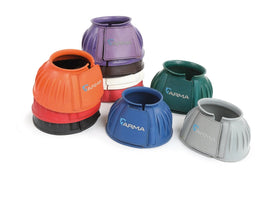

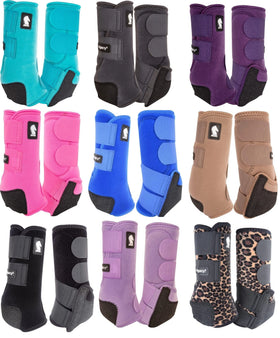
The Best No-Turn Bell Boots for Jumping
Finding the right bell boots can feel like a quest, but it doesn't have to be complicated. When you’re schooling over fences or competing in the jumper ring, you need reliable protection that stays exactly where it’s supposed to. A spinning, shifting bell boot is the last thing you want to worry about. That’s why no-turn designs are a game-changer for so many riders. To make your decision easier, I’ve gathered some of the best and most trusted no-turn bell boots on the market. Each of these options offers a unique combination of durability, design, and performance.
Whether you have a sensitive horse, a powerful jumper, or are just looking for dependable daily protection, there’s a perfect pair out there. We’ll look at what makes each of these brands stand out, from their locking mechanisms to the materials they use. Exploring different types of horse boots and leg protection is key to finding what works best for your horse's specific needs and your riding discipline. Let’s find the pair that will give you peace of mind and keep your horse’s hooves safe, jump after jump.
Professional's Choice No-Turn Bell Boots
Professional's Choice is a name equestrians have trusted for years, and for good reason. Their Ballistic Overreach Boots are a top pick, especially for sensitive horses or those in demanding work. What sets them apart is a soft, molded knob on the interior that sits snugly in the heel bulb depression, which prevents the boot from turning. This simple but effective design ensures the protective outer layer is always covering the delicate heel area. Made from durable ballistic nylon, these boots are built to withstand serious impact from overreaches. They offer excellent protection without creating rubs, making them a go-to choice for everything from daily training to high-level competition.
Acavallo No-Turn Bell Boots
Acavallo is known for its innovative and thoughtfully engineered products, and their no-turn bell boots are no exception. These boots are designed with a special internal knob that effectively stops them from spinning around the hoof. This feature provides the stability you need when your horse is moving with power and speed, particularly over fences. The secure fit means you can focus on your ride, confident that your horse's heels are protected. Acavallo often uses high-quality, flexible materials that absorb impact while allowing for natural movement. They are an excellent option for jumpers who need reliable, stay-in-place protection that doesn’t interfere with performance.
Roma No-Turn Bell Boots
If you're looking for a dependable and budget-friendly option, Roma No-Turn Bell Boots are a fantastic choice. They deliver on the most important feature: they stay put. The design includes an inner bump that prevents the boot from rotating, ensuring consistent coverage of the heel bulbs during active work. This added stability is crucial for jumping, where an overreach can happen in a split second. Typically made from durable ribbed rubber with a double-locking hook-and-loop closure, Roma boots offer solid protection against strikes and are tough enough for daily schooling. They prove you don’t have to spend a fortune to get reliable performance in the arena.
Tough-1 No-Turn Bell Boots
Tough-1 is a brand that offers a wide array of practical and affordable tack, and their no-turn bell boots are a popular choice for active horses. These boots are designed with an internal feature that keeps them from spinning, providing consistent protection right where it's needed most. They are often constructed from heavy-duty materials that can handle the rigors of jumping and fast work. To get the most out of any no-turn design, a proper fit is key; a boot that is too loose may still shift. When sized correctly, Tough-1 bell boots offer reliable security, making them a solid and economical choice for riders who need durable, everyday hoof protection.
Weaver Leather No-Turn Bell Boots
Weaver Leather has a long-standing reputation for quality craftsmanship, and their no-turn bell boots live up to that standard. These boots are built for durability and performance, making them a great investment for riders in demanding disciplines like jumping or cross-country. They feature a robust construction with high-quality materials and a well-designed no-turn knob on the inside that keeps the boot securely in place. The secure closures and tough outer shell provide excellent protection against overreach injuries. With Weaver, you can count on a product that is made to last and will hold up to rigorous, consistent use while keeping your horse comfortable and safe.
How to Choose the Right No-Turn Bell Boots
Picking the right no-turn bell boots can feel a little overwhelming with all the options out there. But finding the perfect pair comes down to understanding a few key features. The best choice for your horse will balance durability, a secure fit, and the right amount of coverage for the work you’re doing. Let’s walk through what to look for so you can feel confident in your decision and keep your horse protected.
Material and Durability
The material of your bell boots directly impacts how well they hold up to daily use. For jumpers, durability is non-negotiable. While traditional rubber boots are a classic choice, they can tear more easily. Look for options made from heavy-duty materials like ballistic nylon or dense, tear-resistant polymers. These are designed to withstand the force of an overreach without shredding. A tougher material means you get reliable protection and won't have to replace your boots as often, giving you peace of mind during every ride.
Closure Style
How your bell boots fasten is more than a matter of convenience; it’s about security. Most no-turn bell boots use a hook-and-loop closure, which makes them quick to put on and take off. For jumping, I always recommend a double-locking system. This extra layer of security helps prevent the boots from coming undone mid-course, which can be both distracting and dangerous. It's a small feature that makes a big difference in the ring. Also, remember to keep the closures clean from mud and arena footing, as this will help them maintain their grip and last longer.
Coverage and Height
Proper coverage is the whole point of bell boots. You want a pair that protects the entire hoof, from the pastern, over the delicate coronary band, and down to the heel bulbs. This is especially important for preventing overreach injuries. The boot should be just long enough to cover the heels but not so long that your horse can step on the back of it. A good rule of thumb is that the boot should lightly touch the ground when your horse is standing still. This ensures full protection without creating a tripping hazard.
Price vs. Performance
It can be tempting to grab the cheapest pair of bell boots on the shelf, but this is one area where investing a little more pays off. Higher-quality horse boots and leg protection are made with better materials and construction, meaning they last longer and offer more reliable protection. Think of it as an investment in your horse’s soundness. Spending a bit more upfront on a durable, well-designed pair can save you from the cost and headache of a pulled shoe or a painful heel bulb injury down the road.
How to Get the Perfect Fit
A great pair of no-turn bell boots is only as good as its fit. When you’re focused on the course ahead, the last thing you want to worry about is your horse’s equipment. An ill-fitting boot can fail to prevent an overreach injury, or worse, cause painful rubbing and sores. Finding that perfect, secure fit ensures your horse gets all the protection without any of the discomfort. Taking a few extra minutes to measure and check the fit will give you peace of mind and keep your horse performing at their best.
Measure Your Horse's Hooves
Before you even add a pair of boots to your cart, grab a soft measuring tape. Since bell boots are designed to cover the hoof from the pastern down over the heel, getting an accurate measurement is your first step. Start by measuring the circumference of your horse's pastern, right above the coronary band. Then, measure the height from the middle of the pastern down to the ground at the heel. Write these numbers down and compare them to the manufacturer’s sizing chart, as sizes can vary between brands. This simple step removes the guesswork and sets you up for success.
What a Proper Fit Looks Like
Once you have the boots, it’s time for a test fit. A well-fitted no-turn bell boot should be snug but not tight. The top opening should sit comfortably around the pastern, allowing you to slide one finger between the boot and your horse’s skin. The bottom of the boot should just touch the ground or be a quarter-inch above it at the heel when your horse is standing square. The special no-turn bulb is designed to sit securely in the hollow of the heel, which prevents the boot from spinning during movement. This stable fit is exactly what you need when looking for reliable horse boots and leg protection.
Avoid Common Sizing Mistakes
Two common mistakes can undermine the effectiveness of your bell boots: choosing a size that’s too big or too small. If the boots are too large, they will spin around the hoof, defeating the purpose of the no-turn design. They can also drag on the ground, creating a tripping hazard. On the other hand, a boot that’s too tight can rub the pastern and cause sores or even restrict blood flow. Always do the one-finger check at the top and ensure the boot isn't gaping at the bottom. After the initial fit, ask your horse to walk a few steps to see how the boots settle into place.
Common Myths About No-Turn Bell Boots
When it comes to horse gear, it’s easy for myths and misconceptions to spread around the barn. No-turn bell boots are no exception. Getting the facts straight helps you make the best choices for your horse’s safety and comfort. Let’s clear up a few common myths so you can feel confident you’re giving your horse the protection they need, exactly when they need it.
Myth: They're Only for Jumping
It’s easy to see why many riders associate no-turn bell boots strictly with jumping. After all, that’s where the risk of a dramatic overreach seems highest. While they are fantastic for jumpers, their usefulness extends far beyond the arena. Think about turnout time, especially in a muddy paddock or on slick ground. As the experts at Ortho Equine note, no-turn bell boots are great for helping a horse avoid injury when working in mud or on slippery surfaces. They provide that extra layer of security for the heel bulbs and coronary band, whether your horse is schooling over fences, hacking on a trail, or just being a horse out in the pasture.
Myth: All Bell Boots Are the Same
If you’ve ever browsed for horse boots and leg protection, you know there’s a huge variety out there, and bell boots are no exception. It’s a common mistake to think they’re all created equal. The basic purpose is the same: as Dover Saddlery explains, bell boots (also called overreach boots) cover the front feet to protect them from being clipped by the hind feet. However, the design makes all the difference. A traditional rubber pull-on boot offers simple protection but can spin freely. A no-turn bell boot, with its anatomical shaping and heel bulb nodule, is specifically engineered to stay put, offering more reliable and consistent coverage during intense work.
Myth: A Tighter Fit Is Better
When you’re trying to prevent a boot from spinning, it seems logical to just crank it down as tightly as possible. This is a myth that can actually cause more harm than good. A bell boot that’s too tight can rub the pastern, causing sores and irritation, and may even restrict blood flow. The goal is a secure fit, not a suffocating one. While a boot that spins might be too large, the solution isn't always to just tighten it. Finding the right size and ensuring the closure is snug but not constricting is key. You should be able to fit one finger comfortably between the boot and your horse’s pastern.
How to Care for Your No-Turn Bell Boots
To get the most out of your no-turn bell boots and keep your horse safe, a little bit of care goes a long way. Just like any other piece of tack, regular maintenance ensures they perform their best and last for seasons to come. Following a simple routine will help you protect your investment and, more importantly, your horse's hooves. By making these steps part of your post-ride routine, you’ll keep your gear in great condition and ready for your next jump school or show.
Clean After Every Use
A quick clean after each ride is the best way to keep your bell boots in top shape. Dirt, mud, and sweat can break down the materials over time and even cause skin irritation on your horse’s pasterns. The good news is, cleaning them is simple. Start by using a stiff brush to knock off any loose dirt and arena footing. Then, you can give them a good rinse with plain water. For a deeper clean, a little dish soap and a scrub brush will do the trick. Some durable rubber or ballistic nylon boots can even be tossed in the washing machine on a gentle cycle for an effortless wash. This simple habit prevents grime buildup and keeps the boots comfortable for your horse.
Inspect for Wear and Tear
Before you put the boots on, take a few seconds to give them a quick once-over. Check for any signs of damage, like cracks in the rubber, fraying seams, or thinning material, especially around the bottom edge where they make contact with the ground. Pay close attention to the hook-and-loop closures to make sure they are still gripping securely. If you notice your no-turn boots are spinning, it could be a sign that they’re stretched out or were not fitted tightly enough to begin with. Regular checks are a key part of preventing common leg injuries and ensuring your equipment is always ready for action.
Know When to Replace Them
Even the most durable bell boots won't last forever. Knowing when to retire a pair is crucial for your horse's safety. If the closures are weak, the material is significantly frayed, or there are tears and holes, it's time for a replacement. A compromised boot can’t provide reliable protection against overreach injuries and might even become a hazard itself. For horses in demanding work or those with sensitive skin, sticking with high-quality boots is always a smart move. When your current pair has seen its last ride, you can find a great replacement from our full collection of horse boots and leg protection.
Find Your Horse's Perfect Pair at Hooves and Paws
Choosing the right equipment is one of the most important things you can do to keep your horse safe and confident in the jump arena. When your horse is focused on the next fence, the last thing you want to worry about is their gear. No-turn bell boots are a non-negotiable piece of equipment for preventing painful overreach injuries, giving both of you the peace of mind to perform your best. Their specialized designs stay securely in place, offering stability and protection exactly when your horse needs it most. Whether your horse is sensitive or simply working hard, the right pair ensures they can move freely without discomfort or the risk of a hoof strike.
We know that with so many options available, it can be tough to decide which boots are best for your partner. From durable ballistic nylon to flexible, shock-absorbing materials, the goal is always the same: reliable protection that doesn’t quit. That’s why we’ve handpicked a variety of top-quality options that we trust for our own horses. You can explore our full collection of horse boots and leg protection to find the perfect match for your horse's needs and your budget. If you have any questions about sizing or materials, our team is always here to help you make the right choice. With our 365-day satisfaction guarantee and fast, free shipping, you can shop with complete confidence, knowing you’re getting the best for your horse.
Related Articles
- Classic Equine Dynohide 2520D No Turn Horse Overreach Bell Boots Charc
- Classic Equine Dyno Turn Patterned Bell Boots Starlet Medium
- Weaver Leather Bell Boots, Black
Frequently Asked Questions
Why are my no-turn bell boots still spinning? This is a common frustration, and it almost always comes down to fit. If the boot is too large for your horse’s hoof and pastern, the no-turn bulb won't be able to sit securely in the heel hollow, allowing the boot to rotate. It can also happen if the closure isn't fastened snugly enough. I recommend re-measuring your horse and comparing it to the brand's size chart. If the fit is correct, check the boot for signs of stretching or wear, as an older, worn-out boot can also lose its shape and start to spin.
Can my horse wear bell boots all the time, even in their stall? While no-turn bell boots are great for turnout, I don't recommend leaving them on 24/7 without daily checks. It's important to remove them at least once a day to clean them and inspect your horse’s pasterns for any signs of rubbing or skin irritation. Trapped moisture and dirt can lead to skin problems, so giving the skin a chance to breathe is a key part of responsible care. Consistent protection is great, but healthy skin is even better.
Do bell boots really prevent pulled shoes? Yes, they are incredibly effective at this. A pulled shoe often happens when the hind foot steps on the heel of the front shoe during an overreach, literally prying it off. Bell boots create a protective barrier that covers the heel of the hoof and the back of the shoe. When the hind foot strikes, it hits the durable boot instead of the metal shoe, absorbing the impact and preventing the shoe from being torn off. This can save you a lot of money and hassle with emergency farrier visits.
My horse has sensitive skin. What should I look for in a bell boot? For a sensitive horse, the material and fit are everything. Look for boots that have a soft lining around the top edge where it meets the pastern; materials like neoprene or fleece can prevent rubbing. Some boots are also designed with a rolled or padded collar for extra comfort. Make sure the fit is perfect, as a boot that is too tight or too loose will cause chafing. Finally, keeping the boots clean is essential to prevent dirt from irritating the skin.
How do I clean the velcro closures so they stay sticky? Keeping the hook-and-loop closures clean is the secret to making them last. The best tool for the job is a small, stiff brush, like an old toothbrush or even a wire pet slicker brush. Use it to brush out any hair, mud, and arena footing from both sides of the closure. Doing this regularly prevents buildup and ensures the velcro can get a secure grip every time. This simple step will extend the life of your favorite horse boots and leg protection.


