


Finding your horse’s brand-new shoe in a muddy pasture is beyond frustrating. This common problem is usually caused by "overreaching"—when a hind hoof clips the heel of a front hoof, pulling the shoe right off. Protective boots are the best solution, but the options can feel overwhelming. The debate over overreach boots vs bell boots often leaves riders confused. Are they the same thing? Does one offer better protection? We’ll answer these questions and more, helping you pick the right boot to save you a call to the farrier and protect your horse from painful nicks and injuries.
Key Takeaways
- Choose boots based on your horse's job: Use standard bell boots for everyday turnout and light riding, but switch to specialized overreach boots for high-impact activities like jumping to ensure your horse has adequate protection.
- Prioritize a correct fit for comfort and protection: A boot that is too loose won't protect properly, while one that's too tight can cause rubs and sores. The boot should cover the heel and touch the ground behind the hoof without being loose around the pastern.
- Clean and inspect boots regularly: Daily cleaning prevents skin irritation, and routine checks for cracks or worn-out fasteners help you know when it's time for a replacement, ensuring your horse is always safely equipped.
Overreach Boots vs. Bell Boots: What Are They?
If you’ve ever worried about your horse nicking its front heels or pulling a shoe, you’ve probably looked into protective boots. Bell boots and overreach boots are two of the most common options, and while they look similar, they serve different purposes. Understanding the distinction is key to giving your horse the right protection for any activity, from a lazy day in the pasture to a competitive event. Let's break down what each boot does and how it keeps your horse safe.
First Up: What Are Bell Boots?
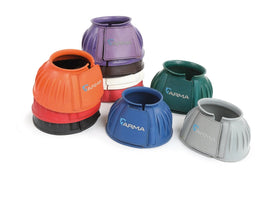
Think of bell boots as an all-purpose shield for your horse's front hooves. As their name suggests, they are shaped like a bell and fit over the hoof, covering everything from the pastern down to the heel. Their main job is to offer everyday protection against minor scrapes, nicks, and bruises that can happen during turnout or a light ride. One of their most valuable functions is preventing a horse from accidentally stepping on the back of a front shoe with a hind foot and pulling it off. They are the go-to choice for general, low-impact protection, keeping your horse’s hooves and sensitive coronary band safe from everyday bumps.
And What About Overreach Boots?
Overreach boots are a specialized, heavy-duty version of bell boots. They are engineered specifically for high-impact activities where the risk of a powerful strike is much higher. Think jumping, cross-country, or any kind of fast work. These boots are built tough, often featuring extra padding and reinforced materials, especially around the heel area. Some even have a hard "strike plate" designed to absorb and deflect the force of a hind hoof hitting the front heel. Their primary purpose isn't just general protection; it's to handle the intense shock of a significant overreach during strenuous exercise, safeguarding the delicate structures of the heel and pastern.
Other Protective Boot Styles
While bell boots and overreach boots are the most common choices you'll see in the barn, they aren't the only options available. Sometimes a horse doesn't need full hoof coverage, or a rider might prefer a more minimalist design for a specific purpose. In these cases, a couple of other styles offer more specialized protection. If you're looking for something with less bulk or a simpler application, it's worth knowing about quarter boots and fetlock rings. These alternatives provide targeted protection and can be the perfect solution for certain horses and disciplines, proving that sometimes less is more when it comes to safeguarding your horse's hooves.
Quarter Boots
Quarter boots are a specialized type of overreach boot designed for targeted protection. Instead of covering the entire hoof like a traditional bell boot, a quarter boot focuses solely on shielding the heel bulbs. This design is ideal for horses that primarily need protection in that specific area but don't require the full coverage of a larger boot. By leaving the rest of the hoof and pastern uncovered, they provide a less bulky option that still guards against nicks and scrapes from a hind hoof. Think of them as a precise solution for preventing heel injuries without any extra material, making them a great choice for horses sensitive to more restrictive boots.
Fetlock Rings (Sausage Boots)
If you're looking for the most minimalist option, you might consider fetlock rings, often called "sausage boots" because of their simple, tubular shape. These are basic rubber rings that slide over the pastern and sit just above the hoof, offering a light buffer against minor strikes. While they don't provide the heavy-duty defense of a reinforced overreach boot, they are a great choice for horses that only need slight protection to prevent self-inflicted nicks during turnout or light work. They're an easy, no-fuss piece of horse tack for everyday use when you just need a little extra peace of mind in the pasture.
Why Your Horse Needs This Protection
Both bell boots and overreach boots are designed to solve the same fundamental problem: "overreaching." This happens when a horse's hind hoof extends forward and strikes the heel or pastern of the front hoof on the same side. This can cause anything from a minor cut to a serious injury or a pulled shoe. While all overreach boots are technically a type of bell boot, you can't use a standard bell boot for high-impact work and expect the same results. The key is choosing the right piece of horse tack for the job. A basic bell boot is perfect for the pasture, but an overreach boot is built with the specific reinforcements needed for more demanding disciplines.
Beyond Overreaching: Preventing Interference and Brushing
While overreaching involves a hind hoof striking a front hoof, horses can also injure themselves through "interference" or "brushing," which is when a hoof strikes the opposite leg. This side-to-side contact can cause scrapes and bruises along the inside of the cannon bone or fetlock. Bell and overreach boots are designed specifically to protect the pastern, coronet band, and heel from the downward force of a back hoof. They aren't built to shield against lateral hits higher up the leg. For that, you'll need a different type of protective gear, like splint boots or brushing boots, which are designed to absorb impact on the sides of the leg.
Safe Travels: Using Boots in the Trailer
Trailering can be tough on a horse's legs. As they shift their weight to stay balanced, it's easy for them to step on themselves, especially in a tight space. Using bell boots during transport is a smart and simple way to protect their front hooves. They shield the delicate coronary band and heel bulbs from being accidentally trampled or scraped. For complete protection, many owners pair bell boots with full-coverage shipping boots or wraps. This combination ensures the entire lower leg, from the hoof up to the knee or hock, is safeguarded, giving you peace of mind that your horse will arrive at your destination safe and sound.
Can You Use Them on Hind Feet?
This is a common question, but the short answer is no. Bell and overreach boots are designed exclusively for the front feet. Their purpose is to prevent injury from the hind hooves striking forward, a dynamic that doesn't happen in reverse. If your horse is interfering behind—meaning its hind hooves are hitting each other—you'll need a different solution. Fetlock boots, sometimes called ankle boots, are specifically designed to protect the inner hind fetlock joint from this type of impact. Using the right boot for the specific problem is crucial for providing effective and comfortable protection for your horse.
So, Are Overreach Boots and Bell Boots the Same Thing?
If you’ve ever found yourself wondering whether overreach boots and bell boots are the same thing, you’re not alone. It’s one of the most common questions in the equestrian world. While the terms are often used interchangeably, they aren’t exactly the same. Let’s break down the relationship between them so you can choose the right protection for your horse.
Let's Bust Some Common Myths
Let's start with the basics. At their core, both bell boots and overreach boots have the same job: to protect your horse's front hooves and pasterns from their hind hooves. When a horse's hind hoof strikes the heel or pastern of their front foot, it's called "overreaching." This can cause anything from a minor scrape to a serious injury, or even pull off a front shoe. Both types of boots are designed to shield this sensitive area from impact. This shared purpose is the main reason people often treat the names as one and the same.
Why It's Easy to Mix Them Up
The confusion really comes down to language. In the barn and online, you'll often hear riders use "bell boots" and "overreach boots" to mean the same thing. "Bell boots" has become a sort of catch-all term for the bell-shaped protective gear worn on a horse's front pasterns. To add another layer, some equestrians reserve the term "overreach boots" for specific, heavy-duty models that might not even have a classic bell shape. Because the names are used so loosely in everyday conversation, it's easy to assume they are completely interchangeable when they actually have distinct differences.
Similar, But Not the Same
Here’s the best way to think about it: all overreach boots are a type of bell boot, but not all bell boots are overreach boots. Think of standard bell boots as an all-purpose shield for general protection during turnout or light riding. Overreach boots, on the other hand, are a specialized, more robust kind of bell boot. They are built for high-impact activities like jumping, cross-country, or speed events where the risk of a serious overreach is much higher. While they are technically related, they aren't interchangeable. Using a standard bell boot for intense work might not offer enough protection, which is why understanding the whole collection of horse tack is so important.
Shop This Post

Overreach Boots vs. Bell Boots: The Key Differences
At first glance, overreach boots and bell boots look quite similar. They share the same goal of protecting your horse’s front hooves from their back ones, but they are designed for different jobs. Understanding what sets them apart is key to choosing the right protection for your horse’s specific needs and activities. Let’s break down the main differences in their design, materials, and overall performance.
Design: How They Protect Differently
Both boots are designed to prevent injury from overreaching, which happens when a hind hoof strikes the heel or pastern of a front foot. Think of standard bell boots as an all-purpose shield. They offer great general protection for turnout, trail riding, or for horses prone to pulling their front shoes. Overreach boots, however, are a specialized type of bell boot built for high-impact work. They provide more targeted, heavy-duty protection for intense activities like jumping, cross-country, or fast-paced training where the risk of a forceful strike is much higher.
Coverage Area: Full vs. Targeted Protection
The main difference in coverage comes down to one thing: purpose. Standard bell boots are designed to provide full, general coverage. They wrap around the entire hoof from the pastern down, creating a 360-degree barrier that protects against everyday nicks, scrapes, and shoe-pulling during turnout or light work. Their protection is uniform across the entire boot. Overreach boots, however, offer targeted protection. While they cover the same physical area, their design concentrates heavy-duty reinforcement in the most vulnerable spot—the heel. Their primary purpose isn't just general protection; it's to handle the intense shock of a significant overreach during strenuous exercise, safeguarding the delicate structures of the heel and pastern. This is why choosing the right protective gear is so critical for your horse's specific discipline.
Which Materials Last the Longest?
The materials used in these boots directly reflect their intended purpose. Bell boots are typically made from flexible rubber, neoprene, or PVC, offering good durability for everyday wear. They often come in a simple pull-on style or with easy-to-use Velcro closures. In contrast, overreach boots are constructed with tougher materials to withstand greater force. Many feature reinforced strike plates made of Kevlar or heavy-duty rubber at the heel, providing an extra layer of defense where it’s needed most. This robust construction makes them a staple in our collection of best-selling products for performance horses.
Do You Get What You Pay For?
When choosing between the two, it’s less about price and more about performance. The right boot is the one that matches your horse’s job. For a horse that spends its days in a pasture or enjoys light riding, a standard pair of bell boots provides adequate protection at a budget-friendly price. However, if your horse is competing in jumping, barrel racing, or any discipline that involves speed and sharp movements, investing in a quality pair of overreach boots is a smart move. The higher price reflects the advanced materials and superior protection needed to keep your equine athlete safe.
When Should You Use Overreach Boots vs. Bell Boots?
Choosing the right protective gear for your horse is all about matching the boot to the activity. While overreach boots and bell boots serve a similar purpose, they aren't interchangeable. Knowing when to use each one ensures your horse gets the right level of protection, whether they're relaxing in the pasture or competing in the ring. Think of it like choosing between sneakers for a walk and hiking boots for a mountain trail; both are footwear, but they’re designed for very different jobs. Let’s break down which situations call for which type of boot.
For Jumping, Cross-Country, and High-Impact Work
If your plans involve jumping, cross-country, or any kind of fast work, this is the time to reach for overreach boots. These boots are essentially a specialized, heavy-duty version of bell boots, built to handle intense impact. They feature extra padding and are made from tough materials designed to absorb the powerful force of a hind hoof striking a front heel during strenuous exercise. For these high-energy disciplines, a standard bell boot just won't provide enough shock absorption. Equipping your horse with the right horse tack for the job gives you peace of mind, knowing their delicate heel bulbs and coronary bands are well-protected when it matters most.
For Daily Rides and Pasture Time
For more relaxed situations like daily turnout, light hacking, or a casual trail ride, a standard pair of bell boots is usually the perfect fit. Think of them as an all-purpose shield for your horse’s hooves. They provide great general protection against nicks and scrapes and are especially helpful for horses prone to pulling their front shoes off in the field. Because these activities are lower impact, you don’t need the reinforced padding of an overreach boot. A simple, durable bell boot offers reliable, everyday defense, keeping your horse comfortable and your farrier bills down.
A Note on Padded Boots and Turnout Safety
While standard bell boots are the go-to for everyday turnout, some horses play hard in the pasture and might need a bit more protection. If your horse is particularly active or has a conformation that makes them prone to significant overreaching, a more padded boot—even one designed for overreaching—could be a smart choice for field time. However, the most important factor for turnout safety is a perfect fit. A boot worn for hours must not rub or chafe the pastern. It should cover the heel and just touch the ground without being so loose that it spins or collects mud and debris. When choosing any protective horse tack, make it a habit to observe your horse’s movement and check their legs daily to ensure the gear is helping, not hurting.
Does Your Horse Need Protective Boots? Watch for These Signs
Not sure if your horse needs boots at all? There are a few clear signs to watch for. Take a look at their front pasterns and heels. Do you see any dirt marks, scrapes, or small bruises? Is your horse losing shoes more often than you’d like? These are classic indicators that their hind hooves are clipping their front ones as they move. This is known as overreaching. While protective boots are a great management tool, it’s also wise to chat with your farrier. Sometimes, consistent overreaching can be a sign of an unbalanced hoof that needs corrective trimming or shoeing.
Common Risk Factors for Overreaching
Conformation, Gait, and Fatigue
Some horses are simply more prone to overreaching due to their natural build. Horses with a short back and long hind legs, for example, have a conformation that naturally closes the distance between their front and back feet. Beyond their build, the way they move plays a huge role. A horse with long toes on its front hooves will have a delayed "breakover," meaning the foot stays on the ground a fraction of a second too long, giving the hind foot a chance to catch up and clip the heel. Fatigue is another major factor. Just like us, a tired horse gets less coordinated, and that loss of precision can easily lead to a misstep and an accidental strike.
How a Good Farrier Can Help
A skilled farrier is your best ally in managing overreaching. Since hoof shape and balance are critical, regular and correct trimming is the first line of defense. A farrier can address issues like long toes and low heels, ensuring the hoof is properly balanced to encourage a quicker, cleaner breakover. This simple adjustment can make a world of difference in the timing of your horse's stride, reducing the chances of the hind hoof catching the front. While a farrier can't change a horse's conformation, they can optimize hoof function to support the best possible movement. This expert care, combined with the right protective horse tack, provides a solid foundation for keeping your horse safe and sound.
What's the Best Material for Your Horse's Boots?
The material of your horse's boots plays a huge role in their effectiveness, durability, and comfort. Whether you need something tough for daily turnout or a high-performance boot for competition, understanding the materials will help you make the best choice for your horse's needs. Different materials offer unique benefits, from impact absorption to easy cleaning, so it’s worth getting familiar with the most common options before you buy.
From Rubber to Neoprene: Common Bell Boot Materials
Bell boots are designed for everyday protection, so they’re usually made from practical, durable materials. You’ll often find them made of rubber, neoprene, or PVC. Rubber is a classic choice because it’s tough and can withstand a lot of wear and tear, making it great for horses who are hard on their gear. Neoprene is softer and more flexible, offering excellent cushioning for horses with sensitive skin or those who need a bit more impact absorption. PVC and other synthetics provide a good middle ground, as they are strong, waterproof, and incredibly easy to wipe clean after a muddy turnout.
The Pros and Cons of Different Materials
When you're picking out boots, you'll find they're usually made from one of a few key materials, each with its own set of pros and cons. Rubber is a traditional favorite because it’s incredibly tough and gives great protection for horses who are rough on their equipment. While it’s built to last, it can be a bit stiff, which might not be the most comfortable option for horses with sensitive skin. In contrast, neoprene is much softer and more flexible, providing excellent cushioning that’s ideal for delicate skin. It’s also water-resistant, making it a versatile choice, but its main drawback is that it can trap heat during long workouts.
If you're looking for a practical, easy-care option, PVC is a popular choice. It’s strong, waterproof, and incredibly simple to clean, which makes it perfect for muddy turnouts and daily use. While it holds up well, it doesn't offer the same level of impact absorption as rubber or neoprene. For maximum durability during high-impact work, ballistic nylon is the answer. This material is extremely tough and tear-resistant, which is why you'll find it in heavy-duty overreach boots and other specialized horse tack. It provides serious protection, but it can be bulkier and more expensive, making it overkill for a quiet day in the pasture.
Materials Built for Tough Overreaches
Overreach boots are built for performance and targeted protection, especially during high-impact activities like jumping or speed events. Because they need to withstand serious force, they are often engineered with reinforced materials. You’ll see many overreach boots with heavy-duty rubber or even Kevlar strike plates that protect the heel from severe overreaching. Many of these performance-focused boots also feature a "no-turn" design, which is a small bump inside the boot that keeps it perfectly positioned for maximum protection when it matters most. These tougher materials ensure the boot can handle the demands of intense work.
Advanced Protection: Kevlar and Ballistic Nylon
When you see materials like Kevlar and ballistic nylon listed on a product description, you know you're looking at serious protection. These aren't just marketing buzzwords; they are incredibly tough, puncture-resistant fabrics originally developed for military and law enforcement use. In an overreach boot, these materials create a formidable shield over the horse's heel bulbs and coronary band. Instead of just covering the area, they are designed to absorb and dissipate the sharp impact of a hind hoof, preventing the force from causing injury. This level of durability is essential for eventers, jumpers, and other equine athletes who need reliable gear. Investing in this kind of advanced performance horse tack ensures that your horse has the best defense against the powerful strikes that can happen at high speeds.
Does the Material Really Make a Difference?
Choosing the right material comes down to your horse’s specific situation. A tough rubber boot is perfect for daily use and turnout, especially if your horse tends to pull shoes. If your horse has sensitive skin or you’re looking for extra cushioning against impact, a soft and flexible neoprene boot is an excellent option. For a great all-around choice that balances durability with convenience, PVC or synthetic horse tack is hard to beat since it’s strong and simple to maintain. Matching the material to your horse’s activity level and sensitivity ensures they get the protection they need without sacrificing comfort.
Find the Right Features for Your Horse
Once you've decided between overreach boots and bell boots, the next step is to look at the specific features that will best suit your horse. From the way they fasten to the materials that protect them, small details can make a big difference in performance, comfort, and durability. Thinking about your horse’s specific needs and your daily routine will help you choose a pair that works perfectly for both of you. Let's break down some of the most important features to consider.
No-Turn Designs and Strike Plates: Are They Worth It?
No-turn designs have a small bulb or a specific shape at the heel to prevent the boot from spinning around the hoof. This ensures the most protected part of the boot stays where it's needed most: at the back. For horses in high-impact disciplines, look for boots with reinforced strike plates. These are tougher areas, often made from durable materials like Kevlar or heavy-duty rubber, designed to absorb the force of a hard overreach and protect the sensitive heel bulbs without being too bulky. These features are especially useful for jumping, cross-country, or any activity where your horse’s hooves are moving quickly.
Velcro vs. Pull-On: Choosing a Fastener
Protective boots come with two main closure types: pull-on and Velcro. Traditional pull-on boots are very secure and less likely to come off in a muddy pasture, but they can be a real workout to get on and off. For daily riding or competitions, many riders prefer boots with strong Velcro closures. They’re much quicker to apply and remove, which is a huge plus when you’re short on time. When browsing different horse tack, you'll find both styles available to match your specific needs and preferences.
Keeping Your Horse Comfortable and Cool
A boot is only effective if your horse can wear it comfortably. To prevent chafing and rubbing, especially for sensitive-skinned horses, look for boots with soft linings like fleece or faux fur. A proper fit is key, but the material also plays a huge role. If you ever notice redness, hair loss, or sores around the pastern, it’s a sign something is wrong. First, double-check the fit. Then, make sure both your horse’s legs and the inside of the boots are clean and dry before you put them on. If the problem continues, it might be time to try a different style or material.
Modern Features: Anatomical Shapes and Cooling Vents
Protective boot technology has come a long way from the simple rubber pull-ons of the past. Newer designs often feature anatomical or contoured shapes that provide a much closer, more secure fit around the pastern and hoof. Many also include anti-spin knobs—small bumps on the interior that sit in the heel groove—to keep the boot from twisting during intense work. This ensures that reinforced strike plates stay exactly where they’re needed for maximum protection. For horses working hard in warm climates, some boots even incorporate cooling vents to allow for better airflow. This level of thoughtful design is what we look for when selecting the best horse tack for our customers, ensuring your horse gets superior protection without sacrificing comfort.
How to Get the Perfect Fit on Your Horse's Boots
Getting the right fit for your horse’s protective boots is just as important as choosing the right type. Think of it like your own riding boots; a poor fit can ruin your day, and it's the same for your horse. A boot that’s too tight can cause painful rubbing and restrict blood flow, while one that’s too loose can slip, get filled with debris, or even trip your horse. An ill-fitting boot simply can’t do its job effectively and might create more problems than it solves, potentially leading to skin infections or even injury. To make sure your horse is comfortable and fully protected, it helps to focus on three key areas: getting the right size from the start, placing the boots correctly every time, and knowing how to spot common fitting mistakes before they become an issue. Taking a few extra minutes to check the fit will give you peace of mind during turnout or training, knowing your horse is safe and sound.
Step 1: How to Measure for the Right Size
When you’re shopping for new boots, start by measuring your horse’s pastern circumference and hoof diameter, as sizing can vary between brands. As a general rule, when your horse is standing squarely, the back of the boot should just touch the ground. You also want to ensure a snug fit around the pastern. A good test is to slide one or two fingers between the top of the boot and your horse's leg. If you can fit more, the boot is likely too big. The goal is to find a size that covers the entire hoof wall down to the heel without being so long that your horse could step on it with another foot.
Applying the One-Finger Rule
Once you have the boot on, use the one-finger rule for a quick and reliable fit check. You should be able to comfortably slide one finger—or at most, two—between the top edge of the boot and your horse’s pastern. If you can easily fit more than that, the boot is too loose and will likely spin, shift, or get packed with mud and debris, which can cause irritation. On the other hand, if you can’t slip a finger in at all, it’s too tight and will almost certainly cause painful rubbing and sores. This simple test ensures the boot is secure enough to stay in place without constricting movement or causing discomfort, a must for any piece of horse tack.
Choosing a Size: When in Doubt, Size Up
Sizing can vary quite a bit between brands, so always consult the manufacturer’s sizing chart before you buy. To get an accurate measurement, check your horse’s hoof diameter and pastern circumference. If you find that your horse falls between two sizes, it’s usually best to choose the larger one. A boot that’s too tight is a guaranteed way to cause rubs and sores, while one with a little extra room is far less likely to create problems. Just make sure it isn’t so loose that it spins freely. The ideal length is for the back of the boot to just touch the ground when your horse is standing squarely, providing full coverage for the heel bulb without interfering with movement.
Step 2: Check for Correct Placement
Once you have the right size, putting the boot on correctly is the next step. The boot should sit comfortably around the pastern, covering the coronary band and the sensitive heel bulbs without any gaps. When fastened, the bottom edge of the boot should just barely touch the ground behind the heel. This ensures it fully covers the back of your horse’s shoe, which is the primary area you want to protect from overreaching. Take a moment to walk your horse and watch how the boots move. They shouldn’t spin excessively or ride up the leg, which are signs that you may need to adjust the fit or try a different size.
How to Handle Pull-On Boots
Pull-on boots are known for being incredibly secure, but that security often comes with a struggle to get them on and off. The secret to avoiding a workout is the inside-out trick. Start by flipping the boot completely inside out. Then, place the inverted boot over the front of your horse’s hoof, positioning it so the bottom edge is where you want it to sit. Once it’s in place, simply grab the top edge and roll it up and over the heel. The boot will pop right into position without any pulling or wrestling, making the process quick and stress-free for both you and your horse.
Positioning Velcro Straps Correctly
For boots with Velcro closures, there’s one simple rule to remember: the straps should always point backward and open toward the outside of the horse. This small detail makes a big difference in keeping the boots secure. When the straps face outward, they are far less likely to get caught on the opposite leg, a fence, or brush during a ride, which could cause them to come undone at the worst possible moment. It’s a quick check that ensures the boots stay securely in place, providing the consistent protection your horse needs. When you're looking at different horse tack options, you'll notice most quality designs account for this.
Common Fitting Mistakes (and How to Avoid Them)
Even with the right size, it’s important to check for signs of irritation. If you notice any rubs, redness, or hair loss around the pastern, the fit might be off or the material could be causing a reaction. A boot that doesn't fit well or isn't kept clean can cause more problems than it solves, leading to rubs or skin infections. Always apply boots to clean, dry legs to prevent chafing. If you’ve double-checked the fit and cleanliness but irritation continues, your horse might be more comfortable in a different style or a softer material. Finding the perfect pair in our horse tack collection can make all the difference.
How to Keep Your Horse's Boots in Top Shape
Getting the right boots is only half the battle. To ensure they protect your horse effectively and last as long as possible, you need to care for them properly. A well-maintained boot not only performs better but also prevents skin irritation and discomfort for your horse. Think of it as part of your daily grooming routine. A few simple steps can make a huge difference in the longevity of your gear and the well-being of your equine partner. Consistent care keeps your horse comfortable and saves you money in the long run.
Your Daily Cleaning Routine
A clean boot starts with a clean leg. Before you put any boots on, always brush away dirt, mud, and sweat from your horse’s legs and hooves. This simple step prevents chafing and skin irritation. After your ride or turnout, take the boots off to let your horse’s skin breathe and dry out. Leaving boots on for too long can trap moisture and heat, creating a breeding ground for bacteria. To clean the boots, a little soap and water are all you need. Gently scrub away any grime, rinse them thoroughly, and let them air dry completely before using them again.
How to Properly Wash and Dry Boots
Keeping your horse's boots clean is non-negotiable for preventing skin issues. For most rubber, neoprene, or synthetic boots, a little mild soap and water are all you need. After your ride, use a soft brush to scrub away any mud and sweat, paying close attention to the seams and closures where grime loves to hide. Rinse them thoroughly to remove all soap residue, as leftover suds can irritate your horse’s skin. The most important step is allowing them to air dry completely before their next use. Hanging them in a well-ventilated area away from direct sunlight will prevent the material from cracking and ensure no moisture is trapped inside.
Special Care for Fleece and Fur Linings
Boots with fleece or faux fur linings are fantastic for sensitive horses, but they require a bit of extra attention. These soft materials can easily trap dirt, sweat, and bacteria, which can lead to skin irritation or "funk." Before washing, use a stiff brush to get rid of any dried mud and loose hair. Wash them by hand with a gentle soap, making sure to rinse them until the water runs clear to avoid leaving behind any irritating residue. Squeeze out as much excess water as you can and hang them to dry completely. Fleece can take a while to dry, so be patient—putting a damp boot on your horse is a recipe for skin problems.
How to Store Your Boots and Spot Wear-and-Tear
Make inspecting your horse’s boots a regular habit. Each time you use them, take a moment to look for any rips, cracks, or signs of wear and tear, especially on the fasteners. Worn-out Velcro or broken buckles mean the boot won't stay on securely, defeating its purpose. When you’re not using them, store your boots in a clean, dry place away from direct sunlight, which can degrade materials over time. Hanging them on a rack or hook is a great way to help them maintain their shape and allow for good air circulation, ensuring they’re ready for your next ride.
When Is It Time for a New Pair?
Even the most durable boots have a lifespan. If you notice that a boot is causing rubs, redness, or hair loss, it’s a clear sign something is wrong. First, double-check the fit and make sure both the boot and your horse's leg are clean. If the problem persists, it might be time to consider a different style or material. A boot that doesn't fit well or isn't kept clean can cause more problems than it solves. When you see significant damage like deep cracks or fasteners that no longer hold, it’s time to invest in a new pair from a quality horse tack collection to keep your horse safe and protected.
So, Which Boot Is Right for Your Horse?
Deciding between overreach boots and bell boots comes down to understanding your horse's unique needs. There’s no single right answer for every horse, but by looking at how your horse moves and what you do together, you can easily pick the right protection to keep them safe and sound. Think of it as choosing the right gear for the job at hand.
Watch How Your Horse Moves
First, take a moment to watch how your horse moves. Do they ever clip their front heels with their back hooves? This is called "overreaching," and it's the primary reason for using these boots. Both types of boots are designed to protect a horse's front hooves from the hind ones, preventing injuries and lost shoes. If you notice your horse overreaches consistently, it’s a good idea to chat with your farrier. Sometimes, this can be a sign of an unbalanced hoof that needs corrective trimming or shoeing. While boots are an excellent management tool, addressing the root cause is always the best long-term strategy for your horse's comfort and health.
Match the Boot to Your Riding Discipline
The right choice really depends on your horse's daily routine and the type of horse tack your discipline requires. For everyday situations like turnout, lunging, or a relaxed trail ride, a simple pair of bell boots is often the perfect solution. They offer great general protection and are especially helpful for horses prone to pulling their front shoes off in the pasture. However, if you’re heading into more demanding activities like jumping, cross-country, or barrel racing, you’ll want the more robust security of overreach boots. Think of them as the heavy-duty version, built to handle high impact and fast movements where the risk of a serious strike is much higher.
Related Articles
Frequently Asked Questions
Can I just use heavy-duty overreach boots for daily turnout? While you certainly could, it’s often not the best choice for your horse's comfort. Overreach boots are built for high-impact work, which means they can be bulkier and less breathable than standard bell boots. For long hours in a pasture, a simpler, more flexible bell boot is usually more comfortable and still provides excellent protection against scrapes and pulled shoes without being overkill.
My horse lives outside and constantly pulls his front shoes. What's the best boot for him? This is a classic job for a durable, no-frills bell boot. For a horse that lives out 24/7, look for a sturdy rubber pull-on style. They are incredibly tough and don't have any Velcro that can get caked with mud or come undone. This simple design is often the most effective and secure option for preventing lost shoes in the field.
How long can my horse wear protective boots at a time? It's best to give your horse's legs a break from boots whenever possible. I recommend taking them off at least once a day to clean both the boots and your horse’s pasterns. This allows the skin to breathe and dry out completely, which helps prevent rubs and skin infections from trapped moisture and dirt.
What's the most important feature to look for when choosing a boot? Hands down, the most important feature is a correct fit. You can have the most technologically advanced boot on the market, but if it’s too tight or too loose, it won’t do its job and could even cause harm. Once you’ve found the right size, then you can focus on other features like the material and closure system that best suit your horse’s specific activities.
How should I clean boots that have a fleece or faux fur lining? For boots with soft linings, it’s best to let any mud dry completely first. Then, use a stiff brush to gently remove the caked-on dirt and hair. After that, you can hand wash the boots with a mild soap and cool water. Make sure you rinse them thoroughly and let them air dry completely before putting them back on your horse to avoid any skin irritation.


